
If Your Fall Swiss Chard Grows Broad Colorful Leaves But Turns Tough And Bitter, You’re Cutting The Wrong Way
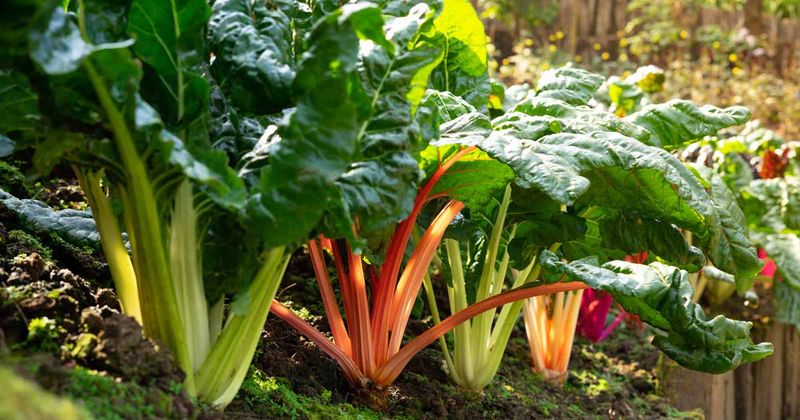
Fall Swiss chard is one of the most rewarding crops a backyard gardener can grow, but a lot of people end up with leaves that feel chewy or taste sharp and wonder what went wrong. The answer usually isn’t the soil, and it isn’t the variety. How and when you cut those stalks plays a big role in how much chard you get and how tender those leaves turn out to be. Understanding the difference between a harvest that keeps the plant producing and one that shuts it down for good can change everything about your fall garden.
The harvest cut changes future production, not every flavor problem
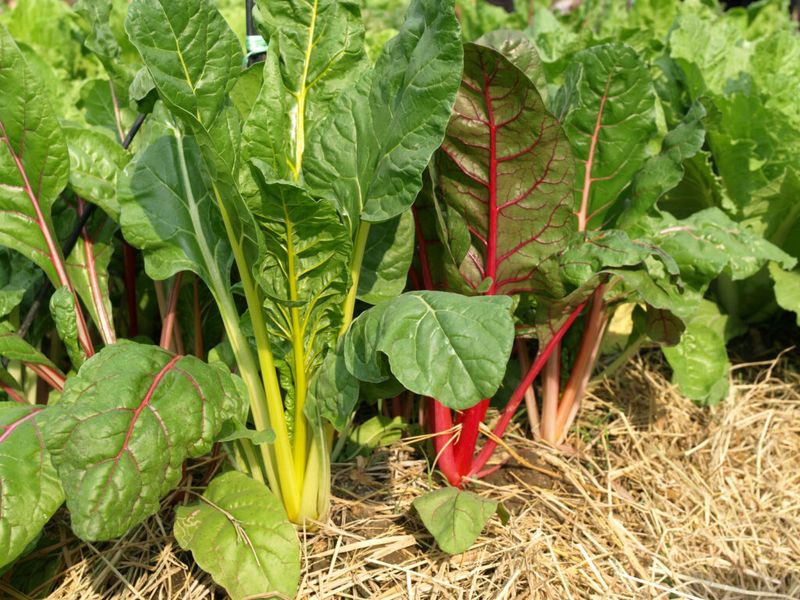
Plenty of gardeners pull tough, sharp-tasting chard leaves from their fall beds and immediately blame themselves for cutting at the wrong spot. The relationship between your harvest cut and the quality of the leaves already in your hand is more complicated than that, and it helps to separate two different problems: what happens to your plant after you cut, and why the leaves you just picked taste the way they do.
Removing the oldest outer leaves while leaving the central growing point alone is the right move when you want the plant to keep producing. University of Wisconsin-Madison Horticulture guidance on Swiss chard confirms that harvesting outer leaves and protecting the center allows younger leaves to continue developing. Those younger leaves tend to be more tender, which is a real advantage over time.
What the harvest cut does not reliably do is change the flavor or texture of the leaves you already removed. Bitterness and toughness in harvested chard come from a separate set of conditions. Utah State University Extension’s Swiss chard guide notes that high summer temperatures can reduce quality and produce bitter or off-flavors, and that fluctuating moisture can affect texture as well.
Older leaves are also naturally tougher than young ones. University of Maryland Extension points out that larger, more mature leaves tend to have tougher stems and blades. Thick ribs on oversized leaves are a texture issue tied to age and size, not to how you positioned your knife at the base of the stalk.
So the harvest method matters most for keeping the plant going. The flavor and feel of what you pick reflects growing conditions, leaf age, and size. Fixing one problem requires protecting the crown; addressing the other means looking at heat, water, and when you choose to cut.
Leave the crown intact for a continuing harvest
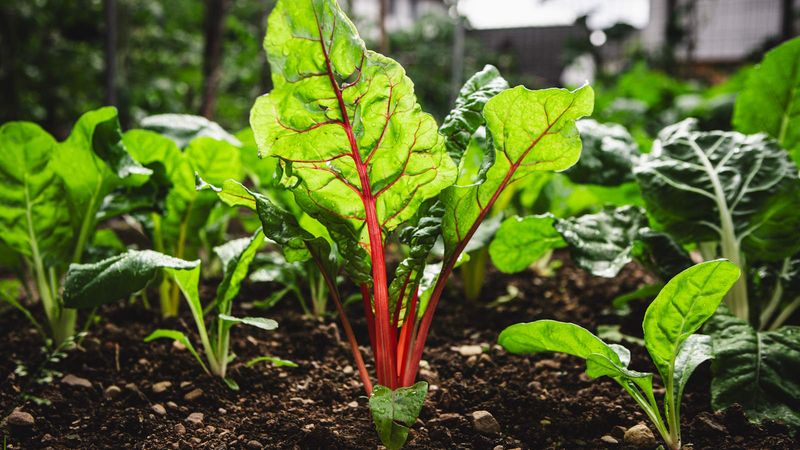
Getting a steady supply of chard through the fall comes down to one consistent habit: always cut the outermost stalks first and leave everything near the center alone. The innermost leaves and the crown, which is the compressed growing point at the base of the plant, are where new growth originates. Protect those, and the plant keeps working for you week after week.
Start each harvest by looking at the plant from the outside in. The oldest, largest leaves grow on the perimeter. Select those first, because they are the most mature and will only get tougher if left longer. Virginia Cooperative Extension’s vegetable harvesting recommendations advise cutting individual stalks close to the base, roughly 1 to 2 inches above the soil line, while taking care not to disturb the crown.
A clean, sharp knife or a pair of bypass pruners makes the job easier and cleaner than tearing or snapping by hand. Tearing can split the stalk and leave a ragged wound that is slower to heal. A clean cut reduces that risk and keeps the base of the plant tidier. Clemson Cooperative Extension’s vegetable harvesting factsheet supports using sharp tools for a clean cut on leafy greens.
After removing the outer stalks, the inner leaves that remain will continue to expand and fill in. Clemson’s guide to leafy greens including Swiss chard recommends this outer-leaf approach for continued harvest, and University of Delaware Cooperative Extension echoes that advice for home gardeners who want repeated cuttings from the same planting.
Plan to harvest every one to two weeks during active fall growth. Leaving outer leaves on the plant too long does not improve them; it just gives them more time to become oversized and fibrous. Regular cutting keeps the cycle moving and the plant producing the kind of tender growth that makes fall chard worth growing.
Pick leaves before size and age compromise tenderness
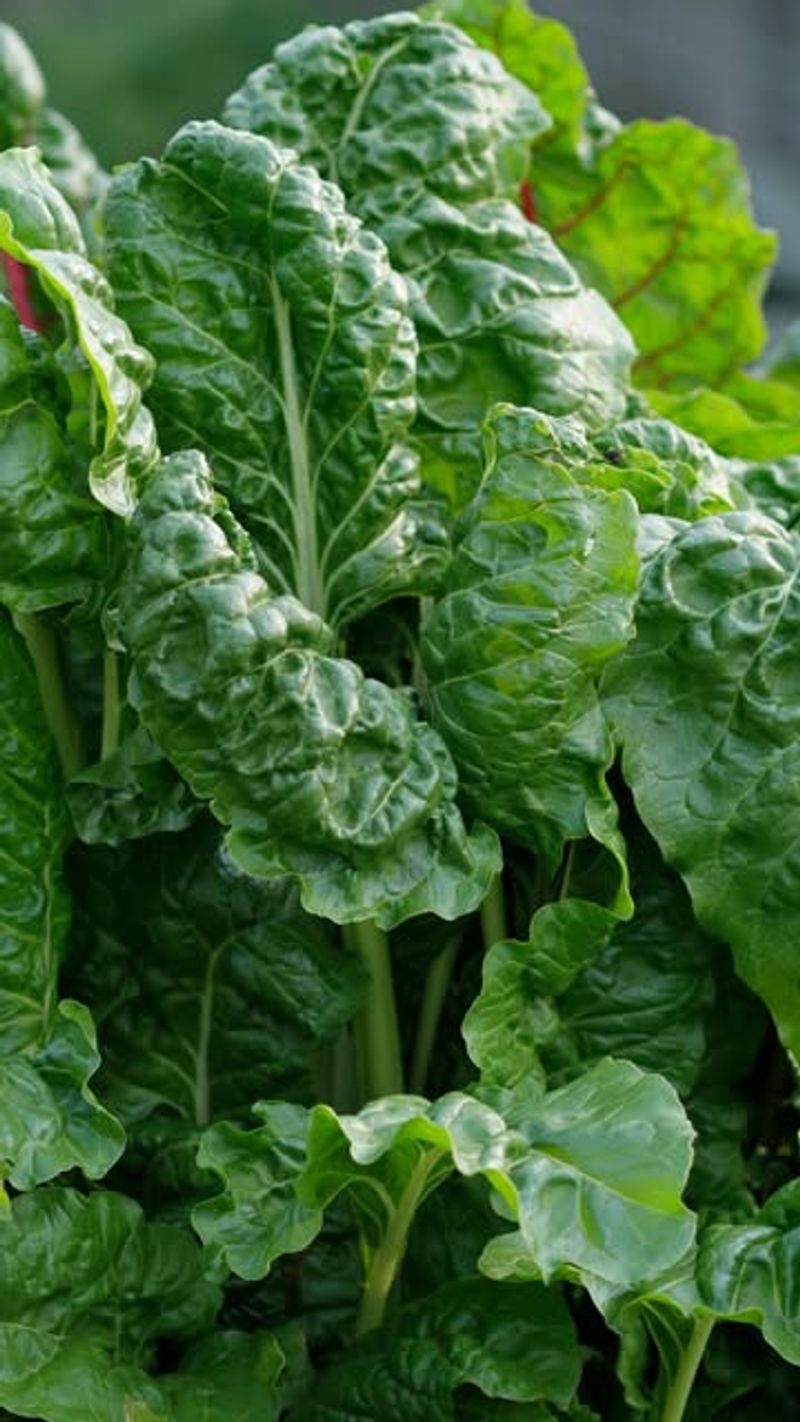
Timing matters just as much as technique when tenderness is the goal. A leaf that was perfect last week can turn stringy and coarse if left on the plant several days longer than it should be. The window for the most tender harvest is shorter than most gardeners expect.
Clemson Cooperative Extension’s Swiss chard growing guide and their leafy greens factsheet place the useful harvest size range at roughly 4 to 12 inches, with leaves in the 8 to 10 inch range described as fully developed but still generally tender. Virginia Cooperative Extension similarly recommends harvesting before leaves become overmature if texture is a priority.
For raw salads or fresh eating, err toward the younger end of that range. Leaves that are just fully expanded, before the midrib thickens noticeably, tend to have the most pliable texture and a milder flavor. Once the central rib starts to look wide and pale against the leaf blade, the leaf is moving into territory better suited for cooking.
Older, larger leaves are not a loss. Utah State University Extension and University of Maryland Extension both note that mature leaves remain edible but are better cooked than eaten raw. Braising, sauteing, or adding them to soups softens the blade and makes thick ribs more manageable.
The practical takeaway: check the plant every few days rather than waiting until the leaves look enormous. Catching outer leaves at the right moment, before they hit their peak size and start declining in texture, is the single most reliable way to get consistently tender chard from one planting throughout the fall season.
Cool fall weather helps, but heat and drought still matter
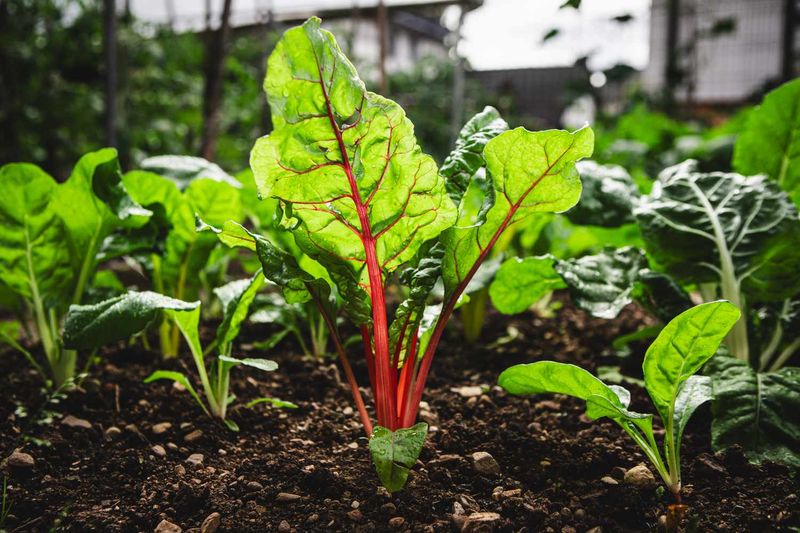
Swiss chard earns its reputation as a fall crop because it genuinely thrives when temperatures drop. Cooler air slows the plant’s tendency to bolt, and growth tends to be steadier and more manageable than during peak summer heat. That said, the quality of your fall chard depends heavily on what happened before the cool weather actually arrived.
Utah State University Extension states clearly that high summer temperatures can reduce chard quality and produce bitter or off-flavors, and that uneven moisture makes the problem worse. A late-summer planting may still be maturing during hot, dry stretches before fall temperatures settle in. If your chard was growing through that heat, some bitterness or textural roughness may already be present in the older leaves regardless of how you harvest them.
Chard tolerates light frost without much trouble. University of Wisconsin-Madison Horticulture and Virginia Cooperative Extension both note that the crop handles light freezes well. A severe freeze is a different matter and can damage or end production entirely, which is why timing your fall planting and watching the long-range forecast both matter.
Consistent watering through the whole season, not just after a problem appears, is one of the more practical things you can do to support leaf quality. Mulch around the base of the plant helps hold soil moisture and reduces the temperature swings that stress roots. These steps do not guarantee mild-tasting leaves if the weather has been extreme, but they create steadier growing conditions that give the plant a better chance.
Fall weather is an asset for chard, but it does not erase the effects of a rough summer start. Think of cool temperatures as a helpful reset rather than a cure for problems that built up during hot, dry weeks.
When cutting the whole plant makes sense
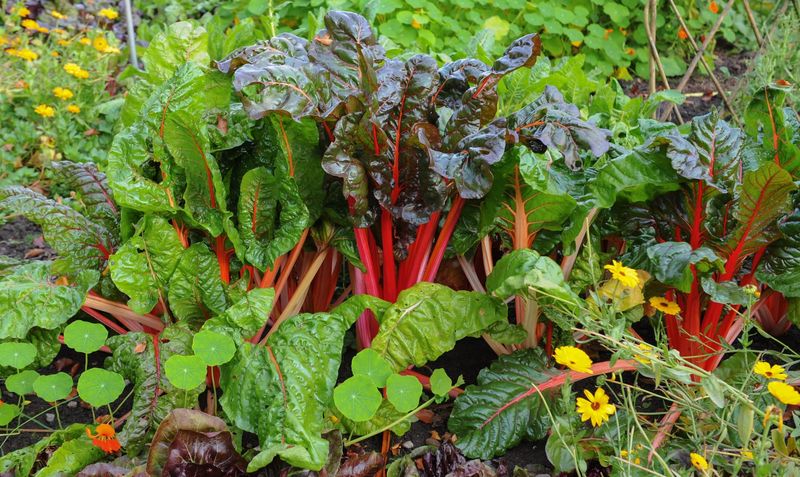
Outer-leaf harvesting is the right approach when you want to keep the plant producing through the season, but there are situations where cutting the whole plant at once is not only acceptable, it is the smarter move. Knowing when each method fits the moment prevents unnecessary restraint when a full cut is exactly what the situation calls for.
University of Minnesota Extension’s guide to growing spinach and Swiss chard explicitly lists both approaches: removing outer leaves for repeated harvests, and cutting the whole fall crop at or just above the soil surface when a single large harvest is the goal. That second option is not a mistake; it is a recognized method with its own appropriate uses.
A final harvest before a damaging freeze is one of the clearest cases. Once your forecast shows temperatures that will push past what chard can handle, cutting everything and bringing it inside is far better than losing the crop to frost damage. Utah State University Extension notes that whole-plant cutting is reasonable when the grower is not expecting continued production from that planting.
Thinning is another situation that calls for whole-plant removal. Crowded seedlings compete for water, light, and nutrients. Pulling or cutting the smallest or weakest plants to give the stronger ones more room is standard practice, and there is no reason to harvest those thinned plants leaf by leaf.
The distinction comes down to intent. If you want the plant to keep growing, protect the crown and remove only the outer leaves. If you are wrapping up the season, clearing a bed, or working against a weather deadline, cutting the whole plant is the practical and appropriate choice. Both methods have a place in a well-managed fall garden.
Handle mature leaves to improve their eating quality
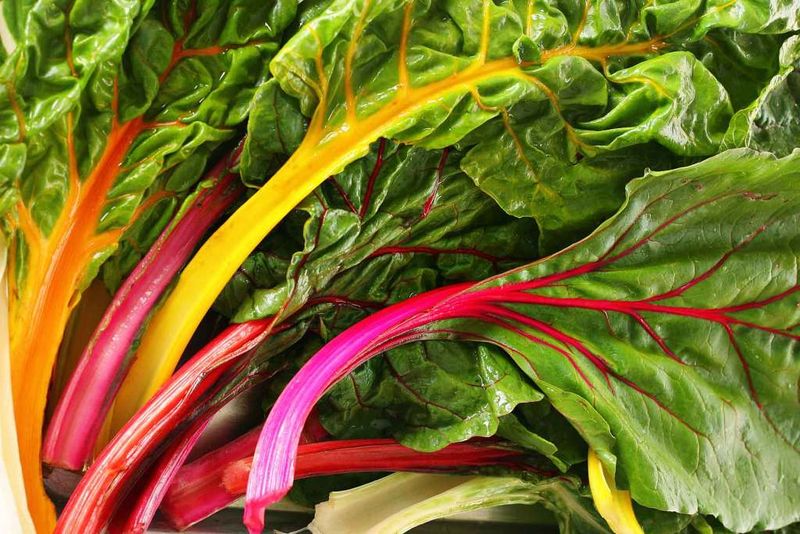
What happens after the harvest matters almost as much as the cut itself. Chard is a fast wilter, especially when picked during warm afternoon hours. Harvesting in the early morning or in the evening, after the heat of the day has passed, gives you leaves that arrive in the kitchen in much better shape.
University of Wisconsin-Madison Horticulture, Utah State University Extension, and Virginia Cooperative Extension all recommend refrigerating harvested chard promptly under cold, humid conditions, with a typical storage window of roughly one to two weeks. Wrapping unwashed leaves loosely in a damp paper towel and storing them in a produce bag or crisper drawer works well for most home kitchens.
Cooking opens up a lot of options for older, tougher leaves that would be unpleasant raw. University of Maryland Extension notes that larger leaves work better cooked than raw, and University of Illinois Extension’s piece on making chard more palatable supports separating thick stems from the leaf blades and cooking the stems a few minutes longer. That simple step makes a noticeable difference in the finished dish. Cooking can improve palatability and soften texture, but it does not fully reverse the toughness of leaves that were severely stressed in the field.
Before eating, rinse chard under cool running water and keep it away from raw meat and contaminated surfaces. The FDA does not recommend soap, vinegar, bleach, or commercial produce washes for fresh vegetables; plain running water is the right tool.
Colorado State University’s food source information on Swiss chard notes that chard naturally contains oxalic acid, which is a normal nutritional characteristic of the plant rather than the usual explanation for garden bitterness. People managing kidney stones or specific dietary restrictions should follow their doctor’s guidance on leafy green intake rather than relying on gardening advice.
Use one simple rule for the fall harvest
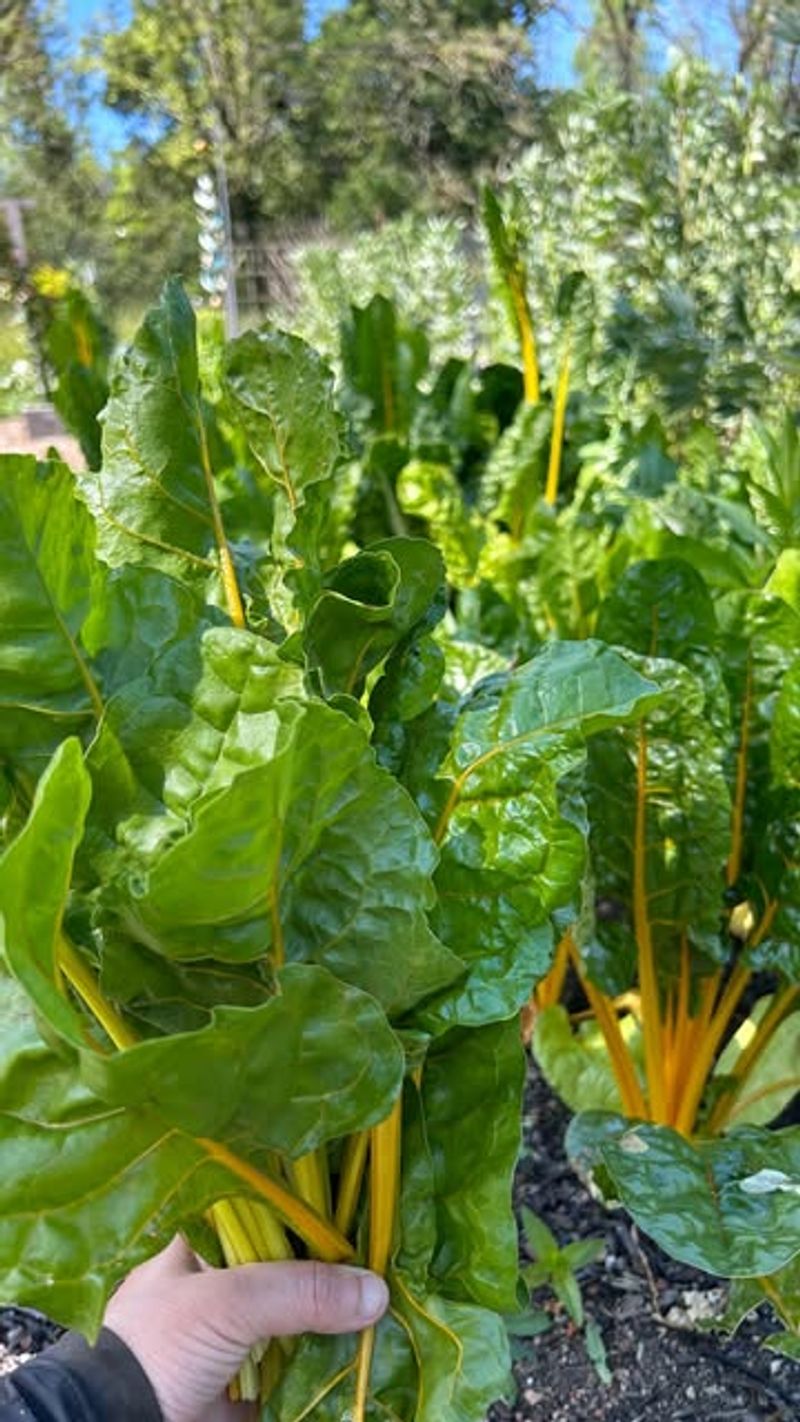
When you want the planting to keep producing, remove the oldest outer leaves individually and leave the center of the plant alone. That one habit protects the crown, keeps younger leaves developing, and gives you something to harvest every week or two through the fall. University of Wisconsin-Madison Horticulture and University of Minnesota Extension both recommend this approach for gardeners who want repeated cuttings from the same plants.
Cut the whole plant when the situation calls for it: a one-time final harvest, thinning a crowded bed, or a hard freeze bearing down on the forecast. Those are legitimate reasons to take everything at once, and there is no need to treat a full-plant cut as a mistake in those moments.
If bitterness or toughness keeps showing up despite good harvest habits, check the conditions before blaming the cut. Utah State University Extension points to heat, uneven moisture, and leaf age as the more direct contributors to off-flavors and poor texture. Adjust your watering, harvest leaves a little earlier, and give the plant time to settle into cooler fall conditions. A sharp knife and a consistent eye on the outer leaves will take you further than almost anything else you can do in the fall chard bed.