
If Your Fall Broccoli Grows Big Blue-Green Leaves But Only Loose, Scattered Heads, Warm Soil Is Buttoning It Early
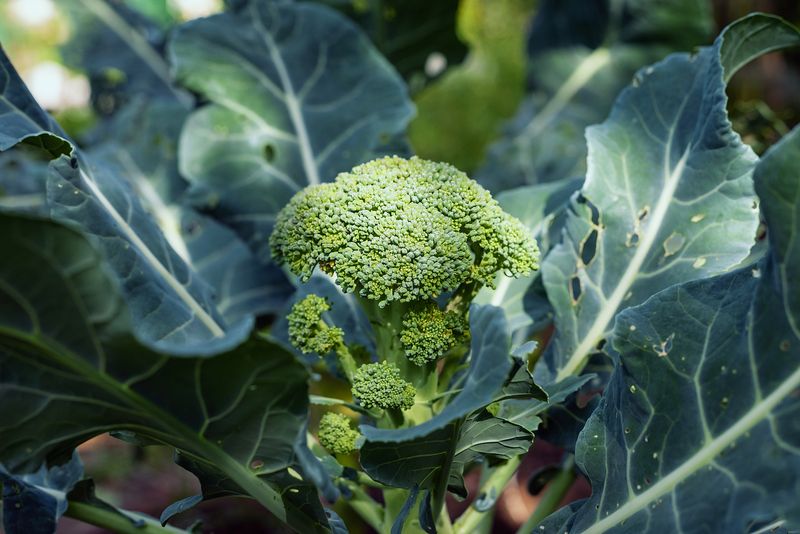
You put in the work, watered faithfully, and your broccoli plants look strong with big, dark blue-green leaves, but the heads are small, scattered, or falling apart before you can even harvest them. Before you blame the seed packet or dump on more fertilizer, the real story is more interesting than that. Several different problems can wreck a broccoli head, and they each have their own fix, so knowing which one you are actually dealing with changes everything about what you do next.
Big blue-green leaves do not diagnose the problem
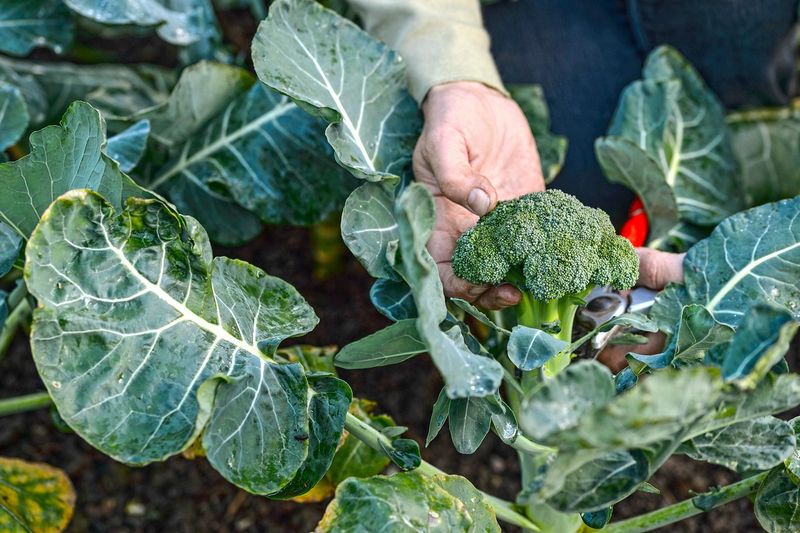
Large, dark blue-green leaves on a broccoli plant can actually be a sign of healthy, vigorous growth. They can also reflect the cultivar’s natural leaf size, the plant’s age, good soil moisture, or the cooler temperatures of late summer, none of which point automatically to overfeeding or a problem with the head. Leaf color and size alone cannot tell you whether a plant is about to button, whether it has been heat-stressed, or whether the fertilizer program is off.
The diagnosis has to come from looking at more than the foliage. You need to check when the head appeared relative to how old the plant was at transplanting, what the weather has been like, how consistently the plant has been watered, and what the head actually looks like up close. A tiny button-sized head forming on a plant that went into the ground only two or three weeks ago is telling a very different story than a full-sized plant that produced a loose, open head after a stretch of hot weather.
Warm late-summer air temperatures can make broccoli heads open up, become uneven, or go branchy. That is a heat quality problem, and it is real. But UC IPM’s guidance on buttoning in broccoli and cauliflower points to cold exposure, interrupted growth, and plant stress as the established triggers for true buttoning, not warm soil by itself. Warm field soil has not been shown to be a universal cause of premature heading in home gardens.
So before you pull plants, switch seed, or change your fertilizer routine, take a few minutes to read what the plant’s timing and head shape are actually telling you.
Separate buttoning from heat damage, bolting, and late harvest
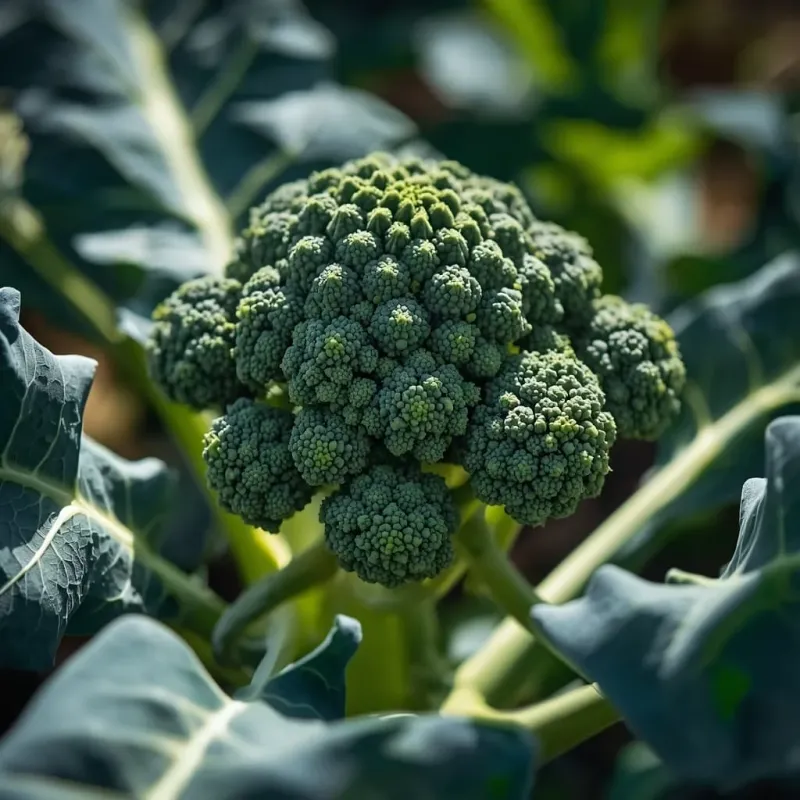
Buttoning has a specific definition that gets blurred in a lot of gardening advice. A buttoned plant forms a tiny, premature head before it has grown enough leaves and roots to support a full-sized one. You typically see this on young plants that went through a stressful stretch early in life. The head appears too soon, stays small, and may start to separate into loose flower stalks as the buds push open.
Oklahoma State University Extension’s cole crop production guide describes the process as reproductive growth starting too early, which then limits how much the roots and leaves can develop, keeping the head undersized.
Heat damage looks different. A plant that grew normally, reached a good size, and then developed an open, uneven, or branchy head during a stretch of hot weather has been affected by temperature stress during head formation, not by premature heading. The plant had the leaf and root base to make a proper head; the heat just disrupted the process. Temperatures above roughly 80 to 85 degrees Fahrenheit can reduce cole crop quality and make broccoli heads loose and poorly shaped.
That is a heat response, not buttoning.
Bolting adds a third wrinkle. Bolting means the plant sends up a flowering or seed stalk prematurely, often after a combination of chilling history and then warm conditions, or other accumulated stress. Gardening articles sometimes use bolting and buttoning as if they mean the same thing, but the symptoms and timing are not identical. A bolting plant is moving toward seed production; a buttoning plant formed a head too early and too small.
Late harvest is the fourth possibility and probably the most common explanation for loose, separating heads. If the central head was simply left on the plant too long, the florets enlarge, the buds push open, and yellow flowers begin to appear. That is not buttoning or heat damage; it is a harvest timing issue. Checking whether the florets were still tight and green when the head first appeared will help you sort out which of these four situations you are actually looking at.
Protect young plants from interrupted growth
Buttoning almost always starts with something that interrupts a young plant’s growth before it has built up enough roots and leaves. Cold snaps are a well-known trigger. Oklahoma State advises avoiding field exposure below 50 degrees Fahrenheit for more than four days once plants have substantial leaves, and UC IPM similarly identifies several days of chilling as a buttoning risk. Those figures are practical risk-management guidance, not hard biological cutoffs that apply the same way to every cultivar or growing region, but they give you a reasonable target to work around when timing your fall transplants.
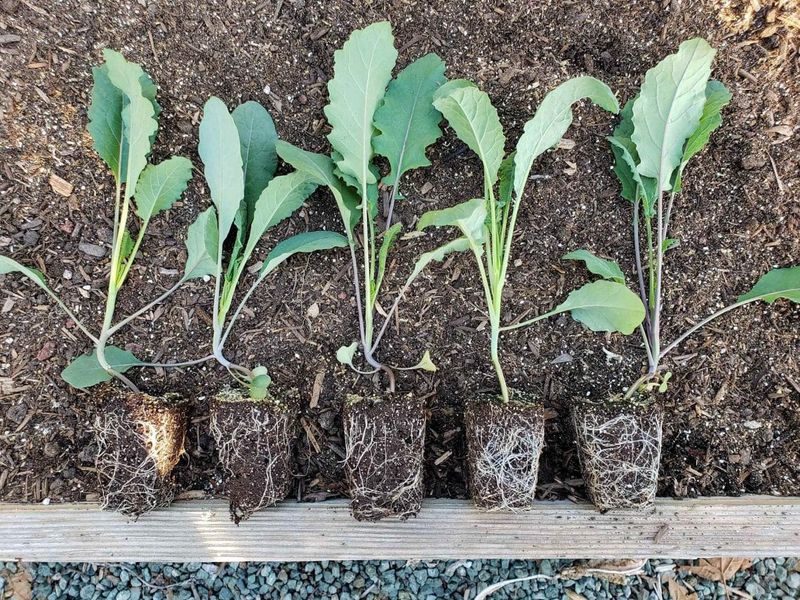
Transplant shock is another common trigger. A plant that sat in a cell pack too long, dried out badly, or had its roots torn during planting can shift into reproductive mode as a stress response before it has recovered enough to build a proper head. Oklahoma State recommends setting plants out at about four weeks old and warns that plants older than five weeks are especially likely to button. Older transplants have a larger shoot system relative to their root mass, which means they face more stress at planting and are more likely to respond by heading prematurely.
Research published in the Journal of the American Society for Horticultural Science reinforces that point. A peer-reviewed study on premature heading and transplant size found that larger transplants increased the rate of premature heading across the broccoli cultivars tested, with meaningful differences among varieties. That finding matters for home gardeners who start seeds early and then hold seedlings for weeks waiting for cooler weather. The longer those transplants sit, the higher the risk.
Drought stress during the transplant window carries similar risk. A plant that dries out severely in its first week or two in the ground gets the same signal as one that was chilled or overgrown: stress is present, conditions are uncertain, and the plant shifts resources toward reproduction. Consistent watering right after transplanting is one of the most straightforward ways to reduce buttoning risk, and it costs nothing extra.
Schedule the fall crop from local frost timing
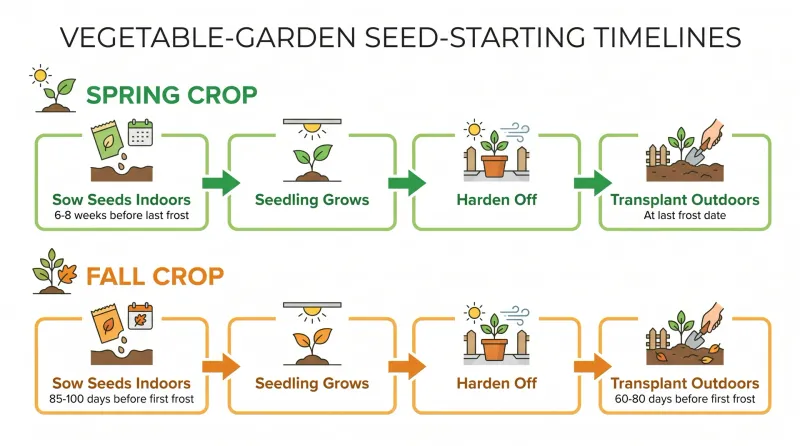
Getting fall broccoli timing right starts with knowing your local expected first frost date, not a national average. The continental United States spans dozens of frost windows depending on latitude, elevation, and local weather patterns. A gardener in coastal North Carolina and a gardener in northern Minnesota are working with completely different fall calendars, and a single planting date cannot serve both of them well. Your county extension office or regional extension website will have the most reliable frost dates for your specific area.
Once you have that frost date, work backward. Take the cultivar’s days to maturity, add roughly 10 days to account for the slower growth rate that transplants experience compared to seeds started in controlled conditions, and then add the time needed to raise a transplant from seed, typically around four weeks. Illinois Extension recommends counting back from the first frost and building in that extra establishment time so the plant has a realistic window to mature before hard freezes arrive. That total gives you your target seeding date.
Direct seeding is a real option for fall broccoli, and it has one meaningful advantage: it eliminates transplant shock entirely. A plant that germinates and grows in place never goes through the root disturbance and adjustment period that a transplanted seedling does, which removes one of the main buttoning triggers. The trade-off is that direct-seeded plants need a longer window to reach harvest size, so your planting date moves earlier to compensate. Maryland Extension’s home garden broccoli guidance along with Illinois Extension both recommend midsummer starts for late-summer transplanting or direct seeding aimed at fall harvests.
Raised beds and containers can shift the timing slightly because they drain faster and warm up and cool down more quickly than in-ground beds. Factor that in when setting your schedule, and keep an eye on soil moisture more closely in those setups during the transplant window.
Support establishment and future head development
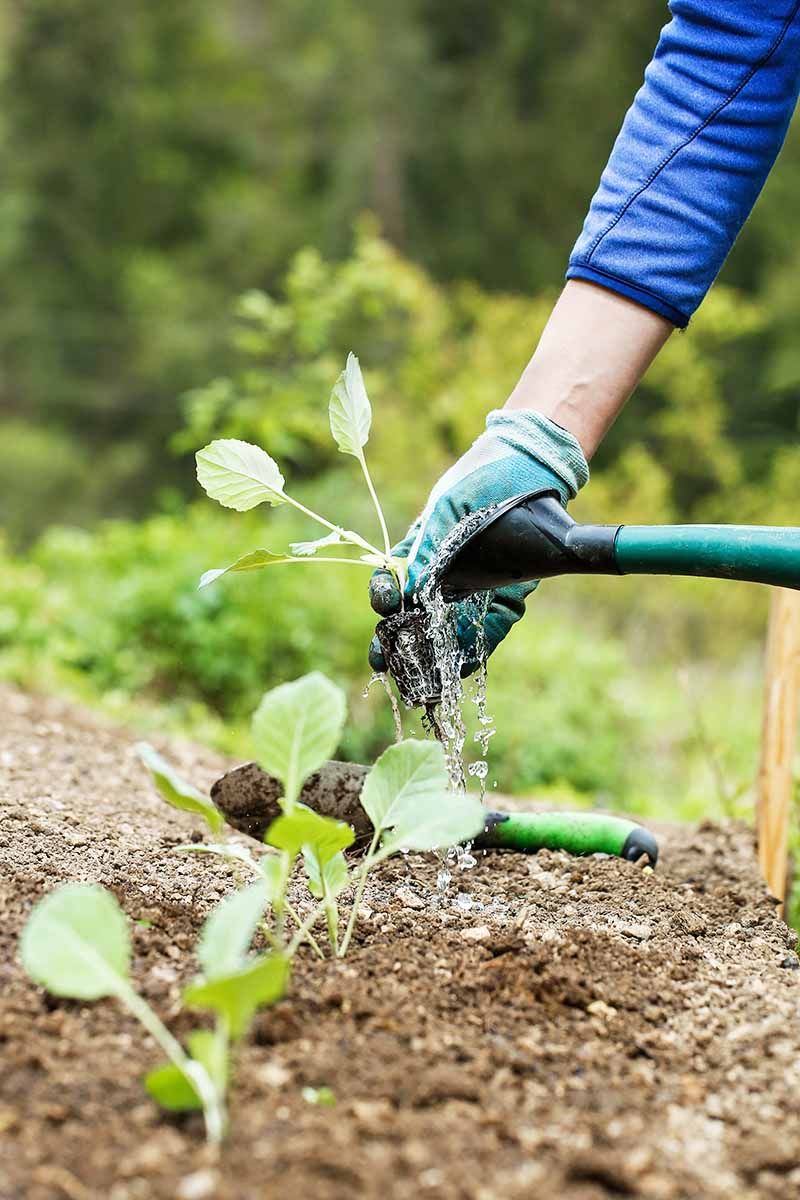
Steady moisture from transplant day through head development is one of the most practical things you can do to protect a fall broccoli crop. A plant that dries out repeatedly during its first few weeks in the ground faces real stress, and as covered earlier, stress is a known contributor to premature heading and poor head quality. Check actual soil moisture by pushing a finger an inch or two into the soil rather than watering on a fixed schedule, because rainfall and temperature both affect how fast the soil dries out. Mulch laid around the base of each plant helps hold moisture between waterings, but it works alongside irrigation, not instead of it.
Nutrition matters, but it is not a universal fix, and more is not automatically better. UC IPM’s buttoning guidance notes that excessive nitrogen can promote rapid, weak growth and is associated with quality problems including hollow stem. A starter fertilizer at transplanting can help reduce establishment-related nutrient stress, and a side-dressing of nitrogen during active growth is a common extension recommendation, but the right approach depends on what your soil actually needs. A basic soil test is more useful than guessing, and applying fertilizer according to the product label and your soil test results keeps you from making the problem worse.
Oklahoma State’s cole crop guidance and other extension sources frame fertilization as one piece of a system that includes timing, transplant quality, and consistent moisture. Nutrient stress is a real possibility, but it is only one of several factors that affect head development. Feeding a plant more nitrogen will not tighten a head that has already started to button or open up from heat.
To be direct about it: once a head has buttoned or begun to separate from heat stress, UMass Extension’s research on broccoli and summer heat reinforces what extension services broadly agree on, that watering and fertilizing at that point will not reverse the head’s development. Prevention during establishment is where those tools actually work.
Account for cultivar differences and fall pests
Not every broccoli variety responds the same way to fall growing conditions. Oklahoma State Extension reports that early-maturing varieties tend to be more susceptible to buttoning and that cultivars vary meaningfully in their heading performance. Heat tolerance also differs among varieties, so a type that handles a warm August well in one region may struggle in another. Choosing a variety that is described as heat-tolerant or specifically recommended for fall planting in your region is a reasonable first step, and your local extension service or a seed catalog written for your climate zone can point you toward good options.
Poor head formation should not automatically be blamed on seed quality, but genetics are not irrelevant either. If a variety has consistently underperformed over multiple seasons in your garden, it is worth trying a different one rather than adjusting everything else around it. The key is to rule out timing, transplant stress, moisture, and temperature before concluding the seed is the problem.
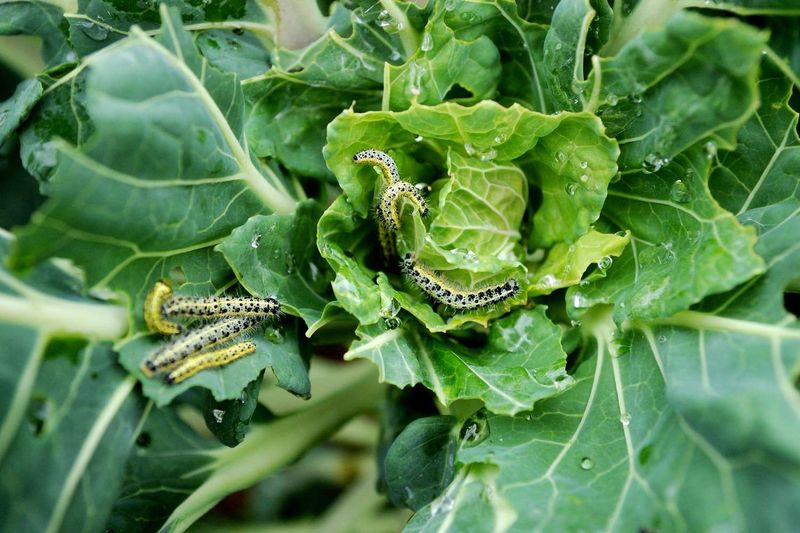
Fall broccoli also faces a pest pressure that spring crops often escape. Illinois Extension notes that cabbageworms, loopers, and diamondback moth larvae are common on fall broccoli and may be more numerous in fall because insect populations have had the entire growing season to build up. These caterpillars feed on leaves and can move into developing heads, reducing the plant’s ability to photosynthesize and putting it under additional stress. Check the undersides of leaves regularly, especially in August and September, and treat with an appropriate product such as Bt (Bacillus thuringiensis) if feeding damage is significant.
Insect damage is a separate issue from buttoning and heat stress, but it compounds both by weakening plants at a critical time.
Harvest usable heads before quality declines
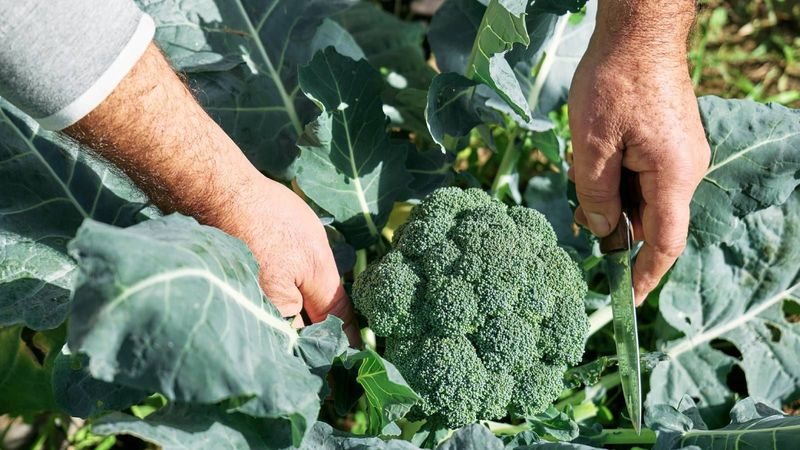
Cutting at the right moment is the single action that can still improve what you get from this season’s crop. Illinois Extension advises harvesting broccoli while the florets are still compact and tight, well before any yellow flowers begin to open. Once buds start to enlarge and separate, quality drops quickly, and flowers opening means the window has passed. Check plants every day or two once heads are forming, because the shift from perfect to past-prime can happen in 24 to 48 hours during warm weather.
Cutting the central head encourages the plant to push out smaller side shoots from the leaf axils, and those side shoots can give you several more weeks of harvests even after the main head is gone. A loose head that has already started to open may still be perfectly edible; just use it quickly before the flavor turns sharp and the texture softens further.
Before the season ends, write down what happened: the cultivar name, when you started seeds or bought transplants, the transplant date, how old the transplants were, any cold snaps or heat stretches, how consistently you watered, what pest pressure you saw, and when the heads appeared. That record turns next year’s planting into a stress-prevention project rather than another round of guessing whether the soil, the seed, or the fertilizer was at fault. The best fall broccoli crop usually follows the one where you finally figured out your local timing.