
7 Things To Do With Peonies After They Bloom (Most Gardeners Skip The One That Matters)
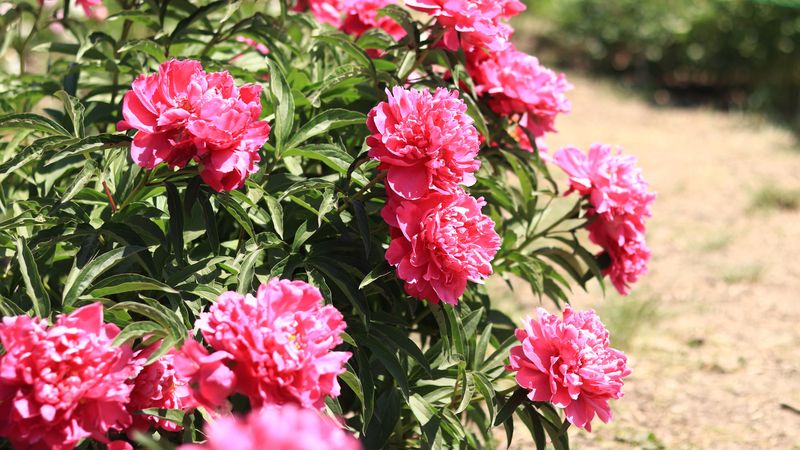
Your peonies just put on a gorgeous show, and now those big blooms are fading and dropping petals everywhere. What you do in the weeks after flowering decides whether next spring brings a jaw-dropping display or a sad handful of buds.
The good news is that peony aftercare is simple, and most of it costs you nothing. Get these seven steps right, and your plant will store up the energy it needs to come back stronger than ever.
1. Deadhead the Spent Blooms Right Away
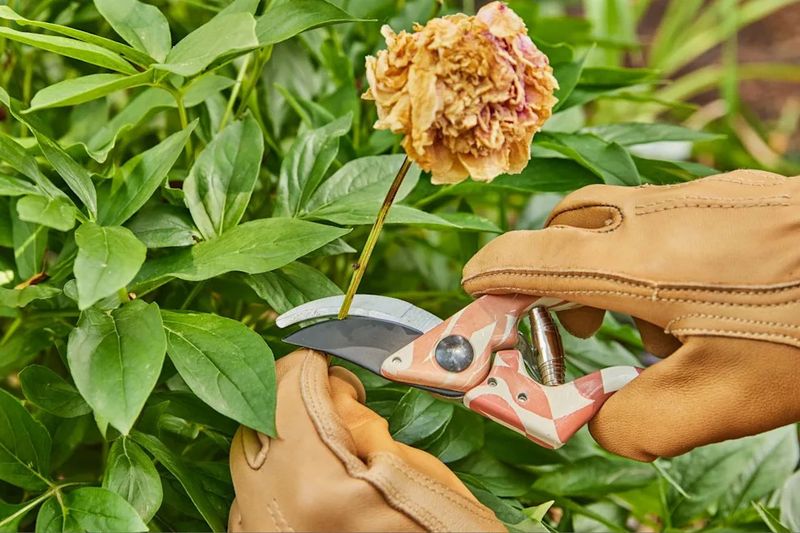
Snip those brown, mushy flower heads the moment they fade and you hand your peony a gift it can actually use. When a spent bloom stays on the stem, the plant starts pouring energy into making seeds nobody wants.
Deadheading stops that waste. Instead of feeding seed pods, the plant redirects all that fuel down into the roots, where next year’s flowers are quietly being built.
The cut is easy. Follow the flower stem down to the first full set of healthy leaves and snip just above it with clean, sharp shears.
Try to leave as much leafy growth on the plant as you can, since those leaves have a big job coming up in the next steps.
2. Leave the Healthy Green Foliage Alone
Here is the step almost everyone gets wrong, and it is the one that matters most. Once the flowers are gone, it is tempting to chop the whole plant down to tidy up the bed.
Please don’t.
The green leaves are the plant’s solar panels. All summer and into early fall, they soak up sunlight and pack that energy into the roots for next spring’s blooms.
Cut them off early and you starve the plant before it can save up.
Gardeners who hack back healthy foliage in June or July often wonder why they get few flowers, or none at all, the following year. The leaves may look like they are just sitting there, but they are doing the single most important work of the whole season.
Resist the urge, keep them growing, and let the plant finish its job.
3. Water Deeply Through Dry Summer Spells
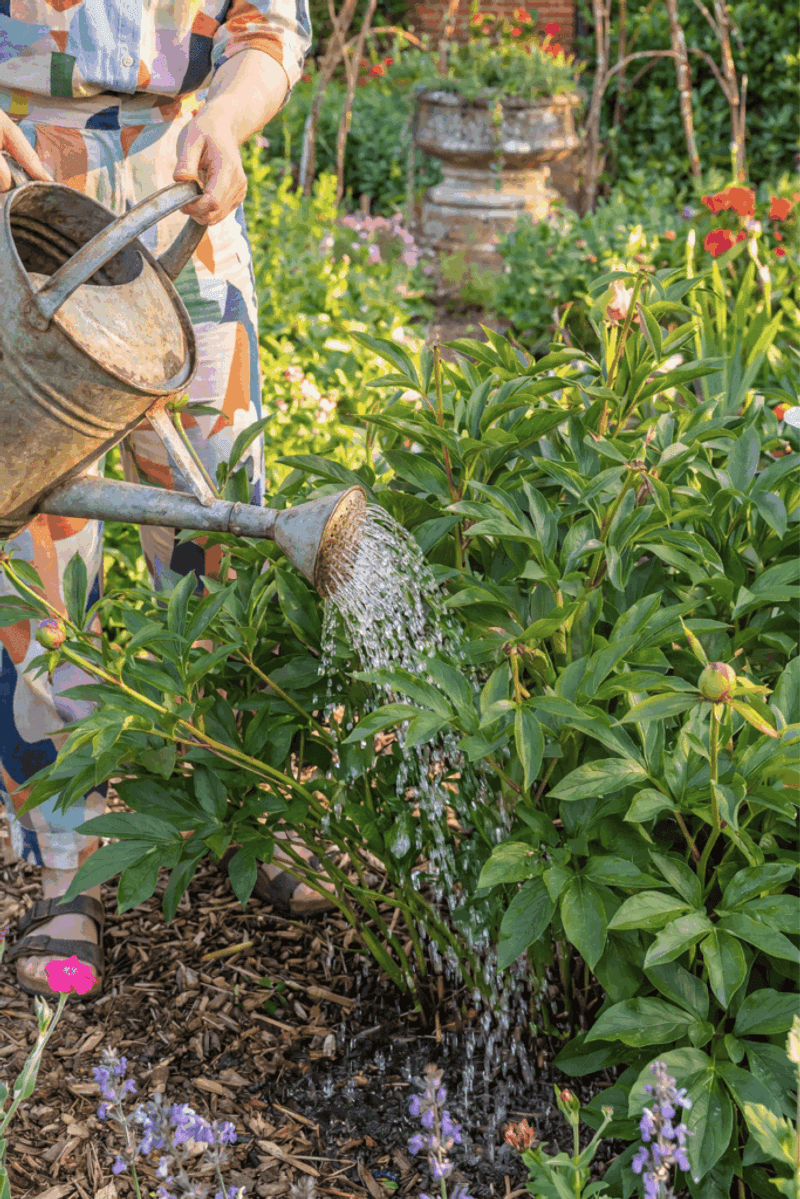
Flowering may be over, but your peony is far from finished for the year. All that root-building energy storage needs steady moisture to keep going, especially when summer turns hot and rain gets scarce.
Aim for deep, less frequent watering rather than a quick daily splash. Soak the soil well, then let the top few inches dry out before you water again.
Deep drinks push moisture down to the roots where it counts.
One warning: peonies hate wet feet. Soil that stays soggy invites root rot, which can quietly kill a plant that looked perfectly happy above ground.
Water generously during dry spells, but make sure the ground drains well between soakings.
4. Keep the Base Clean and Tidy
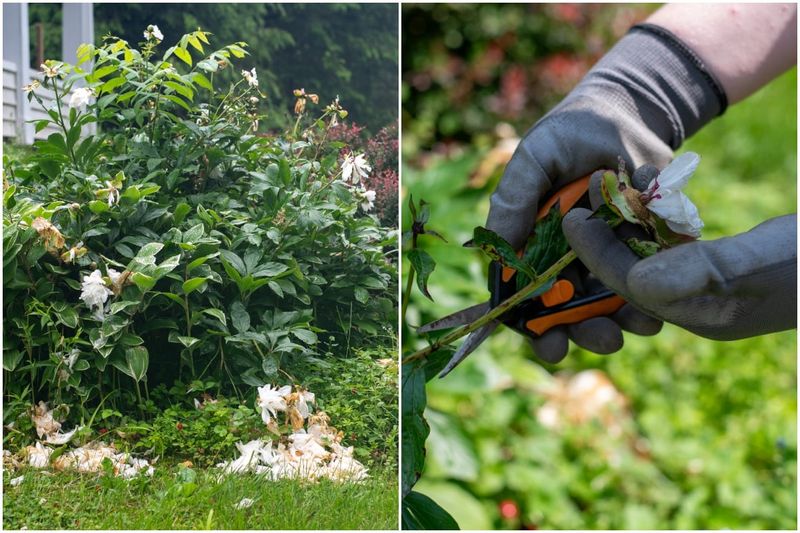
Fungus loves a mess, and few plants attract it like a peony sitting in a pile of its own rotting petals. Botrytis blight and powdery mildew both get their start in the damp debris that collects around the crown.
Make a habit of clearing away fallen petals, dropped leaves, and any plant scraps around the base. Decaying material is basically a hotel for the pathogens that later show up as brown spots and fuzzy gray patches on your foliage.
A quick cleanup every week or two goes a long way. Toss the debris in the trash rather than the compost if you have spotted any disease, since that keeps the trouble from circling back to your garden next season.
5. Feed Lightly Only If the Plant Needs It
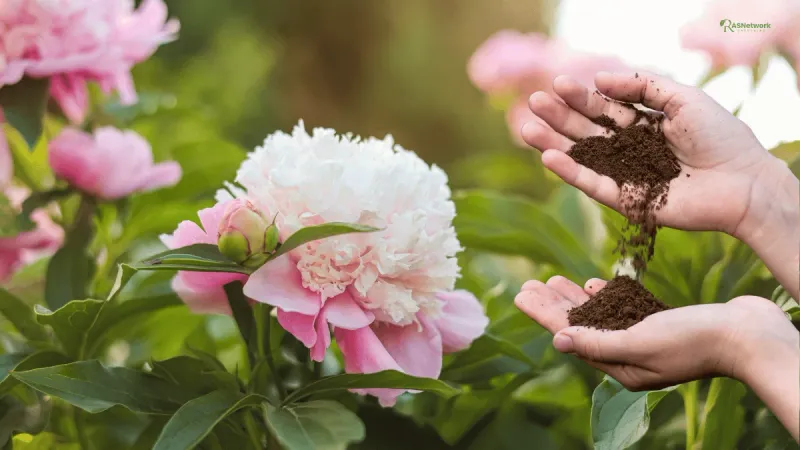
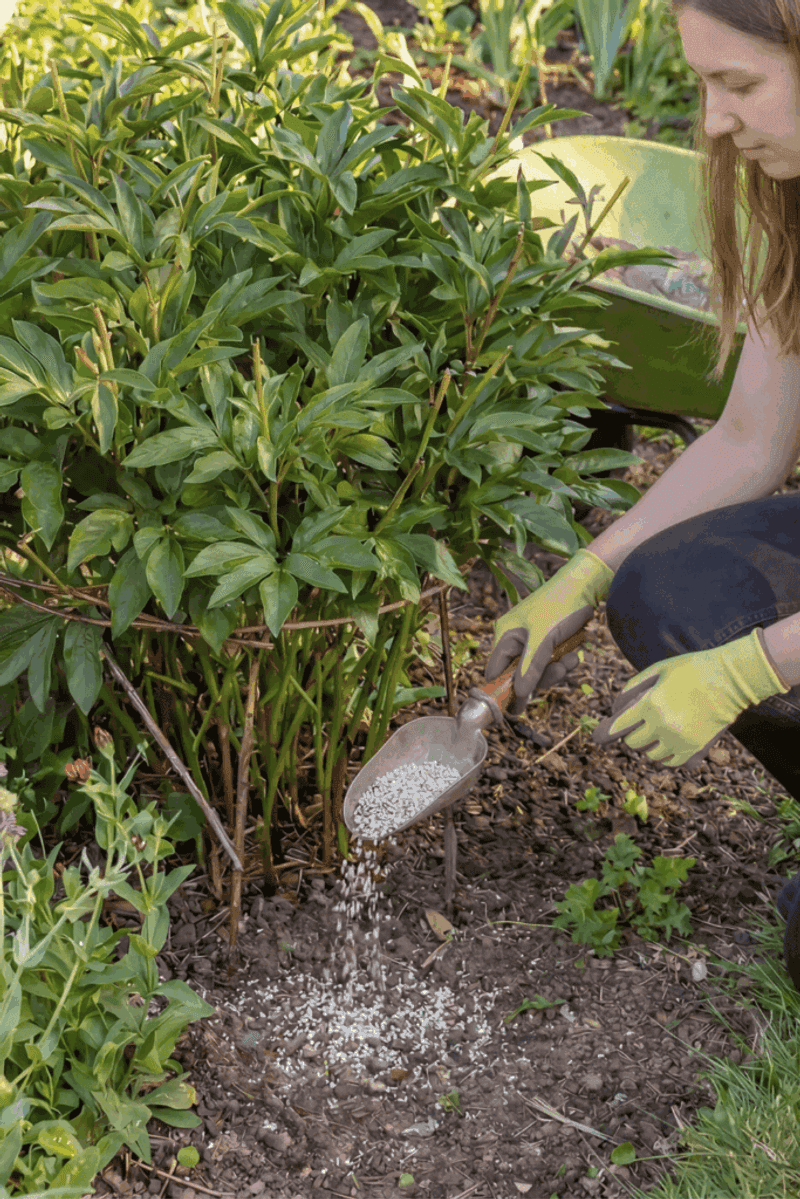
Peonies are not hungry plants, so put down that big bag of fertilizer before you overdo it. A healthy, established peony often needs no feeding at all after blooming.
That said, if yours has looked weak or given you fewer flowers than usual, a light hand can help. A balanced, low-nitrogen blend such as 10-10-10 or 5-10-10 supports root development when scattered around the drip line, never dumped over the crown.
Skip anything high in nitrogen at this point. It pushes out floppy leafy growth at the expense of next year’s flowers and can leave the plant more open to disease.
When it comes to peony fertilizer, less really is more.
6. Prop Up Floppy Foliage
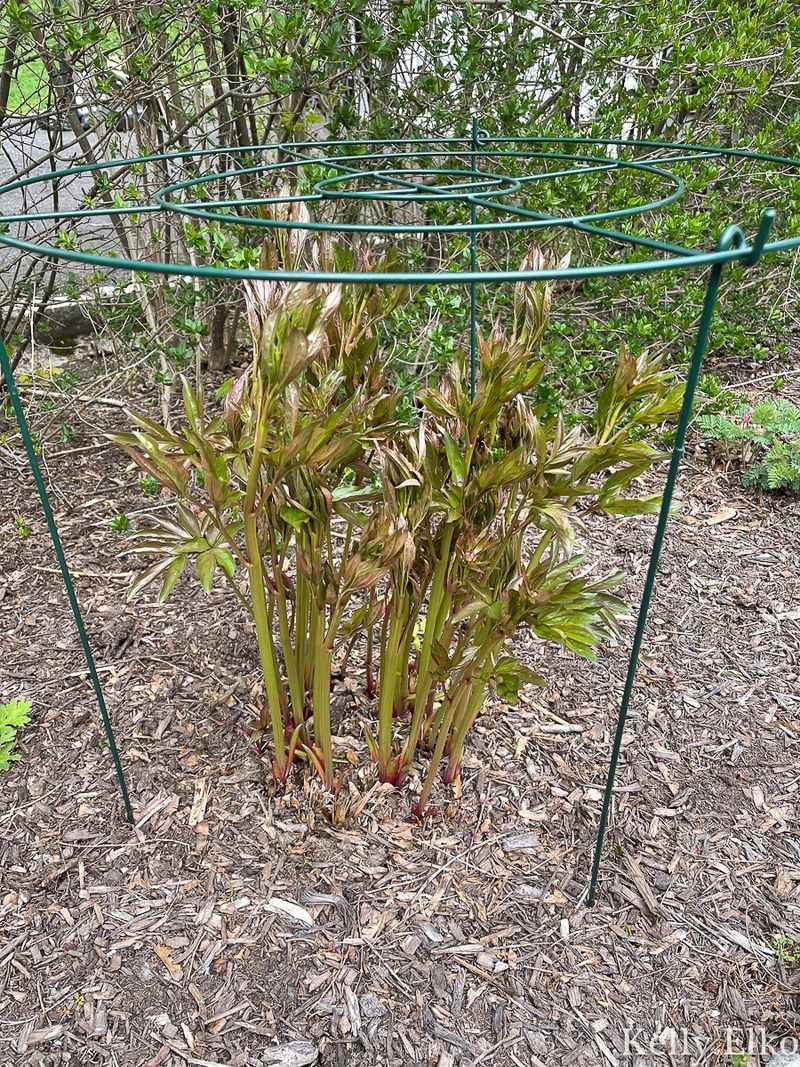
Ever notice how some peonies sprawl flat across the bed once the blooms are gone? Heavy summer foliage can flop, snap stems, and press the leaves right down into the damp soil where disease waits.
A simple grow-through ring or a few stakes keeps everything upright and airy. Better airflow around the leaves means less chance of mildew, and unbroken stems mean the foliage can keep feeding the roots without interruption.
Not every variety needs this. But if yours tends to lean and tumble, a little support through the summer keeps the plant tidy and, more importantly, keeps those hardworking leaves off the ground and in the light.
7. Cut Back Herbaceous Stems After the First Hard Frost
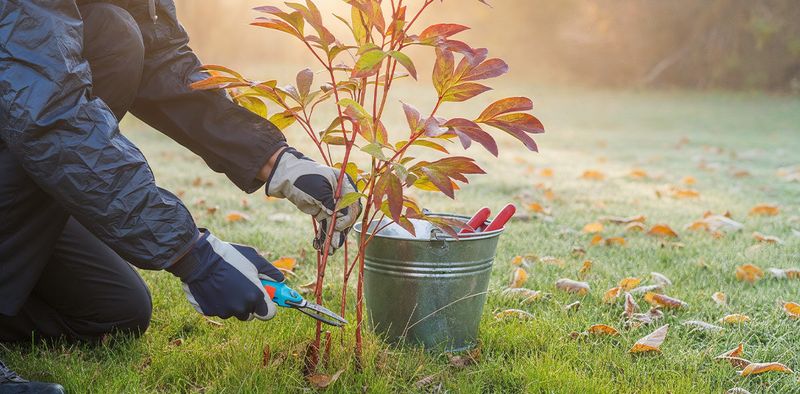
Now, finally, comes the cutback you were tempted to do months ago. Wait until the foliage naturally yellows and browns in late fall, usually after the first hard frost around October or November across most of the US.
Once the leaves have died back on their own, cut herbaceous peony stems down to about an inch above the ground. Clearing out this spent growth removes cozy overwintering spots for pests and disease spores that would otherwise wait around for spring.
One thing to remember: tree peonies play by different rules. They bloom on woody stems from the previous year, so only trim away wood that is clearly dead, broken, or diseased.
Leave the healthy branches standing, and your tree peony will reward you with blooms next season.