
If These 18 Birds Keep Showing Up In Your Yard, You’re Doing Everything Right
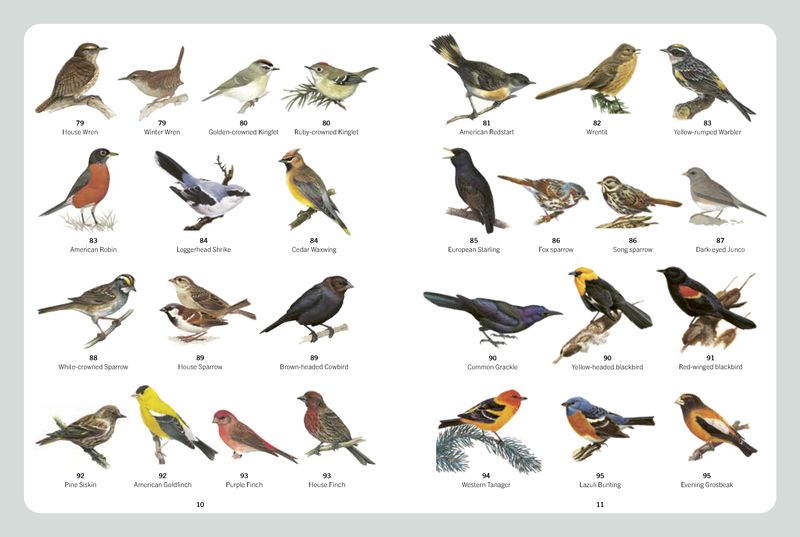
Ever look out your window and spot a flash of feathers hopping across the lawn? Those little visitors are more than just cute company.
When certain birds keep coming back to your yard, it usually means you have built a healthy, balanced space full of food, water, and safe shelter. Here are 18 birds that quietly tell you your garden is doing great, and why each one is a welcome sign.
1. Chickadees
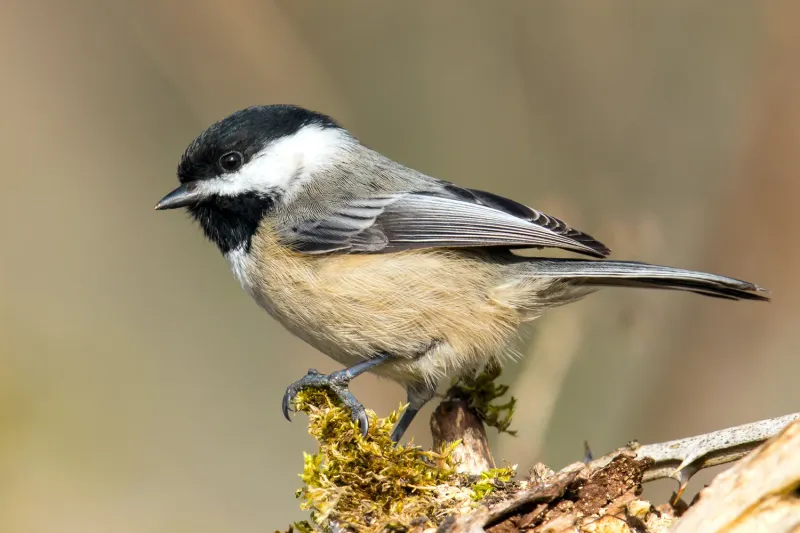
Tiny, fluffy, and full of attitude, chickadees are the friendly regulars every backyard birder loves to spot. Black-capped, Carolina, and Mountain Chickadees all share one big talent: eating the bugs that give gardeners headaches.
They gobble up aphids, whiteflies, caterpillars, leafhoppers, earwigs, moths, and beetles all season long. Come winter, they keep working by searching tree crevices for insect eggs and hibernating adults, stopping trouble before it hatches next spring.
If chickadees are hanging around your trees, it is a solid sign your yard offers steady food and cover. They tend to stick close to places where the insect buffet stays full and the shrubs feel safe.
2. Woodpeckers
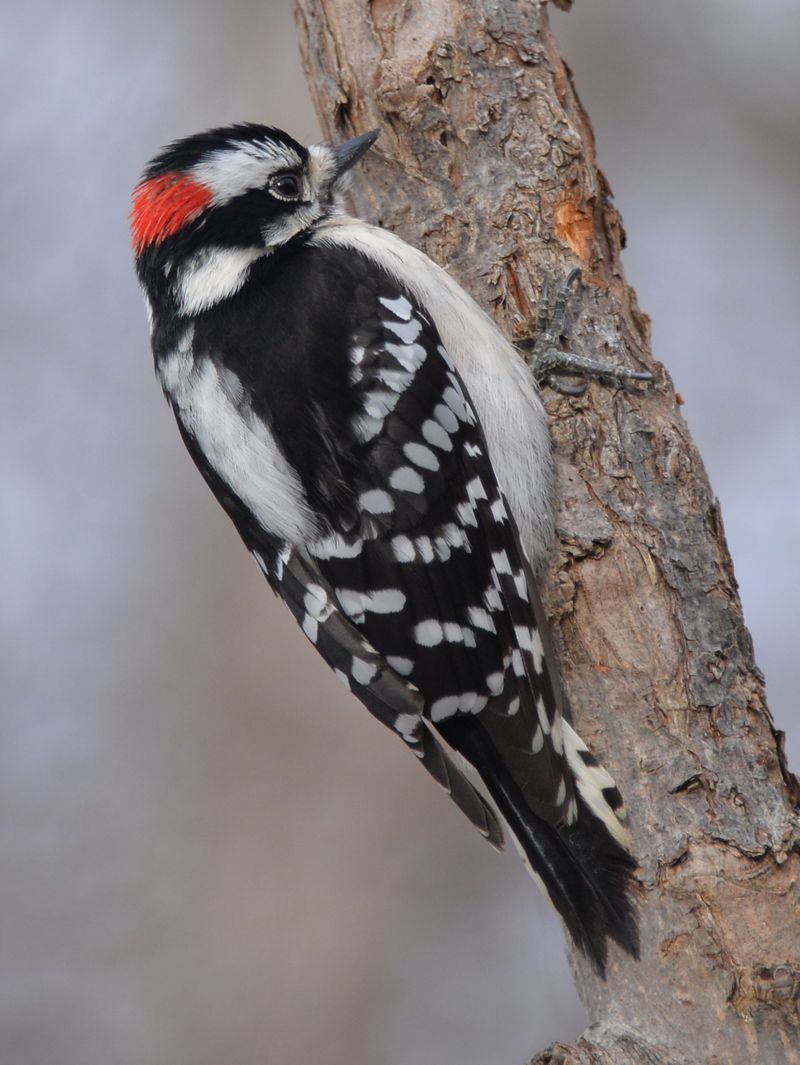
Hear a steady tapping on a tree trunk? That rhythmic knock usually means a woodpecker is on pest patrol.
Downy, Hairy, Red-bellied, and Northern Flicker woodpeckers all dig into bark hunting for hidden troublemakers.
Their menu reads like a gardener’s most-wanted list: wood-boring beetle and moth larvae, ants, caterpillars, adult beetles, millipedes, borers, weevils, and aphids. By pulling these pests out of trunks and branches, they help protect your trees from the inside out.
Woodpeckers show up where there are mature trees, standing deadwood, and plenty of insects to find. When they visit often, it usually means your yard has the kind of established, natural structure that supports a whole food web.
3. Bluebirds
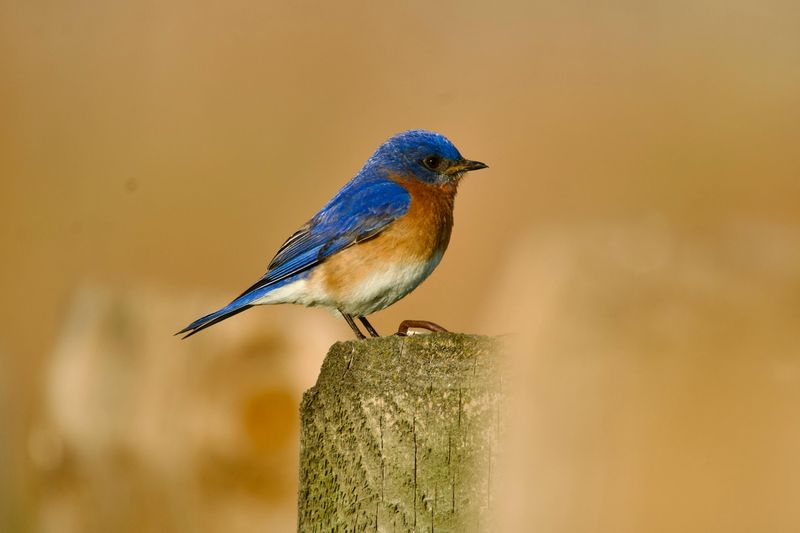
Few sights lift a gardener’s mood like a bright blue flash landing on a fence post. Eastern, Mountain, and Western Bluebirds are not just pretty, they are hardworking pest controllers with a big appetite.
Their diet is impressively wide, covering grasshoppers, beetles, weevils, crickets, caterpillars, ants, flies, centipedes, sowbugs, snails, spiders, and even mosquitoes. That variety means they can knock back several kinds of yard pests at once.
Bluebirds love open lawns with scattered perches and nearby nesting spots, especially if you offer a nest box. Their regular visits suggest you have created open, insect-rich space they can hunt over safely.
4. Swallows
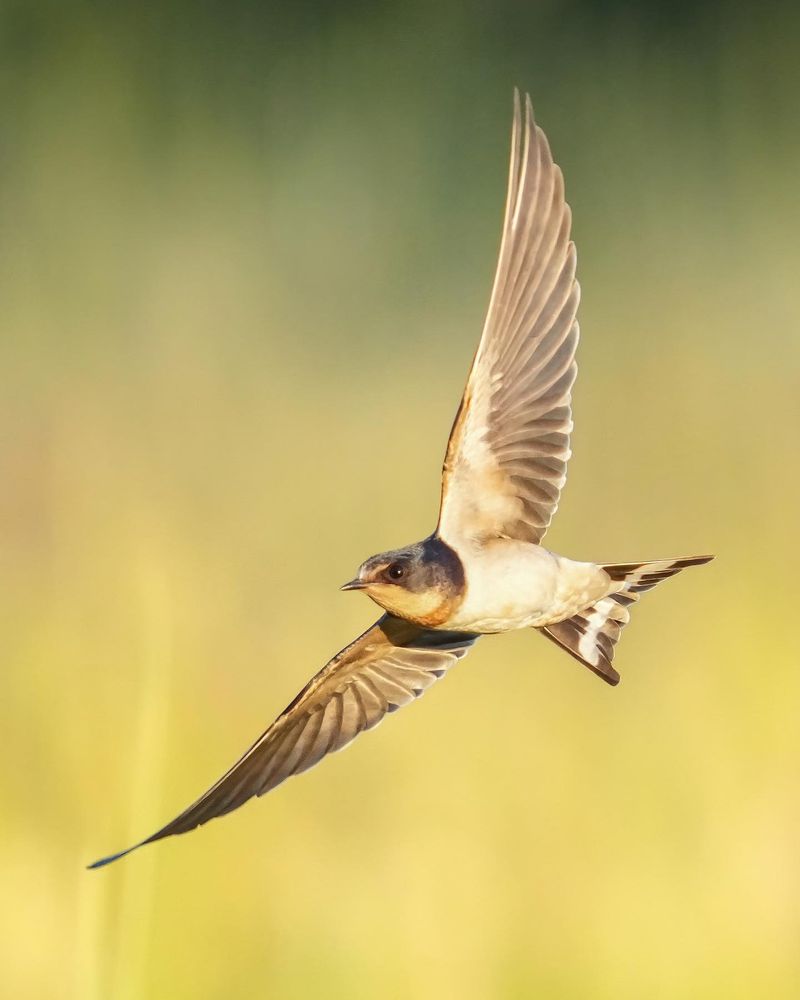
Watch the sky at dusk and you might catch swallows swooping and diving like tiny acrobats. Barn Swallows especially treat the open air above your yard as an all-you-can-eat buffet.
As aerial insectivores, they can snap up hundreds of flying insects every single day, including moths, mosquitoes, beetles, and grasshoppers. That means fewer bugs bothering you during summer evenings and fewer pests reaching your plants.
Swallows tend to gather where open flying space meets a healthy bug population, often near barns, eaves, or open fields. If they are dipping and gliding over your property, your yard is clearly producing the insects they depend on.
5. Northern Cardinals
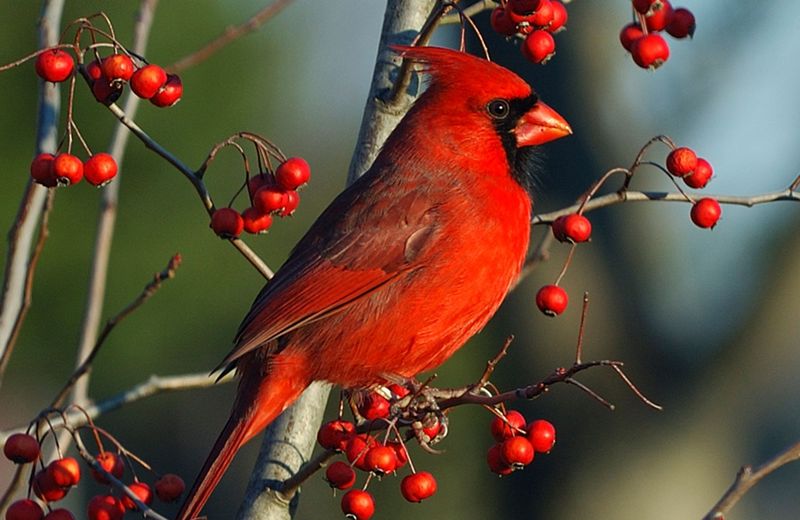
Bold red feathers against a green hedge make the Northern Cardinal one of the most recognized backyard birds in the country. Beyond good looks, they earn their keep by feasting on plant-harming pests.
Cardinals help gardeners by eating aphids, grasshoppers, slugs, snails, cotton cutworms, bollworms, beetles, leafhoppers, cicadas, moths, and stink bugs. That is a serious dent in the pests that chew leaves and ruin harvests.
Because cardinals stay year-round in much of the country, seeing them often points to reliable food and dense shrubs for cover. A yard with berry bushes, seed plants, and thick greenery keeps this scarlet visitor coming back.
6. American Goldfinches
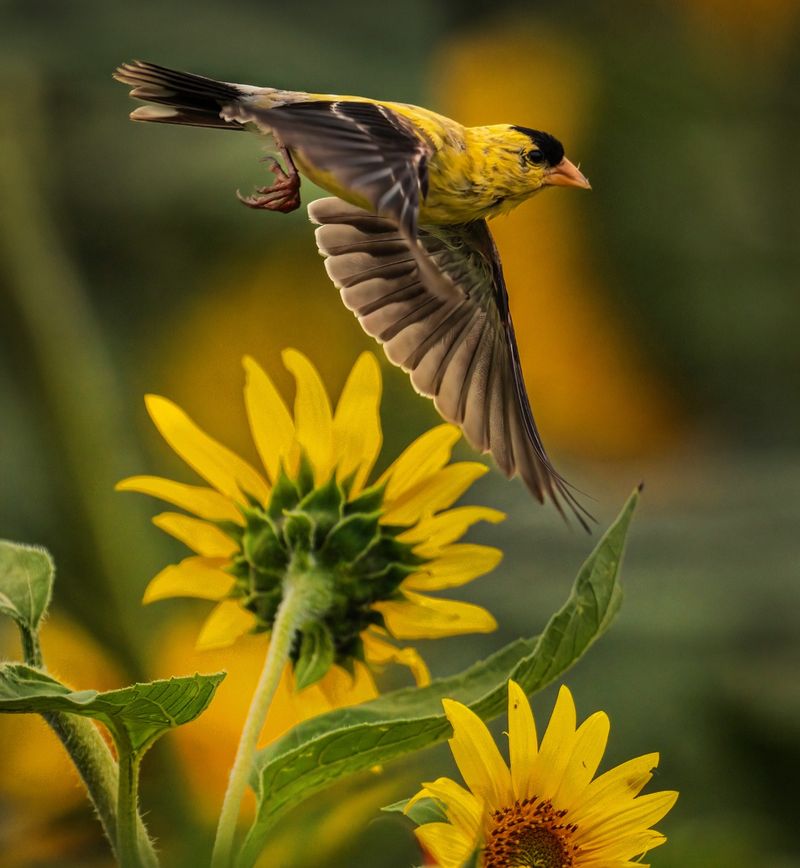
Sunny yellow and always cheerful, American Goldfinches bring a splash of color while doing quiet work you might not expect. Unlike many yard birds, their specialty is seeds rather than bugs.
By eating seeds from dandelions, thistles, grasses, and trees, they act as natural weed control, thinning out plants that would otherwise take over. During summer they also snack on small insects like aphids, adding a little pest patrol to the mix.
Goldfinches flock to yards with seed-rich native plants and thistle feeders. When they show up in numbers, it usually means you have left some seed-bearing plants standing, which is exactly what a balanced garden needs.
7. White-breasted Nuthatches
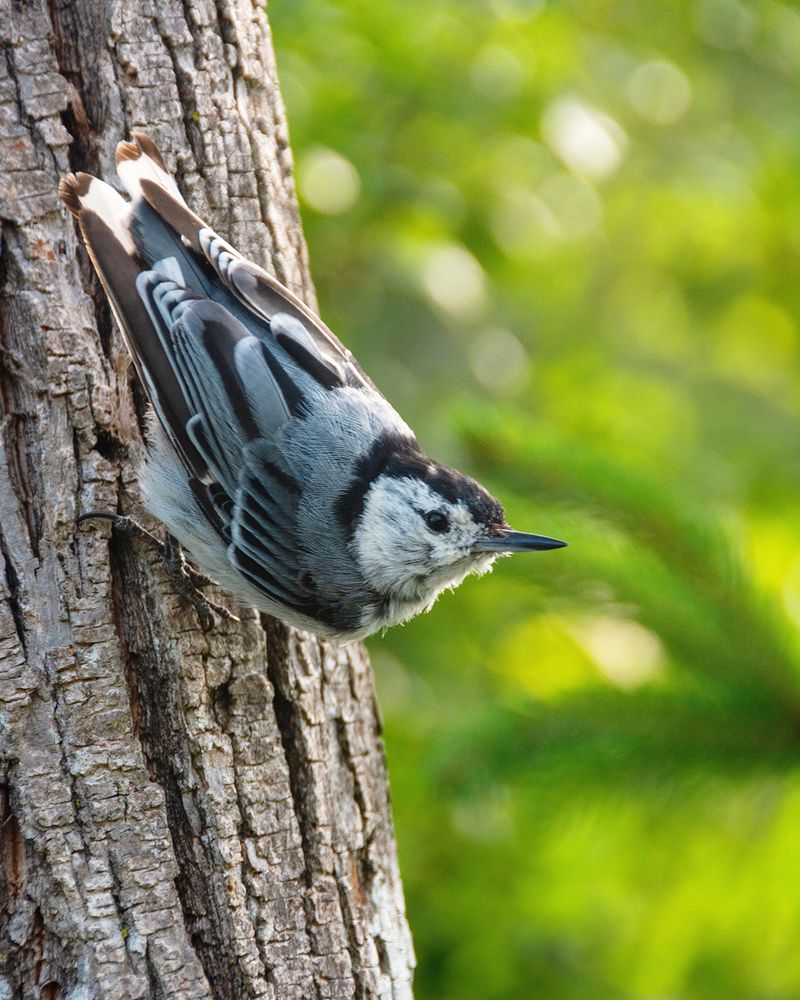
Ever spot a small gray bird walking straight down a tree trunk headfirst? That upside-down explorer is the White-breasted Nuthatch, and its odd style is a real advantage.
Working down the bark instead of up, it finds ants, scale, beetles, moth eggs, caterpillars, and cocoons that other birds simply pass by. Its meticulous crevice-searching means fewer hidden pests survive to damage your trees.
Nuthatches favor yards with mature trees and a steady insect supply, often mixing in with chickadee flocks. Their frequent visits are a hint that your trees are healthy enough to host a rich, hidden insect world.
8. Wrens
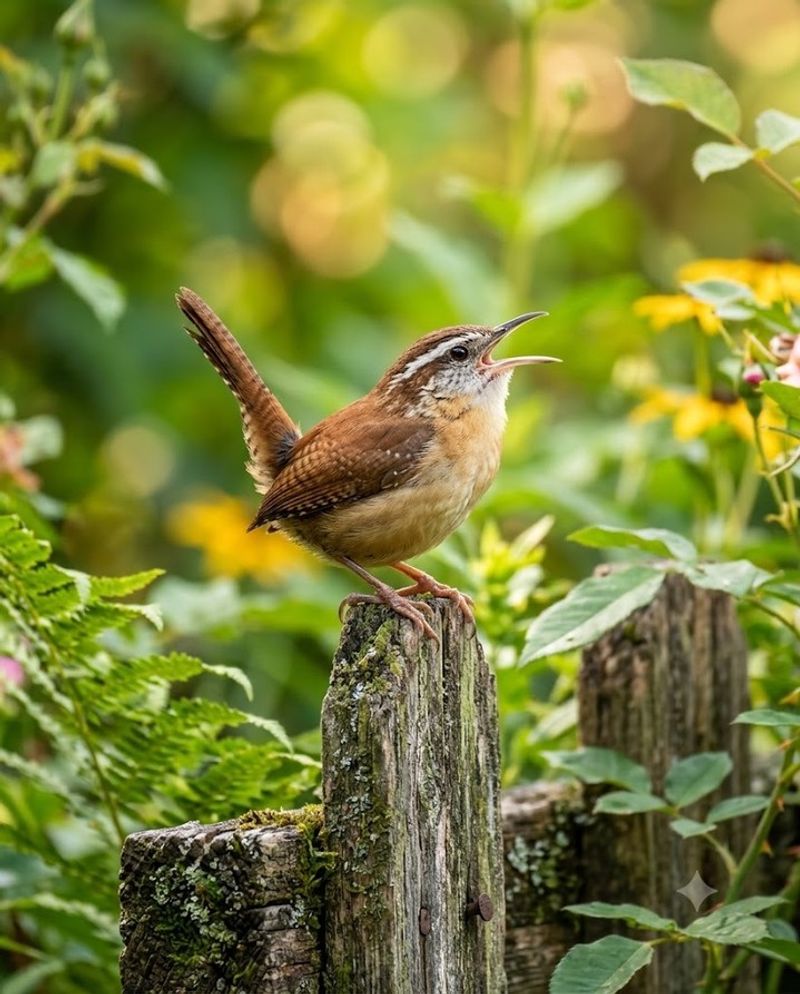
Small body, huge voice, that is the wren in a nutshell. Carolina, House, and Bewick’s Wrens dart through low, tangled greenery with the energy of birds twice their size.
They have a big appetite for insects, munching caterpillars, ants, millipedes, grasshoppers, flies, snails, beetles, grubs, moths, and spiders. Foraging low to the ground in dense vegetation, they clean up pests hiding in mulch and undergrowth.
Wrens love brushy corners, log piles, and cozy nesting nooks. If they are chattering around your shrubs, it means you have left enough messy, natural cover for them to hunt and raise a family.
9. Owls
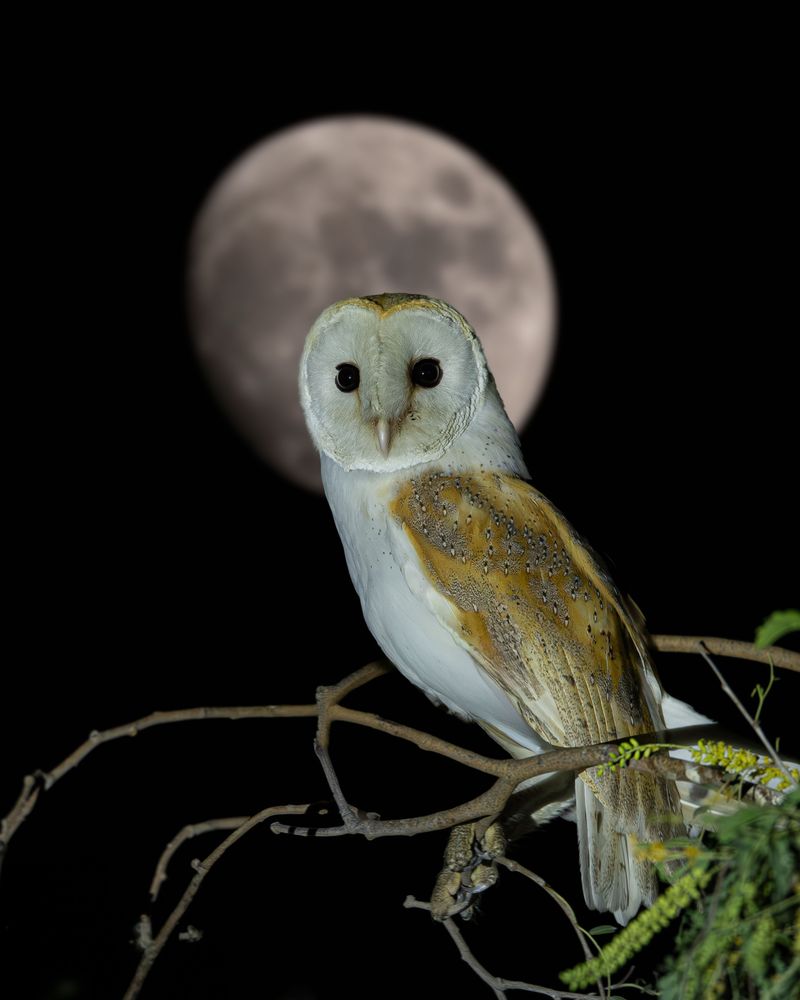
When the sun goes down, a whole different guardian takes over your yard. Owls are nighttime hunters that handle a job daytime birds cannot.
These quiet predators help control populations of rodents like mice, gophers, voles, and shrews. A single owl family can remove a surprising number of rodents in a season, keeping your garden and home free of unwanted diggers and nibblers.
Owls settle where there are tall trees, nest boxes, and enough prey to feed them, plus a landscape not soaked in rodent poison. Hearing hoots at night is a strong sign your yard supports a full, natural food chain from the ground up.
10. Native Sparrows
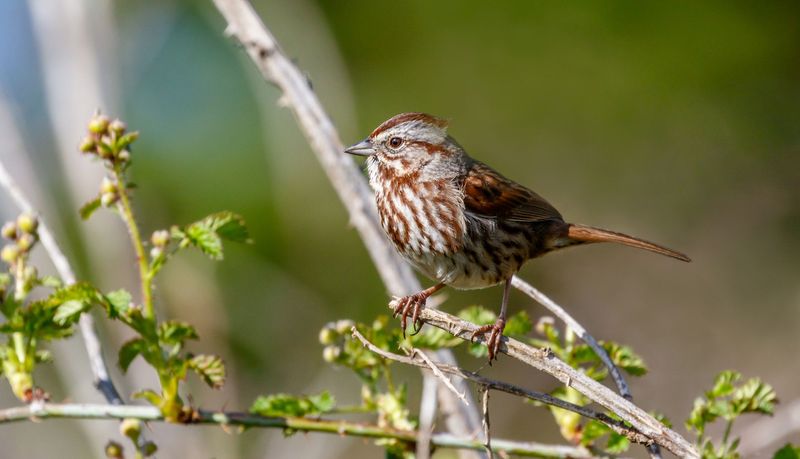
Often brushed off as plain little brown birds, native sparrows deserve far more credit than they get. Song Sparrows, Chipping Sparrows, and Field Sparrows quietly pull double duty in a healthy yard.
During breeding season they lean heavily on insects, feeding on ants, beetles, caterpillars, cicadas, grasshoppers, moths, and spiders. The rest of the year they switch to weed and grass seeds, helping keep unwanted plants in check.
These sparrows thrive around native grasses, low shrubs, and open ground for foraging. Their regular presence shows your yard offers both the bugs and the seeds that support a shifting seasonal diet.
11. Eastern Phoebes
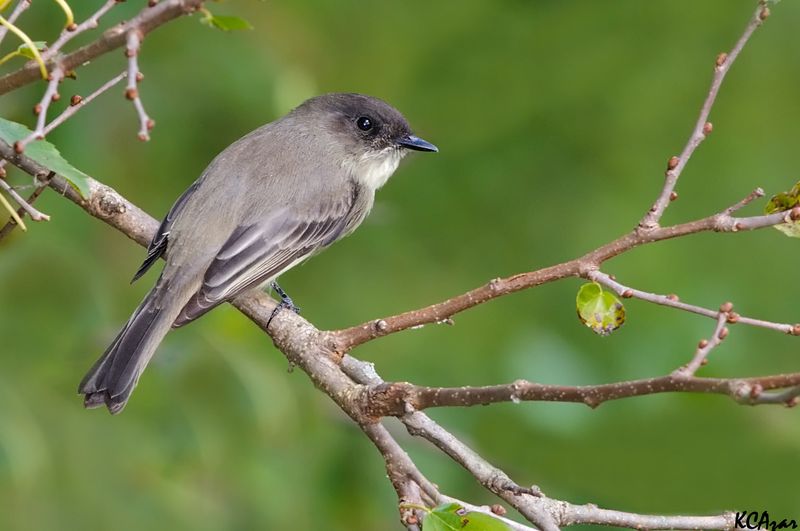
Meet the Eastern Phoebe, a flycatcher that never seems to sit still for long. You can often spot one by its habit of bobbing its tail while perched, waiting for a meal to fly by.
As a dedicated insectivore, the phoebe helps control flying insect populations around your yard. It launches off a perch, snatches a bug from midair, and returns to the same spot to try again, over and over through the day.
Phoebes like open areas near water and often build mud nests under eaves, bridges, or porch overhangs. When one claims a nesting ledge on your home, it is quietly telling you your yard has both open hunting space and a steady bug supply.
12. Vireos
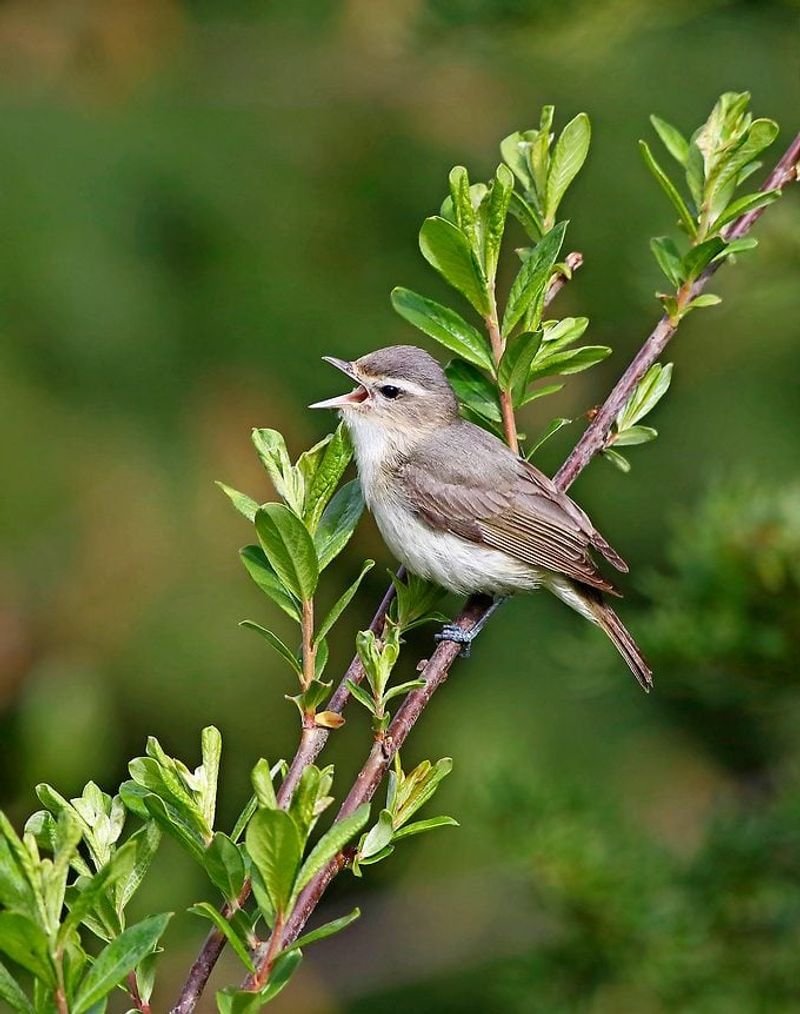
Hidden away in leafy shrubs, vireos are easy to hear but tricky to see. Their steady, sing-song calls often give them away long before you spot one moving through the foliage.
These insect eaters forage in shrubs and dense vegetation for caterpillars, ants, scale, and other pests. By working through the thick middle layer of your plantings, they cover ground that many other birds skip.
Vireos need well-layered gardens with plenty of shrubs and small trees to explore. If you are hearing their constant chatter, it likely means your yard has grown into a rich, multi-level habitat rather than a bare lawn.
13. American Robins
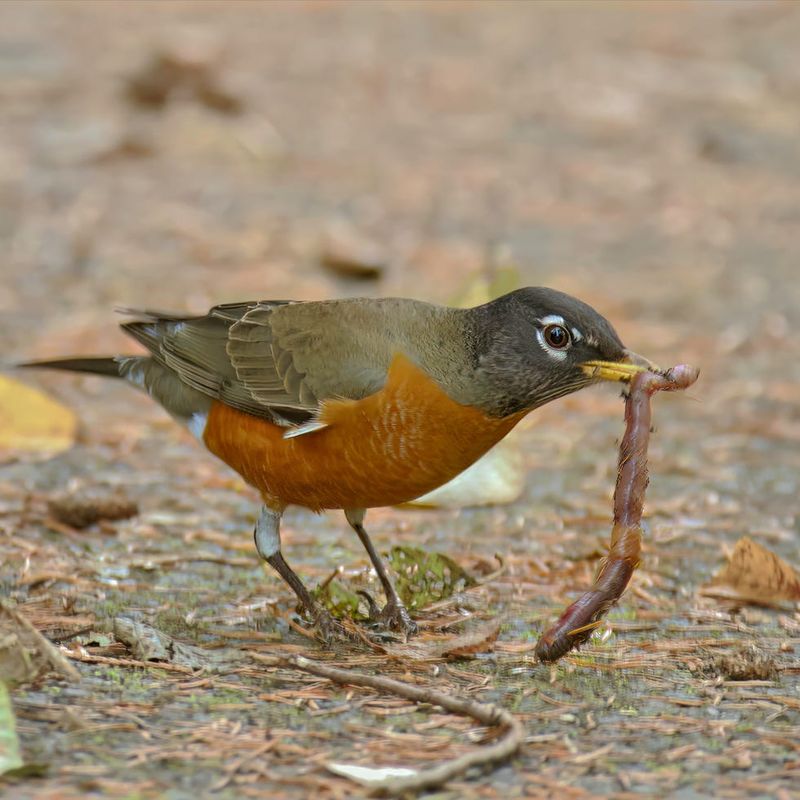
Nothing says a lively lawn quite like a robin tugging a worm from the grass. With their orange chests and confident hops, American Robins are one of the most familiar signs of a thriving yard.
They forage for worms and insects across lawns and garden beds all day long. Even better, a robin busy hunting on your grass often points to soil that is alive and free from harmful pesticides.
Robins keep coming back to yards with moist, healthy soil, open lawn to search, and berry plants for later in the season. Their presence is one of the clearest signals that your yard is working with nature instead of against it.
14. Hummingbirds
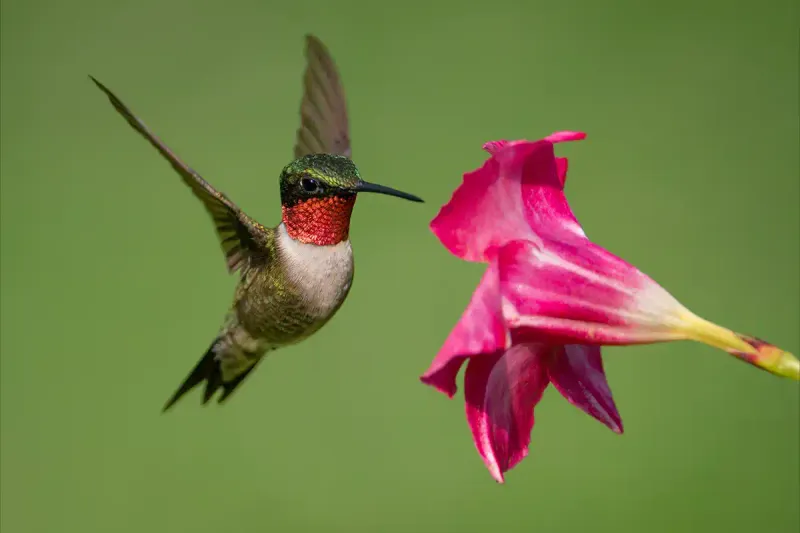
Blink and you might miss the shimmering blur of a hummingbird zipping between blooms. Ruby-throated and Rufous Hummingbirds bring dazzling color while doing something truly valuable for your plants.
As they sip nectar, these tiny fliers move pollen from flower to flower, acting as crucial pollinators. That pollination helps your plants reproduce, set seed, and keep the whole garden thriving year after year.
Hummingbirds are drawn to tube-shaped, nectar-rich flowers and clean feeders, especially in reds and oranges. When they hover around your blooms, it is proof your garden is offering the kind of flowering plants that keep pollinators fed and busy.
15. Blue Jays
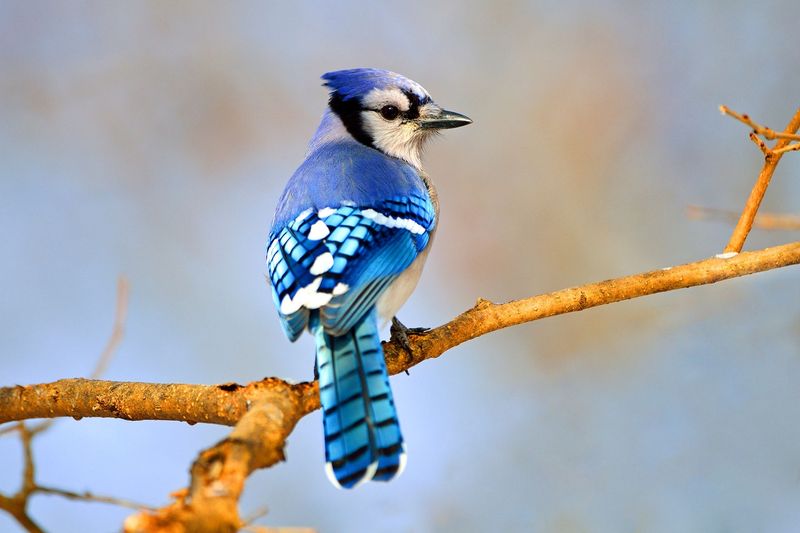
Loud, clever, and impossible to ignore, Blue Jays add both drama and value to a backyard. Their bright blue crest and bossy calls make them one of the boldest visitors you will see.
Jays eat a varied diet of insects and seeds, so they help trim pest numbers while spreading seeds around the landscape. They are especially fond of native plants like spicebush, using them for both food and shelter.
You will find Blue Jays where there are oaks, native shrubs, and a mix of food sources to explore. Their frequent, noisy visits mean your yard offers the variety and cover these smart birds love to work with.
16. Tufted Titmice
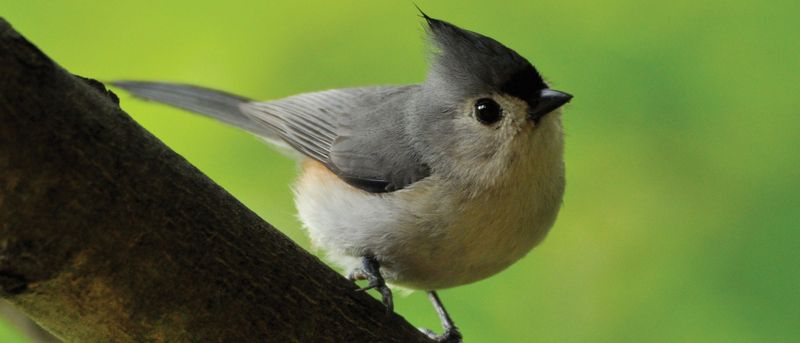
With a jaunty gray crest and big dark eyes, the Tufted Titmouse looks a bit like a chickadee that dressed up for the occasion. In fact, the two are close cousins and share a love of hunting bugs.
Insects such as moths, caterpillars, flies, and beetles make up a large part of a titmouse’s diet. That makes it an efficient little pest controller, poking through leaves and bark for anything worth eating.
Titmice favor wooded yards with mature trees, seed feeders, and nearby nesting cavities. When they are flitting through your branches, your yard is clearly offering the trees and food these lively acrobats need.
17. Warblers
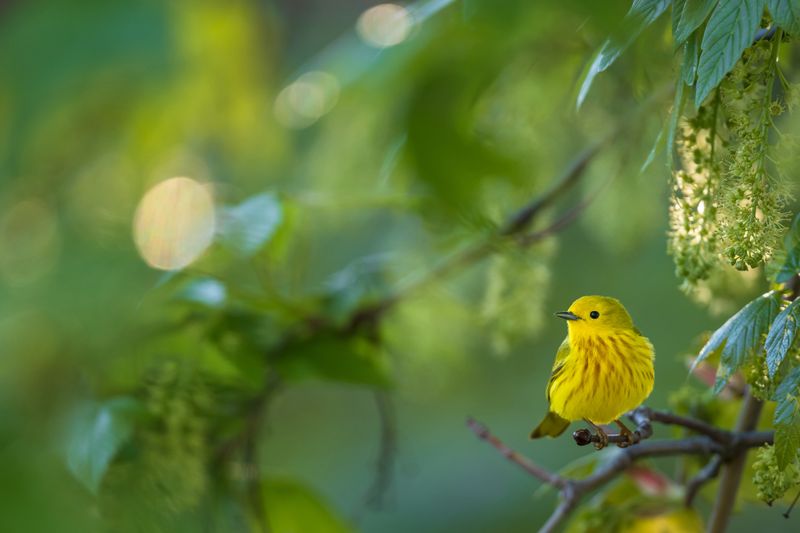
Small, quick, and often dressed in surprising splashes of color, warblers are a treat for anyone patient enough to watch them. These busy little birds rarely stop moving as they hunt through the leaves.
Active insectivores by nature, they scour brushy areas, orchards, and forest edges for caterpillars, larvae, aphids, leafhoppers, and spiders. Their constant searching cleans pests off leaves before those bugs can multiply.
Warblers pass through and settle where there are layered plantings, native trees, and plenty of insects to fuel their travels. Spotting them, especially during migration, suggests your yard is a valuable pit stop packed with food and shelter.
18. Common Nighthawks
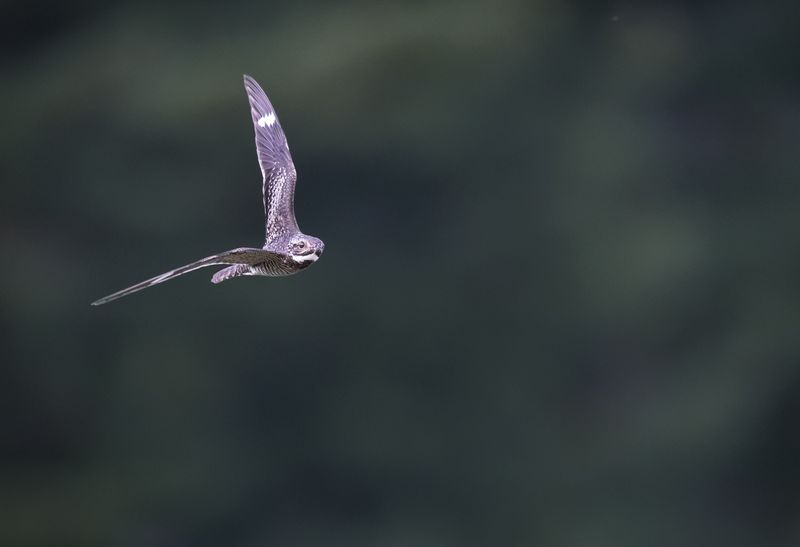
Sometimes called insect-eating superheroes, Common Nighthawks put on a show in the twilight sky. Their swooping, erratic flight is a signal that the night shift of pest control has clocked in.
They devour a wide range of flying insects, including ants, flies, leaf chafers, mosquitoes, moths, grasshoppers, Colorado potato beetles, cucumber beetles, and squash bugs. Several of those are serious garden pests, so having nighthawks overhead is a real gift.
Nighthawks hunt over open spaces where flying bugs gather, often at dusk and dawn. When you see them cutting across your evening sky, it means your yard and neighborhood are producing enough insect life to feed these high-flying helpers.