
15 Smart Reasons A Saucer-Shaped Hummingbird Feeder Beats The One You’re Using
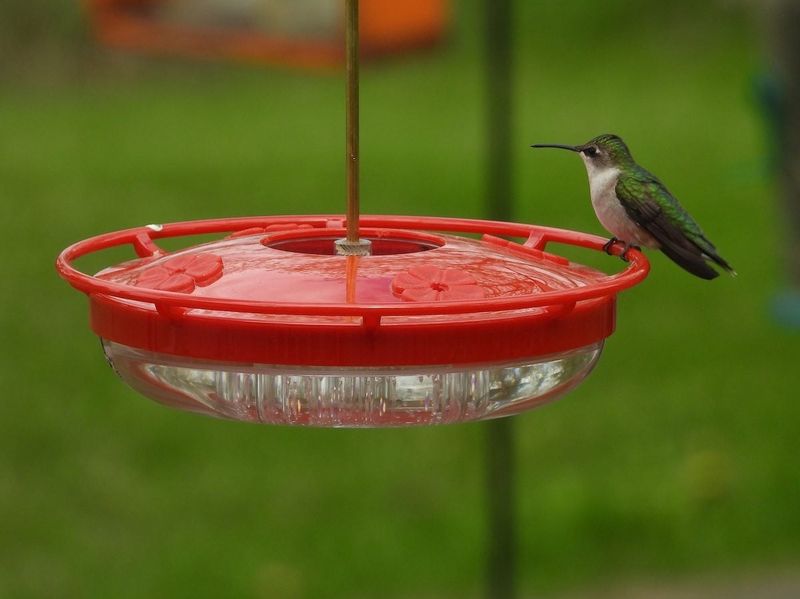
If your hummingbird feeder keeps dripping, drawing bees, or growing gunk you can never quite scrub out, the shape might be the real problem. Saucer-style feeders hold nectar in a flat dish instead of an upside-down bottle, and that one change fixes a surprising number of headaches.
Below are 15 smart reasons a saucer feeder often beats the one hanging in your yard right now. Read on and you might rethink your whole setup before the next refill.
1. Easier To Clean
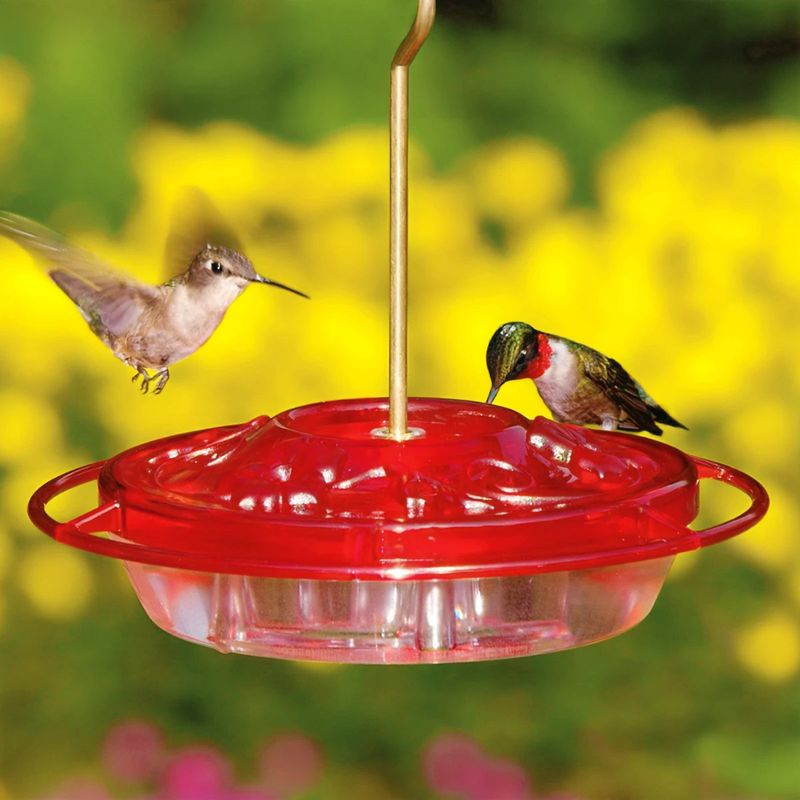
Scrubbing a narrow-necked bottle feeder can feel like trying to wash the inside of a bottle with your finger. Saucer feeders skip that frustration entirely.
Most models unscrew into two flat halves, so you can reach every surface with a sponge or a soft brush. No hidden tubes, no skinny necks, no mystery corners where old nectar hides.
Because cleaning takes minutes instead of a wrestling match, you are far more likely to actually do it on schedule. That regular rinse is what keeps mold and bacteria from ever getting a foothold, which matters a lot for the tiny birds you are feeding.
2. Superior Pest Resistance
Ants, bees, and wasps treat most feeders like an open buffet. The saucer design quietly shuts that buffet down.
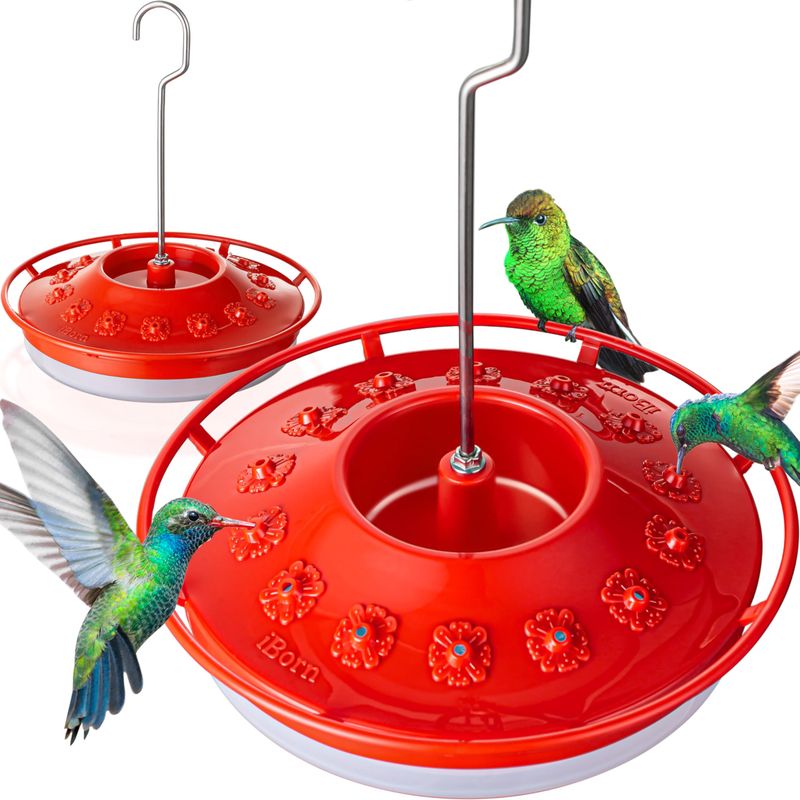
Since the nectar sits in a shallow dish below the feeding ports, insects with short tongues simply cannot reach it. Hummingbirds, with their long tongues, dip right in without a problem.
Plenty of saucer models add built-in ant moats and bee guards on top of that natural barrier. The result is a feeder the birds enjoy and the bugs mostly give up on.
3. Minimizes Leaking
Nothing wastes nectar faster than a feeder that drips all day. Bottle feeders rely on a vacuum seal, and when that seal hiccups, out comes the sugar water.
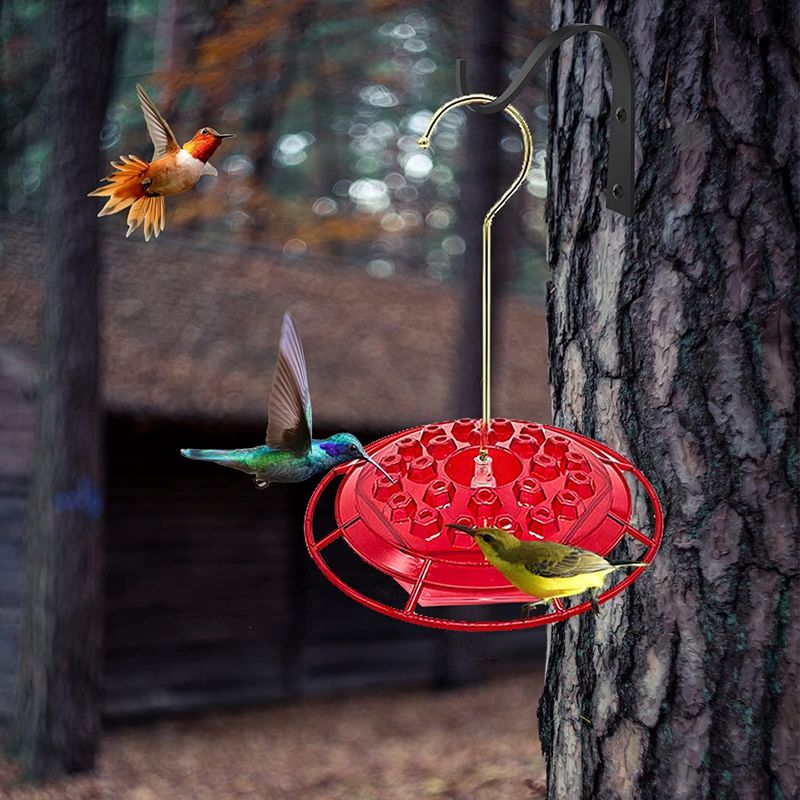
A saucer feeder holds nectar in an open dish at the bottom, so there is no gravity trick or air pressure keeping the liquid trapped. Nothing is being forced downward, so nothing spills out.
On hot afternoons when the air inside a bottle expands and pushes nectar out the ports, saucer feeders just sit there calmly. Less mess on your deck, more nectar for the birds.
4. Comfortable Feeding For Hummingbirds
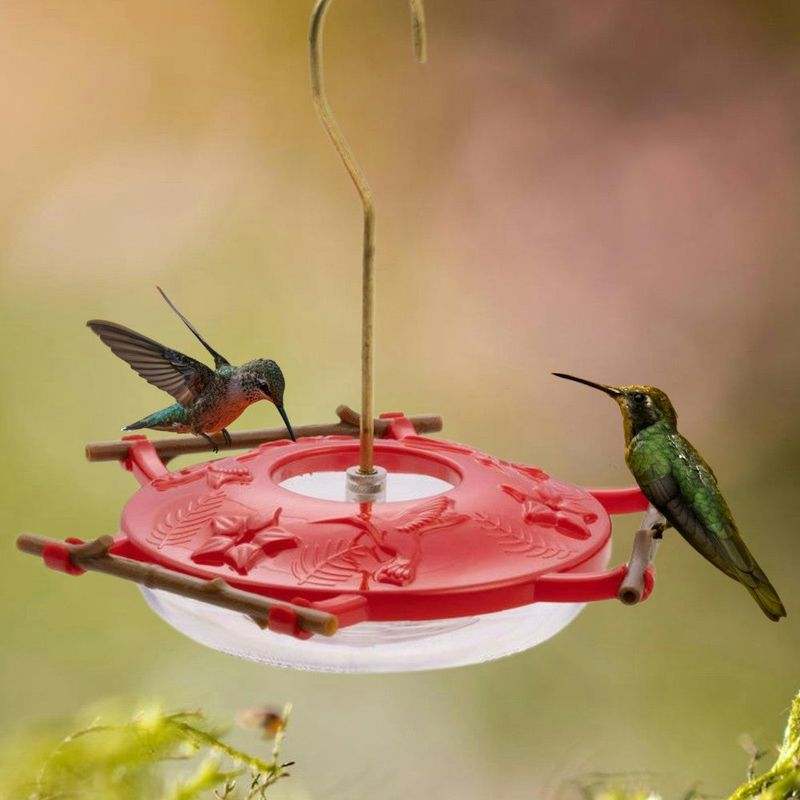
Hummingbirds naturally sip from flowers by hovering or landing on a nearby stem. Saucer feeders lean into that instinct instead of fighting it.
The low profile and wide feeding ports let a bird hover or perch comfortably while it drinks, much like it would at a real bloom. That familiar position makes the feeder feel less like a strange gadget and more like part of the garden.
Comfortable birds visit more often and linger longer, which means more of those tiny flashes of color for you to enjoy.
5. Prevents Feather Contamination
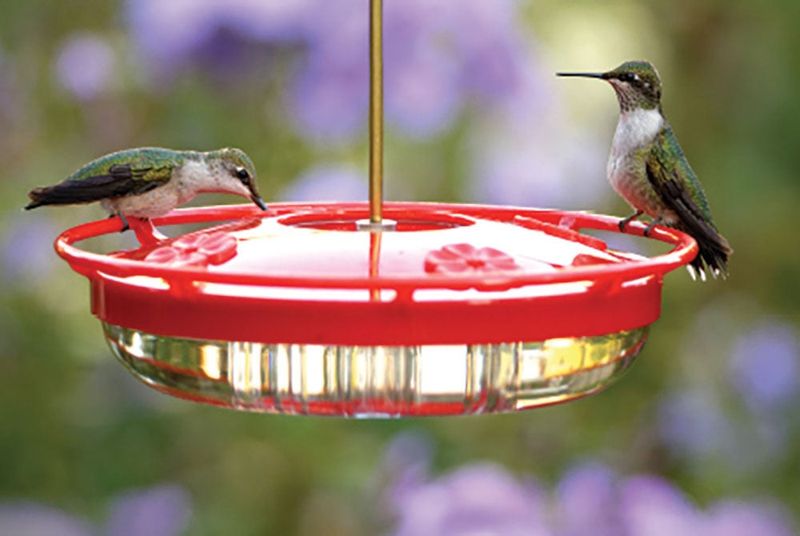
Sticky feathers are a real hazard for a bird that lives or dies by flight. A gummed-up wing can slow a hummingbird down at the worst possible moment.
Because a saucer feeder keeps the nectar contained in a flat dish beneath the ports, birds rarely end up splashed or coated while they feed. Their feathers stay clean and dry.
Clean feathers also mean less dirt and bacteria clinging to the bird, so a small design choice ends up protecting their health in a quiet, ongoing way.
6. Reduces Nectar Contamination
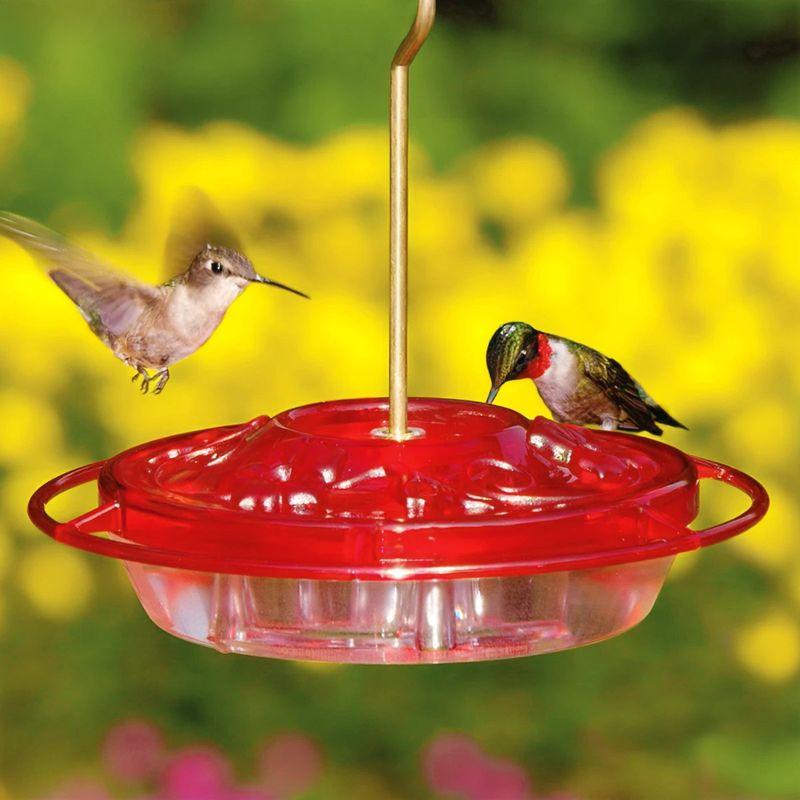
Fresh nectar is the whole point, and a saucer feeder makes fresh the default rather than the exception. Keeping bugs out and being simple to clean work together here.
When pests cannot fall in and drown, and when you rinse the dish regularly, the sugar water stays clear and safe for far longer. Birds are not sipping around dead insects or spoiled syrup.
That also spares them the risk of being stung by aggressive wasps guarding a feeder. Cleaner nectar, calmer feeding, healthier visitors.
7. Inhibits Mold And Bacteria Growth
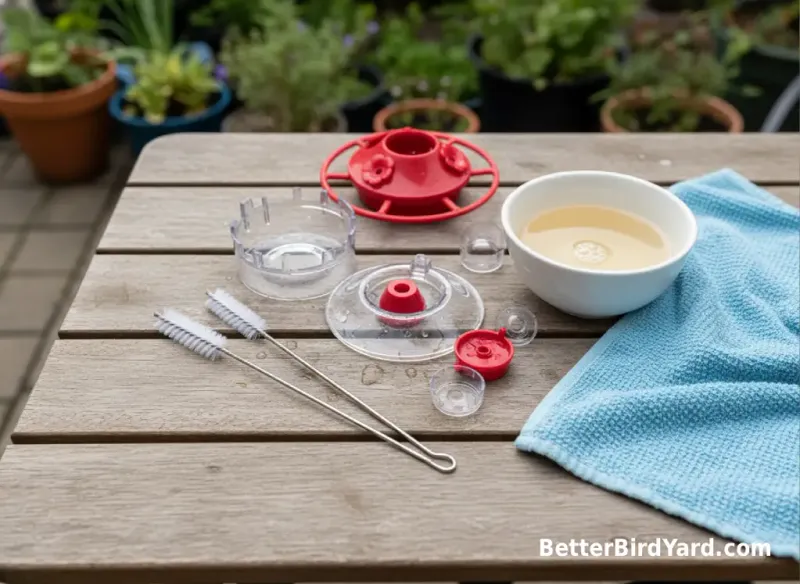
Here is something worth knowing: hummingbirds can develop a serious tongue and throat infection called candidiasis from moldy nectar. It is heartbreaking and completely preventable.
The prevention comes down to frequent cleaning, and saucer feeders make frequent cleaning painless. When the job is quick and thorough, you keep doing it, and mold never gets its chance to spread.
A feeder you can actually keep spotless is a feeder that protects the birds instead of quietly harming them. That peace of mind is a big part of the appeal.
8. Simple To Fill And Assemble
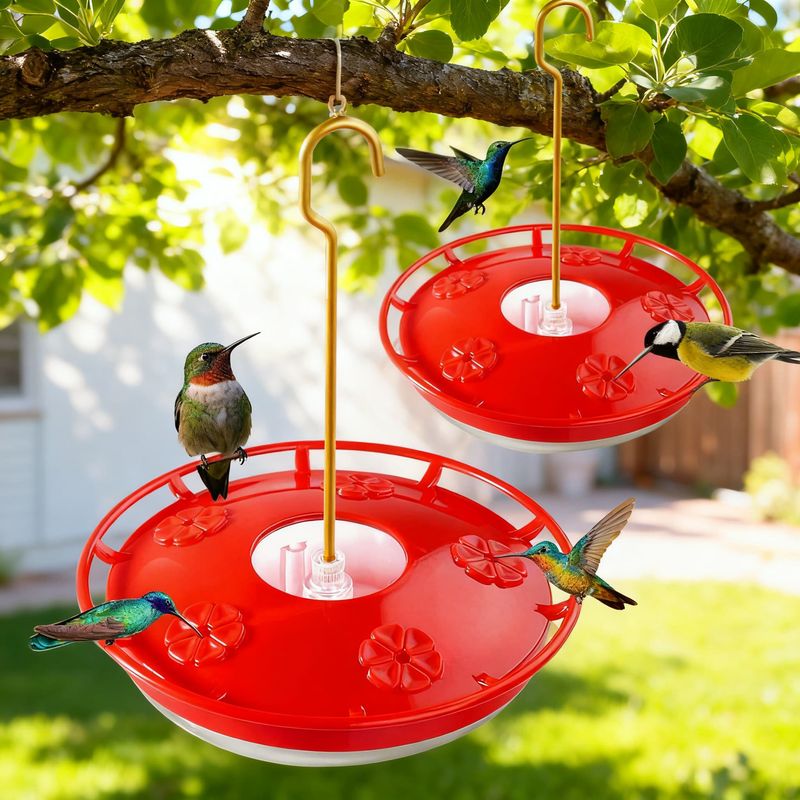
Refill day should not require a diagram. With a saucer feeder, you pour nectar into the open dish, snap or screw the top back on, and hang it up.
No flipping a full bottle upside down while nectar sloshes over your hands, no fumbling with tiny gaskets that never seem to line up. The whole routine is genuinely fast.
When maintenance is this easy, feeding hummingbirds stops feeling like a chore and starts feeling like the small daily pleasure it should be.
9. Clear Nectar Visibility
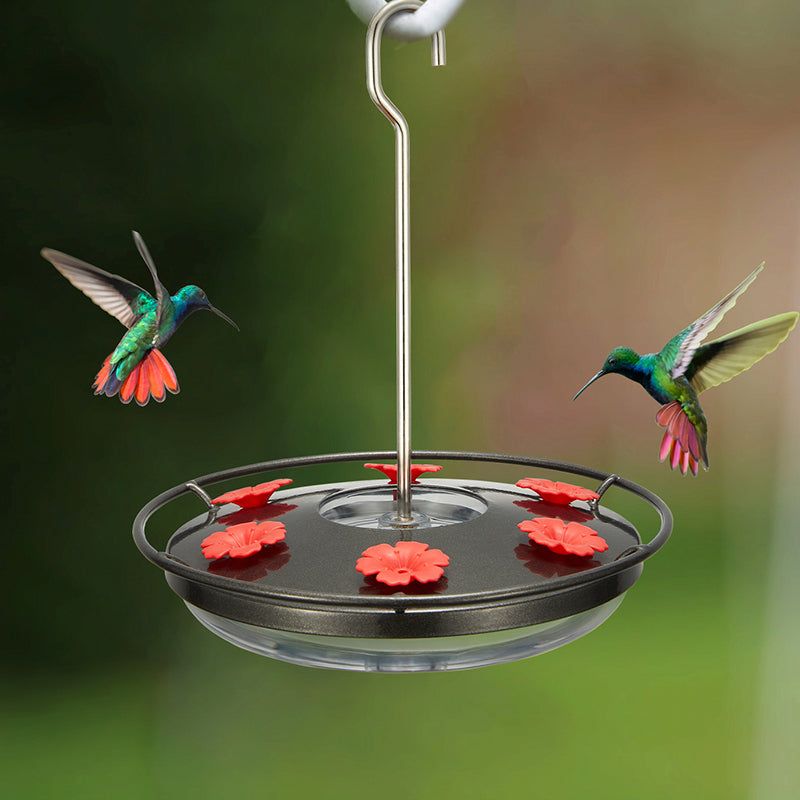
Guessing when a feeder is empty usually means finding out too late, after the birds have already moved on. Many saucer feeders solve this with a clear reservoir.
A quick glance from your window tells you exactly how much nectar is left, so refills happen before the dish runs dry. No unscrewing, no shaking, no guessing.
Keeping the supply steady also builds a routine the birds can count on, and reliable feeders tend to become regular stops on their daily rounds.
10. Wind Resistance
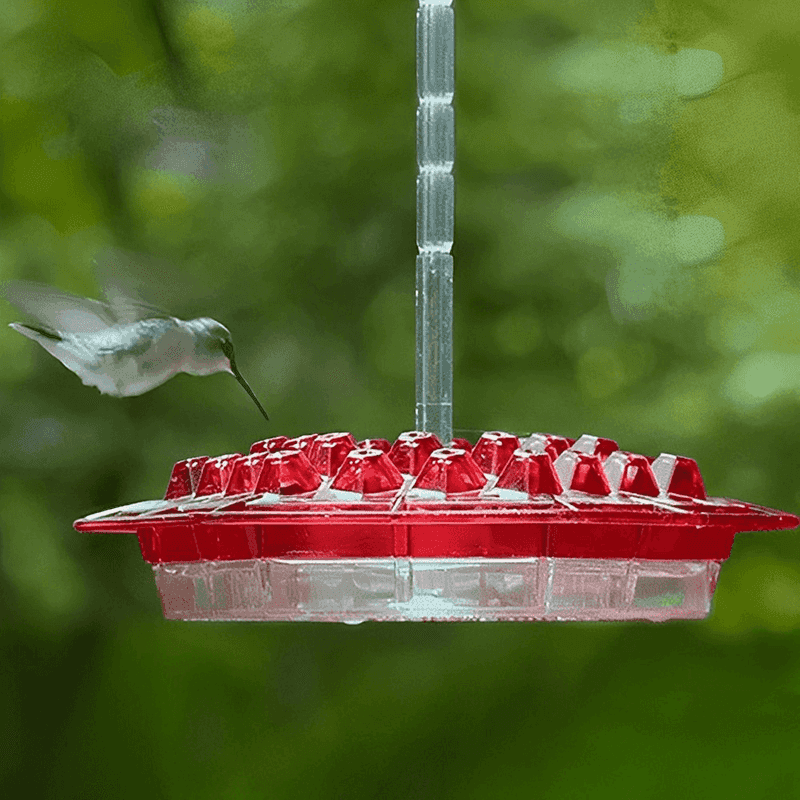
Tall bottle feeders catch the breeze like little sails, swaying, spilling, and sometimes flipping right off their hooks. A gusty afternoon can empty one in a hurry.
Saucer feeders sit low and flat, giving the wind far less to grab. They stay put through the kind of weather that sends taller feeders swinging wildly.
Less swaying means less spilled nectar and fewer feeders knocked to the ground, which is a small but welcome relief in breezy yards and open patios.
11. Ideal For Hot Climates
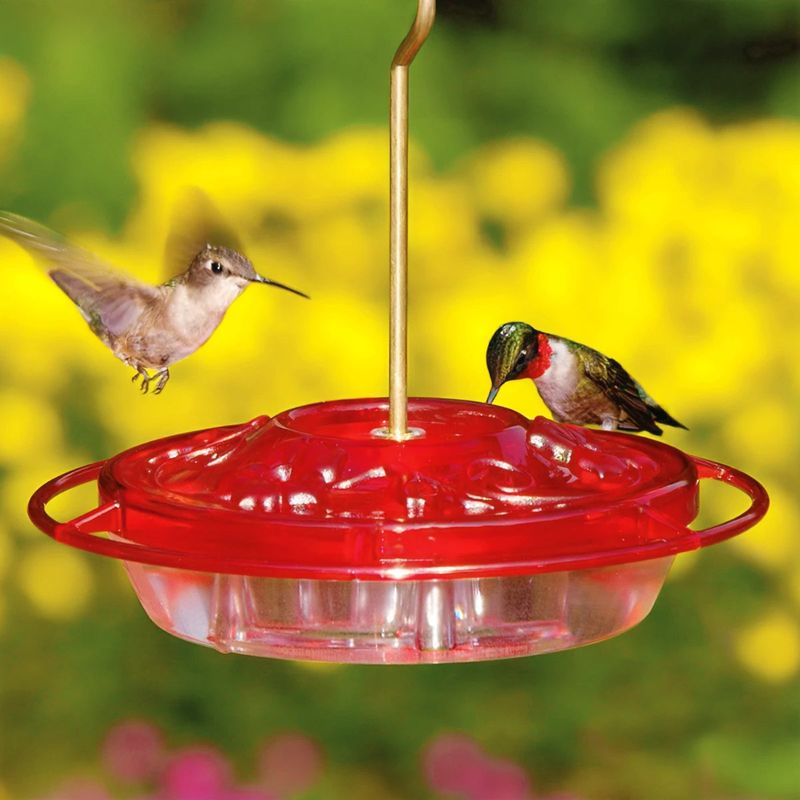
Summer heat is brutal on nectar. Once temperatures climb, sugar water can spoil in just a day or two, which means changing it far more often than you might expect.
Saucer feeders shine here because refilling and cleaning them is so quick. Swapping out warm, aging nectar for a fresh batch becomes a two-minute job you will not dread.
For gardeners in hot regions, that easy turnaround is the difference between a feeder that stays healthy all summer and one that turns into a fermenting mess.
12. Beginner-Friendly
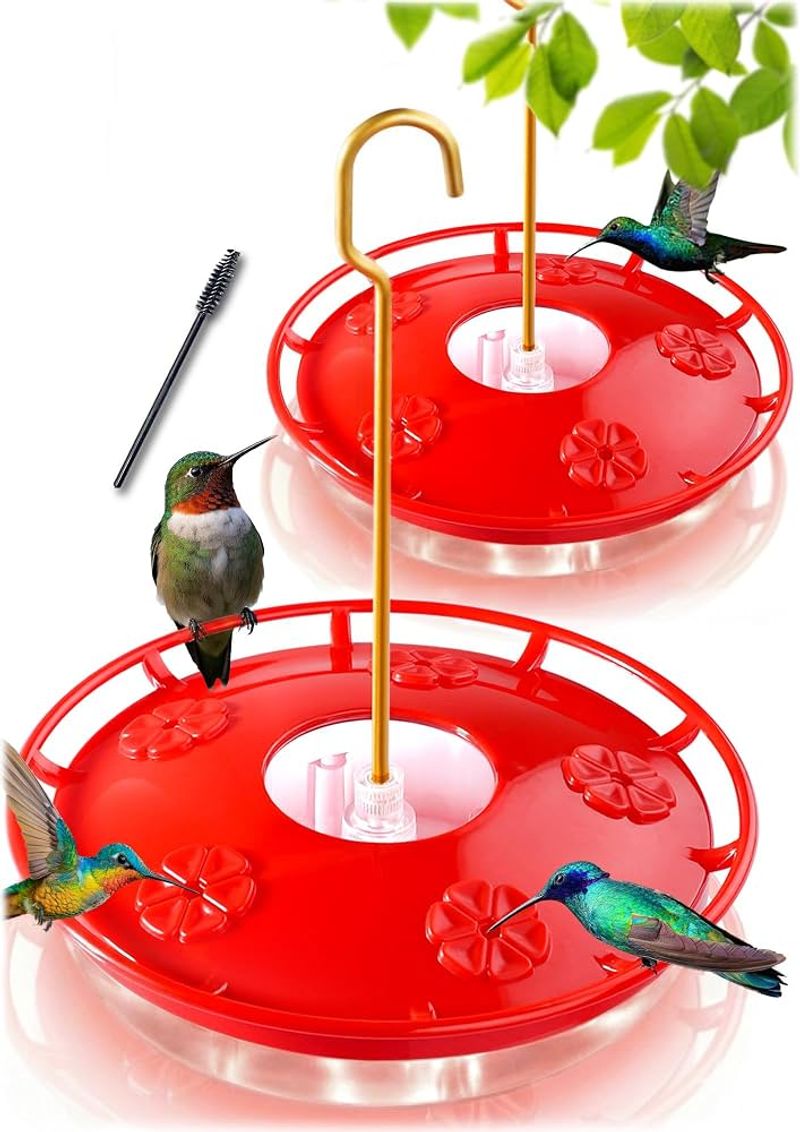
Feeding your first hummingbirds can feel intimidating, like there are a dozen ways to get it wrong. A saucer feeder takes most of that worry off the table.
From setup to filling to cleaning, everything about the design is forgiving and straightforward. There are no fussy seals to master and no leaky surprises to troubleshoot.
If you have been nervous about starting, this is the low-fuss option that lets you focus on watching the birds instead of babysitting the equipment.
13. Versatile Mounting Options
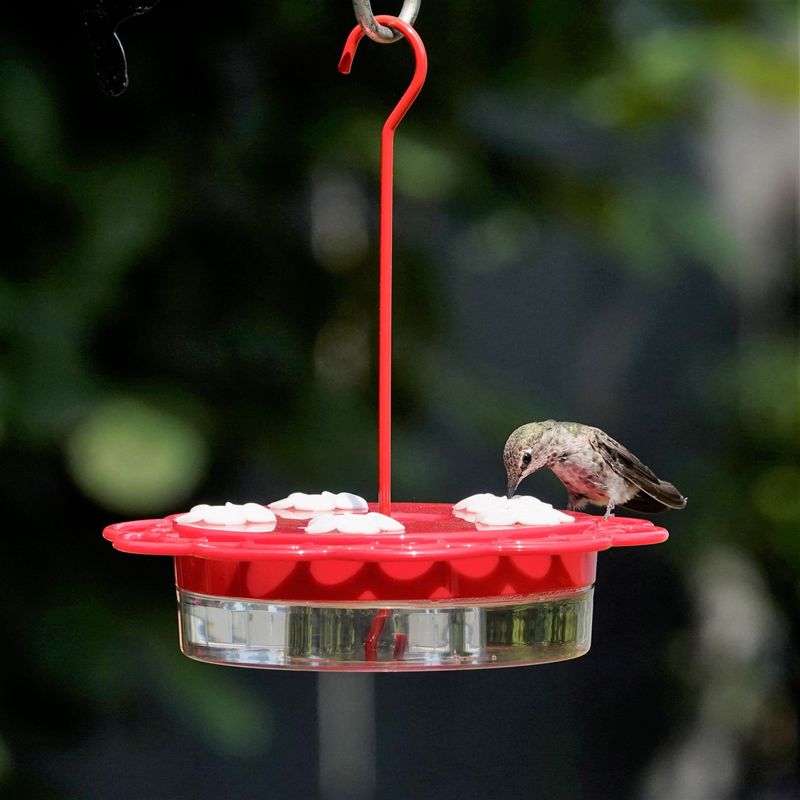
Where you place a feeder can make or break how many birds find it. Saucer feeders give you room to experiment.
Their flat, balanced shape hangs happily from a shepherd’s hook, a tree branch, a porch beam, or a deck railing without tipping or spinning. Some even attach to poles and windows.
That flexibility lets you move the feeder to the shadiest, most protected, most visible spot in your yard until you find the sweet spot the hummingbirds love best.
14. Accommodates Multiple Birds
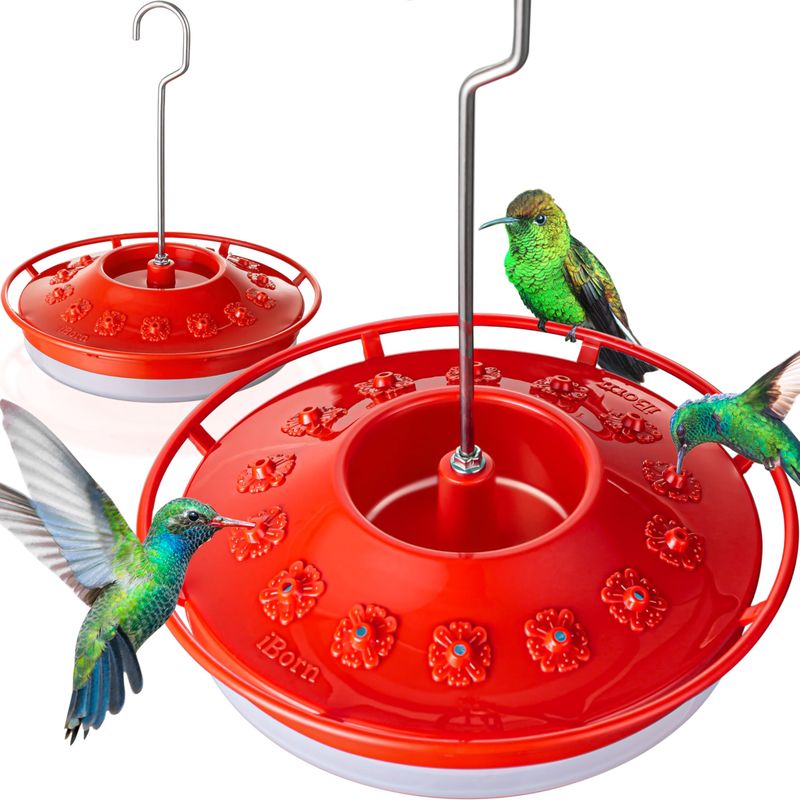
Hummingbirds can be famously territorial, and a single-port feeder often turns into a battleground. Saucer designs help keep the peace.
Many come with several feeding ports spread around the dish, giving multiple birds space to sip at once without constantly chasing each other off. More seats at the table, fewer squabbles.
Watching three or four hummingbirds feed together at the same saucer is a genuine treat, and a multi-port design makes that little gathering far more likely.
15. Less Attractive To Bees Through Color
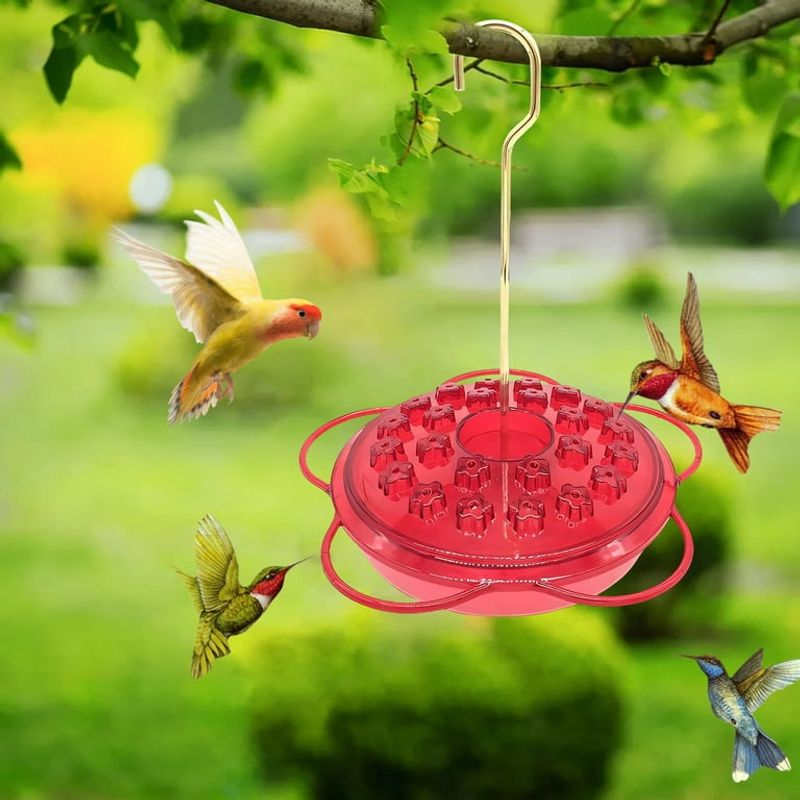
Color plays a sneaky role in who shows up at your feeder. Bees and wasps are strongly drawn to yellow, while hummingbirds zero in on red.
Choosing an all-red saucer feeder without yellow accents can quietly cut down on the insect crowd before they even land. It is a simple tweak that stacks nicely on top of the dish design’s built-in bug resistance.
Fun detail worth remembering: hummingbirds do not actually need red nectar to be attracted, just a red feeder, so you can skip the dye and keep things safe and simple.