
The Soil Cucumbers Secretly Hate (It Leaves Them Weak, Yellow And Slow To Produce)
Your cucumber vines looked promising at first, but now they’re pale, slow, and barely producing. Before you add more fertilizer or water, the real problem might be hiding right under your feet.
Wet, compacted soil can quietly choke cucumber roots and leave plants struggling all season. Knowing what to look for in your bed could change everything about how your cucumbers grow.
Look for Wet Compaction, Not Clay Alone
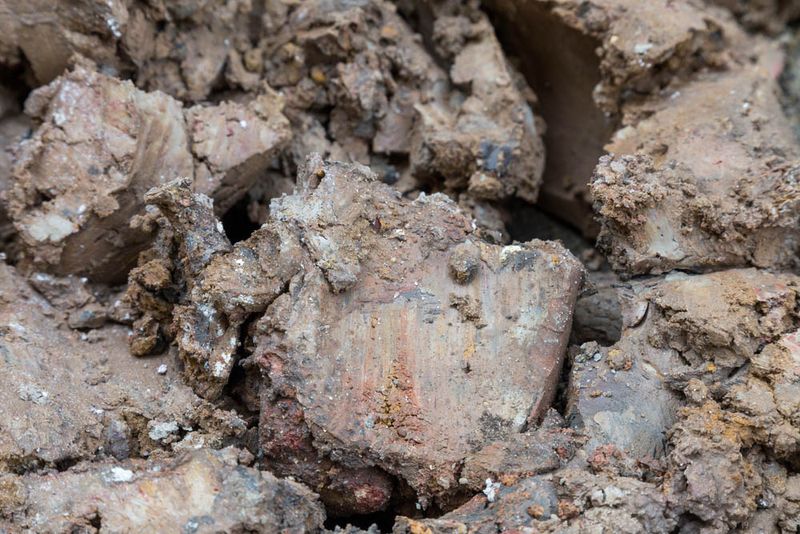
Clay soil has a bad reputation in the gardening world, but the real problem for cucumbers is not the clay itself. Many gardeners grow excellent cucumbers in clay-based soil when drainage, fertility, and moisture levels are managed properly.
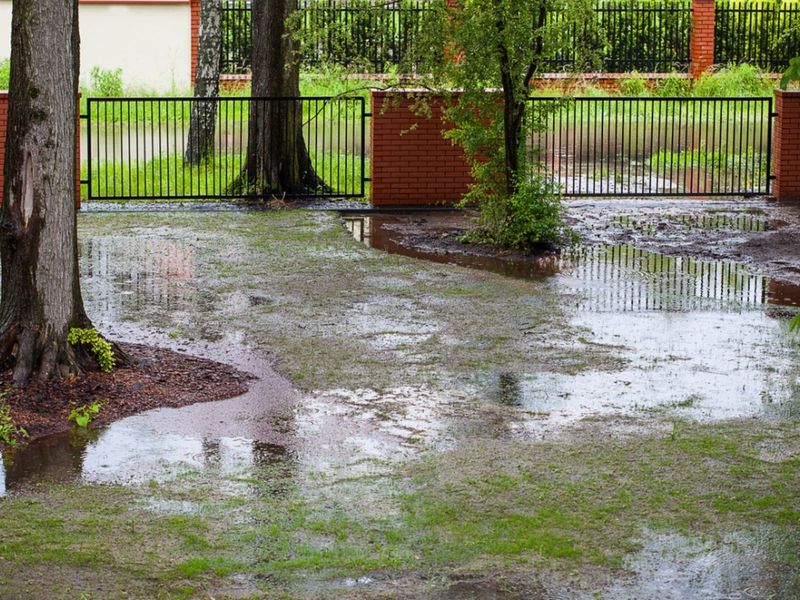
The trouble starts when clay becomes compacted, crusts over, puddles after rain, or stays saturated for days at a time.
Cucumbers need soil that holds enough moisture to keep roots supplied between waterings, but also allows excess water and air to move freely through the root zone. When soil is too dense, water sits on top or pools just below the surface, squeezing out the air pockets roots depend on.
University of Minnesota Extension research on soil compaction explains that compacted soil restricts root penetration, limits water movement, and reduces the oxygen supply that roots and soil microbes need to function.
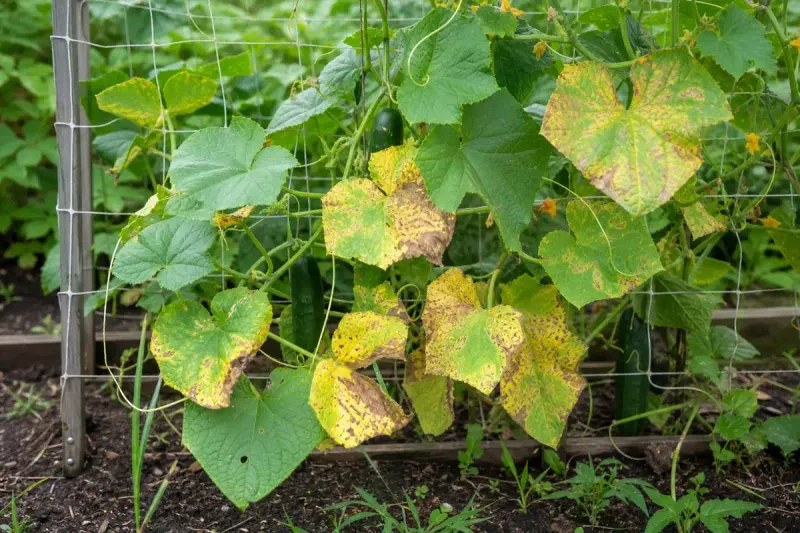
A cucumber plant growing in compacted, saturated ground may show weak stems, yellowish leaves, shallow root systems, or fruit that arrives late and in small numbers. Those symptoms do not confirm a soil diagnosis on their own, since nutrient deficiencies, pests, disease, and cool weather can cause the same signs.
What they do tell you is that the root zone deserves a closer look before you reach for the hose or a bag of fertilizer.
Utah State University Extension guidance on clay soils reinforces that well-aggregated clay can support vegetables, and that the structural condition of the soil matters more than the particle type. University of Georgia Extension’s cucumber production guide confirms that cucumbers can succeed in many soil types as long as the growing environment is fertile and well drained.
The question to ask about your bed is not whether it contains clay, but whether water moves through it or sits in it.
Why Saturated Roots Produce Weak Growth
Roots need air just as much as they need water. Healthy soil contains a mix of solid particles, water, and open pore spaces that hold oxygen.
When compaction squeezes those pores shut or water fills them completely, roots lose access to the oxygen they require for normal function. Growth slows, nutrient uptake drops, and the plant begins to show the kind of stress that looks a lot like drought damage from above ground.
Here is a detail that trips up a lot of gardeners: a cucumber can wilt in wet soil. When roots cannot obtain oxygen because the soil is saturated, they lose the ability to move water into the plant efficiently.
The leaves droop, the stems go limp, and the instinct is to water more. Adding water to already-saturated soil makes the problem worse, not better.
University of Minnesota Extension’s vegetable garden watering guidance advises checking whether the soil is dry about two inches below the surface before watering, precisely because surface appearance and plant wilt can mislead you.
Compaction also interferes with how nutrients move through the root zone. Even if fertility is adequate on paper, roots that cannot penetrate dense soil cannot reach the nutrients stored in it.
Shallow, stunted root systems are a common result of chronic compaction, and they leave plants vulnerable to both moisture stress and nutrient shortfalls at the same time.
Penn State Extension’s overview of root rots notes that saturated conditions favor the root pathogens that cause rot, adding another layer of risk when soil stays wet for extended periods. Compaction, saturation, and root disease can occur together and reinforce each other.
A bed that drains poorly is not just uncomfortable for cucumber roots; it can become an environment where those roots actively decline.
Inspect the Bed Before You Amend It
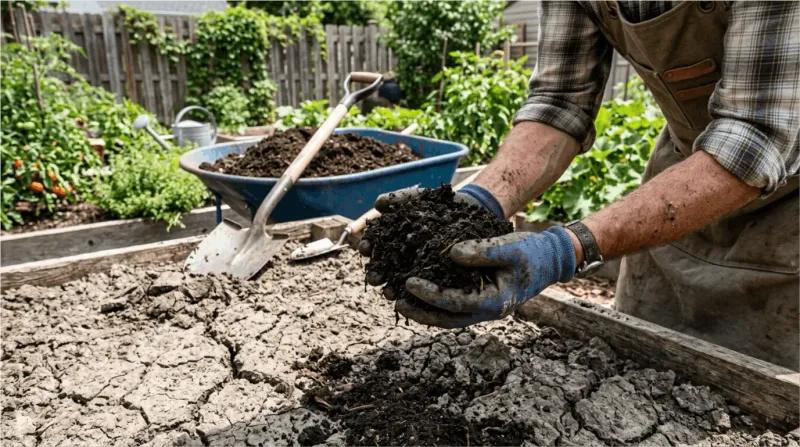
Spending five minutes inspecting your bed before adding amendments or water can save you from making the problem worse. Start by looking at the surface after a rain or a normal watering cycle.
If water sits in puddles for more than an hour or two, or if the top of the bed forms a hard crust as it dries, those are signs that structure is limiting drainage. A surface that repels water rather than absorbing it is another clue.
Next, push a trowel or garden fork six to eight inches into the soil and look at what comes up. Cucumber roots in healthy soil reach down and spread laterally through the bed.
If you find roots bunched near the surface, or if the trowel meets strong resistance before reaching that depth, compaction is likely restricting growth. University of Minnesota Extension’s compaction resource notes that compaction can result from construction fill, foot traffic, vehicle weight, native heavy clay, and tilling or digging while the soil is wet, so the cause is not always obvious from looking at the surface.
The most practical test for workability is the crumble-versus-smear check. Grab a handful of soil and squeeze it gently.
If it breaks apart into rough crumbs when you open your hand, the soil is dry enough to work with. If it smears, ribbons out between your fingers, or holds a dense shape like modeling clay, it is still too wet.
Missouri Extension’s soil preparation guidance recommends waiting until the soil passes this test before digging or tilling, because working saturated clay creates dense clods and lasting compaction that can take seasons to undo.
University of Illinois Extension’s drainage improvement article points out that compaction layers can form even in soil that is not naturally clayey, particularly in areas where equipment or heavy foot traffic has pressed the soil repeatedly. Check your paths and any spots where you regularly kneel or step, and consider whether those areas overlap with where your cucumbers are underperforming.
Restore Structure With Finished Organic Matter
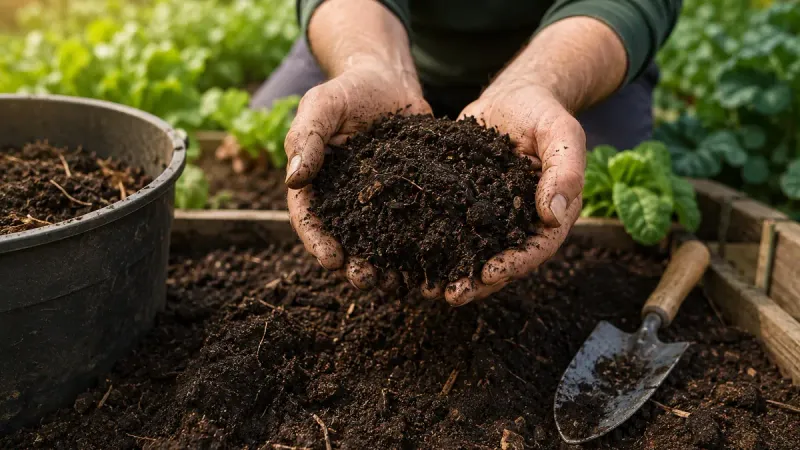
Finished compost is the most broadly useful amendment for improving compacted or heavy soil in a home cucumber bed. When worked into the root zone, compost adds organic matter that binds clay particles into larger aggregates, creating more pore space for air and water movement.
Over time, that improved structure makes it easier for roots to penetrate deeper, for excess water to drain, and for oxygen to reach the root zone between waterings.
Utah State University Extension’s clay soil guide recommends incorporating organic amendments throughout the planting area rather than applying a thin layer on top, because surface-only applications do little to change the structure of the dense layer where roots actually grow. Work the compost into the bed to the depth that cucumber roots are expected to reach, typically at least eight to twelve inches, so the improvement extends through the zone where roots need room to move.
Finished compost means material that has fully decomposed and no longer smells like manure or raw plant matter. Fresh manure should not be applied around growing food crops; it can burn roots through ammonia and salt content and carries pathogen risks for edible vegetables.
Colorado State University Extension’s soil management guide advises against using fresh manure on growing crops and recommends well-composted organic material instead.
One common shortcut to avoid is adding ordinary amounts of sand to clay soil. Rather than opening up drainage, mixing sand into clay in typical garden quantities can produce a denser, concrete-like result.
Compost or another well-composted organic amendment is the safer and more effective choice for home gardeners.
Organic matter improves soil structure, but it does not automatically fix fertility. Compost releases nutrients slowly and in amounts that vary by source and age.
University of Illinois Extension’s soil preparation resource and Missouri Extension’s fertilizer guide both recommend a soil test to determine what nutrients the bed actually needs before adding any fertilizer, so you are responding to real deficiencies rather than guessing from plant symptoms.
Raise the Root Zone When Drainage Stays Poor
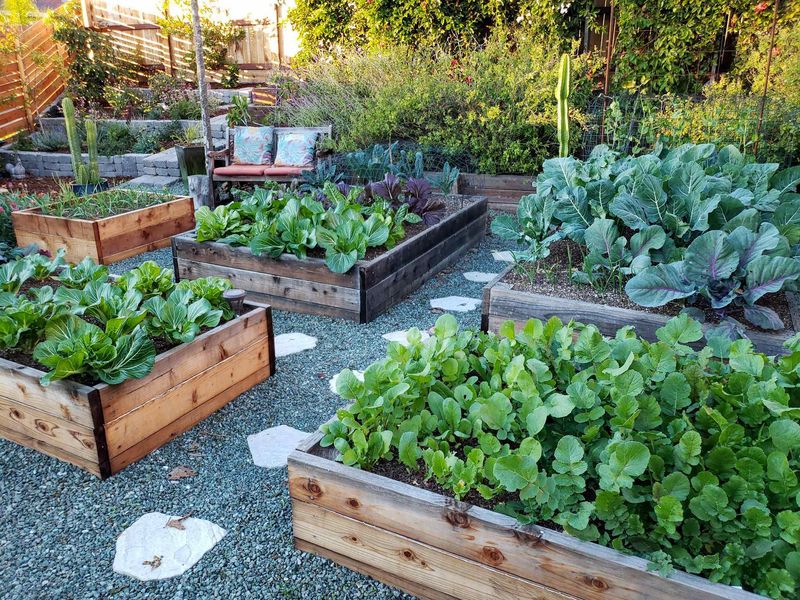
Sometimes amending in place is not enough. A low-lying bed, a site with heavy native clay that extends well below the root zone, or a location that stays waterlogged even after structural improvement may need a different approach.
Raising the planting area, either with a framed raised bed or a mounded row, puts cucumber roots above the saturated zone and lets gravity do more of the drainage work.
University of Minnesota Extension’s cucumber growing guide suggests raised beds as a practical option when drainage is a persistent problem, and University of Illinois Extension’s raised bed article notes that elevated planting areas warm up faster in spring and drain more freely than in-ground beds on heavy soil. For cucumbers, that combination can mean earlier rooting, better oxygen availability, and reduced risk of saturation during wet periods.
Mounded rows are a lower-cost alternative to framed beds. Pulling soil into a ridge six to eight inches above the surrounding grade gives roots a well-drained zone without requiring lumber or hardware.
Missouri Extension’s vegetable garden publication covers this approach as a practical drainage solution for problem sites.
Raised planting is not a fix for every cucumber problem, and it does not replace good management. The soil you fill or mound with still needs to be suitable for root growth, and the bed still requires appropriate watering, fertility management, and adequate depth for the root system to develop.
A shallow raised bed over compacted subsoil can still restrict roots if drainage through the bottom is blocked. Think of raising the root zone as a structural solution to a drainage problem, not a shortcut around other aspects of soil care.
Keep Moisture Consistent Without Saturating Soil
After improving your bed’s structure, how you water becomes the next factor that determines whether cucumbers thrive or struggle. Cucumbers need consistent moisture through the growing season, and that need intensifies once the plants begin setting and sizing fruit.
But consistent does not mean constantly wet. The goal is soil that stays evenly moist a few inches below the surface, not soil that is saturated at the root zone.
Before each watering, push a finger or a trowel into the soil about two inches deep. University of Minnesota Extension’s watering guide recommends this two-inch check as a practical way to avoid both underwatering and overwatering, since surface soil can look dry while the root zone still holds adequate moisture.
When the soil at that depth feels dry, water slowly and allow the water to move down through the profile rather than pooling on top.
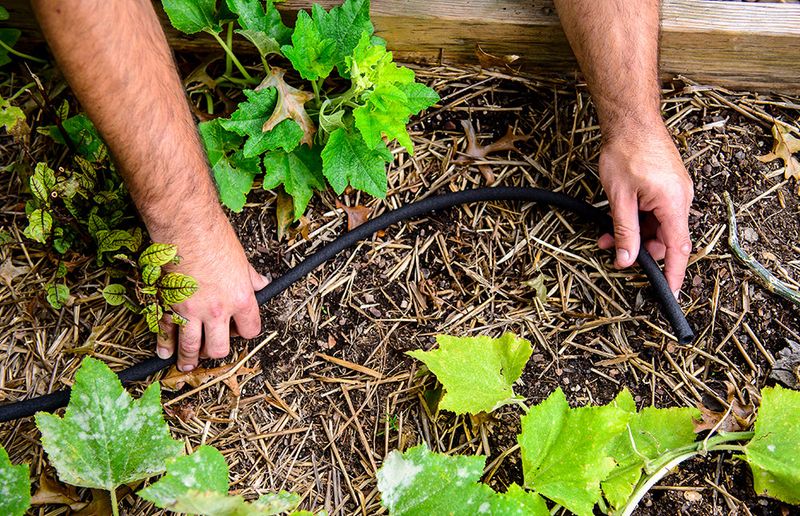
Slow watering at the soil surface, using a soaker hose, drip line, or a gentle stream from a watering can, gives the soil time to absorb moisture without runoff or surface compaction from heavy droplets. University of Georgia Extension’s cucumber guide emphasizes consistent moisture as a key production factor, particularly during fruit development, and notes that uneven watering can contribute to bitterness and irregular growth.
Organic mulch is one of the most practical tools for maintaining that consistency. A two-to-three-inch layer of straw, shredded leaves, or wood chips spread around cucumber plants reduces evaporation from the soil surface, moderates moisture swings between waterings, and cushions the soil from compaction caused by heavy rain.
Mulch also keeps developing fruit off the soil, which reduces rot risk. Keep mulch pulled back an inch or two from the base of each stem so moisture does not collect against the plant and invite disease.
Test Other Causes of Yellow Leaves and Slow Growth
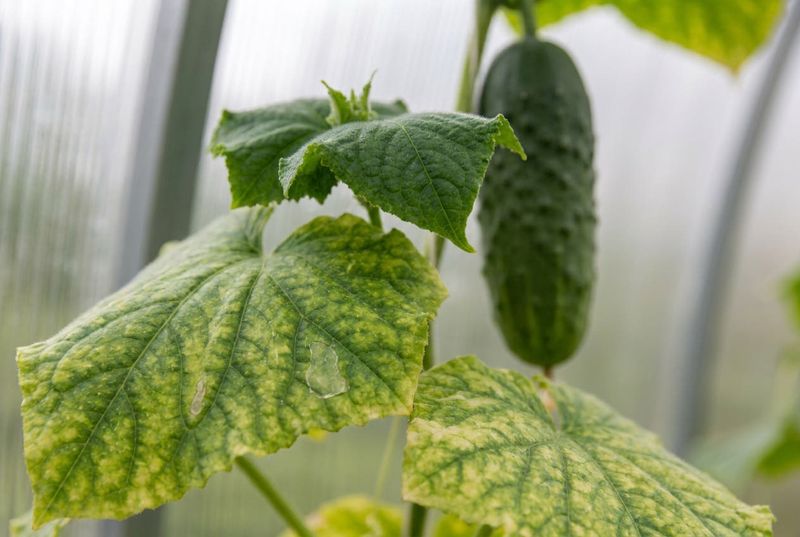
Yellow leaves and slow growth are not exclusive to compacted, wet soil. When your bed drains well, passes the crumble test, and does not show signs of chronic saturation, the problem is coming from somewhere else.
Running through a short checklist of other common causes can save you from amending soil that does not need it.
Nitrogen deficiency is one of the most frequent reasons cucumber leaves turn pale or yellow, starting with older leaves near the base of the plant. But too much nitrogen causes its own problems, pushing the plant to produce lush, dark green vines while delaying or reducing flowering and fruit set.
Missouri Extension’s cucumber overview notes that fertility balance matters as much as the total amount applied. A soil test tells you where your bed actually stands before you add anything.
Cucumber beetles, bacterial wilt, downy mildew, and several viruses can all produce yellowing, distorted growth, or sudden decline. Missouri Extension’s cucumber disease guide covers the most common disease problems, many of which are favored by wet conditions but are distinct from a soil-structure issue.
University of Minnesota Extension’s cucumber resource specifically notes that yellowing or distorted new growth can indicate a cucurbit virus, which no amount of soil improvement will address.
Cool soil temperatures in early spring slow germination and early root development, producing seedlings that look weak and yellowish even in perfectly amended beds. Delayed fruiting can also result from poor pollination during periods of extreme heat, when flowers drop before setting fruit.
Soil pH is worth testing if other causes have been ruled out. Oregon State University Extension’s cucumber guide places the acceptable range at 6.0 to 6.8, while most other extension sources center on 6.0 to 6.5 as the primary target.
Outside that range, cucumbers can struggle to absorb nutrients even when the soil contains adequate amounts. University of Georgia Extension’s lime and pH guide cautions that pH correction takes time, especially in clay soils, and should be guided by test results rather than symptoms or guesswork.
Use This Cucumber-Soil Decision Rule
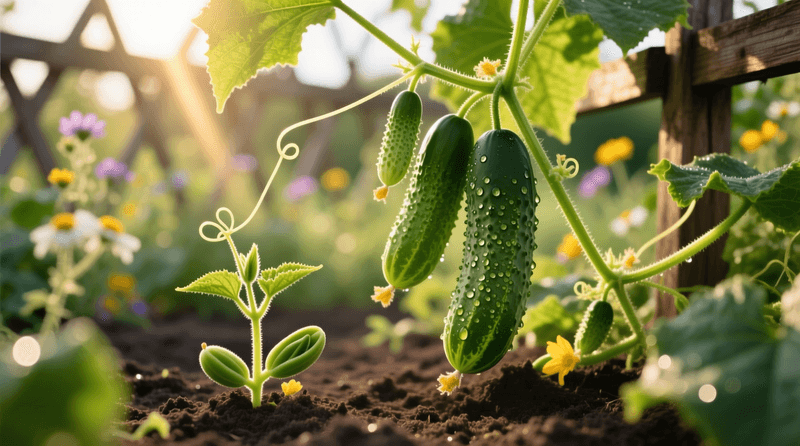
Cucumbers do not automatically fail in clay soil. They most often struggle when that soil is compacted, stays wet, and limits the oxygen and root space the plant needs to grow.
Before watering more or adding fertilizer, check whether the root zone drains and whether the soil crumbles or smears when handled.
If the bed is dense and persistently wet, incorporate finished compost through the root zone and consider raising the planting area when drainage does not improve. University of Georgia Extension’s cucumber guide and University of Minnesota Extension’s cucumber resource both support this approach as a practical starting point for growers dealing with difficult soil conditions.
When symptoms persist in a bed that drains well and has reasonable structure, shift your attention to fertility, pH, pests, disease, and environmental factors. Good soil is necessary but not sufficient on its own.
A cucumber that has air, water, and room to root will still need balanced nutrition, appropriate moisture, and a pest-free environment to produce reliably. Fix the structure first, then follow the evidence wherever it leads.