
If These 18 Birds Keep Visiting Your Backyard, You’re Doing Everything Right
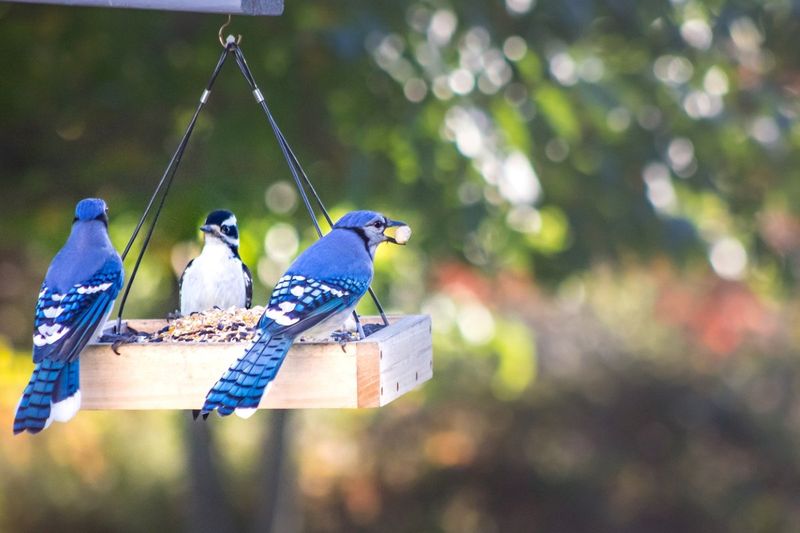
A backyard full of birds is one of the clearest signs that your yard is healthy and welcoming. When certain species keep coming back, it usually means you have the right mix of food, water, and safe places to perch.
Birdwatchers love spotting these feathered regulars because each one tells a small story about the space you’ve created. Keep reading to meet 18 birds that show up when you’re doing everything right.
1. Northern Cardinal
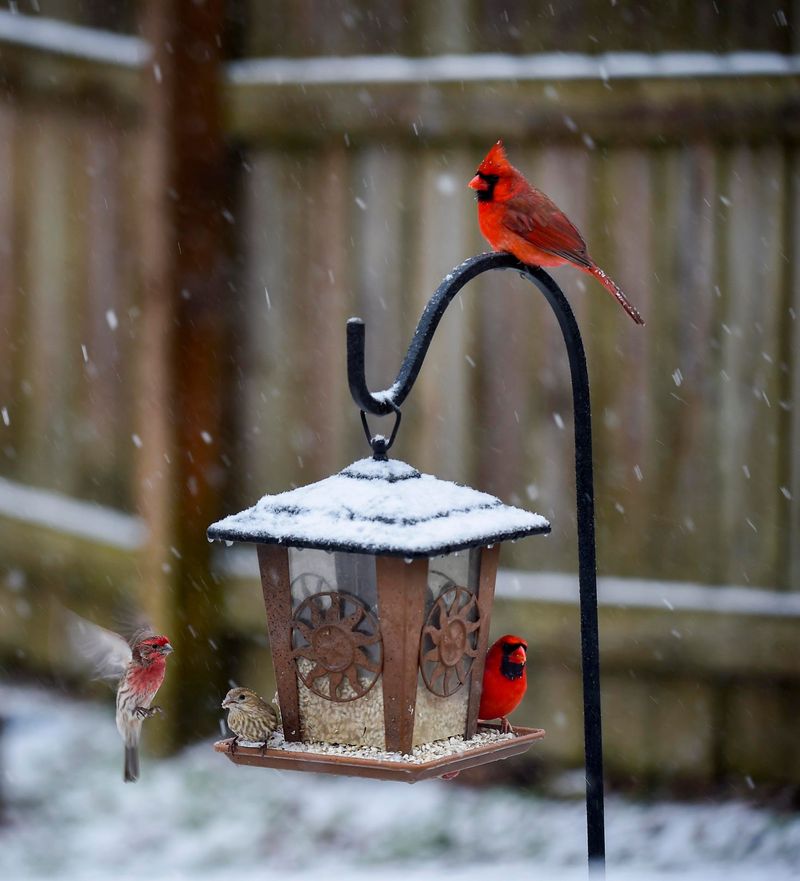
Few birds make a backyard feel more alive than a bright red cardinal landing on a snowy branch. Males wear that unmistakable crimson coat, while females show off warm tan feathers with reddish accents.
Cardinals stick around all year, so seeing them is a good sign your yard offers steady food and cover. They love sunflower seeds, safflower, and cracked corn, especially from platform or hopper feeders.
Fun fact: cardinals don’t migrate, which means the pair visiting your yard in summer may be the same birds you spot in the middle of winter. When they keep returning, you’ve built a space they trust year-round.
2. American Goldfinch
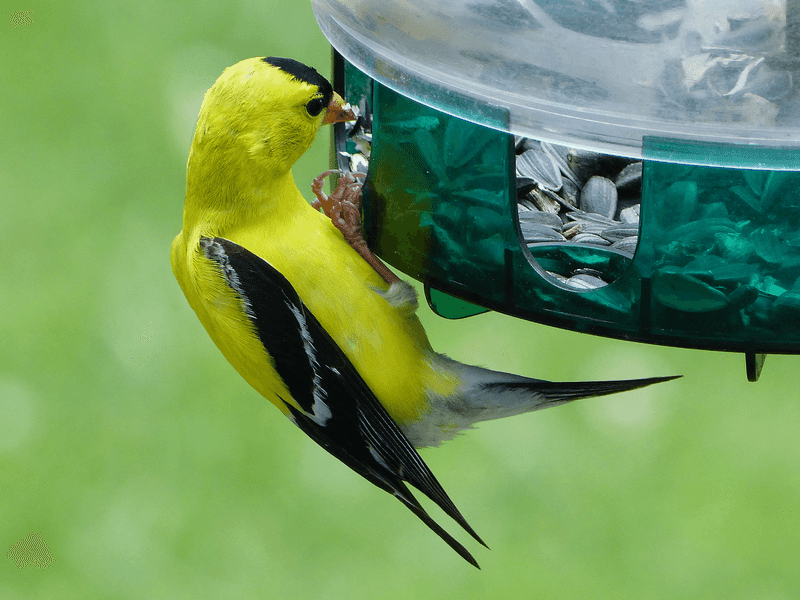
Sometimes called the wild canary, the American goldfinch brings a splash of sunshine to any feeder. In summer the males glow a brilliant yellow with black wings, then fade to a soft olive tone once colder months arrive.
Goldfinches adore nyjer (thistle) seed and hulled sunflower, and they’ll flock to tube feeders in cheerful groups. Planting coneflowers and sunflowers gives them natural seeds to nibble too.
Their presence often means your yard has both feeders and flowering plants, a combo these little acrobats can’t resist. Watch closely and you’ll notice their bouncy, roller-coaster flight pattern that makes them easy to recognize from a distance.
3. Blue Jay
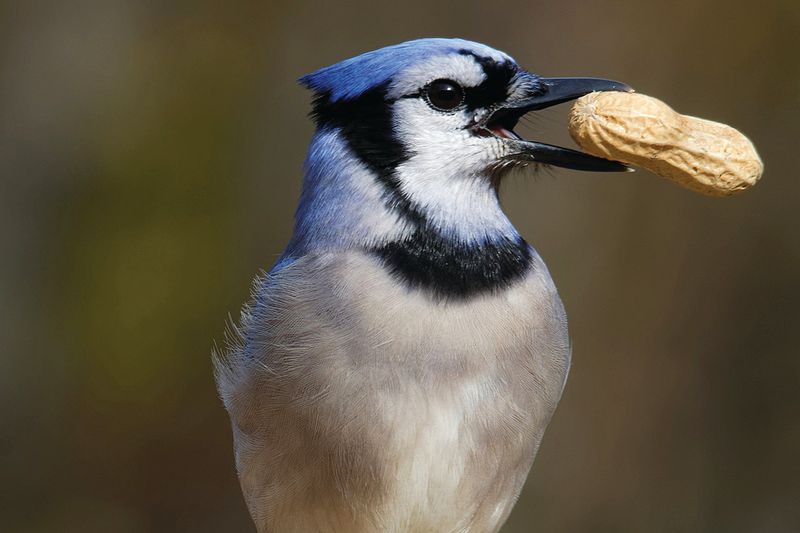
Loud, bold, and impossible to miss, the blue jay struts into backyards like it owns the place. Its brilliant blue feathers, white chest, and black necklace markings make it one of the most striking visitors around.
Jays go crazy for peanuts, acorns, and sunflower seeds, and they’ll happily raid a feeder tray. They’re also known to bury food for later, which accidentally plants oak trees across neighborhoods.
Some folks find them a bit bossy, but jays actually warn other birds about hawks and cats with their sharp calls. If a family of jays keeps showing up, your yard is giving them the space and snacks they crave.
4. Black-capped Chickadee
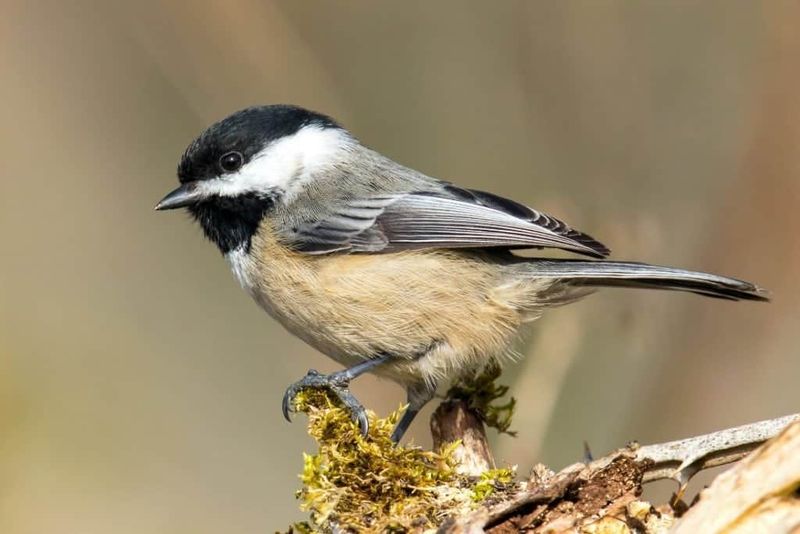
Tiny but full of personality, the black-capped chickadee is the friendly neighbor of the bird world. That little black cap and bib, paired with a curious attitude, make it a favorite among backyard watchers.
Chickadees are often the first birds to discover a new feeder, and some will even eat from your hand with patience. They favor sunflower seeds, suet, and peanuts, grabbing one bite at a time before darting away to a branch.
Their cheerful chick-a-dee-dee-dee call actually carries hidden meaning, with more dees signaling greater danger nearby. When these bold little birds keep coming back, it means your yard feels safe and stocked.
5. American Robin
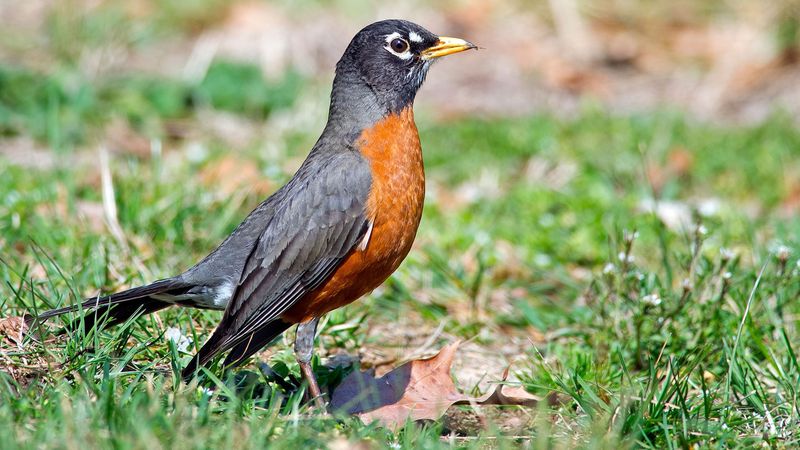
Long treated as the messenger of spring, the American robin hopping across your lawn is a classic sign of a healthy yard. Its rusty orange belly and steady worm-hunting routine make it easy to spot from a kitchen window.
Robins prefer earthworms, insects, and berries over seeds, so a chemical-free lawn and some fruit-bearing shrubs draw them in. A shallow birdbath is often what seals the deal for these thirsty visitors.
Watch one tilt its head toward the grass and you’re seeing it listen for worms moving underground. When robins nest and forage in your yard, it shows your soil and plants are supporting real, living food.
6. Ruby-throated Hummingbird
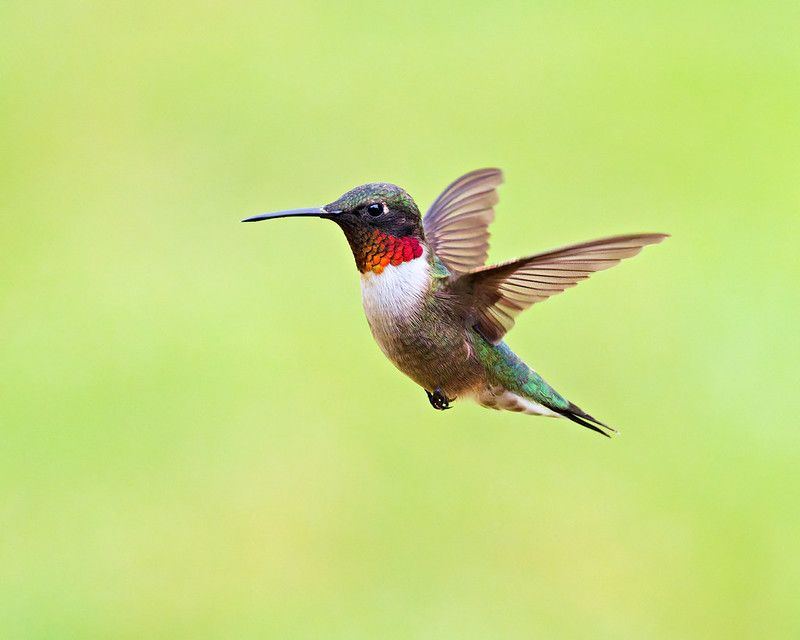
Blink and you might miss the ruby-throated hummingbird as it zips between flowers at dizzying speed. The males flash a glittering red throat that shines like a jewel when the light hits it just right.
These tiny fliers burn energy fast, so they crave nectar from tubular flowers and sugar-water feeders. Red blooms like bee balm, trumpet vine, and salvia act like a welcome sign for them.
Did you know a hummingbird’s wings can beat around 50 times per second? Spotting one hover at your feeder means your garden is offering the high-octane fuel these little dynamos depend on.
7. Mourning Dove
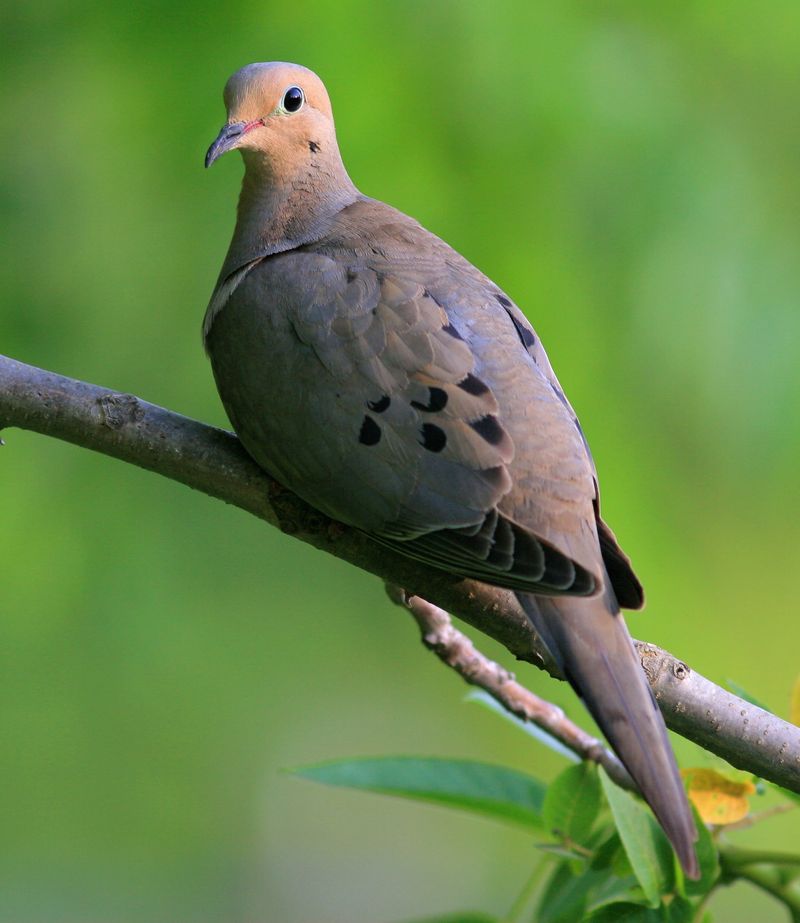
That soft, mournful cooing drifting across the yard usually comes from a plump, gentle mourning dove. With soft gray-brown feathers and a calm demeanor, these birds bring a peaceful vibe to any outdoor space.
Doves prefer to feed on the ground, scooping up millet, cracked corn, and fallen seeds beneath feeders. Scatter a little seed on a platform or the ground and they’ll settle in comfortably.
Their wings make a distinctive whistling sound when they take off, a small detail that surprises many first-time watchers. When doves gather and linger, it means your yard offers the quiet, open feeding areas they favor.
8. Downy Woodpecker
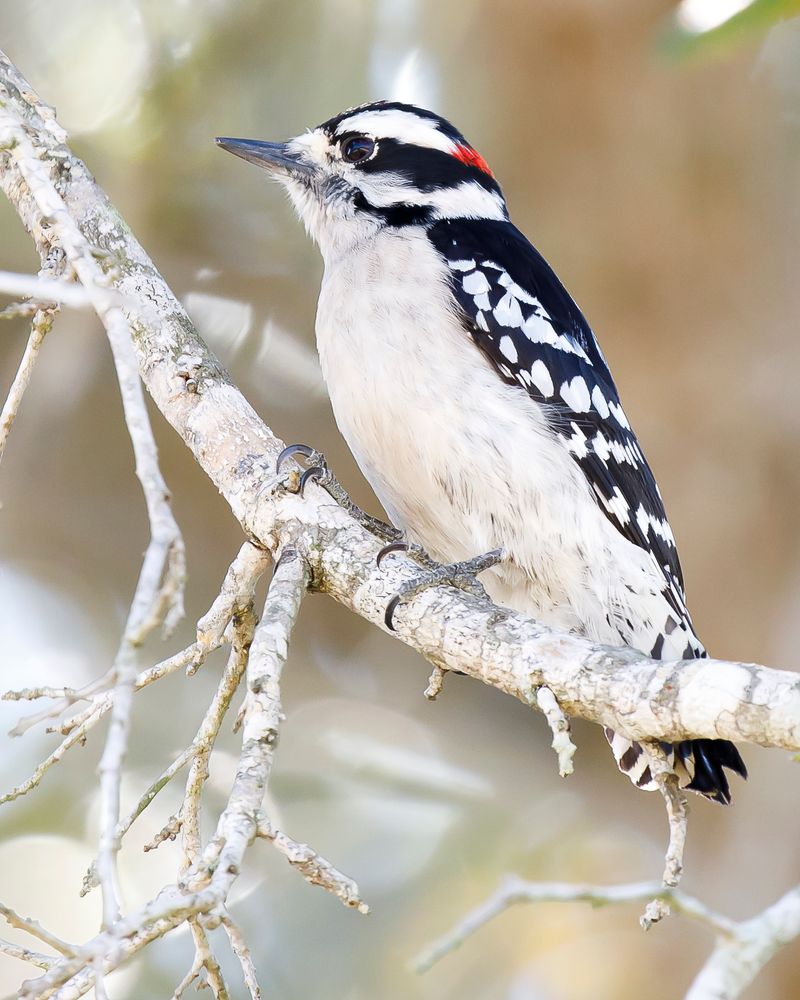
Tap, tap, tap – that steady drumming on a tree trunk often announces the arrival of a downy woodpecker. As the smallest woodpecker in North America, it sports crisp black-and-white feathers, with males wearing a small red patch on the head.
Downies love suet cakes, peanuts, and sunflower seeds, clinging easily to feeders and tree bark alike. Leaving a dead branch or two standing gives them natural spots to search for insects.
Their pecking isn’t just noise; it’s how they find hidden bugs and carve out nesting holes. When a downy becomes a regular, it signals your yard has the trees and food these clever climbers need.
9. House Finch
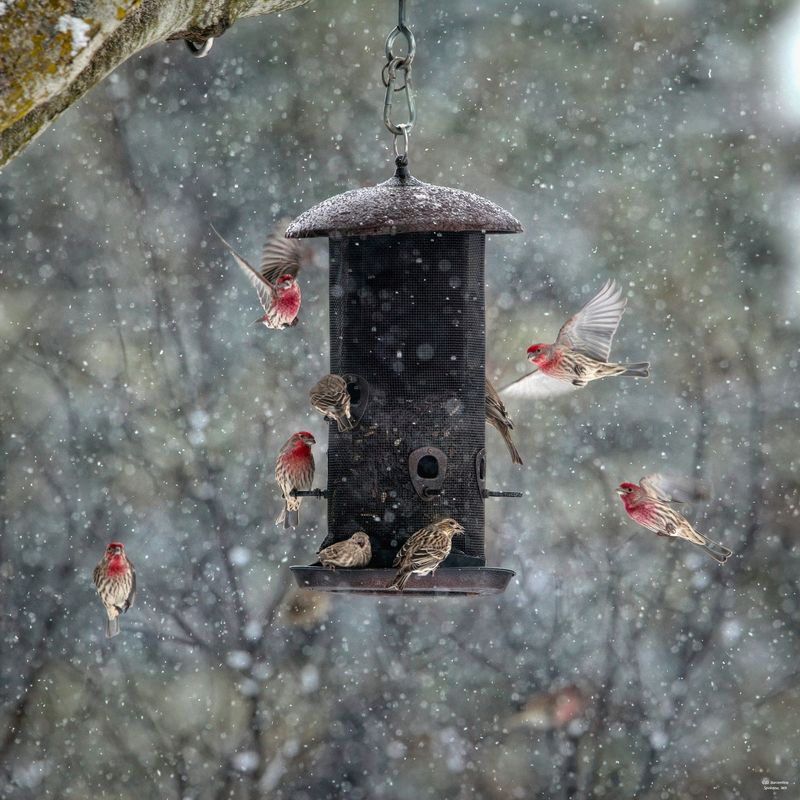
Rosy-headed and full of song, the house finch has become one of the most common feeder birds across the country. Males show off reddish coloring on the head and chest, while females wear streaky brown patterns.
These social birds travel in noisy little groups and happily crowd tube feeders filled with sunflower or nyjer seed. They’re adaptable eaters, which is part of why they thrive in so many backyards.
Originally native to the western United States, house finches spread east after some were released in New York decades ago. When a chattering flock claims your feeder, it’s a sign your setup is generous and welcoming.
10. Tufted Titmouse
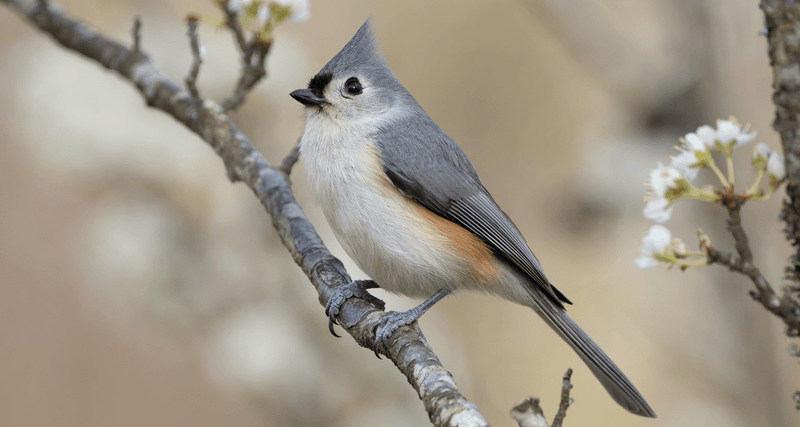
With a jaunty gray crest and big dark eyes, the tufted titmouse looks like a bird that’s always curious about something. Its soft gray back, white belly, and peachy sides give it a tidy, appealing look.
Titmice are bold at feeders and love sunflower seeds, often grabbing one and flying off to crack it open on a nearby branch. They’ll also snack on suet and peanuts through the colder months.
These little birds have a knack for storing food, tucking seeds into bark to save for leaner days. When titmice buzz around your feeders, your yard is clearly offering both quick snacks and safe cover.
11. White-breasted Nuthatch
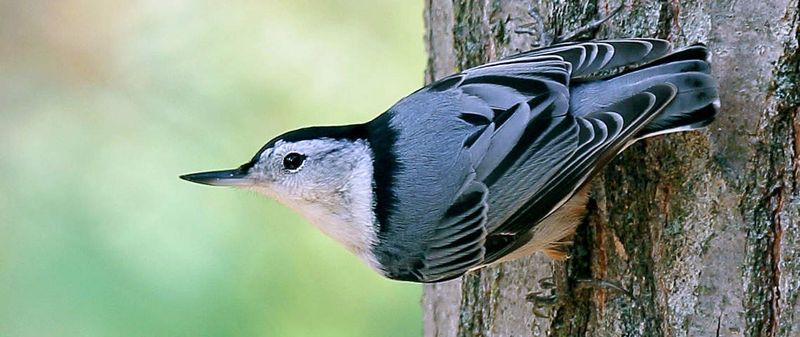
Watch a bird walk headfirst down a tree trunk and you’ve almost certainly spotted a white-breasted nuthatch. This upside-down acrobat has a blue-gray back, clean white face, and a black cap that gives it a dapper look.
Nuthatches wedge seeds into bark cracks and hammer them open, a behavior that earned them their quirky name. They love sunflower seeds, suet, and peanuts, often visiting feeders in quick, darting trips.
Their nasal yank-yank call is surprisingly loud for such a small bird. When nuthatches patrol your trees and feeders, it shows your yard has the mature bark and steady food they rely on.
12. Baltimore Oriole
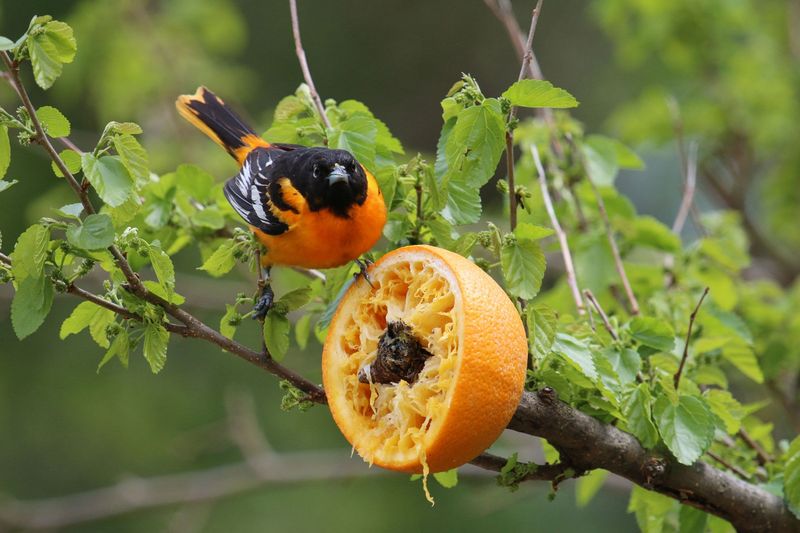
Nothing lights up a spring morning quite like the fiery orange flash of a Baltimore oriole. Males blaze in brilliant orange and black, making them one of the most sought-after visitors in eastern backyards.
Orioles have a serious sweet tooth, flocking to orange halves, grape jelly, and nectar feeders. Hang a few fruit slices in spring and you might just earn a return visit all season.
These weavers build hanging, sock-shaped nests high in tall trees, an impressive bit of avian craftsmanship. Attracting an oriole takes a little effort, so their presence is a proud badge that you’re doing things right.
13. Eastern Bluebird
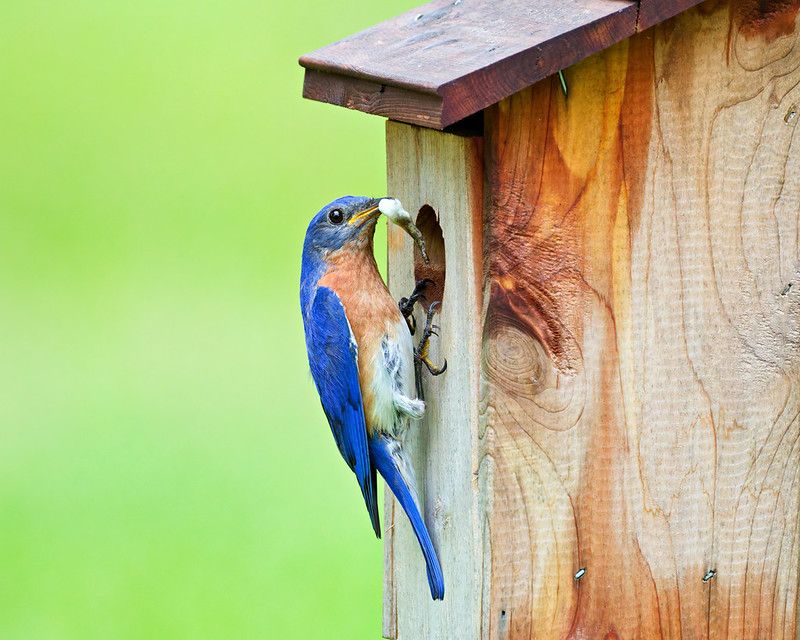
Gentle and downright beautiful, the eastern bluebird carries a shade of blue so vivid it almost looks painted. Males wear that deep sky-blue on top with a warm rusty chest, while females show softer, muted tones.
Bluebirds mostly eat insects and berries, so they favor open lawns dotted with perches and native fruiting shrubs. A properly placed nest box can turn a casual visitor into a devoted resident.
Bluebird numbers once dropped sharply, but backyard nest boxes helped bring them back in a big way. Hosting a pair means your yard is providing exactly the open, insect-rich habitat they crave.
14. Carolina Wren
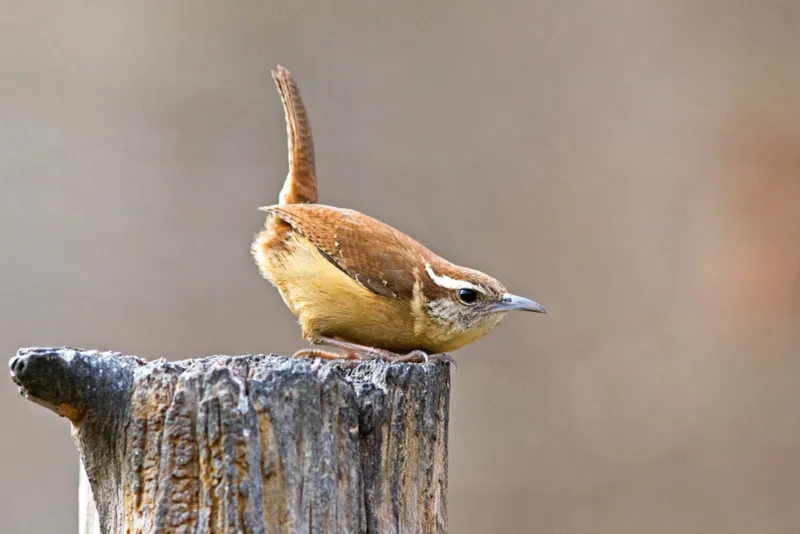
Small in size but enormous in voice, the Carolina wren belts out a song way bigger than its body. Rich reddish-brown above with a bold white eyebrow stripe, it’s a busy little bird always poking around for bugs.
Wrens hunt insects and spiders in shrubs, wood piles, and leaf litter, so a slightly wild corner of your yard suits them perfectly. They’ll also nibble suet and mealworms when the weather turns cold.
A single male can sing thousands of times in one day, so you’ll likely hear one before you see it. When a wren makes your yard its stage, it means you’ve left just enough tangled cover for it to thrive.
15. Dark-eyed Junco
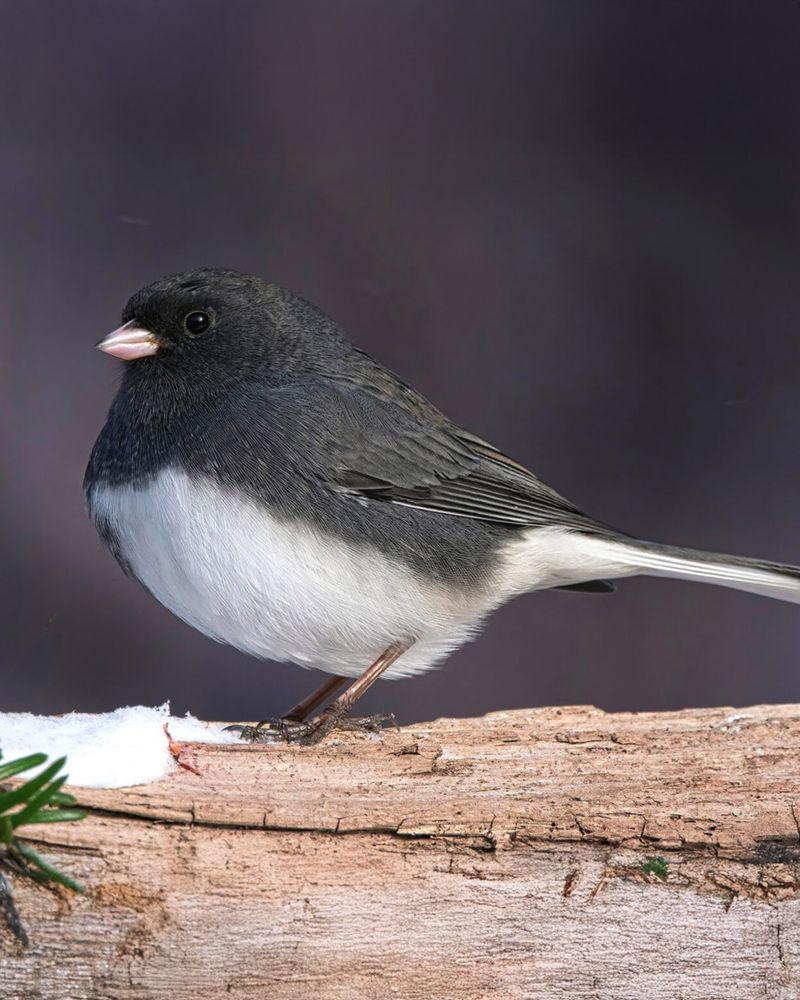
Often nicknamed snowbirds, dark-eyed juncos tend to appear right as the first cold snap rolls in. Their slate-gray or brown backs paired with clean white bellies make them look like little hooded sparrows.
Juncos are ground feeders, hopping beneath feeders to gobble up fallen millet, cracked corn, and small seeds. Scatter some seed on the ground or a low tray and they’ll happily settle in for winter.
Flash of white in their outer tail feathers gives them away as they scatter into the bushes. When juncos crowd your yard in the colder months, it shows your winter feeding station is doing its job.
16. Red-bellied Woodpecker
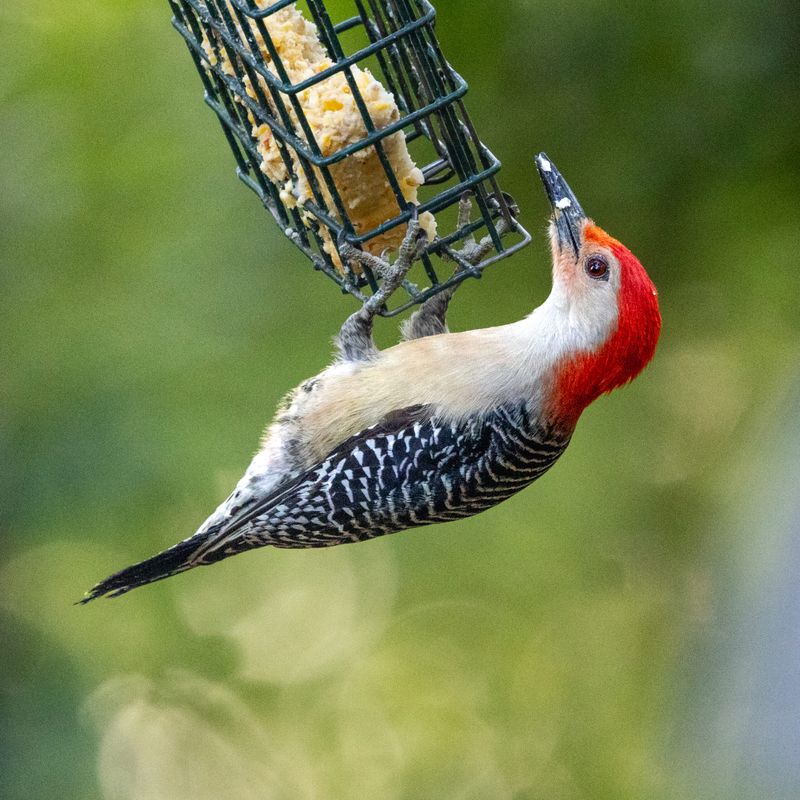
Bold zebra-striped wings and a bright red cap make the red-bellied woodpecker a real showstopper at the feeder. Despite the name, its belly barely shows any red, which trips up plenty of new birdwatchers.
These woodpeckers relish suet, peanuts, and sunflower seeds, clinging sideways as they hammer away. They also enjoy fruit and will visit yards with berry bushes and mature shade trees.
Their rolling, chuckling call carries a long way and often announces them before they land. When a red-bellied woodpecker becomes a regular, your yard clearly offers the tall trees and rich menu it depends on.
17. Cedar Waxwing
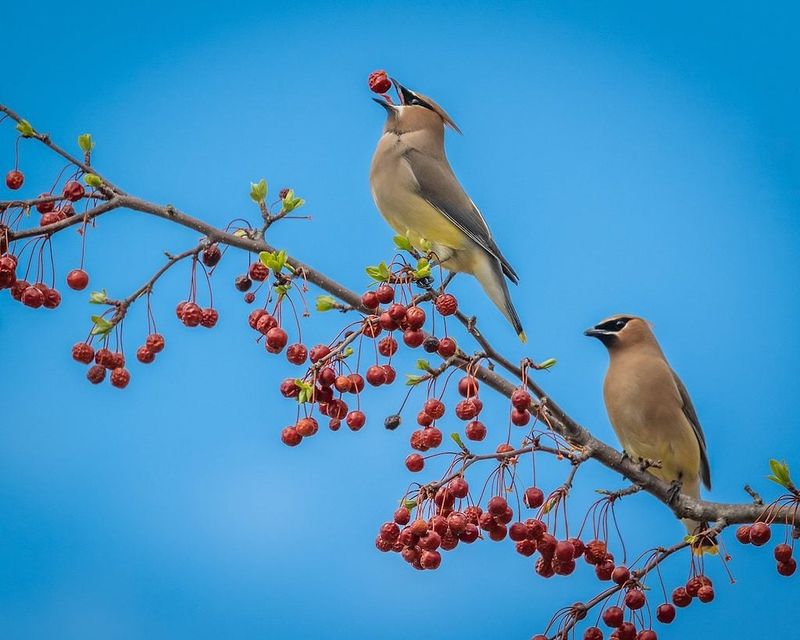
Sleek, sociable, and almost too polished to be real, cedar waxwings look like they were dipped in soft browns and yellows. A black mask, waxy red wingtips, and a bright yellow tail band give them a truly elegant appearance.
These birds are berry fanatics, arriving in tight flocks to strip fruit from serviceberry, dogwood, and holly. They rarely visit seed feeders, so fruiting trees and shrubs are your best invitation.
Waxwings have a charming habit of passing berries down a line to share with one another. When a flock descends on your fruit trees, it’s a sure sign your landscaping is feeding local wildlife.
18. Northern Flicker
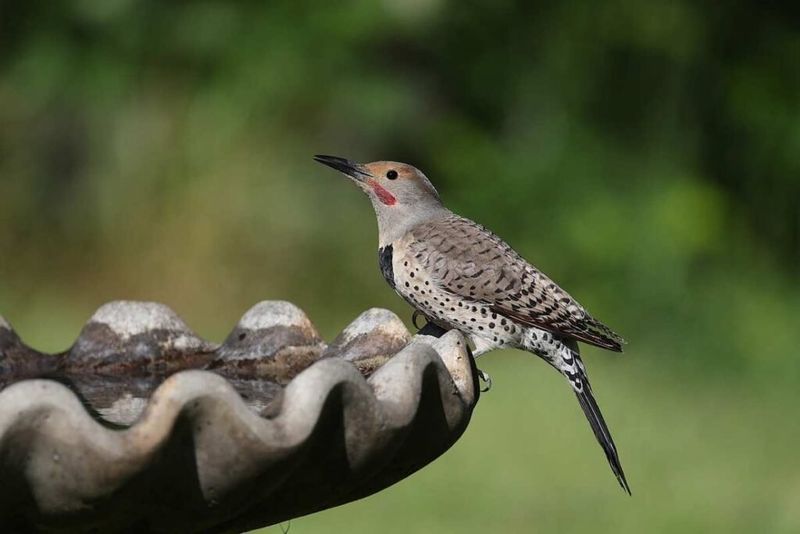
Unlike most woodpeckers, the northern flicker spends a lot of time hopping on the ground hunting for ants. Its spotted belly, black chest crescent, and flashes of yellow or red under the wings make it a striking find.
Flickers love ants and beetles but will also visit for suet and stop by birdbaths for a drink. A lawn free of heavy pesticides gives them the insect buffet they’re after.
Catch one in flight and you’ll spot a bright white rump patch that stands out against the sky. When flickers forage across your yard, it means your soil and lawn are teeming with the bugs they need.