
If You Want Cardinals Visiting Your Yard All Year, Start Doing These 5 Things
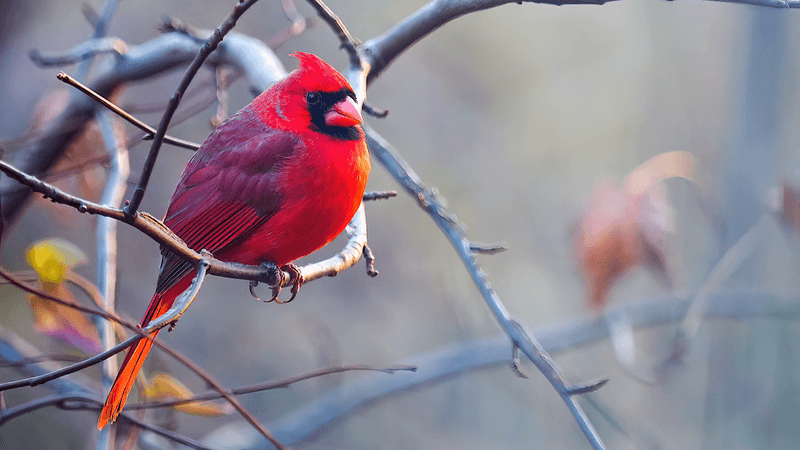
Few birds light up a backyard like a bright red cardinal, and the good news is they don’t fly south for the winter. That means if you make your yard the kind of place they love, you can watch them all four seasons long.
Cardinals just need three simple things to stick around: reliable food, fresh water, and safe places to hide. Get these right, and you’ll turn a random visit into a year-round habit.
1. Offer Their Favorite Foods Consistently
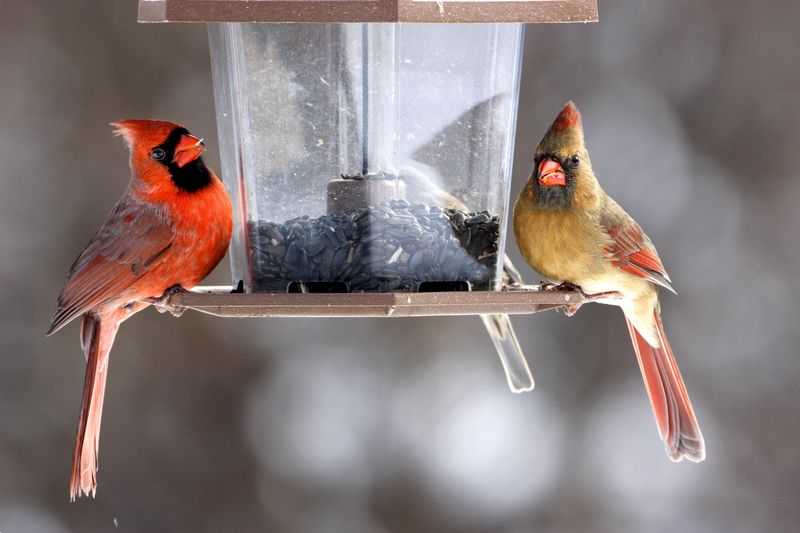
Cardinals have thick, cone-shaped beaks built for one job: cracking seeds. That is why the fastest way to win them over is stocking the foods they crave most.
At the top of the list sit black oil sunflower seeds, packed with the fat and protein cardinals burn through, especially in cold weather.
Safflower seeds are another smart pick, and they come with a bonus. Squirrels and bully birds tend to turn their noses up at safflower, so cardinals can dine in peace.
Round out the buffet with sunflower hearts, cracked corn, shelled peanuts, and a block of suet when winter bites hardest.
Timing matters more than folks realize. Cardinals like to feed at first light and again just before dusk, so keeping feeders topped off during those windows can turn a one-time guest into a daily regular.
An empty feeder at dawn tells them to look elsewhere, so consistency is the whole game here.
2. Provide Stable, Cardinal-Friendly Feeders
Ever notice a cardinal skip a wobbly, swinging feeder? They are not being picky for no reason.
Cardinals are on the larger side for songbirds, and they simply do not trust perches that sway under their weight.
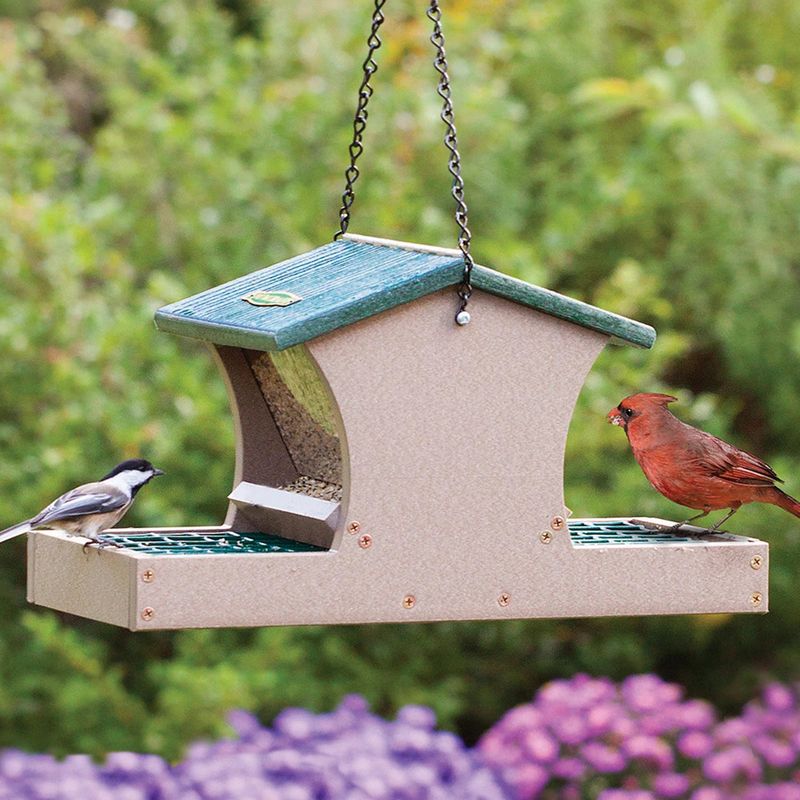
What they love instead are sturdy platform feeders and roomy hopper feeders that give them a solid place to stand. Those little tube feeders with skinny perches, the ones finches adore, tend to leave cardinals frustrated and looking elsewhere.
Here is a trick that speeds up discovery. When you set out a brand-new feeder, scatter a handful of seeds on the ground right below it.
Cardinals are comfortable feeding low, so the ground seed acts like a welcome mat that guides them up to the main course. Once they figure out the feeder is a reliable spot, they will keep coming back on their own.
3. Ensure a Year-Round Water Source
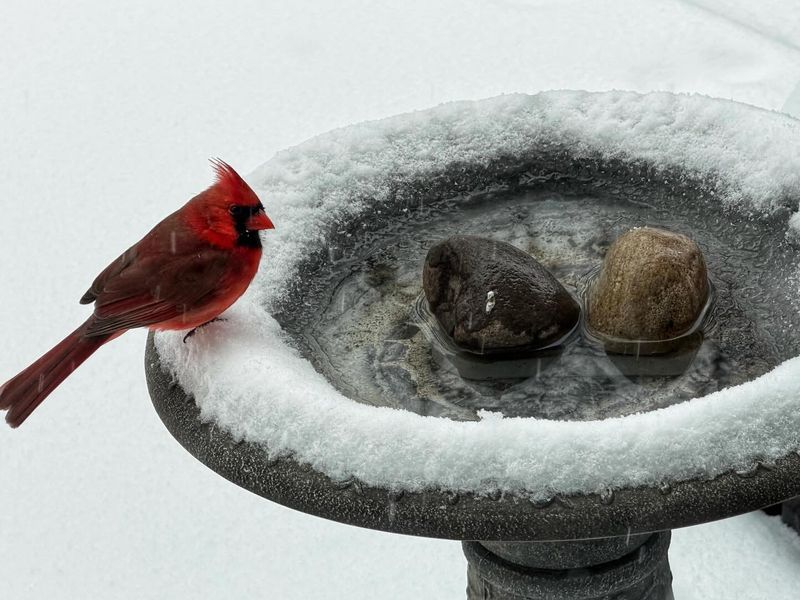
Water can pull in even more cardinals than a full feeder, which surprises a lot of people. Birds need it for drinking and for keeping their feathers clean, and a dependable source makes your yard hard to pass up.
Shape matters here. A birdbath that is only about one to three inches deep at its lowest point, with a slightly rough bottom for grip, gives cardinals the safe footing they want.
Adding a dripper or mister is like ringing a dinner bell, because the sound and sparkle of moving water catches their attention from across the yard.
Winter is where most yards fall short. When ponds and puddles freeze solid, a heated birdbath becomes a lifeline that keeps cardinals visiting through the coldest stretch.
Set your bath near shrubs for a quick escape route, but not directly under low branches where a predator could lie in wait.
4. Create Dense Shelter and Nesting Habitats
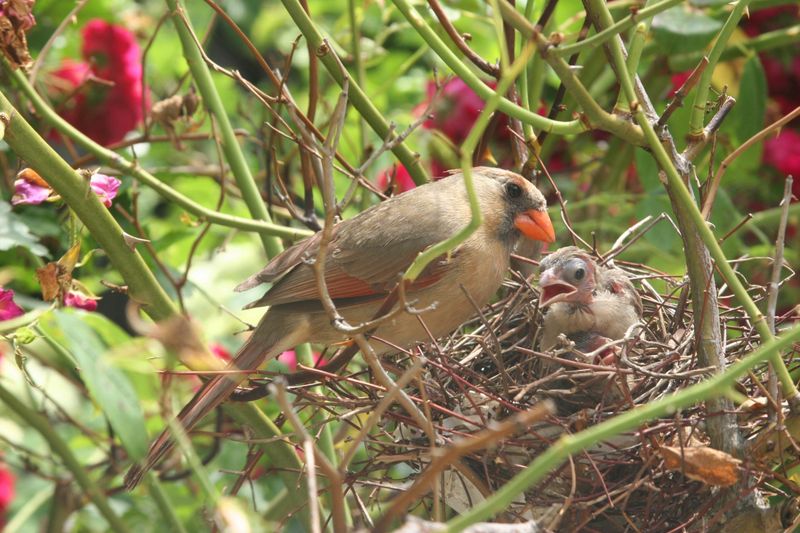
Food and water bring cardinals in, but thick cover is what convinces them to stay and raise a family. Cardinals build their nests in shrubs roughly three to fifteen feet off the ground, so they need tangled, leafy hideaways to feel safe.
Native plants do the heavy lifting. Dogwood, elderberry, serviceberry, viburnum, and holly all offer great cover, while evergreens like juniper and arborvitae stay dense straight through winter when bare branches leave birds exposed.
Thorny options such as hawthorn and rose bushes add a layer of natural protection that predators hate to push through.
Grouping shrubs together beats scattering single plants around the yard. Cardinals crave thickets, those messy clusters where they can duck out of sight in a heartbeat.
One thing to skip entirely is the birdhouse, since cardinals ignore nesting boxes and would much rather tuck into living greenery.
5. Minimize Threats in Your Yard

You can lay out a five-star spread and still watch cardinals keep their distance if the yard feels risky. Safety is the quiet factor that decides whether they settle in or move on.
Outdoor cats top the danger list, and it is not close. Cats kill billions of birds every year, and ground-feeding, low-nesting cardinals are among the most vulnerable, so keeping cats indoors makes a real difference.
Easing up on pesticides helps too, since cardinals feed insects to their chicks during nesting season and need those bugs around.
Being a little messy actually pays off. Letting fallen leaves stay put and leaving the seedheads on perennials like coneflowers and goldenrod gives cardinals extra food and nesting material through the lean months.
A tidy, sprayed, cat-patrolled yard sends birds packing, while a slightly wild one may keep them close all year.