
18 Tough Perennials That Come Back Every Year Once You Plant Them (No Replanting Needed)
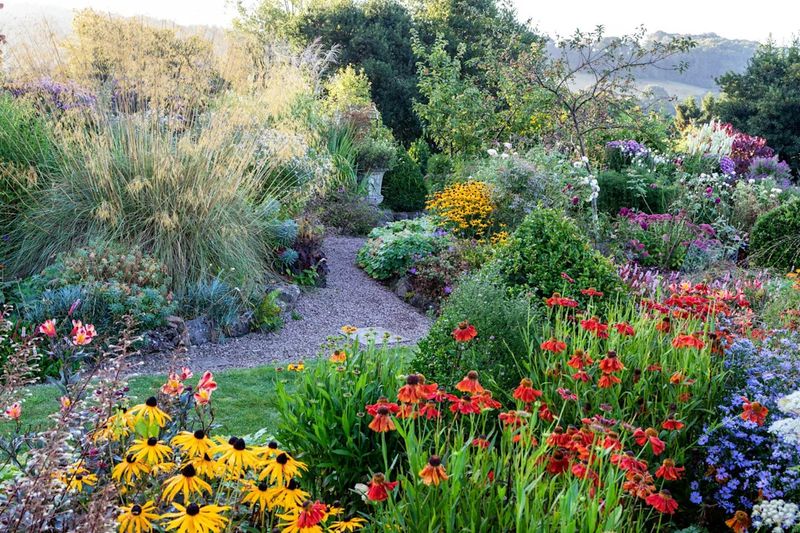
If you have ever planted a flower in spring only to watch it fizzle out by summer, you know how frustrating and expensive replanting can be. The good news is that some perennials are tough enough to survive tough soil, dry spells, and a little neglect, then push right back up on their own year after year.
That means you plant them once and enjoy the color for seasons to come, with no digging and buying all over again. Here are 18 dependable perennials that pull that off in backyards all across the country.
1. Black-Eyed Susan (Rudbeckia)
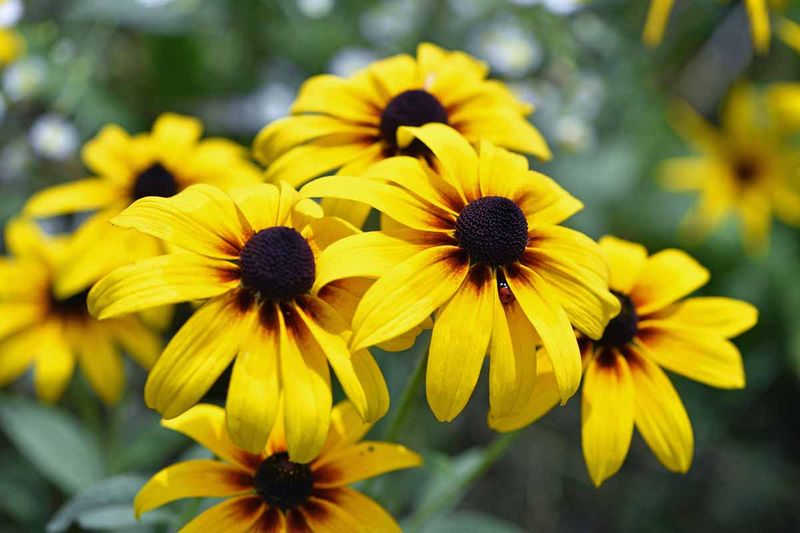
Few flowers shrug off bad treatment like the black-eyed Susan. You can forget to water it, plant it in dull clay soil, and skip the fertilizer, and it still rewards you with cheerful golden petals ringed around a dark button center.
Native across much of the country, this plant spreads into tidy clumps that get fuller each season. From midsummer straight through fall, it keeps pumping out blooms while the fussier flowers around it fade.
If your garden has a hot, neglected corner that nothing seems to like, drop a few of these in and walk away. They come back stronger the following spring without any coaxing from you.
2. Coneflower (Echinacea)
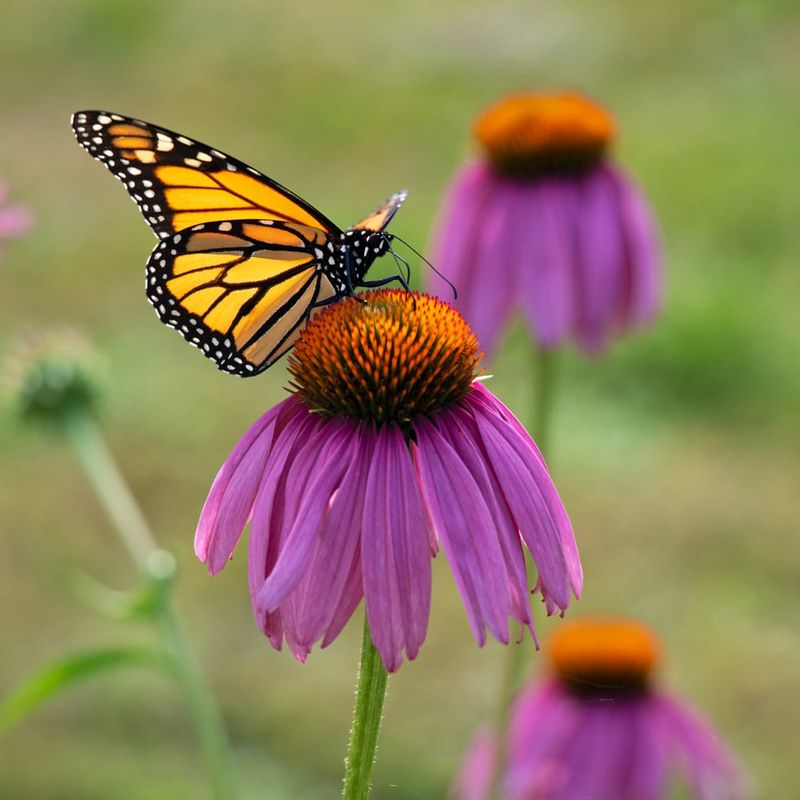
Meet the flower that feeds the whole neighborhood of birds and butterflies while asking almost nothing in return. Coneflowers stand tall on sturdy stems, their pink-purple petals swept back around a spiky orange cone that goldfinches love to raid in fall.
Give them full sun to a little afternoon shade and soil that drains well, and they settle in fast. Once their roots are established, they handle dry weeks without wilting or complaint.
Leave the seed heads standing over winter and you get two gifts at once: food for hungry birds and a plant that reliably returns every spring.
3. Daylily (Hemerocallis)
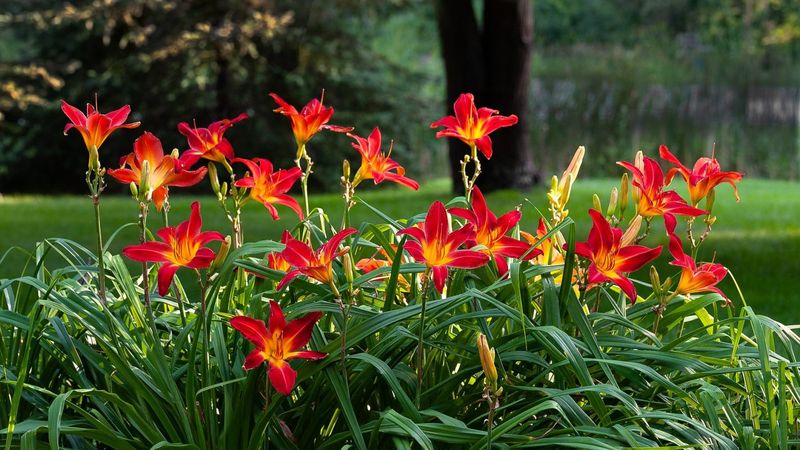
Each daylily bloom lasts just a single day, yet the plant never seems to run out of encore performances. New buds keep opening one after another, so a healthy clump can stay colorful for weeks on end.
Plant them in full sun for the biggest show, and choose a reblooming variety if you want flowers rolling in from early summer into fall. They tolerate heat, poor soil, and crowded spots that would stress out pickier plants.
Gardeners sometimes call daylilies the perfect starter perennial because they are almost impossible to kill. Divide them every few years and you will have free plants to spread around the yard.
4. Hosta
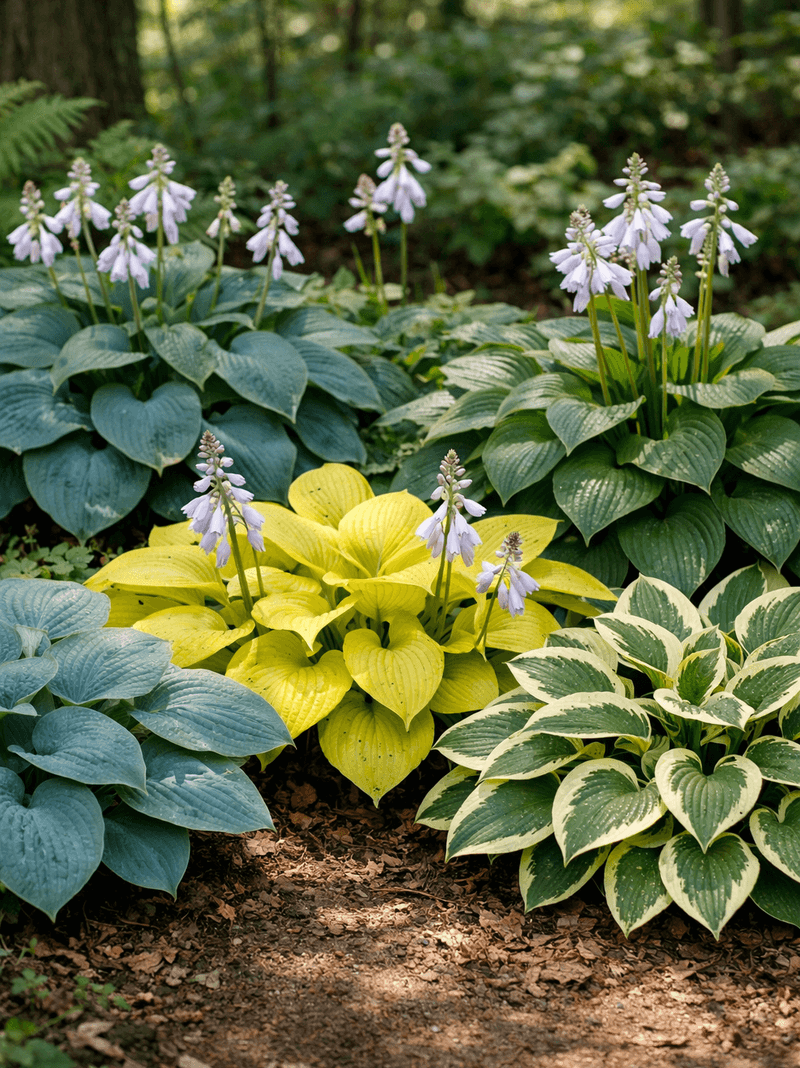
Shady spots where flowers refuse to grow are exactly where hostas shine. Their broad, overlapping leaves come in greens, blues, and creamy variegated patterns that light up the dim corners under trees and along the north side of the house.
Toughness is the hidden talent here. Hostas are famously long-lived, often thriving in the same spot for decades with barely any attention from the gardener.
Once the leaves die back in fall, the crown rests underground and unfurls fresh again come spring. Watch out for slugs and hungry deer, but otherwise these are about as low-fuss as a plant gets.
5. Shasta Daisy
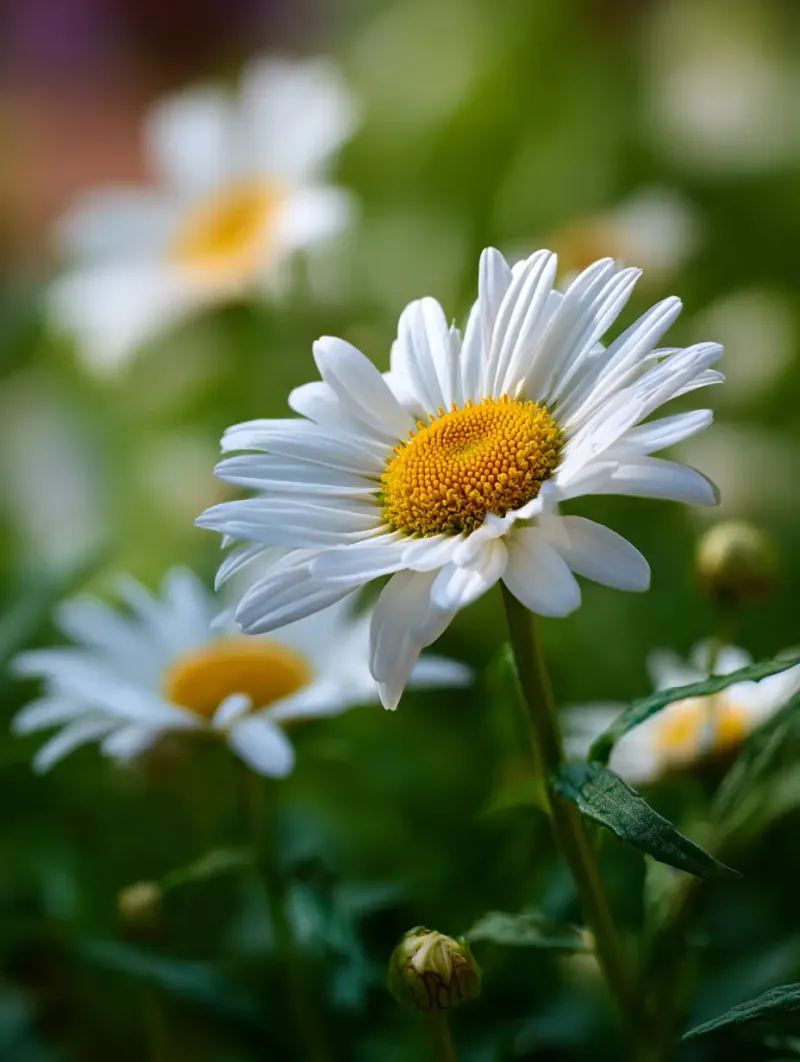
There is something timeless about a Shasta daisy, with its crisp white petals framing a sunny yellow eye. It looks like the flower a kid would draw, and it performs just as cheerfully in real life.
Snip off the spent blooms and you can stretch the flowering show across many months of summer. That simple habit tricks the plant into producing wave after wave of fresh daisies.
Hardy across a wide range of zones, Shasta daisies bounce back every year and make excellent cut flowers for the kitchen table. A dependable performer that earns its spot in almost any sunny bed.
6. Ostrich Fern (Matteuccia struthiopteris)
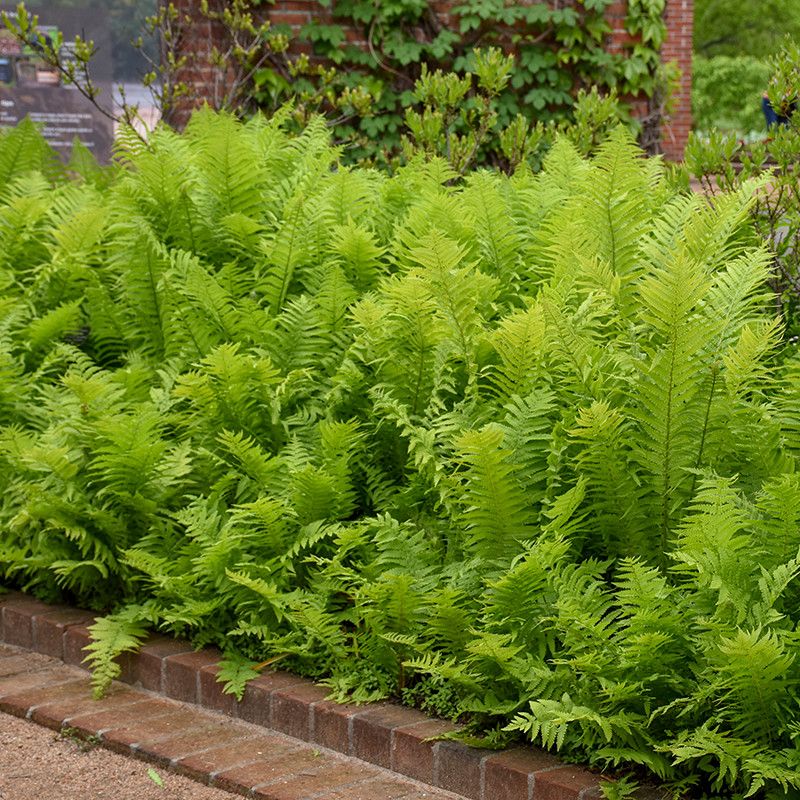
When you want to fill a shady, empty patch fast, the ostrich fern answers the call. Its tall, feathery fronds arch outward in a graceful vase shape that adds instant lushness to part or full shade.
Give it the damp, cool conditions it loves and it will spread eagerly, sending up new plants to blanket bare ground. Some gardeners actually plant it to crowd out weeds.
Fun bonus: the tightly curled young fronds, called fiddleheads, are the same ones foragers gather and cook in spring. Season after season this fern returns without any replanting from you.
7. Astilbe
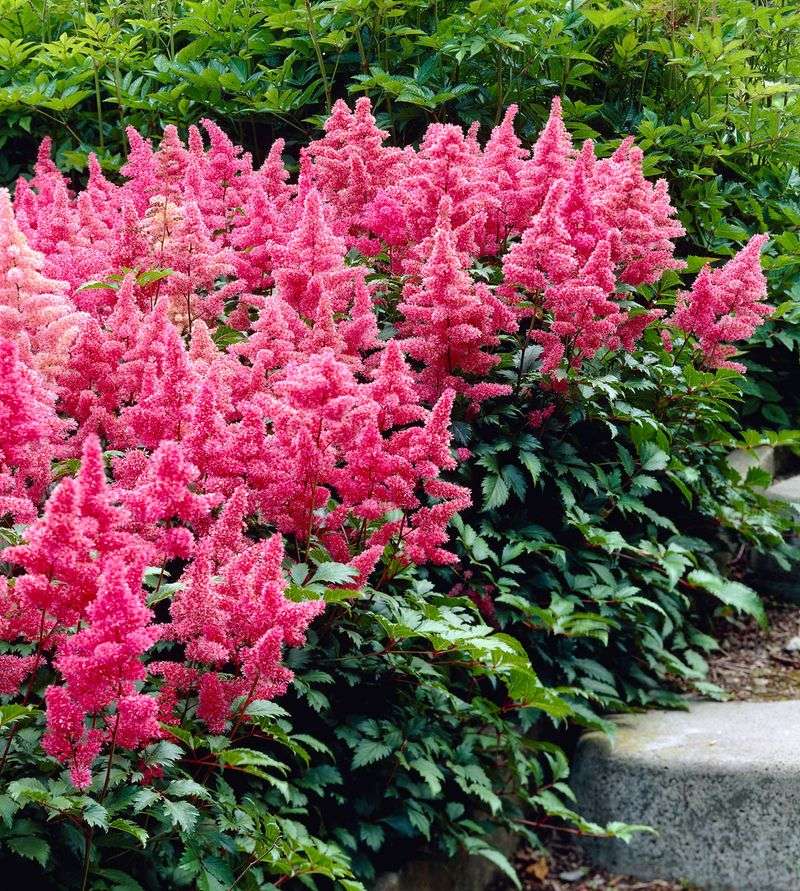
Soft, fluffy plumes rising above lacy foliage give astilbe an almost feathery elegance. In pink, red, white, or lavender, those flower spikes bring welcome brightness to shady beds that can otherwise feel flat and green.
Moisture is the one thing astilbe truly asks for, so it pairs beautifully with hostas and ferns in a cool, damp spot. Keep its roots from drying out and it will not demand much else.
After it settles in, this plant returns faithfully each spring and slowly widens into a fuller clump. A great pick for gardeners who want texture and color where the sun rarely reaches.
8. Aster
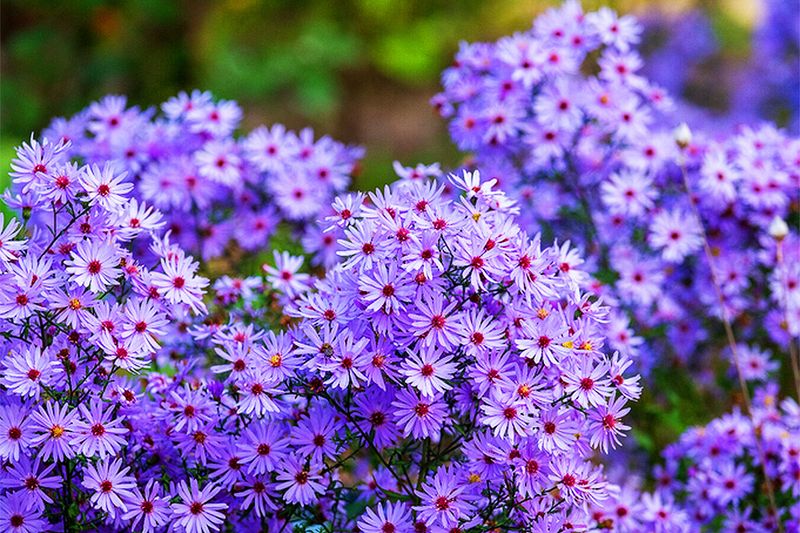
Just when the rest of the garden is winding down, asters step up with a burst of late-season color. Their daisy-like blooms in purple, blue, and pink arrive in late summer and carry right into fall.
Pollinators adore them, especially butterflies loading up on nectar before the cold sets in. That makes asters a lifeline for wildlife at a time when few other flowers are blooming.
A little pruning in early summer keeps them bushy instead of leggy, and an occasional drink during dry spells keeps them happy. Come next autumn, they return right on schedule to close out the growing year in style.
9. Russian Sage (Perovskia atriplicifolia)
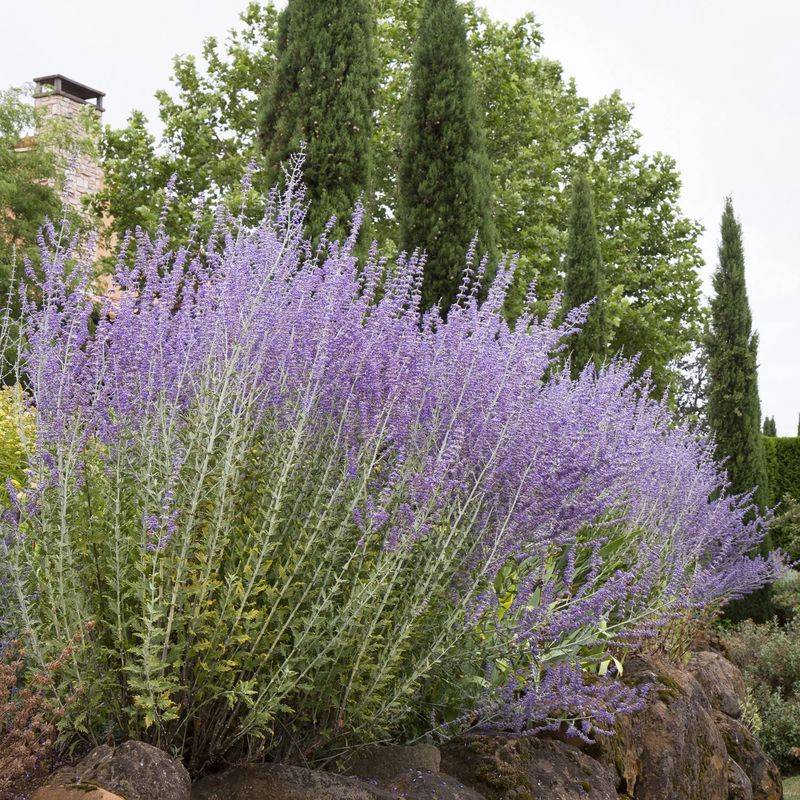
Picture a hazy cloud of silvery-blue floating above the garden on a hot afternoon, and you have Russian sage. Its airy spires of tiny lavender-blue flowers seem to shimmer in full sun and summer heat.
Drought barely fazes this plant. Once its roots dig in, it thrives in the dry, baking spots where thirstier flowers give up.
Patience helps in spring, since Russian sage is a slow riser and can look bare while everything else greens up. Give it time and it rewards you with weeks of soft color and a sturdy return every year.
10. Liatris (Blazing Star)
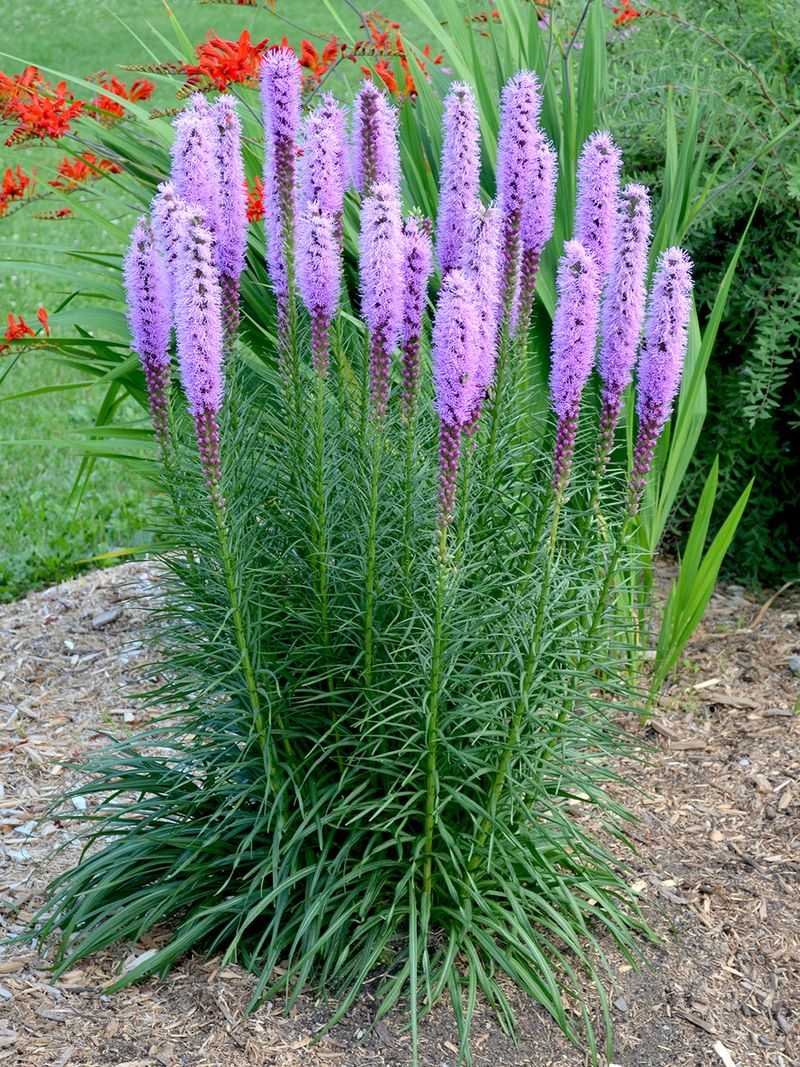
Most flower spikes bloom from the bottom up, but liatris flips the script and opens from the top down. Those fuzzy purple wands, also known as blazing star, are a native prairie plant built to handle whatever the season throws at it.
Bees and butterflies swarm the blooms, making it one of the busiest plants in a pollinator garden. It also earns high marks as a long-lasting cut flower for bouquets.
Tough, upright, and dramatic, liatris grows from a bulb-like corm that sleeps through winter and returns each summer. Plant a group together and you get a striking vertical accent that comes back on its own.
11. False Indigo (Baptisia)
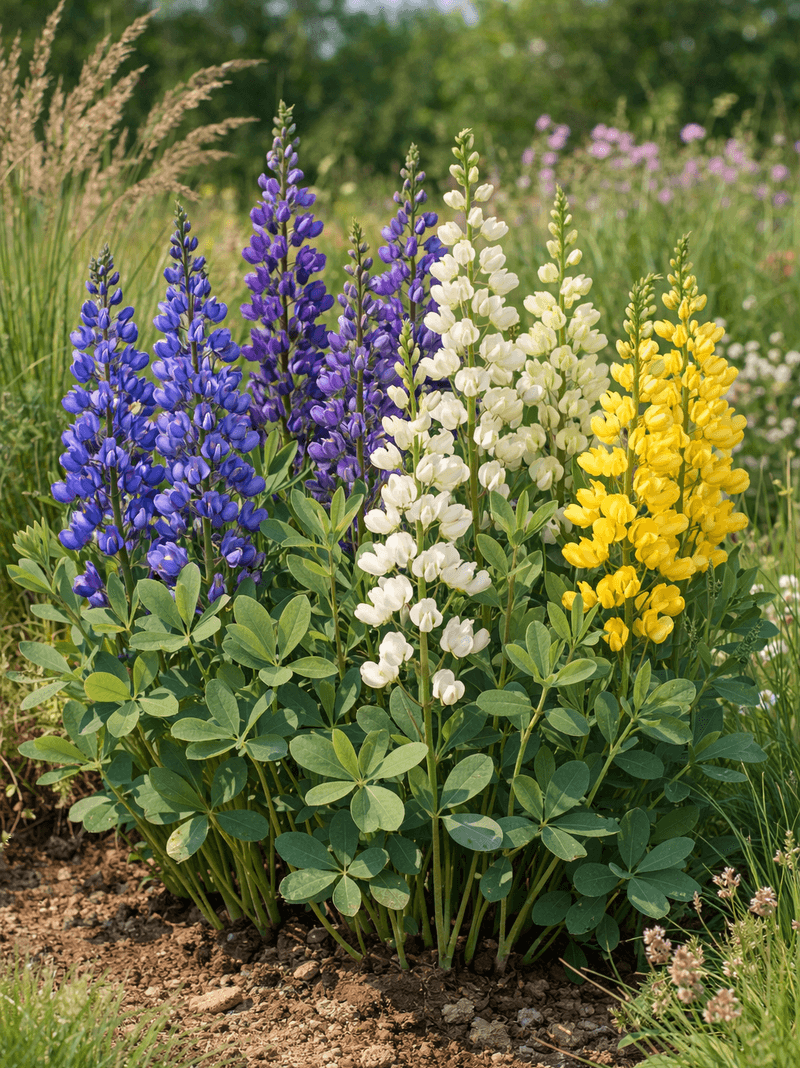
Gardeners like to call false indigo tough as nails, and the nickname fits. This long-lived native settles into full sun and hot weather, then keeps going strong for years with almost no help.
Tall spikes of blue, purple, yellow, or white pea-like flowers rise up in late spring, followed by decorative seed pods that rattle in the breeze. No deadheading or fertilizing needed to keep it thriving.
Once its deep roots take hold, baptisia laughs at drought and rarely needs dividing. Give it a permanent home with room to grow, because this is a plant that plans to stick around.
12. Butterfly Weed (Asclepias tuberosa)
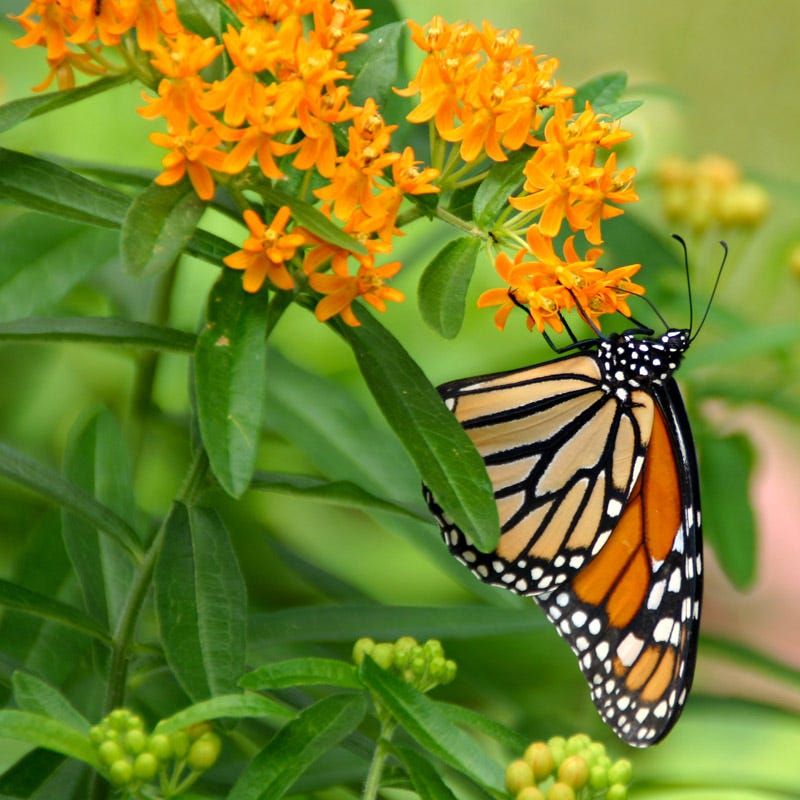
Bright as a traffic cone and twice as eye-catching, butterfly weed lights up the garden with clusters of vivid orange blooms. True to its name, it draws butterflies from all around, and monarchs in particular depend on it.
A member of the milkweed family, this native perennial serves as both a nectar bar and a nursery for caterpillars. Supporting pollinators has never looked so cheerful.
Give it patience in spring, since it is one of the last plants to wake up from the ground. Once it does, its long taproot makes it drought-tough and reliably back for another year.
13. Yarrow (Achillea millefolium)
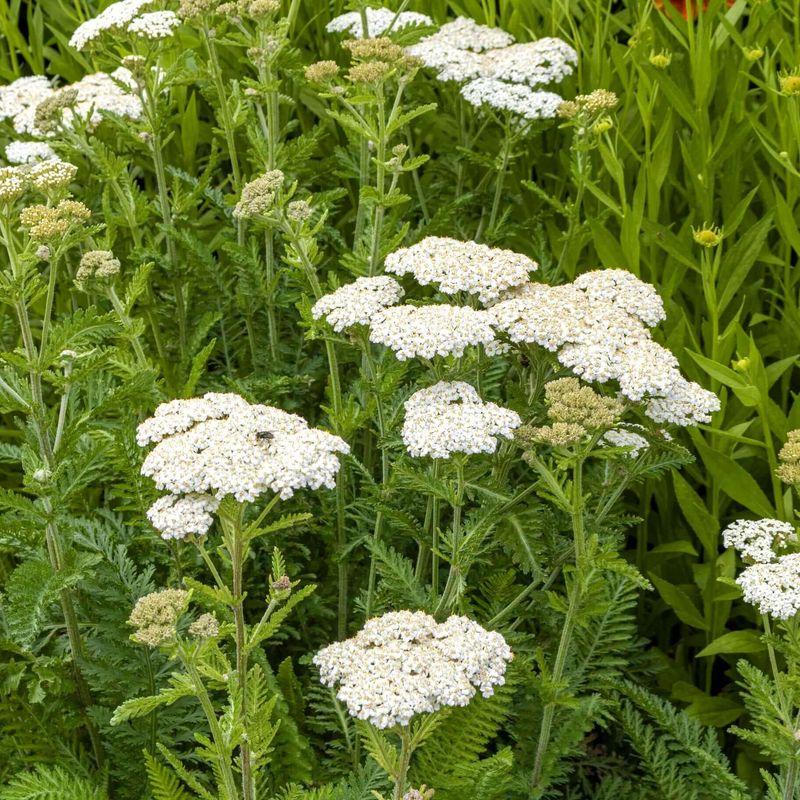
Flat-topped flower clusters in sunny yellow, red, pink, or white make yarrow easy to spot from across the yard. Its ferny, feathery leaves add a soft texture that looks good even between blooms.
Drought is no match for this easy-care plant, and its flowers hold their color all summer long. Snip off the faded heads and yarrow will happily rebloom for you.
Deer and rabbits tend to leave it alone, which is a big win in gardens where nibblers roam. Hardy and undemanding, it returns every year and even makes a lovely dried flower for winter arrangements.
14. Hardy Geranium (Cranesbill)
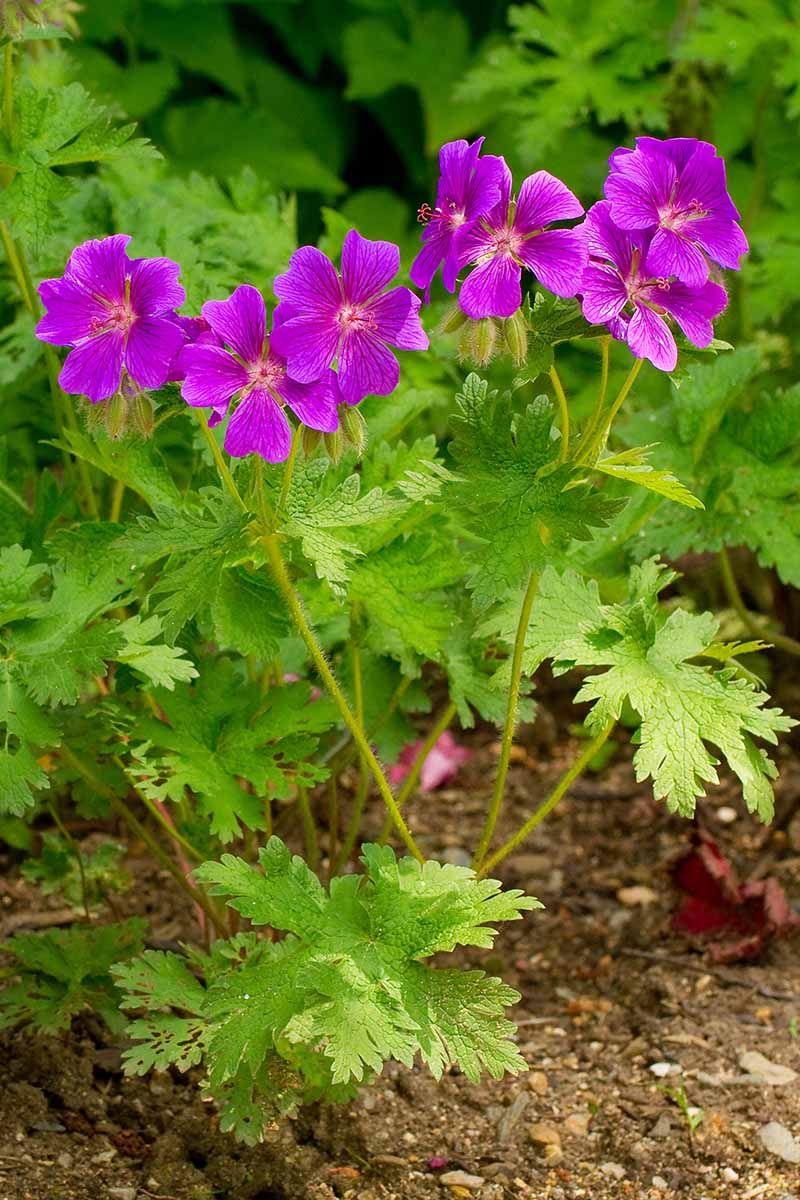
Not to be confused with the potted geraniums on porches, hardy geranium is a spreading groundcover that quietly does a lot of work. Its mounding foliage covers ground while dainty magenta, blue, or pink blooms dot the surface.
Shade-friendly and forgiving, cranesbill fills in gaps between larger plants and helps keep weeds down. Brush the leaves and many types release a light, pleasant scent.
Little care is needed once it is planted, and a quick shearing after the first flush encourages more flowers. It comes back fuller each year, making it a dependable carpet of color.
15. Blanket Flower (Gaillardia)
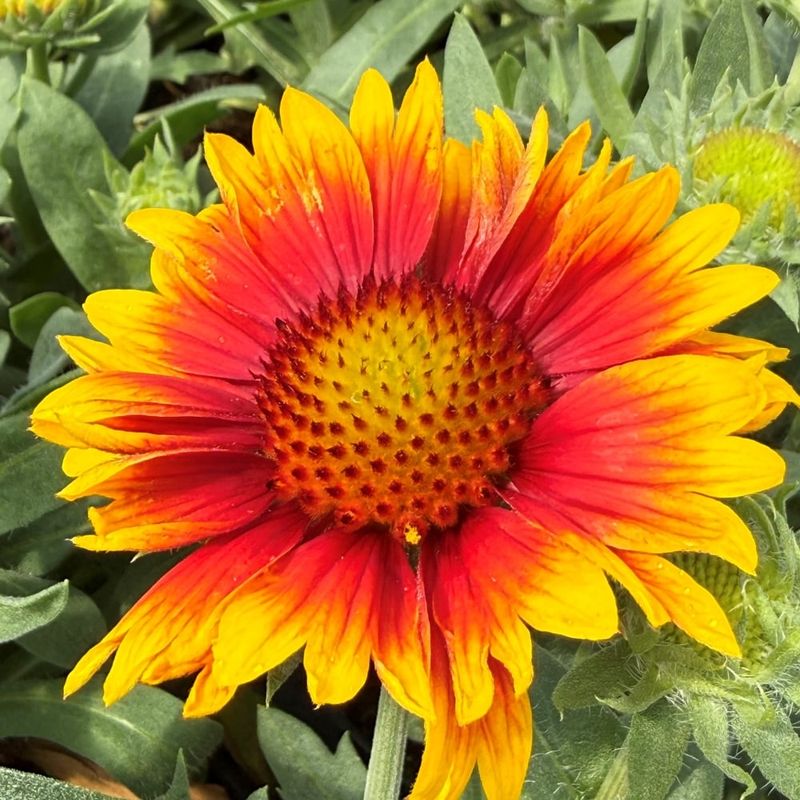
Here is a rare plant that actually prefers your worst soil. Blanket flower thrives in lean, sandy, less-than-ideal ground and sulks in rich, pampered beds, so hold back on the fertilizer.
Its warm, fiery blooms swirl red and yellow together like a tiny sunset, giving the plant its cozy, quilt-inspired name. Those flowers keep coming from early summer into fall.
Sun-loving and drought-tough, gaillardia is perfect for that dry, gravelly strip where nothing else will grow. Plant it once in a tough spot and enjoy its bold color returning season after season.
16. Lavender (Lavandula)
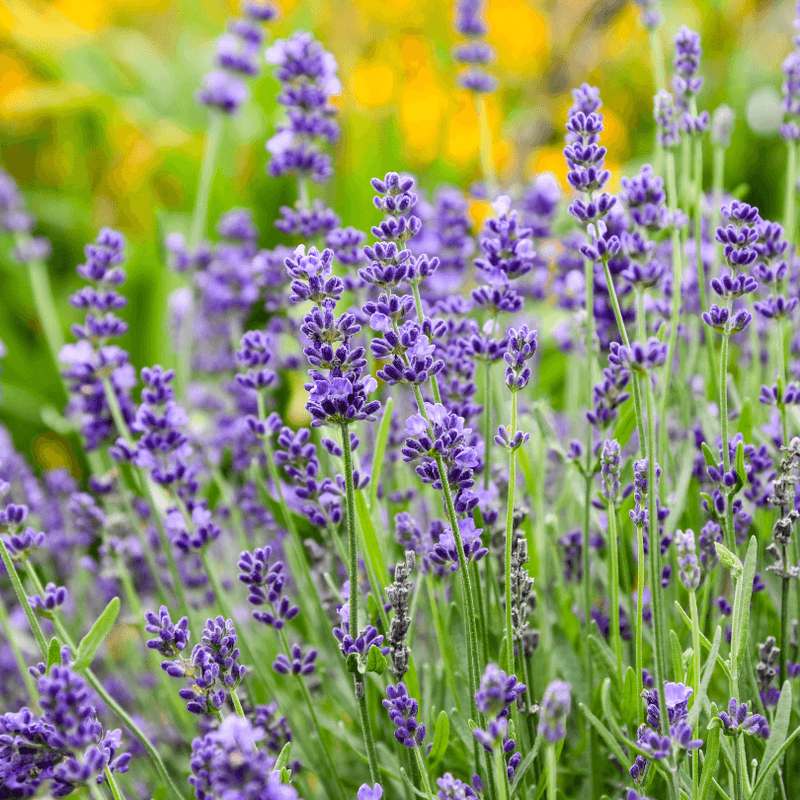
Run your hand along a row of lavender and the sweet, calming scent follows you all day. Those slender purple spikes above silvery-green foliage bring a touch of elegance to any sunny garden.
Well-drained soil is the secret to keeping lavender happy, since it hates soggy roots far more than it minds a dry spell. Plant it in the sunniest, driest spot you have.
Bees flock to it, and the blooms dry beautifully for sachets and bundles. Treated right, this fragrant perennial returns year after year and just gets better with age.
17. Catmint (Nepeta)
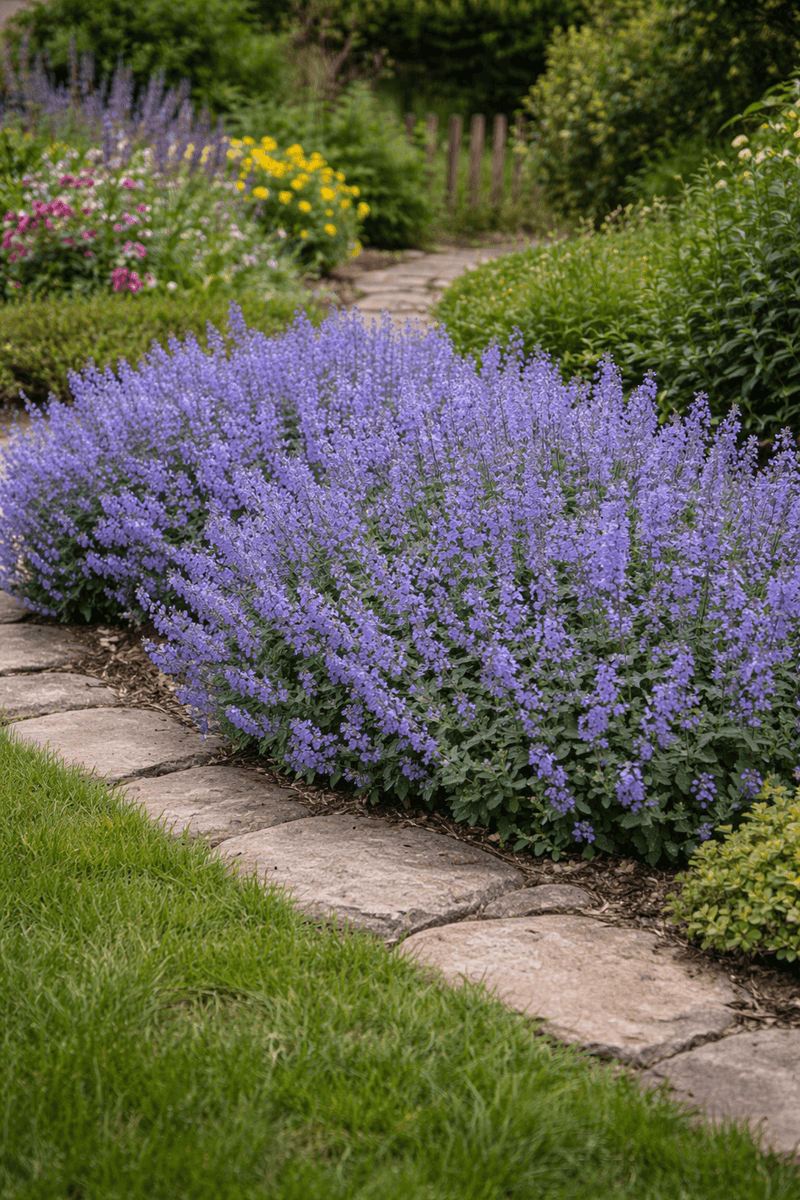
Think of catmint as lavender’s easygoing cousin, especially in colder climates where true lavender struggles. Its soft mounds of gray-green leaves and hazy blue-purple flowers bloom nearly all summer long.
Nearly carefree is the phrase that fits best. Catmint shrugs off drought, resists deer, and keeps flowering with just a quick trim to freshen it up midseason.
Fragrant and compact, it edges pathways beautifully and hums with visiting bees. Plant it once and this reliable little perennial fills back in each spring without a fuss, offering months of low-effort color.
18. Sedum (Stonecrop)
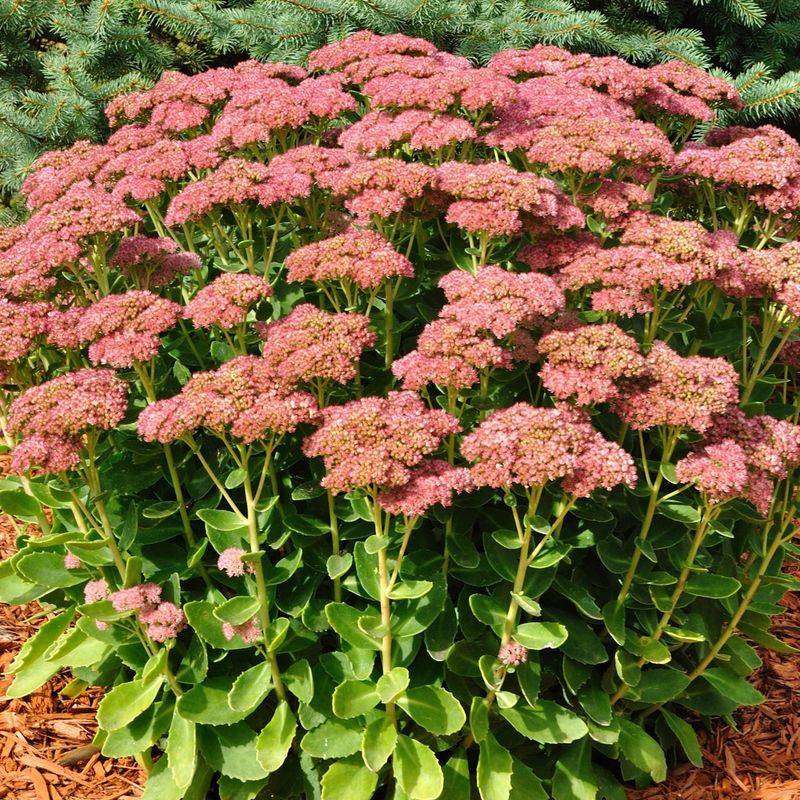
Store water in your leaves and drought loses its power, which is exactly the trick sedum has mastered. Its thick, fleshy leaves hold moisture so the plant sails through dry summers when others droop.
Low-growing types spread into neat mats perfect for rock gardens and edging, while taller varieties like Autumn Joy form tidy clumps topped with dusty-rose flower heads. Bees and butterflies swarm those late blooms.
Tough, tidy, and neat almost year-round, sedum brings welcome color as the garden heads into fall. It returns effortlessly each spring, making it one of the most forgiving perennials you can grow.