
9 Native North Carolina Plants That Give Fireflies The Cover They Actually Need

Those tiny flashes of green-gold light drifting across your yard on a June evening are one of the best parts of a North Carolina summer. What most folks do not realize is that fireflies spend almost their whole lives, sometimes two full years, tucked into moist soil and leaf litter as larvae.
If you want more of them lighting up your backyard, the trick is giving them thick, damp cover to hide, rest, and lay eggs. Here are nine native NC plants that do exactly that, no bug spray or fancy gadgets required.
1. Cinnamon Fern (Osmundastrum cinnamomeum)
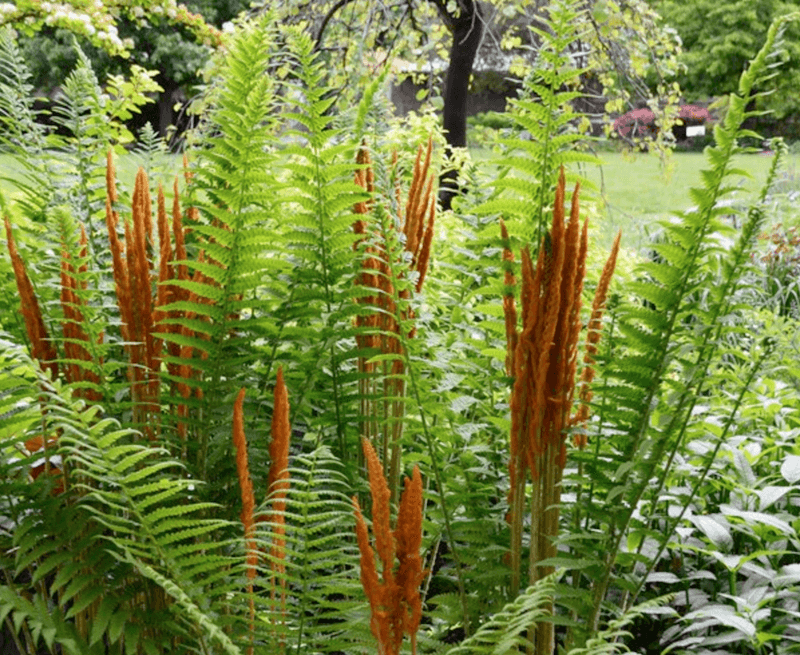
Picture the shadiest, boggiest corner of your yard, the spot where nothing else wants to grow. That is exactly where cinnamon fern shows off, unfurling waist-high fronds around a rusty cinnamon-colored center spike each spring.
Fireflies care less about the looks and more about what happens at ground level. Those arching fronds trap humidity and keep the soil underneath cool and damp, which is the number one thing firefly larvae need to survive their long stretch underground.
You will find it native across the Coastal Plain and into wetter mountain coves here in North Carolina. Plant it near a downspout, a rain garden, or a low seasonal wet spot and let the leaf litter build up around the base.
That undisturbed, moist layer becomes a nursery where larvae hunt for slugs and snails through the seasons.
2. River Oats (Chasmanthium latifolium)
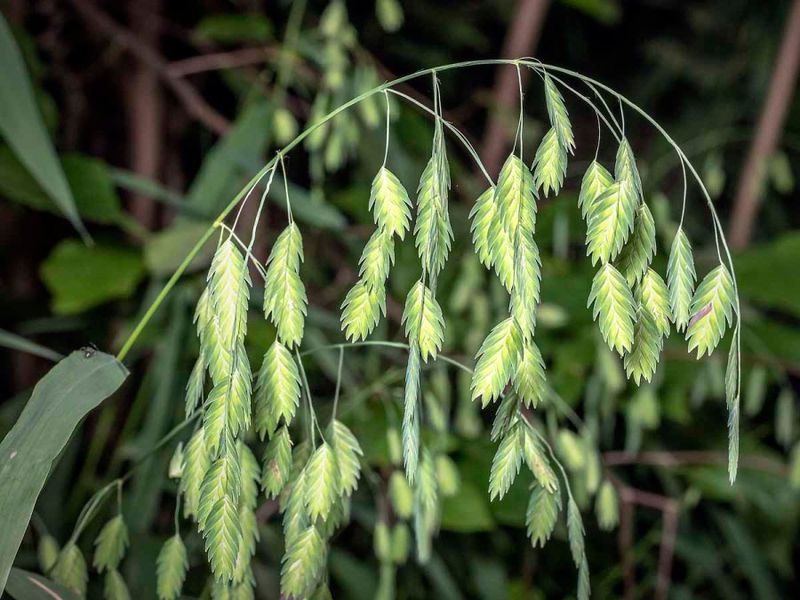
If you have ever watched flat, papery seed heads dangle and shimmy in the slightest breeze, you have probably met river oats. Also called inland sea oats or broadleaf uniola, this native grass has a graceful, nodding look that softens any bed.
For adult fireflies, the loose clumps offer easy daytime cover to rest out of the sun and away from hungry birds. As the leaves and stems drop and break down, they add to the organic debris that larvae burrow through in the soil below.
Handy detail for NC gardeners: river oats tolerates the dappled shade under trees where lawns struggle, and it happily fills in along a shady fence line or stream bank. Fair warning, it self-seeds with enthusiasm, so give it room or snip the seed heads if you want to keep it in bounds.
3. Swamp Milkweed (Asclepias incarnata)
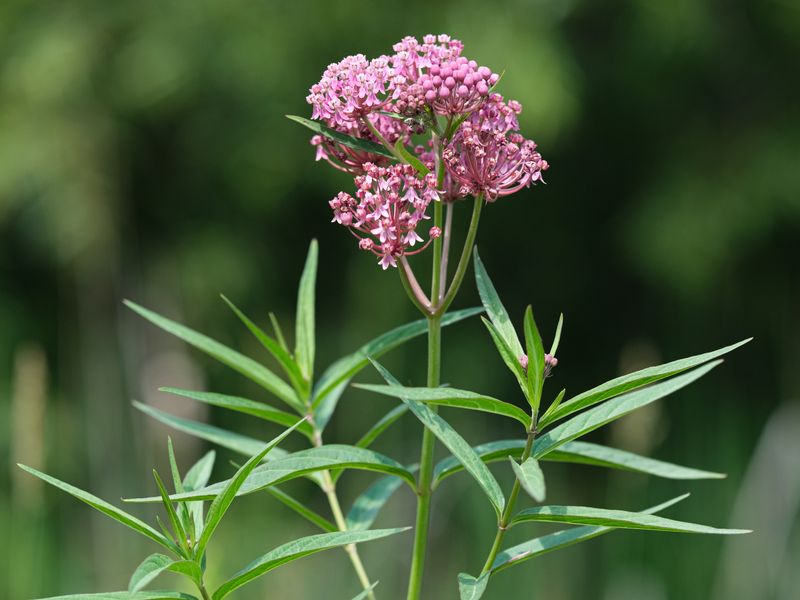
Do not let the word swamp scare you off. Swamp milkweed behaves beautifully in a regular garden bed as long as the soil stays on the moist side, and it rewards you with clusters of soft pink, honey-scented blooms all summer.
Pollinators swarm it, monarchs especially, but the payoff for fireflies is the dense, leafy growth down low. That thick foliage keeps moisture locked in and gives adult fireflies a shaded canopy to shelter under during the day.
Because it loves the same damp conditions fireflies do, swamp milkweed is a natural fit for a rain garden or a soggy low spot along the Piedmont. Plant it in a group of three or more rather than as a lonely single, and you will build the kind of humid microclimate that keeps the whole neighborhood glowing after dark.
4. Joe-Pye Weed (Eutrochium purpureum)
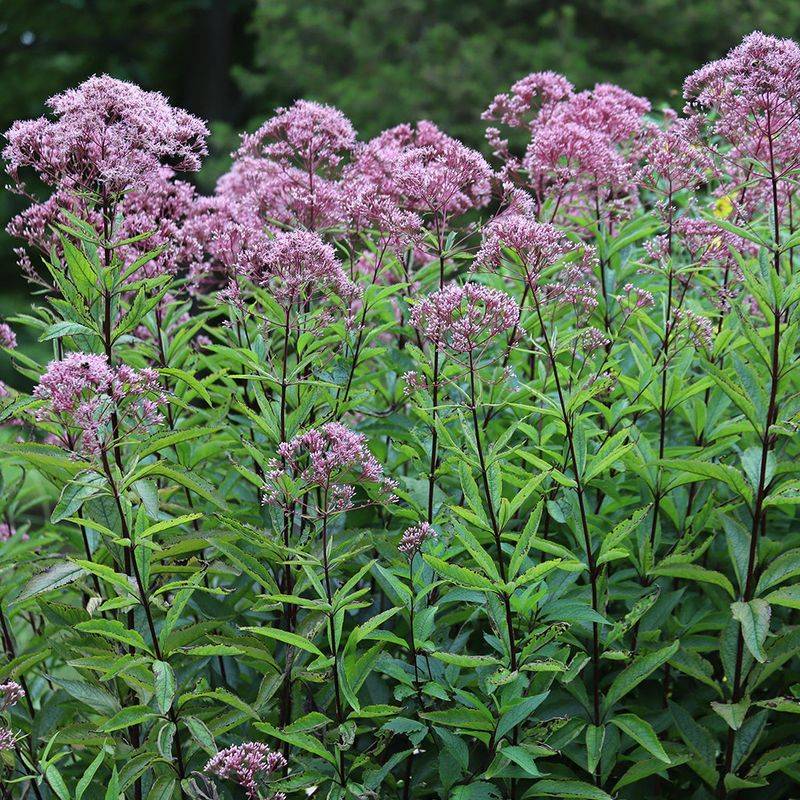
Standing five to seven feet tall with big mauve flower heads, Joe-Pye weed is the gentle giant of the wildflower world. It has an old-timey charm, named after a folk healer, and it draws bees and butterflies like a magnet in late summer.
All that height creates a tall, layered wall of cover. Fireflies use the shaded lower stems as a daytime hideout, and the plant’s love of moist ground helps keep the soil beneath cool and rich with the kind of debris larvae feed in.
Around North Carolina it turns up naturally in damp meadows and along ditch edges, so it fits right into a back-corner wildlife patch. Bonus for busy gardeners: once it settles in, it asks for almost nothing, coming back bigger and better each year while feeding pollinators whose eggs and soft-bodied young become food for firefly larvae.
5. Buttonbush (Cephalanthus occidentalis)
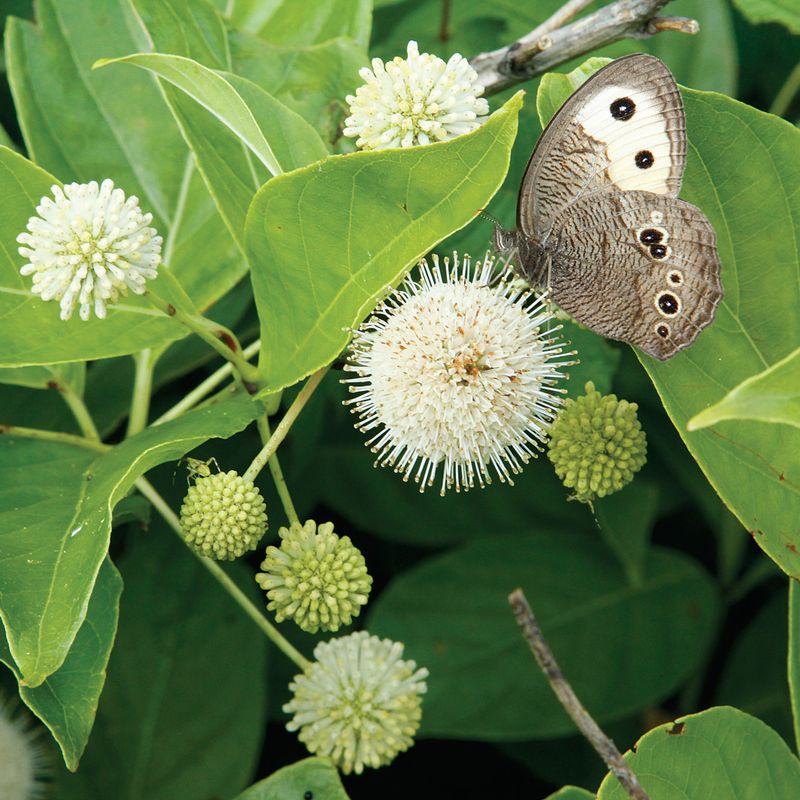
Few native shrubs look as delightfully odd as buttonbush, with its round, spiky white flower balls that look like tiny pincushion fireworks. Bees and butterflies adore them, and the shrub practically hums with activity on a warm afternoon.
What sets buttonbush apart on this list is its love of truly wet feet. It grows right at the edge of ponds, ditches, and boggy spots where standing water lingers, exactly the damp real estate fireflies use as a breeding ground.
For a coastal or Piedmont yard with a soggy problem area, this shrub turns a drainage headache into prime firefly habitat. Its dense, twiggy structure gives adults sheltered perches while the perpetually moist soil at its base welcomes egg-laying females and the larvae that follow.
6. Southern Wax Myrtle (Myrica cerifera)
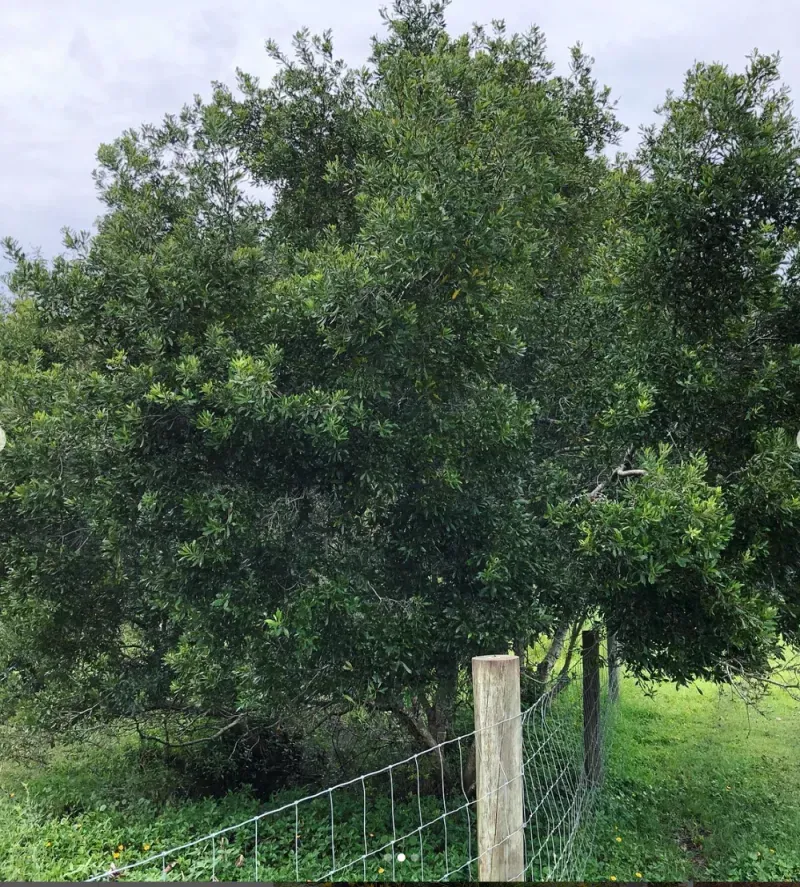
Need a tough, do-it-all shrub that keeps its leaves through winter? Southern wax myrtle is the workhorse, shrugging off sandy soil, clay, salt spray, and drought while staying green year-round.
That evergreen habit is its firefly superpower. When most plants have dropped their leaves and left bare stems, wax myrtle still offers a dense, screening canopy where adult fireflies can shelter and where the ground below stays protected and undisturbed.
It grows all over North Carolina, from the coast inland, and makes a fantastic living privacy hedge along a property line. Fun bit of history: colonists once boiled the waxy berries to make fragrant bayberry candles.
Let a few shrubs grow into a loose thicket and you give fireflies steady, four-season cover instead of a habitat that vanishes every fall.
7. Spicebush (Lindera benzoin)
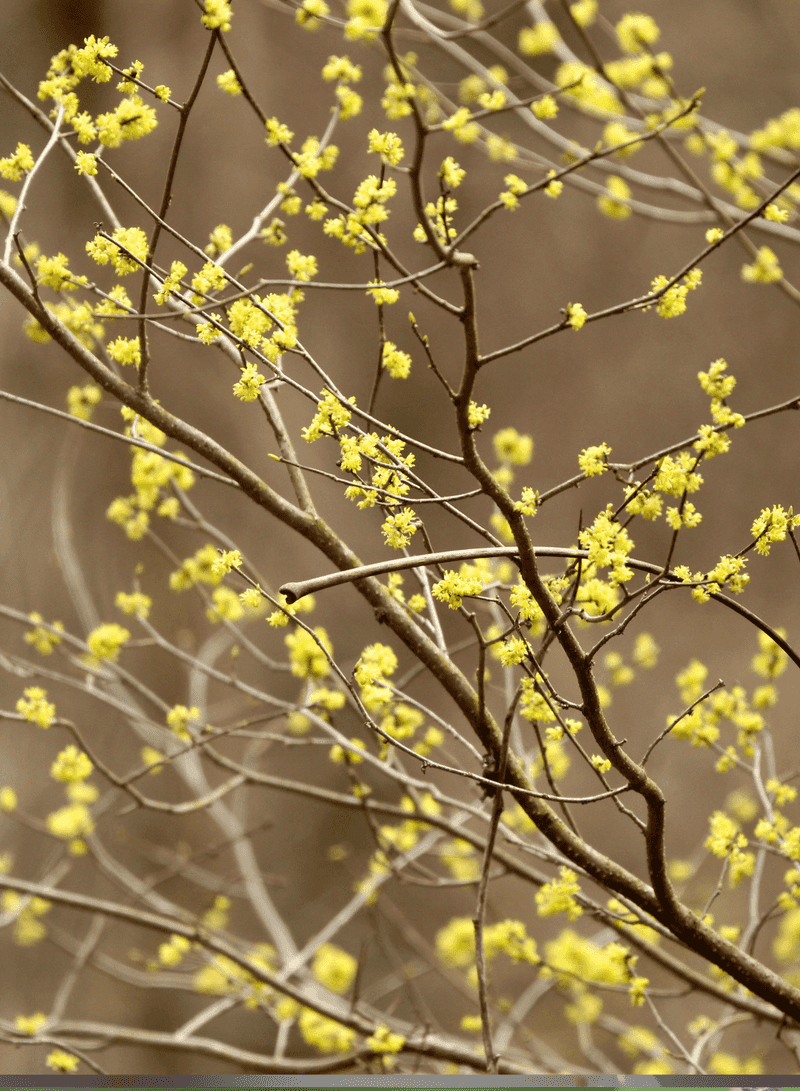
Crush a spicebush leaf between your fingers and you get a warm, citrusy-spicy scent that explains the name instantly. In early spring it lights up with clouds of tiny yellow flowers before most trees have woken up.
Under a shady tree canopy, spicebush forms a rounded shrub with layered, leafy branches. That soft, dense foliage is exactly the daytime rest stop adult fireflies need, a shaded spot to tuck away and stay hidden until the evening show begins.
Native throughout NC’s moist woodlands, it doubles as a host plant for the spicebush swallowtail butterfly, so you are feeding more than one kind of wildlife. Tuck it into that difficult shady, slightly damp bed where grass refuses to grow, and it will quietly become one of the hardest-working shelter plants in your yard.
8. Little Bluestem (Schizachyrium scoparium)
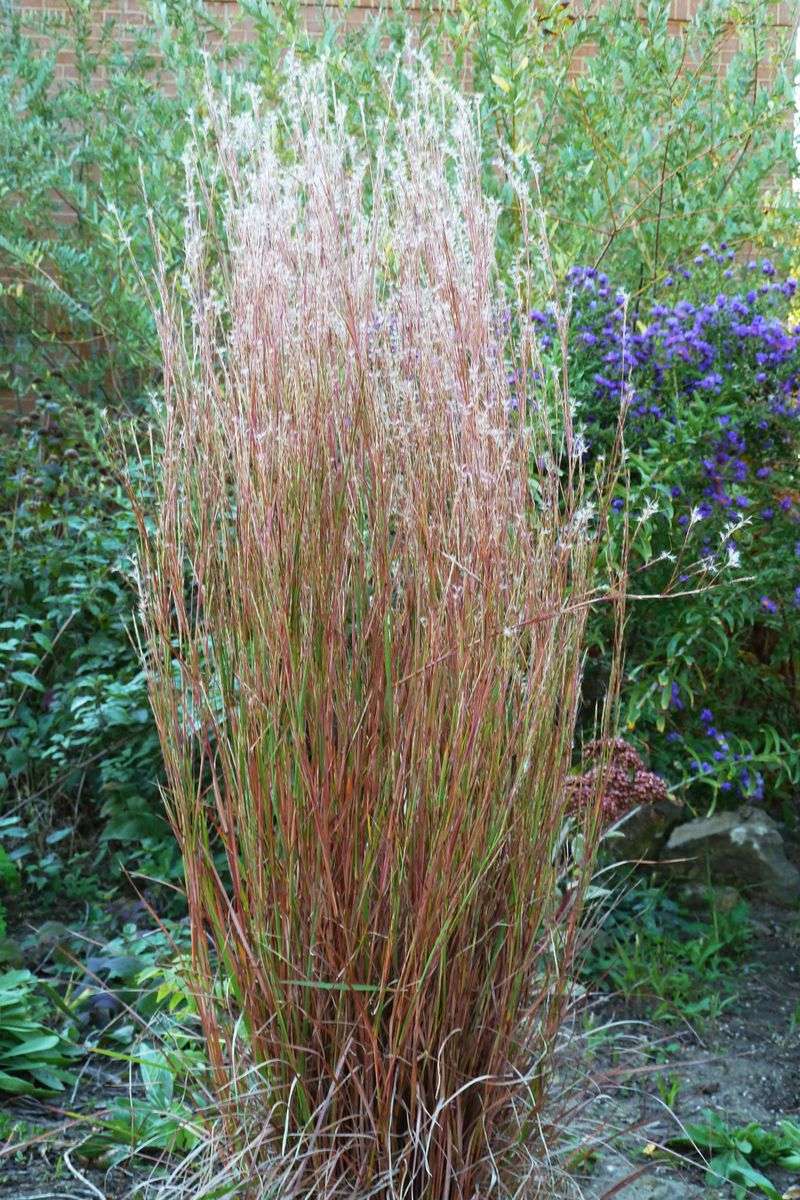
Come autumn, little bluestem puts on a show, its blue-green summer blades turning to fiery copper and mahogany that glow when the low sun hits them. It is one of the prettiest native grasses you can grow, and it stays upright through winter storms.
Down where it counts, the clumping roots hold soil in place and help the ground retain moisture, building the steady, slightly damp conditions female fireflies look for when laying eggs. The tangle of stems and fallen blades gives larvae a sheltered layer to develop in.
Unlike the wetland plants on this list, little bluestem handles drier, sunnier spots, so it covers the edges of a yard where boggy plants would sulk. Weave a drift of it through a meadow-style border and you get firefly habitat that pulls double duty as fall color and songbird seed.
9. Oak Trees (Quercus spp.)
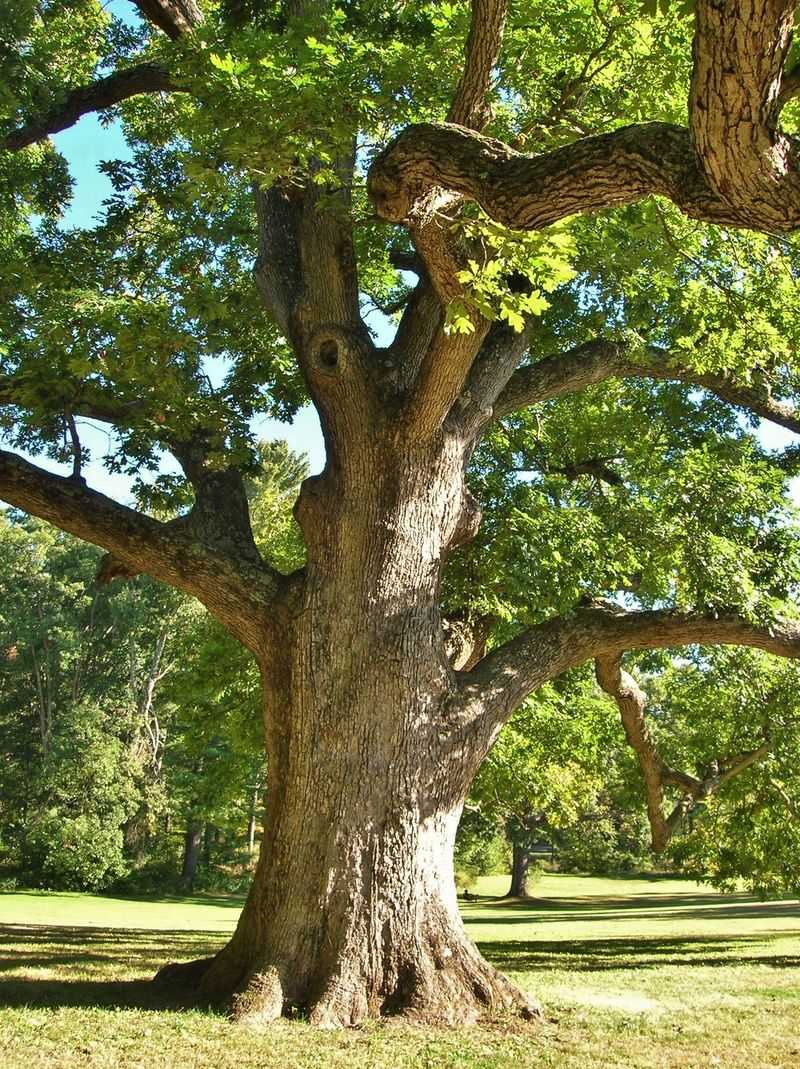
Save the biggest for last. A native oak is a whole ecosystem standing in your yard, supporting hundreds of caterpillar species and dropping a generous blanket of leaves every single fall.
That leaf litter is the real gift for fireflies. Larvae live and feed in the damp, decaying layer that oak leaves create, and the tree’s broad shade keeps the soil beneath cool and moist through the hottest NC summers.
No other plant on this list builds habitat on quite this scale.
White oak, willow oak, and southern red oak all thrive across the state and support the tiny soft-bodied critters larvae eat. The best move you can make for fireflies costs nothing at all: rake those fallen oak leaves into your beds and under shrubs instead of bagging them at the curb.
Leave the leaves, and you leave the fireflies a place to grow up.