
North Carolina County Rules Ban These Backyard Plants – And Here’s Which Ones You Can Still Challenge
Getting a warning about a plant in your own backyard can feel blindsiding, especially when you thought you were just helping the birds and bees. North Carolina homeowners sometimes receive notices from county offices, town inspectors, or HOA boards demanding that a shrub, vine, or groundcover come out – and the rules behind those demands are rarely the same.
Knowing who sent the notice and exactly what law or document backs it up is the first step toward protecting your yard or mounting a real challenge.
Start by identifying the authority behind the warning
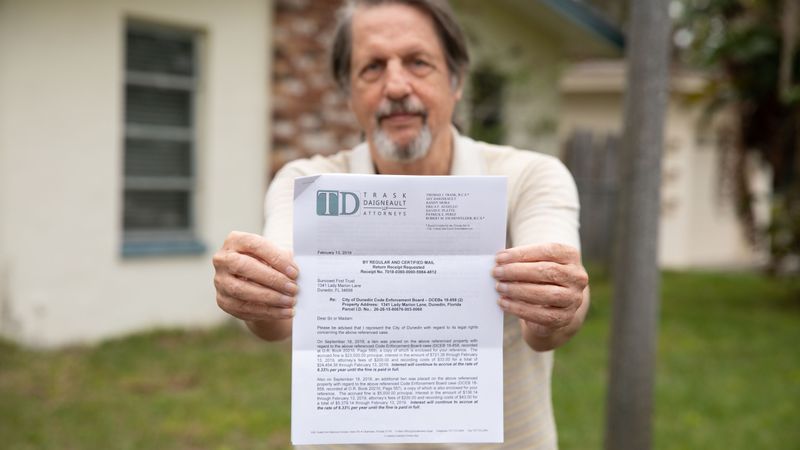
A removal notice lands in your mailbox, and your first instinct might be to look up a statewide list of banned plants. That search will lead you in circles, because North Carolina does not operate one master backyard-ban list that every county enforces the same way.
Plant restrictions in this state come from at least three different systems, and figuring out which one applies to you is the diagnostic question that controls everything else.
The four most common senders of vegetation notices are: a county government acting under its own ordinance or zoning code; a city or town government with its own municipal code; the North Carolina Department of Agriculture and Consumer Services (NCDA&CS) acting under state plant-health law; and a homeowners association exercising authority under a recorded private covenant. A private property-management company may deliver the notice on behalf of an HOA, which adds one more layer to identify.
Each sender operates under different legal authority, triggers different homeowner rights, and follows different appeal procedures.
Ask for the exact document before anything else. Request the ordinance number, code section, administrative rule citation, or covenant paragraph that the sender says you have violated.
A legitimate enforcement action should be traceable to a specific written source. NCDA&CS publishes its noxious-weed classifications online, and town codes like Surf City’s beach-vitex prohibition are publicly searchable – but those are two entirely separate systems with different geographic reach.
Under North Carolina’s Planned Community Act, an HOA operates under its own recorded declaration and bylaws, not under any county or state plant list.
Once you know who sent the notice and what document they cite, you can match the rule to the right appeal path. A state quarantine triggers one set of procedures; a municipal code violation triggers another; an HOA fine triggers a third.
Conflating them wastes time and can close off options that were available to you.
The clearest statewide prohibition covers Ribes plants
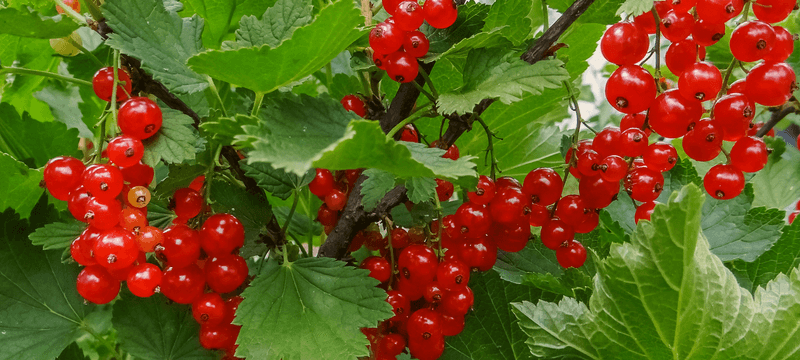
If there is one plant restriction that applies uniformly across North Carolina regardless of your county, it is the prohibition on currant and gooseberry plants in the genus Ribes. North Carolina administrative rules classify all wild and cultivated Ribes as dangerous plants and prohibit knowingly keeping them on your property.
NCDA&CS explains that Ribes plants host white pine blister rust, a fungal disease that can devastate five-needled white pines, which are ecologically and economically important across the state’s mountain region.
The rule covers both wild volunteers that sprout along a fence line and cultivated plants intentionally purchased from a nursery. Under 02 NCAC 48A, the state’s plant-industry administrative code, agriculture officials may require destruction of a prohibited Ribes plant after providing notice to the owner.
That authority is real, but it is also narrow – it applies to this particular genus because of a documented plant-health threat, not as a model for restricting other shrubs or berry plants.
Scientific identification matters here more than common names. “Currant” can refer to ornamental plants in unrelated genera, and “gooseberry” is sometimes applied colloquially to native species that are not Ribes at all. Before assuming your plant is covered or not covered, photograph it carefully and use a botanical identification resource to confirm the genus.
The NC State Extension Plant Toolbox and your county’s Cooperative Extension office can help you pin down a scientific name.
Understanding this restriction also clarifies what it does not do. It does not extend to elderberries, serviceberries, native viburnums, or any other fruiting shrub simply because they produce berries.
A homeowner growing a native plant for wildlife habitat is not automatically subject to this rule unless the plant is genuinely a Ribes specimen. The restriction is specific, not sweeping.
Noxious-weed and quarantine lists regulate different conduct
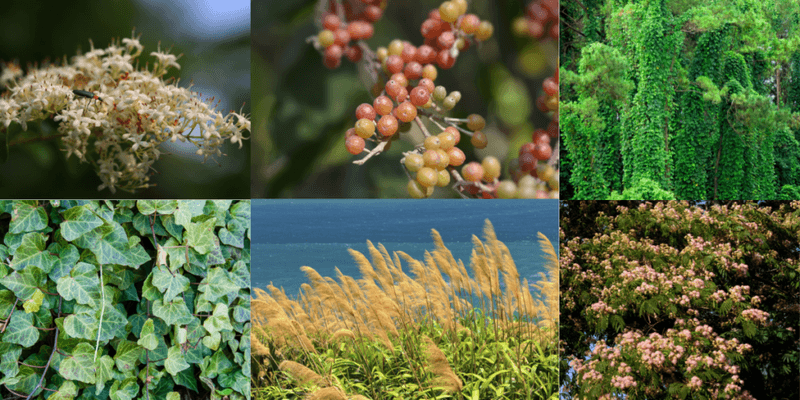
Homeowners searching for a single comprehensive list of plants they cannot grow in North Carolina will find several official documents – but none of them works as a universal backyard ban. NCDA&CS maintains a classified noxious-weed list that assigns plants to Class A, B, or C categories, and the agency separately publishes county-by-county quarantine tables covering specific regulated pests and plants.
These are important legal documents, but they do not all say the same thing or regulate the same conduct.
Beach vitex is listed as a Class B noxious weed, and Oriental bittersweet appears as Class C. Canada thistle, bushkiller, and mile-a-minute weed also appear on the list.
Each classification carries its own regulatory meaning, and the applicable rule may restrict movement from a quarantine area, prohibit sale or propagation, require active control measures, or regulate planting in certain locations. Treating every listed plant as equally and identically illegal to possess in a residential backyard misreads how these classifications work.
The quarantine distinction is especially important. North Carolina’s administrative code governs the movement of regulated articles out of or within quarantined areas.
That means a rule restricting the transport of beach vitex from a coastal quarantine county is different from a rule that prohibits a homeowner from maintaining a specimen already present in a non-quarantined yard. Moving a regulated plant across county lines without a certificate or permit can be a violation even if maintaining the plant in place is not.
Before you conclude that a plant on any official list is automatically banned in your yard, read the specific rule that applies to that plant’s classification. Ask what action the rule actually prohibits: is it possession, planting, propagation, sale, movement, or failure to control?
That question replaces the fruitless search for a master ban list with something actionable – the exact conduct the law covers and whether your situation fits it.
Local governments may regulate a species or a yard condition
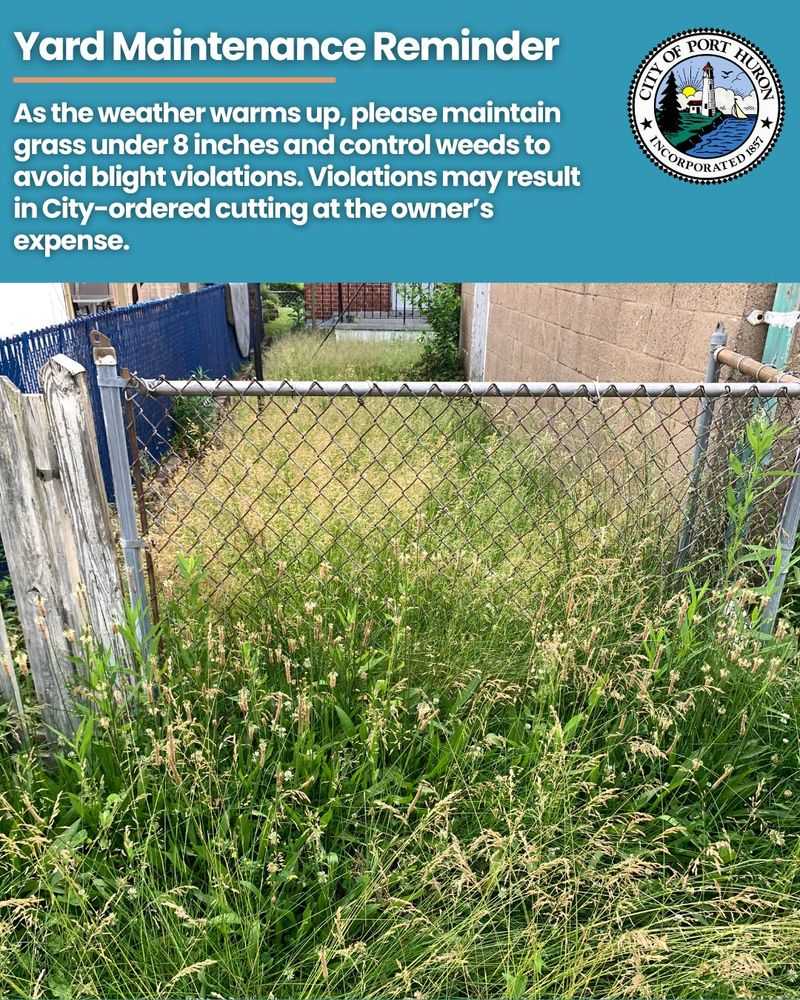
Local plant restrictions in North Carolina fall into two distinct categories that homeowners often confuse. The first type targets a specific species – prohibiting its planting, maintenance, or presence within municipal limits.
The second type regulates a yard condition without naming any plant species at all. Your notice may come from either type, and the difference shapes how you respond.
Surf City provides the clearest species-specific example at the local level. Surf City’s town ordinance explicitly prohibits planting or maintaining beach vitex and provides for civil citations and coordinated removal.
That is a town ordinance, covering the geographic area within Surf City’s jurisdiction. It is not a county rule, not a statewide rule, and not evidence that every coastal municipality or inland county has adopted the same prohibition.
NCDA&CS also designates beach vitex as a regulated noxious weed, but the state classification and the town ordinance are separate instruments with separate enforcement mechanisms.
Condition-based ordinances work differently. Monroe’s municipal code illustrates this approach: Monroe defines “rank vegetation” broadly and targets plant growth that creates mosquito breeding, rodent harborage, snake habitat, fire hazard, or general health concerns.
That ordinance does not name a forbidden species – it addresses what the vegetation does to public health and safety. A homeowner cited under a condition-based rule needs to show that the yard does not create the prohibited condition, not that the plant species is legally approved.
When you receive a notice, read it carefully to determine which type of rule applies. Does the notice name your plant species and cite a specific prohibition?
Or does it describe a condition – overgrowth, drainage obstruction, height violation, sight-line interference – and ask you to remedy it regardless of species? Your challenge strategy, the evidence you gather, and the accommodation you might request all differ depending on that answer.
An HOA dispute turns on the recorded governing documents
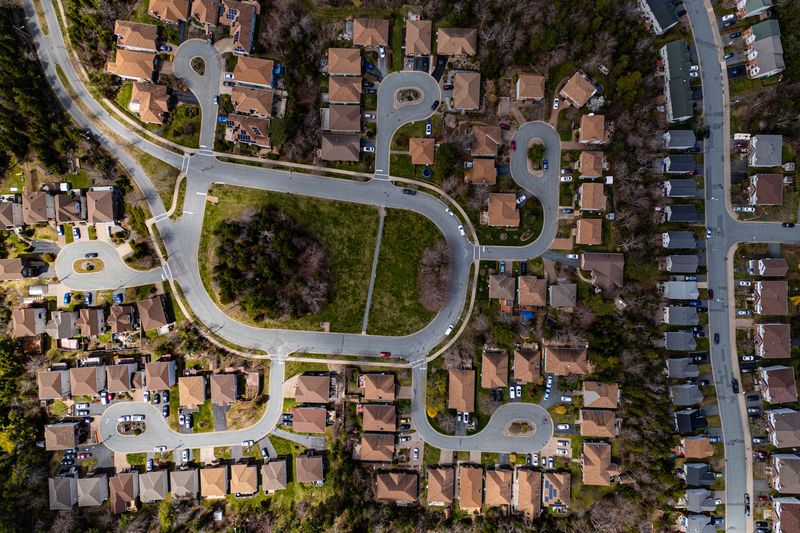
Homeowners in a planned community face a private-law system that runs parallel to – and largely independent of – state and local plant regulations. When an HOA sends a landscaping violation notice, the governing authority is not a county ordinance or a state agricultural rule.
It is a recorded declaration of covenants, conditions, and restrictions, along with any bylaws and properly adopted rules that supplement it.
North Carolina’s Planned Community Act grants HOAs rulemaking authority and allows associations to impose reasonable fines after providing notice and an opportunity to be heard. That statutory authority is real, but it does not automatically validate every plant restriction an HOA board might announce.
The recorded declaration must actually authorize the restriction, the rulemaking process must have followed the association’s own procedures, and the fine schedule must meet statutory requirements.
Two North Carolina cases show why document wording and enforcement consistency matter. In Martin v.
The Landfall Council of Associations, the Court of Appeals examined landscaping approval requirements and allegations of arbitrary enforcement, illustrating that a homeowner’s challenge can turn on how the association applied its own rules rather than just whether a rule existed. In Schroeder v.
Oak Grove Farm Homeowners Association, the North Carolina Supreme Court addressed the interpretation of restrictive covenants and emphasized that covenant meaning is a legal question – not whatever the board subjectively believes it to be.
Neither case gives homeowners a general right to disregard a landscaping rule. What they do establish is that ambiguous covenant language, procedural failures, and inconsistent enforcement are legitimate grounds to contest a violation finding.
If you receive an HOA notice, compare it line by line with the recorded declaration and the rules that were in effect when you planted. Preserve every piece of correspondence, attend any hearing the association schedules, and get North Carolina legal advice before withholding fines or filing a lawsuit.
An HOA dispute that begins as a plant disagreement can escalate quickly if procedural steps are skipped.
Wildlife benefits support a request but do not create immunity
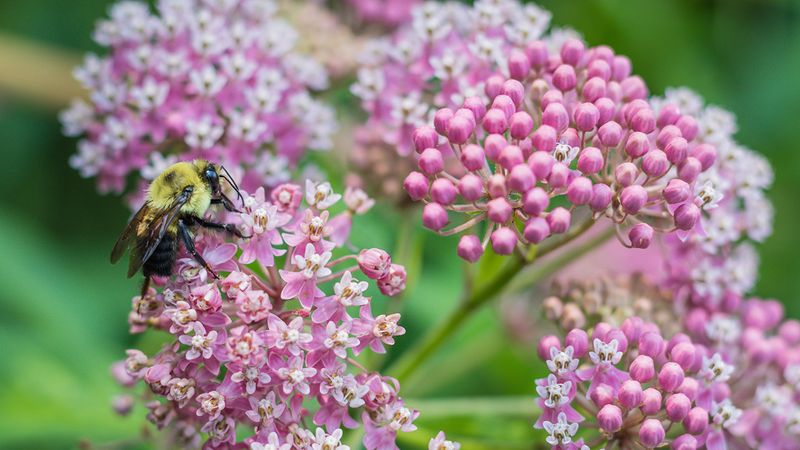
Native plants genuinely help North Carolina wildlife. The North Carolina Wildlife Resources Commission recommends native plantings, layered vegetation, and native-plant islands as practical ways to support birds, pollinators, and other backyard species.
NC State Extension’s landscaping-for-wildlife guidance and its native-plant handbook provide regionally specific recommendations for the mountains, Piedmont, and Coastal Plain. That guidance is credible, well-supported, and worth citing when you present a maintenance plan or request an accommodation.
Where homeowners sometimes run into trouble is assuming that wildlife or pollinator value automatically defeats a legal restriction. A documented ecological benefit does not nullify a valid nuisance ordinance, a state plant-health quarantine, a zoning requirement, or an HOA covenant.
The environmental argument is most useful as part of a conversation – presenting a maintenance plan that addresses the enforcing body’s actual concern while preserving habitat value – rather than as a standalone legal defense.
NC Forest Service guidance urges removal of exotic invasive species but does not declare every plant on its informational lists illegal to grow. Informational invasive-plant materials from conservation groups or extension services are stewardship tools, not regulatory documents.
Treating them as equivalent to a legally enforceable noxious-weed classification overstates their legal weight.
One additional distinction worth keeping clear: North Carolina’s protected-plant statute restricts the taking of certain plants from another person’s land or the public domain without permission. It is not a general ban on planting ordinary nursery specimens in your own yard, and it does not grant blanket protection to every native species you choose to grow at home.
Understanding that boundary keeps your legal arguments grounded and avoids overpromising what the law will do for you.
Document the rule before you remove or challenge the plant
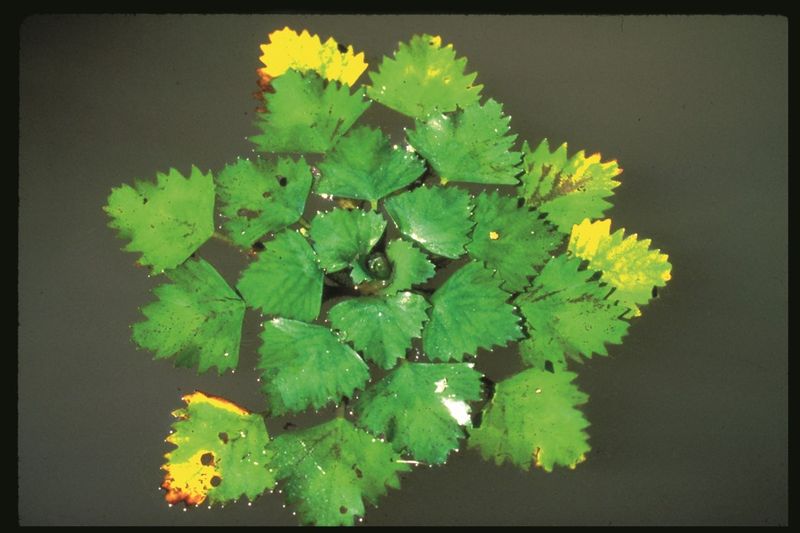
Acting before you have the paperwork in hand is one of the most common and costly mistakes in a plant dispute. Pulling out a shrub that turned out not to be regulated, or moving a plant across county lines before confirming it is quarantine-free, can create a violation where none existed or convert a manageable situation into a legal problem.
The escalation path below is designed to keep your options open.
Start by requesting the exact rule in writing. Ask the sender to identify the specific ordinance number, code section, administrative rule citation, or covenant paragraph.
Then confirm the sender’s identity and authority – county, municipality, state agency, or HOA. Ask explicitly what conduct the rule prohibits: is it the plant’s presence, its height, its location relative to a sight line or drainage area, or its movement?
Request the written notice, the compliance deadline, the hearing procedure, the appeal route, and the fine schedule in writing before you do anything else.
Photograph the plant thoroughly and work to confirm its scientific name. Common names are unreliable: a plant sold as “gooseberry” at a nursery may or may not be a Ribes specimen, and a vine labeled “bittersweet” could be the native Celastrus scandens rather than the regulated Oriental bittersweet.
The NC State Extension Plant Toolbox and your county’s Cooperative Extension agents can help confirm identification. Cross-check the confirmed scientific name against the current NCDA&CS noxious-weed list and the plant-pest quarantine table for your county before you move, propagate, sell, or remove the specimen.
HOA members should preserve every piece of correspondence from the moment the notice arrives. Attend the hearing the association schedules, bring documentation of your plant’s identity and any maintenance practices, and get North Carolina legal advice before withholding fines or filing suit.
The Planned Community Act’s notice and hearing requirements protect you, but only if you participate in the process. Where a plant serves an erosion-control, habitat, or shared-boundary function, note that in writing before any removal, because impulsive removal can create new disputes with neighbors or regulators.
Challenge the specific rule, not an invented master list

A violation notice does not prove that North Carolina has issued a statewide or countywide ban on your plant. What it proves is that someone with claimed authority has applied a specific rule – or believes they have – to a specific condition on your property.
Those are two very different things, and the difference is where a real challenge begins.
Three separate systems can generate a plant restriction in North Carolina: state plant-health regulations administered by NCDA&CS, local ordinances adopted by a city or town government, and private covenants recorded by a planned community. State administrative rules like the Ribes prohibition have statewide force.
Noxious-weed classifications regulate specific conduct – not a blanket backyard ban. HOA authority under the Planned Community Act depends entirely on the recorded declaration and properly adopted rules.
A productive challenge targets the document’s authority, its precise wording, the procedure used to enforce it, and whether it actually applies to your plant and your situation. An unlisted or native plant is not automatically free from height rules, nuisance standards, quarantine conditions, zoning requirements, or HOA covenants.
But a notice that cannot be traced to a valid written source, that was issued without proper procedure, or that rests on ambiguous language is genuinely vulnerable. Your yard and its wildlife value deserve a fair hearing – and so does the rule being used against you.