
Common Evening Primrose: A North Carolina Native That Supports Nocturnal Wildlife and Belongs in Your Backyard
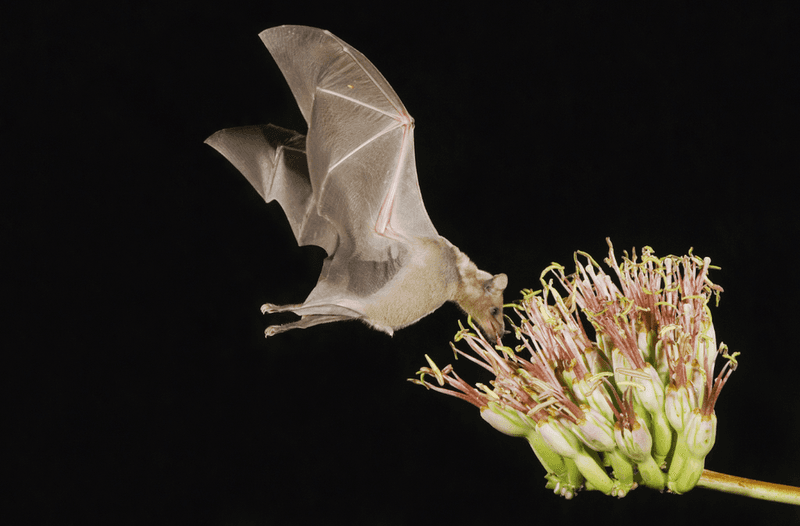
Warm North Carolina evenings bring fireflies, cricket song, and unfortunately, mosquitoes. A tall yellow wildflower called common evening primrose quietly opens its blooms at dusk each night, feeding a chain of nocturnal life that includes moths and, indirectly, the bats that patrol the darkening sky.
Growing this native plant will not empty your yard of mosquitoes, but it can make your outdoor space genuinely richer for wildlife. Here is what evening primrose actually does, how to grow it well, and what steps will truly cut down on mosquito bites.
Common evening primrose offers a useful native habitat choice
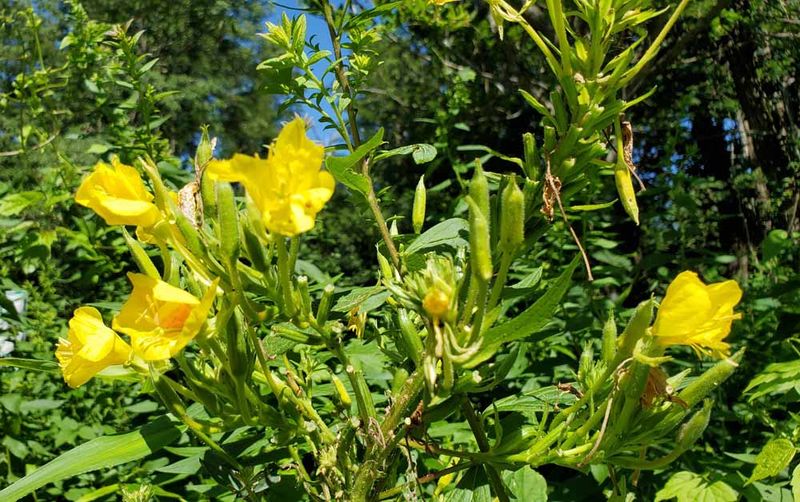
Common evening primrose, known botanically as Oenothera biennis, is a North American native that grows throughout North Carolina from the Coastal Plain to the Piedmont and up into the Blue Ridge. The NC State Extension Plant Toolbox describes it as a biennial or easily naturalizing plant that typically reaches three to five feet tall and blooms from summer into fall.
Four-petaled yellow flowers open each evening and stay open through the morning, giving the plant a quiet but reliable presence in any yard where it has room to establish.
Calling it the single most underrated North Carolina native is a matter of personal taste, not a ranking any study has produced. What can be said plainly is that it earns a place in many yards and gets passed over far too often in favor of showier or more compact choices.
Its tall, loosely branching form and tendency to scatter seeds mean it fits best in a relaxed border, meadow edge, or informal back corner rather than a tightly clipped foundation bed.
Beyond its appearance, the plant carries genuine ecological value. Its seeds attract goldfinches and other birds, and the flowers host the aptly named primrose moth.
For North Carolina homeowners who want a yard that does more than look tidy, evening primrose is a straightforward, low-maintenance addition that connects the yard to a wider food web every night of the blooming season.
Its dusk-opening flowers feed a nocturnal food web
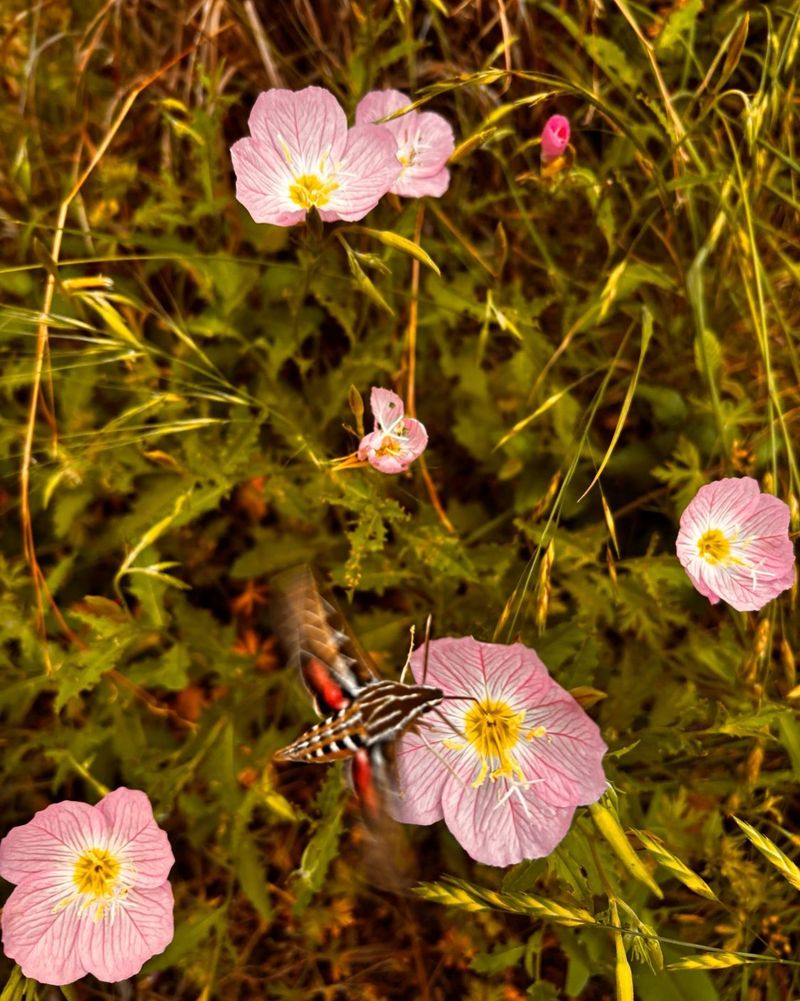
Each evening, as daylight fades, common evening primrose opens its flowers and releases a mild lemon fragrance. That scent is not random.
NC State Extension notes that night-flying moths are drawn to the flowers by their fragrance, and the primrose moth specifically uses the flower buds as part of its life cycle. The timing is deliberate from an evolutionary standpoint: the plant and its nighttime visitors developed together over a long stretch of time.
Moths are not just pretty visitors. NC State Extension’s guidance on moth-friendly gardens explains that adult moths are important food for native bats, making moth-supporting plants a meaningful link in the nocturnal food web.
The North Carolina Native Plant Society reinforces this, pointing out that evening primroses are among the productive moth-host plants that the state’s nocturnal wildlife depends on.
The key word in all of this is “indirect.” Evening primrose does not lure bats the way a feeder pulls in birds. Instead, the plant feeds moths, and moths along with other nocturnal insects become potential prey for bats hunting above the yard.
NC State Extension’s wildlife handbook specifically recommends native night bloomers such as evening primroses for their role in supporting moths and, by extension, the insect-eating bats that follow.
Whether bats show up on any given night depends on far more than one plant. Habitat, weather, season, and the broader landscape all shape bat activity.
What evening primrose reliably does is keep its end of the bargain: flowers open, fragrance drifts out, and moths come to feed. The rest of the food web takes it from there.
Bat support does not equal mosquito control
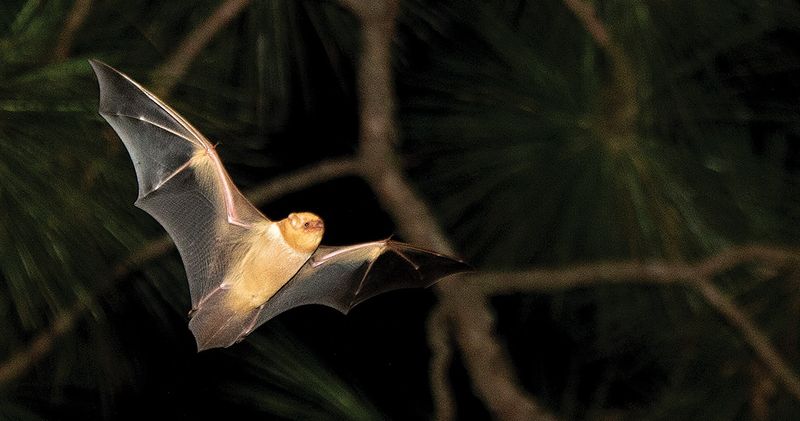
Bats eat insects, and mosquitoes are insects, so the leap to “bats will wipe out your mosquitoes” feels logical. The actual picture is more complicated.
A study of bat diets in the southeastern United States did find that three bat species consumed 17 mosquito species, including several that carry arboviruses. That is a real and meaningful finding.
The same authors, however, concluded that the factors shaping mosquito consumption are complex and that further research is needed before offering specific guidance on using bats to reduce mosquito numbers or public-health risk.
Other research complicates the picture further. A study of insectivorous bats in Australia found that mosquitoes made up a small fraction of the diet overall and appeared primarily in the diets of smaller bat species.
While Australian bats are not North Carolina bats, the study reinforces a broader point: mosquito consumption varies by bat species, prey availability, habitat, season, and the size of individual bats. No single variable predicts how many mosquitoes a bat eats on any given night.
U.S. Forest Service research on little brown and big brown bats found more mosquito taxa in bat diets than older studies had detected, which means the old claim that bats almost never eat mosquitoes is also too strong.
Still, detecting mosquito DNA in a bat’s diet is not the same as showing that bats bring down a backyard mosquito population or reduce the number of times a person gets bitten.
A Florida mosquito control white paper reviewed the broader evidence and found no reliable basis for claiming that bats provide meaningful mosquito suppression in residential settings. Planting evening primrose may contribute to a more insect-rich nocturnal habitat, but no available evidence links that planting to a predictable change in bat activity or mosquito numbers in a North Carolina yard.
Plant evening primrose where its loose habit fits

Placement matters with this plant. Evening primrose wants full sun and well-drained soil with medium moisture, but it handles drought reasonably well once established and can tolerate some afternoon shade.
NC State Extension’s plant profile notes that it can self-seed and become somewhat weedy, which means a tightly maintained perennial border or a small front-yard bed is probably not the right home for it.
A naturalized border along a fence line, the back edge of a property, or a sunny meadow corner suits it far better. In those spots, its height of three to five feet reads as structure rather than disorder, and the self-seeding habit fills in gaps over time without extra effort.
Gardeners across the Coastal Plain, Piedmont, and Blue Ridge can all grow it successfully, though local soil drainage and summer heat will shape how vigorously any given planting performs.
One practical tip: if you want to manage the spread, remove spent flower stalks before seeds fully ripen and disperse. That keeps the colony in the area you choose rather than letting it wander into beds where it is harder to manage.
Evening primrose is a biennial, so the first year produces a low rosette of leaves and the second year sends up the tall flowering stalk. Planting a small patch and allowing it to self-seed creates a continuous cycle without needing to replant every season.
Pair the plant with a broader wildlife habitat

One plant cannot carry a food web by itself. Evening primrose is a productive addition, but its value multiplies when it sits inside a yard that offers insects and bats a range of resources across the season.
NC State Extension’s guide to landscaping with native plants recommends choosing plants that flower, fruit, and produce seed at different times so that wildlife has something to rely on from spring through fall.
The NC State Extension wildlife handbook also advises preserving some leaf litter under shrubs and trees and tolerating limited caterpillar damage on foliage. Both habits support the insect populations that feed the nocturnal food web.
A yard that is raked clean and sprayed regularly simply has fewer insects, which means fewer moths, which means less for a bat to hunt.
NC State Extension’s bat resource reinforces that bat-friendly habitat requires more than any single plant. Less-manicured areas, native groundcovers, and a mix of plant heights and structures all contribute to insect diversity.
Homeowners who think of themselves as supporting a food web rather than engineering a pest-control system tend to make better choices, because they accept that results vary and that the goal is a healthier yard overall rather than a guaranteed outcome on any given summer evening.
Add water, shelter, and a darker nighttime refuge
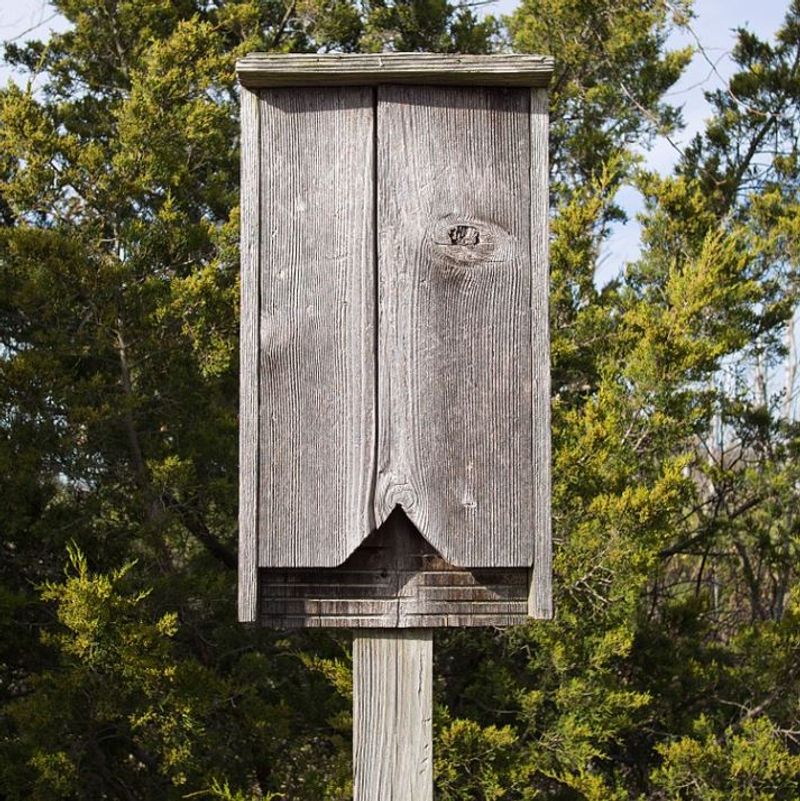
A flower bed, no matter how well planted, cannot replace the structural features bats need to live and hunt successfully. NC State Extension lists ponds, marshes, streams, snags, cavities, and mature trees as the habitat elements that genuinely support bat populations, and it specifically recommends avoiding insecticides where possible because pesticides reduce insect prey and can expose bats to harmful chemicals.
Artificial lighting is another factor worth addressing. Research on forest bat activity suggests that bright lighting can disrupt bat movement and shift the distribution of nocturnal insects away from areas where bats would naturally hunt.
A dim or dark section of the yard, particularly near a naturalized planting or water source, is more consistent with bat-supportive habitat than security or landscape lights blazing throughout the property. Reducing unnecessary lighting does not guarantee bat visits, but it removes a barrier that bright environments create.
If you want to add a bat house as a conservation measure, placement matters considerably. Bat Conservation International’s bat house guidelines recommend mounting the structure at least 10 to 15 feet above the ground, near permanent water where insects are plentiful, away from overhanging branches that give predators access, and in a location that receives morning sun while staying protected from excessive afternoon heat in warm southern climates.
At least 12 feet of open space below the box helps bats drop into flight after leaving the roost.
Two realistic expectations: bat houses may take up to two years to be discovered, and occupancy is never guaranteed. Never place bats inside a house yourself.
Bat Conservation International is explicit that bats must find the structure on their own. If you encounter a grounded or injured bat, do not touch it.
Contact a licensed wildlife rehabilitator, because North Carolina bats can carry rabies and should only be handled by trained professionals.
Use proven mosquito protection for immediate relief

Habitat planting and mosquito protection are two separate jobs, and confusing them can leave you unprotected. Mosquitoes breed in standing water, and removing that water is the single most effective thing a homeowner can do to reduce the number of mosquitoes emerging from their own property.
CDC guidance on mosquito control at home recommends draining or removing standing water weekly, scrubbing the insides of containers to remove eggs, cleaning gutters so water does not pool, and covering rain barrels with tight-fitting screens.
North Carolina DHHS specifically advises changing birdbath and pet-bowl water at least twice a week, because even small volumes of still water can produce a new generation of mosquitoes in as little as a week. These are yard-scale actions that produce measurable results, unlike bat activity, which cannot be scheduled or predicted.
For water that cannot be drained or covered, such as ornamental ponds or rain gardens, the EPA notes that Bti (Bacillus thuringiensis israelensis) products are registered for mosquito larva control and should be used according to the product label. Bti targets mosquito larvae specifically and does not harm bats, birds, or most other wildlife when applied as directed.
Personal protection rounds out the strategy. CDC recommends EPA-registered repellents, protective long-sleeved clothing during peak mosquito hours, and repaired window and door screens to keep mosquitoes out of living spaces.
These steps matter because mosquitoes in North Carolina can transmit West Nile virus and other pathogens. Bat-friendly habitat improvements are worthwhile, but they should supplement these direct protective measures, not substitute for them.
Choose evening primrose for stewardship, not a miracle result
Common evening primrose earns a place in North Carolina yards on honest terms. This native biennial opens yellow flowers at dusk, supports night-flying moths, and connects to the nocturnal food web that North Carolina’s bat species depend on.
That is a real contribution, and it is enough of a reason to grow it without adding promises the plant cannot keep.
Plant it where its height and self-seeding habit fit the space, whether that is a sunny meadow edge, a relaxed back border, or an informal corner away from tightly managed beds. Pair it with other native plants that bloom and seed at different times, preserve some leaf litter, reduce harsh lighting near naturalized areas, and skip broad-spectrum insecticides whenever practical.
A bat house placed correctly and left for bats to discover on their own can add roosting infrastructure to that habitat.
For actual mosquito protection, drain standing water consistently, use EPA-registered repellents, keep screens in good repair, and apply labeled Bti in water that cannot be eliminated. Evening primrose will not replace any of those steps.
What it will do is give your yard a quieter, richer kind of evening life, one measured in moths and the occasional bat overhead rather than in mosquito counts.