
9 North Carolina Native Plants That Bring Bats To Your Yard And Cut The Mosquitoes All Summer
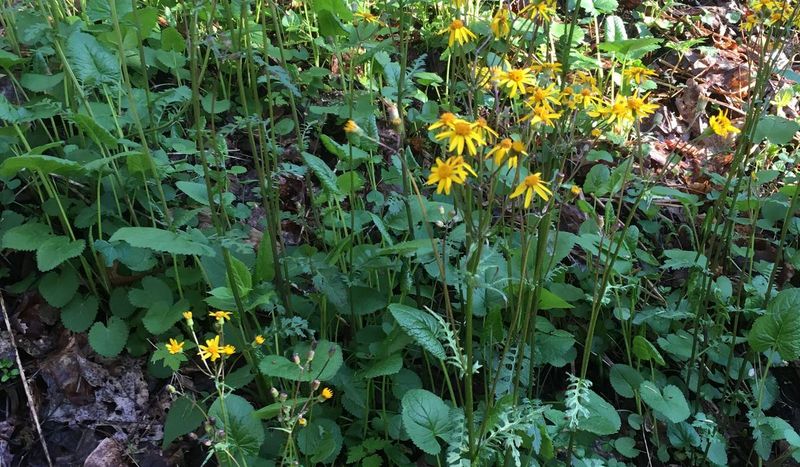
Bats are some of the hardest-working helpers a North Carolina yard can have, gobbling up night-flying insects while you sleep. The trick to inviting them in is not a bat house alone, it’s planting native flowers and shrubs that attract the moths and beetles bats love to eat.
North Carolina is home to 17 insectivorous bat species, and a moon garden full of the right plants can keep your yard buzzing with life instead of biting bugs. Here are nine natives that draw in nocturnal insects and give your local bats a reason to stick around all summer.
1. Evening Primrose (Oenothera biennis)
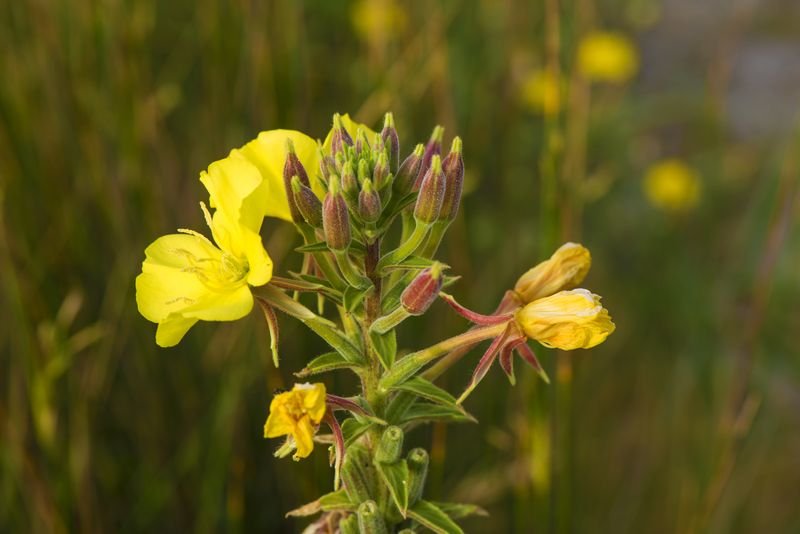
As the sun dips below the horizon, evening primrose does something most flowers never bother with: it opens. Those pale yellow blooms unfurl right when moths take to the air, and the sweet scent acts like a dinner bell for night-flying insects.
Bats notice. Where the moths gather, hungry little brown bats and big brown bats swoop in to feed.
Plant a patch of this native wildflower along a sunny border and you are essentially setting the table for your neighborhood bat colony.
It grows happily across the Piedmont, Coastal Plain, and mountains, tolerating poor soil and dry spells without complaint. Because it self-seeds, one planting can return year after year with almost no fuss from you.
2. Wild Bergamot (Monarda fistulosa)
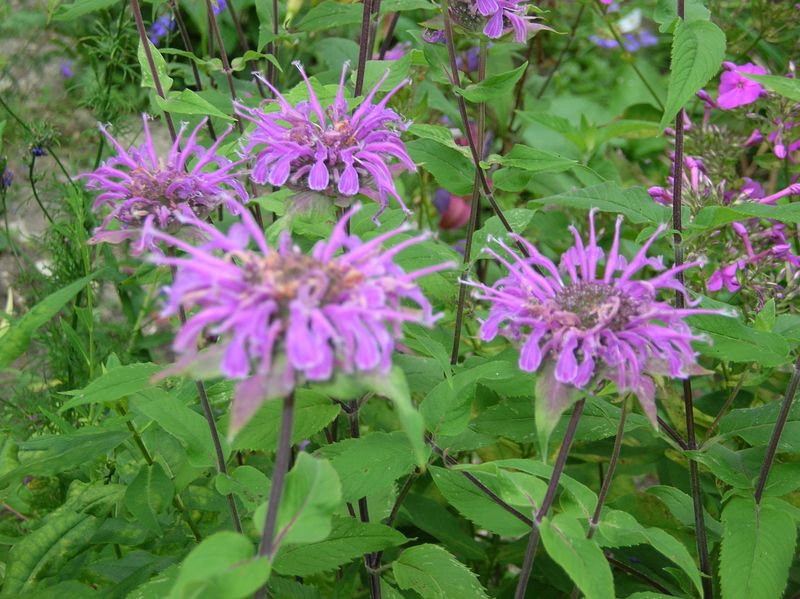
Crush a leaf of wild bergamot and you get a whiff of oregano and mint, which hints at why insects find it irresistible. The ragged lavender flowerheads pump out fragrance well into the evening, pulling in moths that bats then chase down.
Beyond feeding bats, this member of the mint family is a magnet for native bees and hummingbirds during the day, so it earns its keep around the clock. It thrives in the sunny, well-drained spots common across NC yards.
Give it a little breathing room for airflow and it shrugs off the powdery mildew that sometimes bothers its garden cousins. A single clump spreads politely, filling gaps with color and pollinator traffic each summer.
3. Woodland Phlox (Phlox divaricata)
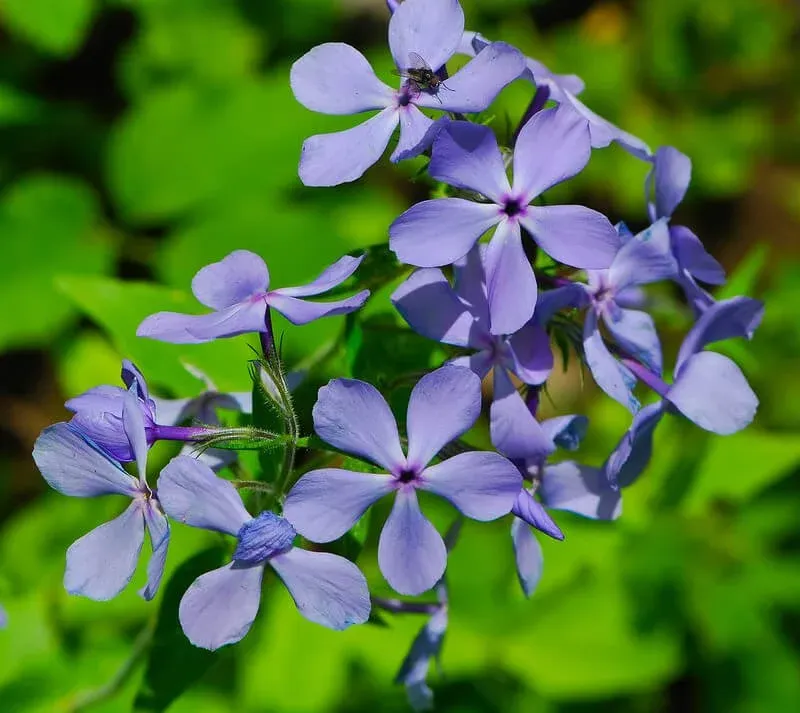
Tucked into the shady edges where lawns meet trees, woodland phlox lights up the spring evening with soft blue-purple blooms. Its fragrance carries after dark, calling in hawk moths with their long tongues built for tubular flowers.
Those hawk moths are hefty, protein-rich meals for bats, which makes phlox a quiet powerhouse in the food chain. Native to the Piedmont’s woodlands, it fills a niche most sun-loving natives cannot: the dappled shade many NC yards struggle to plant.
Let it spread into a low, fragrant carpet beneath oaks or dogwoods. It asks for nothing more than moist soil and a break from the harsh afternoon sun.
4. American Boneset (Eupatorium perfoliatum)
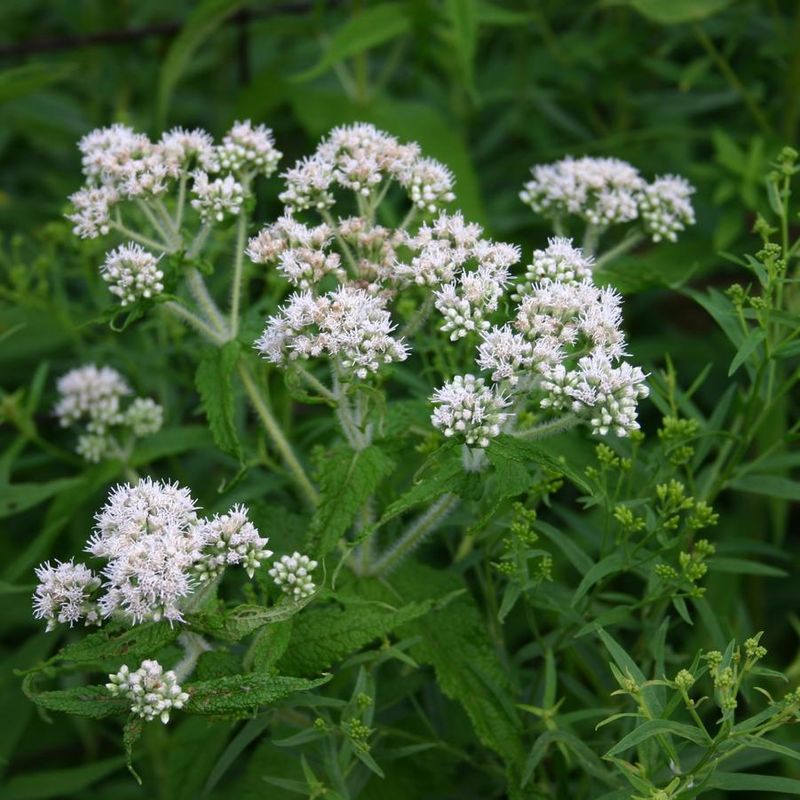
Long before folks understood ecosystems, boneset had a reputation as a healing herb, but its real magic today is the insect buffet it throws. Flat clusters of tiny white flowers crowd the top of each stem, and just about every winged thing in the yard shows up.
Moths, beetles, and flies all pile on, which means a steady stream of prey drifting up into the night air for bats to intercept. Boneset loves the damp, low spots that other plants sulk in, so it turns a soggy corner into a wildlife hotspot.
Native across all of North Carolina, it handles rain gardens and stream edges beautifully. Come late summer, it becomes one of the busiest plants in the whole garden.
5. Goldenrod (Solidago species)
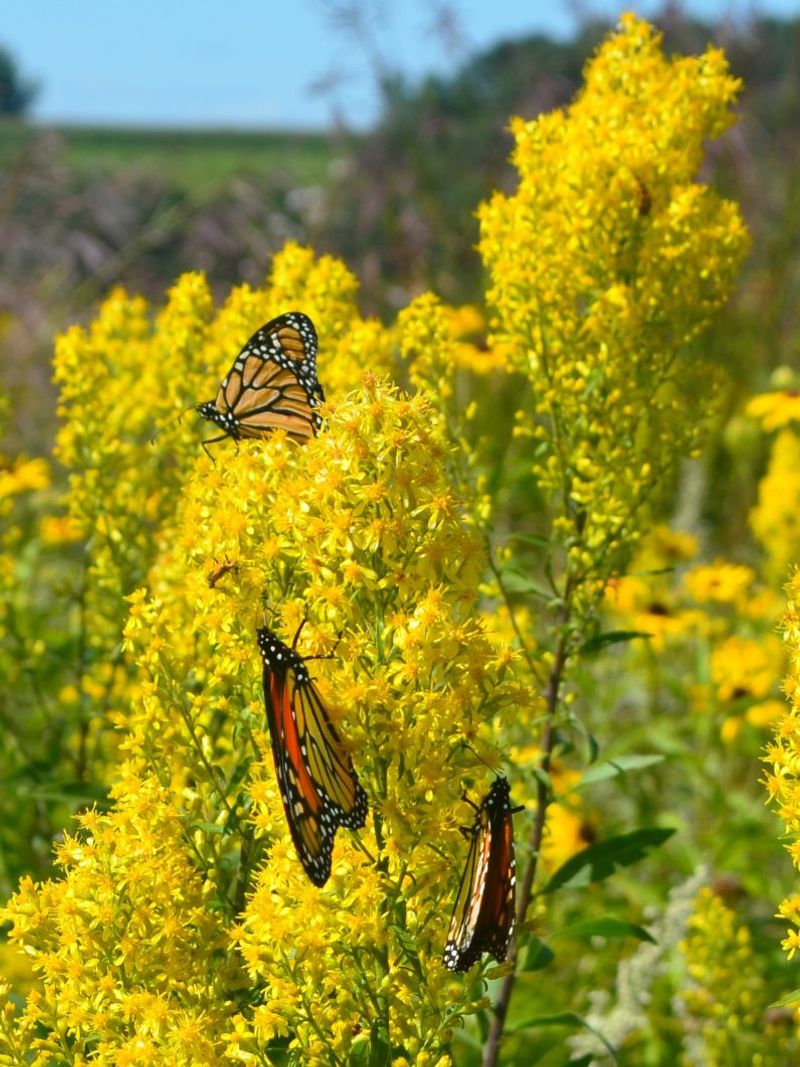
Goldenrod gets unfairly blamed for hay fever, when the real culprit is ragweed blooming nearby. Set the record straight and you will discover one of the most valuable late-season plants a bat-friendly yard can grow.
When most flowers have faded by September, goldenrod erupts in golden plumes that feed a huge diversity of insects, including moths that carry on into the evening. That late food supply matters because bats are fattening up before migration and hibernation.
Silverrod and other native species suit every region of the state, from mountain slopes to coastal flats. Plant it in a sunny spot and let it anchor the back of a border where its height won’t crowd shorter neighbors.
6. Adam’s Needle Yucca (Yucca filamentosa)
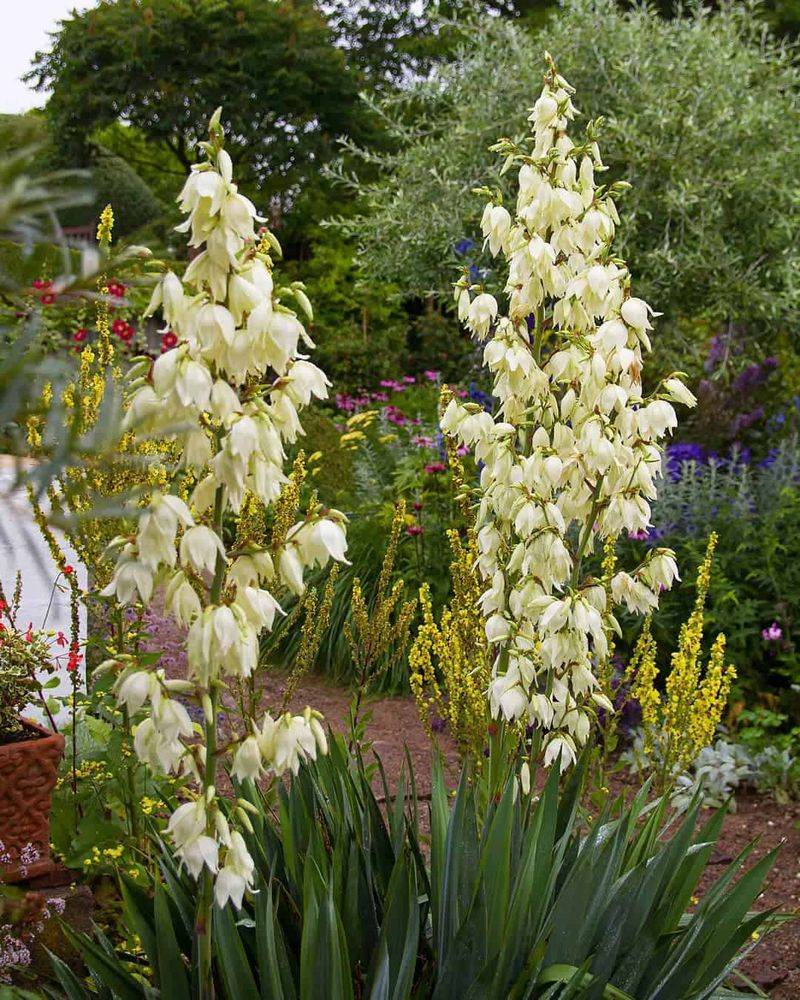
There is a partnership between Adam’s needle and the yucca moth so tight that neither can survive without the other. The moth pollinates the flowers, lays eggs inside, and its caterpillars feed on a portion of the seeds.
It is one of nature’s classic handshakes.
For your yard, that relationship means a reliable population of yucca moths flitting around those tall, creamy, night-glowing flower spikes. Bats are more than happy to snatch a few from the air.
This tough, sword-leaved plant handles the sandy soils and blazing sun of the Coastal Plain without flinching. Once established, it practically ignores drought, making it a low-effort addition with a big ecological payoff.
7. Purple Coneflower (Echinacea purpurea)
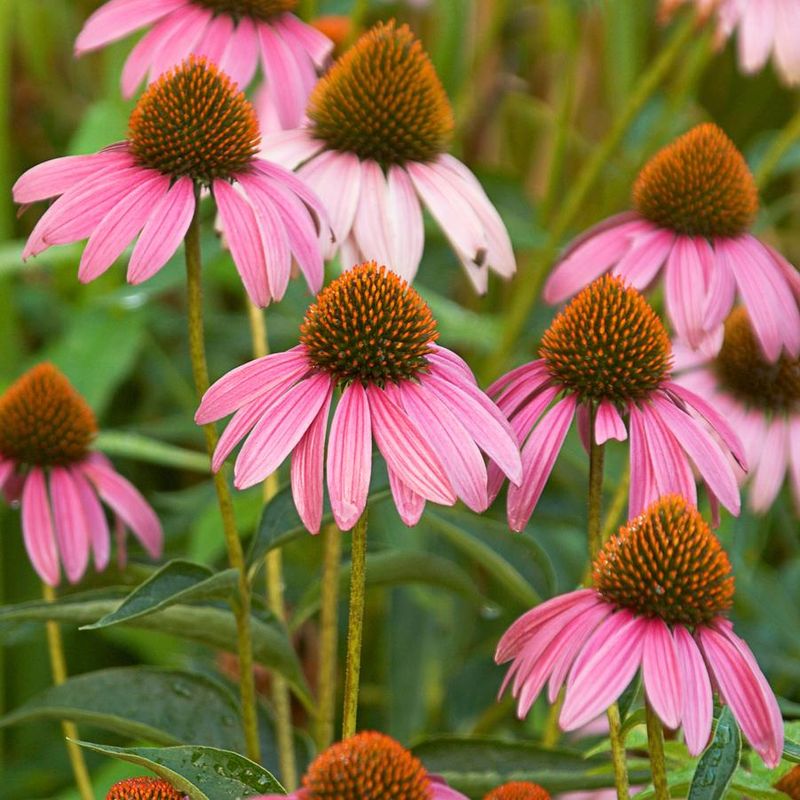
Most gardeners plant purple coneflower for the daytime parade of butterflies and bees, and it delivers on that front. But the show does not stop at sunset.
Moths visit the sturdy purple blooms after dark, adding to the pool of insects that bats hunt overhead. Leave the seed heads standing into fall and you get a bonus: goldfinches perch and pick at them all winter long.
Native across the eastern and central states, including North Carolina, it thrives in ordinary garden soil and full sun. Few natives pull double duty this well, feeding pollinators, bats, and songbirds from a single easygoing clump.
8. Elderberry (Sambucus canadensis)
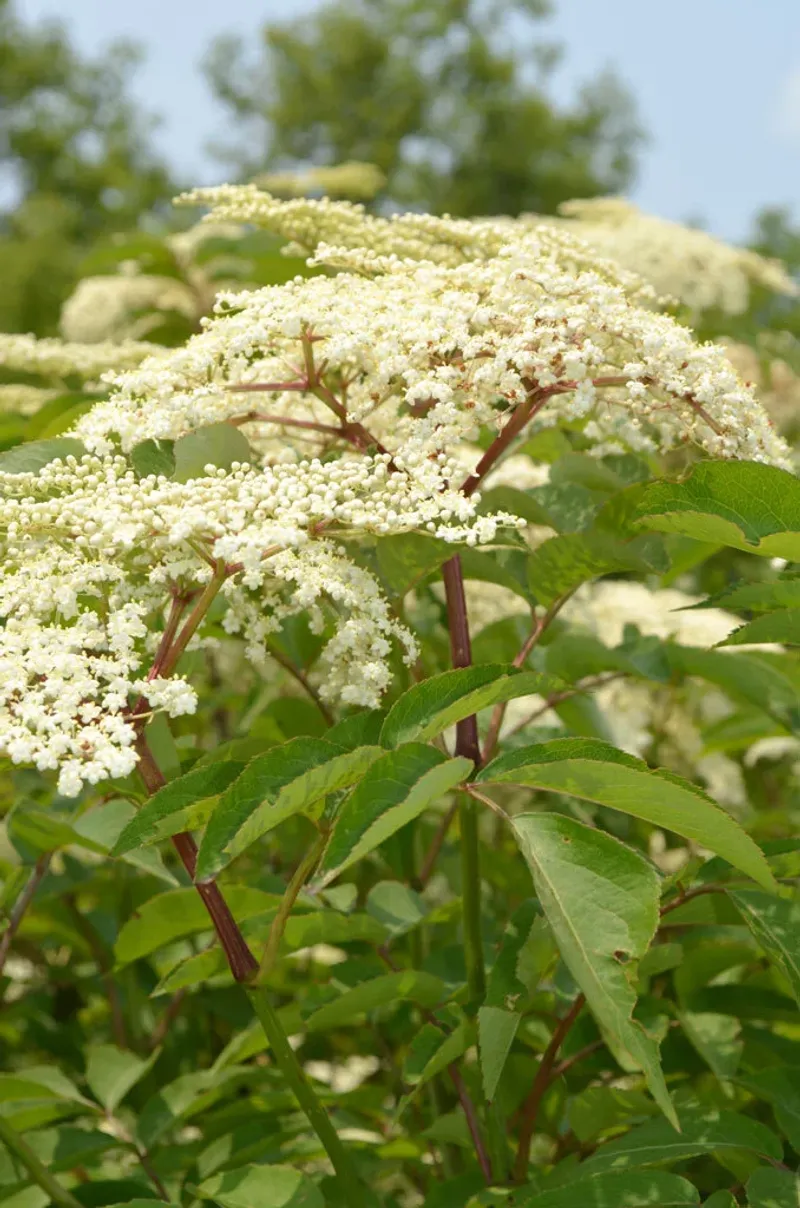
Few shrubs work as hard as elderberry. In late spring it explodes with broad, lacy clusters of fragrant white flowers that draw clouds of insects, moths very much included.
That early-season insect boom lines up perfectly with the time bats are raising their pups and burning energy fast. Later, the dark berries feed birds and other wildlife, so the plant keeps giving well past its bloom.
Native to every corner of North Carolina, elderberry doubles as living cover, offering shelter and travel corridors for the creatures that use your yard. Give it room to sprawl in a moist, sunny spot and it will become a wildlife hub within a season or two.
9. Fringe Tree (Chionanthus virginicus)
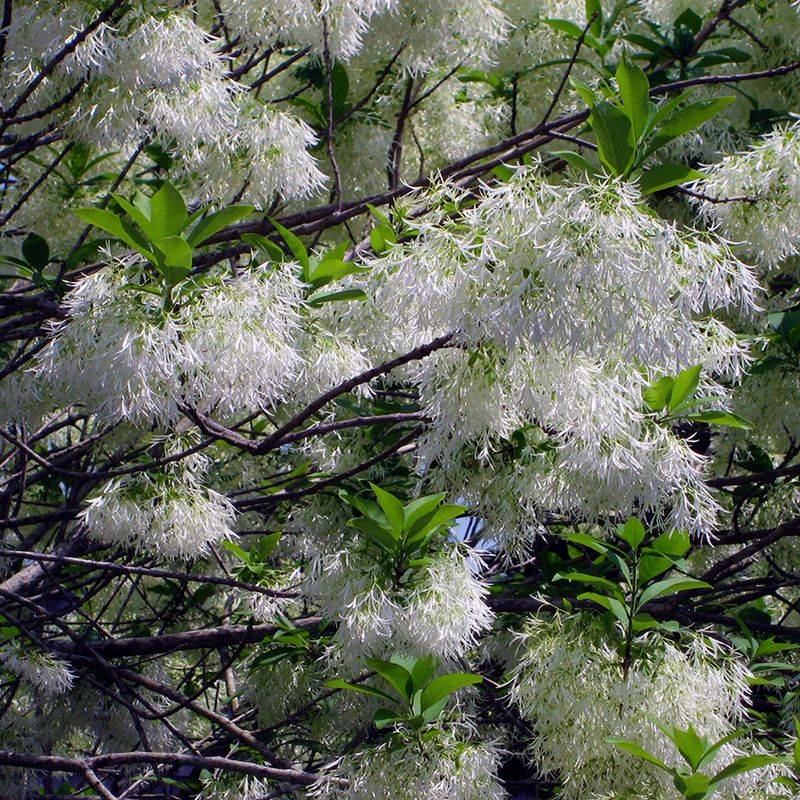
Come late spring, the fringe tree looks as if someone draped it in soft white lace. Those wispy, fragrant blooms seem to glow at dusk, a quality that makes them stand out to moths and other night pollinators.
Sometimes called grancy graybeard by old-timers around the South, it stays small enough for even a modest yard, topping out as a large shrub or petite tree. That means you get the nocturnal insect draw without giving up your whole backyard.
Native throughout North Carolina, it handles Piedmont clay and part shade with grace. Plant one where you can catch the evening fragrance from a porch or window, and let the moths, and the bats that follow, do the rest.
Do keep pesticides out of a wildlife garden like this. Sprays that kill mosquitoes also wipe out the moths bats depend on, so pair these plants with dumping standing water and using Mosquito Dunks for a safer, balanced approach.