
9 North Carolina Native Plants That Keep Goldfinches At Your Feeders From Now Through The First Frost
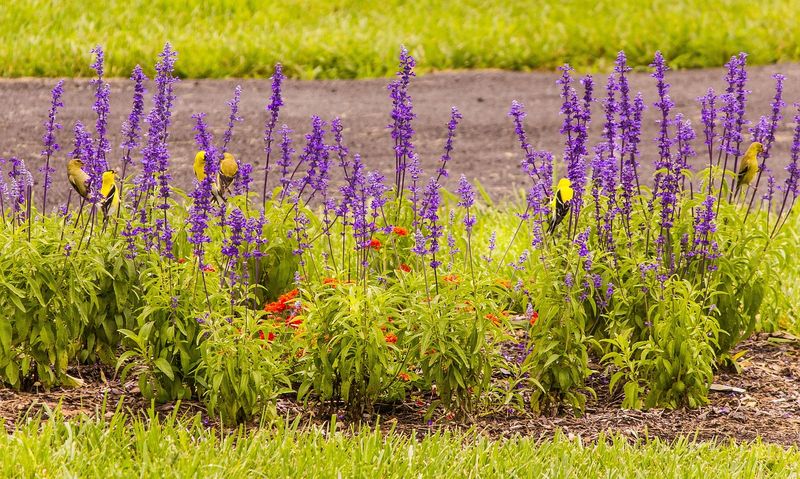
Goldfinches are those bright yellow flashes of color that make any North Carolina backyard feel alive. From late summer through the first frost, these little birds are hungry for seeds, and you can feed them for free by planting the right natives.
The trick is to leave dried seedheads standing instead of tidying them up, giving finches a steady buffet. Here are nine North Carolina natives that will keep goldfinches coming back all season long.
1. Orange Coneflower (Rudbeckia fulgida)
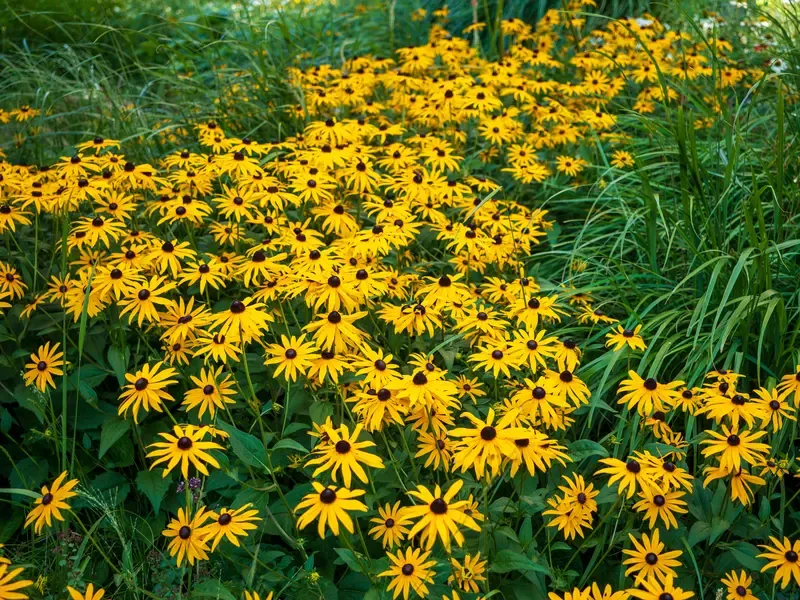
Tough as nails and cheerful all season, orange coneflower thrives from the mountains to the Coastal Plain without asking much of you. It blooms hard in late summer, then trades its golden petals for seed-packed cones that goldfinches love to pick apart.
NC State Extension actually recommends leaving these seedheads standing as a winter food source for birds. So resist the urge to deadhead in fall.
Plant it in a sunny spot with average soil and it will spread into a dependable patch. Come autumn, you will spot finches balancing on the stiff stems, snacking away while your neighbors are busy bagging their spent flowers.
2. Purple Coneflower (Echinacea purpurea)
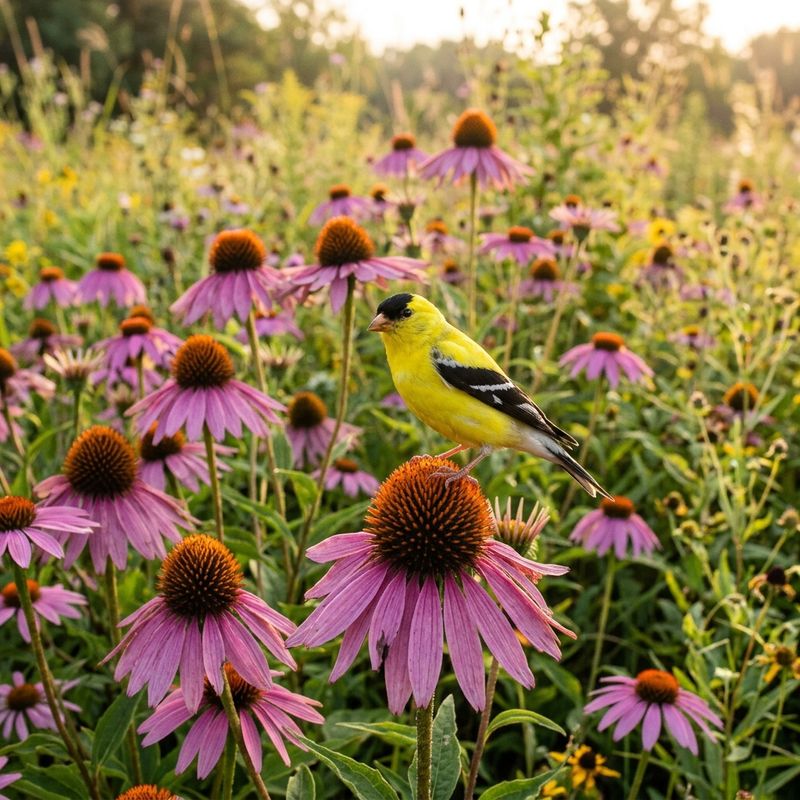
If there is one plant that earns its keep, it is the purple coneflower. Easy to grow and hard to kill, it rewards you with drooping pink-purple petals in summer and spiky seed cones that hang on for months.
A single flower head can hold hundreds of seeds, and those seeds stay accessible even under a light dusting of snow.
Goldfinches are regulars here well into fall and winter, clinging sideways to the cones as they work. Leave a stand of these near a window and you will have front-row seats to the show all season.
3. Native Sunflowers (Helianthus species)
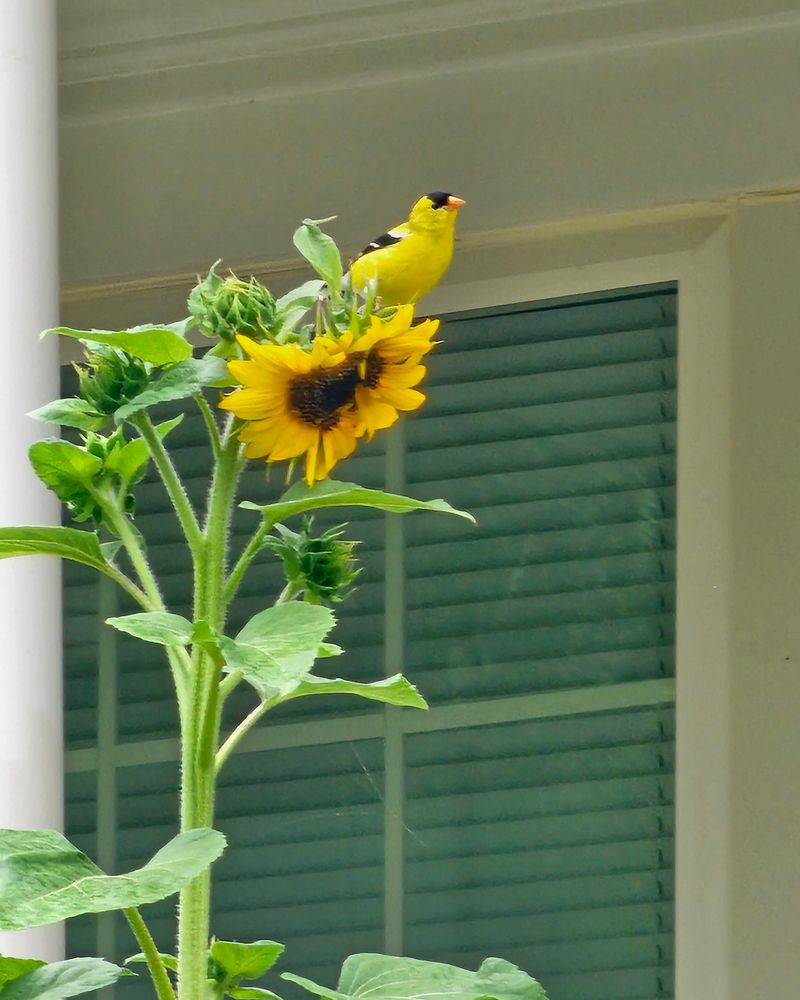
Ask any birder for the number one goldfinch magnet and sunflower seeds top the list. North Carolina is home to a whole family of native Helianthus species, and their fat seedheads are pure gold for songbirds heading into fall and winter.
Unlike the giant grocery-store hybrids, our natives come back year after year and blend into a wildlife border beautifully.
The seedheads droop and dry as temperatures drop, offering a natural feeding platform. Watch closely and you will see finches hanging upside down, prying loose one seed at a time like tiny acrobats.
4. Asters (Symphyotrichum and Eurybia species)
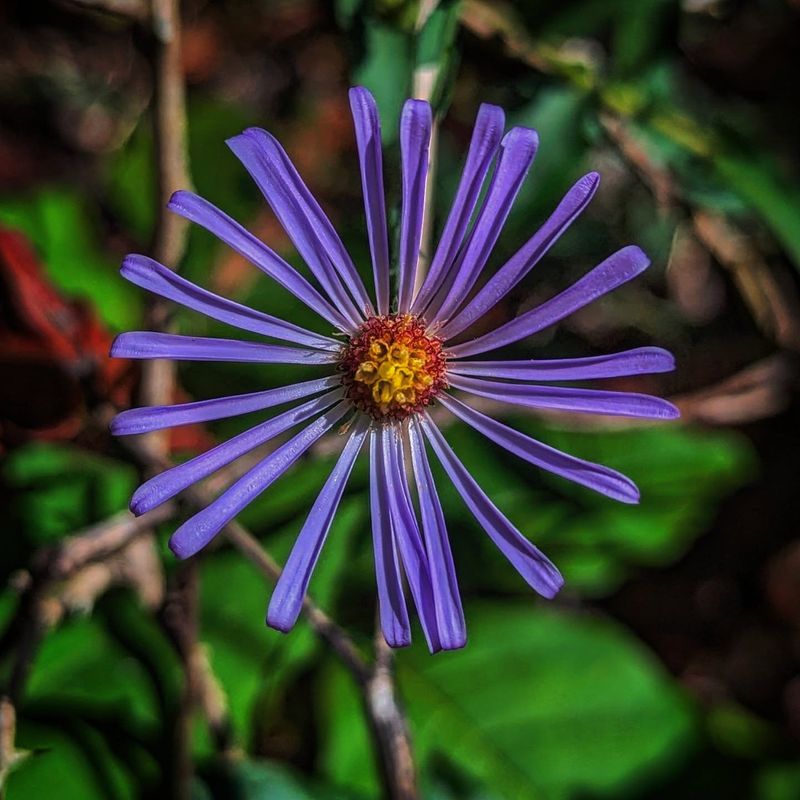
Just when most of the garden is winding down, asters throw one last party. Members of the sunflower and aster family, these late bloomers ripen their seeds right when goldfinches need them most.
Their tiny, numerous seeds are both nutritious and easy for small beaks to handle.
Beyond feeding finches, asters keep pollinators fed during that lean stretch before frost, making them a double win for your yard. Tuck them among your coneflowers and sunflowers so the seed buffet stays open even as October rolls in.
5. Native Thistles (Cirsium species, such as Field Thistle and Wavyleaf Thistle)
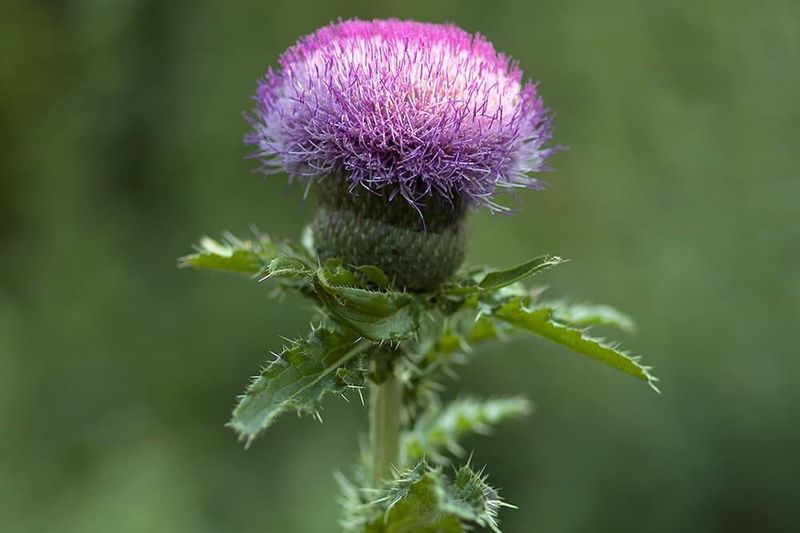
Here is where naming names really matters. Goldfinches are so devoted to thistle seed that commercial birdseed even markets a version called nyjer, but you can grow the real thing with native field thistle or wavyleaf thistle.
Finches gobble up the seeds and pluck the downy fluff to line their nests, which they build later in summer than most birds precisely because they wait for this material.
Steer clear of invasive thistles like bull or Canada thistle, which take over and crowd out natives. Choose our homegrown Cirsium species and you support the birds without inviting a weed problem into your yard.
6. Black-Eyed Susan (Rudbeckia hirta)
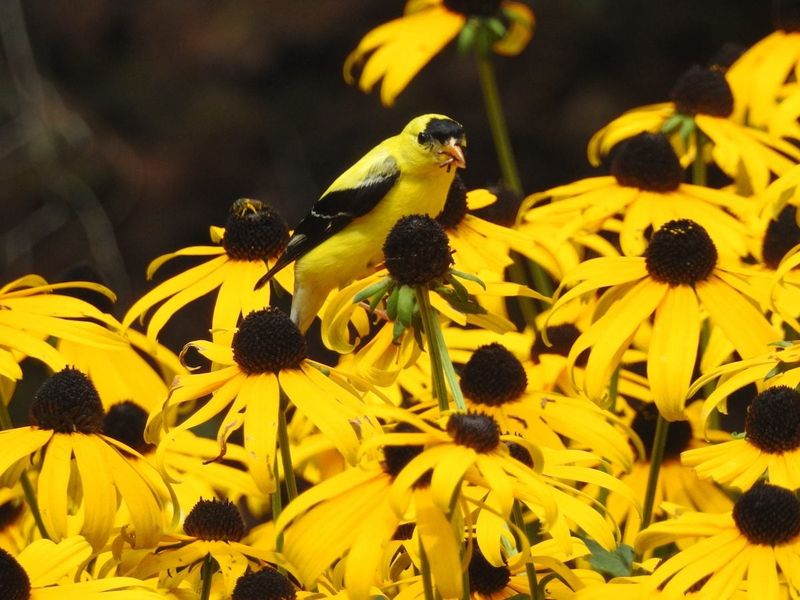
Golden petals around a dark button center, black-eyed Susan is practically the state flower of cheerful. Native across North Carolina, it hands over its seeds to goldfinches that keep visiting into fall and winter.
Some varieties are short-lived, so plan on replanting or letting them reseed every couple of years to keep the good times rolling.
The upside is how fast and freely they bloom, filling gaps in a border with almost no fuss. Let those seed centers stand through the cold months and your finches will thank you.
7. Joe Pye Weed (Eutrochium fistulosum)
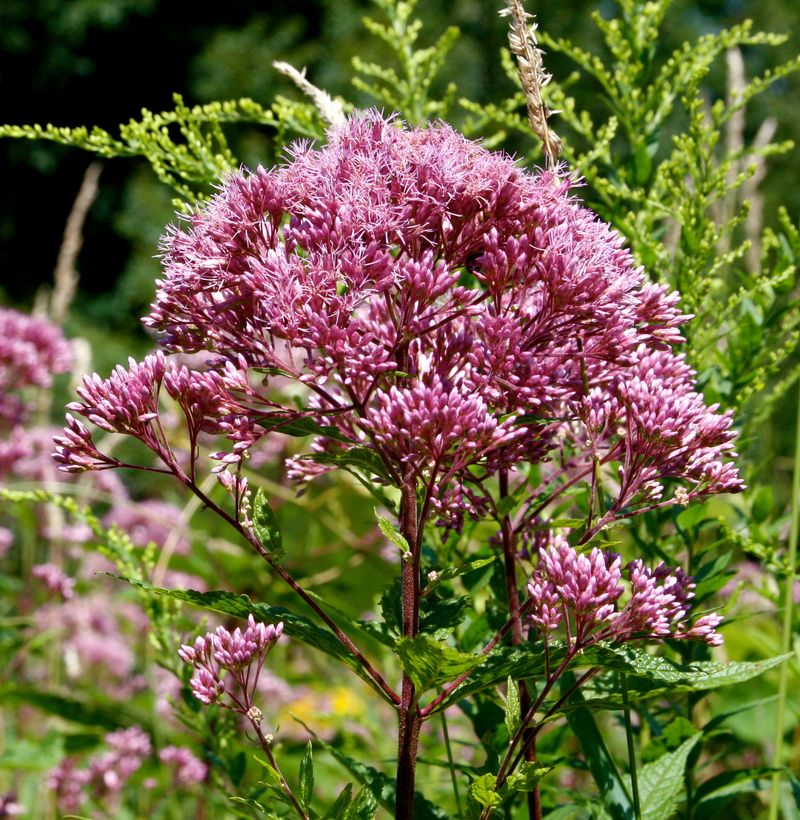
Standing head and shoulders above the rest of the border, Joe Pye weed brings drama to the back row. Its towering stems top out with dense, dusty-pink flower clusters that dry into vertical spikes of tiny seeds.
Finches flock to those seed spikes, and the plant’s height makes it perfect for anchoring the back of a garden bed.
It loves the moist spots where other plants sulk, so use it to fill a damp corner. By fall, you will have a striking silhouette that doubles as a finch feeding station.
8. Tickseed (Coreopsis species)
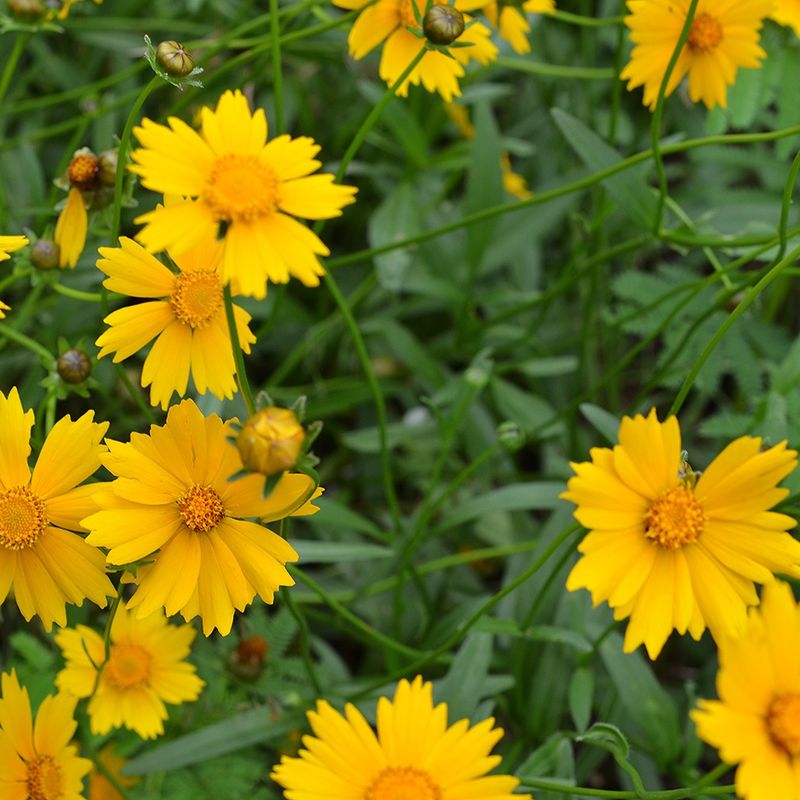
Do not let the name scare you off. Tickseed got its label from the seeds, which resemble little ticks, and it has nothing to do with the pests you actually worry about in your yard.
What matters is that these native Coreopsis plants pump out seeds goldfinches happily eat while supporting other wildlife too.
They bloom in sunny, low-maintenance drifts of bright yellow that shrug off heat and drought. Leave the spent flowers in place and you turn a summer showstopper into a fall food source.
9. Blazing Star / Gayfeather (Liatris spicata)
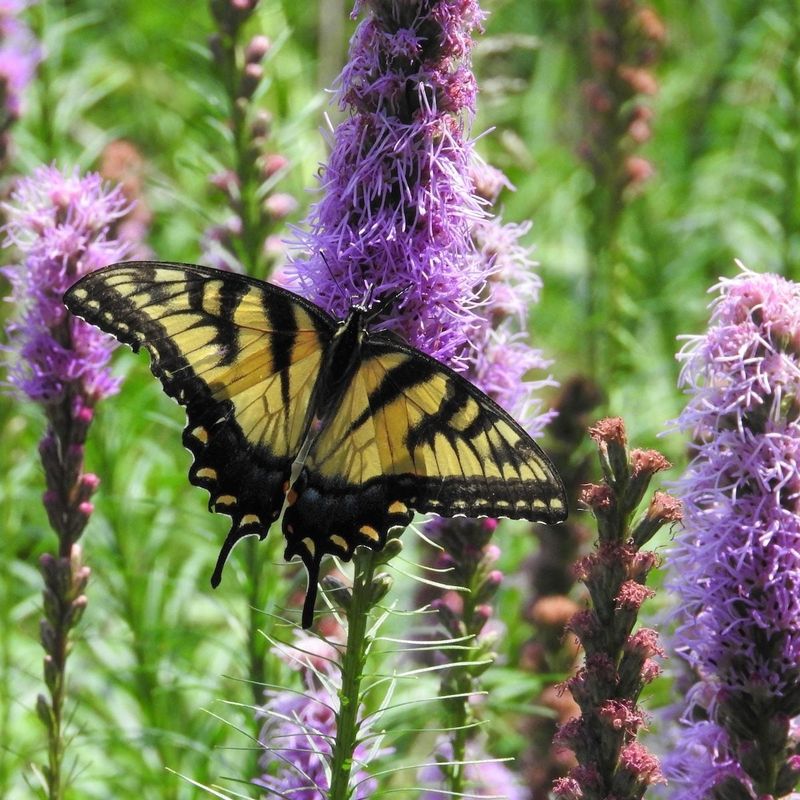
Few natives make a vertical statement quite like blazing star. Its purple bottlebrush spikes bloom from the top down, then dry into dense columns of seed that finches find irresistible.
What sets it apart is staying power. These sturdy spikes hold their shape even under snow, and the seeds stay viable well into late winter.
Plant a cluster in full sun and you get a striking structure that keeps working long after the color fades. Come the first frost, blazing star is still standing tall, feeding goldfinches when little else remains.
Leave your seedheads up across all nine of these plants and your yard becomes a season-long lifeline for the finches you love to watch.