
The North Carolina Native Grass You Plant Once That Smothers Weeds And Feeds Sparrows For Years
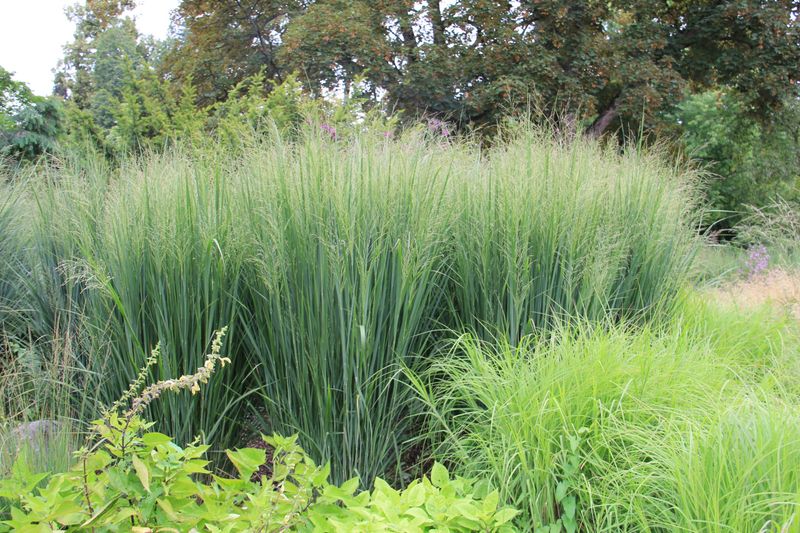
Most homeowners in North Carolina have fought the same battle every summer: weeds keep coming back no matter how often you pull them. Switchgrass, a native perennial grass that grows across the Piedmont, Coastal Plain, and Blue Ridge, can change that dynamic after it gets established.
Once mature, a well-placed stand can reduce how often you need to weed while quietly offering winter seeds and cover to birds passing through your yard. The catch is that getting there takes honest site preparation and some patience in the first couple of seasons.
Switchgrass fits the promise—if you define “plant once” honestly
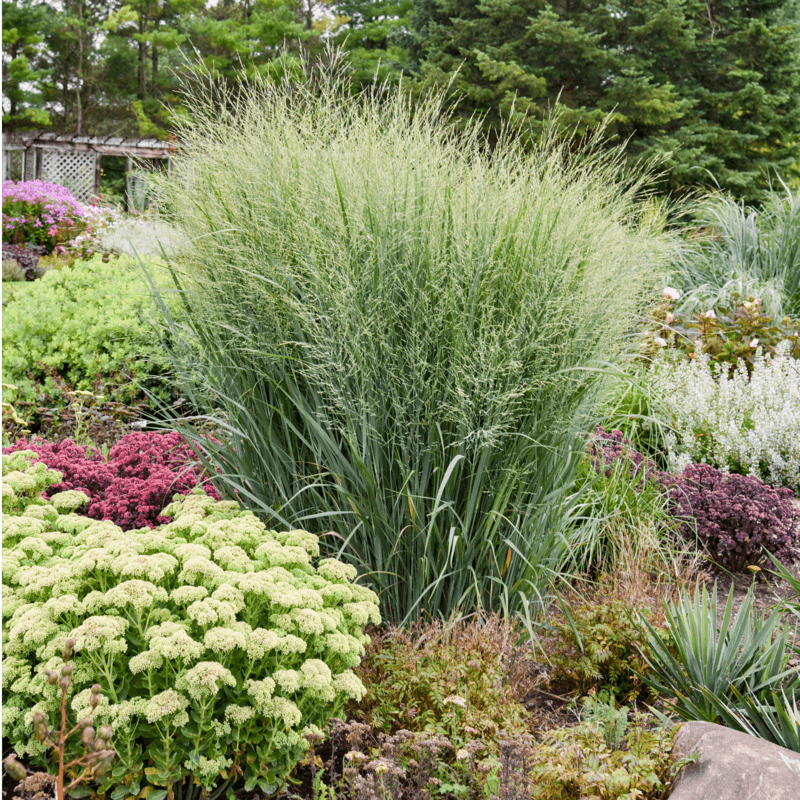
Switchgrass (Panicum virgatum) is native to North Carolina and grows across all three of the state’s major regions: the Piedmont, the Coastal Plain, and the Blue Ridge. NC State’s plant profile describes it as a warm-season perennial that forms dense foliage clumps, spreads slowly by rhizomes, and tolerates clay, sandy, moist, and dry soils.
That combination of traits makes it one of the most adaptable native grasses you can put in the ground in this state.
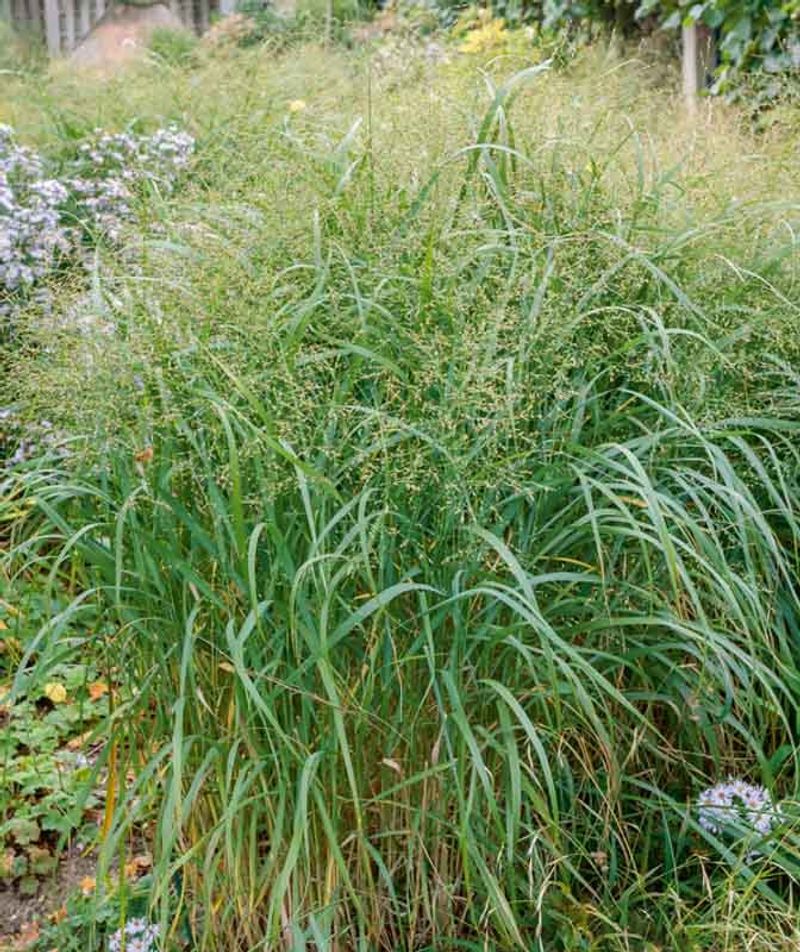
At maturity, switchgrass typically reaches three to four feet of leafy foliage, and the flowering panicles that rise above it can push the plant to six or seven feet by late summer. The slow rhizomatous spread means that over time a planting fills in from the edges rather than remaining a tight, isolated clump.
That gradual expansion is part of what eventually makes the stand competitive against weeds.
The title’s phrase “plant once” captures something real about a long-lived perennial, but it needs a qualifier. Switchgrass can persist in your yard for many years and, after it establishes, can reduce how often you need to weed.
USDA plant materials guidance confirms that once a mature, vigorous stand develops, weeds generally become less of a problem. What that statement leaves out is the first growing season or two, when the opposite is true and the young grass needs your help.
For the right residential uses, switchgrass is hard to beat. A naturalistic border along a fence line, a meadow-style planting at the edge of a lawn, a screen between the yard and the road, a rain garden, a pond edge, or an erosion-prone slope are all strong candidates.
What it is not suited for is a conventional short lawn that you mow weekly and walk across regularly.
A mature canopy can suppress some weeds
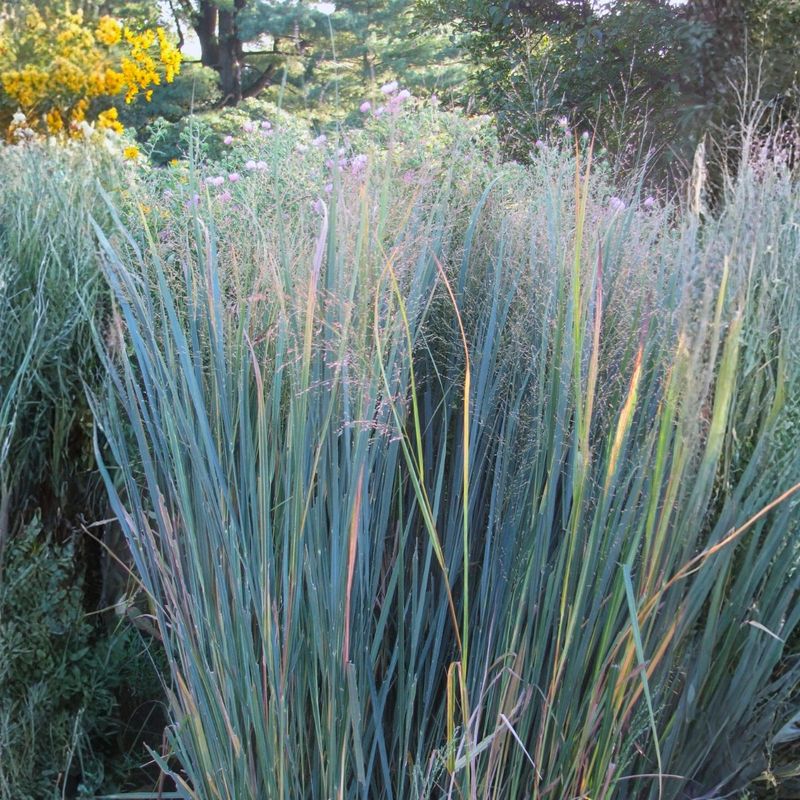
Young switchgrass is not a weed fighter. During the first growing season, the plants are small, their root systems are still developing, and any aggressive annual or perennial weed in the area can easily grab the light and moisture the grass needs.
USDA guidance on switchgrass establishment states plainly that weeds can outcompete young switchgrass for light and water, and that weed competition is one of the most common causes of establishment failure.
The picture changes as the stand matures. A vigorous, well-established switchgrass planting develops dense foliage that shades the ground and competes for water and space.
Weeds that germinate under that canopy often struggle to get enough light to thrive. The result is not a weed-free planting, but it can mean fewer weeds overall and less frequent hand-pulling once the grass hits its stride.
Several factors determine how much suppression you actually get. Planting density matters: a thin stand with gaps between plants leaves light and bare soil available for weeds.
Soil moisture and sunlight affect how quickly the grass fills in. Existing perennial weeds with deep root systems, like bindweed or nutsedge, are not going to be shaded out by a grass canopy alone.
NC State’s planning guidance is direct on this point: serious weed problems need to be addressed before planting, not after.
The practical takeaway is that switchgrass shifts the maintenance burden over time rather than eliminating it. You do the harder work up front, preparing the site and managing the first season, and the established stand carries more of the load in later years.
Calling that “weed suppression after establishment” is accurate; calling it permanent weed eradication is not.
Choose the site before you choose the seed
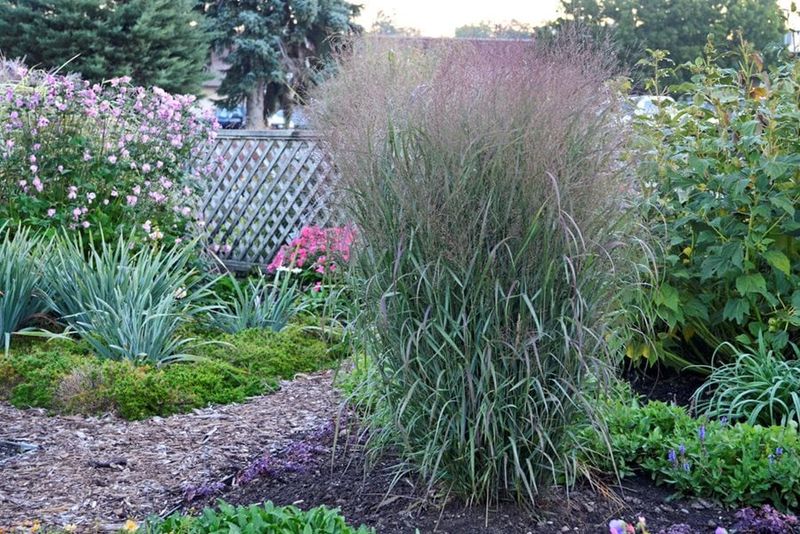
Switchgrass is forgiving of many soil types, but it is not forgiving of shade. Full sun is the baseline requirement, and a site that gets fewer than six hours of direct sunlight daily will produce a thin, weak stand that struggles to compete with anything.
Before you buy seed or plugs, walk the area at different times of day and confirm that the sun is actually there.
Soil preparation is where the article’s promise of reduced weeding either succeeds or fails before you ever plant. Extension switchgrass guidance emphasizes that a relatively weed-free seedbed is a prerequisite, not a bonus.
That may mean smothering the area with cardboard and mulch the season before, using solarization during a hot North Carolina summer, or hand-removing persistent perennial weeds well in advance of planting.
Timing the planting to soil temperature is just as important as preparing the seedbed. Switchgrass is a warm-season grass, meaning it germinates and grows best when soils are warm.
University of Georgia switchgrass management guidance recommends planting after soils have warmed sufficiently, which in North Carolina generally means late spring rather than early spring. Mountain gardeners in the Blue Ridge should lean toward the later end of that window; Coastal Plain gardeners often have a bit more flexibility.
Seed depth is another detail that trips up first-time growers. NC State’s planting guide and extension sources agree that switchgrass seed should be placed shallow, roughly one-quarter to one-half inch deep.
Burying it deeper reduces germination rates significantly.
For seed sourcing, use accurately identified, tested, or certified seed from a reputable supplier. USDA NRCS seed guidance recommends checking that the mix does not contain undesirable or invasive species, and selecting material suited to your specific site and region when reliable local information is available.
A seed mix labeled “wildflower meadow” is not a substitute for correctly sourced switchgrass.
The first two seasons determine whether the planting succeeds
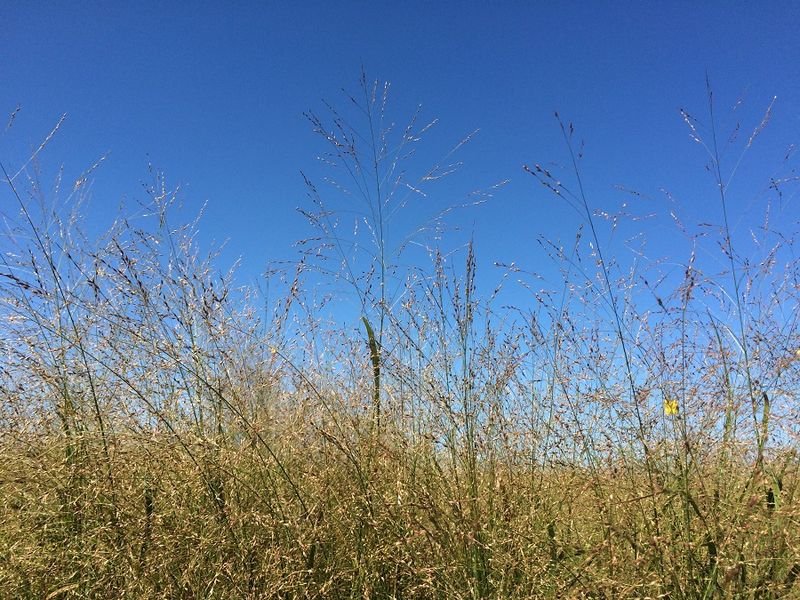
Slow early growth is normal for switchgrass, and mistaking it for failure is one of the most common reasons homeowners give up on a planting that was actually on track. During the first growing season, most of the plant’s energy goes underground, building the root system that will eventually support years of above-ground growth.
What you see at the surface may look underwhelming for months.
What you cannot afford to ignore during that period is weed competition. USDA establishment guidance is clear that weeds can outcompete young switchgrass for light and water, and that keeping them in check during the first season or two is critical to getting a stand that will eventually carry its own weight.
Hand-pulling, shallow cultivation, and spot treatments are all reasonable tools depending on your situation.
Mowing is another option for managing weed pressure during establishment, but it comes with an important rule. If weeds are getting tall enough to shade the young grass, mowing can reduce the weed canopy and prevent them from setting seed.
The catch is that the mower blade must stay high. NC State planning guidance and USDA sources both recommend keeping the cut no lower than six inches when mowing over a young stand, because cutting closer can damage or kill the emerging switchgrass plants.
Watering during a dry stretch in the first season is worth the effort. Switchgrass is drought-tolerant once established, but young plants with shallow roots can fail during an extended dry spell before they have the root depth to pull moisture from deeper soil layers.
A soaker hose run during a dry week in June or July can make the difference between a stand that fills in by year two and one you have to replant.
Once the stand is mature and vigorous, the maintenance burden genuinely does lighten. Occasional monitoring and spot-weeding may still be necessary, but the grass does more of the work.
That shift is the payoff for the attention you put in early.
Standing seed heads preserve winter food and cover
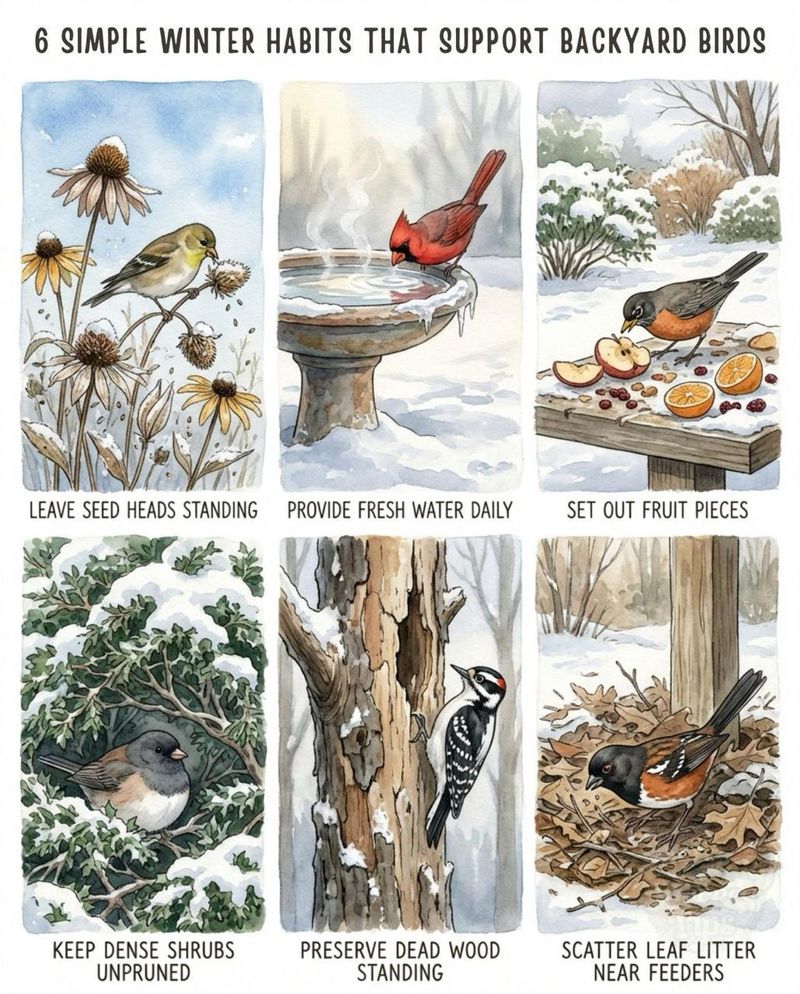
By late summer, switchgrass produces airy seed-bearing panicles that rise above the foliage and catch the light in a way that looks almost decorative. Those seed heads are also functional.
NC State recommends leaving them standing through winter for birds and small mammals, then cutting the plant back in late winter or early spring before new growth begins.
The reasoning behind that timing becomes clearer when you consider what happens to a yard after fall mowing. A USGS study on wintering birds in herbaceous buffers found greater abundance and species richness of wintering birds in unmowed areas compared to those cut in fall.
Savannah Sparrows, Song Sparrows, and White-throated Sparrows were among the species recorded at higher rates in the standing vegetation. Mowing in fall removes both food and the dense stem structure that birds use for escape cover and overnight roosting.
North Carolina yards can receive a variety of wintering sparrows and other small birds starting in October and November. NC State Extension notes that sparrows, kinglets, and juncos begin arriving in fall and that dense vegetation provides escape and roosting cover alongside food.
A switchgrass planting can contribute to that structure in a meaningful way.
The honest qualification is that one patch of grass cannot recreate complete grassland habitat or guarantee that any particular bird will show up. Bird use varies with seed accessibility, nearby cover, predators, the surrounding plant community, and the specific species that winter in your part of the state.
Treat a switchgrass planting as one useful element in a yard that supports wildlife, not as a standalone solution. The practical action stays the same either way: leave the stems standing until late winter, then cut them back before the new season’s growth begins.
Little bluestem offers a different shape, not the same weed barrier
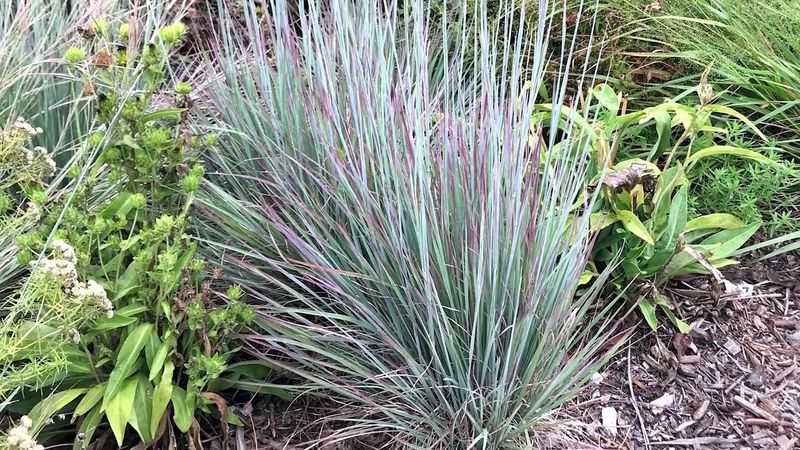
Little bluestem (Schizachyrium scoparium) comes up in almost every conversation about North Carolina native grasses, and for good reason. NC State’s profile describes it as a perennial native throughout the state, reaching roughly two to four feet, preferring full sun and well-drained soil, tolerating clay and drought, and providing year-round cover.
Its seeds are eaten by songbirds and small mammals, and its bronze-red fall color is genuinely attractive in a border planting.
Where little bluestem differs from switchgrass in a practical way is its growth habit. Switchgrass spreads slowly by rhizomes and can fill in over time to form a denser stand.
Little bluestem is a clumping bunchgrass that stays in distinct tufts. US Forest Service documentation notes that even nearly pure stands of little bluestem can retain bare ground between plants.
That open structure is part of its character, and it works well for certain uses, but it directly undercuts any claim that the grass will smother weeds. The gaps between clumps stay available for weed germination throughout the life of the planting.
The bird-food question deserves a careful answer as well. A controlled winter feeding trial published in The Condor found that Henslow’s Sparrows consumed little bluestem seed relatively infrequently compared with several other native grasses and forbs tested in the same study.
That finding does not mean no bird will eat little bluestem seed; it means you should not describe it as a preferred or guaranteed sparrow food based on that evidence.
Little bluestem is a genuinely useful North Carolina native that belongs in many yards, especially in drier, well-drained spots where a shorter, more open plant fits the design. For the specific goal of reducing recurring weeds through canopy competition, switchgrass is the stronger choice.
Keep tall switchgrass away from structures and defensible space
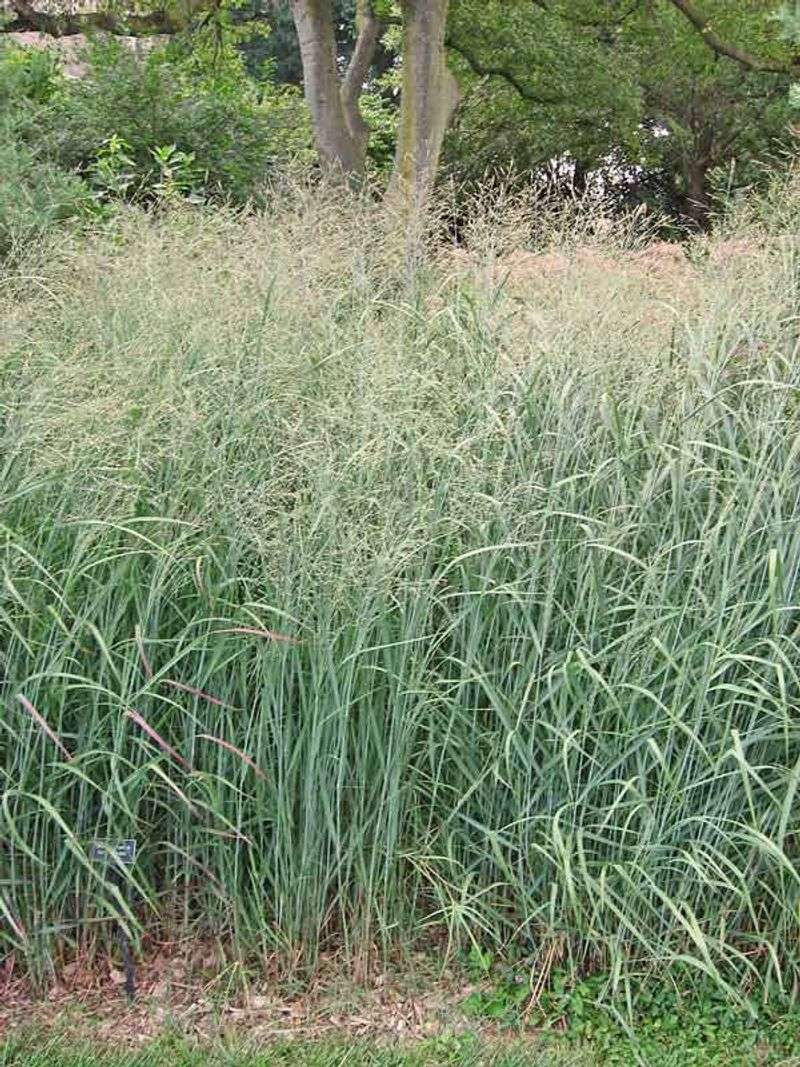
Switchgrass is a genuinely useful plant, but its physical characteristics create a safety boundary that belongs in any honest planting guide. At maturity, the foliage typically reaches three to four feet, and the flowering panicles can push the total height to six or seven feet by late summer.
NC State rates switchgrass as highly flammable, which means a stand planted close to a house introduces real fire risk, particularly during dry periods in summer and fall when the dried stems and seed heads are at their most combustible.
The practical rule is to keep switchgrass out of the defensible space immediately surrounding your home. Exactly how far that zone extends depends on your local fire jurisdiction and specific site conditions, but the principle is consistent: a tall, dense, highly flammable grass does not belong against a fence attached to the house, under the eaves, or along a path that would be used during an emergency.
Place it in the middle of the yard, along a back property line, near a pond, or in a meadow area where it has room to grow without being adjacent to a structure.
Annual maintenance keeps the planting safer and healthier. For most homeowners, late-winter or early-spring cutting is the right approach: cut the stems back to roughly six inches before new growth begins, remove or compost the cut material, and let the plant regrow from the base.
This removes the accumulated dry material from the previous season and keeps the stand from becoming a dense mat of dead stems.
USDA guidance on native grass management discusses prescribed burning as a tool for larger wildlife plantings, but it is not a casual backyard option. Burning requires permits, appropriate conditions, and local guidance.
For a residential yard, cutting is safer, more practical, and sufficient for keeping the stand productive.
The payoff is durable help, not a miracle cure
The honest bargain with switchgrass goes like this: put in real work during site preparation and the first growing season or two, and the plant rewards you with a long-lived, low-maintenance stand that does a portion of your weed management for you while contributing winter structure and seed to the yard’s wildlife value. NC State’s switchgrass profile supports that description, and it is a reasonable expectation for a North Carolina homeowner willing to do the setup correctly.
Treat the planting as one element in a yard that supports wildlife, not as a complete solution on its own. NC Wildlife guidance on habitat conservation frames meaningful habitat as a broader package of vegetation, structure, and management over time.
A switchgrass border contributes to that package, but the birds and other wildlife you hope to support also need water, additional plant diversity, and protection from cats and other predators. A single grass stand is a good start, not a finished habitat.
Choose switchgrass when the site gets full sun, sits at a safe distance from your home and any structures, and can accommodate a tall meadow-style plant that you are willing to cut back once a year. Accept the establishment work up front, and the stand will carry more of the load in the years that follow.
That is the real version of the title’s promise, and it is genuinely worth pursuing.