
If Your Geraniums Stop Blooming In The August Heat, Here Are 15 Fixes That Bring The Color Back

Nothing is more frustrating than watching your geraniums go quiet just when summer is at its peak. One week they are covered in bright flowers, and the next they seem to give up in the August heat.
The good news is that a stalled geranium is almost always fixable, and most of the solutions cost you nothing but a little attention. Here are 15 simple ways to coax the color back before the season slips away.
1. Check Soil Moisture Before Watering
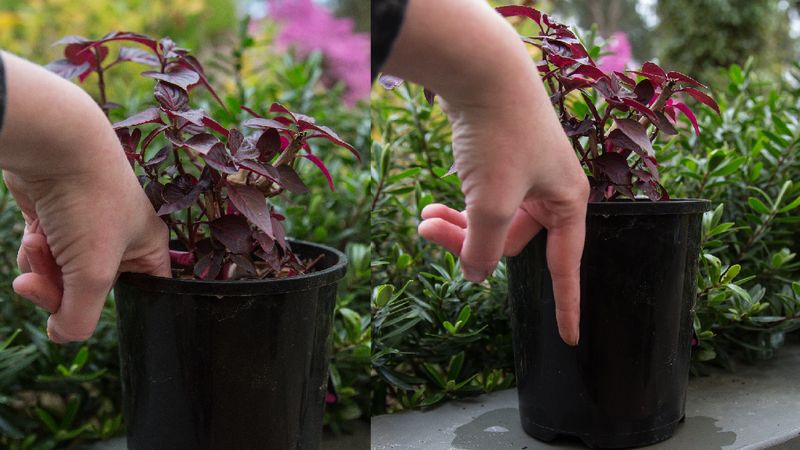
Guessing is the enemy of a happy geranium. Instead of watering because it is Tuesday, push your finger about an inch or two down into the soil and feel what is actually going on beneath the surface.
If it comes out dry, your plant is thirsty and it is time to water. If the soil still feels damp and cool, hold off for a day.
This one small habit protects you from both drought stress and soggy roots, two problems that quietly shut down blooming during a hot spell.
2. Water Deeply and Thoroughly
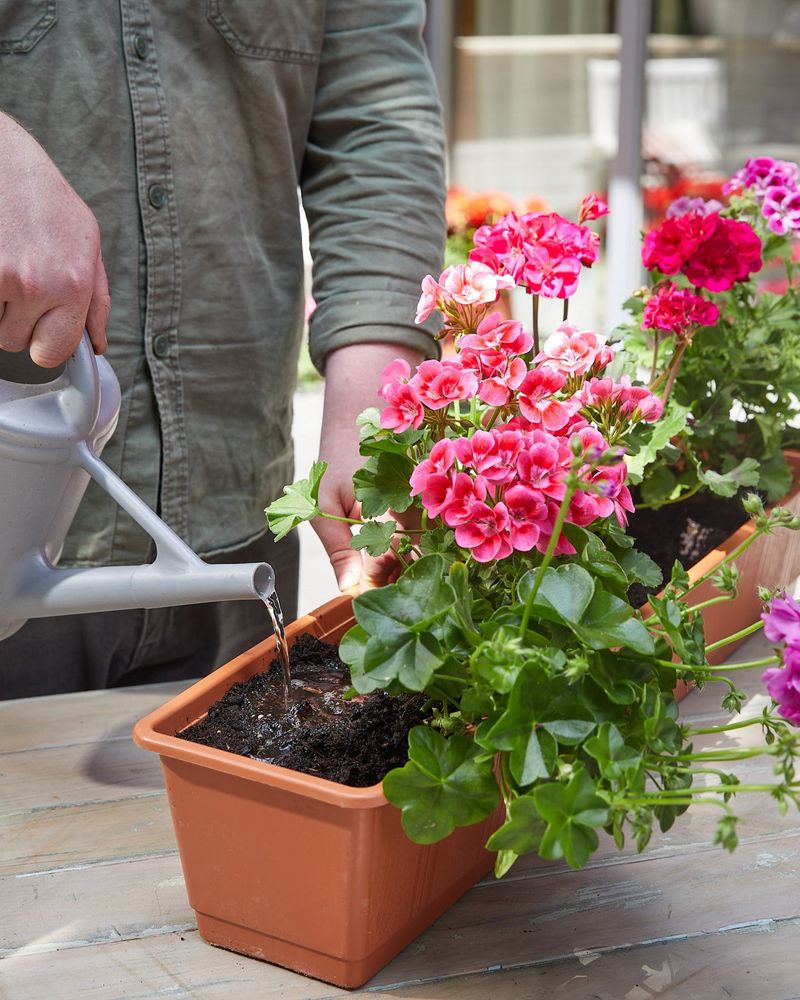
A quick splash on the surface does more harm than good. When you water, keep going until you see water running out of the drainage holes at the bottom of the pot.
Deep soaking trains the roots to grow downward, where the soil stays cooler and moister. Those deeper roots make your geranium far tougher when the temperature climbs.
Shallow, frequent sips only build lazy surface roots that dry out within hours, leaving your plant gasping by midafternoon.
3. Ensure Consistent Watering
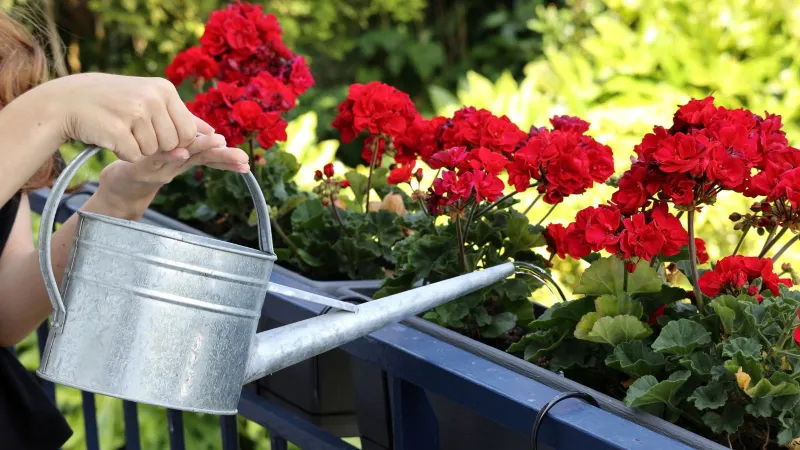
Geraniums are creatures of habit, and August is no time to be unpredictable. Swinging from bone-dry soil to a sudden flood stresses the plant and can bring flowering to a halt.
Aim for a steady rhythm instead. During peak heat, containers may need a drink every single day, especially small pots that dry out fast.
Think of it like this: even, reliable moisture keeps your geranium comfortable enough to spend its energy on buds rather than survival.
4. Water Early Morning or Late Evening
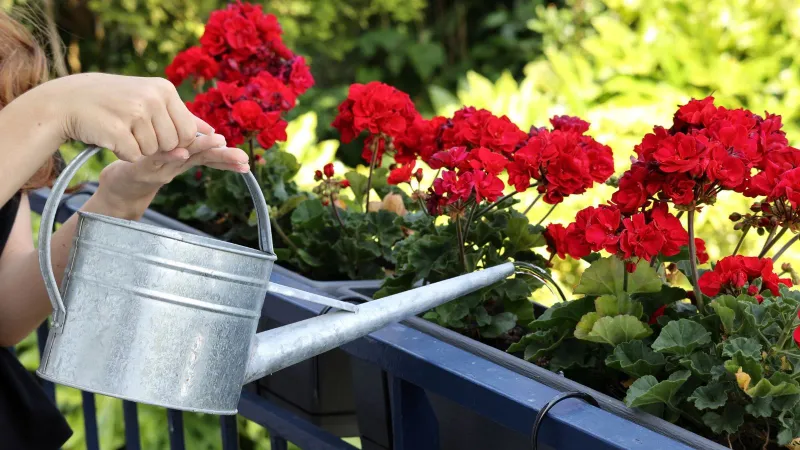
Timing your watering can quietly make a big difference. Pour water at midday and much of it simply evaporates before the roots ever taste it.
Reach for the hose in the cool of early morning or once the sun starts dropping in the evening. The moisture has time to soak in and reach the roots while the air is still gentle.
Your geranium starts the hottest hours already hydrated, which helps it hold onto blooms instead of dropping them.
5. Provide Afternoon Shade
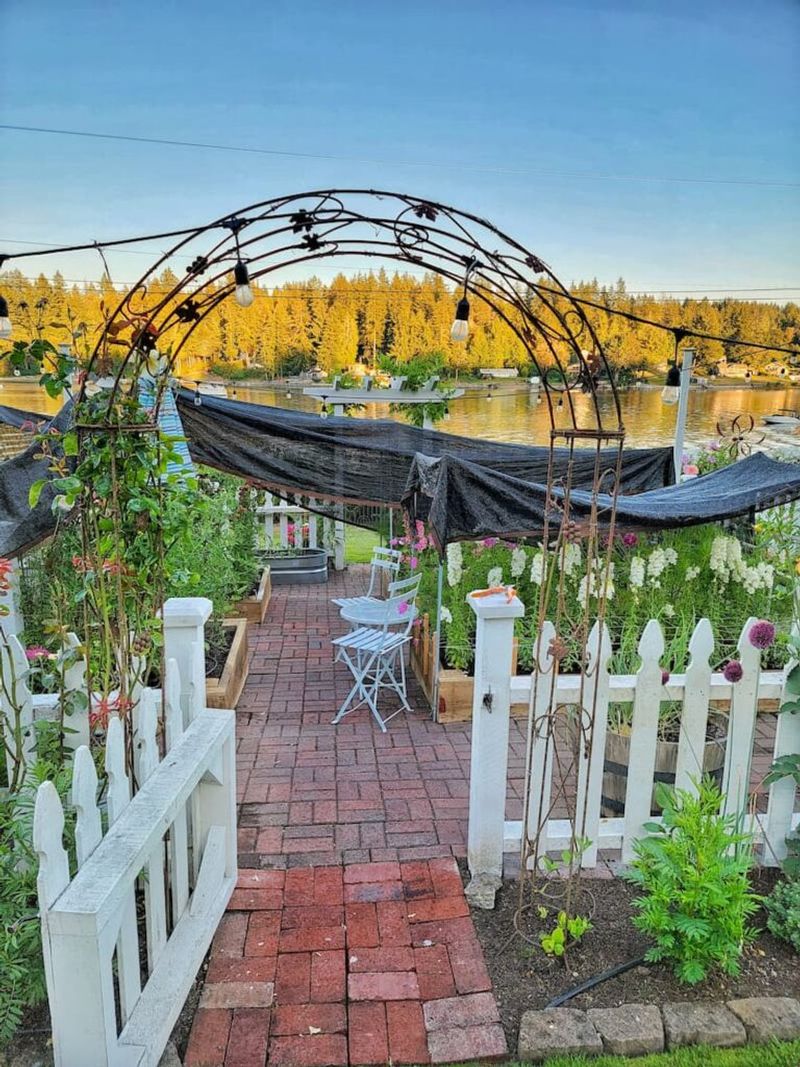
Geraniums adore the sun, but even sun-lovers have their limits. When the thermometer parks itself above 90 degrees for days, plants can go into what growers call heat check and simply stop making flowers.
Give them a break by moving potted geraniums where they catch morning light but escape the brutal afternoon glare. For plants in the ground, a temporary shade cloth works wonders.
A few hours of relief during the worst part of the day is often all it takes to restart the bloom cycle.
6. Ensure Adequate Sunlight
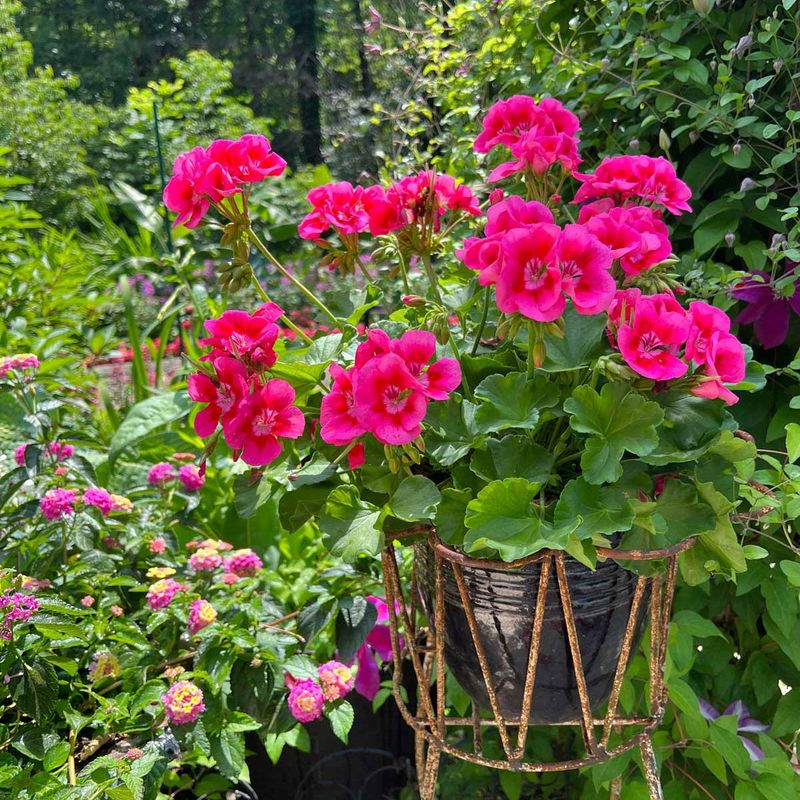
Here is the balancing act every geranium grower learns eventually. Too little light and the plant sulks with few flowers, but too much scorching afternoon sun in a heat wave and it shuts down too.
The sweet spot is roughly six to eight hours of direct sun each day, ideally the softer light of morning and early afternoon.
If your geranium sits in deep shade, move it toward brighter exposure. If it is baking in relentless sun, dial that back a notch.
Watch how it responds and adjust.
7. Deadhead Spent Blooms Completely
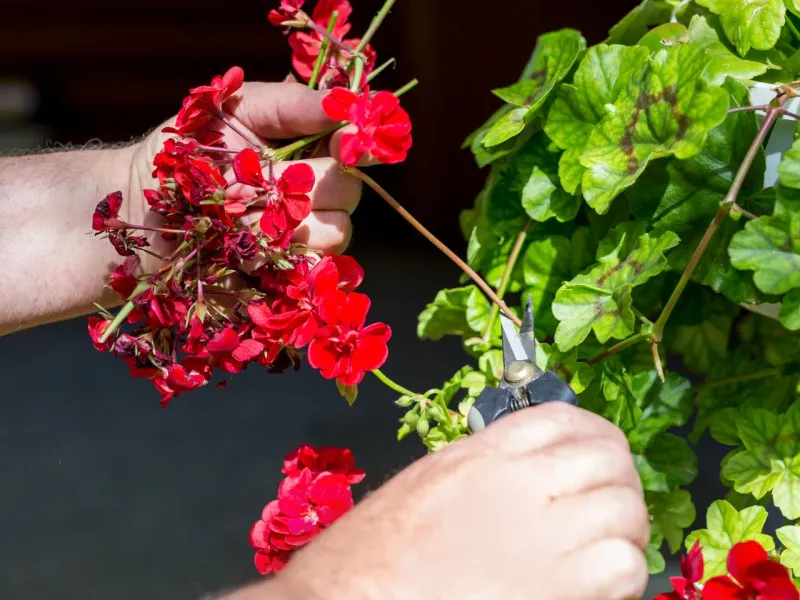
Faded flowers are secretly stealing your plant’s energy. Once a bloom fades, the geranium starts pouring resources into making seeds instead of new flowers.
Snap or snip that spent flower stem all the way back to a healthy leaf node or the main stem, not just the petals. Removing the whole stalk sends a clear message to keep flowering.
Do a quick deadheading pass every few days and you will be rewarded with a steady parade of fresh buds instead of tired brown clusters.
8. Prune Leggy Growth
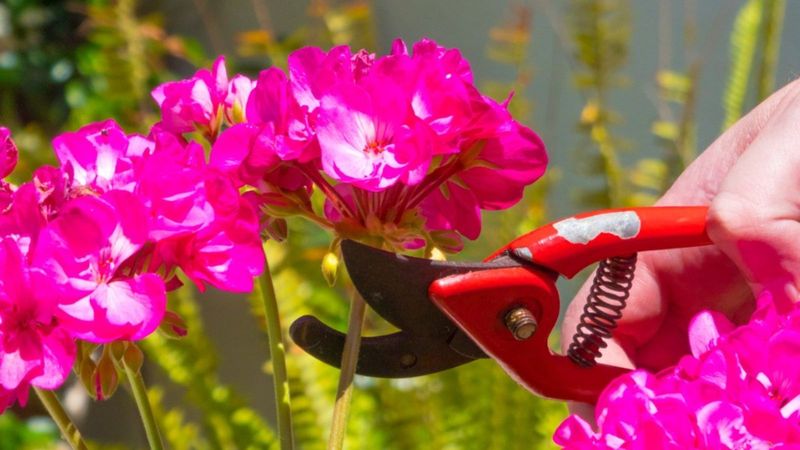
Ever notice how a geranium can turn into a tangle of long, bare stems with a few sad flowers on top? That legginess is a sign the plant needs a haircut.
Trim back those stretched-out stems and you encourage the plant to branch out and grow bushier from the base.
For hardy geraniums, a bolder midsummer shearing can trigger a whole second wave of blooms once cooler weather returns. It feels drastic, but the plant almost always comes back fuller.
9. Use a Balanced or High-Phosphorus Fertilizer
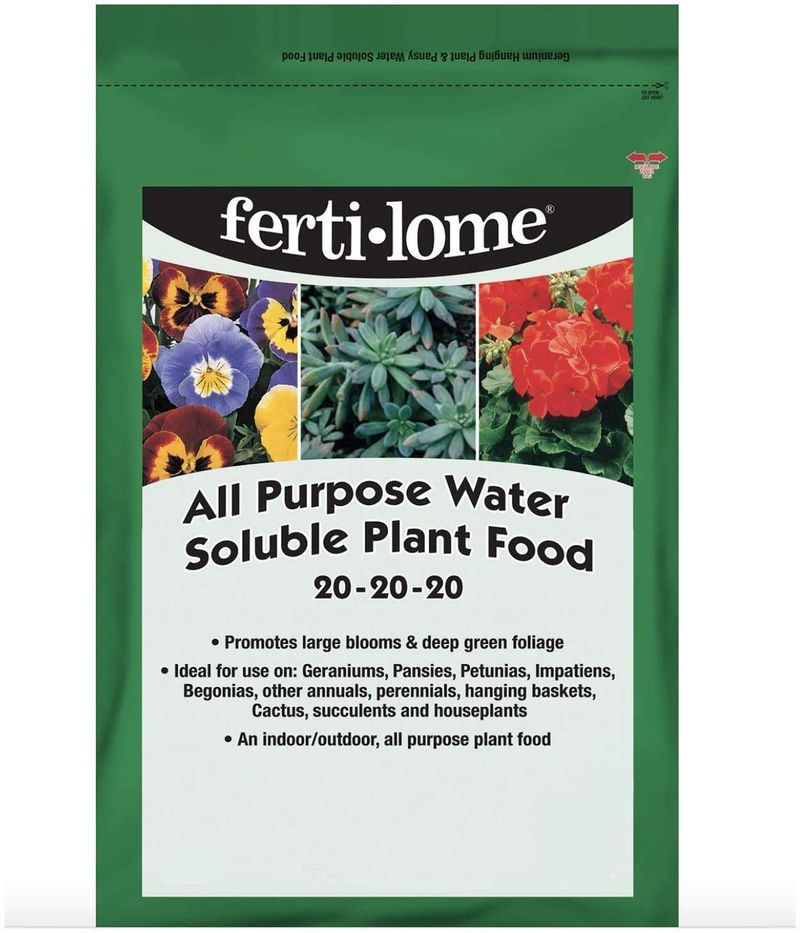
Blooming season turns geraniums into serious eaters. During their flowering months they burn through nutrients fast, and a hungry plant simply cannot keep pumping out color.
Feed them a balanced liquid fertilizer like a 10-10-10 or 20-20-20 formula, or one leaning toward phosphorus, every two to four weeks.
Steer clear of high-nitrogen feeds, though. All that nitrogen pushes lush green leaves while quietly cutting down the number of flowers you actually want.
10. Avoid Fertilizing During Extreme Heat Stress
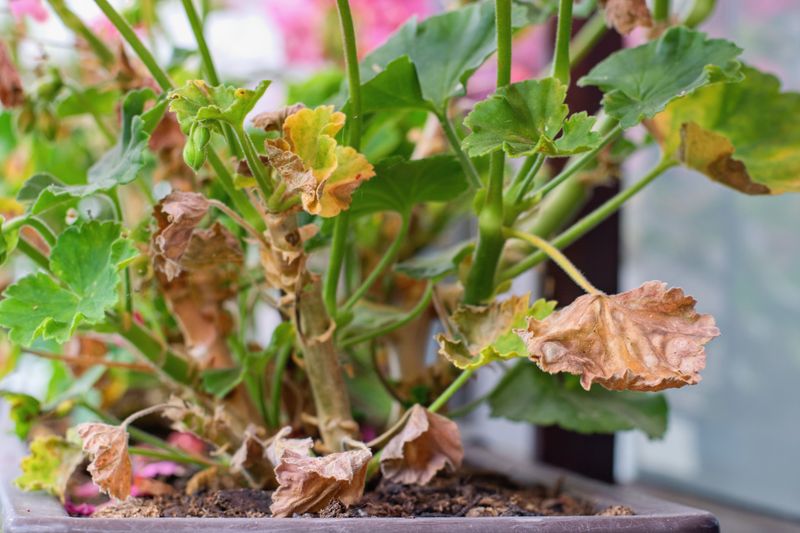
Feeding a struggling plant feels helpful, but during a brutal heat wave it can backfire. When a geranium is already stressed by scorching temperatures, its roots are in no shape to take up fertilizer.
Pushing food onto a stressed plant can burn the roots and make matters worse instead of better.
Hold the fertilizer until the weather cools and the plant perks up. Once it is comfortable again, it will actually use those nutrients to build new buds.
11. Ensure Excellent Drainage
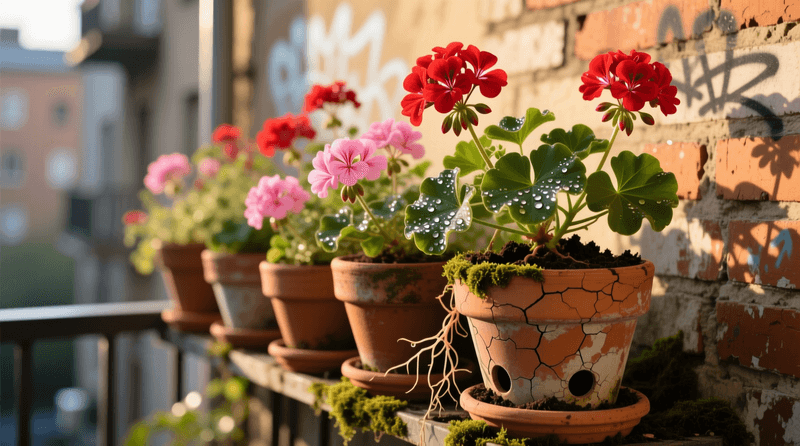
Soggy feet are a geranium’s downfall. Water that lingers around the roots invites rot, one of the most common ways these plants meet an early end.
In garden beds, loosen heavy clay by mixing in organic matter and a handful of perlite so water can move freely.
For containers, use a quality potting mix and double-check that every pot has open drainage holes. Fast-draining soil keeps the roots healthy enough to support all those flowers.
12. Consider Repotting Root-Bound Plants
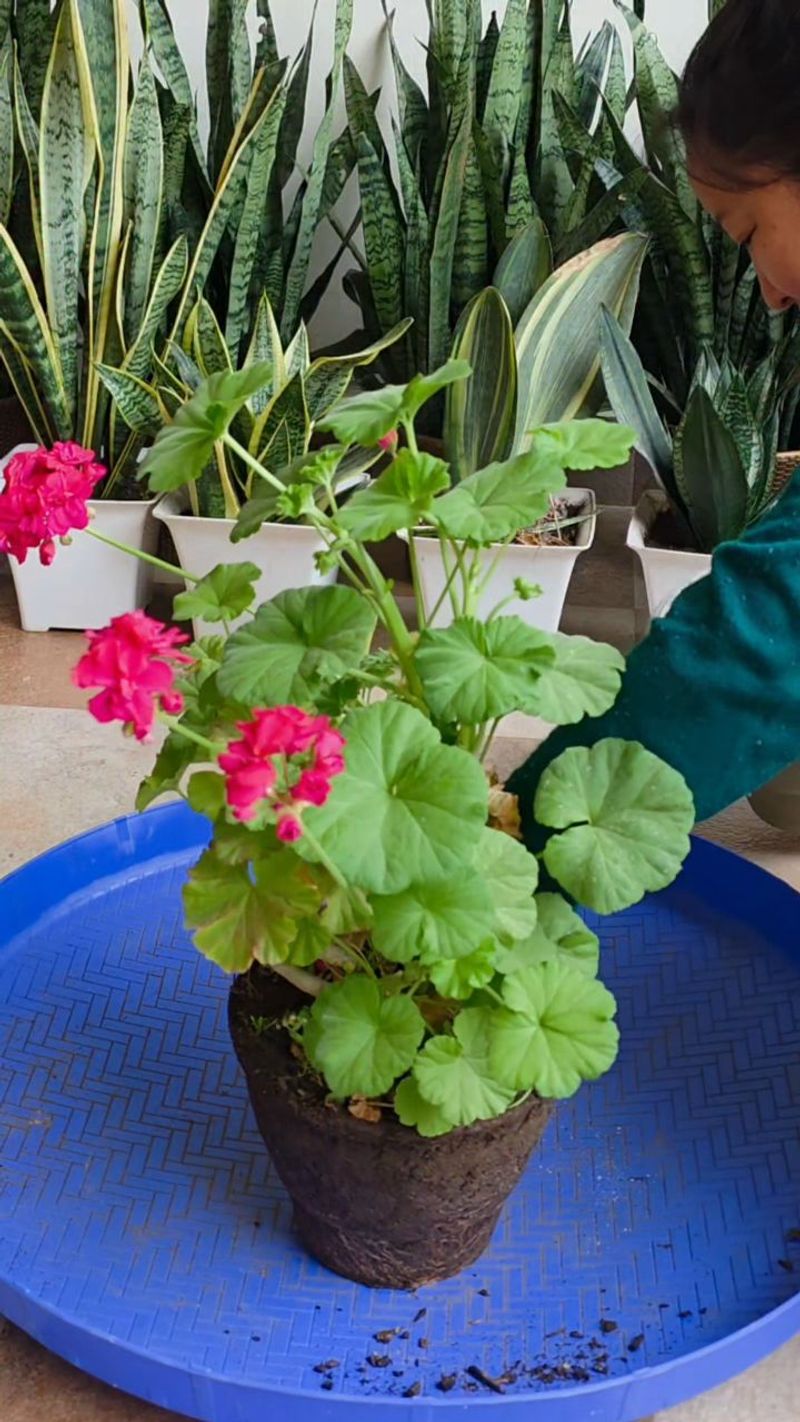
Sometimes the problem is hiding underground. A geranium that refuses to bloom despite perfect care may simply have run out of room, its roots wound into a tight, crowded ball.
Slide the plant out and take a look. If the roots are circling the pot in a dense tangle, it is root-bound and starving for space.
Move it into a slightly larger container with fresh potting mix. The extra room and new nutrients often unlock a fresh round of flowers.
13. Apply Mulch
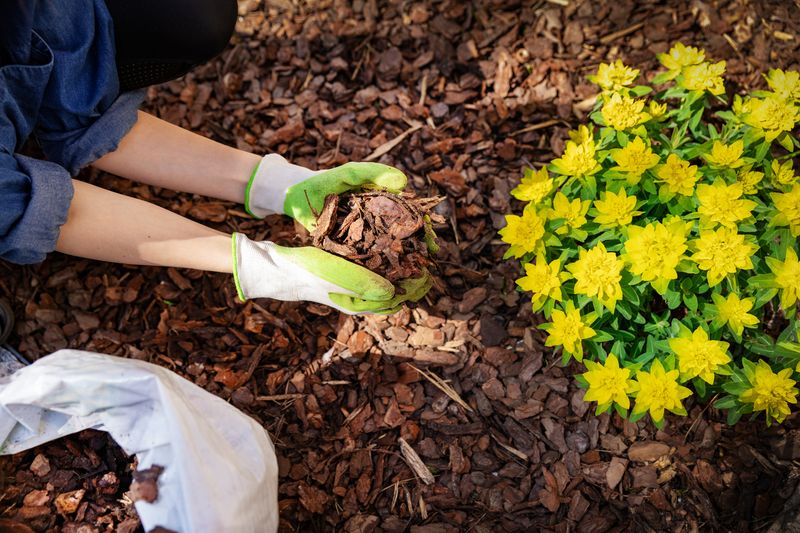
A thin blanket of mulch is a quiet hero in the summer garden. For geraniums growing in the ground, spreading about an inch of coarse organic mulch around the base pays off fast.
Shredded bark or cocoa hulls hold moisture in the soil so you water less, and they keep the root zone noticeably cooler when the sun is beating down.
Cooler, steadier roots translate directly into a plant with the energy to keep blooming through the hottest stretch.
14. Protect Against Geranium Budworms
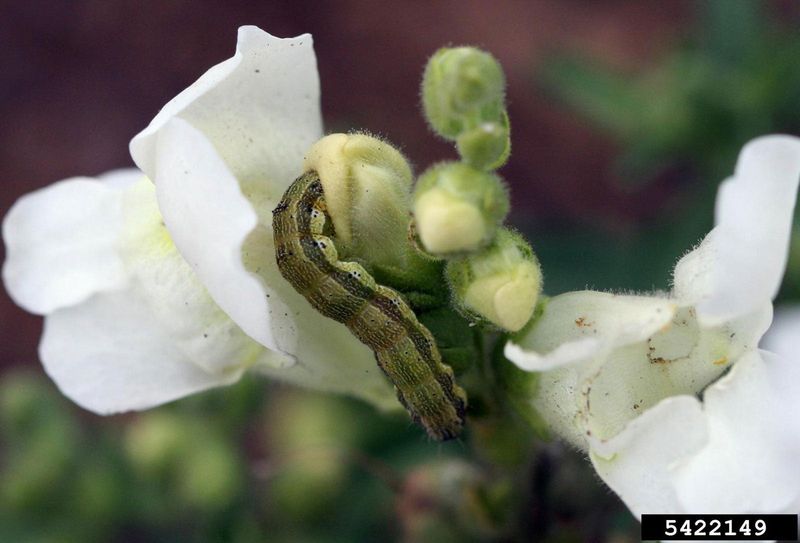
If your buds keep drying up before they ever open, a sneaky culprit may be to blame. Geranium budworms are small caterpillars that tunnel right into unopened buds and eat them from the inside out.
Look for tiny holes in the buds and little black droppings scattered on the leaves below. Those are the telltale clues.
Pick off any worms you can spot by hand. For a bigger invasion, a biological spray called Bacillus thuringiensis, or Bt, targets caterpillars and can help stop the damage.
15. Improve Air Circulation
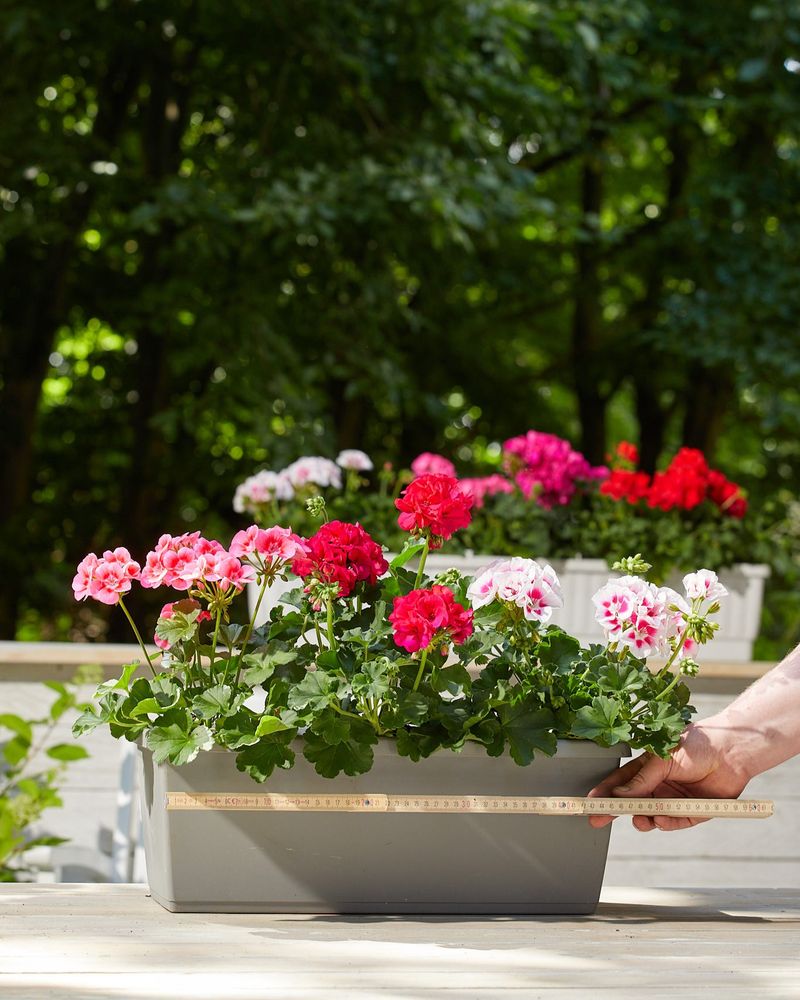
Crowded plants in warm, humid weather are asking for trouble. When air cannot move freely around your geraniums, moisture lingers on the leaves and fungal problems like Botrytis grey mould can move in.
Give each plant a little breathing room by spacing them out, and thin away any dense lower foliage that traps dampness.
Better airflow keeps leaves dry and healthy, which protects both the plant and its ability to keep producing those cheerful blooms all season.
Work through these fixes one at a time, and you will likely find the single overlooked habit that was holding your geraniums back. A little attention now brings the color roaring back before summer fades.