
If Your Hostas Get Chewed To Lace By Late Summer, Here Are 13 Fixes That Bring Back Whole Leaves
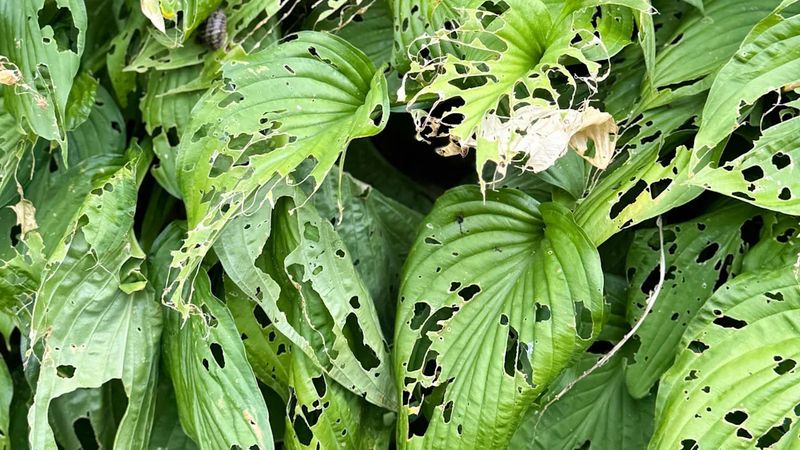
You planted those hostas for their big, smooth leaves, and by late summer they look more like torn window screens. Something has been snacking on them, and the good news is you can fix it.
Slugs, snails, deer, and even voles are the usual suspects, and each one leaves clues about who is to blame. Here are 13 simple, budget-friendly ways to protect your plants and get whole leaves back.
1. Remove Debris and Old Leaves
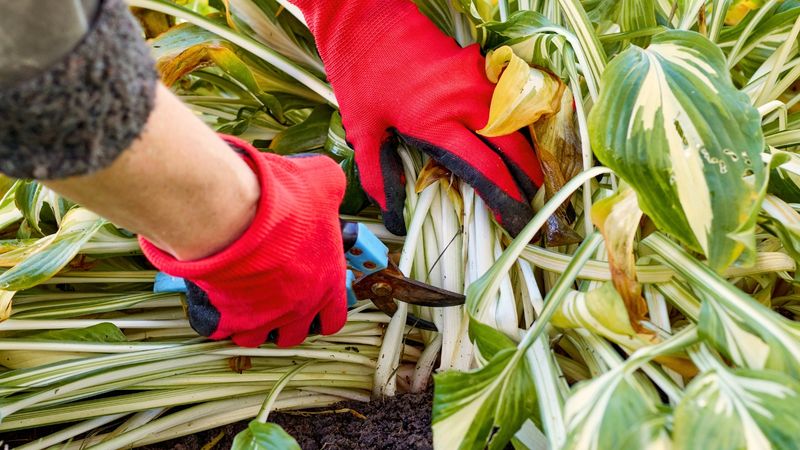
Slugs and snails are cowards during the day. They need a damp, dark hideout to wait out the sunshine, and a pile of soggy leaves or thick mulch is basically a five-star hotel for them.
Clear away dead foliage, matted mulch, and stray garden junk from around your hostas. When you take away the shelter, you take away the breeding and hiding spots for slugs, snails, and a lot of chewing insects.
A tidy base also dries out faster after rain or watering, which makes the whole area far less inviting. It costs nothing and takes about ten minutes, making it one of the easiest first moves you can try today.
2. Water in the Morning
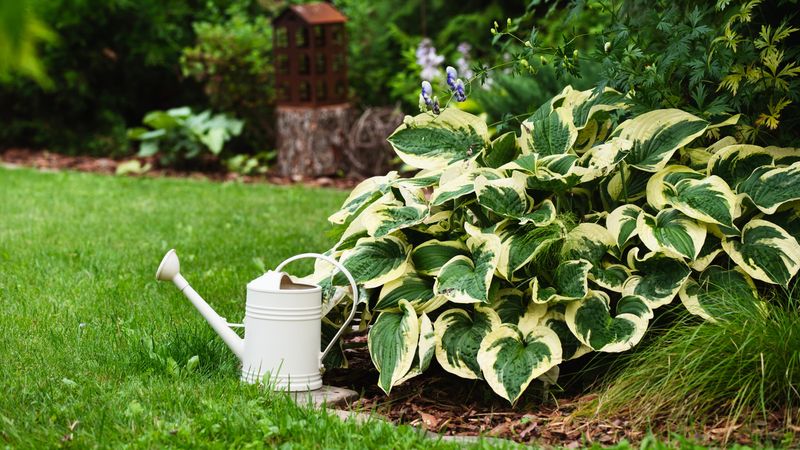
Timing your watering wrong is like ringing the dinner bell for slugs. They love cool, wet evenings, and if your hosta leaves stay damp overnight, you are handing them a moist playground.
Give your plants a drink in the morning instead. The leaves and soil surface dry out during the day, so by nightfall the buffet is closed.
Drip irrigation makes this even better because it drops water right at the soil and keeps the foliage itself dry. Small change, big difference in how appetizing your hostas look to nighttime munchers.
3. Thin Crowded Plants
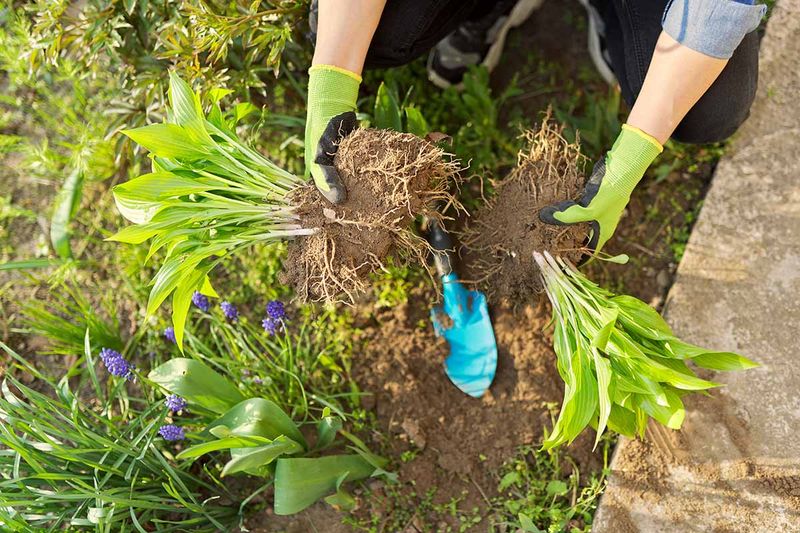
A giant, packed clump of hostas may look lush, but inside all those overlapping leaves it stays swampy and shaded. That trapped humidity is exactly what slugs and snails crave.
Dig up and divide crowded plants in the fall to open things up. Better air movement lets leaves dry quickly after dew or rain, which cuts down on the moist conditions pests need.
You get a bonus, too: those divisions become free new plants for other shady corners of your yard. One chore, healthier hostas, and more of them next year.
4. Handpick Pests at Night
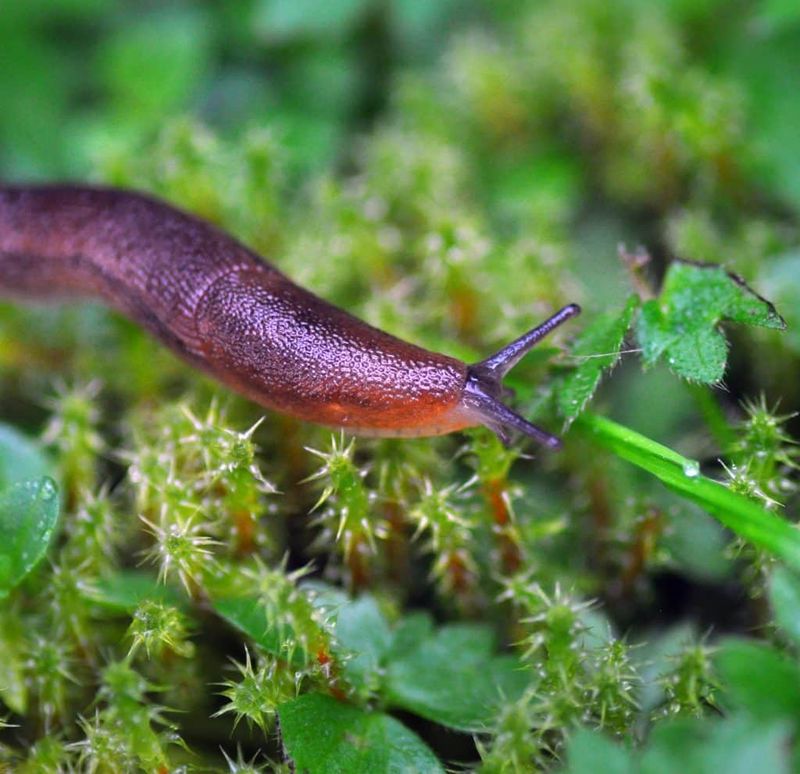
Grab a flashlight and head out after dark, because that is when the real culprits come out to feast. It feels a little like a treasure hunt, except the treasure is gross and you are getting rid of it.
Check the undersides of leaves and the soil around the crown. Pluck off slugs, snails, blister beetles, and grasshoppers by hand and drop them into a cup of soapy water where they cannot escape.
Do this a few nights in a row and you can seriously knock down the population. It is oddly satisfying, completely free, and it targets the exact pests eating your plants.
5. Prune Damaged Leaves
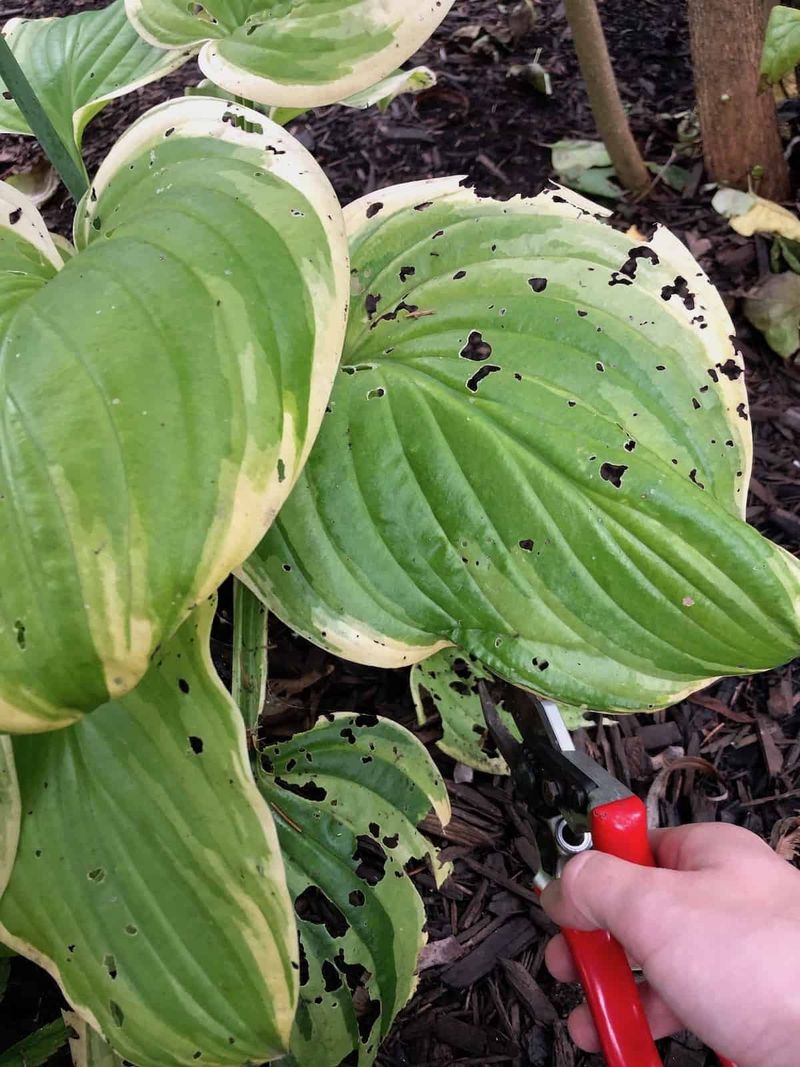
Staring at a hosta shredded to lace can feel hopeless, but these plants are tougher than they look. Cutting your losses can actually spark a comeback.
If the foliage is truly wrecked, snip the worst leaves right down to ground level. Hostas store plenty of energy in their roots and will often push out fresh, unblemished growth, even in the middle of summer.
Clearing out the chewed leaves also removes the tattered spots where pests love to gather. Think of it as a reset button that gives you clean leaves to protect going forward.
6. Create Gritty Barriers

Slugs move on a soft, slimy belly, so anything sharp or scratchy is a nightmare for them to cross. You can use that against them.
Sprinkle a ring of coarse sand, crushed eggshells, or diatomaceous earth around the base of each hosta. The abrasive texture makes slugs and snails turn back rather than slither over it.
Copper tape or copper rings work through a different trick, giving pests a mild zap that sends them elsewhere. You may need to refresh gritty barriers after heavy rain, but they can make a real difference around prized plants.
7. Set Beer Traps
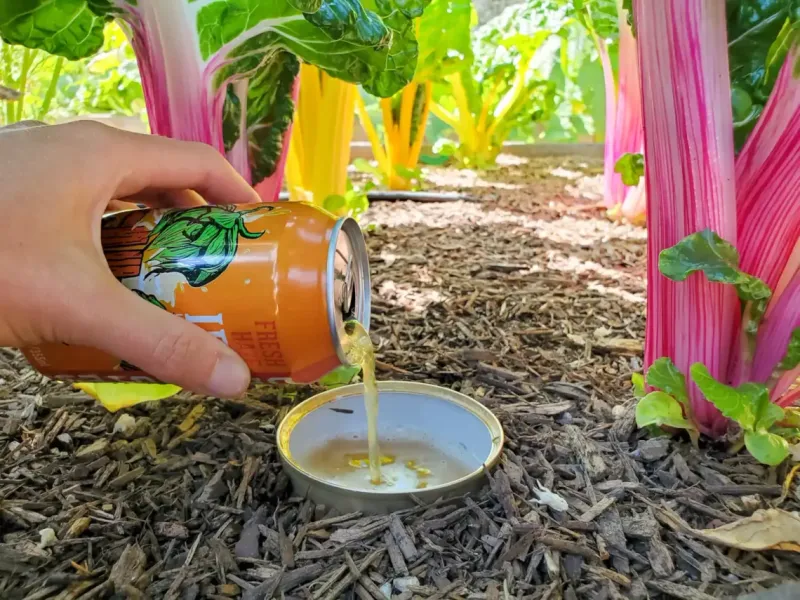
Turns out slugs have a weakness for a cold one. The yeast smell in beer is irresistible to them, and you can use that to lure them to a soggy end.
Sink a shallow dish or an old can into the soil so the rim sits level with the ground, then fill it with beer. Slugs and snails crawl in for the party, tumble in, and drown.
Set the traps near your hostas in the evening and empty them each morning. Cheap beer works just fine, so save the good stuff for yourself.
8. Use Coffee Grounds
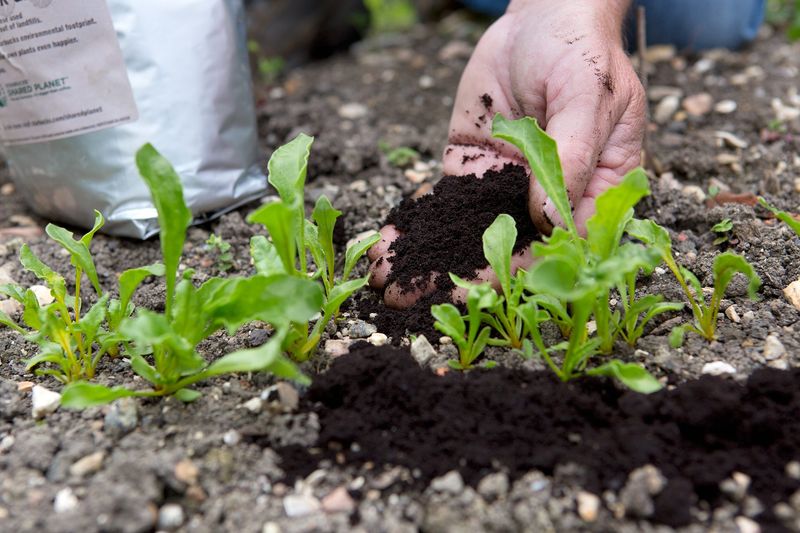
That leftover pot of morning coffee can pull double duty in your garden. The grounds you would normally toss can help guard your hostas.
Scatter used coffee grounds in a thin layer around the base of each plant. Caffeine is actually toxic to slugs, and many will avoid crawling across it in the first place.
As a nice bonus, the grounds slowly break down and add a little nitrogen to the soil, feeding your hostas while they defend them. Just keep the layer light so it does not clump and turn moldy.
9. Ammonia Spray
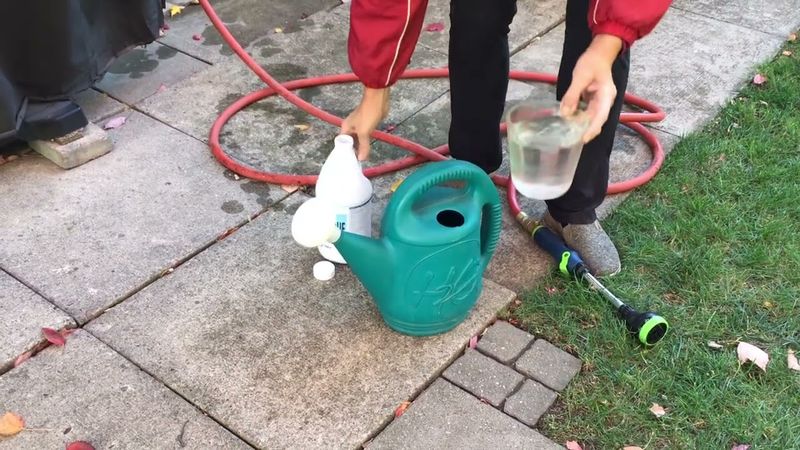
Here is a fix that hits pests before they even hatch. A simple ammonia mix can wipe out slug and snail eggs hiding in the soil.
Combine about 1 cup of ammonia with 9 cups of water in a spray bottle. Mist your hosta leaves and the soil around them in spring, then reapply every two to three weeks or after a good rain.
The diluted ammonia can kill eggs on contact, and it delivers a shot of nitrogen that greens up the plant at the same time. Keep the mix weak, since too strong a solution can burn tender foliage.
10. Apply Deer Repellents
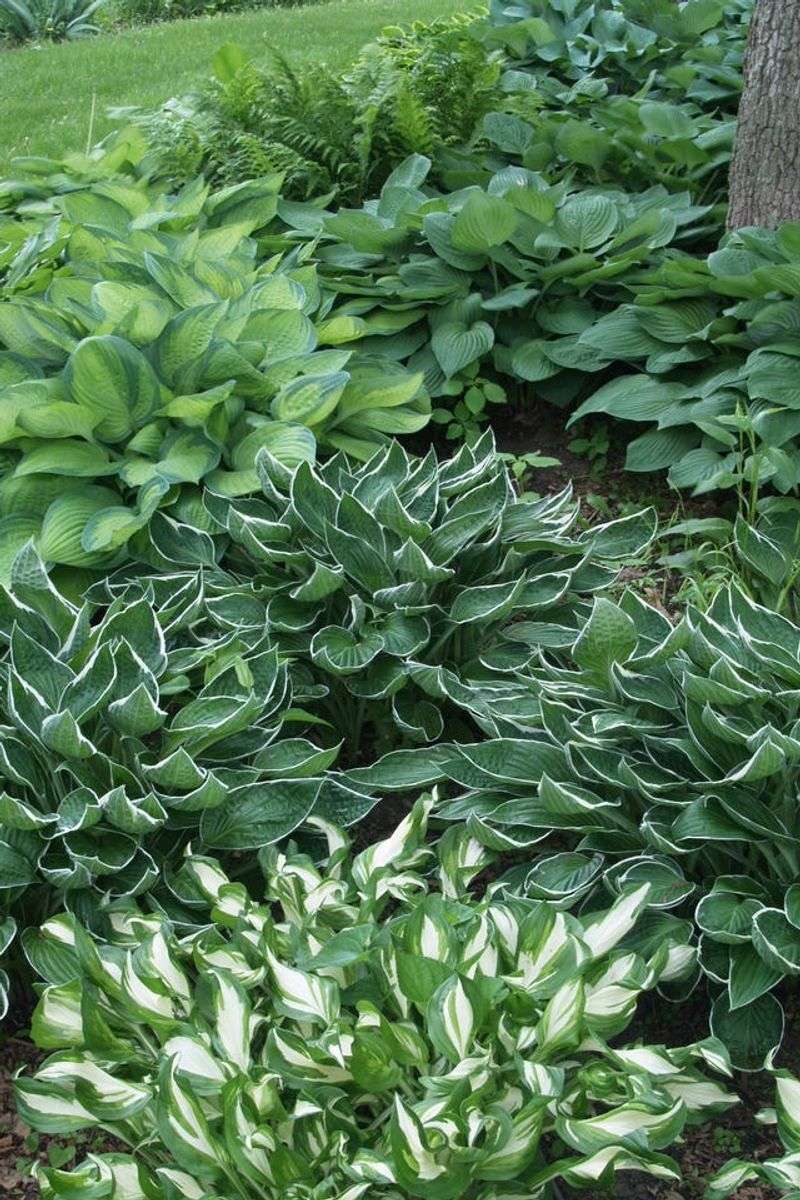
When whole sections of leaf vanish overnight and the edges look ragged and torn, you are probably dealing with deer, not slugs. Deer treat hostas like salad, so you have to make that salad taste and smell awful.
Whip up a homemade spray with cayenne pepper, water, and a squirt of dish soap, then coat the leaves. Deer hate the burn and will look for an easier meal.
Shavings of Irish Spring soap, bags of human or dog hair, and commercial repellents all lean on strong smells to keep deer at a distance. The catch is you must reapply often, especially after rain washes the scent away.
11. Install Physical Barriers
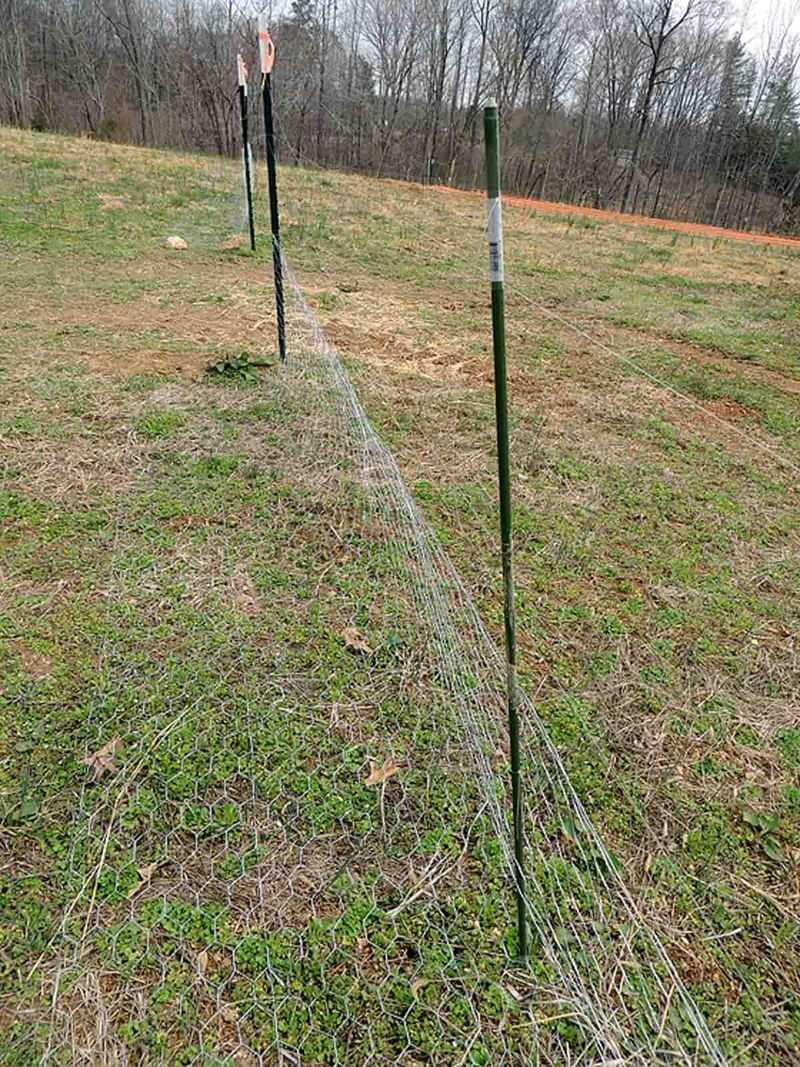
Sometimes smells and sprays are not enough, and a determined deer just keeps coming back. When that happens, you put up a wall, or at least the illusion of one.
Low, tightly woven fencing or chicken wire around a hosta bed can physically block browsing mouths. For a nearly invisible option, string fishing line at deer-nose height around the plants.
Deer bump into the line they cannot see, get spooked, and often decide your garden is not worth the trouble. It is a low-cost trick that protects your leaves without turning your yard into a fortress.
12. Castor Oil Solution for Voles
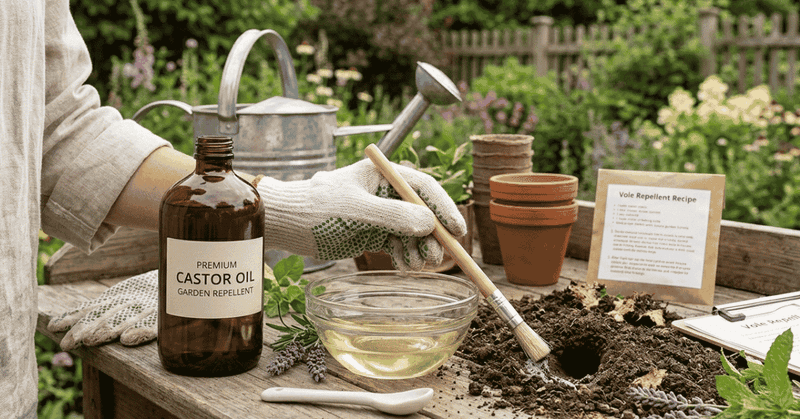
If your hosta suddenly wilts and lifts right out of the ground with barely any roots, look down, not up. Voles tunnel underground and chew the roots, leaving the plant to collapse.
Mix 1 cup of castor oil with 4 ounces of dish detergent per gallon of water. Drench the soil around your hostas with it in the fall, soaking it in well.
Voles find the castor oil taste and smell revolting and tend to tunnel somewhere else. It is a gentle way to protect the roots you cannot even see without digging up the plant.
13. Vole Traps or Wire Baskets
For a stubborn vole problem, you may need to get hands-on and go straight for the source. These little tunnelers can wipe out a hosta before you even notice.
Bait a mousetrap with peanut butter or apple and tuck it under a heavy clay pot near active tunnels, which keeps pets and birds out while catching the culprit. Check and reset it regularly until the activity stops.
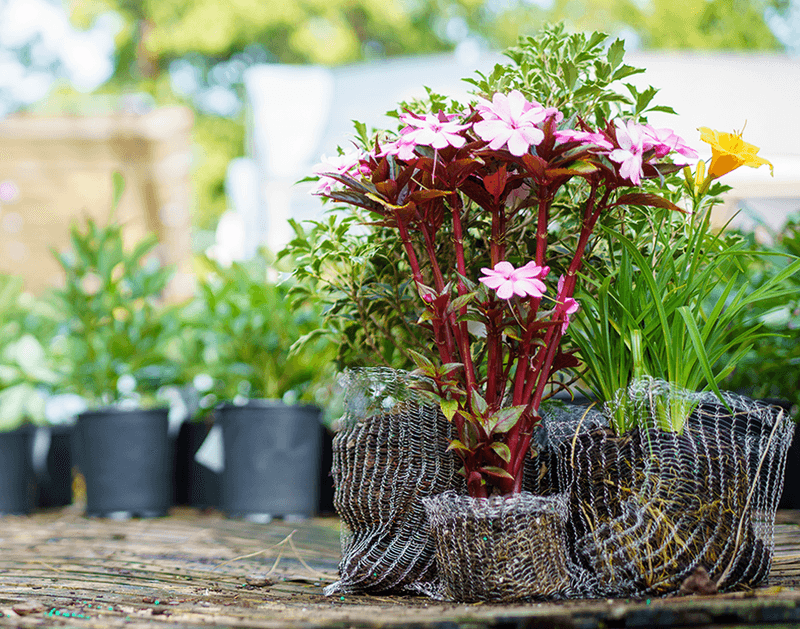
For new plantings, drop a wire basket into the hole and set the roots inside it, even a repurposed dollar-store wire wastebasket works. That underground cage lets roots grow through while blocking voles from chewing the crown.