
If Fall Armyworms Turn Your Lawn Brown Overnight, Here Are 12 Signs And Fixes Before They Spread
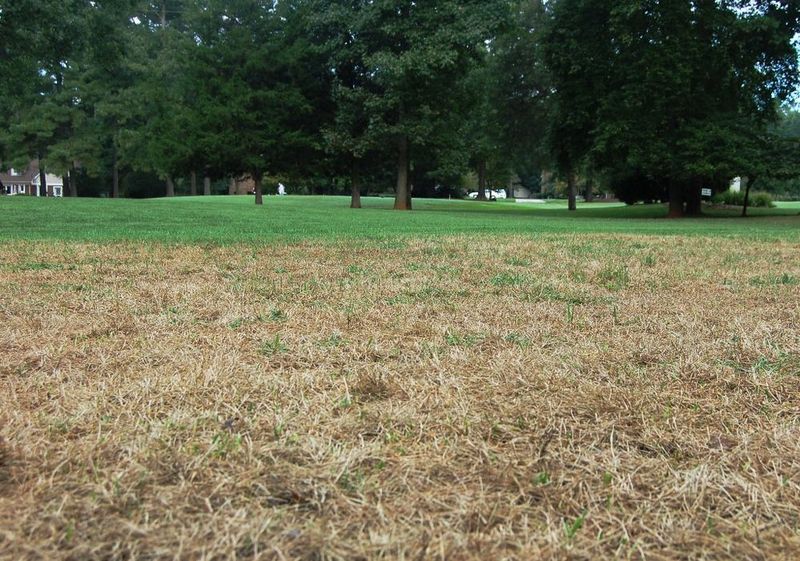
One day your grass looks green and healthy, and the next morning big brown patches seem to appear out of nowhere. The culprit is often the fall armyworm, a hungry caterpillar that feeds in large groups and can chew through a lawn in a day or two.
Catching the problem early makes all the difference between a quick recovery and a bare, ruined yard. Here are the signs to watch for and the fixes that stop these pests before they take over.
1. Sudden Brown Patches
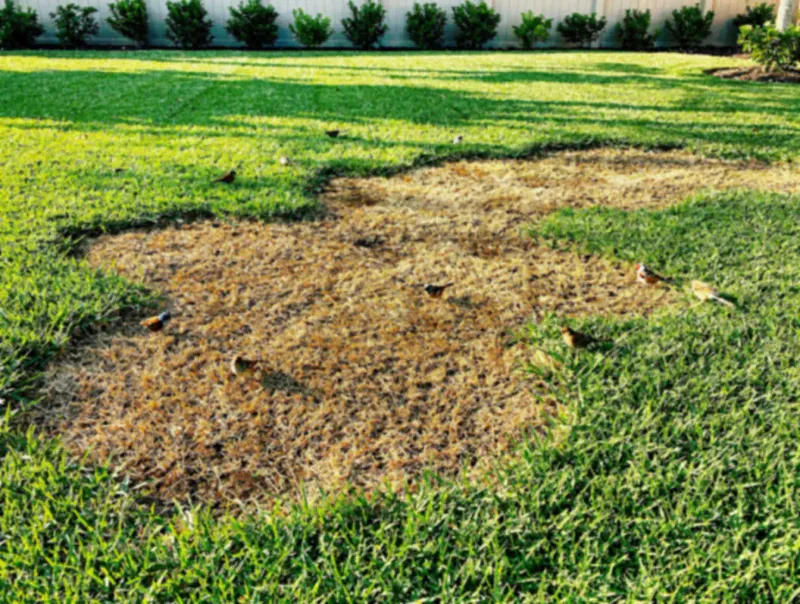
Waking up to brown spots that were not there yesterday is one of the first clues something is wrong. Fall armyworm damage often looks a lot like drought stress or a mower blade set too low, which is why so many people dismiss it at first.
The patches tend to be irregular and can widen fast. If you have been watering normally and still see thinning, ragged areas spreading across the grass, do not blame the weather too quickly.
Getting down on your knees to inspect those patches closely is worth the effort. The sooner you connect the brown spots to feeding caterpillars, the sooner you can act before the damage doubles overnight.
2. Chewed or Ragged Grass Blades
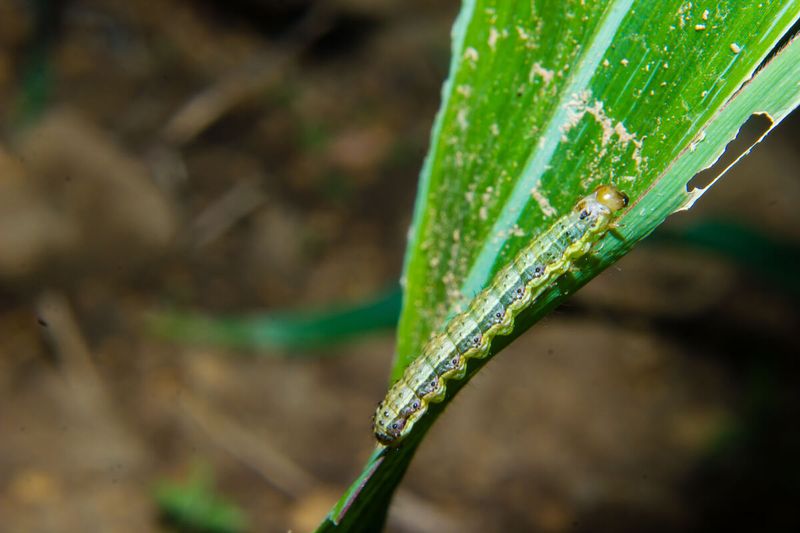
Pluck a few blades from the edge of a suspicious patch and hold them up to the light. Armyworms leave behind torn, ragged edges instead of the clean look of healthy grass.
Younger caterpillars create a telltale windowpane effect. They scrape away just one layer of the leaf, leaving a thin transparent film that lets light shine through.
That skeletonized, see-through damage is a strong signal you are dealing with caterpillars and not disease or dryness. Once you spot the chewing pattern, you can move quickly to confirm the pest and choose a treatment.
3. Visible Caterpillars
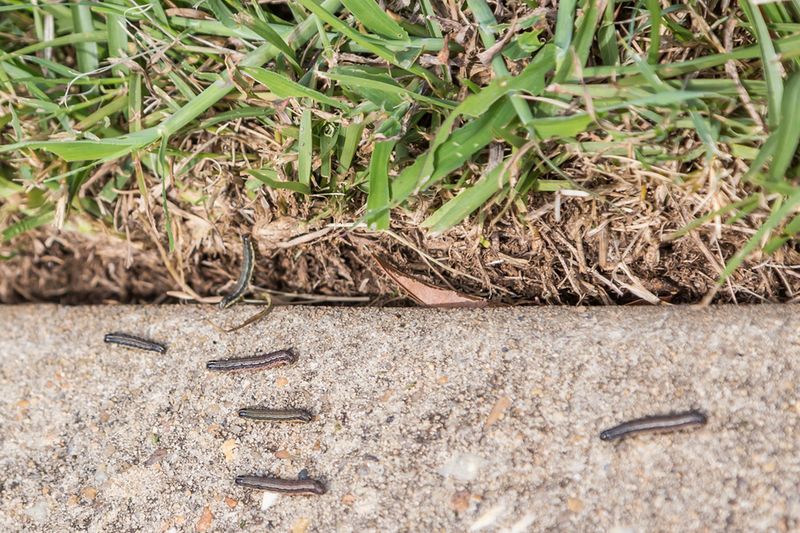
Sometimes the pests are hiding in plain sight. Fall armyworms grow to about 1 to 1.5 inches long and range in color from soft green to mottled brown or nearly black.
They are shy during the heat of the day, tucking down near the soil where it is cool and shaded. Your best chance of catching them out in the open is during early morning or late evening when they climb up to feed.
Part the grass with your fingers and look near the crown of the plants. Spotting even a few wriggling caterpillars confirms the infestation and tells you it is time to treat right away.
4. Distinctive Y Mark on the Head
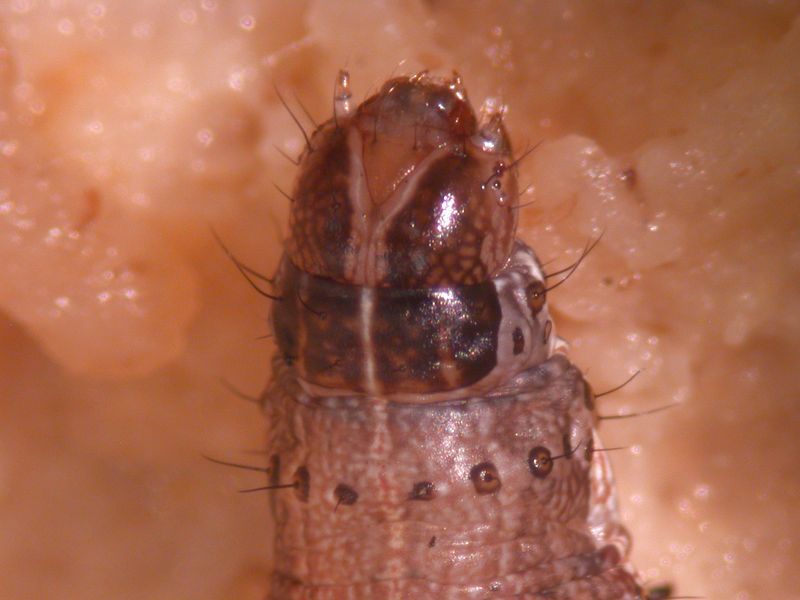
Not every caterpillar in your yard is an armyworm, so this one detail helps you be sure. Fall armyworms carry a pale, upside-down Y shape right on the front of their heads.
You may need a magnifying glass or your phone camera zoomed in to see it clearly. That little marking is a reliable fingerprint that separates them from cutworms and other lookalikes.
Confirming the Y before you spray means you are not wasting time or product on the wrong bug. It is a quick check that gives you real confidence about what you are fighting.
5. Stripes Along the Body
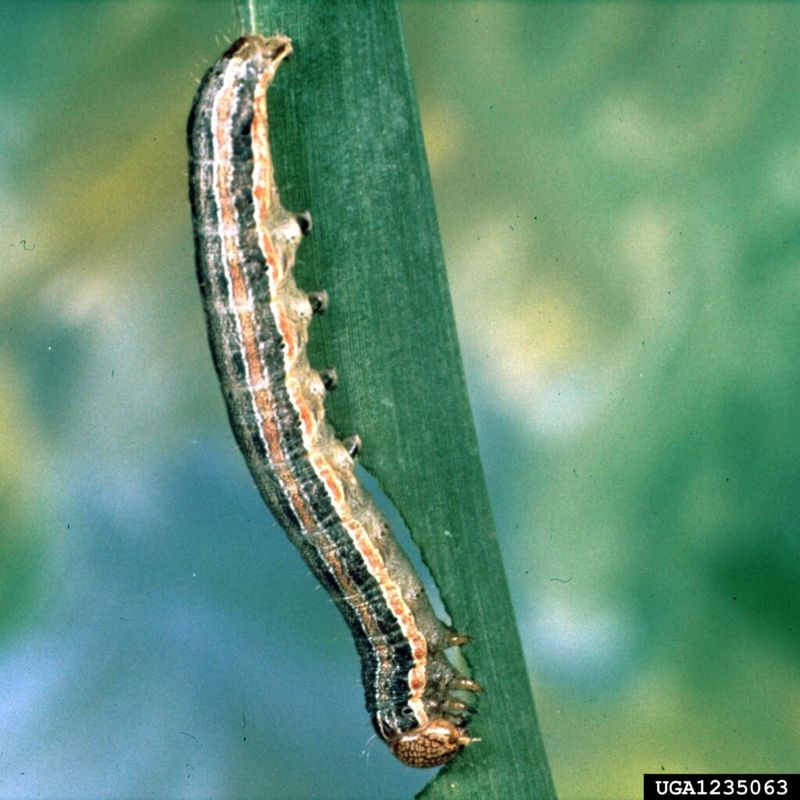
Another giveaway runs the length of the caterpillar’s body. Fall armyworms usually show three thin white or yellowish stripes, either just behind the head or along both sides.
Paired with the Y on the head, those stripes make identification almost foolproof. The combination is far more telling than color alone, since these pests come in so many shades.
When you flip a caterpillar over and see the striping line up, you know exactly what you are up against. Correct identification keeps your response focused and effective.
6. Increased Bird Activity
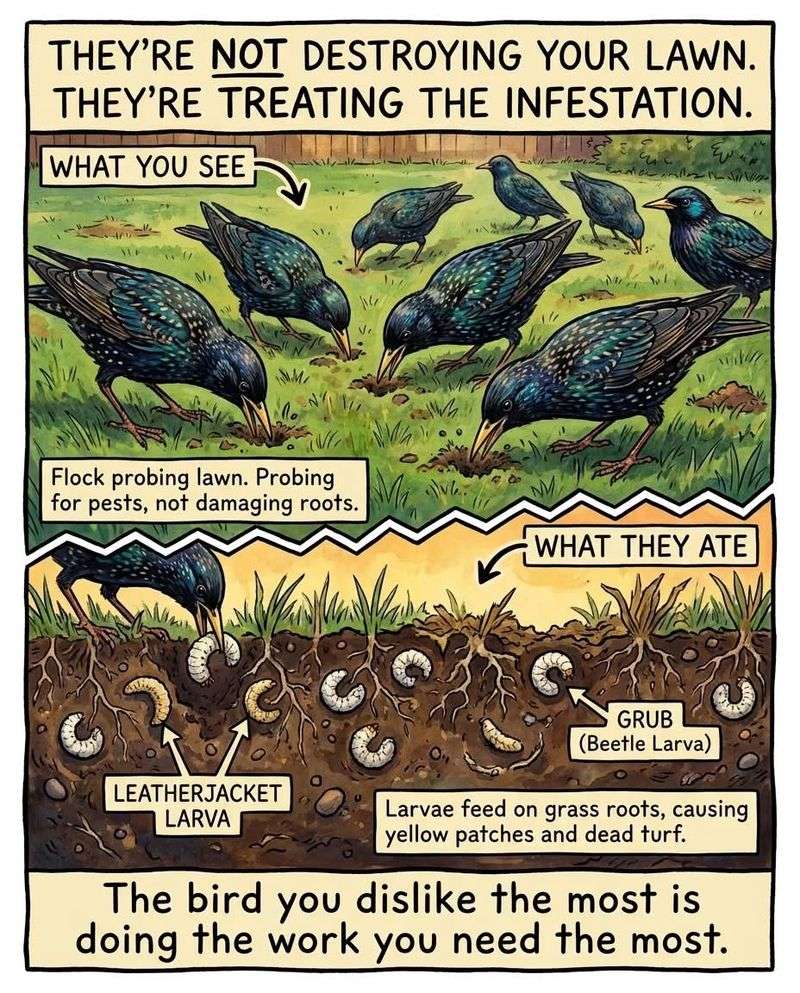
Sometimes your feathered neighbors notice the problem before you do. A sudden crowd of starlings, robins, or other birds pecking at your lawn can mean they are feasting on caterpillars just under the surface.
Birds are drawn to the easy meal armyworms provide. If you see them working the same patch of grass over and over, take the hint and go investigate.
While the birds are helpful hunters, they rarely eat enough to stop a full infestation. Treat their busy activity as a warning bell rather than a solution, and start your own inspection.
7. Waving or Crawling Grass
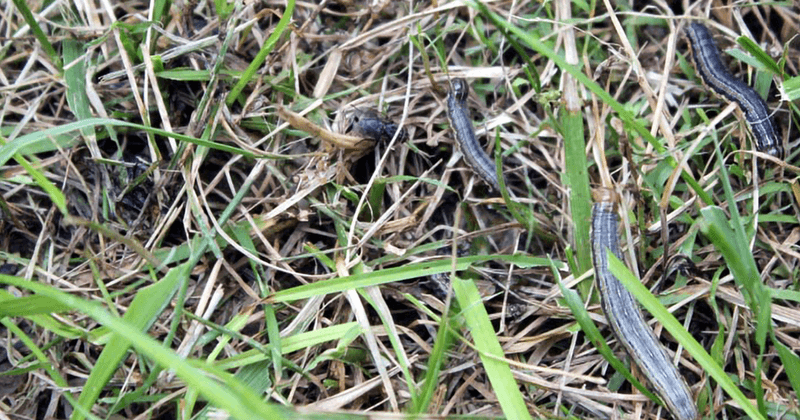
In a heavy infestation, the grass itself can look like it is moving. During the cool hours of early morning or dusk, large groups of caterpillars crawl and feed together, creating a rippling or waving effect across the turf.
The name armyworm comes from exactly this behavior. They advance like a marching army, munching everything in their path as they go.
Seeing that eerie movement means the population is large and on the move. At that point, fast action is critical because the damage can jump to new areas within hours.
8. Green Pellets (Frass)
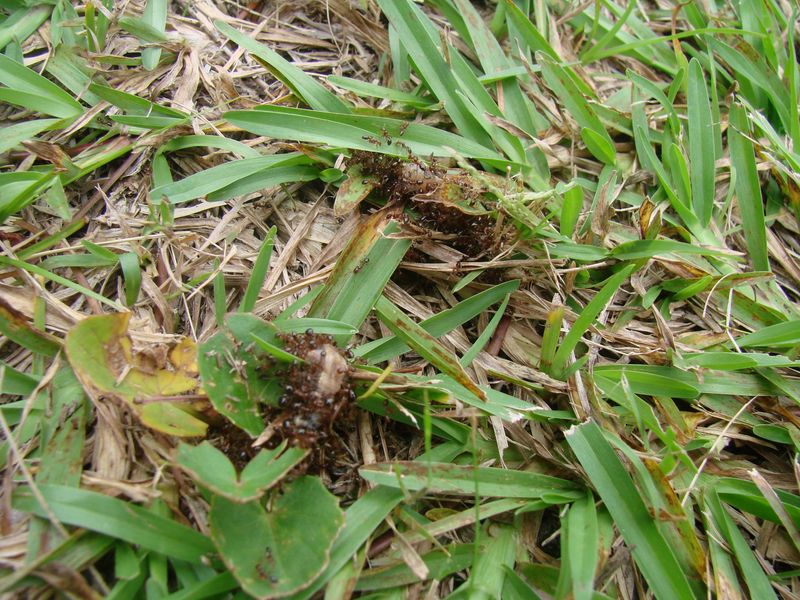
Caterpillars that eat a lot also leave a lot behind. Look for tiny dark green, round pellets called frass scattered among the grass, especially in spots where feeding is heavy.
Those little specks are basically caterpillar droppings, and they pile up fast where the pests are active. Finding frass is proof the caterpillars are nearby and eating right now.
Run your fingers through the turf and check the soil surface. The presence of fresh green pellets gives you a clear map of where the worst feeding is happening.
9. Egg Masses on Nearby Structures
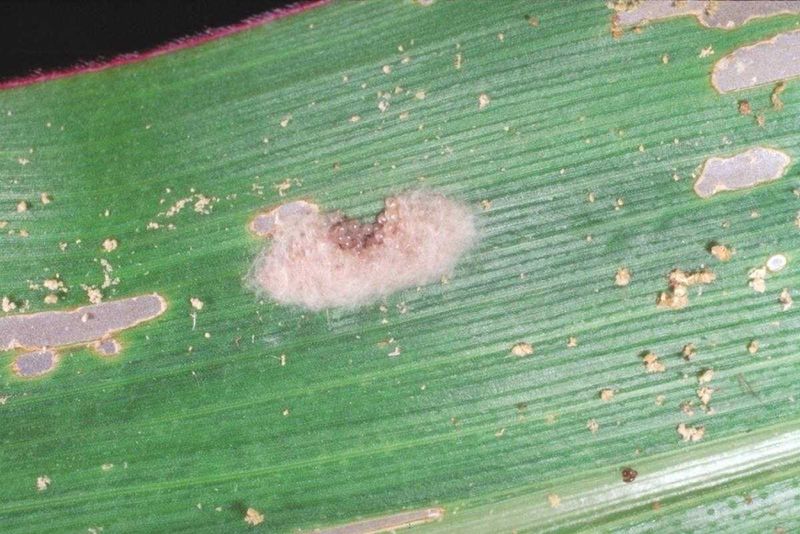
The trouble often starts before a single blade is chewed. Female moths lay fuzzy, whitish egg masses up to an inch across on all kinds of surfaces near the grass.
Check fences, tree leaves, light posts, house siding, and even your outdoor furniture. Those cottony patches are the next generation waiting to hatch and drop onto your lawn.
Catching egg masses early is a golden opportunity. Removing them before they hatch can stop an infestation from ever starting on your turf.
10. Lawn Feels Spongy or Pulls Up Easily
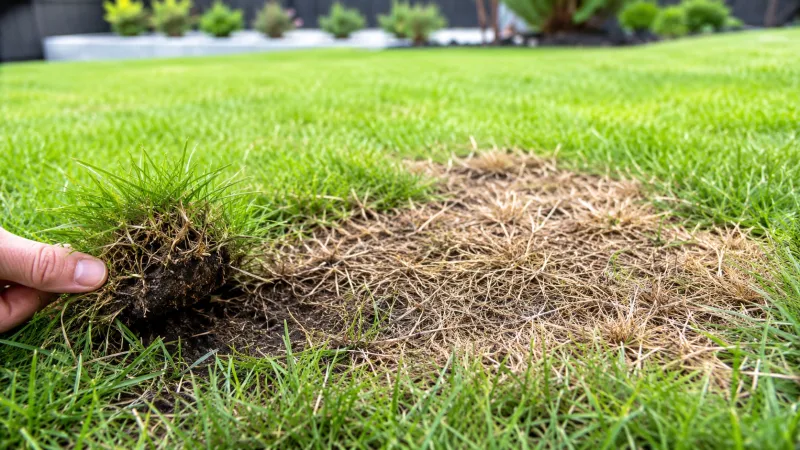
In advanced cases, the damage goes deeper than the surface. When caterpillars eat grass blades all the way down to the crown, the turf can feel soft and spongy underfoot.
Try tugging gently on a thin patch. If it lifts or pulls away with almost no resistance, the roots and stems have been badly compromised by feeding.
Spongy, loose turf signals a severe problem that needs immediate attention. The good news is that established lawns can often recover with quick treatment and a little patience.
11. Preference for Lush, Fertilized Grass
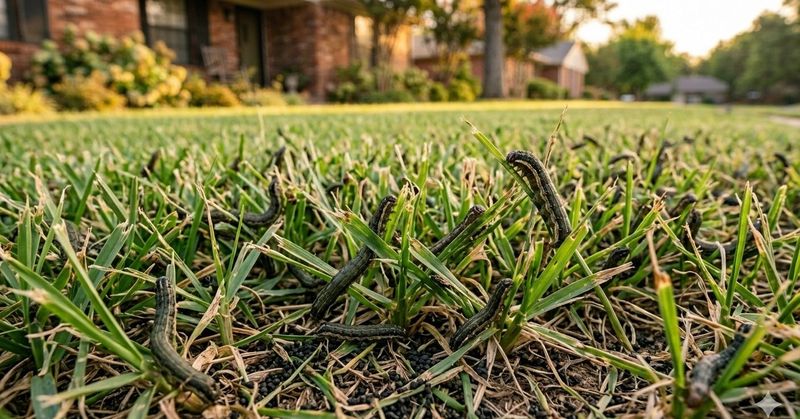
Ironically, the healthiest looking lawns can be the biggest targets. Fall armyworms are drawn to lush, green, well-fertilized grass because the tender growth is easy and nutritious to eat.
Newly sodded or freshly seeded areas face even higher risk. All that soft, young growth is basically a buffet for hungry caterpillars.
Going overboard with nitrogen fertilizer can actually invite them in. Feeding your lawn in moderation may help make it less of an obvious feast during armyworm season.
12. Damage Spreads Quickly
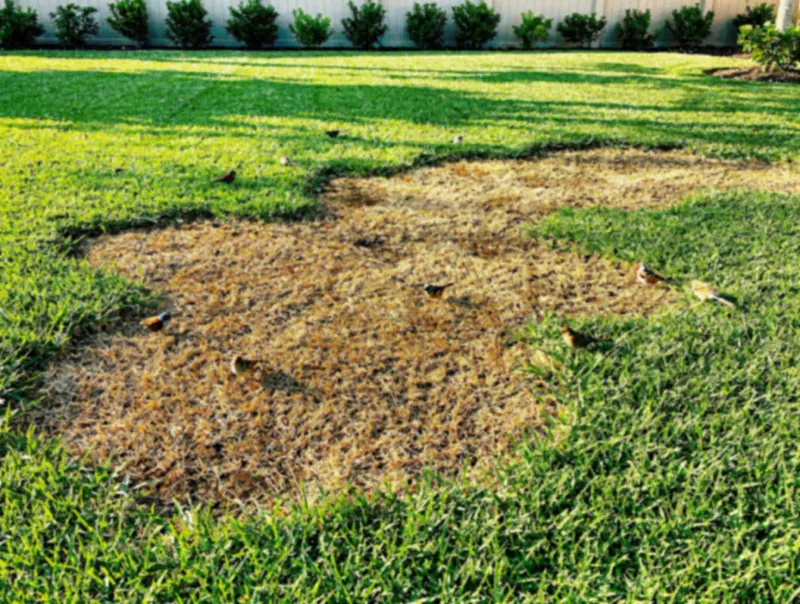
The word overnight is barely an exaggeration with these pests. Fall armyworm damage can spread across large sections of a lawn in just one or two days.
A patch that looked small in the morning may cover half the yard by the following evening. That breakneck speed is exactly why early detection matters so much.
Do not wait to see if it gets better on its own, because it almost never does. The moment you confirm armyworms, treatment should be your top priority to save the rest of the grass.