
If Your Peace Lily Droops And Sulks Indoors, Here Are 12 Fixes That Get It Standing Tall Again
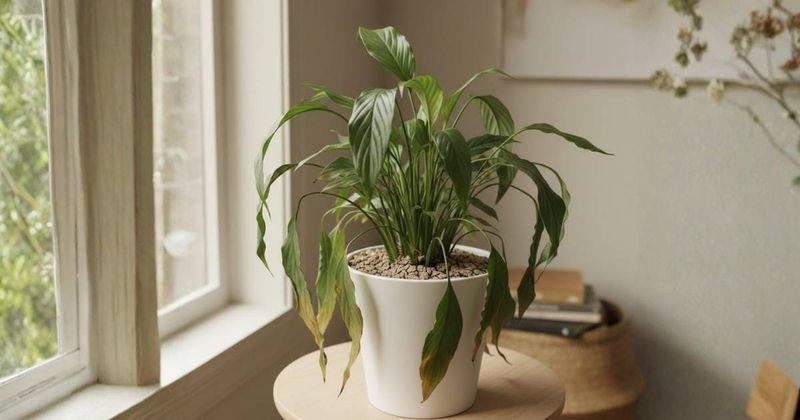
A drooping peace lily can look like it is giving up on life, and that sad, floppy slump is enough to make any plant owner panic. The good news is that this tropical houseplant is a drama queen, and its wilting is usually a loud cry for one simple change.
Most of the time you can bring it back to attention in just a few hours or days. Here are 12 fixes to figure out what is wrong and get your peace lily standing tall again.
1. Address Underwatering
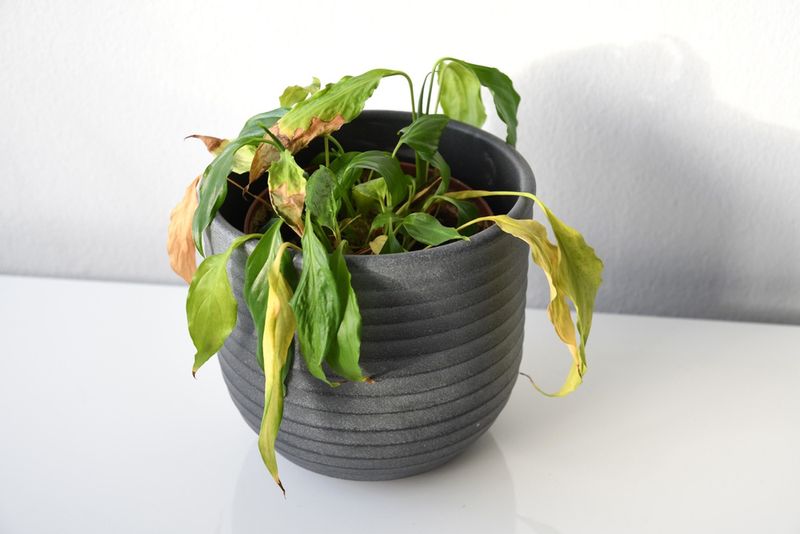
Lift the pot and if it feels surprisingly light, you have probably found your culprit. A thirsty peace lily wilts fast, its leaves flop over the pot rim, and the soil pulls away from the edges looking dry and crumbly.
Give it a deep drink until water runs out the drainage holes. If the soil has gotten so dry it repels water, set the whole pot in a bowl of room-temperature water for 20 to 30 minutes so the root ball can soak it up from below.
Let it drain completely before returning it to its saucer. The reward here is fast and satisfying, because a truly thirsty peace lily often perks back up within a few hours of watering.
2. Correct Overwatering and Waterlogged Soil
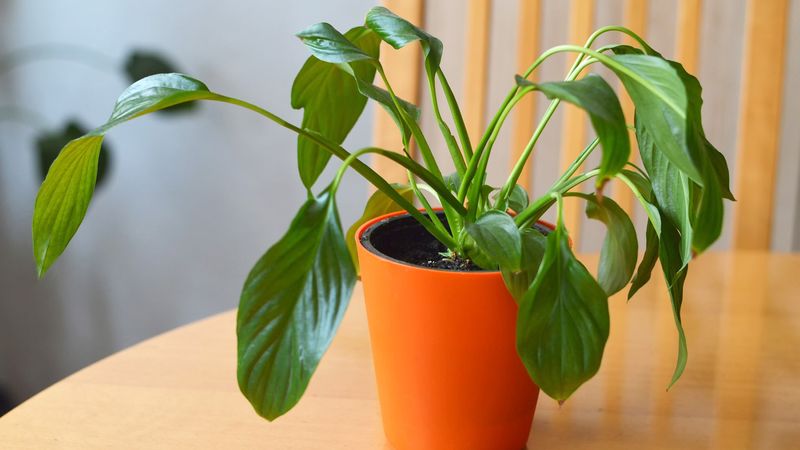
Here is the tricky part that trips up so many well-meaning plant lovers: a peace lily drowning in water droops in almost the exact same way a thirsty one does. When roots sit in soggy soil, they suffocate and stop drinking, so the leaves wilt even though the pot feels heavy and wet.
Stick a finger into the soil before you reach for the watering can. If the top inch is still damp, hold off and let it dry out.
Make sure your pot actually has drainage holes and empty any standing water from the saucer. When the soil stays swampy no matter what, repot into fresh, drier mix to give the roots room to breathe.
3. Treat Root Rot

When overwatering goes on too long, it turns into something nastier. Root rot is a fungal problem where the roots go black, mushy, and smelly, and they can no longer move water up to the leaves.
That is why a rotting peace lily keeps wilting even while sitting in wet soil.
Slide the plant out of its pot and take a good look at the roots. Healthy ones are firm and pale, so snip away anything dark, slimy, or foul-smelling with clean scissors.
Repot into fresh, well-draining soil and water only lightly until you see new growth appear. It takes patience, but rescuing the healthy roots gives your plant a real second chance.
4. Adjust Excessive Light Exposure
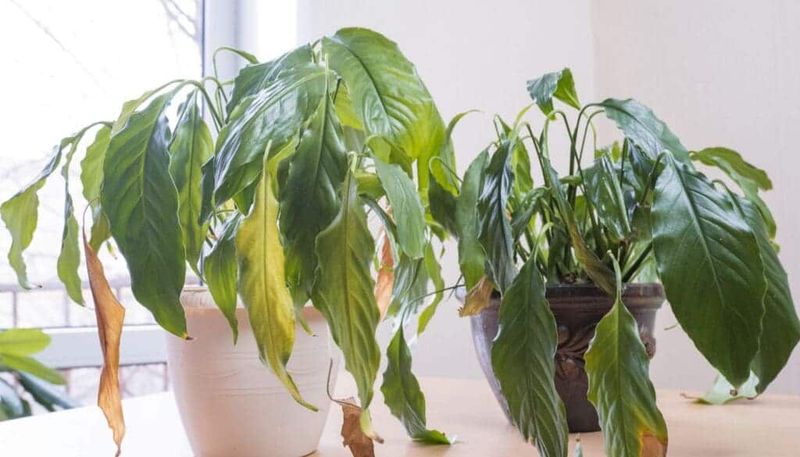
Peace lilies love a bright room, but blast them with harsh afternoon sun and they will protest. Too much direct light scorches the foliage, leaving brown or yellow patches, and the plant may droop as it loses moisture faster than it can replace it.
Think of the forest floor these plants come from, where sunlight arrives dappled and soft. Move yours to a north or east-facing window, or set it a few feet back from a bright south or west window.
A sheer curtain works wonders for filtering out that stinging midday glare. Give it a spot with plenty of gentle, indirect light and the leaves will stop crisping.
5. Increase Insufficient Light
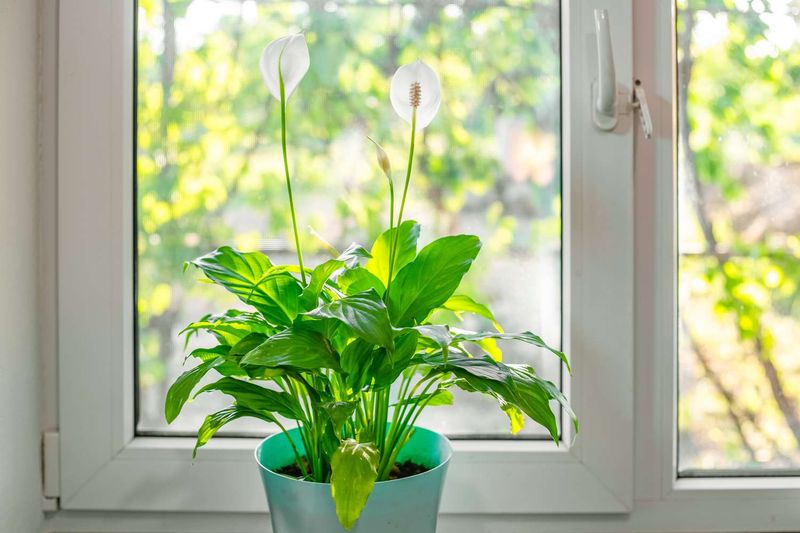
Everyone repeats that peace lilies tolerate low light, and they do, but tolerate is not the same as thrive. Tucked away in a gloomy corner for too long, the plant loses its pep, growth slows to a crawl, and the whole thing takes on a tired, droopy slouch.
Shift it somewhere brighter without going overboard into harsh sun. A room with steady, filtered daylight hits the sweet spot.
If your home runs dark, a spot near a curtained window or a simple grow light can wake it right up. More light means more energy, and more energy means those leaves lift back toward the sky.
6. Provide Stable Temperatures
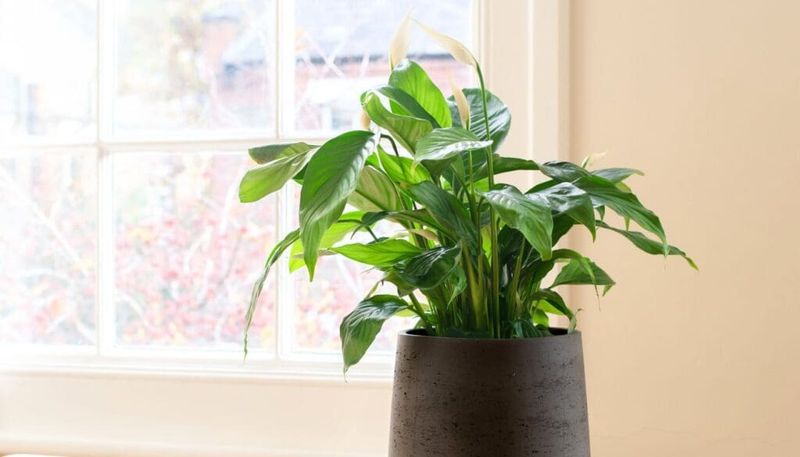
Being tropical at heart, a peace lily has zero patience for the cold. Drop the temperature below 60 to 65 degrees Fahrenheit or hit it with a sudden draft, and it will slump in a chilly sulk almost overnight.
Cold air from a cracked window, an entryway, or an air conditioning vent is a common hidden offender. Keep your plant in a steady range of roughly 65 to 80 degrees.
Scan the area for sneaky sources of temperature swings, including radiators and heating vents that blow hot, dry air. A calm, consistent spot away from all that turbulence keeps your peace lily comfortable and upright.
7. Boost Humidity Levels
Winter heating is a peace lily’s least favorite season. When furnaces and heaters dry out the indoor air, this rainforest native starts to droop simply because there is not enough moisture floating around it.
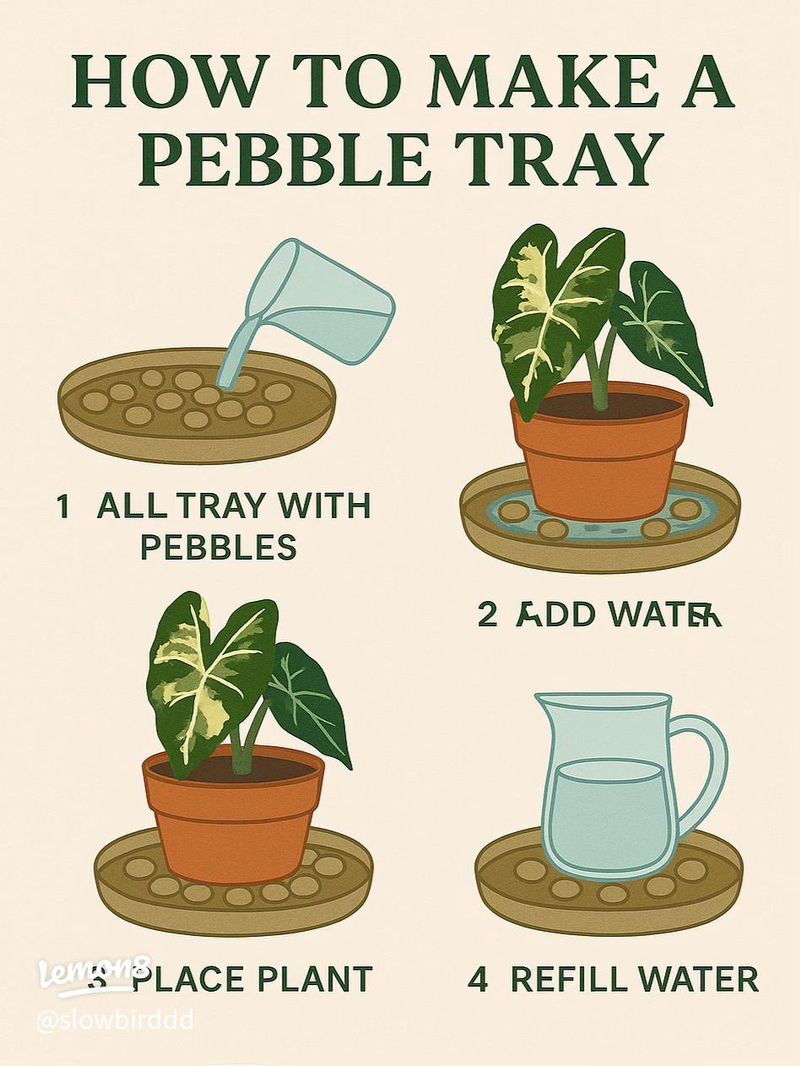
You have a few easy ways to fix the dryness. Mist the leaves every so often, run a small room humidifier, or set the pot on a pebble tray filled with water so it sits on the stones and not down in the puddle.
Grouping it with other houseplants also creates a little pocket of shared humidity. Bump up the moisture in the air and your peace lily will look far less parched.
8. Repot a Rootbound Plant
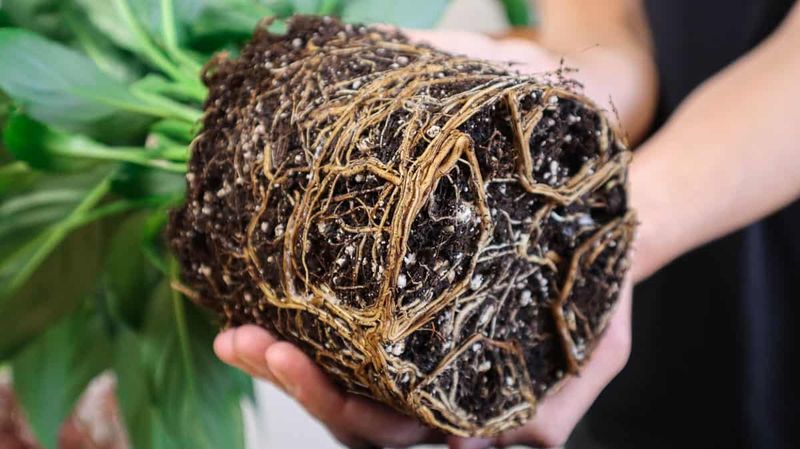
Sometimes the plant is not sick, it is just cramped. When a peace lily outgrows its home, the roots wind around in a tight, packed knot that can barely absorb water or nutrients, and drooping follows.
The telltale signs are roots poking out of the drainage holes or creeping across the soil surface. You might also notice the soil drying out much faster than it used to.
Move it up to a pot only one or two inches wider than the current one, since too big a jump invites soggy soil. Spring or early summer is the ideal time to give it fresh room to stretch out and settle in.
9. Address Pest Infestations
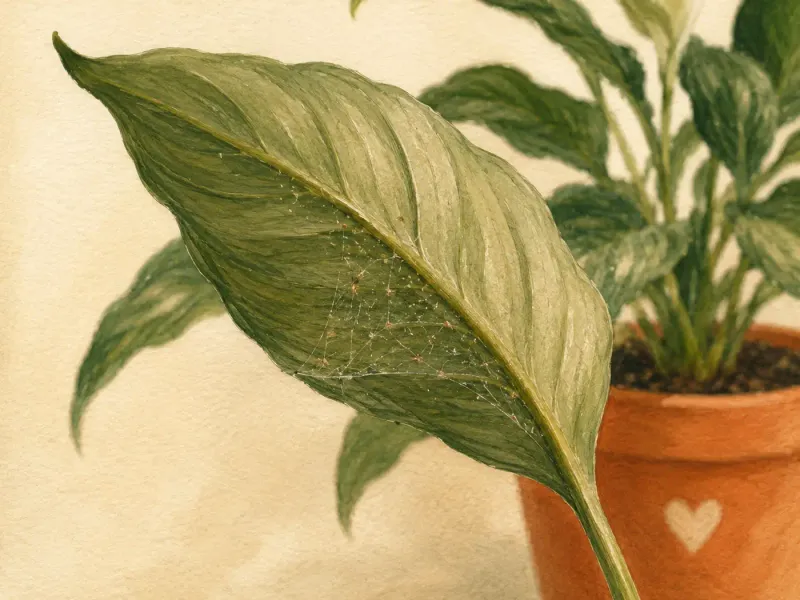
Tiny freeloaders could be quietly draining the life out of your plant. Spider mites, mealybugs, and aphids all pierce the leaves to sip sap, and as they feast, the foliage droops, yellows, and loses its shine.
Flip the leaves over and inspect closely, because these pests love to hide underneath. Look for fine webbing, cottony white specks, or clusters of small crawling bugs.
If you spot invaders, wipe the leaves down and treat the plant with an insecticidal soap, repeating as directed until they clear out. Catching them early keeps a small nuisance from turning into a full-blown takeover.
10. Alleviate Transplant Shock
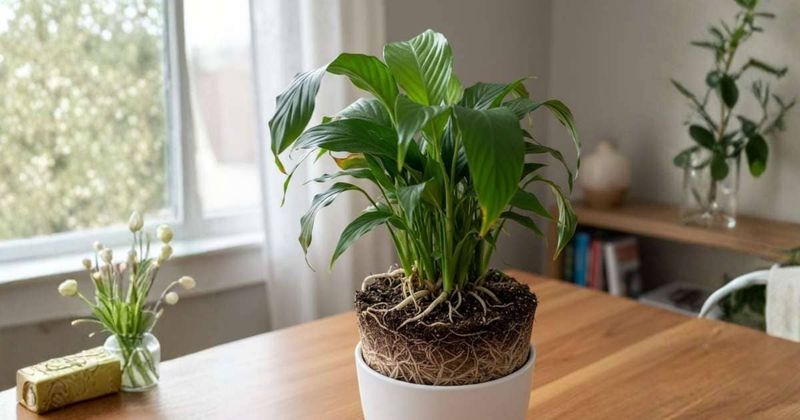
Just moved or repotted your peace lily and now it is flopping? Do not panic and start fussing over it.
A dramatic droop right after a move or a repot is usually plain old transplant shock, the plant’s way of adjusting to disturbed roots and a new spot.
The best medicine here is patience. Recovery can take anywhere from a few days to a couple of weeks as the roots settle back in.
Keep watering consistent and give it bright, indirect light while it recovers. Skip the fertilizer for two to four weeks, since feeding a stressed plant only piles on more pressure when it needs rest.
11. Improve Poor or Compacted Soil
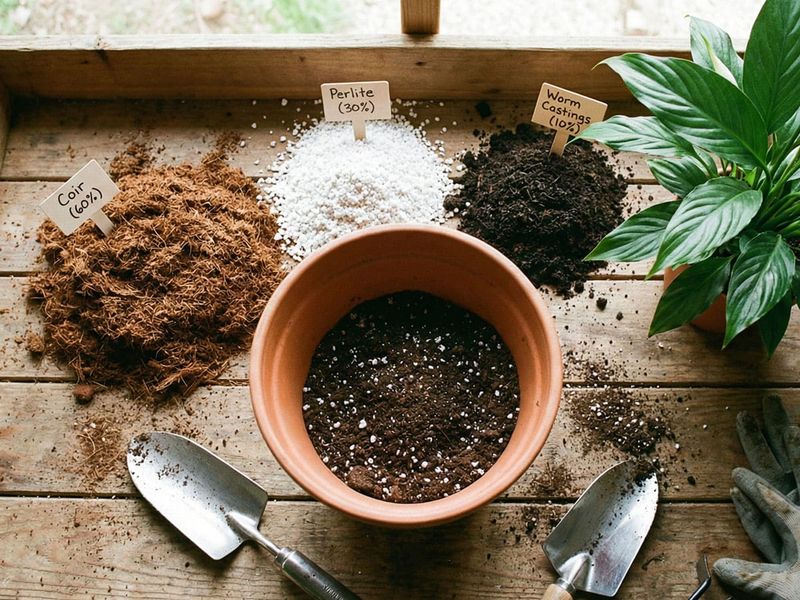
Old, tired soil can quietly sabotage even a well-cared-for plant. When potting mix breaks down and compacts over the years, it turns dense and hard, choking off air and water from the roots so the plant droops no matter how carefully you water.
Reach for a light, airy mix with ingredients like perlite or fine bark stirred in. Those chunky bits create pockets that let roots breathe and water flow through instead of pooling.
Refreshing the soil every couple of years keeps it from turning into a solid brick. Good structure underground is the quiet foundation for leaves that stand up proud.
12. Manage Fertilizer Appropriately
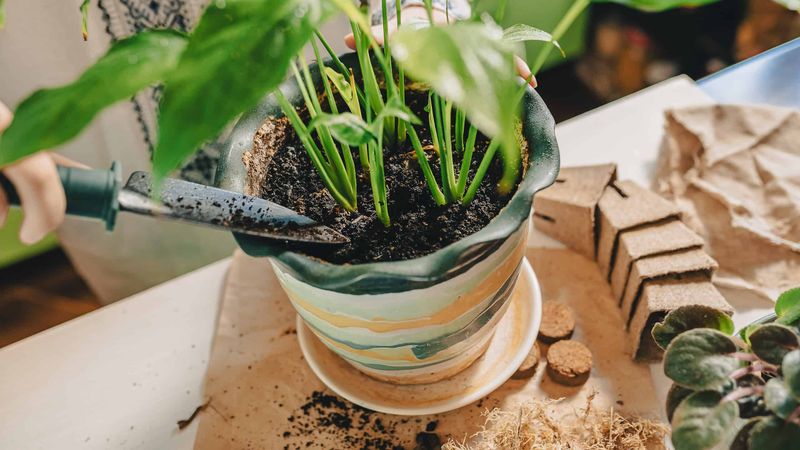
Feeding your peace lily is a bit of a balancing act, and both extremes cause trouble. Pile on too much fertilizer and salts build up in the soil, burning the roots, while starving it of nutrients leaves it weak and droopy.
When in doubt, go light. Peace lilies are not heavy feeders, so a diluted dose every so often during the growing season is plenty.
If you suspect you overdid it, flush the pot with plenty of plain water to rinse away the excess salts. And always wait until your plant has bounced back from any other problem before you start feeding again, because a struggling plant cannot make good use of a meal.