
If Your Peonies Just Finished Blooming, Here Are 13 Moves Now That Decide Next Year’s Flowers

That sad moment when your peony’s big, ruffly flowers drop their last petals feels like the show is over. But the truth is, what you do right now quietly decides how many blooms you get next spring.
Peonies spend the whole summer storing up energy for the following year, so a few smart moves today can mean a wall of color later. Here are 13 things to do (and a few to avoid) so your plant comes back stronger than ever.
1. Deadhead Spent Blooms Properly
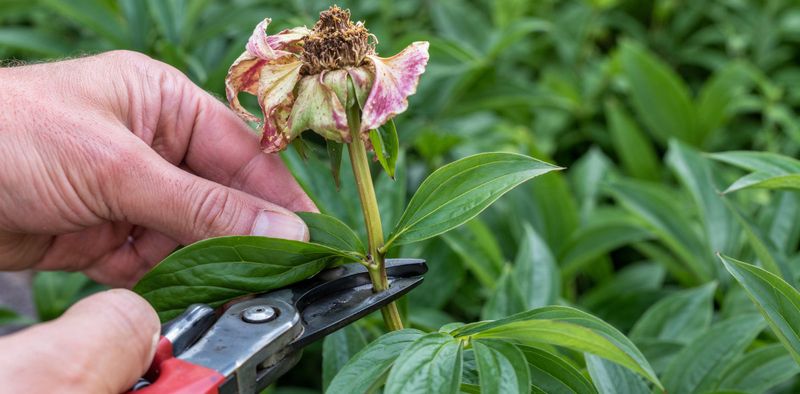
Snipping off those brown, crispy flower heads is one of the quickest wins you can grab. When a peony is left to form seed pods, it pours energy into making seeds instead of building strong roots and leaves for next year.
Cut the spent bloom and its stem back down to the first strong, healthy leaf. That single move redirects the plant’s effort where it counts and tidies up the whole clump at the same time.
Different peony types want slightly different handling. For tree peonies, snip just below the faded flower and stay clear of the live, woody stems.
Itoh hybrids only need the dead flower heads removed, so leave their leafy stems alone.
2. Leave All Healthy Green Foliage Intact
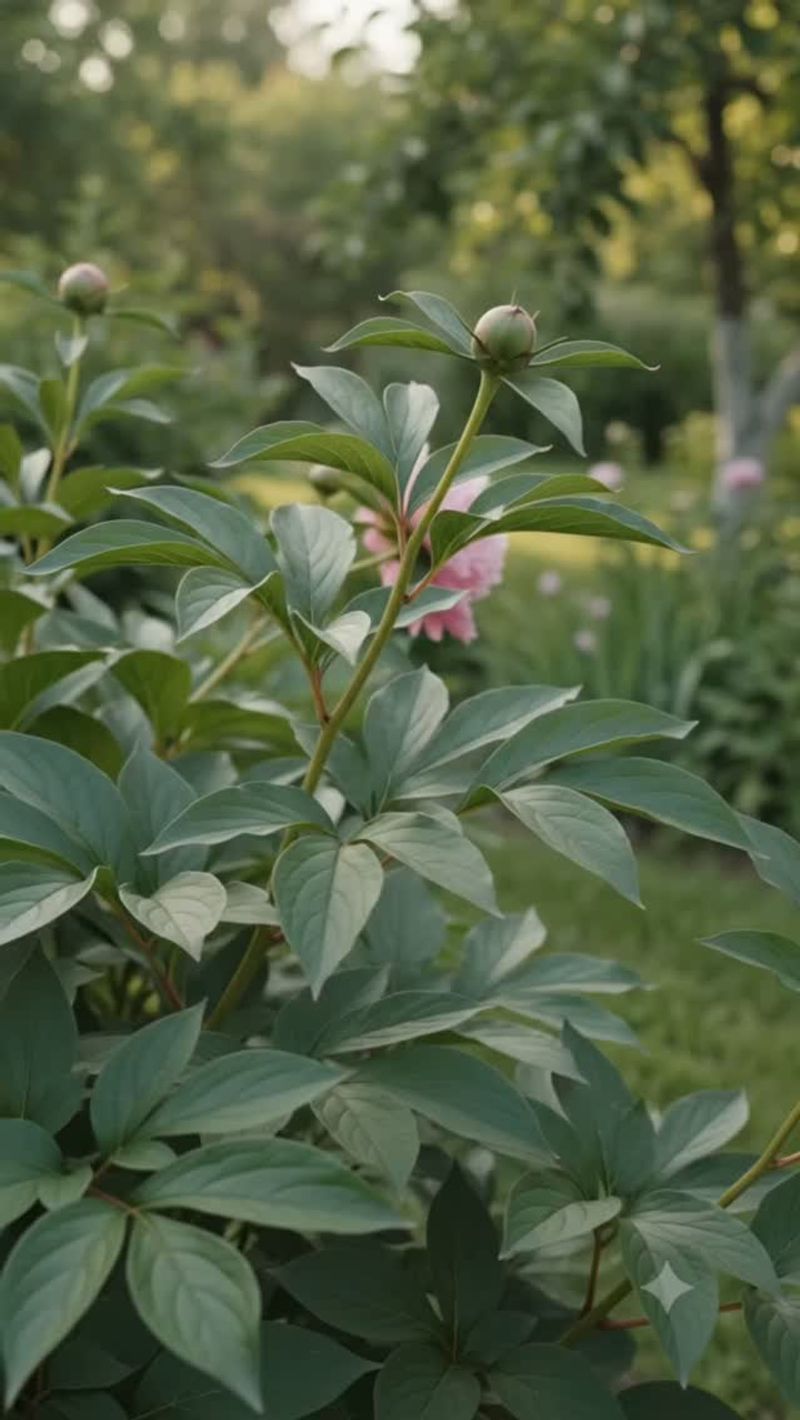
It’s tempting to chop the whole plant down once the flowers fade, but that green foliage is doing serious work. Every leaf is a tiny solar panel, turning sunlight into stored energy that gets banked in the roots.
All that stored fuel is exactly what pushes out next spring’s blooms. Cut the leaves too soon and you starve the plant right when it needs to recharge.
So even if the bush looks a little plain without flowers, resist the urge to trim. Those leaves earn their keep all summer long.
3. Water Deeply During Dry Spells
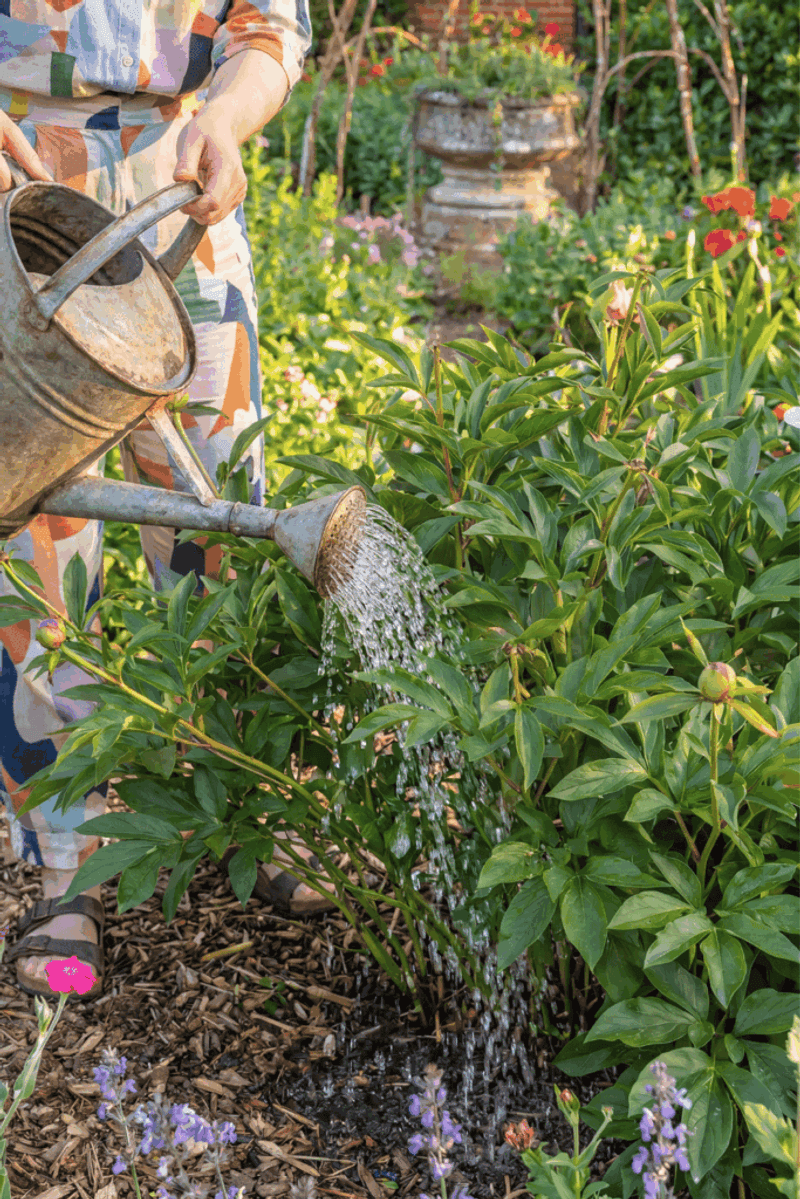
Peonies keep working after the flowers are gone, and that work takes water. During long dry stretches, give them a good deep soak rather than a light sprinkle.
Aim to get moisture down 8 to 12 inches into the soil, and pour it right at ground level. Keeping water off the leaves helps you dodge a lot of common leaf diseases.
Established peonies handle drought fairly well, but they still reward you for steady moisture. A rough rule: if you haven’t gotten about an inch of rain every couple of weeks, step in and water.
4. Fertilize Lightly and Appropriately (if at all)
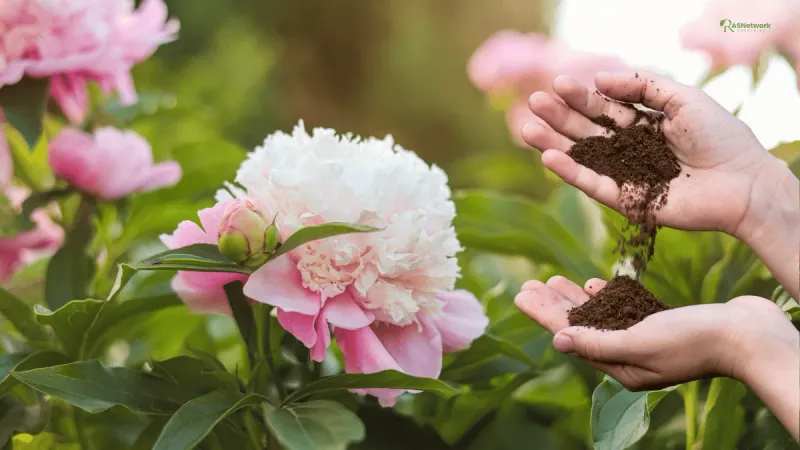
Here’s a spot where doing less actually helps more. Piling on fertilizer right after bloom can push out floppy leaves at the expense of next year’s flowers, so go easy.
If you feed at all, use a balanced, low-nitrogen fertilizer or a bit of compost worked in around the drip line. Some gardeners like a light dose around the 4th of July and again around Labor Day to top off the plant’s energy stores.
Skip the high-nitrogen stuff, which fuels leaves over blooms, and stop feeding after mid-summer. When it comes to peonies, a gentle hand beats a heavy one every time.
5. Promptly Clean Up Fallen Petals and Plant Debris
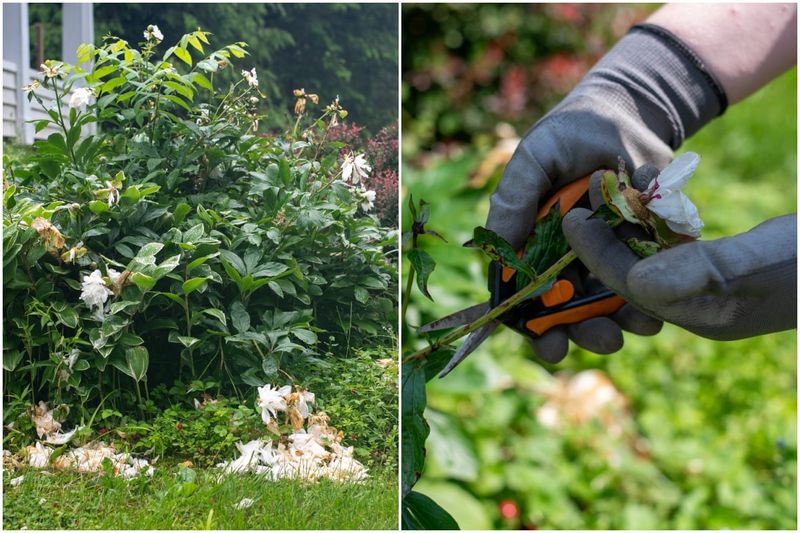
Those pretty petals that drop to the ground turn into a problem fast. Damp, decaying plant matter piled around the base is basically an open invitation for fungal trouble.
Make a habit of clearing fallen petals and any leaf litter from around the crown. It only takes a minute, and it keeps the area dry and clean.
Think of it as good housekeeping for your peony. A tidy base is one of the simplest ways to keep disease from ever getting a foothold.
6. Ensure Good Air Circulation
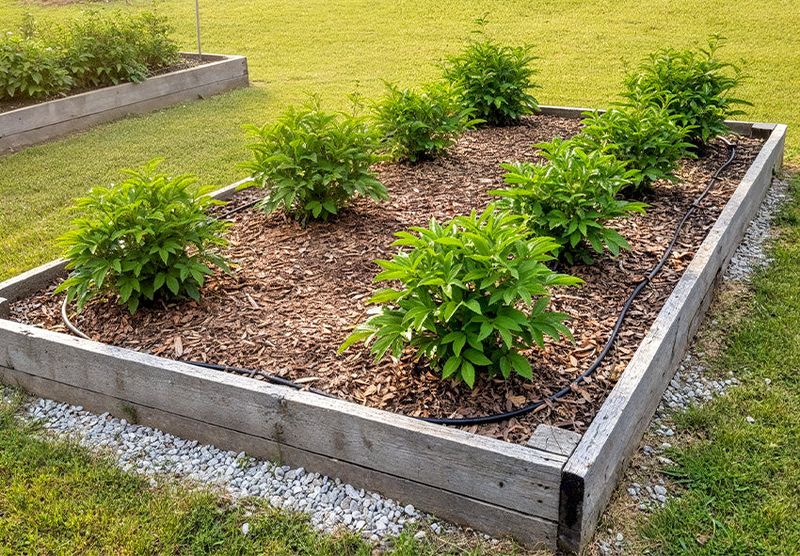
Crowded, stuffy plants stay damp, and damp is where fungus thrives. Giving your peonies room to breathe is a quiet but powerful defense.
Proper spacing between plants lets air move freely through and around each bush, drying the leaves after rain or morning dew. That drier surface makes it much harder for spores to take hold.
Deadheading pitches in here too, opening up the center of the plant so breezes can pass through. A little space goes a long way toward healthy foliage.
7. Monitor for Signs of Disease
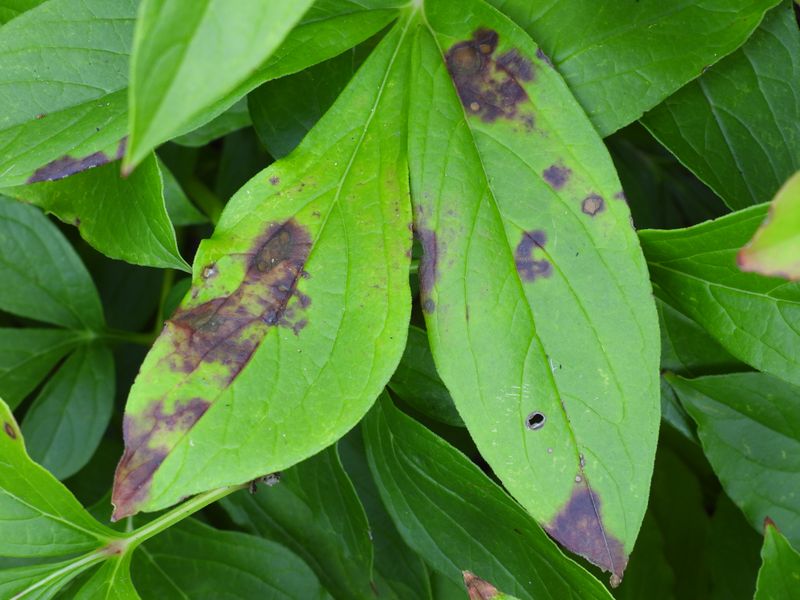
Warm, humid weather in mid to late summer is prime time for peony diseases to sneak in. Catching them early makes all the difference in how much damage they do.
Keep an eye out for red spots (Cladosporium), leaf blotch, Botrytis blight (gray mold), and powdery mildew. Discolored patches, fuzzy gray growth, or a dusty white film are all worth a closer look.
The sooner you spot a problem, the sooner you can act and stop it from spreading. A quick weekly walk past your peonies is all the routine you need.
8. Provide Support for Stems (if not already done)
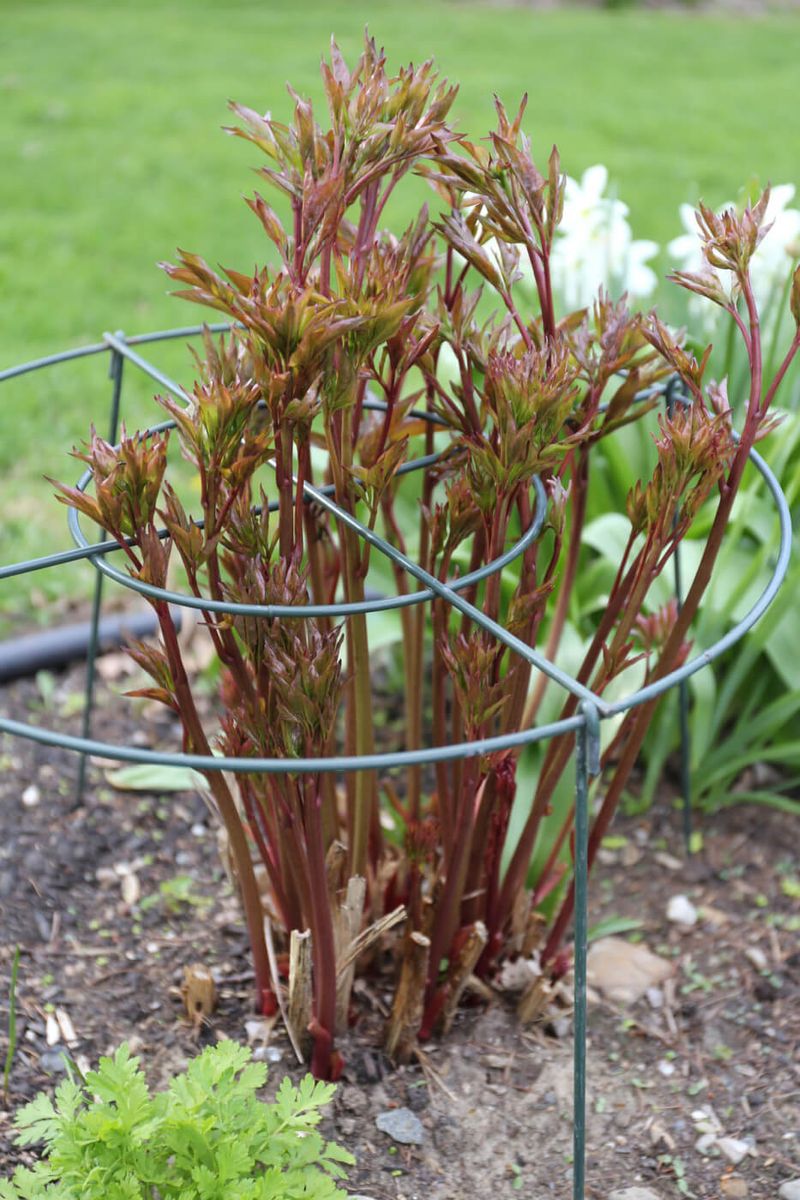
Big, heavy peony blooms have a habit of flopping over and dragging the stems down with them. That’s a problem even after flowering, because bent, damaged foliage can’t do its energy-storing job.
Ideally you’d have set up stakes or grow-through rings early in the season before the buds opened. If you missed that window, it’s not too late to prop things up.
Reinforcing support now still helps keep the leaves upright and healthy. Protecting that foliage protects the whole plant’s ability to fuel next year’s show.
9. Avoid Early Fall Pruning of Healthy Foliage

As the season winds down, you might feel the itch to cut everything back and get ahead of fall cleanup. Hold off, because those green leaves are still busy.
Through summer and into early fall, the foliage keeps photosynthesizing and stashing energy in the roots. Snip it away too soon and you cut short the plant’s recharge period.
Wait until late fall, when the leaves have naturally yellowed and faded, before you reach for the shears. Patience now pays off in flowers later.
10. Do Not Divide or Transplant Peonies Until Fall
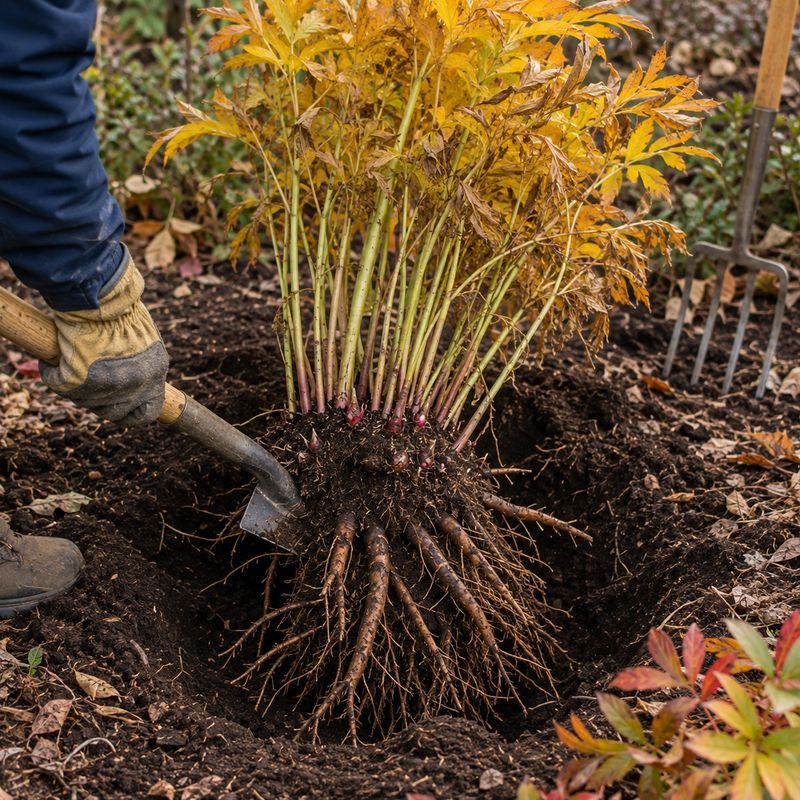
If you’ve been eyeing a new spot for your peony, put down the shovel for now. Disturbing the roots right after blooming is one of the fastest ways to lose flowers for the next two or three years.
Peonies hate having their roots messed with mid-season. They need to be dormant before you move or split them.
The right window is fall, usually September to October in most zones, once the foliage has died back on its own. Move them then and they’ll settle in without sulking.
11. Properly Dispose of Diseased Plant Material
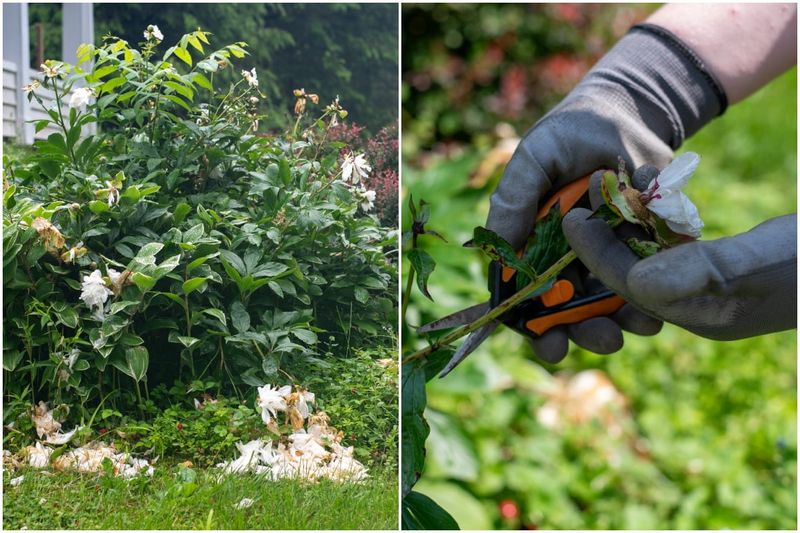
Found some spotted or moldy leaves during your check? Get them out of there, but handle them the right way.
Remove diseased leaves and stems with clean, sterilized pruners so you don’t spread spores from plant to plant. Wiping your blades with alcohol between cuts is a smart habit.
Whatever you do, don’t toss diseased material on the compost pile. Fungal spores can survive there and come roaring back next season, so bag it up and dispose of it far from your beds.
12. Mulch Correctly
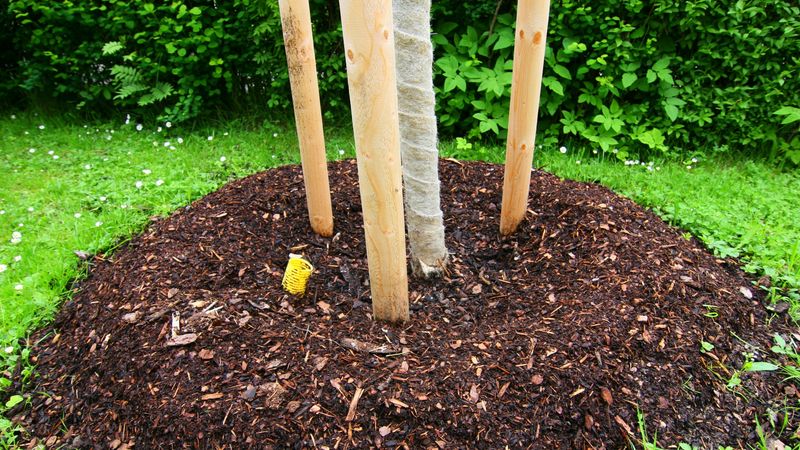
A good layer of mulch is like a comfort blanket for peony roots, but only if you apply it right. Spread 2 to 3 inches around the base to keep roots cool and hold soil moisture steady.
The key detail: keep that mulch pulled back from the stems. Piled against the crown, it traps humidity that feeds fungal problems and can smother new spring shoots.
Young and newly planted peonies especially appreciate a protective layer heading into winter. Just leave that little breathing gap around the center of the plant.
13. Plan for Fall Cutback of Foliage
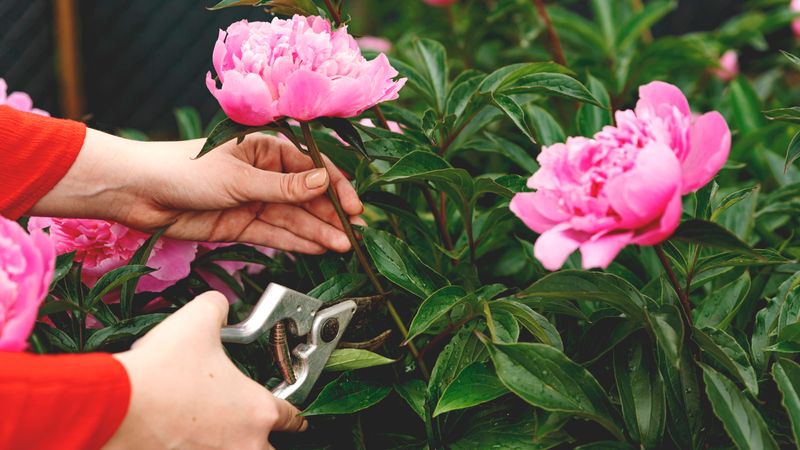
The summer rule is leave the leaves, but fall flips the script. Once the first hard frost hits and the leaves have yellowed and died back, it’s finally time for the big trim.
Cut herbaceous peony stems down to within half an inch to one inch of the soil surface. This clears away spots where pests like to overwinter and cuts down on disease carrying over into next year.
Tree peonies are the exception, so treat them gently. Only remove wood that’s clearly dead, diseased, or broken, because their living canes hold next season’s flower buds.