
If Your Tomatoes Keep Splitting And Cracking On The Vine, Here Are 13 Fixes That Save The Harvest
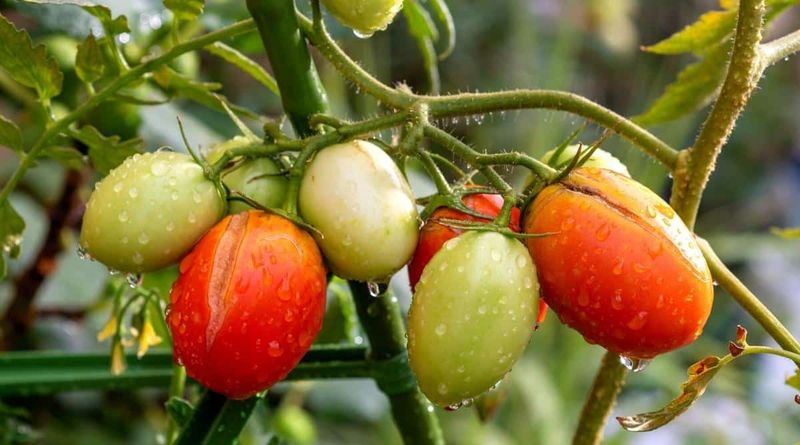
You walk out to your garden, excited to pick that gorgeous red tomato, and there it is with a big ugly crack running across the top. It feels like all your hard work just went to waste.
The good news is that split tomatoes are almost always caused by things you can control, and most fixes are quick and cheap. Let’s walk through 13 simple ways to keep your tomatoes smooth, whole, and ready to eat.
1. Maintain Consistent and Deep Watering
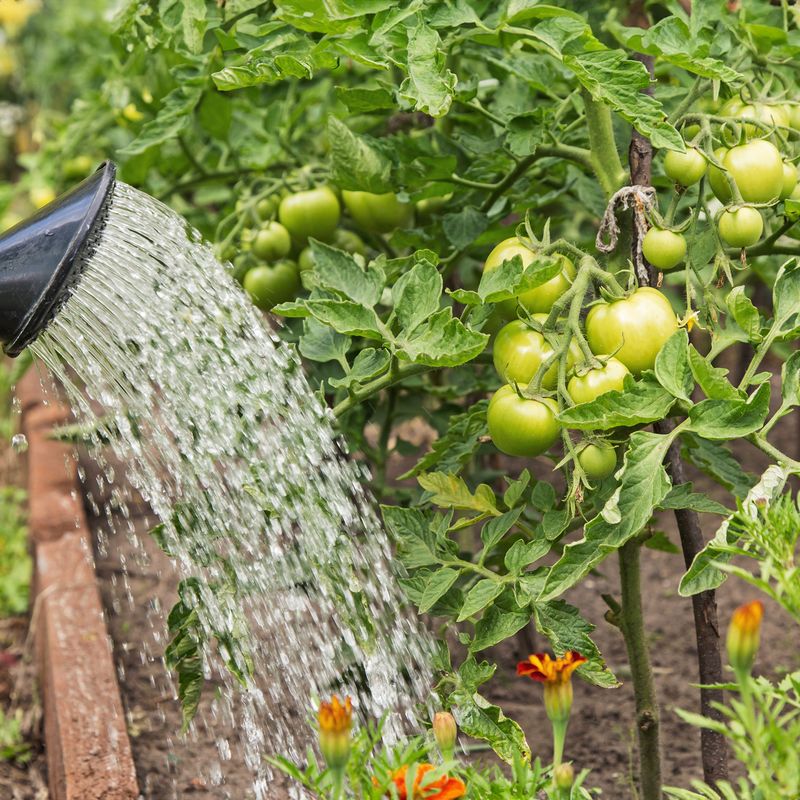
Most cracked tomatoes trace back to one sneaky culprit: uneven watering. When a plant goes thirsty and then suddenly gets soaked, the fruit swells faster than its skin can stretch, and pop, you get a split.
Aim to give your plants 1 to 2 inches of water per week, delivered as deep soaks a few times weekly instead of light daily sprinkles. Deep watering encourages roots to reach down and keeps moisture steady where it counts.
Try not to let the soil dry out completely between drinks. When the water supply stays even, the fruit grows at a calm, steady pace and the skin keeps up beautifully.
2. Reintroduce Water Slowly After Dry Spells
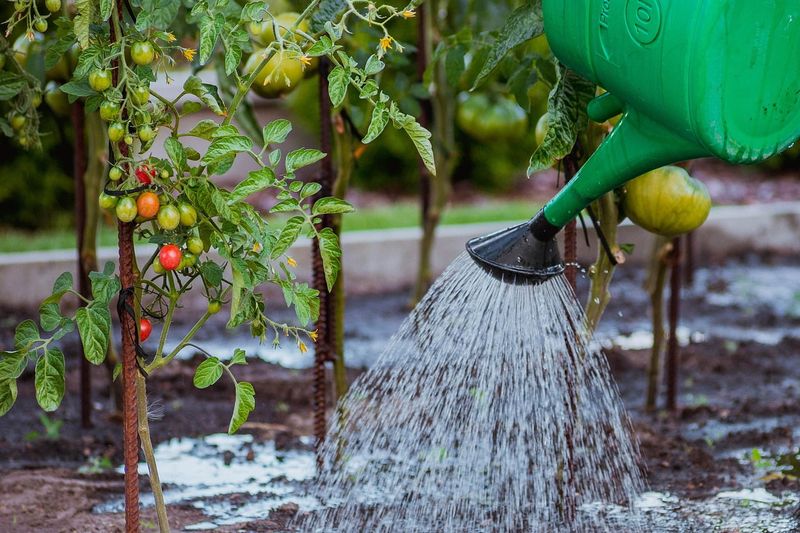
Picture a plant that has been parched for a week suddenly getting a giant gulp of water. That rush of moisture floods the fruit, and the skin tears because it cannot expand fast enough.
If your garden has been dry and rain or heavy watering is coming, ease the moisture back in gradually over two or three days. Give a little today, a little more tomorrow, and let the plant adjust.
Slowing things down gives the fruit time to plump up at a safe rate. It is a small habit that saves a surprising number of tomatoes right before harvest.
3. Apply a Layer of Organic Mulch
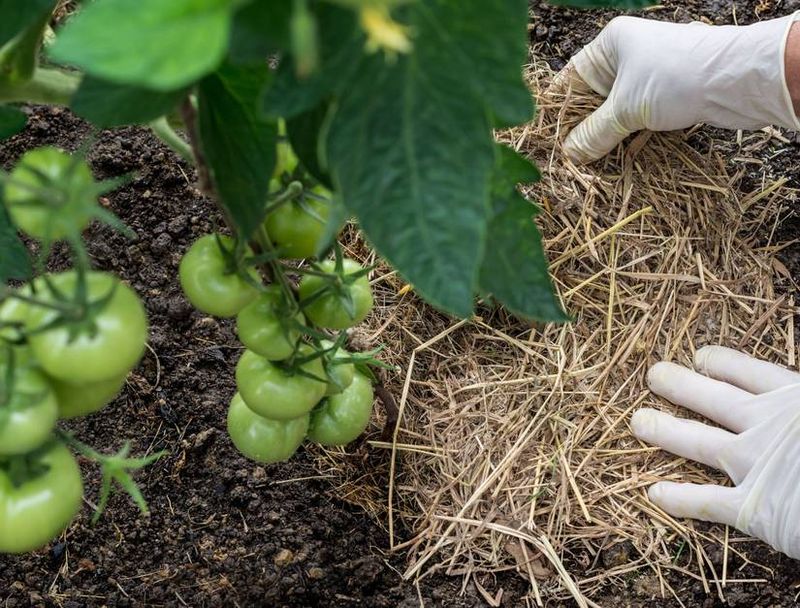
Mulch is like a cozy blanket for your soil, and it does more work than people expect. A 2 to 3-inch layer of straw, shredded leaves, or compost around the base of your plants locks in moisture and slows evaporation.
That steady soil environment is exactly what tomatoes crave. Instead of swinging from soggy to bone-dry, the ground stays evenly damp between waterings.
Bonus: mulch also keeps weeds down and helps the soil hold a more even temperature. Fewer moisture swings mean fewer cracks in your fruit.
4. Harvest Ripe or Blushing Tomatoes Promptly
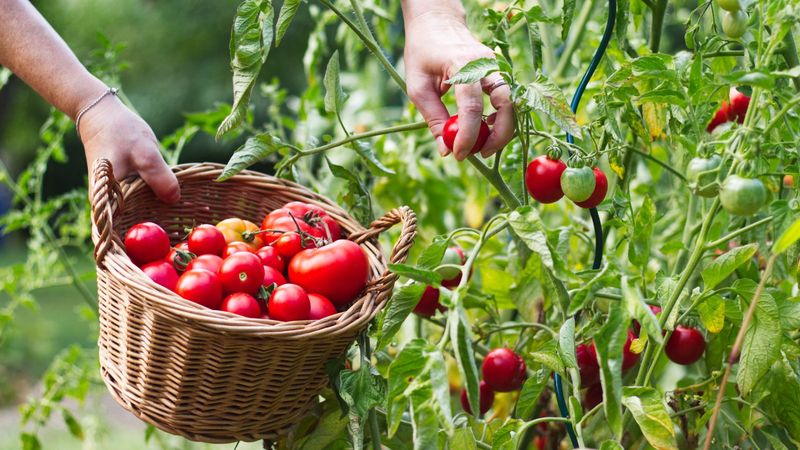
Waiting for that perfect deep-red color feels satisfying, but it can backfire when a storm rolls in. Tomatoes left on the vine soak up all that extra rain and split right when they are almost ready.
A smart move is to pick fruit at the breaker stage, when it just starts showing color or is nearly ripe. Bring those tomatoes indoors before heavy rain hits.
They will happily finish ripening on your counter at around 65 to 75 degrees Fahrenheit. You get the same juicy flavor without the heartbreak of a cracked skin.
5. Choose Crack-Resistant Tomato Varieties
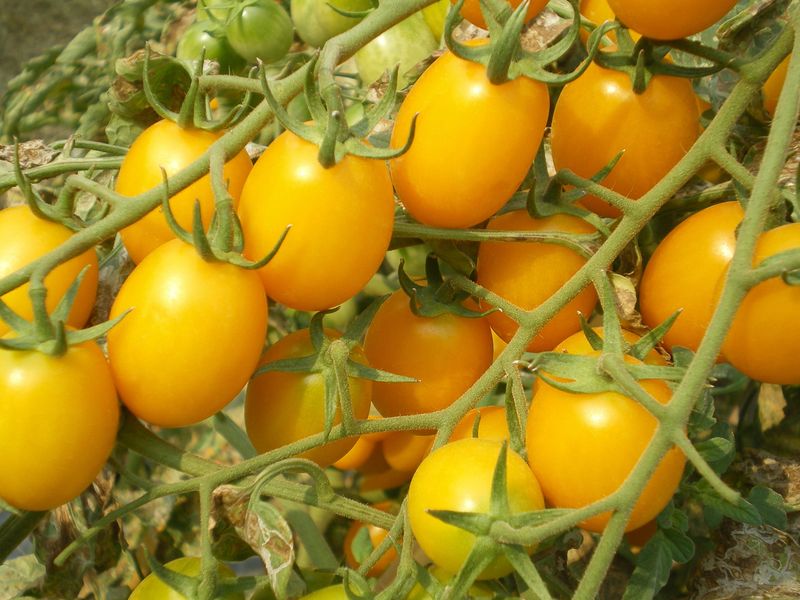
Some tomatoes are simply built tougher than others. Certain varieties come with thicker or more elastic skins that stretch instead of tearing when moisture shifts.
If splitting has been a yearly battle for you, look into crack-resistant favorites like ‘Celebrity’, ‘Big Beef’, ‘Sungold’, ‘Yellow Pear’, ‘Marglobe’, ‘Heinz’, ‘Jet Star’, and ‘Fourth of July’. Heirloom lovers can try ‘Arkansas Traveler’ or ‘Mountain Gold’.
Fun tidbit: ‘Sungold’ is beloved for both its candy-sweet flavor and its knack for staying whole. Choosing the right seed packet in spring can quietly solve the problem before it starts.
6. Ensure Adequate Calcium Availability
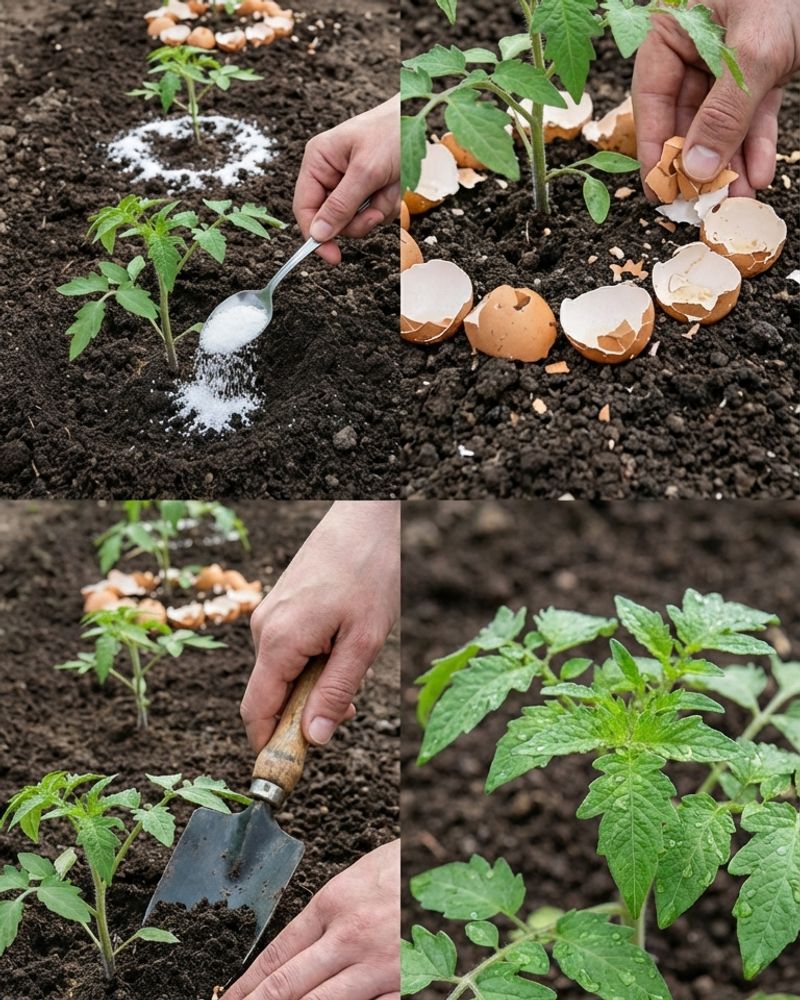
Strong fruit skins need strong cell walls, and calcium is the mineral that builds them. Even when your soil has plenty, spotty watering or damaged roots can block the plant from actually absorbing it.
That calcium shortage shows up as blossom end rot and makes fruit more likely to crack under pressure. Keeping moisture steady helps the plant grab the calcium it already has.
You can also boost supply with natural amendments like crushed eggshells, bone meal, fish bone meal, gypsum, or lime for acidic soils. Feed the soil and the fruit reaps the reward.
7. Fertilize with a Balanced, Low-Nitrogen Formula
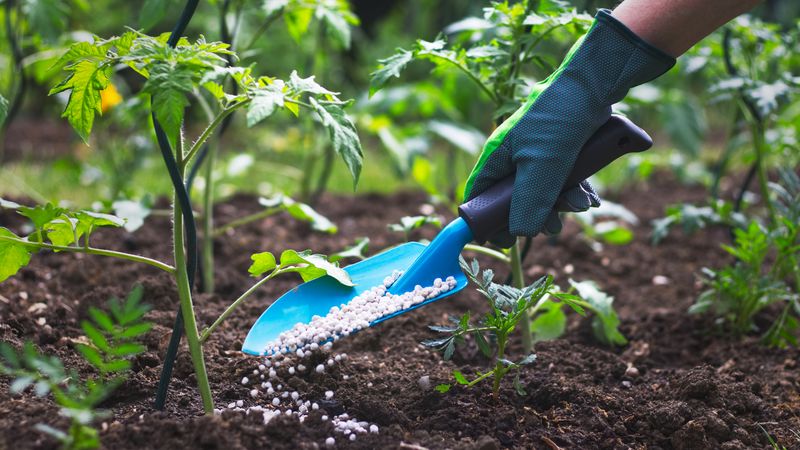
More fertilizer is not always better, especially when it comes to nitrogen. Too much nitrogen pushes the plant to grow lush leaves while the fruit gets rushed and stressed, which can lead to cracking.
Once your plants start flowering and setting fruit, switch to a lower-nitrogen blend with good phosphorus and potassium. Those nutrients support calm, steady fruit development rather than a growth spurt.
Think of it as feeding for quality over quantity. Balanced nutrition keeps the fruit expanding at a sensible pace, and even skins are the payoff.
8. Improve Soil Drainage
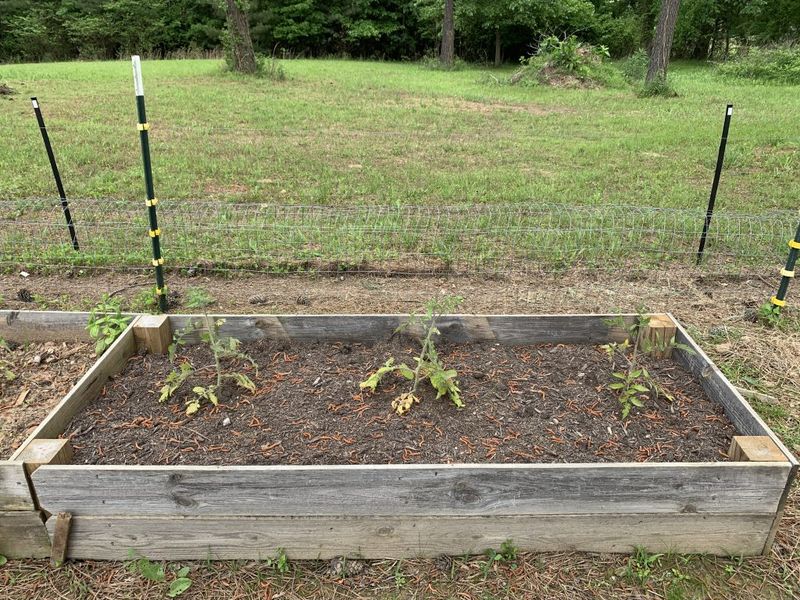
Waterlogged roots are stressed roots, and stressed plants crack more fruit. If your soil holds water like a sponge that never dries, tomatoes end up sitting in feast-or-famine conditions.
Loosen heavy soil by mixing in compost and other organic matter so water can flow through instead of pooling. Raised beds are a fantastic option when drainage is a chronic issue.
Good drainage keeps moisture even and roots happy. Healthy roots mean the plant can regulate how much water the fruit receives, and that stops sudden swelling.
9. Water in the Morning
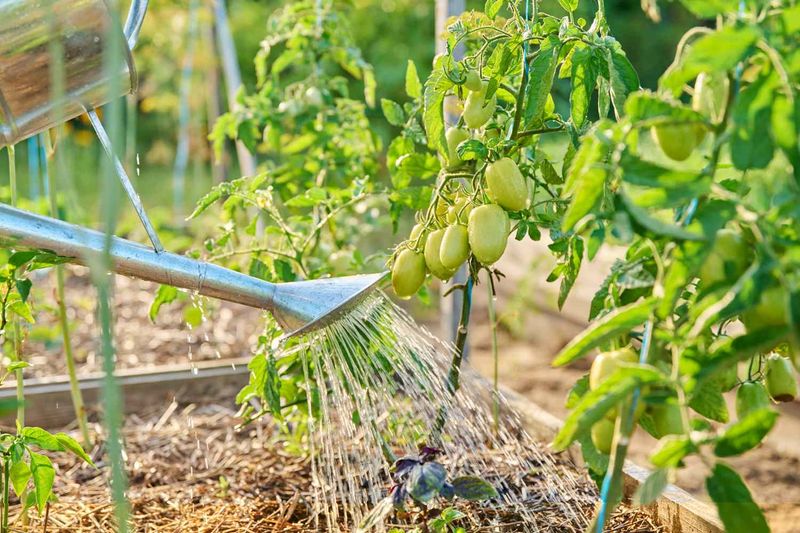
Timing your watering can be just as important as how much you pour. A morning drink lets your tomatoes soak up moisture before the afternoon heat cranks up.
Plants that head into the hottest part of the day already hydrated handle stress far better and wilt less. That steadiness matters, because heat stress and thirst are a recipe for cracks.
Morning watering also lets the leaves dry out quickly, which helps keep fungal diseases at bay. One small tweak to your routine covers several problems at once.
10. Use Drip Irrigation or Soaker Hoses
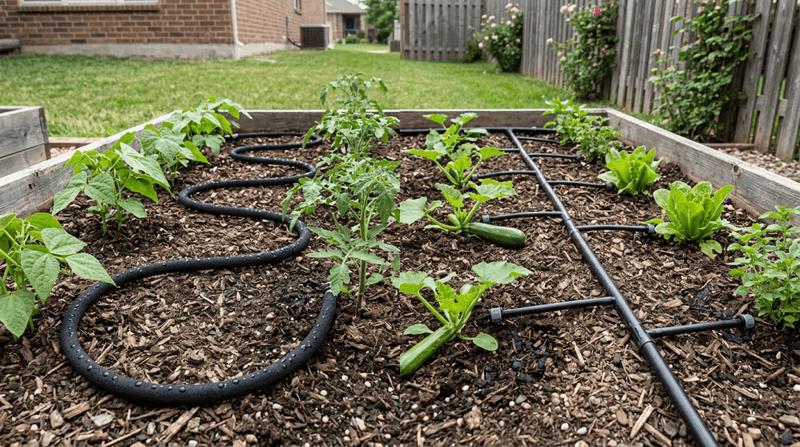
If keeping moisture consistent by hand feels like a chore, let a soaker hose do the heavy lifting. Drip irrigation and soaker hoses trickle water slowly and directly to the roots.
That gentle, even delivery keeps the soil at a steady dampness that fruit skins love. There are no big floods and no dry gaps, just reliable moisture.
As a nice bonus, the water goes to the roots instead of the leaves, cutting down on evaporation and disease. Set it on a timer and cracking becomes far less common.
11. Provide Temporary Rain Protection
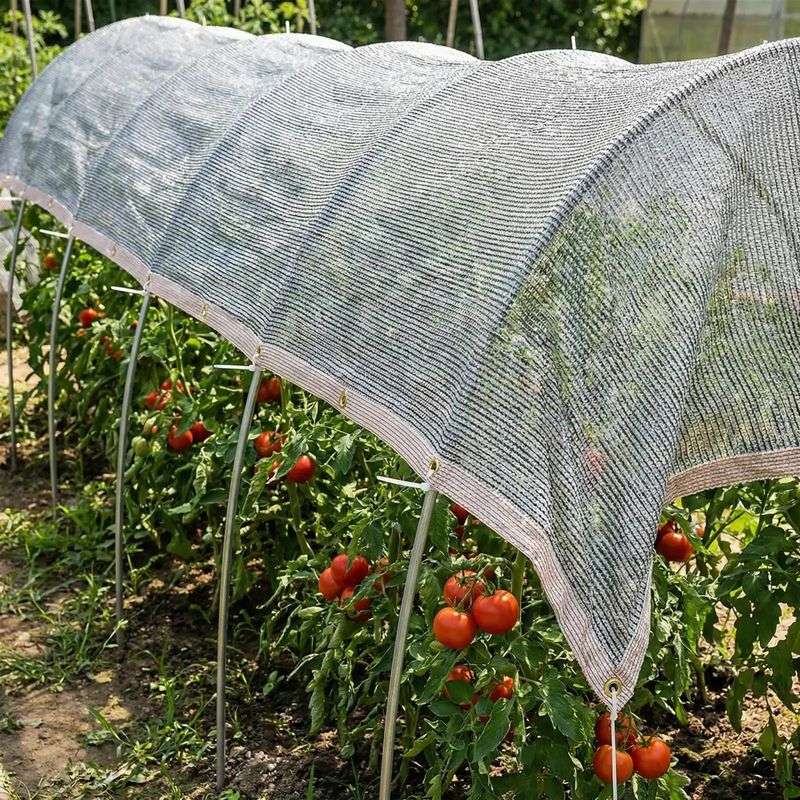
Sometimes the sky is the real threat, especially after a dry stretch followed by a downpour forecast. A sudden heavy rain can dump more water than ripening fruit can safely absorb.
When that combination is on the way, rig up a temporary cover using a tarp draped over a sturdy frame above your plants. It shields the fruit from soaking up too much too fast.
Remove the cover once the storm passes so air and light can flow again. A little preparation before a big rain can rescue a whole cluster of tomatoes.
12. Carefully Manage Container-Grown Tomatoes
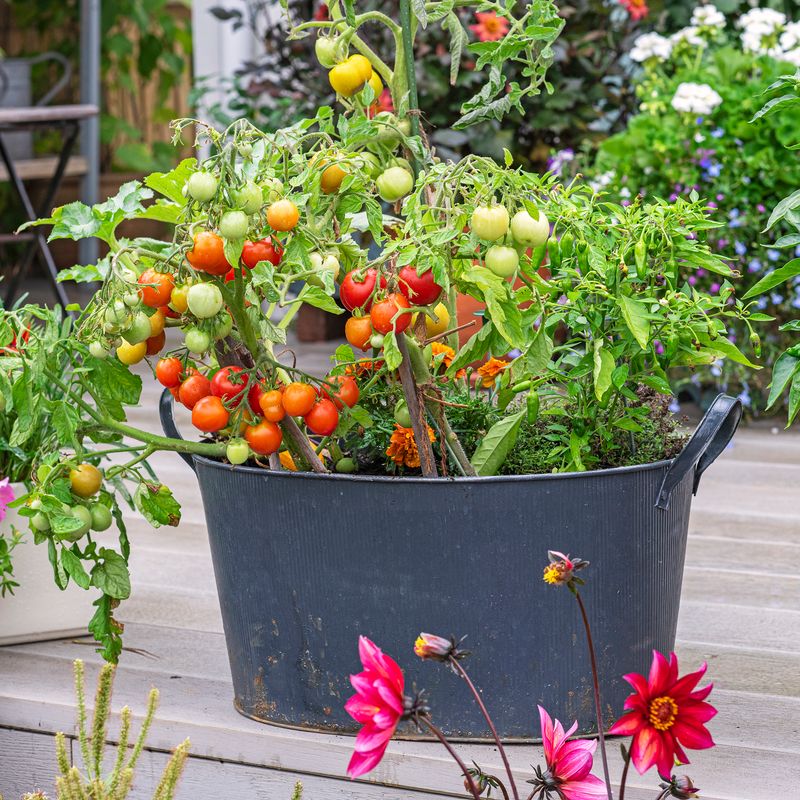
Container tomatoes have a tougher time staying evenly watered than their in-ground cousins. The smaller pool of soil dries out fast and swings between wet and dry, which sets the stage for splitting.
Make sure every pot has solid drainage holes so roots never drown. Then commit to a consistent watering schedule, checking often during hot spells when pots may need water daily.
Bigger containers hold moisture more steadily than tiny ones, so size up if you can. A little extra attention keeps patio tomatoes just as smooth as garden-bed ones.
13. Maintain Sufficient Foliage to Shade Fruit
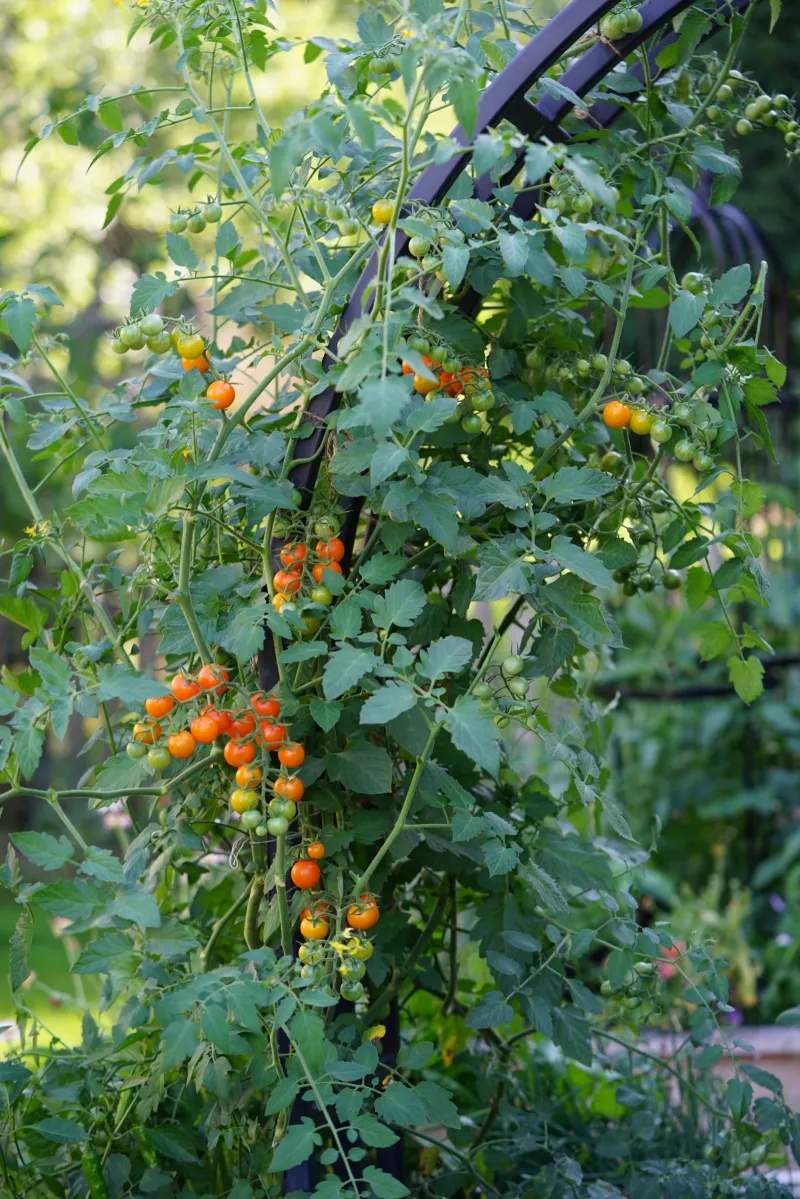
Pruning has its place, but going scissor-happy can leave your fruit exposed and stressed. In hot, sunny climates, too much bare fruit gets scorched by direct sun, a problem called sunscald.
Leaving enough leafy cover gives your tomatoes natural shade and helps regulate their temperature. Cooler, calmer fruit is less likely to react badly to the ups and downs of weather.
Trim just enough for good airflow, then let the rest of the canopy do its shading job. Balanced foliage keeps stress low, and lower stress means fewer cracks.