
If Your Fall Mums Push Green Leaves But Refuse To Bud, Here Are 12 Reasons To Blame Right Now

You bought your fall mums expecting a burst of color, but all you got was a big leafy green bush with zero flowers. It feels like something is going wrong, and honestly, it usually is one small fixable thing.
The good news is that mums are pretty forgiving once you spot the problem. Let’s walk through the 12 most common reasons your mums are stalling so you can get those buds moving.
1. Insufficient Sunlight
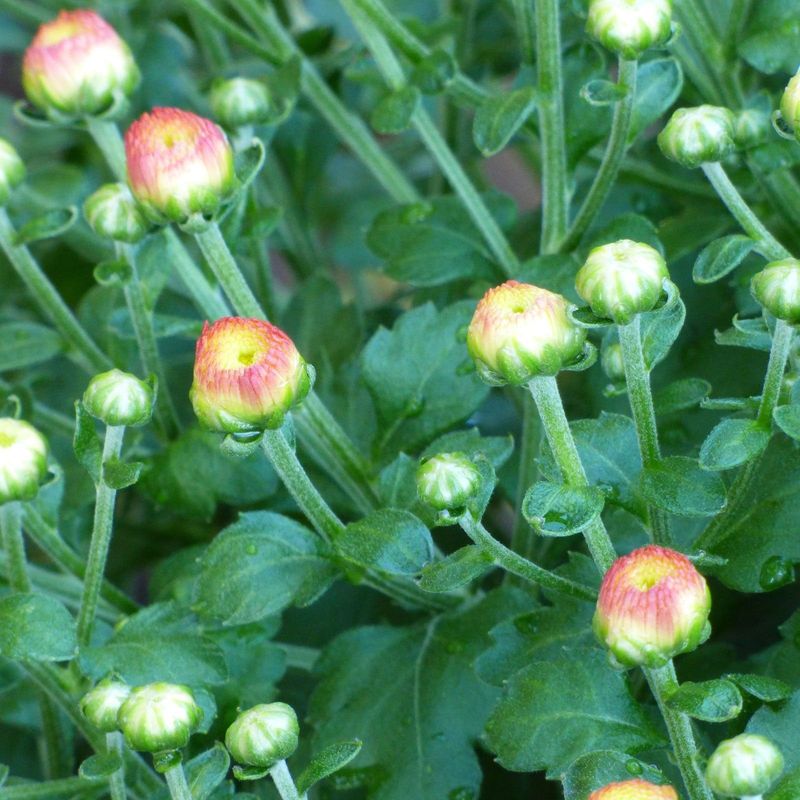
Mums are total sun worshippers, and they get grumpy when they don’t get enough of it. Most varieties need at least six hours of direct sunlight a day to build the energy for a full flush of blooms.
Stick them in a shady spot and they’ll do something sneaky. Instead of budding, they stretch out, get leggy, and pour all their effort into growing more leaves that reach for the light.
Take a look at where your mums are sitting right now. If a tree, fence, or wall is blocking the afternoon sun, try moving the pot to a brighter location and watch how quickly the plant changes its attitude.
2. Light Pollution at Night

Here’s a weird one that trips up tons of gardeners. Mums are what plant folks call “short-day” plants, which means they only start forming buds when the nights get long and dark, usually 10 to 15 hours of uninterrupted darkness.
A streetlight, a porch bulb, or even a bright window shining on your plant at night can scramble that signal. The mum basically thinks it’s still summer and keeps pushing leaves instead of flowers.
If your mums live near any nighttime light source, move them somewhere genuinely dark after sunset. Sometimes that single change is all it takes to flip the switch on budding.
3. Pinching or Pruning Too Late
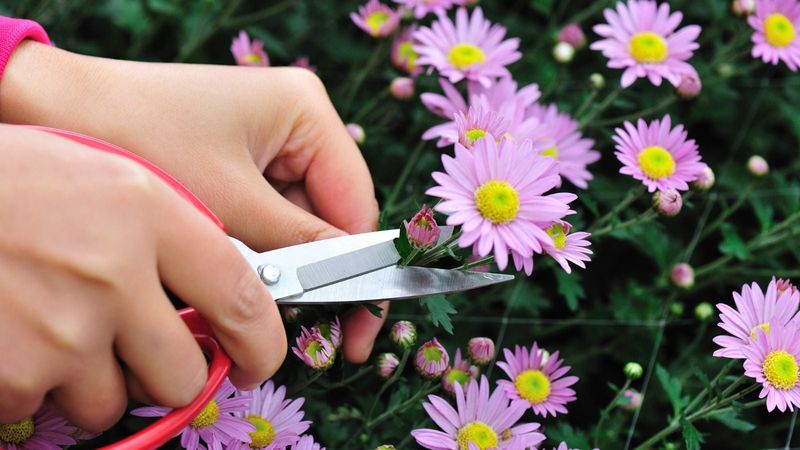
Pinching mums is a good habit, right up until it isn’t. Snipping off the top inch or two of growth early in the season encourages a bushier plant with way more spots for flowers to form.
The trouble starts when you keep pinching too far into summer. Cut back after roughly mid-July and you risk removing the very buds the plant was about to make for fall.
Think of it like giving a haircut right before picture day. If you pruned late this year, there may not be much you can do now, but mark your calendar to stop pinching by early July next season.
4. Excess Nitrogen in Fertilizer

Sometimes love kills the party. If you’ve been feeding your mums a high-nitrogen fertilizer, you’re basically telling them to grow leaves, leaves, and more leaves.
Nitrogen fuels green, leafy growth, but it does almost nothing for flowers. Pour on too much, especially after midsummer, and the plant will happily bulk up its foliage while ignoring buds entirely.
Swap to a bloom-boosting food that’s higher in phosphorus and potassium in late summer. That change nudges the plant’s energy away from growing stems and toward setting the flowers you actually want.
5. Inconsistent or Improper Watering
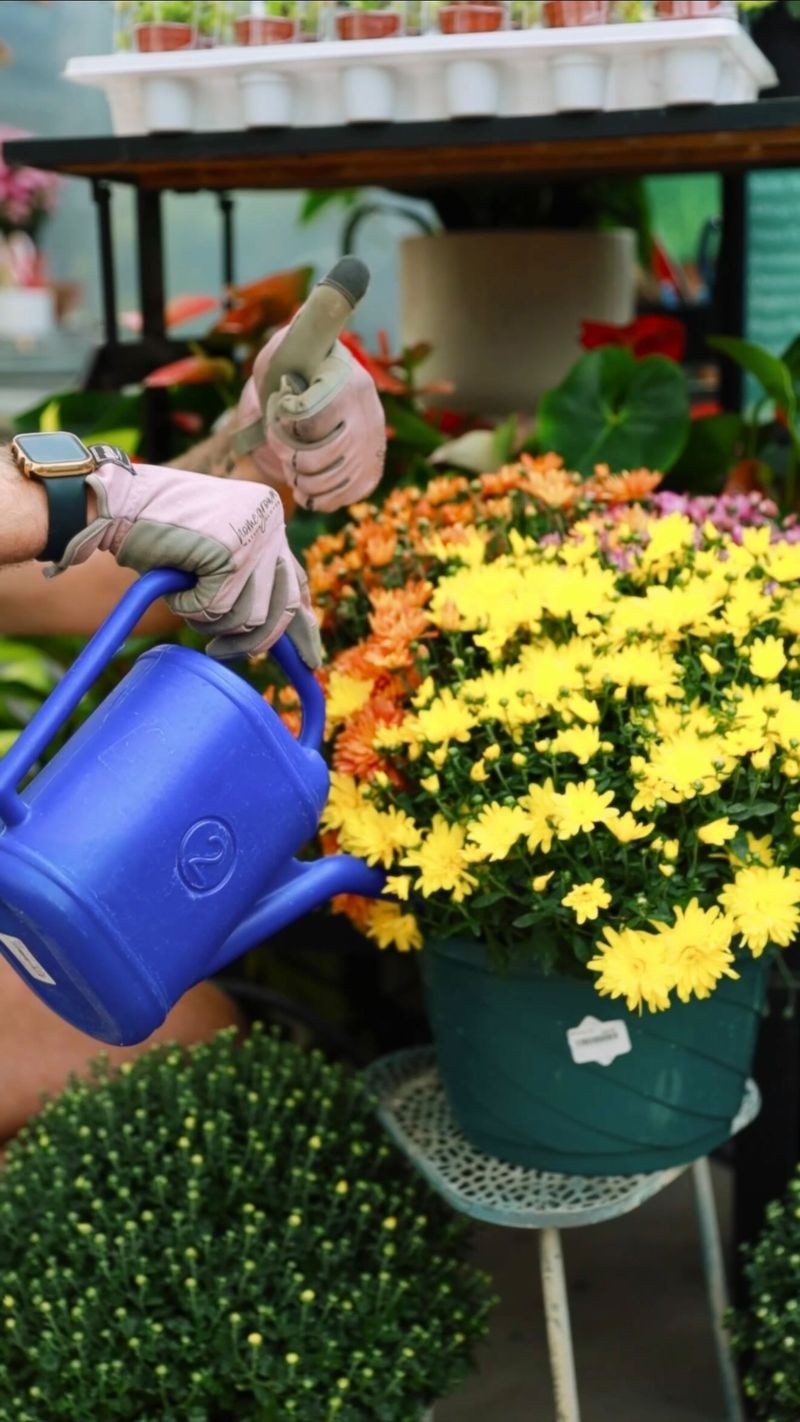
Watering mums is a bit of a balancing act. They like steady moisture but they absolutely hate sitting in soggy, waterlogged soil.
Overwater and the roots can suffocate or rot, which stops the plant from doing anything useful, buds included. Let them dry out too much during bud formation and those tiny flower starts can simply shrivel and abort before they ever open.
Aim for evenly moist soil and always water at the base rather than over the top. Keeping the leaves and buds dry also helps you dodge fungal problems that love wet foliage.
6. Incorrect Planting Time

Timing matters more than most people realize with perennial mums. Plant them in spring and they get a long runway to build strong roots before they ever need to bloom or survive a winter.
Shove a fully budded mum into the ground too late in fall and it’s a different story. The plant spends its energy trying to establish roots instead of flowering, and it may not have enough time before the first frost.
For fall planting, get them in at least six weeks before frost hits, which usually means late August through mid-October depending on where you live. Give the roots a head start and blooms follow more reliably.
7. Wrong Mum Variety for Your Climate
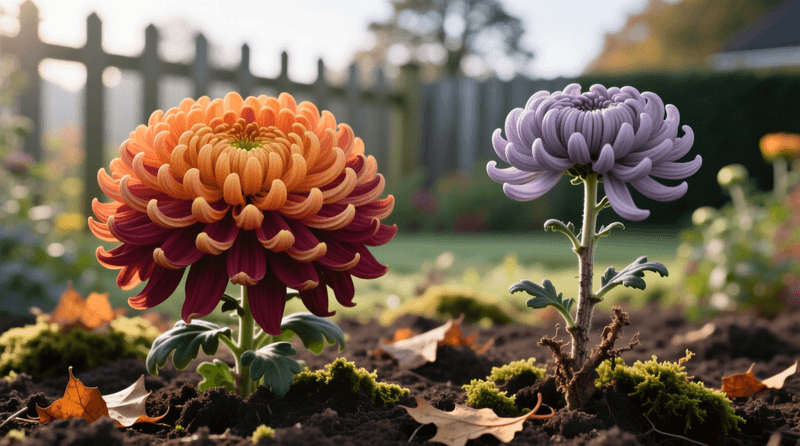
Not every mum is created equal, and that store label can be misleading. Mums come in early, mid, and late-season types, so yours might just be a late bloomer that hasn’t hit its schedule yet.
There’s also a big difference between hardy garden mums and the cheerful “florist mums” sold as fall decor. Many of those decorative pots were never bred to survive winter or reliably rebloom as perennials.
Check the plant tag or ask at the nursery before you buy. Knowing whether you’ve got a hardy perennial or a one-season showpiece saves you a lot of confusion later.
8. Root-bound Conditions
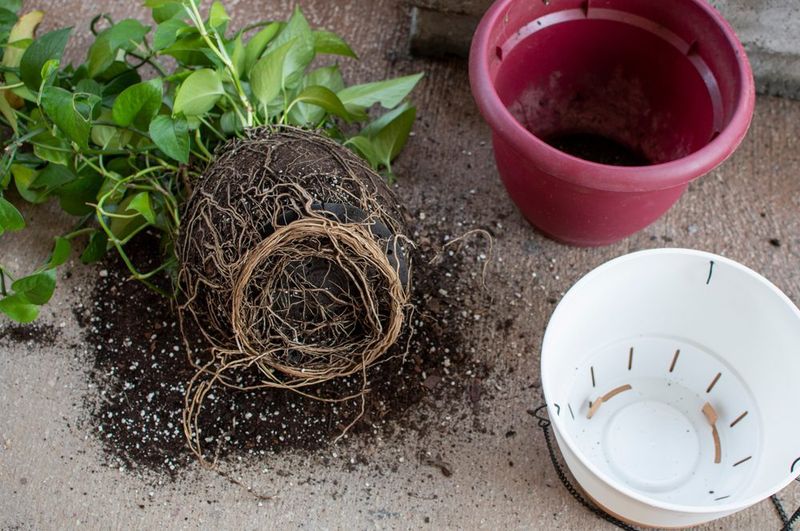
Container mums can quietly outgrow their homes. When roots run out of room, they start circling the pot in a dense tangle, and that cramped setup stresses the whole plant.
A root-bound mum struggles to take up water and nutrients efficiently. All that stress often shows up as a healthy-looking bush of leaves that stubbornly refuses to set buds.
Slide the plant out of its pot and take a peek. If the roots are wrapped in a tight spiral, gently loosen them and move the mum into a larger container with fresh soil to give it breathing room.
9. Inadequate Cold Exposure
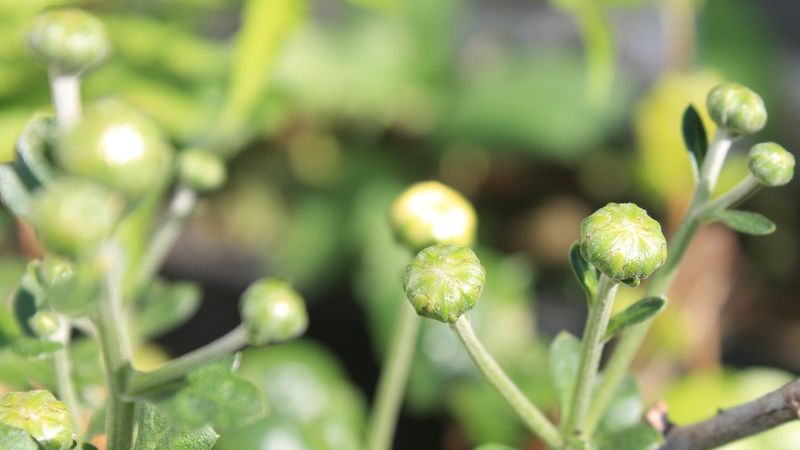
Believe it or not, mums appreciate a little chill. Hardy varieties usually need a stretch of cool weather, somewhere around 40 to 50 degrees Fahrenheit, for several weeks before they’ll commit to setting buds.
Without that cool-down cue, the plant may drag its feet on flowering. You end up with plenty of green growth while the buds stay on hold, waiting for a signal that never quite arrives.
If you’ve been keeping mums indoors or in an unusually warm spot, letting them experience natural fall temperatures can help kick-start the process. A little seasonal cold is exactly what they’re wired to expect.
10. Premature Budding from Cold Temperatures

Cold can help, but the wrong cold at the wrong time backfires. When nights dip below 60 degrees while a mum is still in its early leafy growth stage, it can panic and bud too soon.
Those rushed early flowers tend to be small and underdeveloped. They often fade fast, well before the main fall show, leaving the plant with leaves and no viable buds when you actually want the display.
It’s a frustrating twist of nature and timing. Choosing varieties suited to your region and keeping young plants sheltered from surprise cold snaps can help you avoid this early false start.
11. Pests and Diseases
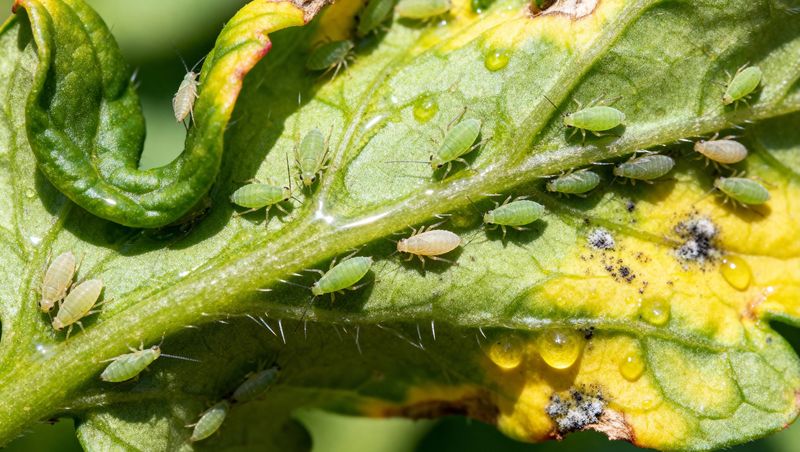
Tiny troublemakers can quietly sabotage your blooms. Leaf miners and aphids chew and suck on foliage, weakening the plant and stealing energy it needs to flower.
Diseases pile on too. Fungal issues like leaf spot, powdery mildew, and bud rot can attack directly, and damaged buds may turn dark or charred and simply never open.
Give your mums a close inspection, flipping leaves over to check the undersides. Catching pests and fungal spots early, then treating them and improving airflow, may prevent them from robbing you of a full fall bloom.
12. Transplant Shock
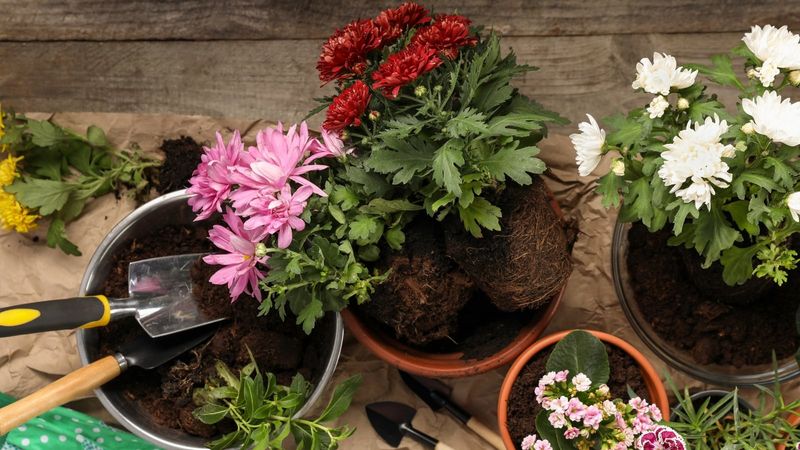
Moving a plant is stressful, even when it looks perfectly fine afterward. If you recently repotted or relocated your mums, they might be dealing with transplant shock.
During this recovery phase, the plant funnels its energy into rebuilding roots rather than making flowers. The foliage can stay green and lush while budding gets pushed to the back burner.
Patience is the main cure here. Keep the watering steady, avoid extra stress, and give the mum time to settle in, and it can often bounce back and bloom once the roots feel secure again.