
The North Carolina Native Shade Tree You Plant Once That Feeds Pollinators And Songbirds For Generations
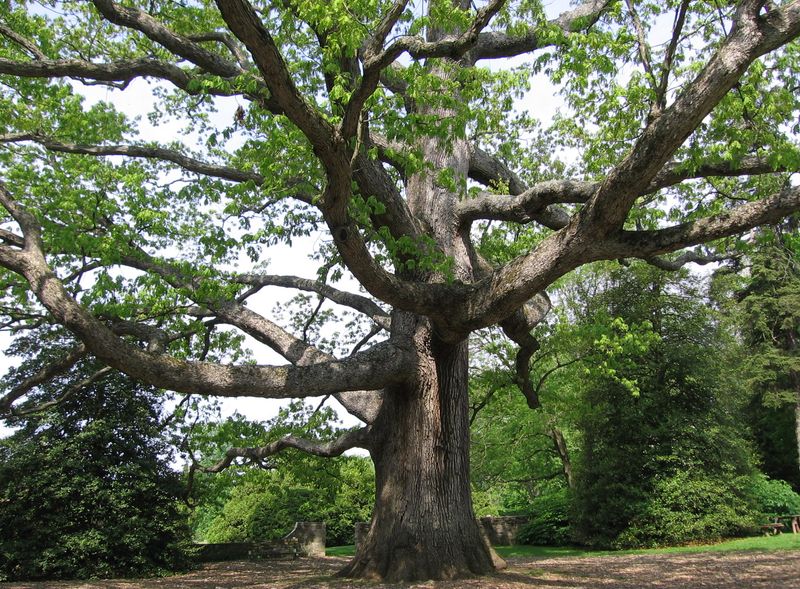
Planting a shade tree is one of the most lasting decisions a North Carolina homeowner can make, and choosing a native oak means that decision keeps paying off long after the tree is in the ground. A well-placed native oak can cool your yard, shelter songbirds, and feed the caterpillars that nestlings depend on during breeding season.
The key word is well-placed: matching the right oak species to your specific site is what turns a good idea into a tree that actually thrives for your yard and the wildlife in it.
A native oak can be a long-term answer—but the site chooses the species
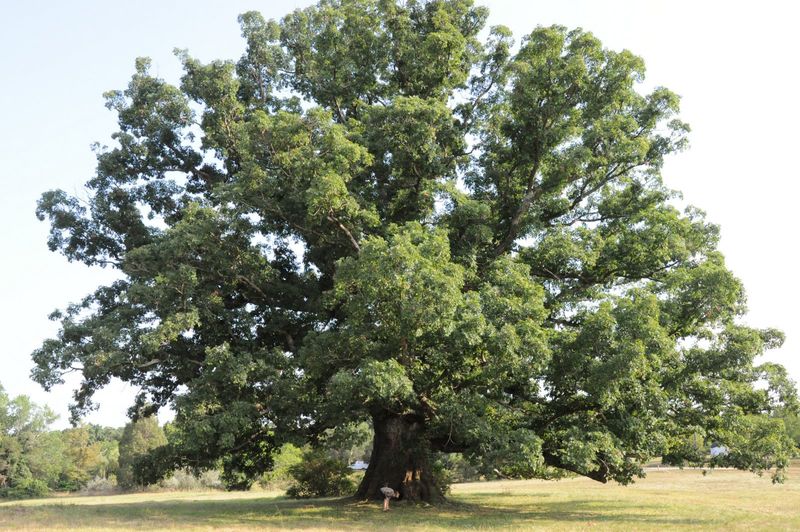
White oak (Quercus alba) earns its reputation as a strong statewide candidate for North Carolina homeowners. NC State Extension’s white oak profile confirms it is native across all three of the state’s major regions: the mountains, Piedmont, and Coastal Plain.
That broad native range means you are working with a tree shaped by the same soils, rainfall patterns, and seasonal rhythms your yard already operates under.
Even so, white oak is not the automatic answer for every lot. NC State’s native plants guidance lists several other native oaks suited to more specific conditions.
Willow oak handles the wetter bottomlands and clay soils common in the Piedmont and Coastal Plain. Live oak is a Coastal Plain native that tolerates salt spray but carries a high flammability rating that rules it out for homes in wildfire-prone areas.
Pin oak fits certain Piedmont sites. Choosing by common name alone, without checking site conditions, is one of the most common mistakes homeowners make with large trees.
Before settling on a species, NC State’s right-species, right-site guidance recommends evaluating soil moisture, drainage, and pH, as well as your lot’s elevation, sun exposure, and drought patterns. Coastal homeowners need to account for salt exposure.
Mountain and rural-edge property owners should consider wildfire defensible-space requirements. Anyone with a smaller urban or suburban lot needs to reckon honestly with how much horizontal room a mature oak will eventually claim.
White oak grows broadly and tall, which is exactly what makes it valuable as a shade tree and a wildlife anchor. That same size is also why site selection matters so much before a single shovel goes into the ground.
Getting the species right for your specific yard is the decision that everything else depends on.
Its mature canopy changes how a North Carolina yard feels
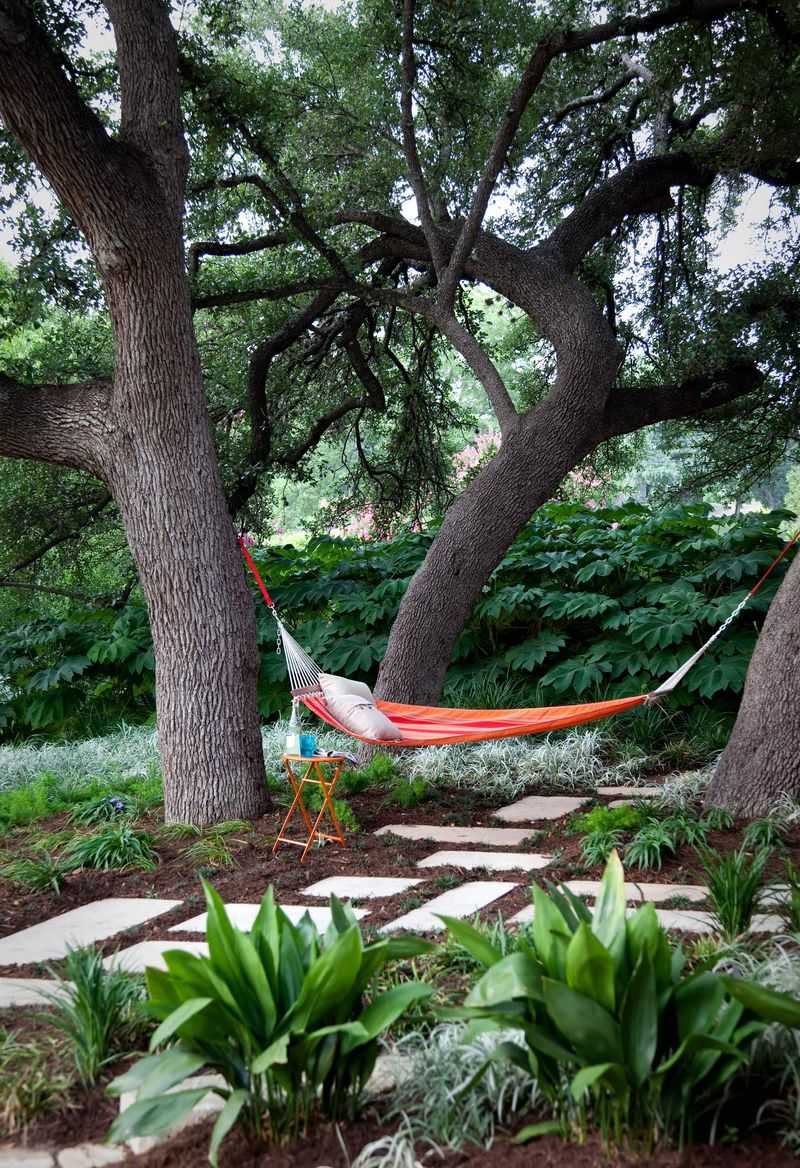
Few trees transform a yard the way a mature white oak does. According to NC State’s white oak profile, the species typically reaches 80 to 100 feet in cultivation, with a crown that often spreads just as wide as the tree is tall.
That canopy is not just visually impressive; it is doing real thermal work for the yard and home beneath it.
Shade from a well-placed tree lowers surface temperatures on patios, lawn areas, and exterior walls. EPA guidance on trees and urban heat explains that trees reduce surface and air temperatures through both shade and evapotranspiration, the process by which a tree releases water vapor through its leaves.
A U.S. Forest Service review of urban tree cooling effects found measurable temperature reductions near well-established canopy trees, though the actual benefit depends on canopy size, available soil moisture, climate conditions, and what surface is being shaded.
For North Carolina homeowners dealing with long, humid summers, those qualifications still leave plenty of room for a genuine payoff. A large oak positioned to shade a west-facing wall or a frequently used outdoor area can make that space noticeably more comfortable from late spring through early fall.
The tree earns its place as a shade investment, not just a wildlife planting.
What demands attention at planting time is the eventual horizontal spread. A crown that reaches 80 or more feet across needs to be planned for from day one, not discovered when branches start brushing a roofline or shading out a neighbor’s yard.
Check mature dimensions against overhead utility lines, structures, pavement, septic systems, and property lines before choosing the planting location. The shade benefit is real, but only a tree with enough room to grow into its full form delivers it.
The songbird payoff starts with leaves, not birdseed
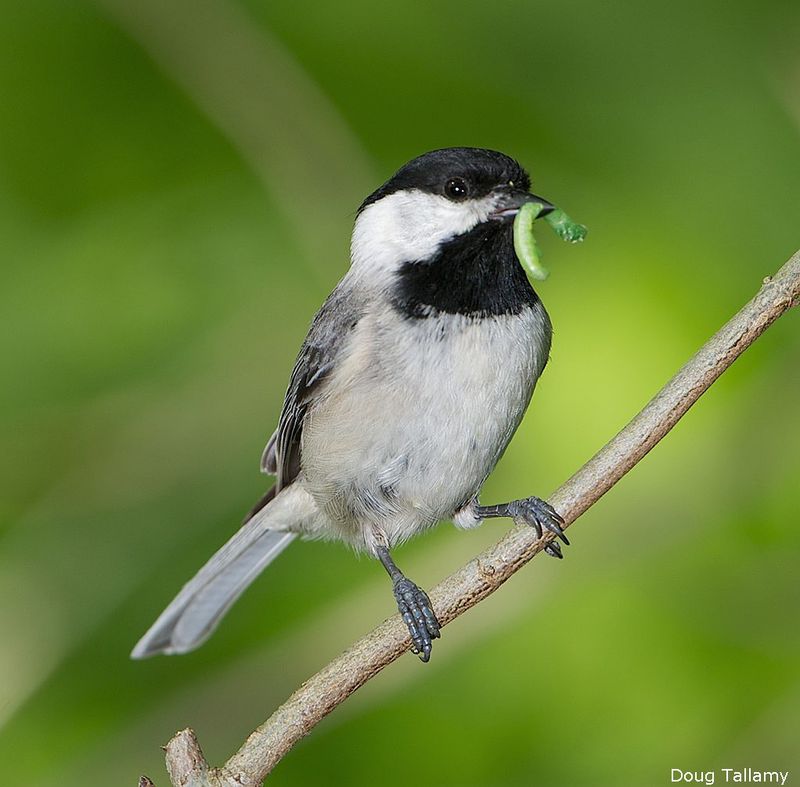
Hang a feeder and you attract birds that eat seeds. Plant a native oak and you feed the birds that eat insects, which is almost every songbird species during nesting season.
Oak foliage supports a remarkably diverse community of caterpillars and other insects, and those insects are what parent birds are hunting when they have a nestful of chicks to feed. NC State Extension’s native plants chapter specifically notes that large numbers of caterpillars on native tree leaves sustain nestling songbirds during the breeding season.
Research conducted in suburban Washington, D.C., gives a clearer picture of the mechanism. A peer-reviewed study published through the Smithsonian Institution found that Carolina chickadees foraged preferentially in native plants, which supported higher caterpillar biomass than non-native vegetation.
A follow-up study indexed in PubMed found that yards with a higher proportion of native plant biomass were more likely to support sustainable chickadee breeding. Both studies were conducted in the D.C. region, not North Carolina, so they document the ecological relationship rather than providing a North Carolina-specific prescription.
The underlying biology, however, applies broadly: native plants support native insects, and native insects feed nestling birds.
Expecting a single oak to attract breeding birds to your specific yard sets the bar too high. NC State’s landscaping for wildlife guide makes clear that successful bird habitat requires more than one tree.
Nesting sites, dense understory cover, a water source, reduced pesticide use, and protection from outdoor cats and other predators all shape whether birds move in and raise young. What one oak reliably provides is a high-quality foraging resource during the season when birds need it most.
That contribution is real and valuable, even when it is not the whole picture.
Acorns and old wood extend the benefit beyond spring
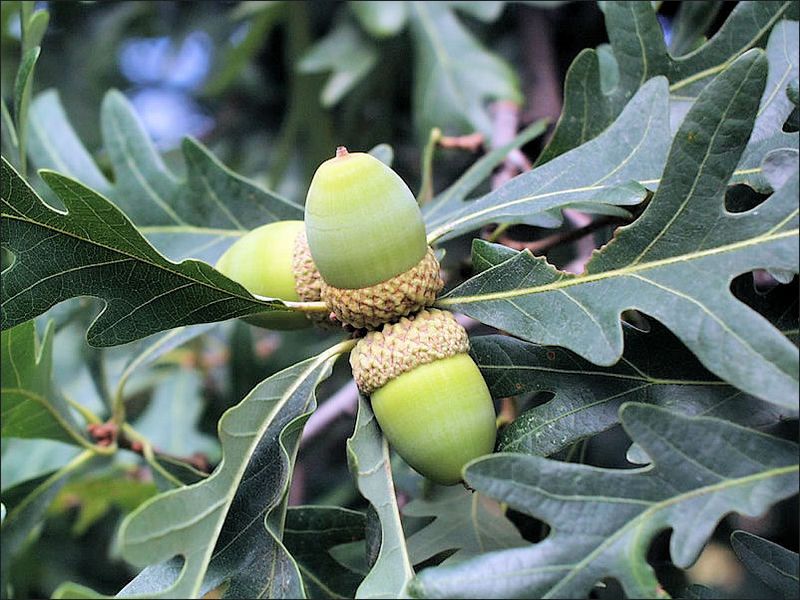
Spring caterpillars get most of the attention in wildlife gardening conversations, but an oak’s contributions keep going long after breeding season ends. Acorns are the most obvious fall payoff, and the list of wildlife that depends on them is long.
Blue jays, red-headed woodpeckers, wild turkeys, white-tailed deer, squirrels, and black bears all use acorns as a significant food source heading into winter.
Acorn crops, though, are not a reliable annual event. The U.S.
Forest Service species review for white oak documents that mast production varies considerably by year, influenced by weather, tree age, tree health, and the presence of other oaks nearby. Some years produce heavy crops; others produce almost none.
Wildlife responds to that variability by ranging more widely in lean years, which is part of why a yard with a single oak is a useful resource rather than a guaranteed food supply. The Forest Service silvics manual for white oak also notes the species’ potential for exceptional longevity under favorable conditions, which frames the “generations” idea as a genuine possibility rather than a marketing claim, provided the tree is well-sited and properly cared for over time.
Beyond acorns, the physical structure of an aging oak adds its own wildlife value. NC State’s oak genus profile lists shelter, cover, nesting sites, and larval-host functions among the ecological roles mature oaks fill.
Bark furrows shelter overwintering insects. Cavities that develop in older wood become nesting and roosting sites for woodpeckers, screech owls, and other cavity-dependent species.
Audubon’s yard bird habitat guidance points out that mature and declining trees are often the most wildlife-valuable, though any dead or structurally compromised wood near a home or play area should be evaluated by a certified arborist before being retained. Structural hazard and ecological value are separate questions, and a professional can help you weigh both.
How can one oak support pollinators without becoming a pollinator garden?
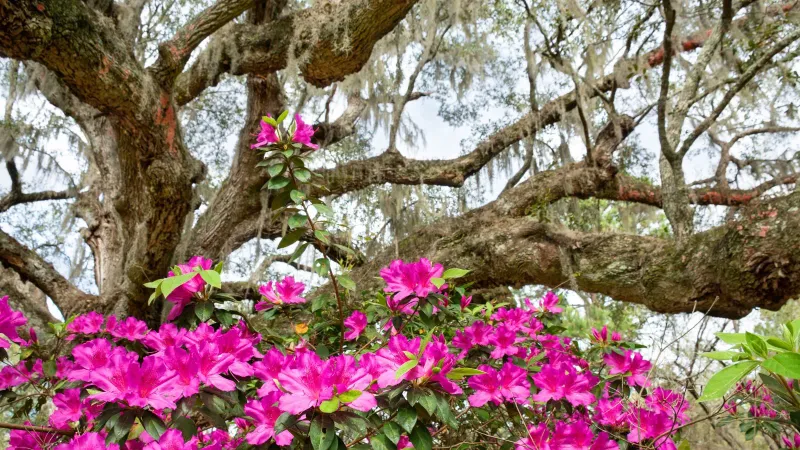
Oak trees and pollinator gardens are often lumped together in native-planting conversations, but they work differently. UGA Extension’s oak flower overview explains that oak flowers are wind-pollinated, releasing pollen into the air rather than offering nectar rewards to visiting bees or butterflies.
Adult bees and butterflies visiting your yard for nectar will not find what they need in an oak’s catkins.
That does not mean oaks are irrelevant to pollinators. Oak foliage is a larval host for dozens of moth and butterfly species, including giant silk moths and several species of hairstreak butterflies.
Those caterpillars become part of the food web that supports birds, predatory insects, and other wildlife. The oak contributes to the broader insect community in ways that matter, just not through nectar production.
To give adult bees and butterflies the nectar they need, the oak works best as the anchor of a larger planting. NC State’s native plants chapter highlights canopy trees like red maple and tulip poplar as meaningful nectar sources, while native wildflowers and understory shrubs fill in the rest of the season.
The NC Native Pollinator Plants guide from NC State lists native species by bloom time and region, making it practical to sequence plantings so something is flowering from early spring through fall.
Native flowering plants suited to partial or dappled shade, such as wild columbine, native asters, and heartleaf ginger, can go right under or near the oak canopy where light allows. In sunnier areas nearby, coneflowers, native mints, and goldenrod attract a wider range of adult pollinators.
The oak provides habitat structure and insect biomass; the flowering plants provide the nectar. Together, they create something closer to a complete yard ecosystem than either one could alone.
Plant for the tree you will live with, not the sapling you buy
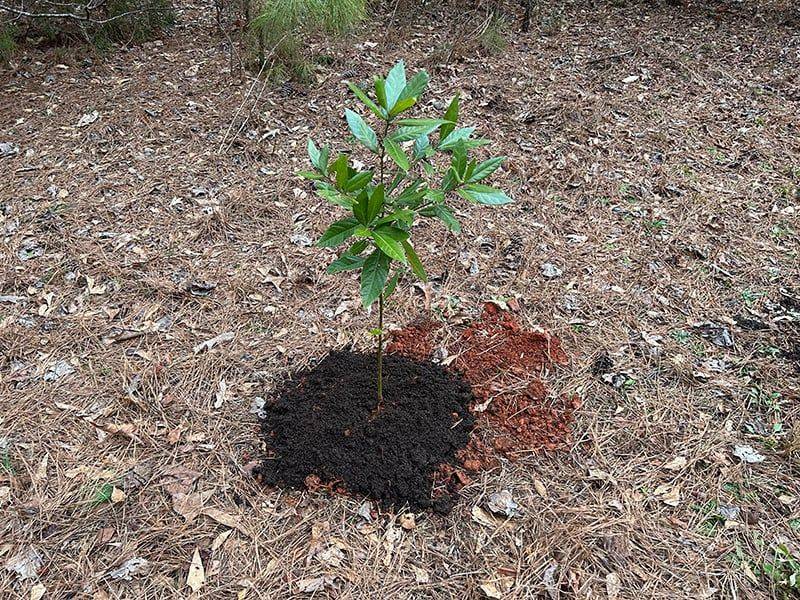
A one-inch-caliper oak sapling is easy to underestimate. Standing at your fence line holding a tree that fits in a car trunk, it is hard to visualize the 80-foot canopy it may eventually produce.
That gap between the sapling in your hands and the tree it becomes is exactly where most planting mistakes happen.
Start before you dig. Call 811 to have underground utilities marked, then check overhead lines, structures, pavement, septic systems, and property lines against the tree’s mature height and spread.
International Society of Arboriculture planting guidance specifically recommends locating underground utilities and confirming that the planting site can accommodate the tree’s mature form before breaking ground. Moving a large oak later is not a realistic option.
Timing matters for establishment. NC State’s woody ornamentals handbook identifies fall or early spring as the most favorable planting windows for woody plants in North Carolina, because cooler soil temperatures reduce transplant stress and give roots time to establish before summer heat arrives.
Fall planting is particularly practical in the Piedmont and Coastal Plain, where winters are mild enough for root growth to continue below ground even after the tree drops its leaves.
Dig a wide, shallow hole, not a deep narrow one. The planting hole should be two to three times the width of the root ball but no deeper than the ball itself.
Keep the trunk flare, the point where the trunk begins to widen at ground level, visible above the soil surface. Burying the flare is one of the most common causes of long-term tree decline.
After planting, water thoroughly and maintain consistent moisture through the first one to two growing seasons. Apply roughly 2 to 3 inches of wood chip mulch across the root zone, but keep it at least 6 inches away from the trunk to prevent rot and rodent damage.
Establishment is not a one-weekend task; it is a commitment that runs through the first several years of the tree’s life in your yard.
Protect the wildlife value as the oak grows
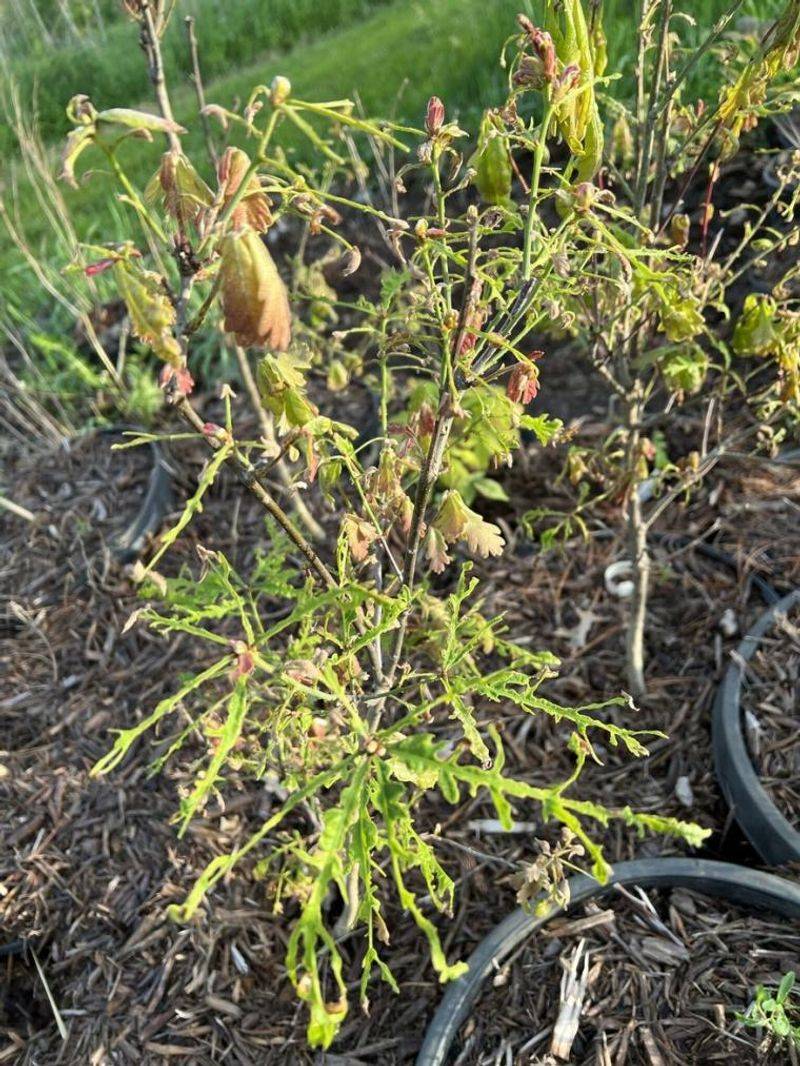
An oak’s wildlife value is not self-maintaining. The choices you make year after year, about pesticides, leaf litter, drought response, and structural concerns, determine whether the tree actually delivers the habitat you planted it to provide.
Caterpillars are the ecological payoff this whole article builds toward, and they are also the first thing many homeowners want to eliminate when they see chewed leaves. Tolerating appropriate leaf damage is part of the bargain.
NC State’s native plants guidance recommends leaving fallen leaves where practical because leaf litter provides overwintering habitat for firefly larvae and other beneficial invertebrates. Broad pesticide applications targeting caterpillars or other leaf-feeding insects undermine the very food web the oak is supporting.
Spot treatment for genuine pest emergencies, guided by a certified arborist or Extension agent, is a far better approach than routine spraying.
Oaks are not problem-free trees. Species-specific vulnerabilities are real.
NC State’s post oak profile and the turkey oak profile both note disease susceptibility as a consideration for those species. Oak wilt is a serious fungal disease that can spread through root grafts and pruning wounds, making timing and technique important when any structural work is needed.
Poor planting depth, soil compaction from foot traffic or construction, root damage from nearby trenching, and prolonged drought can all shorten a tree’s productive life, often without obvious above-ground symptoms until the damage is severe.
For homeowners in mountain or rural-edge areas, species selection carries an additional safety dimension. NC State’s live oak profile flags that species as having a high flammability rating and advises against planting it within a home’s defensible space.
Have a certified arborist assess any mature or declining oak near structures, especially if dead wood is present. Protecting the tree’s long-term health protects both the wildlife value and the people living nearby.
The best oak becomes the rooted canopy of a layered yard
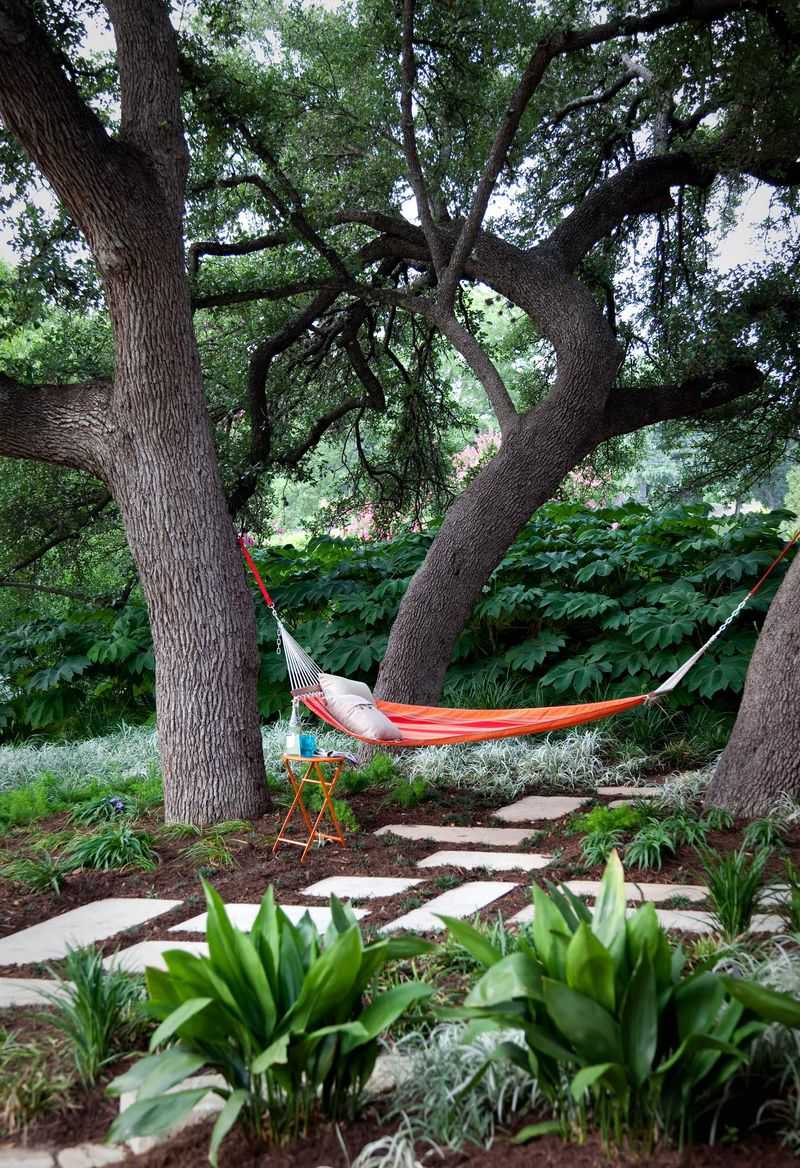
A native oak earns its place in a North Carolina yard by doing several things at once: casting genuine shade, hosting the insect food web that nestling birds depend on, producing acorns for fall and winter wildlife, and providing shelter and structure across decades. White oak’s statewide native range makes it a practical starting point for homeowners across the mountains, Piedmont, and Coastal Plain, as long as the site has room for a tree of its eventual scale.
The oak works best as the canopy anchor of a layered yard rather than a solitary solution. NC State’s landscaping for wildlife guide and the native plants handbook both recommend combining canopy trees with native understory shrubs, wildflowers, and ground-layer plants to create the structural diversity that supports the widest range of wildlife.
Native serviceberry or native viburnums beneath the canopy, native asters and goldenrod in the sunnier margins, and undisturbed leaf litter at ground level together fill the gaps no single tree can cover.
Choose the oak species that fits your site, give it room and a proper start, and tend it through the years it needs to establish. What grows from that investment is not just a tree but a long-term ecological presence in your yard, one that improves the landscape for people and wildlife together, season after season.