
If Your Hydrangeas Suddenly Quit Blooming Mid-Season, Here’s The One Move Quietly Shutting Them Down
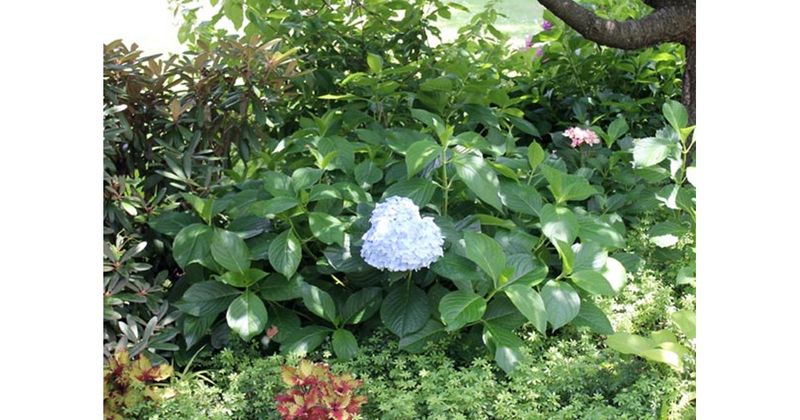
Watching your hydrangeas go quiet in the middle of summer is genuinely frustrating, especially when the plant looks healthy and full of leaves. The truth is, no single mistake causes every mid-season flowering pause, and the fix depends entirely on what is actually happening with your specific plant.
Understanding the real culprits, from too much nitrogen to pruning timing to plain old heat stress, gives you a much better shot at protecting whatever blooms are still possible this season.
No single move explains every mid-season flowering pause
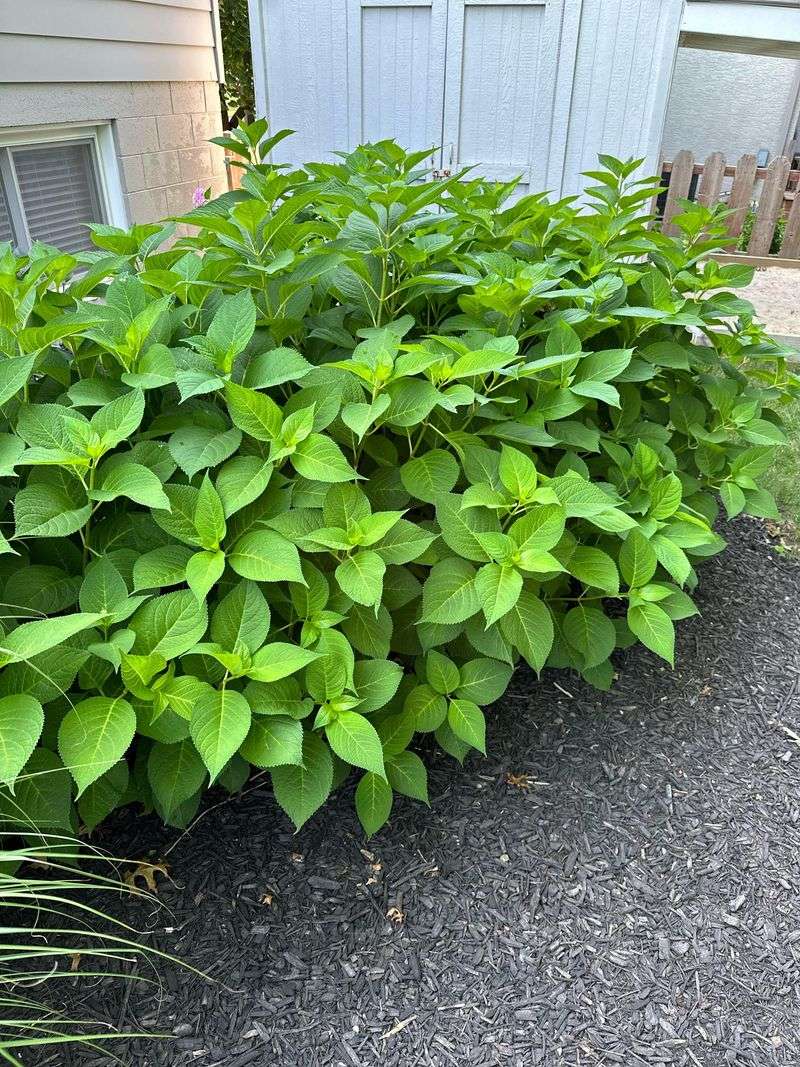
Plenty of gardeners have read that one hidden mistake is quietly shutting down their hydrangeas, and the idea is appealing because it promises a simple fix. The most likely candidate for that “one move” is applying too much nitrogen fertilizer, but only when the plant shows a very specific pattern: abundant, dark-green, vigorous foliage paired with almost no flowers.
University of Maryland Extension guidance explains that high nitrogen encourages lush vegetative growth, which can come at the expense of flower production. That is a real phenomenon, but it applies to a particular symptom, not every mid-season pause.
A hydrangea that bloomed earlier in the season and then appeared to stop is a different situation entirely. Those flowers may have simply aged out, which is normal and does not mean the plant failed.
Heat, drought, late frost, browsing by deer, or buds removed by pruning can all explain why a shrub stops producing new flowers after an initial flush, and none of those problems are solved by adjusting fertilizer.
Stopping unnecessary fertilizer when foliage clearly dominates flowers is a reasonable step, but readers should not expect that change to trigger an immediate new round of blooms. University of Maryland Extension’s hydrangea troubleshooting resource makes clear that missing flowers can trace back to a long list of causes.
Fertilizer is one tool among many, and University of Minnesota Extension’s fertilizer guide emphasizes basing any fertilizer decision on actual plant needs rather than using it as a catch-all remedy. Withholding nitrogen when the plant already has adequate nutrients prevents additional leafy overgrowth, but it cannot recreate buds that were never formed, were removed, or were damaged before mid-season arrived.
Start by naming the symptom, not the cause
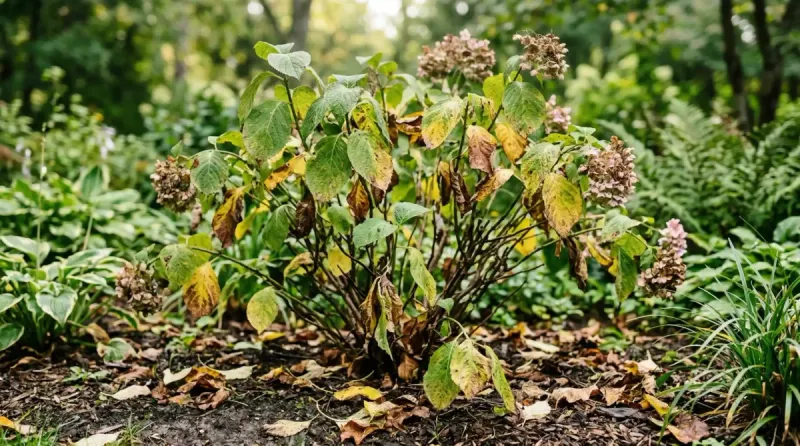
Before reaching for the fertilizer bag, the pruners, or the hose, take a few minutes to describe exactly what you are seeing. The symptom tells you far more than a general diagnosis of “not blooming,” because the causes behind each symptom are different and so are the appropriate responses.
A hydrangea with no flowers at all, from the very beginning of the season, points toward pruning timing, winter injury, insufficient light, deer browsing, or a fertilizer imbalance as likely explanations. A plant that flowered and then faded is telling a completely different story: those blooms may have simply reached the end of their natural lifespan, and that is not a plant failure.
Wilted leaves during the hottest part of the afternoon, combined with brown or crispy flower edges, suggest heat and drought stress rather than a nutrient problem. University of Maryland Extension’s problem identification guide separates these symptom categories clearly and recommends matching the response to the actual observation.
Bloom timing also varies widely by species and cultivar, and what looks like a pause may actually be a normal schedule. Bigleaf hydrangeas often flower earlier in the season, while panicle hydrangeas may not open their blooms until mid-July or later.
If a panicle hydrangea has not flowered yet when the bigleaf next to it has finished, that plant may simply be following its own calendar. Hydrangea troubleshooting guidance from University of Maryland Extension notes that species and cultivar differences in bloom windows are a common source of confusion.
Treating a delayed but healthy plant as a fertilizer problem can make things worse, not better.
Pruning mistakes can remove flowers before the season begins
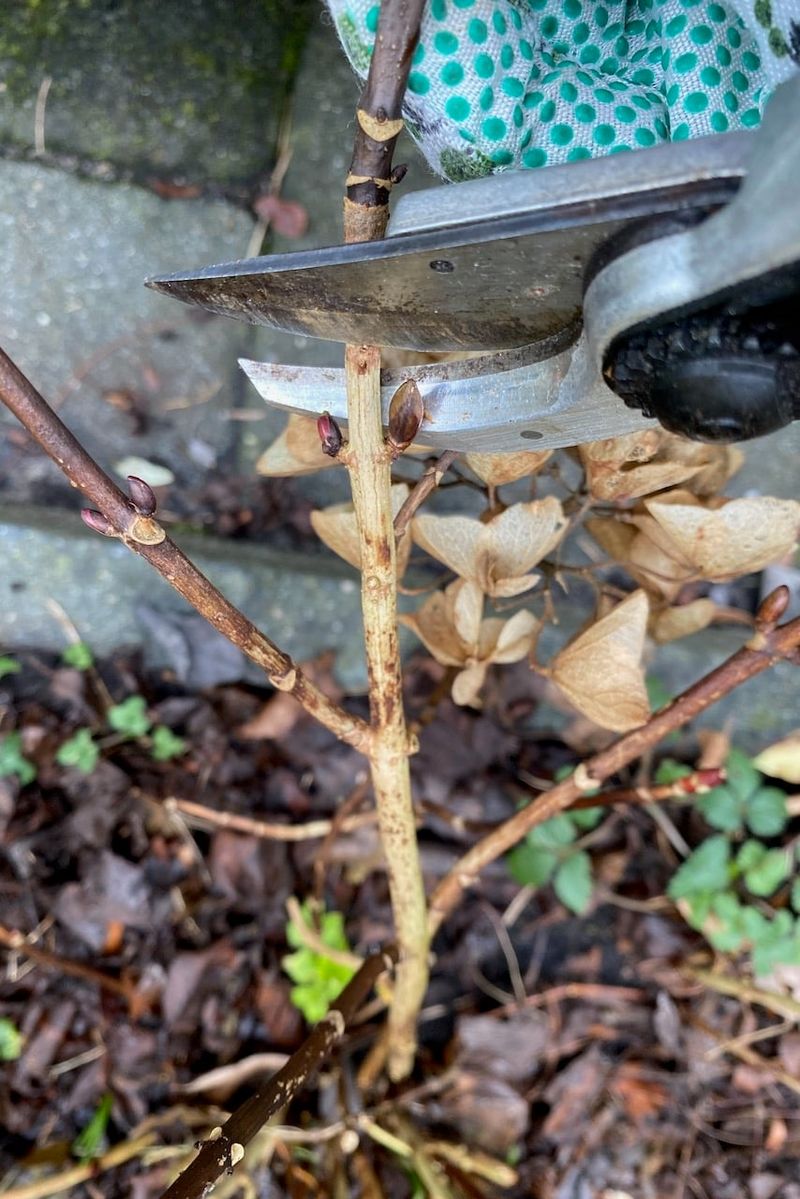
Wrong-time pruning is one of the most common reasons a hydrangea produces few or no flowers, but the damage usually happens well before mid-season arrives. For old-wood blooming types, the buds that will become this summer’s flowers develop on last year’s stems during late summer and fall.
If those stems were cut back in fall, winter, or late spring, the buds went with them, and no amount of mid-season care can bring those flowers back for the current year.
Knowing which type of hydrangea you have changes everything about pruning. Bigleaf hydrangeas (Hydrangea macrophylla) and oakleaf hydrangeas (H. quercifolia) bloom primarily on old wood.
University of Maryland Extension’s hydrangea guide advises pruning oakleaf types only immediately after flowering, if pruning is necessary at all, and treating bigleaf stems with care from late summer onward because next year’s buds may already be present. Smooth hydrangeas (H. arborescens) and panicle hydrangeas (H. paniculata) bloom on new wood that grows in the current season, so pruning in late winter or early spring is generally tolerated without sacrificing flowers.
The plant tag or the botanical name is a more reliable guide than the common name “hydrangea” alone, since that label covers species with completely different pruning needs. University of Minnesota Extension’s pruning guide also notes that reblooming bigleaf cultivars, including members of the Endless Summer group, can flower on both old and new wood, which gives them some resilience after stem loss.
Even so, reblooming is cultivar-dependent and does not guarantee a continuous parade of flowers all summer. Recognizing that removed buds cannot be restored mid-season is the first step toward making better pruning decisions before next spring.
Heat and drought can end flowering without excess fertilizer
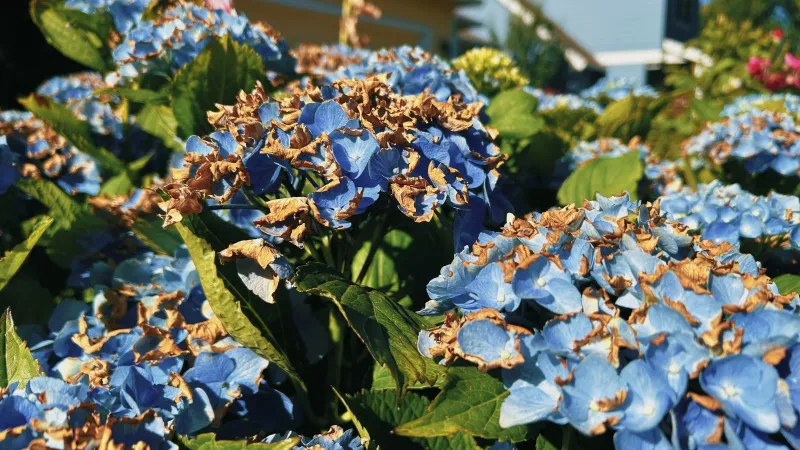
Summer heat is one of the quieter reasons hydrangeas slow down or appear to stop blooming, and it often gets overlooked because the plant still looks green and full. When temperatures stay high for extended periods, flower buds can abort, open blooms can fade quickly, and the overall plant may redirect energy away from reproduction and toward basic survival.
That is not a fertilizer deficiency; pushing more nutrients at a heat-stressed plant tends to make things worse.
Wilting is one of the trickiest symptoms to read correctly. A hydrangea that droops during the hottest part of the afternoon but perks back up by evening, while the soil several inches down still feels moist, is probably showing heat stress rather than drought.
University of Maryland Extension guidance specifically warns against watering automatically whenever leaves wilt, because roots sitting in constantly saturated soil face their own set of problems. Check the soil a few inches below the surface before adding water, and water deeply at the root zone when the soil is genuinely dry.
Mulching around the base of the plant, keeping it a few inches away from the main stems, helps the soil retain moisture and stay cooler during heat waves. Oregon State University Extension’s heat-wave care guide advises against severe pruning or fertilizing during periods of heat stress, because both can push the plant to produce tender new growth at exactly the wrong time.
Brown or crispy flower edges are a stress signal worth taking seriously: the right response is reducing heat exposure and managing moisture, not reaching for a bloom-booster fertilizer.
Use a conservative care plan for the rest of the season
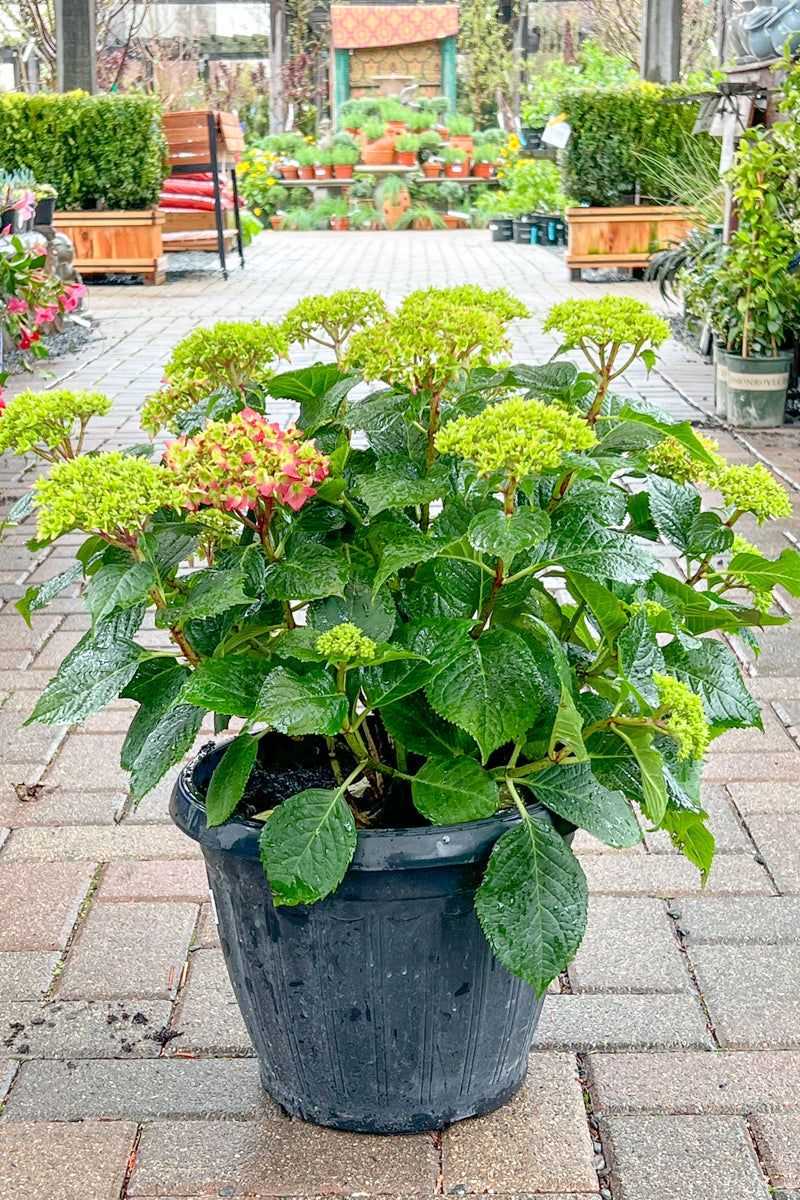
Once you have identified the most likely cause of your hydrangea’s flowering pause, the practical question is what to actually do about it before the season closes. The honest answer is that mid-season care can reduce further stress and protect whatever growth and buds remain, but it cannot undo bud loss from pruning, frost, browsing, or a cultivar that simply does not rebloom.
Working within those limits still gives the plant a better chance at finishing the season in good shape and setting up well for next year.
If the symptom is lush foliage with few flowers and you have been fertilizing regularly, stop adding fertilizer for now. Oregon State University Extension’s general hydrangea care guidance supports a restrained fertilizer approach, noting that unnecessary applications can shift the plant’s priorities toward leaves rather than flowers.
If the soil is dry several inches down, water deeply at the root zone and apply mulch to help hold that moisture. Keep the layer a few inches away from the crown of the plant to avoid creating conditions that invite rot.
Leave healthy stems and foliage alone. Oregon State University Extension’s heat-wave guidance cautions that removing a significant amount of foliage during summer stress can actually harm the plant by reducing its ability to photosynthesize and by triggering a flush of soft, vulnerable new growth.
Removing a few dead or crispy leaves is fine. Structural changes to the plant, like hard pruning or aggressive thinning, belong in the appropriate dormant window for your specific hydrangea type, not in the middle of a stressful summer.
University of Maryland Extension’s problem management resource reinforces that a conservative, hands-off approach during active stress periods is generally more protective than intervening aggressively.
Deadheading cannot create flowers a cultivar cannot produce
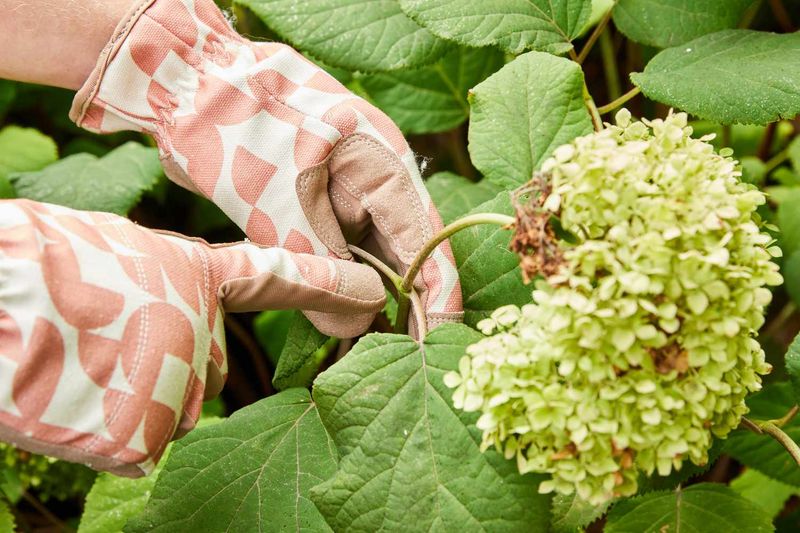
Deadheading gets recommended as a bloom-stimulation strategy for a lot of flowering plants, and for some it genuinely helps. With hydrangeas, the picture is more complicated, and cutting off spent flowers without knowing your cultivar’s habits can actually reduce future blooms rather than encourage them.
On a reblooming bigleaf cultivar, removing just the spent flower head, cutting cleanly right above the first set of leaves below the bloom, can help maintain the plant’s appearance and may preserve developing buds lower on the stem. University of Maryland Extension’s hydrangea troubleshooting resource notes that deadheading is appropriate in some cases but warns against cutting aggressively into the stem, particularly on reblooming varieties where future buds may already be forming.
The key phrase is “spent flower head only”: a light, targeted cut rather than a deep trim.
A non-reblooming cultivar will not produce a second flush of flowers just because the first set was removed. The genetics of the plant determine whether a second bloom cycle is even possible, and deadheading cannot override that.
University of Minnesota Extension’s pruning guide distinguishes cosmetic deadheading from structural pruning, treating them as separate decisions with different timing considerations. If you are unsure whether your plant can rebloom, check the cultivar name on the original plant tag or look it up by its botanical name before making any cuts.
Removing a stem that held a developing bud is not recoverable for the current season, so a cautious, minimal approach protects more than it risks.
Identify the hydrangea before planning next year’s flowers
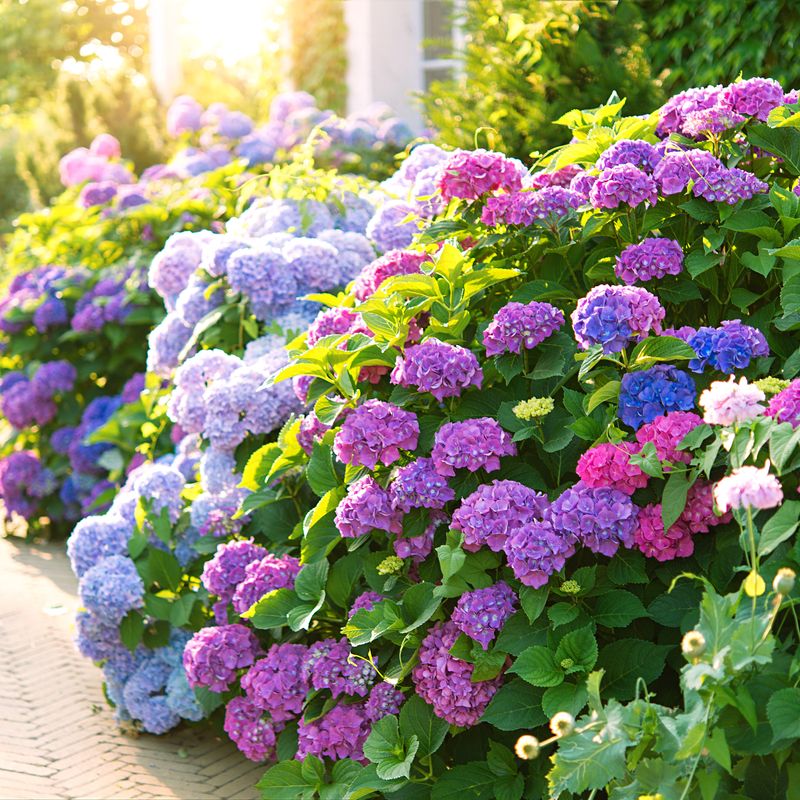
The most useful thing you can do right now, even if this season’s blooms are largely behind you, is find out exactly what type of hydrangea you are growing. The species or cultivar name tells you whether the plant blooms on old wood or new wood, which in turn tells you the correct pruning window, the realistic bloom timing, and what kind of flowering to expect next year.
Run through a short checklist: identify the species or cultivar name, confirm whether it blooms on old or new wood, review when and how much you pruned this year, assess the light the plant receives, check moisture and mulch conditions, consider whether frost, deer, or other physical damage may have affected the stems, and think honestly about how much fertilizer has been applied. University of Maryland Extension’s problem identification resource and University of Minnesota Extension’s pruning guide both emphasize that species-specific diagnosis is far more reliable than applying one-size-fits-all advice.
On the question of flower color versus flower production: adjusting soil pH or applying aluminum sulfate changes the pink-to-blue color of many bigleaf hydrangea blooms, but it does not fix a plant that is not producing flowers. University of Maryland Extension’s hydrangea troubleshooting guidance warns that aluminum sulfate can injure roots when misused, so it should not be applied without a clear and specific reason.
Excess nitrogen remains the one fertilizer move worth stopping when your plant is all leaves and few flowers. But a mid-season pause that followed a normal bloom, or that traces back to removed buds or heat stress, is a different story entirely, and next year’s flowers depend on understanding which story is actually yours.