
The North Carolina Native Fern You Plant Once That Carpets Bare Shade And Reduces Weeds For Years
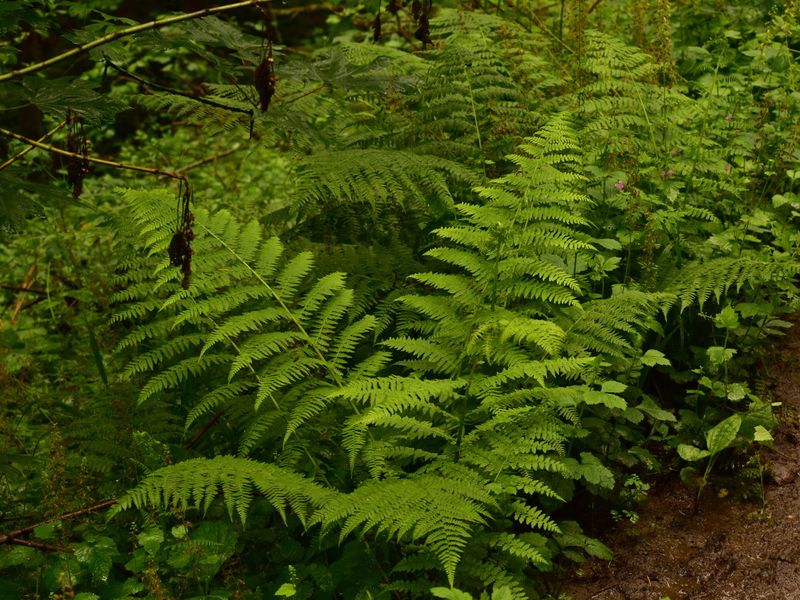
That bare, damp corner under your trees is not a lost cause. North Carolina homeowners have a handful of native ferns that can fill in those forgotten spots, crowd out weeds during the growing season, and come back stronger every year.
The trick is picking the right fern for your actual soil conditions and knowing what to realistically expect from each one.
Hay-scented fern creates a strong growing-season carpet
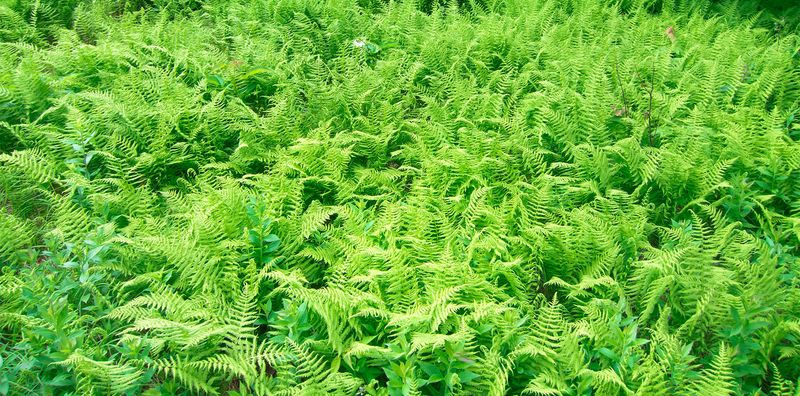
Hay-scented fern (Dennstaedtia punctilobula) is the closest botanical match when North Carolina shade gardeners are looking for a native plant that fills in fast and suppresses competing growth. NC State Extension describes it as a fast-spreading fern that reaches roughly 1 to 2 feet tall and up to 3 to 4 feet wide, spreading through underground rhizomes to form a dense, low layer of lacy green fronds.
That rhizome network is what gives hay-scented fern its strong carpet effect. Over two to three growing seasons, a small planting can knit together into a solid mat that shades the soil surface and makes it harder for opportunistic weeds to grab hold.
The coverage develops gradually, so patience is part of the deal, but the payoff for a suitable site is real.
A few things to keep in mind before you plant it everywhere. Hay-scented fern is deciduous, meaning its fronds yellow and flatten in fall and may look ragged by late summer in a dry year.
You will not get a green carpet through winter. The plant also grows well in light shade to partial sun, tolerating clay, loam, or sandy soil, and it becomes reasonably drought-tolerant once established, though moist, well-drained conditions give it the best start.
The same spreading habit that makes hay-scented fern useful in a bare corner can become a problem near tree seedlings, woodland wildflowers, or other plants you want to keep. Dense colonies can crowd out low-growing neighbors, so plan from the start where you want the fern to stop.
Edging, periodic thinning, or a physical root barrier along the colony margin will keep it in its lane without much effort once you build that habit into your fall yard walk.
An established fern bed reduces weeds by occupying space
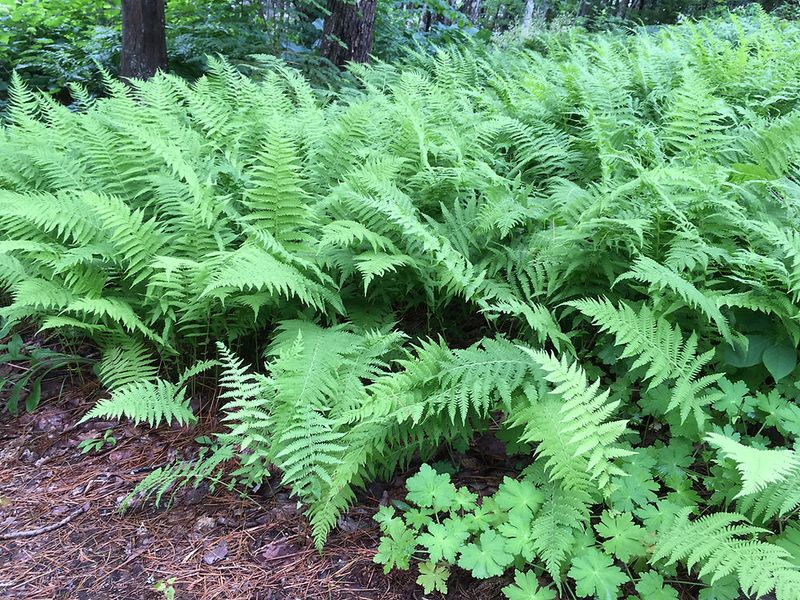
The weed-reduction benefit of any groundcover fern comes down to one simple idea: a plant that already occupies the space leaves less room, light, moisture, and nutrients for something else to move in. University of Maryland Extension explains that groundcovers suppress weeds mainly by outcompeting them for these resources, and that suppression is strongest after the planting has filled in completely.
A few plugs set in bare soil on a Saturday afternoon will not stop weeds by the following weekend.
That distinction matters because a lot of gardeners plant a handful of ferns, skip the site prep, and then wonder why the weeds came right back. Weed management guidance from Maryland Extension is clear that removing existing weeds and competing turf before planting is not optional.
Weed competition can prevent groundcovers from establishing, and pulling weeds after the ferns are in place is harder and risks disturbing young rhizomes.
Once the fern colony fills in, it does a solid job of reducing the seed-to-soil contact that annual weeds need to germinate, and it shades out many low-growing opportunists. Weed seeds will still arrive by wind and birds, and perennial weeds with established root systems may push through or around even a dense fern bed.
The honest promise is reduced weed pressure during the growing season, not permanent elimination.
Managing the gap between planting day and full coverage is the real work. Pull weeds by hand as they appear between young ferns, maintain temporary mulch to slow new germination, and give the colony a full growing season or two to close in before you judge its performance.
A filled-in fern bed earns its keep; a half-established one just gives weeds a friendlier neighbor.
Match the fern to the moisture beneath your trees
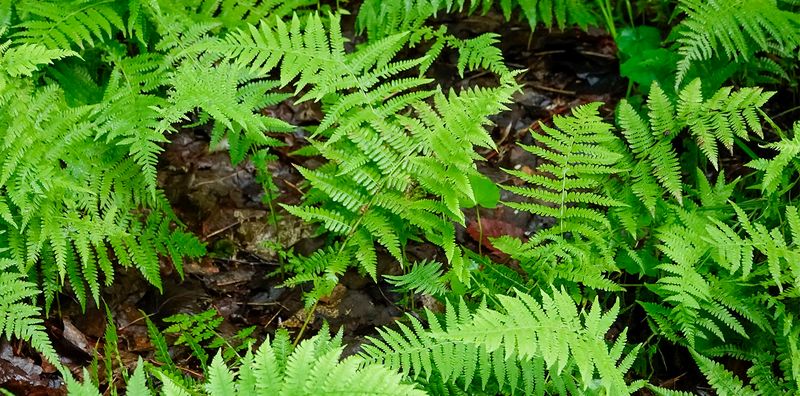
Shaded ground is not all the same, and the wrong fern for your actual drainage will struggle or fail no matter how carefully you plant it. Before choosing a species, spend a few minutes reading your site: does the soil stay consistently damp, dry out under tree roots in August, flood briefly after heavy rain, or stay reliably wet near a downspout or low spot?
Southern lady fern (Athyrium asplenioides) is a strong choice for ordinary moist woodland shade. This NC native tolerates part shade to full shade, prefers medium-moist to wet soil, and spreads by underground rhizomes to form dense ground cover over time.
It is a good middle-ground option for the typical Piedmont or mountain yard where the soil stays reasonably moist under deciduous trees.
New York fern (Thelypteris noveboracensis) handles moist to occasionally dry acidic soil and tolerates dappled to deep shade, making it slightly more forgiving on sites that dry out a bit under heavy tree canopy. Both species are deciduous and neither is evergreen, so plan accordingly for winter appearance.
For sites that stay reliably wet, the choices shift. Sensitive fern (Onoclea sensibilis) spreads through creeping rhizomes and spores and works well where moisture is dependable, though its fronds are easily damaged by frost or sudden drought.
Eastern NC Extension guidance recommends allowing room for its spread or containing it with edging on those reliably moist sites.
Cinnamon fern (Osmundastrum cinnamomeum) belongs in wet, humus-rich shade: rain gardens, pond edges, and downspout outflows are ideal. It is long-lived and vigorous, forming large clumps rather than a low weed-smothering carpet, so pair it with a shorter spreading fern if ground coverage is the goal.
Christmas fern (Polystichum acrostichoides) is the outlier in this group. It prefers well-drained soil and can develop crown rot in poorly drained winter ground, so resist placing it in any spot that holds water through the cold months.
Save Christmas fern for the better-drained shady slopes where its evergreen foliage is a genuine asset.
A spreading fern can also crowd valued plants
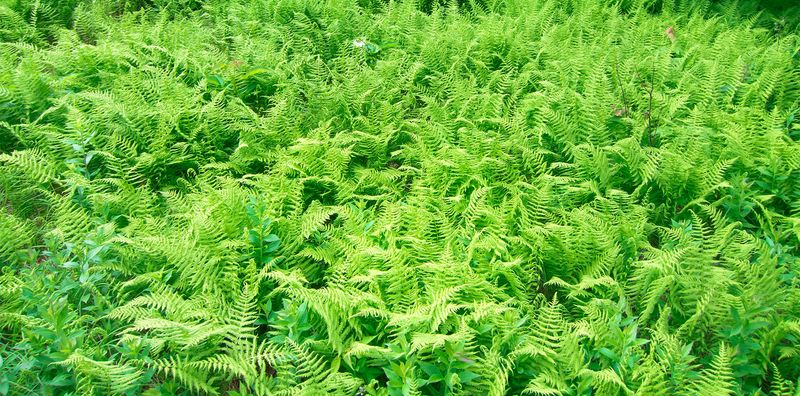
Being native does not make a plant automatically restrained. Hay-scented fern and New York fern are genuinely North Carolina natives, but both can behave aggressively in the right conditions, and that matters when you have young trees, wildflowers, or other desirable understory plants sharing the same shaded ground.
Forestry research gives the clearest picture of what dense fern layers can do. Penn State Extension’s guidance on understory fern competition documents how thick fern mats reduce the light reaching the soil surface and interfere with tree-seedling regeneration.
USDA Forest Service research and related treesearch findings show that dense hay-scented and New York fern stands can suppress both unwanted plants and the seedlings of desirable native trees by cutting off the light those seedlings need near the forest floor.
Those studies come from forest-regeneration settings, not residential backyards, so the scale is different from what you are managing at home. The practical takeaway is still useful: a fern colony that fills in well enough to crowd out weeds will also crowd out small native plants, young tree seedlings, and low-growing wildflowers if they are in the same zone.
The fern does not distinguish between a weed and a trillium.
Plan your planting boundaries before you put anything in the ground. Leave a clear buffer around young trees and valued understory natives.
Mark the edge of where you want the fern to stay, and check it once or twice a year. Thinning a colony by pulling or cutting back fronds along the margin takes about twenty minutes and keeps the planting useful without letting it become a problem.
Think of hay-scented fern as native but potentially aggressive in suitable conditions, and manage it accordingly from year one.
Prepare the bare shade before planting
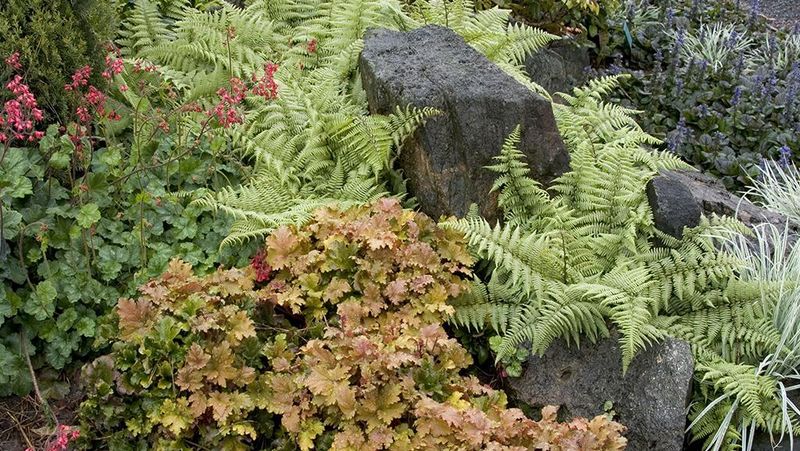
Good site preparation is what separates a fern planting that fills in steadily from one that stalls out while weeds take over. Start by clearing the area completely.
Remove existing weeds, grass, and competing turf before a single fern goes in the ground. University of Maryland Extension’s groundcover guidance is direct on this point: weed competition can prevent groundcovers from establishing, and removing weeds after planting is more disruptive and less effective.
While you are assessing the site, look for conditions that could cause unusual drying even in what looks like a shaded spot. Pavement, building foundations, heavily compacted soil, and altered drainage from downspouts or grading can all make a shaded area drier than it appears.
NC State’s native plants handbook notes that sites affected by these factors may need supplemental water even after plants are established, so factor that into your fern selection and your watering plan.
Buy nursery-propagated plants rather than digging ferns from the woods. Wild collection can damage natural populations and may violate protections for legally listed species.
Nursery stock is also more likely to be free of hitchhiking weed seeds and disease.
Timing the planting makes a real difference. NC State’s herbaceous ornamentals guidance and the NC landscape management calendar both favor fall or spring planting windows for perennials, when cooler temperatures and more reliable rainfall reduce heat and drought stress during the critical establishment period.
Once your ferns are in, spread a 2 to 3-inch layer of mulch or leaf litter between plants to hold soil moisture and slow weed germination. Keep that mulch pulled back from the fern crowns and away from nearby tree trunks to prevent rot and pest problems.
Water young plants and manage the spreading edge
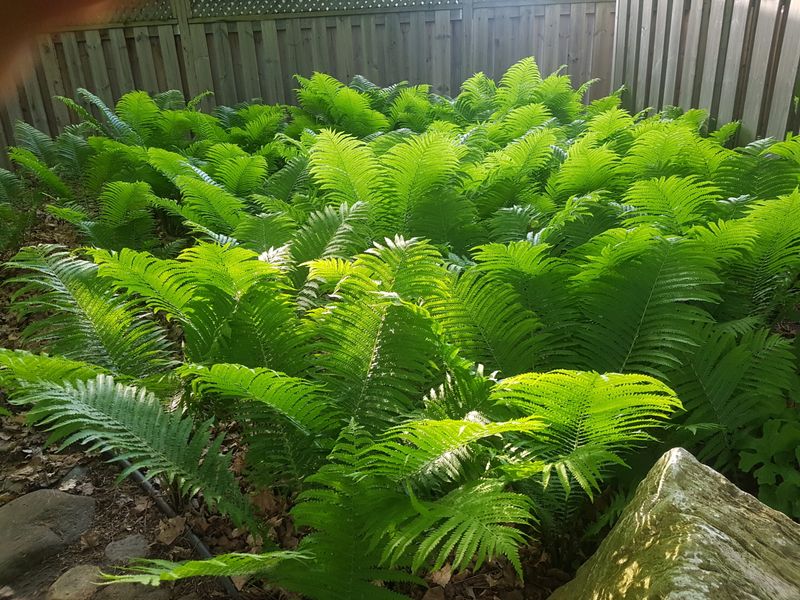
A long-lived perennial still needs attention during its first season. Newly planted native ferns are not yet rooted deeply enough to pull moisture from the full soil profile, so regular watering matters more in the weeks right after planting than at any other point.
NC State’s native plant guidance recommends keeping new plantings well-watered for the first few weeks and notes that sites near pavement, buildings, or compacted soil may need supplemental water well beyond that initial window, even after the plants look established.
Between watering sessions, keep pulling weeds by hand as they appear between young ferns. The mulch layer you put down at planting will slow germination, but it will not stop everything.
Check the bed every week or two during the first growing season and pull anything that is not a fern before it gets big enough to compete seriously.
University of Maryland Extension recommends spacing groundcovers according to their mature size and spread, and combining species in a mixed planting to improve resilience and wildlife value. A mixed fern planting, pairing hay-scented fern with southern lady fern or New York fern for example, fills in the space while reducing the risk that one aggressive spreader takes over completely.
Once the colony starts expanding, watch the edges. Eastern NC Extension fern guidance recommends allowing room for spread or containing spreading ferns with edging, a practical step that takes little effort if you build it into a seasonal walkthrough.
For fast spreaders like hay-scented fern, a spade-cut edge along the colony boundary once or twice a year is usually enough. Sensitive fern also benefits from this kind of routine containment on sites where it has reliable moisture and room to run.
Thinning the interior of a dense colony every few years keeps air moving through the fronds and reduces the risk of the planting becoming a monoculture that crowds out everything nearby.
Choose seasonal coverage or evergreen structure
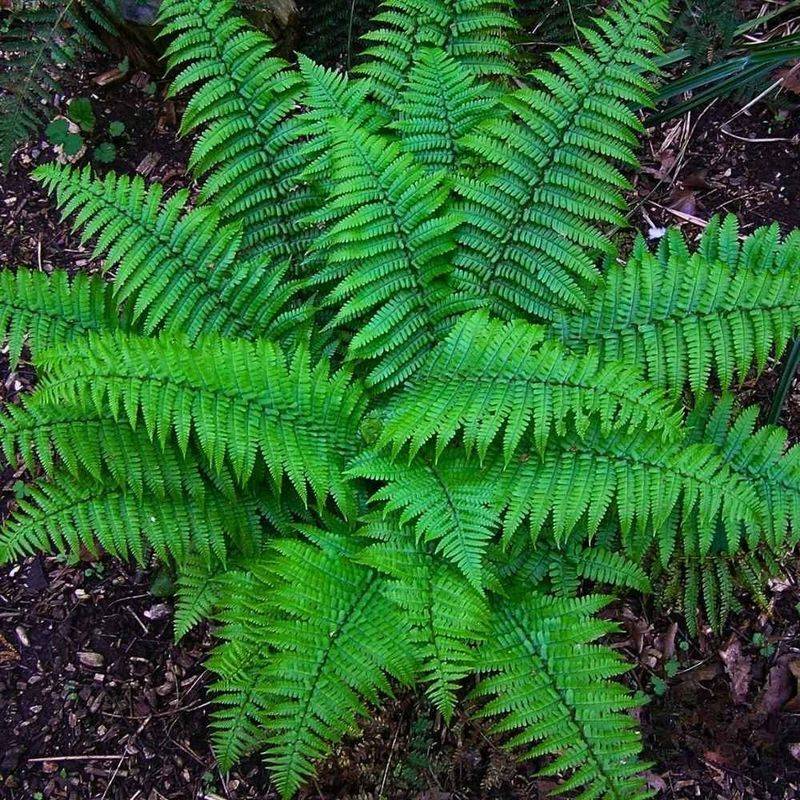
Picking between a fast-spreading fern and a slow-growing evergreen one comes down to what you actually need from that corner of the yard through all four seasons. Most of the best spreading options go dormant when the cold arrives.
Hay-scented fern is deciduous and can look ragged by late summer in a dry year before going fully dormant in fall. Southern lady fern and New York fern follow the same pattern.
Sensitive fern and cinnamon fern also lose useful foliage in winter, leaving the ground bare through the coldest months. If bare winter ground bothers you or you want structure in the shade bed year-round, none of these are the answer.
Christmas fern is the reliable evergreen choice among North Carolina natives, holding its dark green fronds through winter and into the following spring. The tradeoff is spread: Christmas fern forms slowly enlarging clumps rather than a fast-moving colony, so it will not fill a large bare area quickly or suppress weeds the way a spreading species can.
Use the tradeoff deliberately. If your priority is filling a large bare area and reducing weed pressure during the growing season, a fast-spreading deciduous fern matched to your moisture conditions is the practical pick.
If winter appearance matters and you want a tidy, low-maintenance native that stays put, Christmas fern earns its place on a well-drained shady slope. Many gardeners end up using both in the same yard, each doing a different job.
Build a fern planting that stays useful over time

A well-chosen fern planting can genuinely transform a bare, weedy shade corner into something that works with your yard rather than against it. Hay-scented fern offers the strongest fill-in effect for a suitable North Carolina site with light to moderate shade and reasonably drained soil.
For ordinary moist woodland conditions in the Piedmont or mountains, southern lady fern or New York fern may be a better fit and a lower-risk choice near valued understory plants.
Where the ground stays reliably wet, sensitive fern or cinnamon fern belong in the planting instead. No single fern suits every damp, shady corner in North Carolina, and matching the plant to the actual site conditions is what makes the difference between a planting that fills in and one that just sits there.
The goal is a healthy yard with reduced weed pressure, not a maintenance-free magic fix. Prepare the site before planting, water new plants through the first season, watch the spreading edge, and protect the native plants you want to keep.
A fern colony that has filled in over two or three growing seasons quietly earns its place every year after that, which is about as close to set-it-and-forget-it as shade gardening gets.