
If Your Hydrangea Blooms Fade To Dull Green Instead Of Staying Vivid, Here Are 8 Reasons To Blame
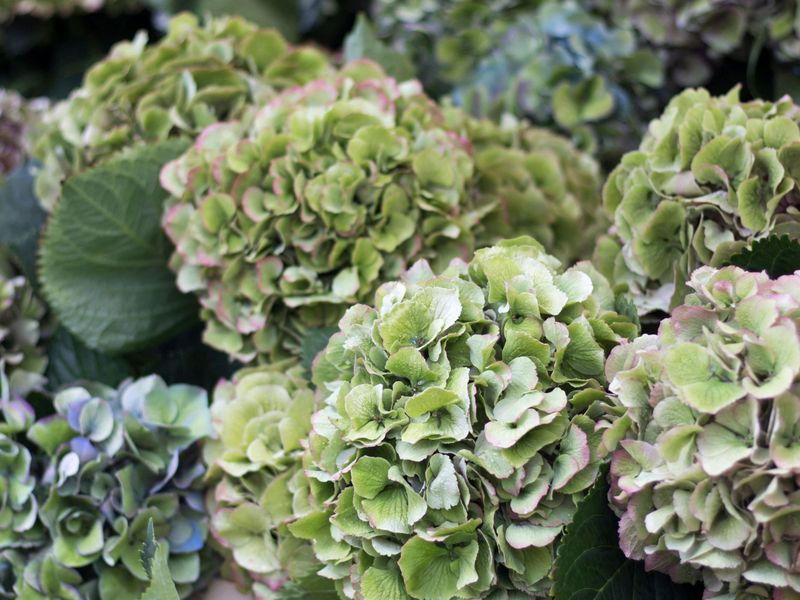
You planted your hydrangea dreaming of big blue or pink puffs, but now the flowers look muddy and green. Don’t panic, because this is one of the most common hydrangea worries out there, and most of the time it is easy to explain.
Sometimes it is just nature doing its thing, and sometimes it points to something you can fix today. Here are eight reasons your hydrangea blooms turn dull green, so you can figure out which one is yours.
1. Natural Aging of Blooms
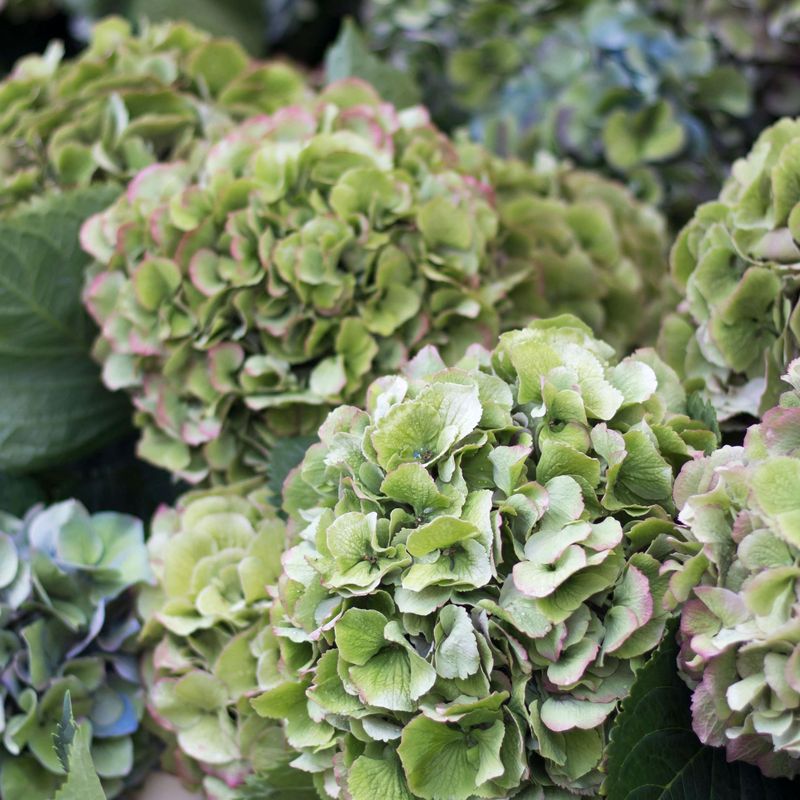
Before you blame yourself, take a breath. Hydrangea flowers have a life cycle, just like everything else in the garden, and green is often the color of a bloom that has simply grown old.
In bigleaf hydrangeas especially, the bright blue, pink, or white pigments fade as the flower matures. Once those pigments retreat, the natural green of the sepals shows through.
It happens most often late in the bloom season, and it is completely normal.
Fun fact: those showy “petals” are not really petals at all. They are modified leaves called sepals, which is exactly why they turn green as they age.
If your blooms started out vivid and only shifted green after weeks of glory, aging is almost certainly the answer, and there is nothing to fix.
2. Soil pH Imbalance
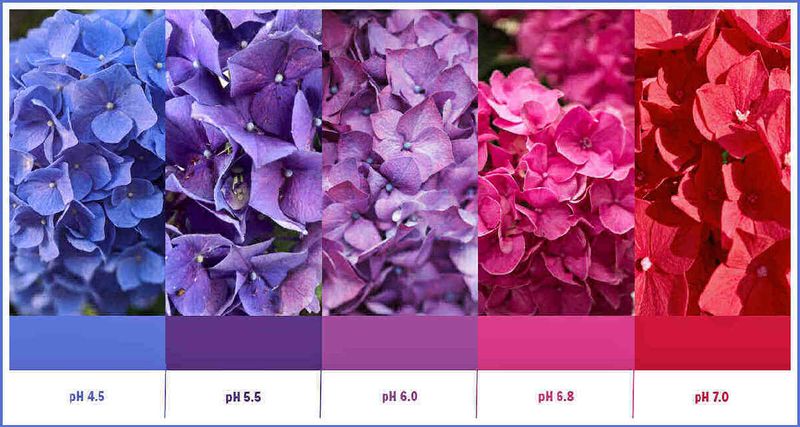
Soil is the secret ingredient behind hydrangea color, and pH is the dial that turns it. When that dial sits in the wrong spot, your blooms can lose their punch and drift toward green.
Blue hydrangeas need acidic soil and available aluminum, while pink ones prefer more alkaline conditions. When the pH creeps toward neutral, around 7.0, the plant struggles to pull in what it needs for strong color.
The result can be washed-out or greenish flowers instead of vivid ones.
A simple soil test kit tells you where you stand. To push toward blue, gardeners often add soil acidifier or aluminum sulfate.
To lean pink, garden lime can raise the pH. Make small changes over time, since dumping too much at once can stress the roots.
3. Nutrient Deficiencies or Imbalances
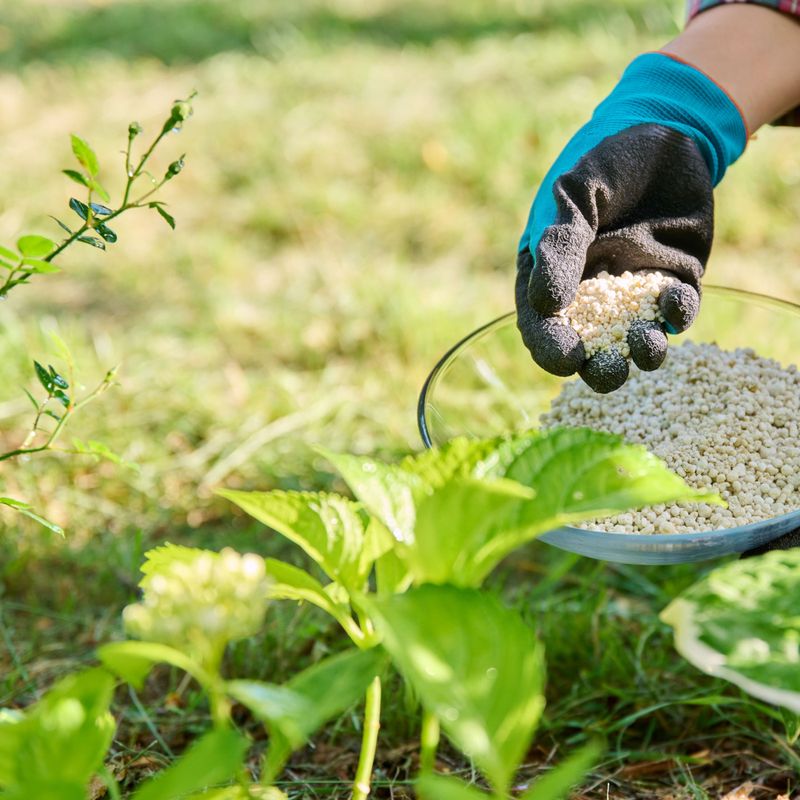
Think of feeding your hydrangea like cooking a good meal. Too little of the right stuff, or way too much of one thing, and the whole dish comes out wrong.
Hydrangeas need a balanced mix of nitrogen, phosphorus, and potassium to bloom with real color. When one of those runs short, flowers can turn green and lackluster.
Phosphorus in particular supports strong bloom color and quality.
Here is the twist many gardeners miss: over-fertilizing with high-nitrogen products can backfire. Instead of vivid flowers, you get lush leafy growth and dull, greenish blooms.
Reach for a balanced or bloom-focused fertilizer, follow the label rate, and resist the urge to give your plant extra just to be safe.
4. Excessive Sunlight
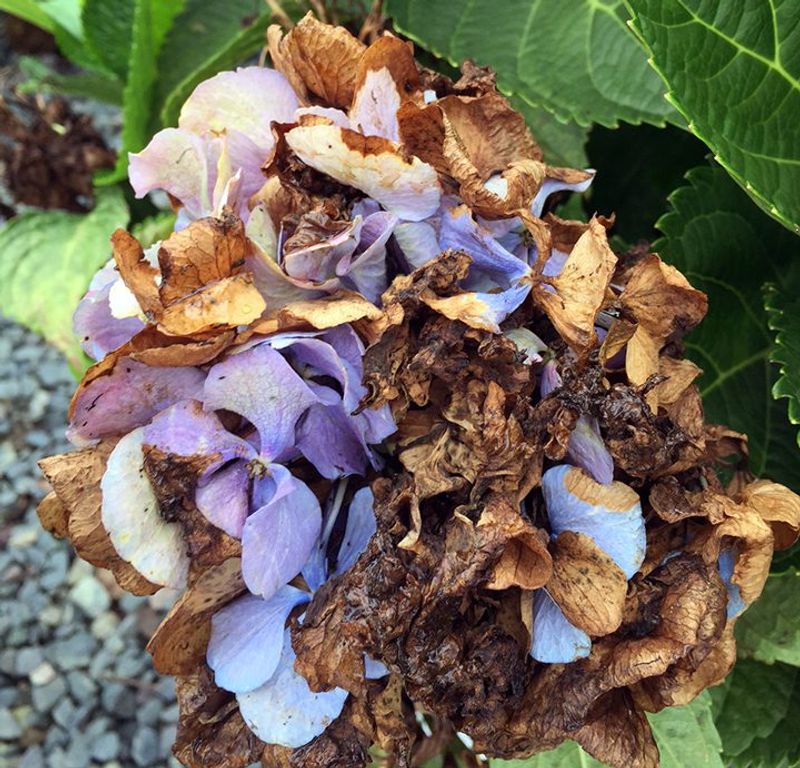
A hydrangea baking in full afternoon sun is a plant under real stress, and stressed plants rarely show their best colors. Too much intense light can wash the life right out of your flowers.
While these shrubs enjoy some sun, blistering rays during the hottest hours can disrupt the pigment production inside the blooms. Colors fade, and green tones start taking over.
The fix is often about location. Hydrangeas usually thrive with morning sun and afternoon shade, so a spot protected from the harsh late-day glare can make a big difference.
If moving the plant is not an option, a nearby taller plant or a shade cloth during heat waves may help keep those blooms vivid.
5. Insufficient or Inconsistent Watering
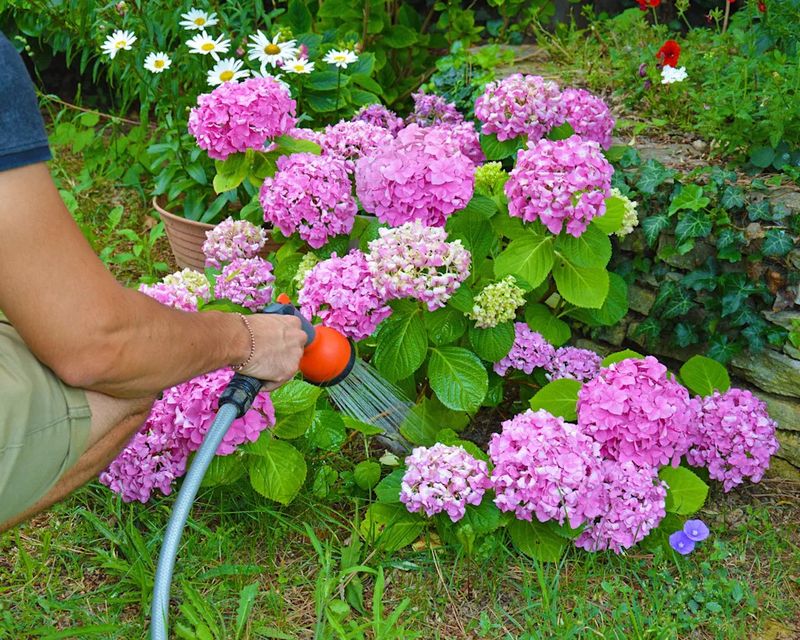
The name says it all. “Hydra” points straight to water, and these plants are genuinely thirsty. Skip the drinks, or water them on a chaotic schedule, and the blooms will let you know.
Both underwatering and wildly inconsistent watering shock the plant. When a hydrangea is stressed from dry roots, its overall health slips, and that can show up as faded or green flowers instead of the rich colors you wanted.
Aim for deep, steady watering rather than quick daily splashes. A thick layer of mulch around the base helps hold moisture and keeps roots cool.
During summer heat, check the soil a couple inches down, and if it feels dry, give the plant a good long soak.
6. High Heat and Humidity
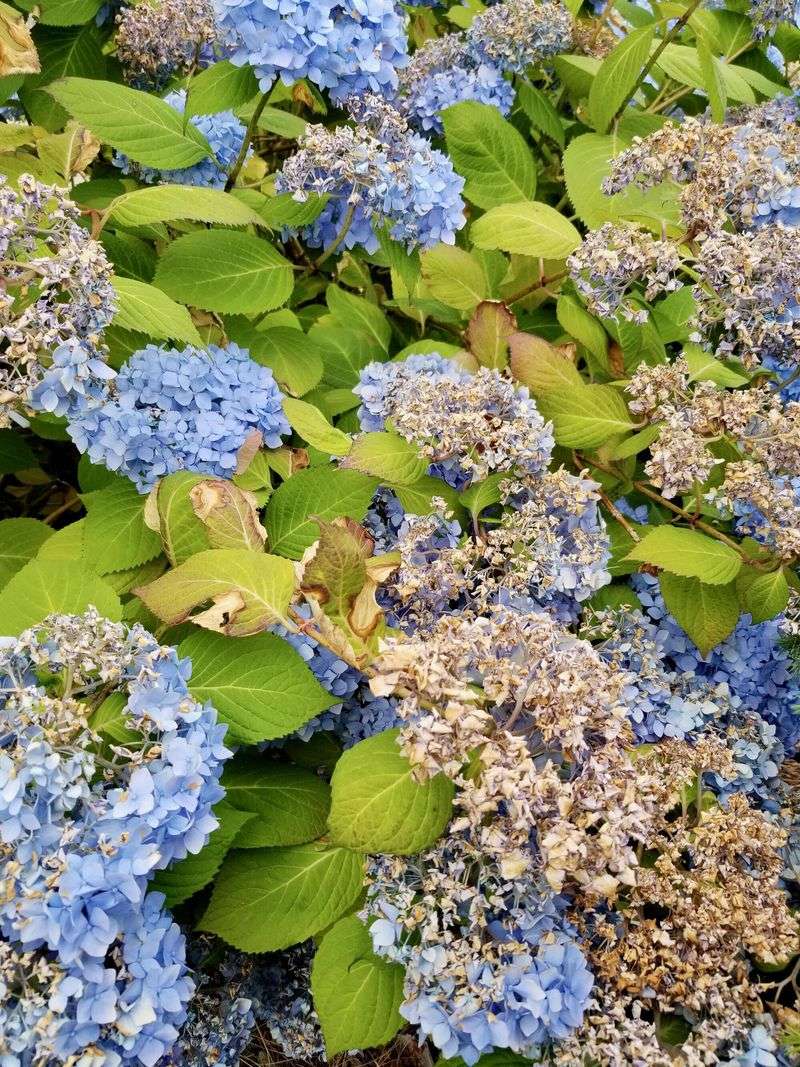
Southern gardeners, this one is for you. Those long stretches of sticky heat can quietly drain the color from hydrangea blooms even when you are doing everything else right.
Hot, humid conditions act as a stressor on the plant. Under that pressure, a hydrangea struggles to hold onto its vibrant flower pigments, and green tones start to dominate as the heat drags on.
You cannot control the weather, but you can soften its blow. Extra afternoon shade, consistent moisture, and mulch all help the plant ride out heat waves.
Some gardeners in hot zones also lean toward heat-tolerant hydrangea types that hold their color better when summer turns brutal.
7. Shorter Daylight Hours
As summer winds down, your hydrangea starts reading the calendar. Shorter days and weaker light send a quiet signal that the show is wrapping up.
With less light energy reaching the flowers, the blue, pink, and white pigments in the sepals begin to fade. The green underneath steps into the spotlight as the plant slowly shifts toward dormancy.
Nothing is wrong here, and honestly, plenty of gardeners love this stage. Antique-green fall blooms are prized for dried arrangements and wreaths.
If your flowers only go green as autumn approaches, consider clipping a few to enjoy indoors while nature finishes the season outside.
8. Cultivar-Specific Tendencies
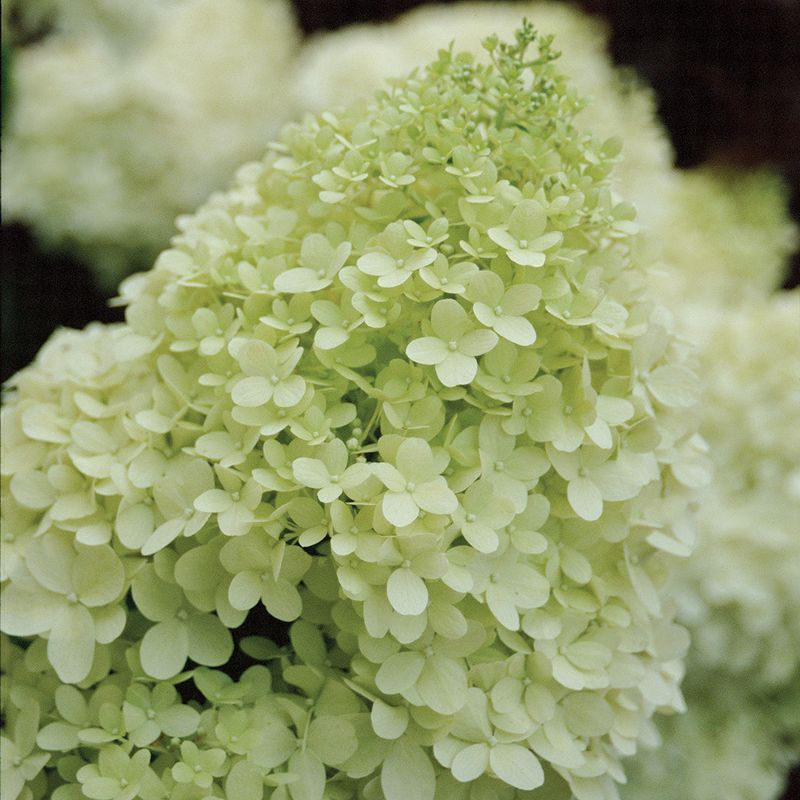
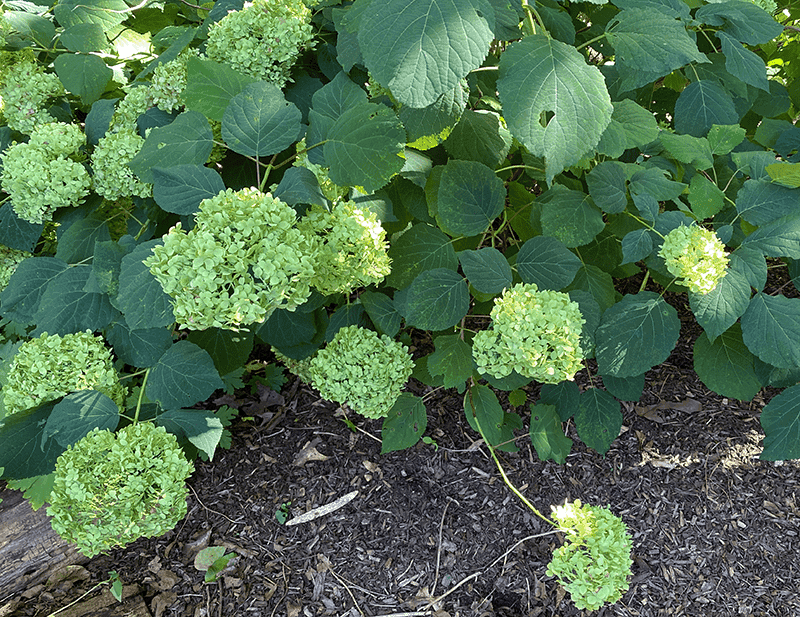
Here is the plot twist that catches a lot of folks off guard: your hydrangea might be green on purpose. Some varieties are simply born that way, and there is nothing to rescue at all.
Take ‘Limelight,’ a panicle hydrangea famous for its cool lime-green cone-shaped blooms. Those flowers later shift toward pink and red shades as the season goes on, and the green stage is part of their charm, not a flaw.
Before you troubleshoot anything, check the plant tag or look up your specific variety. If you are growing a naturally green or green-transitioning cultivar, those dull-looking blooms are actually doing exactly what they were bred to do.
Sometimes the best fix is simply learning to love the color you have.