
The One Thing North Carolina Azaleas Need Before September Ends Or They Skip Blooming Next Spring
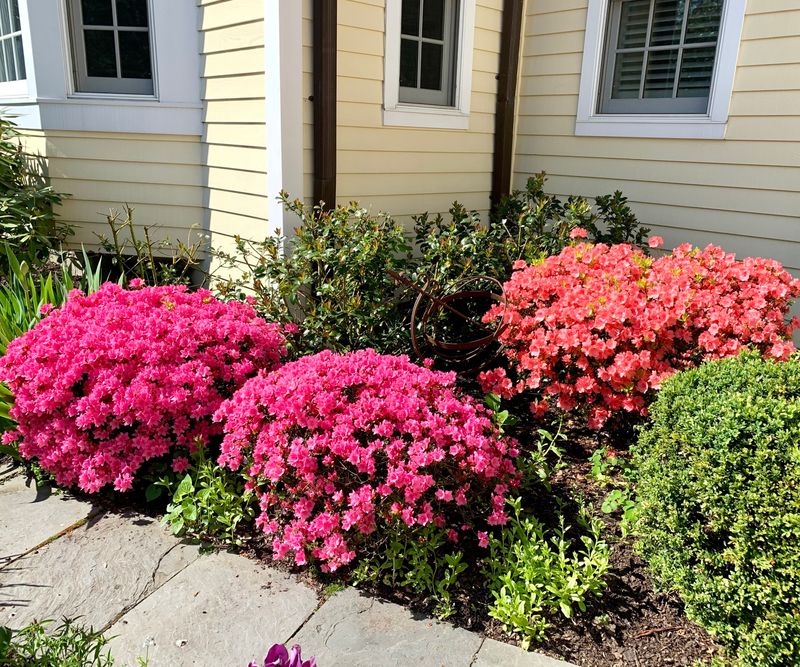
Many North Carolina homeowners have heard that they need to do something to their azaleas before September ends or risk losing next spring’s flowers entirely. That warning has a kernel of truth, but the deadline and the stakes have both been exaggerated.
The real pruning cutoff for most common spring-blooming azaleas passed back around July, and by late September the most important jobs are much quieter than a dramatic last-chance trim.
The important cutoff comes before September
Somewhere along the way, September 30 became the date that anxious gardeners fixate on when it comes to azaleas. The premise is understandable but off by roughly two months.
For many of the common spring-blooming azaleas growing in North Carolina yards, University of Georgia Cooperative Extension guidance places the relevant pruning cutoff around July 1 to mid-July, not September 30.
By late summer, those shrubs have already formed the flower buds that will open next April or May. A pruning cut made in September, October, or winter does not catch the plant before bud formation.
It arrives after, which means it can remove buds that are already sitting on the branches.
If you have not touched your azaleas yet this season, that is actually useful information. Skipping a late-season trim is not negligence.
For spring-blooming types, leaving the shrub alone at this point is the right call. The window for shaping and thinning closed earlier in the year, and reopening it now with a pair of hedge shears will not help the plant prepare for spring.
North Carolina grows a wide range of azalea species and hybrids, and NC State Extension’s plant toolbox notes that bloom schedules vary considerably across the genus. Some types flower later than the familiar April show, and a few repeat-bloom in fall.
A single September deadline cannot accurately apply to every azalea in every yard across the Piedmont, Coastal Plain, and mountains. Knowing which type of azalea you have matters more than watching the calendar flip to October.
How summer pruning affects spring flowers
Spring-blooming azaleas run on a predictable internal schedule. After the spring flowers drop, the plant pushes out new vegetative growth.
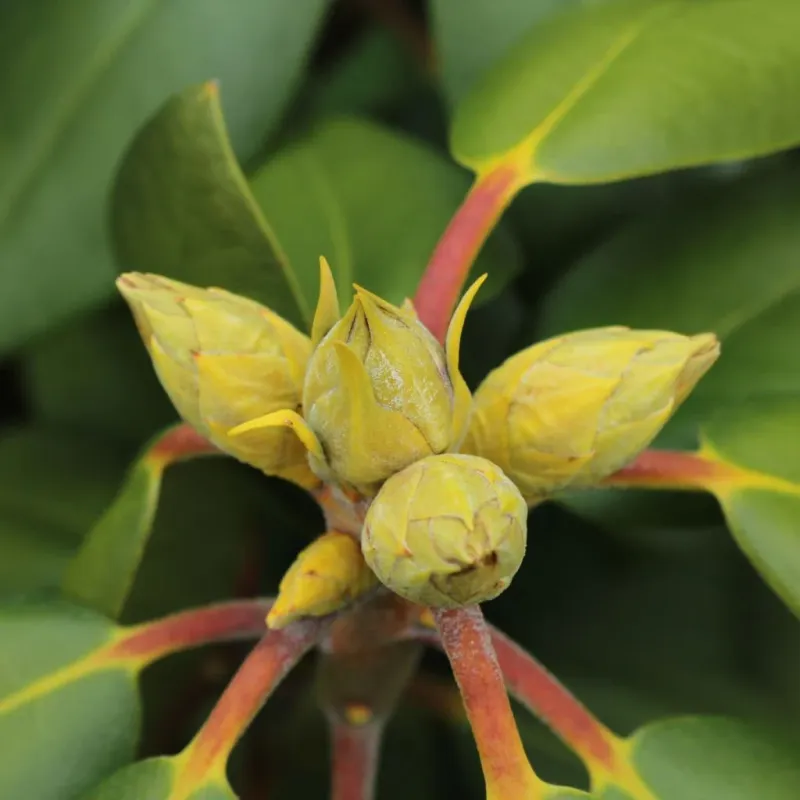
Over the following weeks, those new shoots gradually transition, and by mid-to-late summer the tips carry next year’s flower buds. The buds are physically present on the plant well before fall arrives.
That sequence explains why timing a pruning cut matters so much. A cut made right after flowering gives new shoots plenty of time to grow, mature, and set buds before summer ends.
A cut made in September or later arrives after bud formation, so the pruned stems are no longer carrying new shoots. They are carrying formed buds, and removing them reduces the number of flowers available for next spring.
The outcome is not guaranteed total failure. UGA’s guidance on pruning ornamental plants supports “may reduce” rather than “will eliminate” as the accurate framing.
A plant that loses some buds to a late cut may still produce flowers from the buds that remain on unpruned branches. The spring display may be noticeably thinner, or in cases of heavy shearing it may be sharply reduced, but a complete bloom skip is not the inevitable result.
Pruning right after flowering is the standard recommendation because it works with this schedule rather than against it. UGA’s azalea guide also emphasizes that pruning should have a clear purpose, whether that is removing deadwood, correcting leggy growth, or managing size.
Routine shearing on a fixed calendar date, with no particular goal in mind, is the practice most likely to cost you flowers without improving the plant.
Make only necessary cuts now
Late September is not the moment to reshape a spring-blooming azalea. Cosmetic shaping, hedge-style shearing, and hard rejuvenation cuts are all off the table for now if protecting next spring’s bloom is the priority.
Any of those approaches removes a portion of the formed flower buds sitting on the branches.
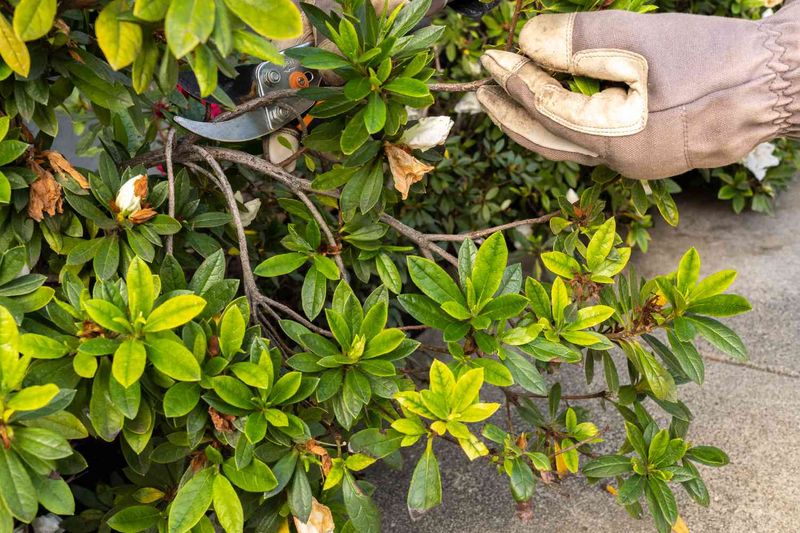
What remains appropriate is targeted sanitation work. Dead branches, diseased stems, broken wood, and anything that poses a safety concern can and should come out regardless of the season.
When cutting out a dying stem, follow it back until you find healthy green tissue and make the cut there. Leaving a stub of dead wood does not help the plant and can invite disease.
The distinction worth holding onto is the difference between safety and sanitation cuts on one side and appearance-driven pruning on the other. Removing a branch that is clearly dead does not cost you flowers because dead wood was never going to produce any.
Removing a healthy green branch that simply looks a little long removes the buds attached to it.
Severely overgrown azaleas sometimes tempt gardeners into a late-season hard cut, especially if the shrub has swallowed a walkway or outgrown its space. UGA’s ornamental pruning guidance addresses renovation pruning as a separate decision with its own timing considerations, not a quick fix for a shrub that got too large.
If your azalea genuinely needs a renovation cut, plan it deliberately, accept that flowering may be sacrificed for a season or two, and time it appropriately rather than acting on impulse because the month is ending.
Protect the shallow root zone
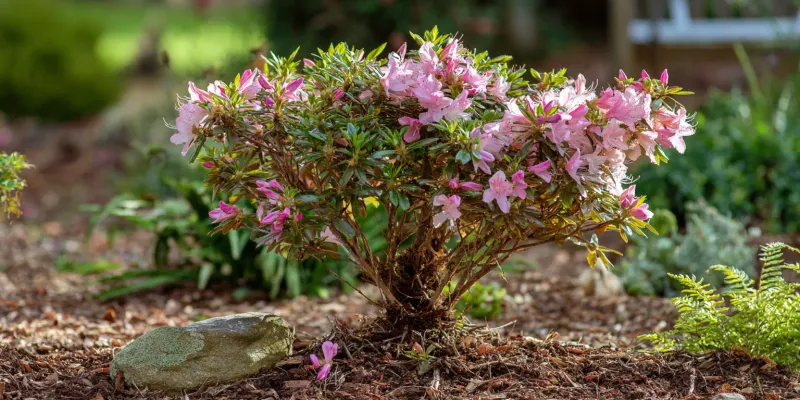
Azaleas have shallow, fibrous roots that sit close to the soil surface. That root architecture makes them remarkably sensitive to what happens in the top several inches of soil, for better or worse.
Drought dries out that zone quickly, and saturated or poorly drained soil can suffocate or rot those same roots within days.
During dry stretches in late summer and early fall, check the soil beneath the mulch before deciding whether to water. If the root zone feels dry, water slowly and deeply at the plant’s base rather than spritzing the foliage.
Clemson Cooperative Extension’s azalea care guide recommends wetting the soil to roughly 6 to 8 inches; UGA’s guidance puts the summer watering target closer to 8 to 12 inches. Both figures are approximate depth targets meant to encourage thorough watering rather than a precise daily schedule.
A soaker hose or drip line laid at the base of the plant delivers water where the roots are without wetting foliage, which reduces the chance of foliar disease. Overhead irrigation is less ideal, but if it is the only option, early morning is preferable so leaves can dry before nightfall.
Organic mulch is one of the most practical tools for protecting that shallow root zone. A layer of roughly 3 to 5 inches, whether pine bark, pine straw, or shredded leaves, conserves moisture and buffers soil temperature through the heat of late summer.
UGA’s azalea publication notes the importance of keeping mulch pulled back from the stem rather than piling it against the base of the plant, which can hold excess moisture against the bark and invite disease. The goal throughout is even moisture, not wet soil that never fully drains.
Why late fertilizer can backfire
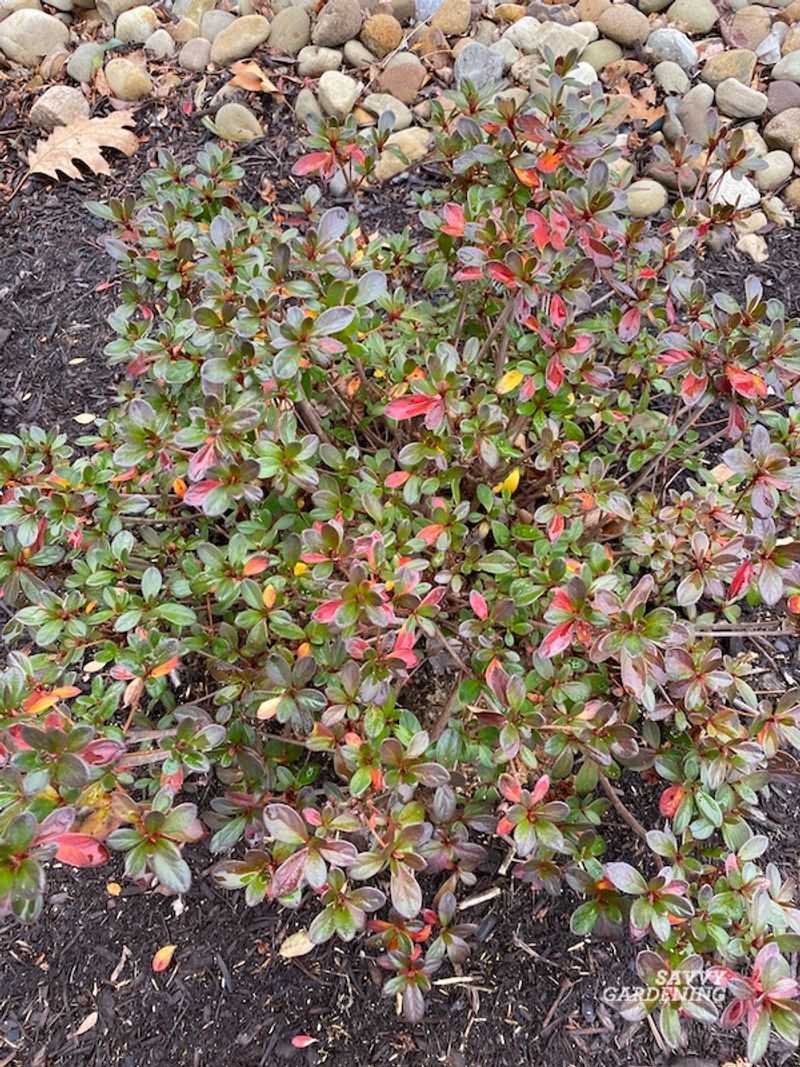
Fertilizer feels like a proactive move, especially when a shrub looks a little tired after a long North Carolina summer. For spring-blooming azaleas in late September, though, applying fertilizer is more likely to cause problems than to solve them.
According to UGA’s azalea guide, the recommended fertilizing window is just after flowering, and applications should generally stop by July 1. Late-season fertilizer can stimulate a flush of tender new growth that the plant cannot harden before cold weather arrives.
That same late application may also interfere with bud set and reduce winter hardiness, the opposite of what a well-meaning gardener is trying to achieve.
Excess fertilizer carries its own risks independent of timing. Too much nitrogen can cause leaf scorch, leaf drop, and direct plant injury.
Yellow leaves on an azalea are not reliable proof that the plant needs fertilizer. High soil pH, drought, waterlogging, root disease, and overfertilization can all cause yellowing, and adding more fertilizer to a plant that is yellowing for one of those other reasons makes the situation worse.
Soil testing is the practical alternative to guessing. Azaleas generally do best in acidic, well-drained soil with a pH in the range of roughly 4.5 to 6.0.
If the soil pH is too high, nutrient uptake can suffer even when nutrients are present. However, UGA specifically cautions against applying aluminum sulfate to lower pH because it can be toxic to azalea roots.
Any change to soil chemistry should follow a confirmed need from a soil test, not a visual guess based on leaf color alone. NC State Extension and most county cooperative extension offices offer soil testing services that take the guesswork out of the decision.
Match the rule to the azalea
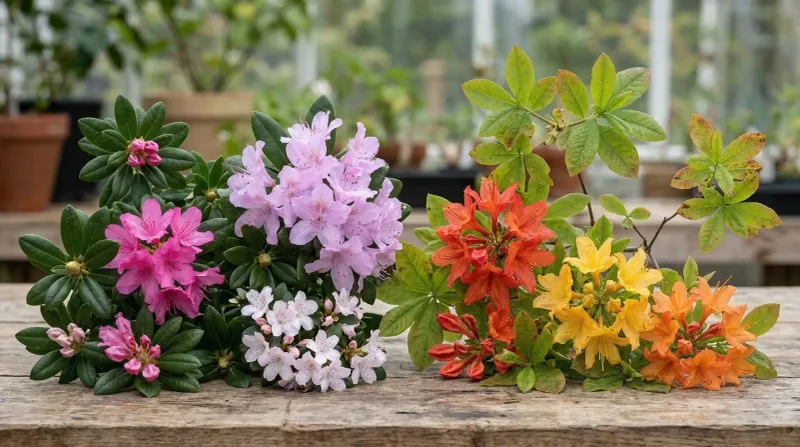
The July pruning cutoff and the late-season care advice above apply most directly to the common evergreen spring-blooming azaleas that fill foundation plantings across North Carolina. Those are not the only azaleas in the state, and applying one rule to all of them leads to mistakes.
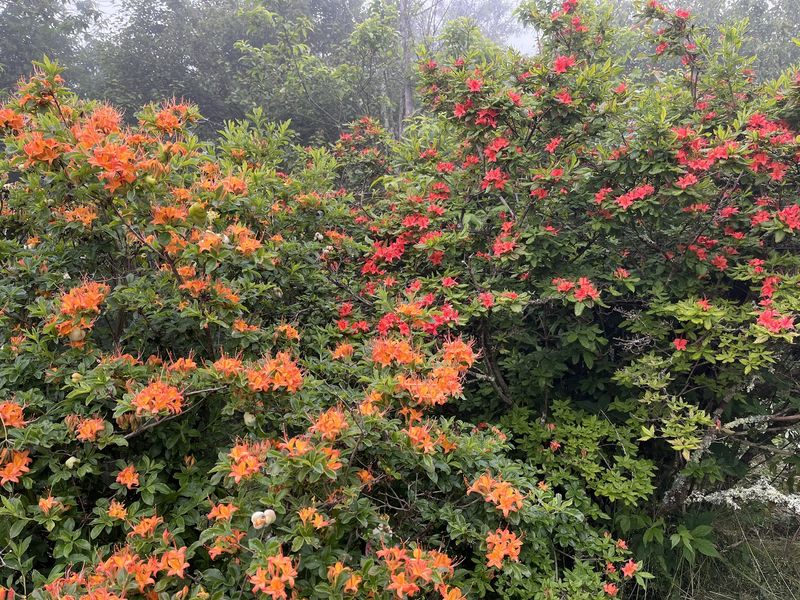
According to the NC State Extension Gardener Plant Toolbox, the genus Rhododendron includes a wide range of species, hybrids, and bloom schedules. Some native deciduous azaleas bloom in late spring or early summer rather than April, and a few species flower into July.
Those plants need to be pruned after their own flowering period ends, not according to a blanket rule built around April-blooming evergreen types.
Encore and other repeat-blooming cultivars are a separate category entirely. Clemson Extension identifies Encore azaleas as capable of flowering in both spring and fall, which changes both the pruning timing and the bloom expectations.
Treating an Encore shrub like a once-a-year spring bloomer means misreading its schedule and potentially cutting off a fall flower show.
Native deciduous azaleas deserve special mention for North Carolina gardeners. NC State Extension’s feature on deciduous azaleas describes them as plants well-suited to naturalized, filtered-shade settings rather than tight foundation beds.
They are not compact shrubs that need regular shearing to stay in bounds. Treating them like a clipped evergreen hedge ignores both their growth habit and their ecological role as native plants that support pollinators.
Before applying any pruning rule, take a moment to confirm what type of azalea you actually have. UGA’s pruning guide reinforces that late-flowering cultivars should be pruned after they finish blooming, with care taken to avoid cutting late enough that developing buds are removed.
Look beyond pruning when blooms fail

A thin or absent spring flower display is easy to blame on a pruning mistake, but pruning is only one item on a longer list of possible causes. Before assuming that a late haircut ruined everything, check a few other factors that routinely explain poor azalea flowering in North Carolina yards.
Light is one of the most commonly overlooked issues. Azaleas generally perform well in filtered light or morning sun with afternoon shade.
A shrub that has gradually been shaded out by a growing tree canopy may bloom less each year not because of anything the homeowner did with pruning shears but because the plant is no longer receiving enough light to support a full flower set. Intense afternoon sun creates a different problem, adding heat and moisture stress that can affect plant health and indirectly affect flowering.
Water stress, both too little and too much, can also explain a poor spring show. Drought during the summer bud-formation period can damage developing buds before they ever open.
At the same time, University of Maryland Extension’s azalea and rhododendron problem guide lists excess water and poor drainage alongside drought, winter injury, spring freezes, and fall temperature changes as recognized causes of bloom failure. A plant sitting in wet soil that never drains may produce fewer flowers not because it was pruned at the wrong time but because its root system is under chronic stress.
Winter cold and late spring freezes are a real factor in North Carolina’s mountains and, in some years, across the Piedmont. Formed flower buds can be killed by a sharp freeze after a warm early spring encourages them to swell.
UGA’s azalea guide also points to excessive nitrogen and cultivar differences as contributors to reduced flowering. Assessing light, drainage, winter damage history, and plant type gives a much clearer picture than assuming the pruning calendar is to blame.
Use the late-September checklist
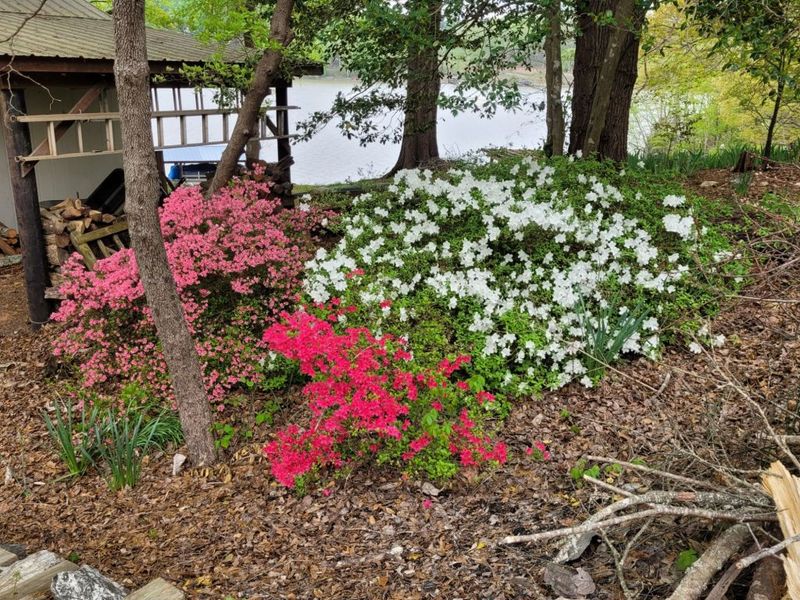
For most common spring-blooming azaleas in North Carolina, the pruning window that protects next spring’s flowers closed around July. By late September, the checklist looks quite different from a trim-and-fertilize routine.
Skip any cosmetic shaping, hedge shearing, or hard cuts on spring-blooming types. Remove only wood that is dead, diseased, broken, or genuinely hazardous.
Check the soil under the mulch during dry stretches and water slowly and deeply at the base when the root zone is dry, aiming for thorough saturation to roughly 6 to 12 inches rather than a light daily sprinkle. Keep a 3-to-5-inch mulch layer in place and pulled back from the stem.
Hold off on fertilizer unless a soil test has identified a specific deficiency that warrants a targeted correction. UGA’s azalea guide and Clemson Extension’s azalea care resource both support this quieter late-season approach.
Before applying any of this to a specific shrub, confirm its bloom type. Repeat-blooming and late-flowering azaleas follow their own schedules, and native deciduous types have different site and care needs altogether.
Careful late-season stewardship protects the best chance of a good spring flower show, but no single checklist can guarantee it.