
A Recommended Midseason Trim for North Carolina Lantana After the First Major Summer Flush Begins to Fade
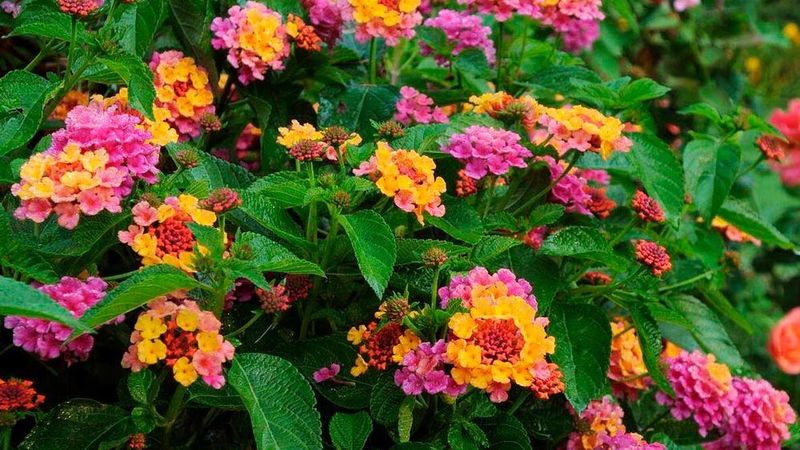
Lantana is one of summer’s most reliable performers in North Carolina yards, drawing butterflies and hummingbirds through the hottest weeks of the year. But once that first big flush of color starts to fade, many gardeners are left wondering whether to cut, wait, or just let the plant run.
A light midseason trim can encourage renewed flowering, though it works best as one piece of a larger care picture, not as a guaranteed fix. Understanding what to do, how much to remove, and what else affects your plant’s performance makes the difference between an informed choice and an accidental setback.
Treat the first fading flush as a cue, not a deadline
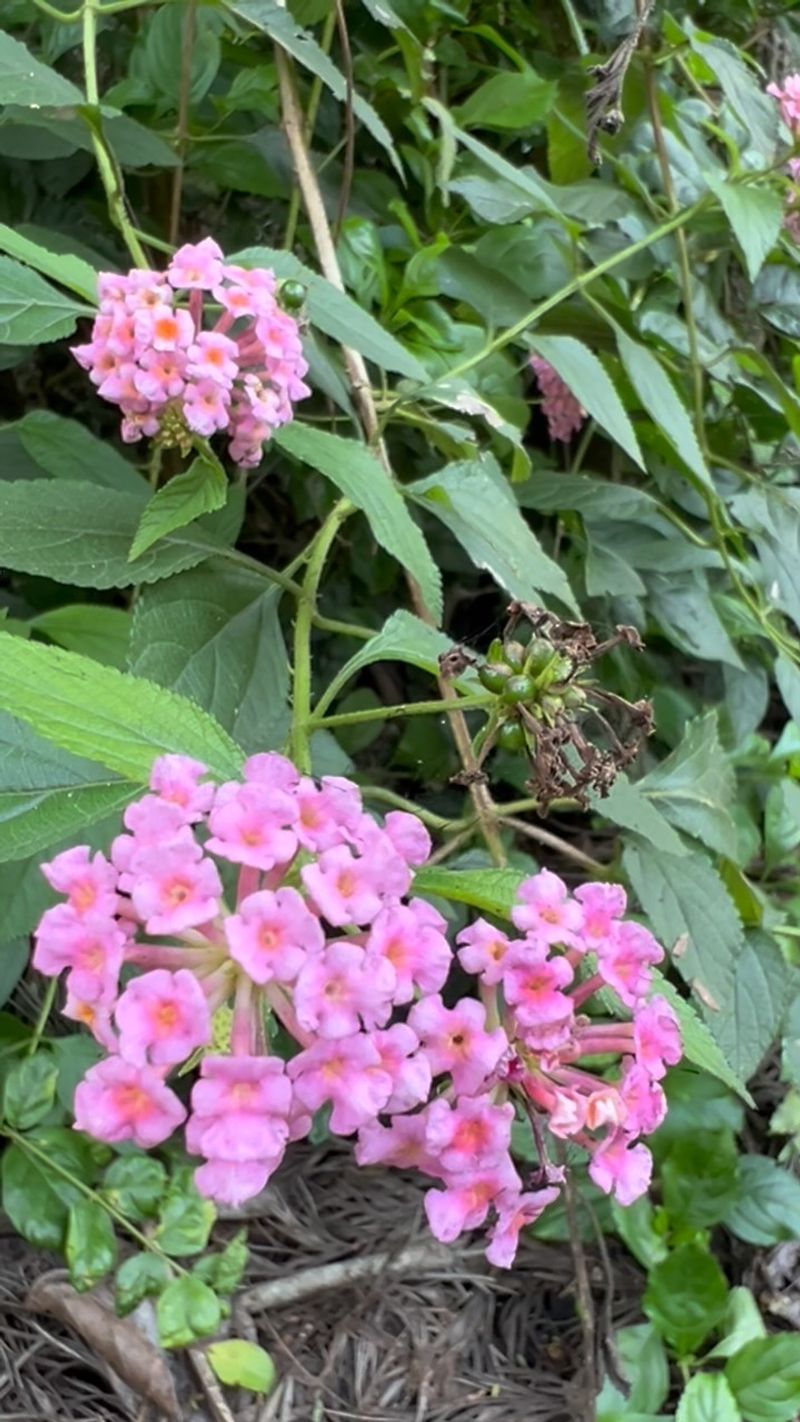
Fading flower color, spent heads that have gone papery or dull, and the first signs of small green berries forming on the stems are the signals worth watching for. North Carolina Cooperative Extension guidance recommends removing spent blossoms before fruit develops and lightly shearing tip growth to encourage repeat bloom.
That window, when clusters are clearly past their peak but berries have not yet hardened, is a practical and well-supported time to act.
Acting on that visual cue is very different from setting a calendar reminder or rushing out after a single stray flower drops. Lantana produces blooms in waves, and not every isolated finished flower calls for intervention.
A major flush, meaning a broad portion of the plant has cycled through and the overall display looks tired, is the threshold that makes a trim worthwhile rather than disruptive.
Two related but distinct actions are involved here, and the difference matters. Deadheading means snipping off finished flower clusters before they develop into berries.
Light shearing means shortening the soft, actively growing leafy tips to encourage the plant to branch outward and push fresh flowering shoots. Clemson Extension recommends periodic summer light shearing as a way to encourage repeat blooming, describing it as a modest midseason practice rather than a dramatic reset.
Both steps together give the plant a better chance at a second round of color, though the response depends on growing conditions, cultivar, and how much of the season remains before your area’s first freeze.
Use deadheading and light shearing together
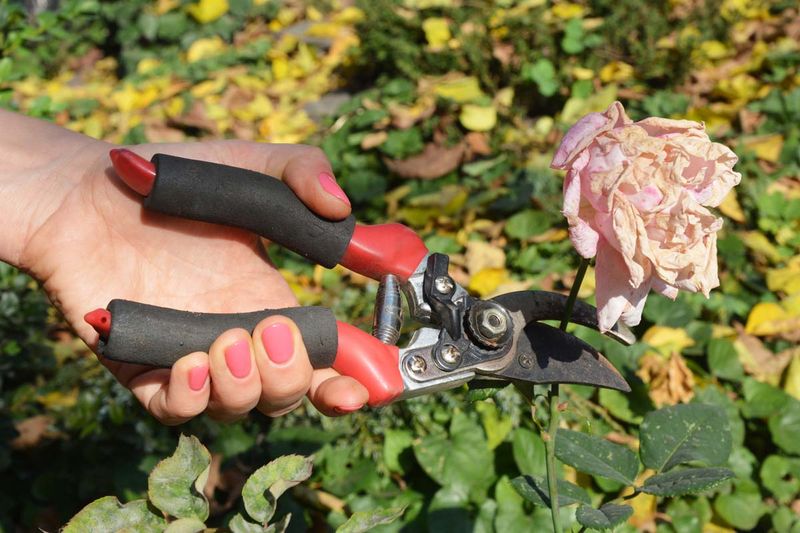
Removing spent flower clusters before they ripen into berries redirects the plant’s energy away from seed production. Snip each finished cluster at its base, just where the stem meets a leaf or branching point, rather than leaving a stub.
When clusters are removed consistently across the plant, the result is a cleaner look and a faster return to active bud development.
Light shearing of the soft leafy tips goes one step further. By shortening the actively growing ends of stems by a few inches, you encourage the plant to branch at lower nodes, which can produce more flowering shoots than a single unbranched stem would.
Clemson Extension’s guidance on summer shearing frames this as a periodic practice for encouraging repeat bloom, not a one-time event or a hard reset. Make cuts just above a healthy leaf or a visible branching point so the plant has a clean, natural place to push new growth.
Neither step guarantees a second flush as large or as showy as the first. Penn State Extension notes that a second bloom cycle may be smaller or less abundant depending on the plant and conditions.
That is a realistic expectation to hold going in. The goal of combining deadheading with light shearing is to refresh the plant’s growth and give it the best available shot at continued flowering, not to force a performance the plant cannot deliver on its own.
One practical note: do not shear every stem on the same day if the plant looks stressed or if the weather is unusually hot and dry. Working in sections over a few days, or waiting for a cooler morning, lets the plant recover without compounding any existing stress.
Keep the emphasis on removing what is finished and encouraging what is coming, rather than trying to reshape the whole plant at once.
Cut above healthy growth and protect your skin
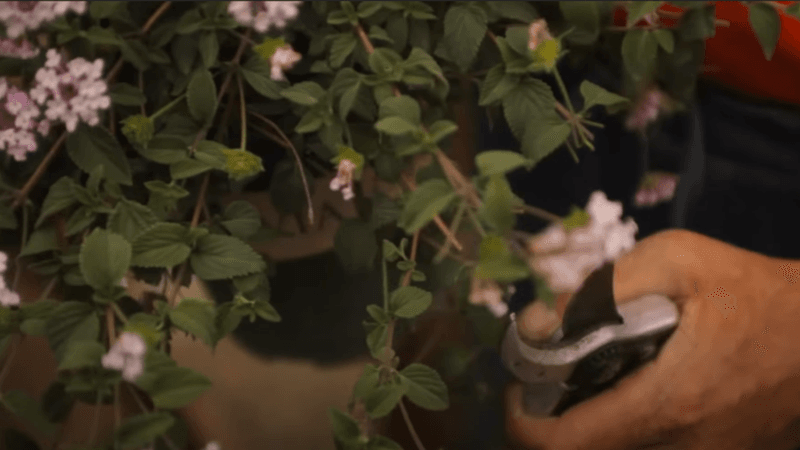
Before picking up your pruners, put on gloves and cover your forearms. NC Cooperative Extension advises gloves and long sleeves when working with lantana because the stems and foliage can irritate skin on contact.
The sap in particular can cause a reaction, so keeping it off bare skin is a simple precaution that takes about ten seconds to follow.
When you are ready to cut, look at the stem below the spent flower cluster and find the nearest healthy leaf or visible branching point. Make your cut just above that point, leaving a clean stub no longer than a quarter inch.
Clemson Extension describes cutting just above healthy leaves or branching points as the correct placement for summer tip shearing, and it is the same logic that applies to deadheading: give the plant a node from which to push new growth rather than a bare, dead-end stub.
Before shearing any section, pause and look closely at the tips you are about to remove. Oklahoma State University Extension guidance on midseason pruning recommends checking for developing buds before shearing, since cutting into an area with hidden buds already forming can delay rather than accelerate the next flush.
If you see small, tight bud clusters beginning to emerge on a stem, skip that stem and focus on the ones that are clearly past bloom.
Trimmings should be disposed of carefully. NC State’s plant profile for Lantana camara notes that leaves and unripe berries can irritate skin, and the plant is documented as toxic to livestock.
The ASPCA lists Lantana camara as toxic to dogs, cats, and horses. Bag or bin your clippings rather than leaving them where pets can chew on them, and keep children away from the plant’s berries, which should not be eaten.
These are straightforward precautions, not reasons to avoid growing lantana altogether.
Keep a summer trim lighter than a spring renovation
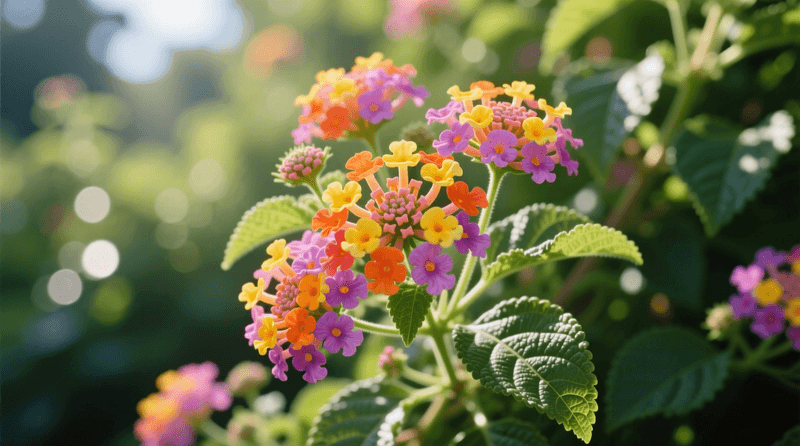
One of the most common ways a well-intentioned trim goes wrong is when a gardener reads “cut it back” and reaches for the loppers instead of the pruning shears. Summer shearing and spring renovation are not the same practice, and treating them interchangeably can leave a plant struggling to recover during the hottest part of the growing season.
Clemson Extension’s lantana guidance is specific on this point: light shearing is the appropriate summer practice, and even a plant that has outgrown its space should be reduced by no more than one-third at a time. The hard cutback to 6 to 12 inches above the ground is a spring renovation technique, used after winter has killed back the top growth of a perennial lantana and new growth is beginning to emerge from the base.
Applying that same cut in July or August removes substantially more foliage and potentially developing flower buds than a light shear does, and it is not the standard midseason rebloom approach.
Recovery care after any meaningful trim is straightforward. Water the plant after you finish, particularly if the soil is dry or the weather has been hot.
Moisture helps the plant push the new growth you are trying to encourage. If the plant is actively growing and not showing signs of water stress, a light application of a balanced fertilizer is acceptable, but keep it modest.
Excess fertilizer tends to push leafy growth at the expense of flowers, which is the opposite of the goal here. Clemson Extension notes that lantana generally needs little fertilizer and that too much can reduce flowering and increase disease susceptibility.
The recovery timeline after a light trim is shorter than after a hard cutback, which is another practical reason to keep the summer cut modest. Removing a few inches of tip growth and spent clusters leaves most of the plant’s leaf area intact, so photosynthesis continues at close to normal capacity and the plant can redirect energy toward new buds without rebuilding from scratch.
Fix the growing conditions that limit reblooming
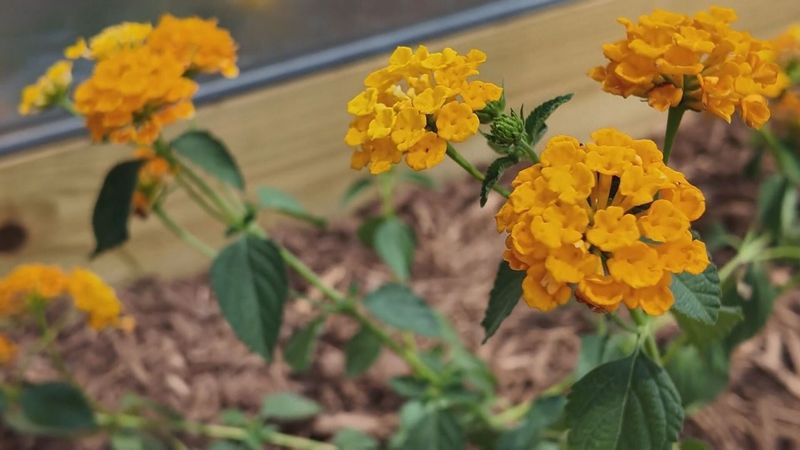
A trim works best when the plant underneath it is already set up to grow. Full sun is the baseline requirement: NC State’s plant profile for Lantana camara says the plant prefers full sun and moist, well-drained soil, while tolerating poor soil and drought once established.
A lantana in too much shade will produce fewer flowers regardless of how carefully you trim it, because the energy budget simply is not there to support heavy bloom.
Drought tolerance is real but limited. Established plants can handle dry spells without immediate harm, but prolonged dryness reduces both growth and flowering.
A plant that has been dry for weeks before you trim it will respond more slowly than one that has had consistent moisture. If the soil around your lantana is bone-dry, water it thoroughly a day or two before trimming, and again after you finish.
Newly planted lantanas need regular watering while their root systems establish, and should not be assumed to have the same drought tolerance as a three-year-old plant.
While you are working through the plant, take a close look at the leaf undersides. Lantana lace bugs are a genuine summer threat, particularly for newer plantings.
UGA Cooperative Extension’s guide on lantana lace bug biology and management describes the symptoms: stippled or bleached-looking upper leaf surfaces, and small dark spots of excrement on the leaf undersides. Severe infestations can reduce flowering and eventually cause defoliation.
Catching the problem early, while trimming, gives you a chance to address it before it compounds the stress of the cut.
Clemson’s guidance keeps fertilizer in a supporting role rather than a primary fix. If the plant is growing vigorously and is not water-stressed, a light midsummer feeding is acceptable.
But fertilizer alone cannot compensate for insufficient sun, poor drainage, pest pressure, or root stress from drought. Address the limiting condition first, then consider whether supplemental feeding adds anything useful.
Cultivar and frost timing set the season’s limits
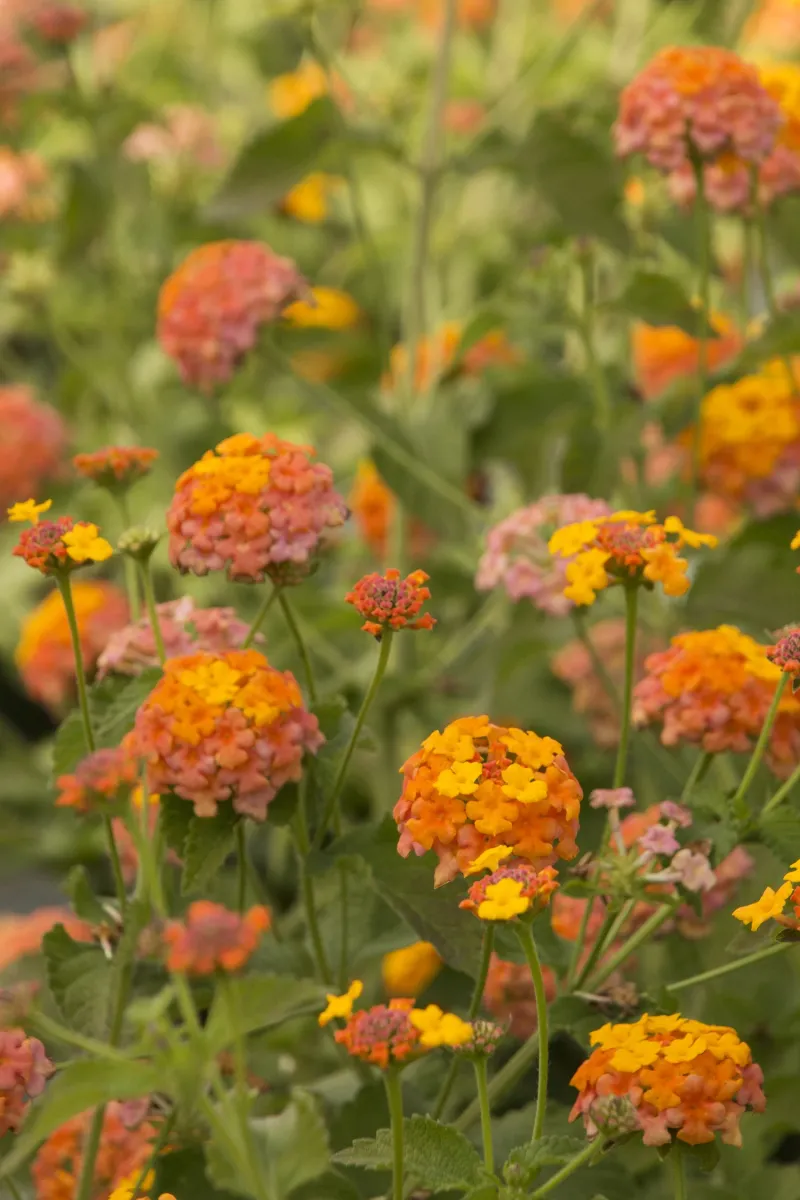
Not every lantana in a North Carolina yard will respond to a midseason trim the same way, and a big part of that comes down to cultivar selection and where in the state you garden. NC State’s Lantana camara profile describes the plant as perennial in warm coastal areas of the state, while noting that cultivars including ‘Miss Huff,’ ‘Ham and Eggs,’ and ‘Chapel Hill Yellow’ are frost-hardy enough to return reliably in parts of the Piedmont.
Many other selections, particularly tender tropical varieties, behave as annuals in colder locations and will not return after a hard freeze regardless of how well they flowered during the season.
Frost timing is the hard boundary on the “until frost” expectation. NC State describes lantana flowers as appearing from midsummer until the first frost, and that is biologically accurate for a healthy, actively growing plant.
But the NC State Climate Office’s Freeze Date Explorer shows that first-freeze timing varies considerably across North Carolina, with mountain locations seeing freezes weeks earlier than Coastal Plain gardens. A plant trimmed in late August in Boone has far less runway than the same plant trimmed in Wilmington.
Sterile cultivars add another layer to the deadheading question. Some modern selections produce neither viable seed nor viable pollen, which means they do not invest energy in berry development the way seed-producing types do.
NC Cooperative Extension’s discussion of sterile lantana cultivars notes these selections as a practical consideration as growing conditions in the Carolinas shift, partly because seed-producing types can be weedy in warmer climates.
Removing developing fruit generally redirects the plant’s energy toward flowering rather than seed maturation, but it is worth noting that some birds do use lantana berries. NC State’s profile for Bandito lantana acknowledges wildlife use of the berries alongside skin irritation concerns.
Stripping every berry from every plant is not a universally wildlife-neutral act, so gardeners who value bird activity in their yards may want to leave some fruiting stems on seed-producing cultivars rather than removing all of them.
Trim to improve the odds, not to force a frost-date promise
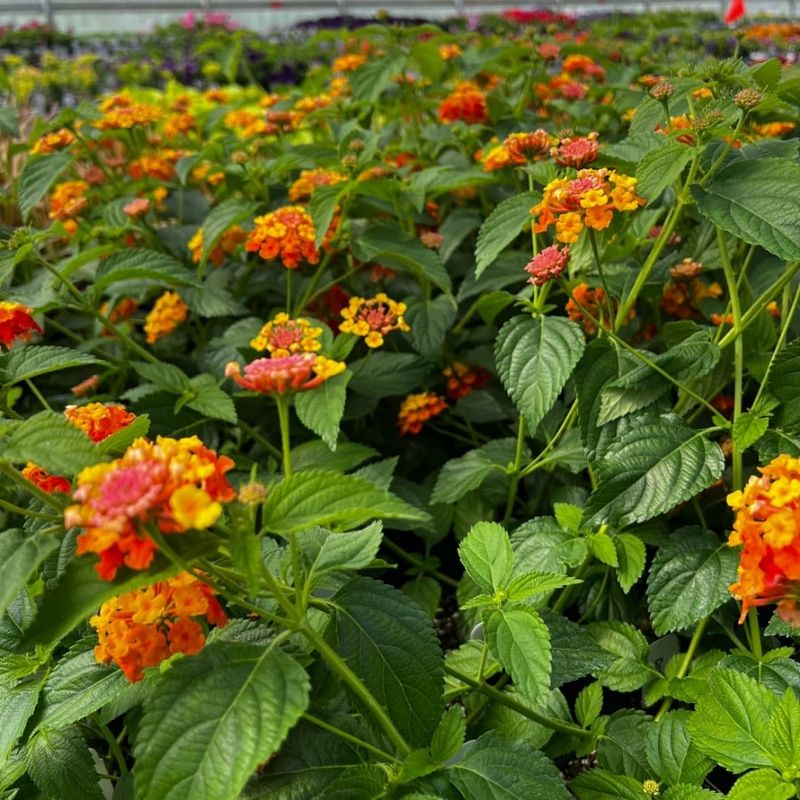
The practical sequence is straightforward. Wait for a major flower flush to fade, remove the spent clusters before berries develop, lightly shear the soft tips just above healthy leaves or branching points, and water the plant if the soil is dry.
That is the whole midseason move, and it is a supported technique for encouraging renewed flowering rather than a guaranteed outcome.
Clemson Extension and NC State’s plant guidance both back light summer shearing as a rebloom practice, but neither source promises continuous bloom through frost as a result. Shade, prolonged drought, lace bug pressure, cultivar limitations, a plant still establishing its root system, or an early freeze can all limit the response regardless of how cleanly you made the cut.
Acknowledging those variables is not pessimism; it is the honest picture of how lantana actually performs across a state as climatically varied as North Carolina.
Lantana is not a North Carolina native, and attracting pollinators to it does not carry the same ecological weight as planting a native species would. Grown thoughtfully, with sterile or regionally appropriate cultivars and trimming practices that keep the plant tidy without spreading seed aggressively, it can be a useful and colorful addition to a summer yard.
A light trim after the first big flush is a reasonable thing to try. Whether it delivers a full second act depends on the season, the plant, and a few conditions you cannot control from the end of a pair of pruning shears.