
8 Reasons Beautyberry Is The Native North Carolina Shrub That Feeds Birds And Turns Purple Every Fall
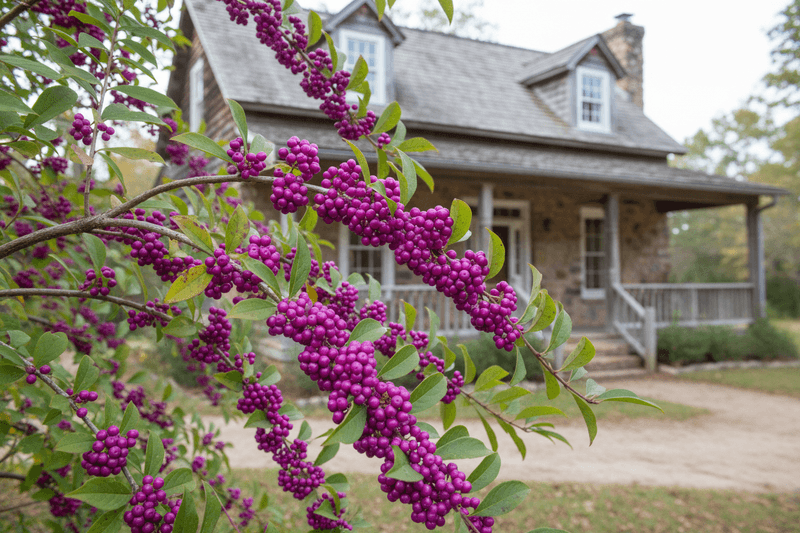
If you want a shrub that puts on a show and helps the wildlife in your yard, American beautyberry deserves a spot in your North Carolina garden. This native plant grows wild from the coast to the mountains, and every fall it lights up with clusters of bright purple berries.
Birds love the fruit, pollinators love the flowers, and it does all this without much fuss from you. Here are eight reasons this homegrown beauty might be the best plant you add this year.
1. A Vital Food Source for Birds
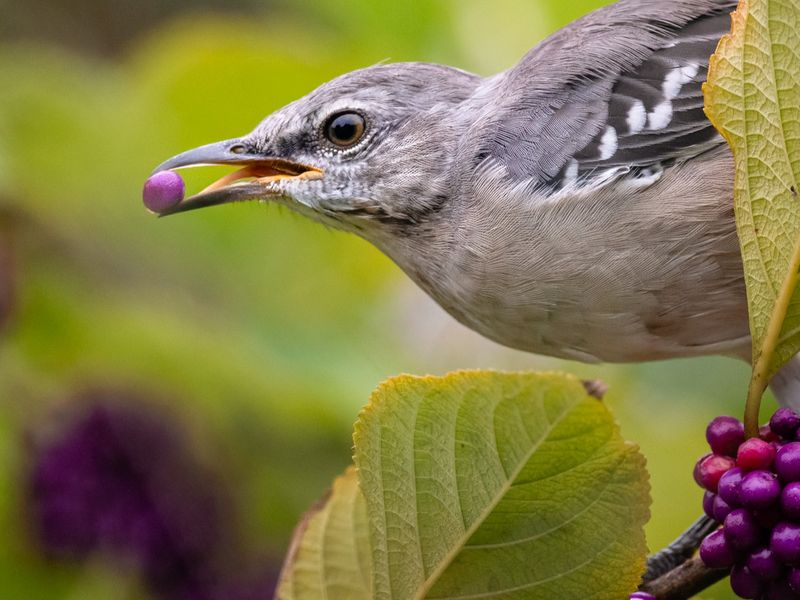
Picture a hungry mockingbird in late October, hopping from branch to branch looking for something to eat. Beautyberry answers that call with clusters of moisture-rich fruit right when other food starts running low.
Songbirds all across North Carolina come to feast, including American Robins, Brown Thrashers, Purple Finches, Eastern Towhees, Mockingbirds, Cardinals, and Tufted Titmice. Watching a goldfinch or towhee work through the berries is one of the quiet joys of a native yard.
Because the fruit holds water as well as calories, it helps birds stay strong heading into the colder months. Plant one shrub and you turn a corner of your yard into a reliable feeding stop for the neighborhood flocks.
2. Stunning Fall Color with Purple Berries
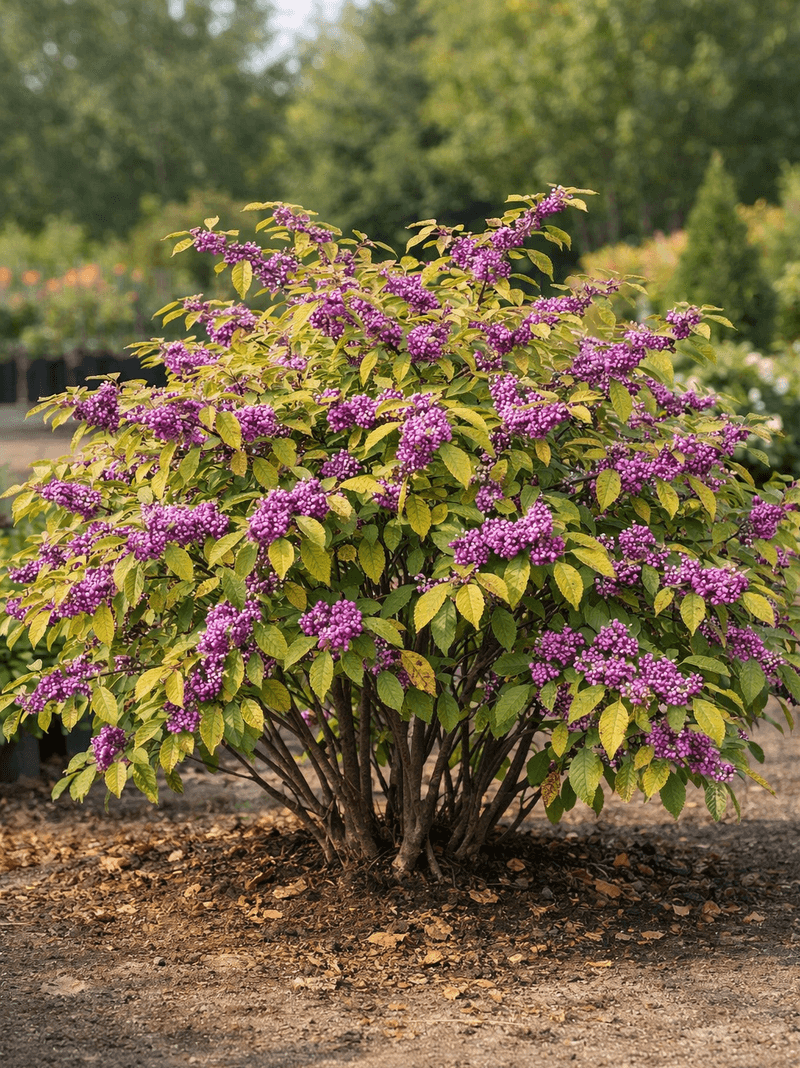
Few plants stop visitors in their tracks the way beautyberry does in fall. The stems get wrapped in tight clusters of glowing purplish to bluish berries that look almost too vivid to be real.
The fruit develops from August through October, circling the branches like beads on a string. When many other plants have already faded for the season, beautyberry is just hitting its peak.
The berries can hang on into early winter, giving you weeks of color long after the summer flowers are gone. It is the kind of display that gets neighbors asking what that purple bush is.
3. Supports a Range of Backyard Wildlife
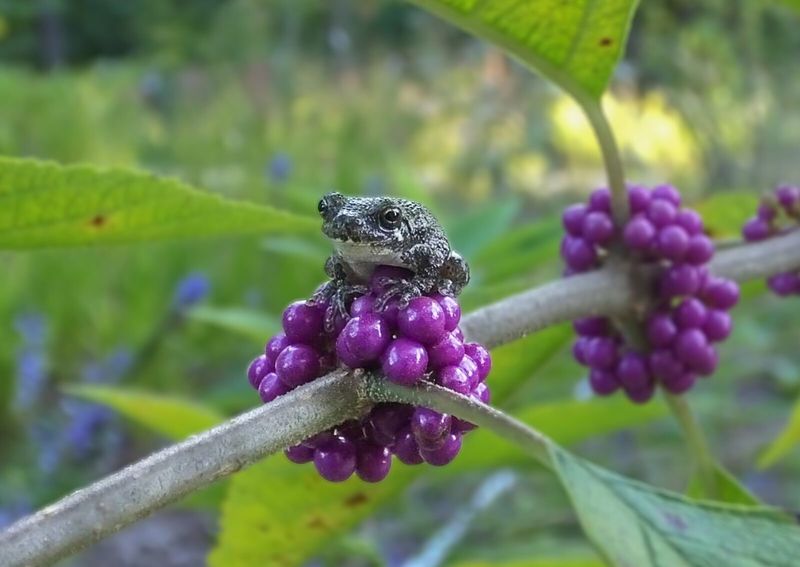
Birds get most of the attention, but beautyberry feeds a whole cast of backyard characters. White-footed mice, raccoons, opossums, squirrels, and even foxes will snack on the berries when they ripen.
The shrub gives back in other ways too. Its dense, arching branches make handy shelter and nesting spots for small birds and critters looking for cover.
Adding a plant that supports this much life is a simple way to make your yard part of a bigger, healthier web. You are not just decorating your garden, you are feeding and sheltering the wildlife that makes an NC backyard feel alive.
4. Attracts Pollinators in Spring and Summer
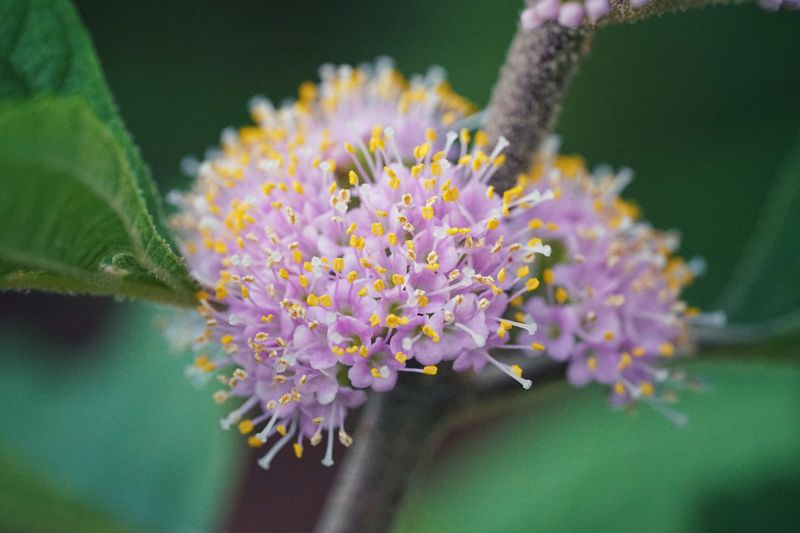
Long before those famous purple berries arrive, beautyberry quietly does important work. From late spring into early summer, it puts out tiny pink or white flowers tucked along the stems.
Those modest blooms are a magnet for butterflies and native bees. The pollinators that stop by to sip nectar are the same ones that keep your whole garden productive.
So the plant earns its keep in two seasons, not just one. Spring pollinators, fall berries, and a busy yard the whole way through.
5. A Potential Contributor to Tick Management
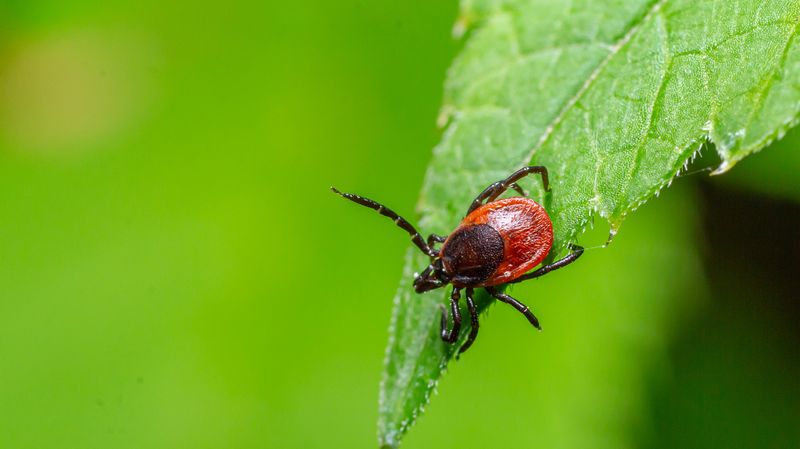
Here is where it pays to be honest about what the science actually says. Compounds pulled from crushed beautyberry leaves have repelled certain ticks in laboratory tests, which is genuinely interesting.
That does not mean a living beautyberry hedge creates a tick-free zone in your yard. A growing shrub is not a tick barrier, so please do not rely on it that way.
What may help is where beautyberry likes to grow. It prefers well-drained, sunnier spots, and those drier conditions tend to be less friendly to ticks than damp, shady leaf litter.
Think of it as one small piece of a bigger tick-safe yard plan, not a magic fix.
6. Low Maintenance and Drought-Tolerant
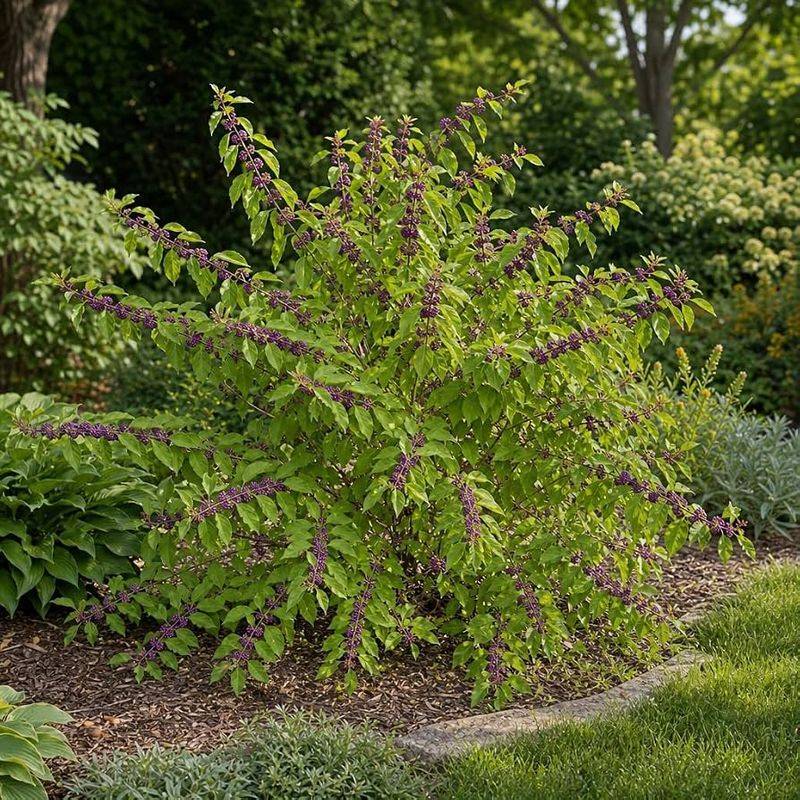
Gardeners who hate babysitting their plants will appreciate this one. Once beautyberry settles in, it shrugs off dry spells and asks for very little in return.
It handles full sun to part shade and grows in loamy, sandy, or clay soils, plus both acidic and calcareous ground. That flexibility means it fits almost any yard from the Coastal Plain to the Piedmont to the mountains.
It can even take a moist site, which makes it a smart pick for a rain garden. Easygoing, adaptable, and forgiving of busy schedules, beautyberry is about as fuss-free as native shrubs come.
7. An Excellent Native Alternative to Invasive Shrubs
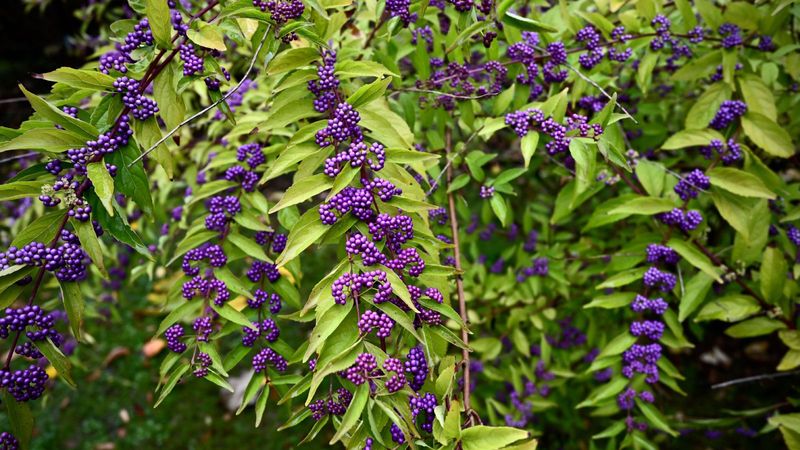
Every invasive shrub you skip is a win for North Carolina’s wild spaces. Beautyberry gives you a homegrown swap for troublemakers like non-native bush honeysuckle, which crowds out the plants our wildlife actually depends on.
By choosing a native, you help slow the spread of species that escape yards and take over natural areas. The birds and pollinators recognize beautyberry as food and habitat in a way they never do with invaders.
One heads-up when you shop: make sure the tag reads Callicarpa americana. That guarantees you are getting the ecologically valuable native and not a look-alike from overseas.
8. Ideal for Fall Planting
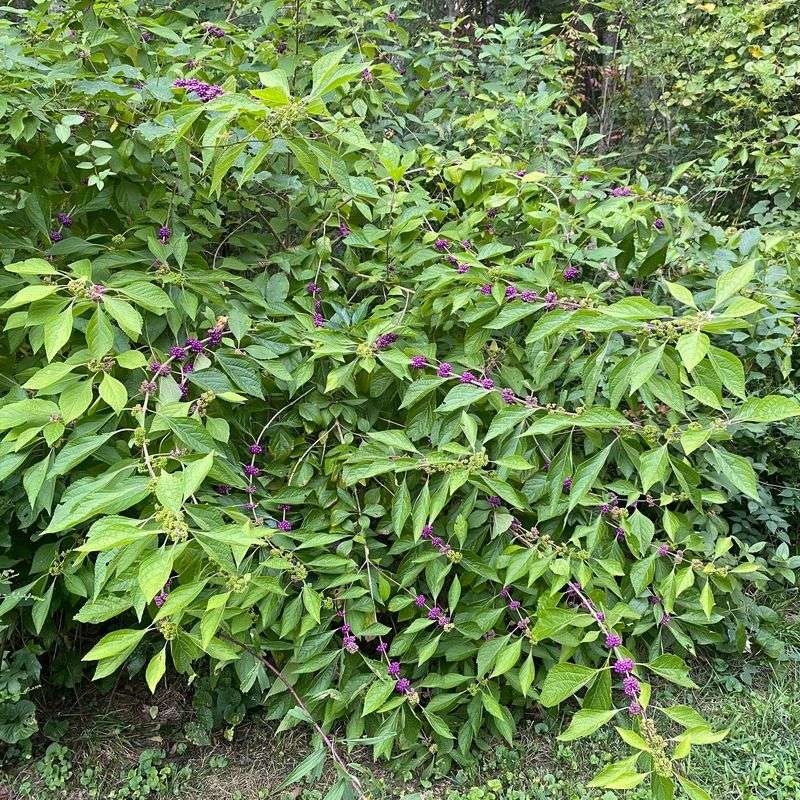
Autumn in North Carolina is prime time to get shrubs in the ground. Cooler air and steadier rainfall let roots dig in and grow strong before next summer’s heat rolls around.
Beautyberry can go in any time the ground is not frozen, so there is plenty of flexibility. Give it a good spot with well-drained soil and it will reward you for years.
Want more berries and a neater shape? Cut the shrub back to about one foot in late winter, since it flowers and fruits on new growth.
That single yearly trim keeps it tidy and loaded with those signature purple clusters.