
If Your Christmas Cactus Wilts And Goes Limp In Late Summer, Here Are 13 Reasons And The Reset Each One Needs
Your Christmas cactus was looking great, and then suddenly its segments droop and feel soft to the touch. Late summer is a sneaky time for these plants, because heat, watering habits, and old soil can all gang up at once.
The good news is that a limp Christmas cactus is almost always fixable once you spot the real cause. Here are 13 reasons yours might be sulking, plus the simple reset each one needs to bounce back.
1. Overwatering
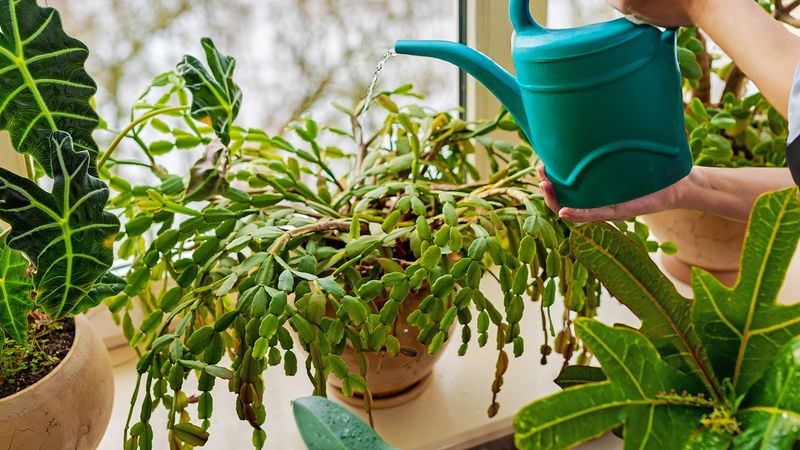
Here is the big one, the mistake that trips up more Christmas cactus owners than any other. These plants are epiphytes, meaning in the wild they cling to trees and rocks in rainforests, so their roots crave air and hate sitting in a swamp.
When soil stays soggy too long, the roots rot and can no longer pull up water. The cruel twist is that a thirsty-looking, limp plant is often drowning, not dry.
The reset: Make sure your pot has real drainage holes, and only water when the top inch or two of soil feels dry. Water deeply until it runs out the bottom, then dump any water in the saucer.
If the roots are already mushy and brown, pull the plant out, let it dry, trim the rot, and repot in fresh, well-draining mix.
2. Underwatering or Drought
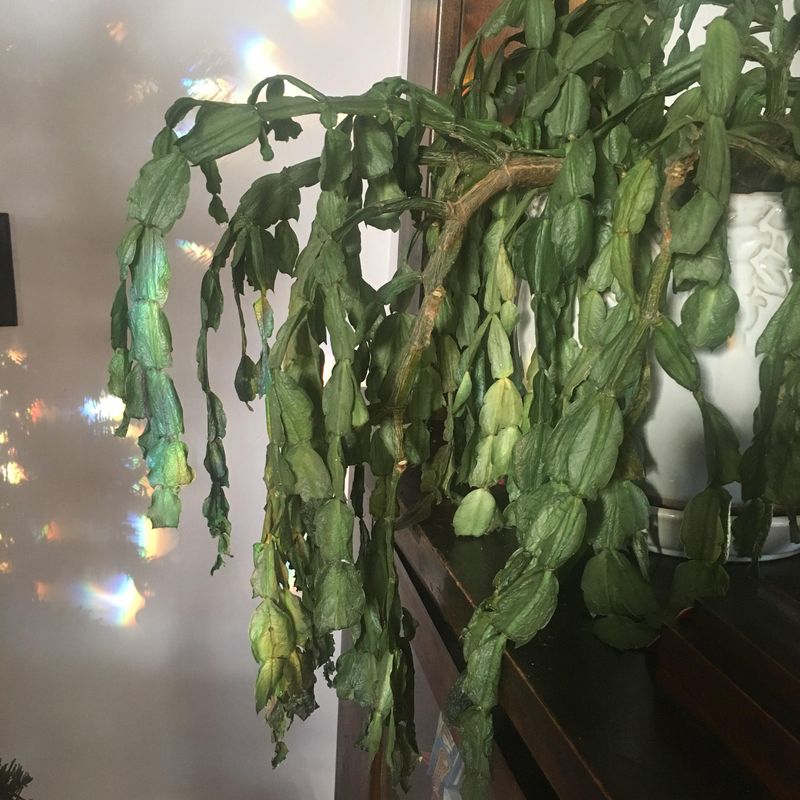
On the flip side, a Christmas cactus that goes too long between drinks will start to look sad in a different way. Instead of mushy, the segments turn thin, wrinkly, and a little rubbery, like they have deflated.
Summer air pulls moisture out fast, and a small pot can dry to the bone before you notice. A plant that is genuinely parched loses that glossy, plump appearance we love.
The reset: Check the soil with your finger and water thoroughly the moment the top layer feels dry. Give it a real soak so the whole root ball rehydrates, then settle into a steadier rhythm so it is neither swimming nor starving.
3. Poor Drainage or Compacted Soil
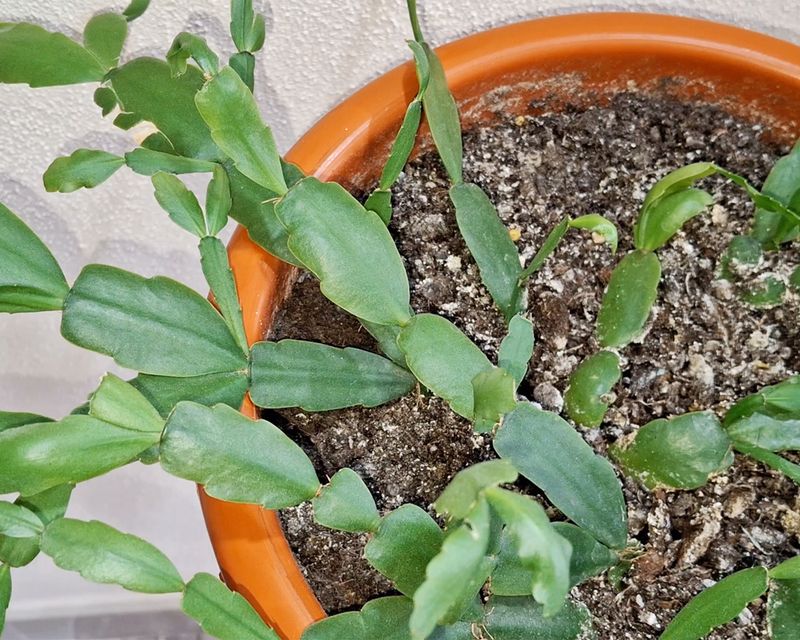
Even if you water perfectly, the wrong soil can quietly undo all your care. Mixes that hold too much water or pack down tight choke off the air pockets roots need, creating the same drowning conditions as overwatering.
A common slip is scooping garden soil into an indoor pot. Outdoor dirt compacts in containers and can carry along diseases and pests you never invited.
The reset: Repot into a light, well-draining potting mix and blend in perlite, coarse sand, or vermiculite so water can move through freely. Double-check that the pot has open drainage holes, and toss out any heavy garden soil that made its way in.
4. Temperature Stress
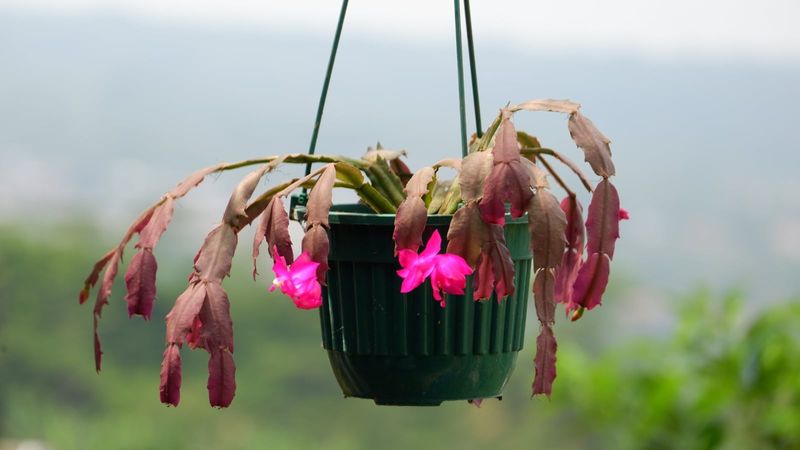
Christmas cacti are creatures of habit, and wild temperature swings rattle them. A blast of summer heat, or a cold draft from an air conditioner, can leave the whole plant looking wilted and stressed.
They are happiest in a steady, comfortable range rather than a rollercoaster of hot and cold. Sudden shifts, even indoors, throw them off balance.
The reset: Aim to keep your plant in a spot that stays around 60 to 70 degrees Fahrenheit. Move it away from drafty doors, AC vents, radiators, and hot appliances so its surroundings stay calm and predictable.
5. Too Much Direct Sunlight
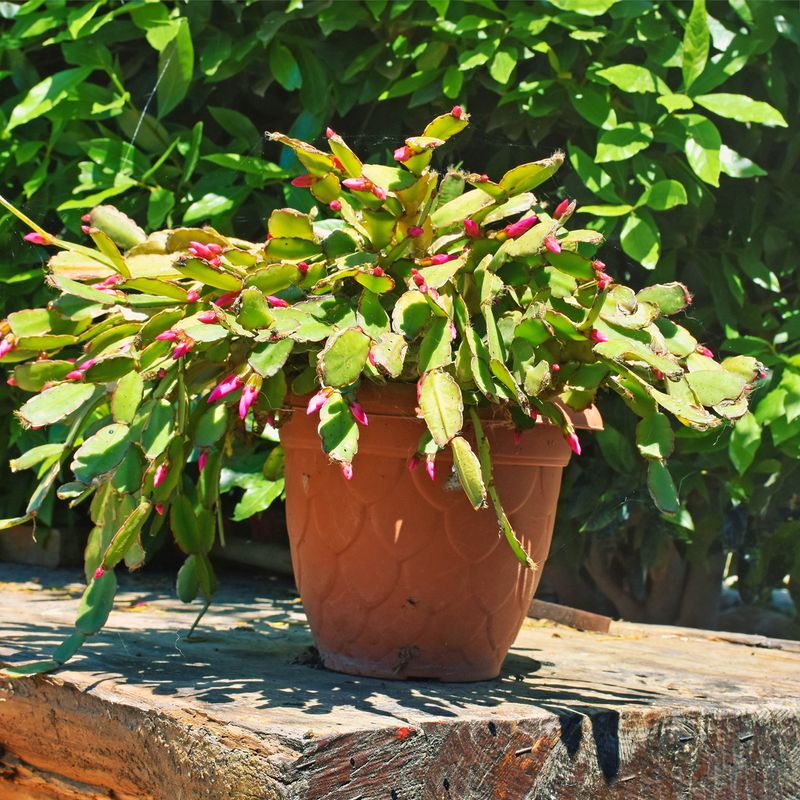
Yes, it has cactus in the name, but do not let that fool you into baking it on a sunny sill. Unlike prickly desert cacti, this one grew up shaded under rainforest canopies and prefers gentle, filtered light.
Harsh summer sun can scorch the segments, turning them pale, washed-out, or reddish while the plant droops from the strain. It is basically getting a sunburn.
The reset: Shift your cactus to a spot with bright but indirect light, like a few feet back from a southeast or southwest window. A sheer curtain works wonders for softening those strong afternoon rays.
6. Root-Bound Plant
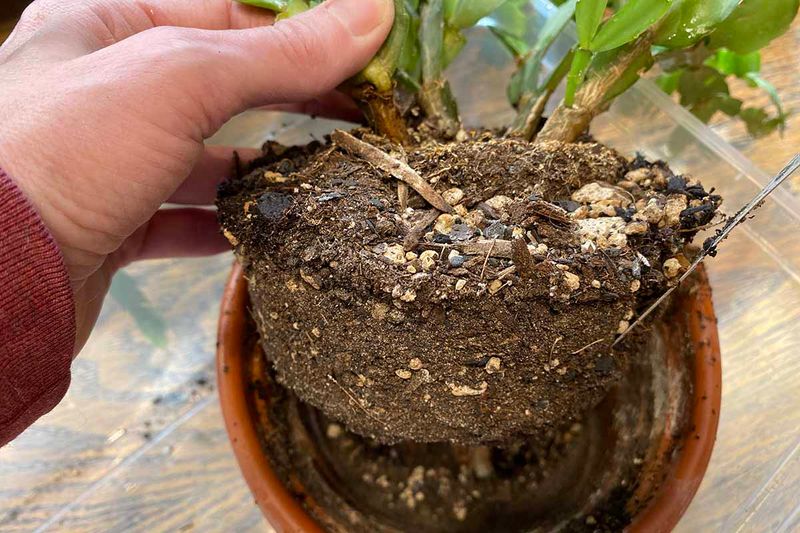
Leave any plant in the same pot long enough and its roots eventually run out of room. Tell-tale signs include roots creeping out the drainage holes, stalled growth, and water that races straight through without soaking in.
Christmas cacti actually like being a little snug, but there is a point where crowding turns into stress and wilting. When the roots have nowhere left to spread, the whole plant suffers.
The reset: Repot roughly every two to three years, or whenever you spot those crowded-root clues. Step up to a pot only about an inch wider, and do the job after blooming in late winter or early spring for the least disruption.
7. Pest Infestations
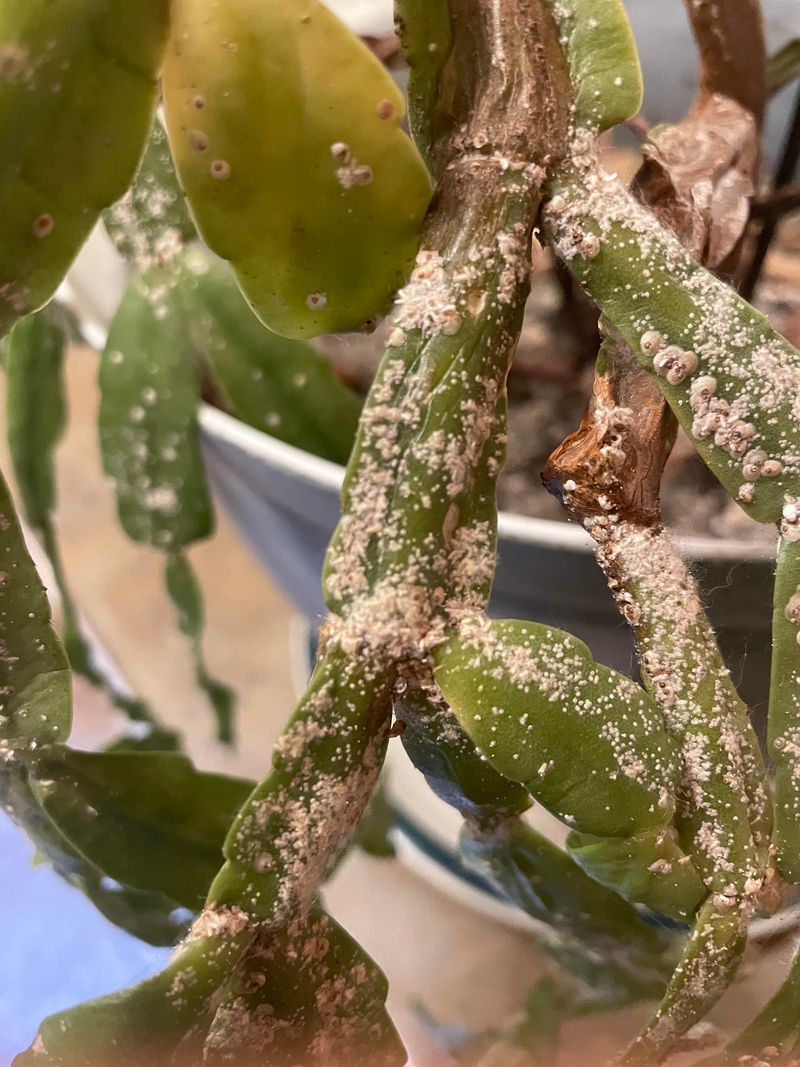
Sometimes the trouble is a tiny freeloader you have not noticed yet. Sap-sucking bugs can quietly drain a Christmas cactus, leaving segments limp, dull, and unhappy while the pests hide in the nooks between joints.
Cottony spots, faint webbing, or sticky residue are all clues that something is munching away. Left alone, an infestation only snowballs.
The reset: Look your plant over regularly, checking the undersides and joints where pests love to lurk. When you find them, identify the culprit and treat with insecticidal soap or horticultural oil, following the label directions and repeating as needed to catch new hatchlings.
8. Nutrient Imbalance or Deficiency
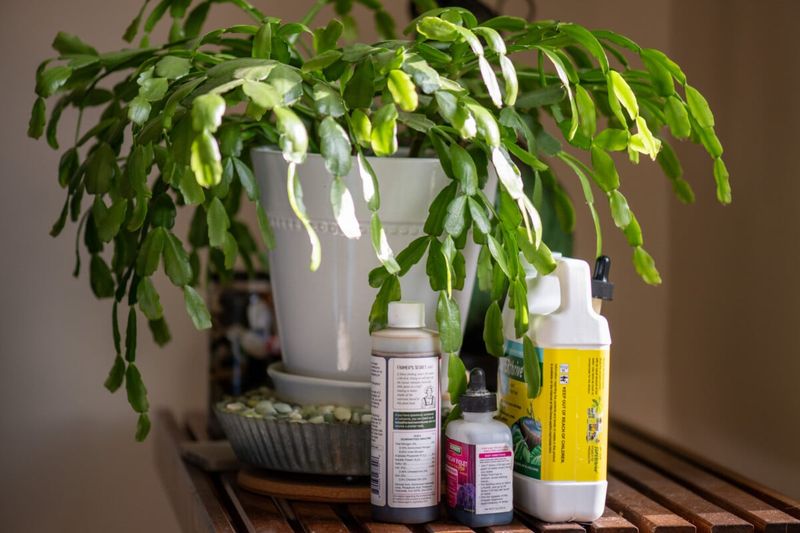
A washed-out cactus does not automatically mean it is starving, so resist the urge to dump on fertilizer as a cure-all. Feeding a plant with damaged roots or waterlogged soil just piles on more stress.
Still, over a long growing season a plant that never eats can run low on the nutrients it needs to stay strong. Balance is the whole game here.
The reset: During the growing months of spring and summer, feed monthly with a water-soluble fertilizer diluted to half strength. Ease off once flower buds start forming in late summer or early fall, and always fix light, water, and drainage problems before you ever reach for plant food.
9. Degraded Potting Mix
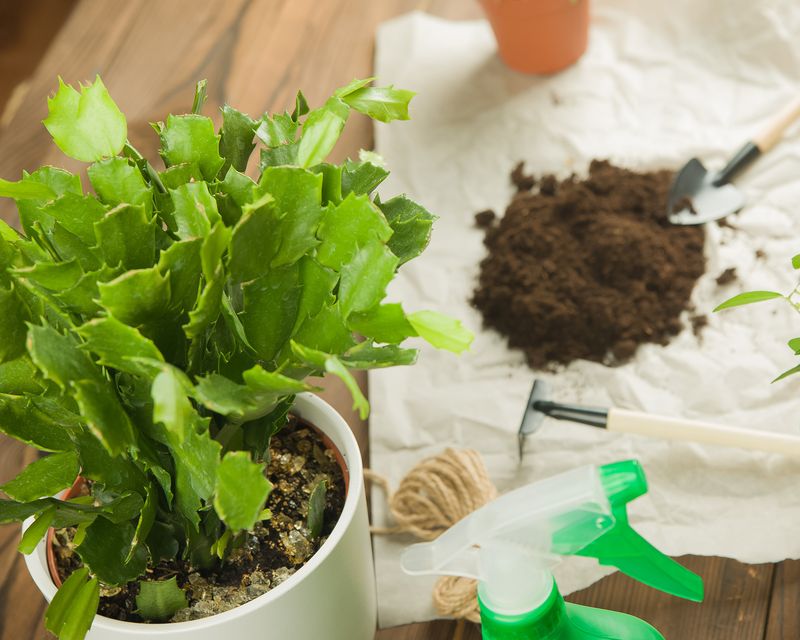
Potting mix does not last forever, even if the plant in it seems settled. Over the years the material breaks down, loses its fluffy structure, packs into a dense block, and runs out of nutrients.
When that happens, drainage suffers, roots lose their grip, and a once-happy cactus starts to wilt for no obvious reason. The soil itself has simply worn out.
The reset: Refresh the plant with clean, well-draining potting mix. Most Christmas cacti appreciate a soil swap every three to five years, or sooner if the old mix looks muddy, sunken, or crumbly.
10. Low Humidity
Coming from steamy tropical forests, this plant secretly misses moisture in the air. Dry indoor rooms, especially with summer AC running, can leave it feeling parched even when the soil is fine.
Low humidity often shows up as limp, thirsty-looking segments that do not perk up no matter how you water. The air is the missing piece.
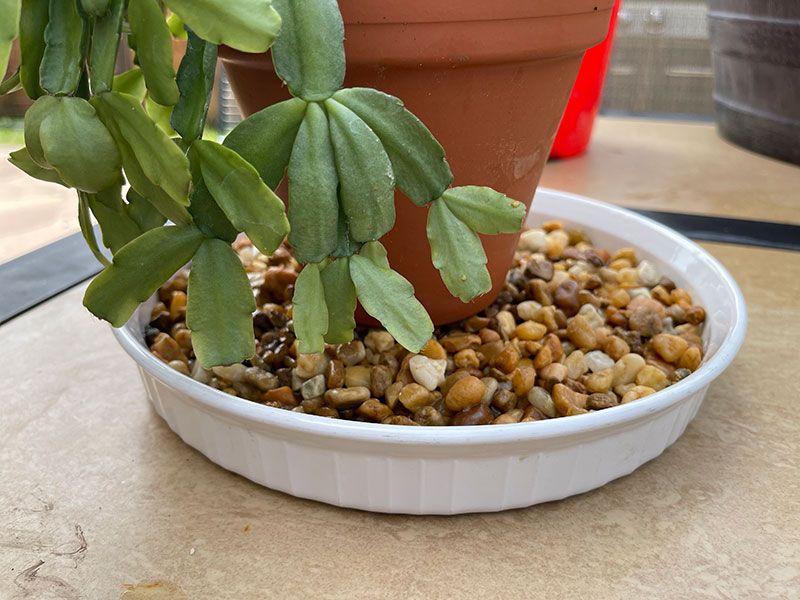
The reset: Bump up the humidity by setting the pot on a pebble tray filled with water, making sure the base sits above the waterline. A regular misting or a small humidifier nearby also helps carry it through dry stretches.
11. Moving or Environmental Changes
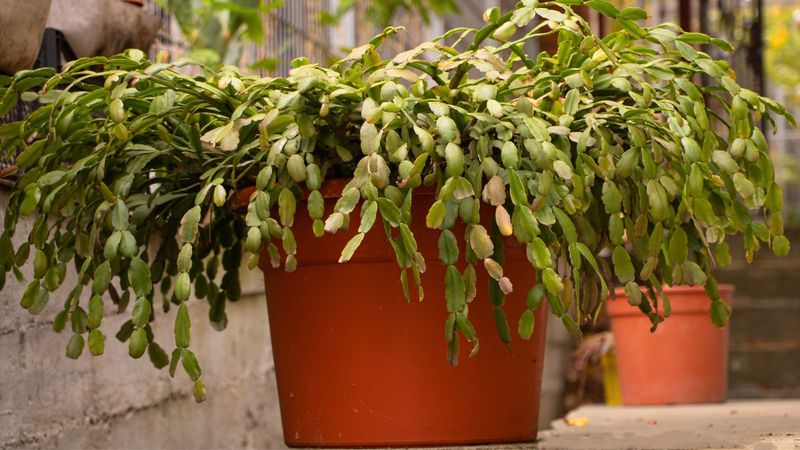
Christmas cacti can be a bit dramatic about change, and they let you know it. Shuffle one to a new window, a different room, or outside for summer, and it may sulk with a round of drooping while it adjusts.
The shift in light, temperature, or airflow throws the plant off until it recalibrates. It is not broken, just startled.
The reset: Keep conditions as consistent as you can, and if you just relocated it, give it time to settle before panicking. When you do need to move it, introduce the new spot gradually so the change feels less like a shock.
12. Fungal Infections and Disease
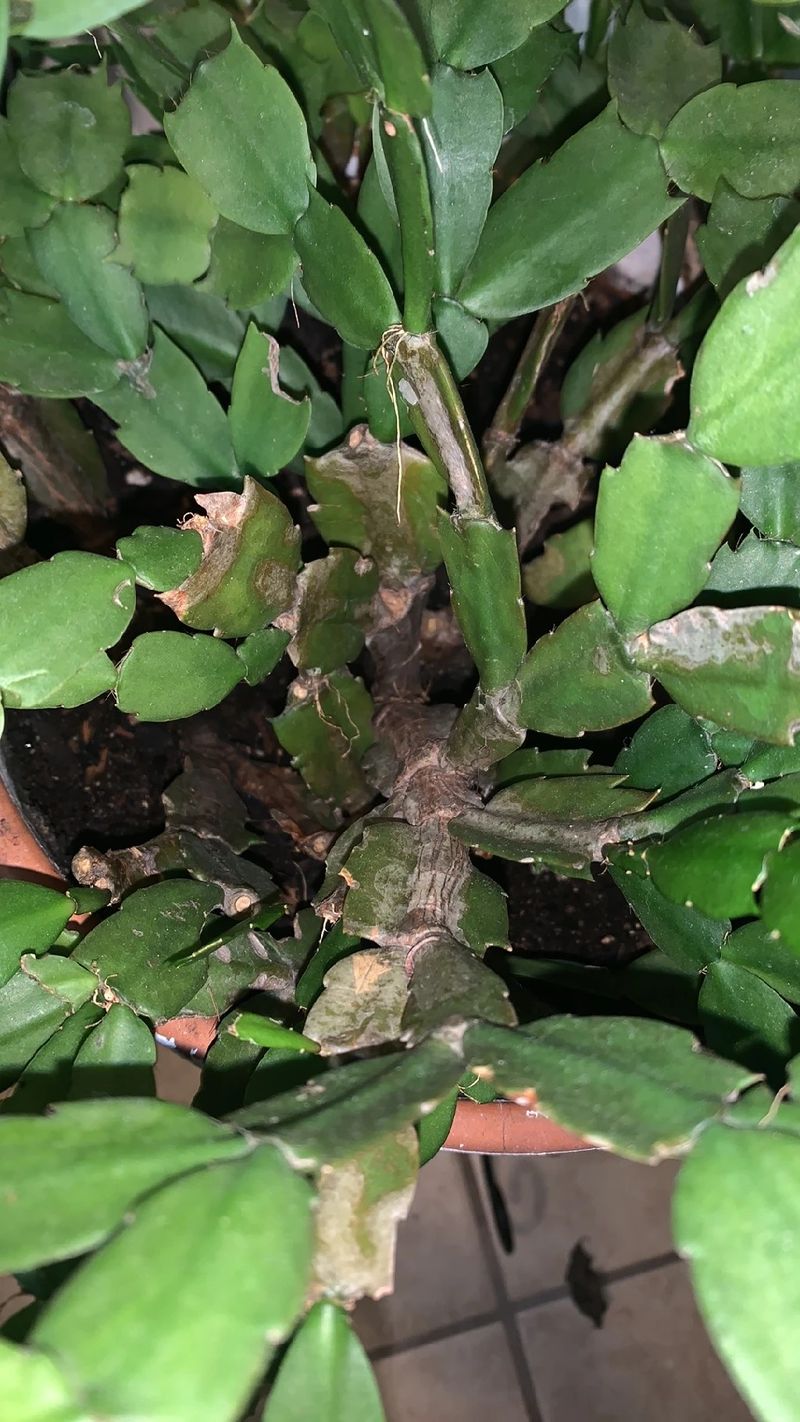
Beyond ordinary root rot, fungi can attack from other angles too. Spots, lesions, or soft brown patches on the segments hint at a fungal infection that slowly drags the whole plant down into wilting decline.
Damp, stagnant conditions are a fungus’s best friend, which is why crowded, poorly ventilated plants get hit hardest. Catching it early makes all the difference.
The reset: For root rot, follow the overwatering steps and repot into fresh soil. For other fungal issues, improve air circulation, correct your watering, snip off affected segments, and in stubborn cases consider a suitable fungicide used according to directions.
13. A Pot That Is Too Large
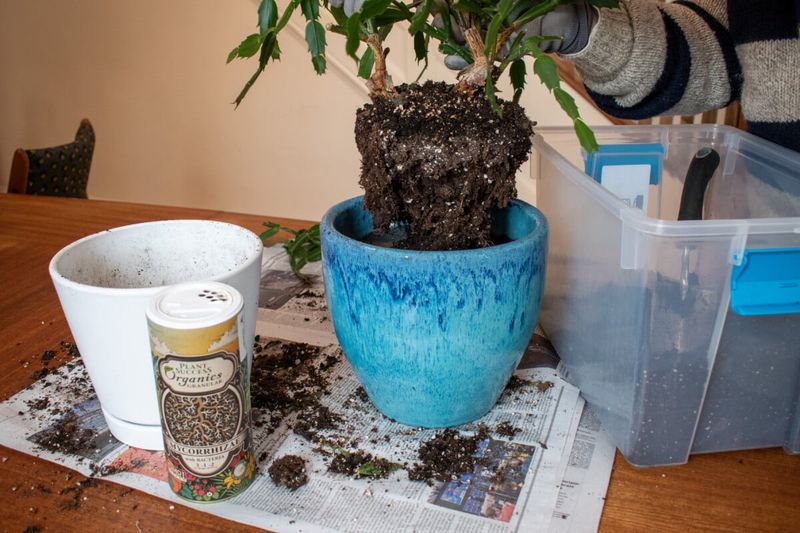
It seems generous to give a plant a roomy pot, but bigger is not better here. All that extra soil holds onto water long after the roots have taken their fill, creating soggy conditions that mimic overwatering and rot.
A cactus swimming in an oversized container often looks limp and struggles even with careful watering. The pot itself is the problem.
The reset: When you repot, choose a container only about an inch wider than the current one. Terracotta is a smart pick because its porous walls wick away extra moisture and help keep those rainforest roots from staying wet too long.