
If Your Tomatoes Are Still Green And Stubborn On The Vine, Here Are 8 Things Quietly Slowing The Ripening
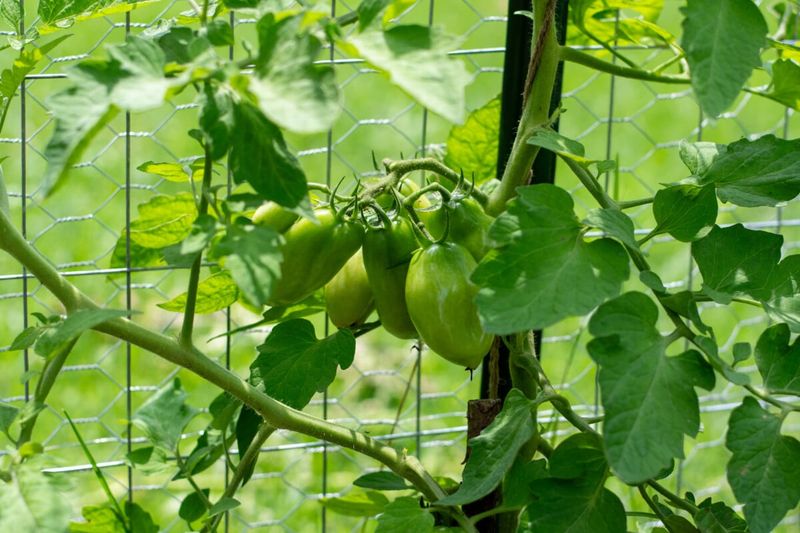
You planted your tomatoes, watered them all summer, and now you are staring at a bunch of green fruit that just will not turn red. It happens to almost every backyard gardener, and the reason is usually something small and fixable.
The good news is that once you spot what is slowing things down, you can nudge those tomatoes toward ripening pretty quickly. Here are eight quiet culprits and the easy fixes that get your harvest back on track.
1. Extreme Temperatures
Believe it or not, your tomatoes have a comfort zone, and when the weather blows past it, they simply hit pause. The sweet spot for ripening sits between 68 and 77 degrees Fahrenheit.
Once daytime temps climb above 85 to 90 degrees, or nights dip below 50, the plant stops making lycopene and carotene. Those are the pigments that turn fruit red and yellow, so without them your tomatoes stay stubbornly green or ripen in blotchy patches.
The fix is easier than you might think. During a heatwave, drape shade cloth over your plants to take the edge off the sun.
If cool nights roll in early, cover the plants overnight to hold in warmth. And when the heat just refuses to break, pick your mature green tomatoes and let them finish ripening indoors at room temperature.
2. Insufficient or Excessive Sunlight
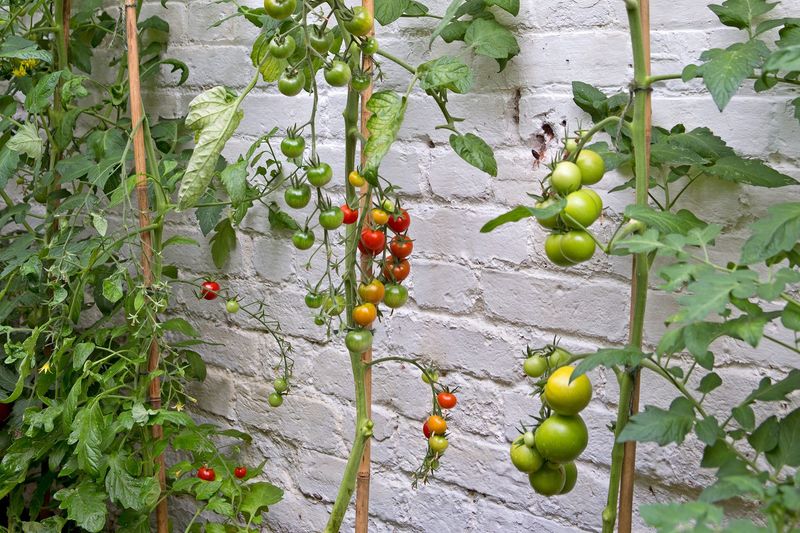
Here is a surprise that trips up a lot of growers: tomatoes do not actually need direct sun on the fruit to turn red once they reach full size. What they need is a balance, and both extremes cause trouble.
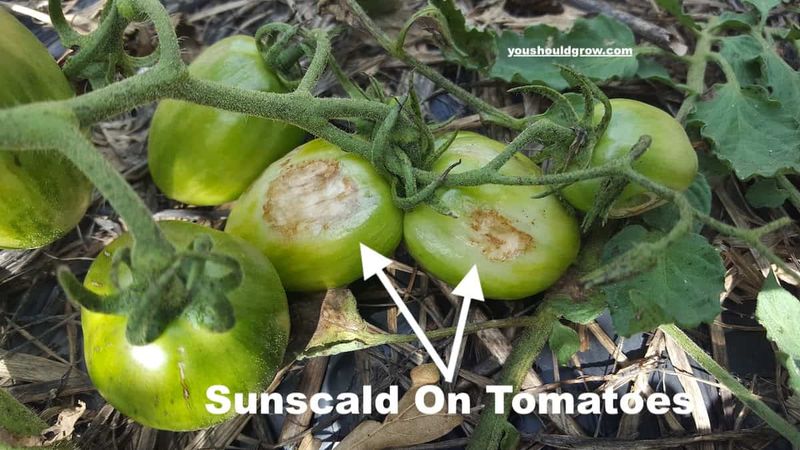
When your plant gets bushy and thick, the fruit can end up buried in shadow, and the ripening slows to a crawl. Flip the situation, and blasting sun during scorching afternoons can cause sunscald and mess with pigment development just as badly.
A light hand with the pruners solves most of it. Snip away some excess foliage so a little light and air can reach the fruit.
Just resist the urge to strip the plant bare, because fully exposed tomatoes will bake in the afternoon heat.
3. Inconsistent Watering
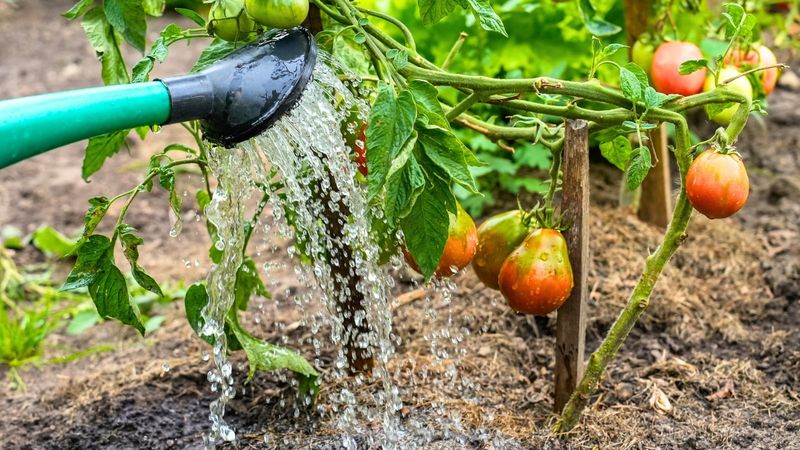
Tomatoes are creatures of habit, and nothing throws them off like a watering schedule that swings between drought and flood. When the soil goes bone dry one week and soggy the next, the plant gets stressed and puts ripening on the back burner.
Those wild moisture swings also open the door to blossom end rot and cracked, split fruit, which nobody wants to see on their counter.
Aim for steady, even moisture instead. Water regularly, especially during dry stretches, and lay down a layer of mulch around the base to lock in moisture and even out soil temperature.
As your fruit nears maturity, easing off the water just slightly can actually signal the plant to pour its energy into ripening.
4. Nitrogen Overload and Nutrient Imbalance
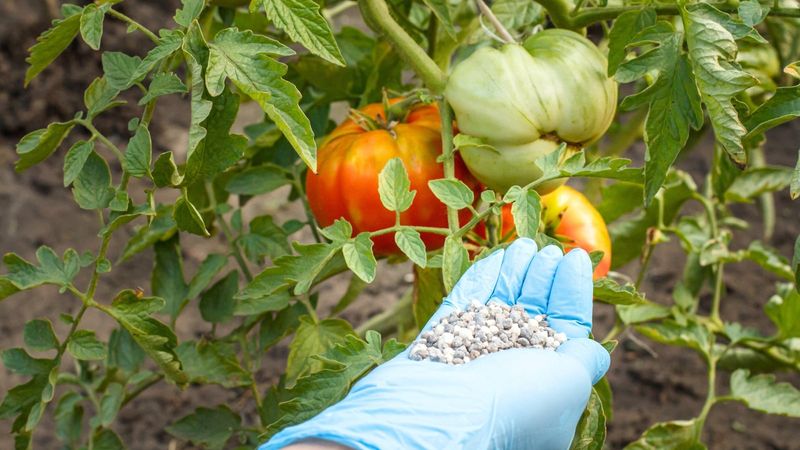
Ever notice a tomato plant that is gorgeous and leafy but weirdly short on ripe fruit? That is usually too much nitrogen at work, coaxing the plant to grow leaves instead of finishing the tomatoes it already made.
Nitrogen is not the only player, though. A shortage of potassium leads to that frustrating uneven ripening where part of the fruit stays green or yellow, while a calcium shortfall, often tied to erratic watering, brings on blossom end rot.
Once your plant starts setting fruit, put the high-nitrogen fertilizer away. Switch to something balanced with more phosphorus and potassium, like a 5-10-5 or 10-10-10 blend, to push fruit along.
Keep your watering steady too, since that helps the plant take up calcium properly.
5. Overcrowding or Dense Foliage
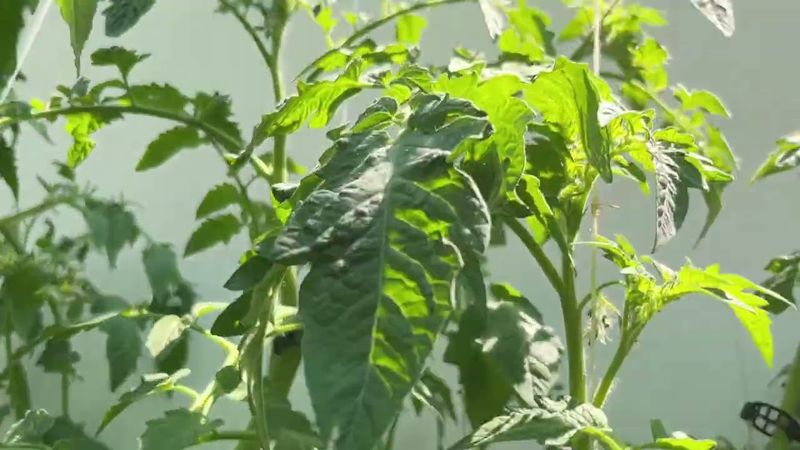
When tomato plants grow shoulder to shoulder or turn into a jungle of stems and leaves, they start working against themselves. That thick canopy casts shade on the very fruit you are waiting on and chokes off the airflow the plant needs.
Less light and stagnant air add up to slower ripening, and they invite fungal problems on top of it.
Opening things up is the answer. Trim off the non-fruiting suckers and a few of the lower leaves to let sunlight filter through and air move freely.
Your tomatoes get the light they crave, and the whole plant breathes a little easier.
6. Overburdened Plants
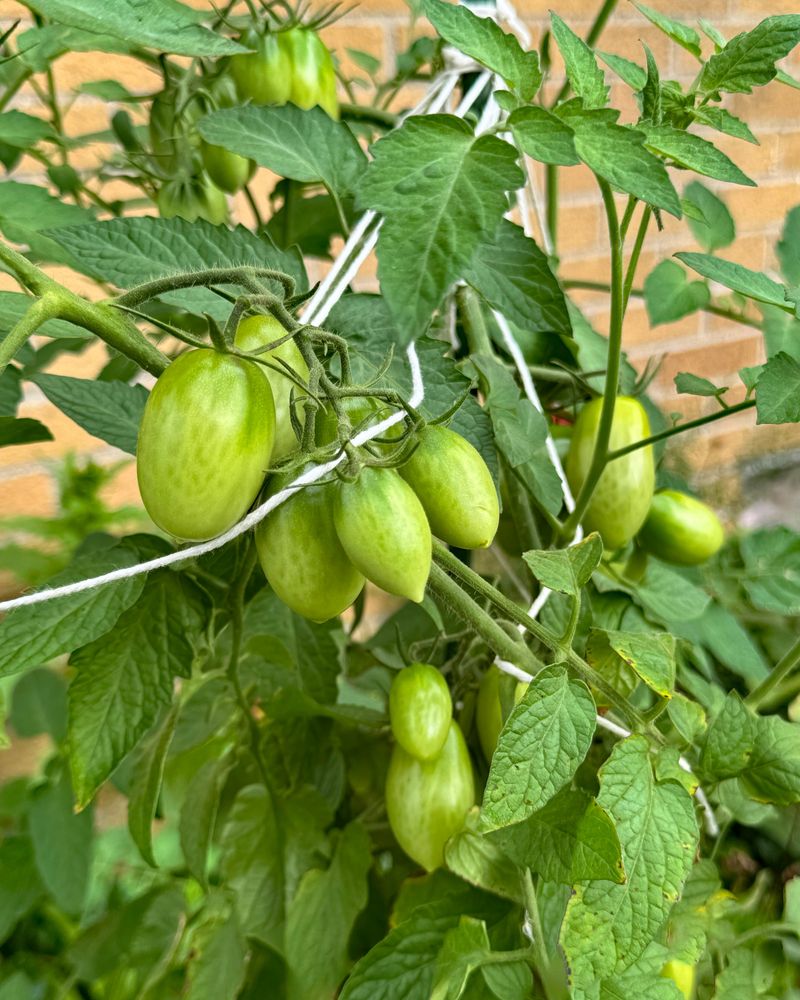
Picture a plant juggling forty green tomatoes at once. It only has so much energy to go around, so it spreads that energy thin, and every single fruit ripens at a snail’s pace.
A heavily loaded plant near the end of the season is especially prone to this stall, because it is trying to do too much with dwindling daylight and cooling temperatures.
Help it prioritize. Pinch off any fresh blossoms or tiny newly set fruit so the plant stops splitting its attention.
You can also harvest a few of the biggest mature green tomatoes to ripen indoors, which frees the plant to focus on the ones still hanging on the vine.
7. Pests and Diseases
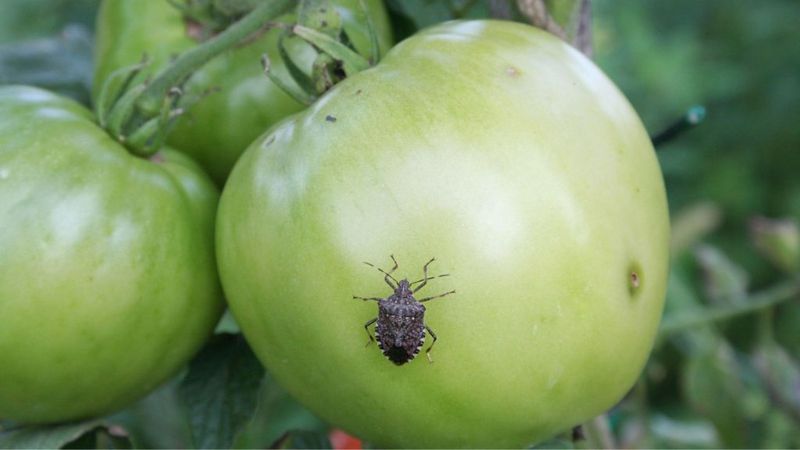
Sometimes the culprit is a freeloader you have not spotted yet. Stink bugs, for instance, jab at the fruit and leave behind pale, corky spots that ripen unevenly, if at all.
Diseases play a role too, sapping the plant’s strength and rerouting energy away from the job of coloring up its fruit.
Make a habit of walking your rows and flipping a few leaves to check for trouble. Hand-pick the obvious offenders like hornworms and stink bugs, keep the garden tidy, and make sure air circulates well.
If you spot diseased leaves or stems, snip them off and toss them out fast so the problem does not spread.
8. Physiological Ripening Disorders
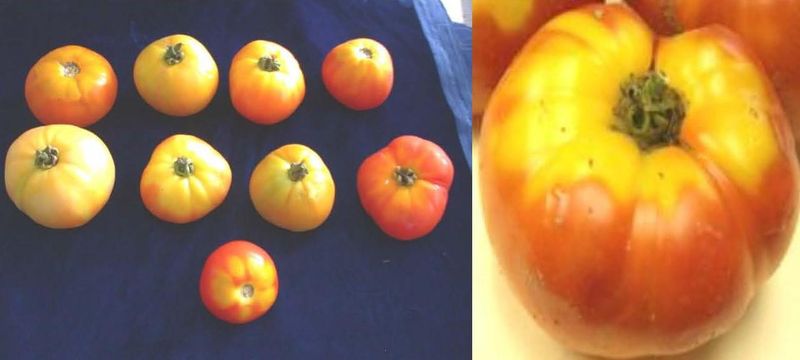
A few tomatoes carry built-in quirks that mess with ripening no matter how attentive you are. Growers call them greenback, whitewall, and yellow shoulder, and they show up as hard green patches near the stem, white streaks inside the fruit, or stubborn yellow shoulders.
These disorders usually flare up when high heat, blazing light, and low potassium all gang up at the same time.
Prevention beats a cure here. When you shop for seeds or seedlings, look for varieties bred to resist these issues.
Keep your watering steady, feed the plant balanced nutrition with plenty of potassium, and manage the canopy so the fruit gets gentle, dappled shade rather than harsh direct sun.
Fun fact: greenback often disappears entirely when growers simply switch to a more heat-tolerant variety, proving that genetics can do half the work for you.