
The Native North Carolina Plants That Give Fireflies The Damp, Leafy Cover They Quietly Search For
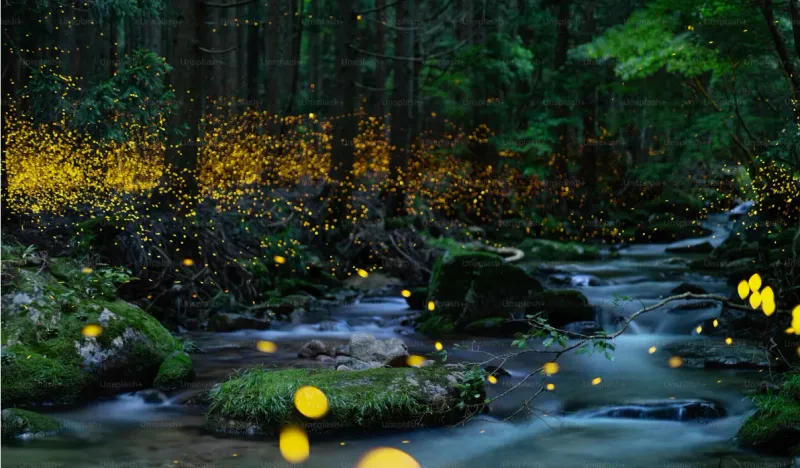
Fireflies blinking across a summer yard feel like pure magic, but those flashes depend on the right kind of hiding spots. Baby fireflies spend up to two years living in damp soil, leaf litter, and rotting wood before they ever glow.
If your North Carolina yard has the plants that hold moisture and drop leafy cover, you become part of keeping these beetles around. Here are seven native plants that quietly build the habitat fireflies are searching for.
1. Inkberry (Ilex glabra)
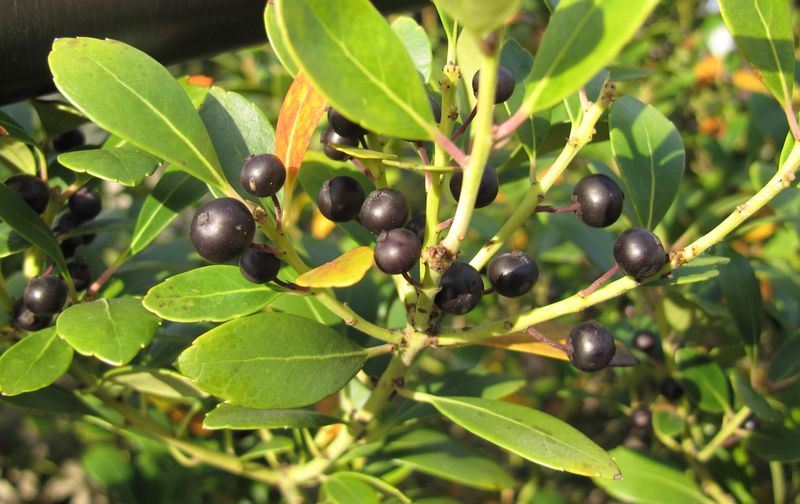
Picture a shrub that keeps its glossy green even through a January cold snap, quietly holding down a shady, damp corner of your yard. That is inkberry, an evergreen holly native to North Carolina’s wet pine flatwoods and pocosins.
What sets it apart on this list is its knack for spreading into dense colonies. Those thickets trap humidity at ground level and shade the soil, giving firefly larvae a cool, moist place to hunt snails and slugs.
It handles wet feet and part shade better than most shrubs, so it thrives in the soggy spots where other plants sulk. Plant a few near a downspout or low corner and let them knit together over the seasons.
2. Summersweet (Clethra alnifolia)
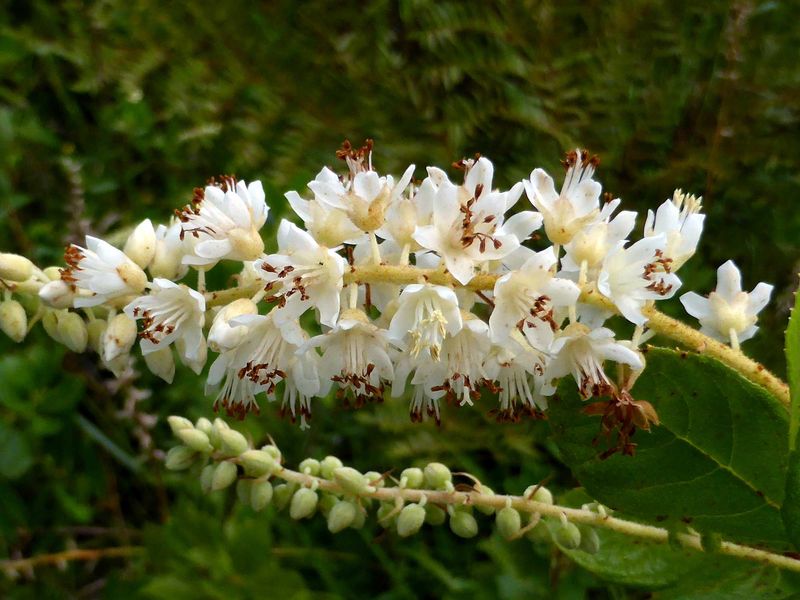
Nose first, this one wins you over. Summersweet unfurls fragrant white flower spikes in the middle of summer, right when fireflies are putting on their nightly show.
Native to swamps and moist woodland edges across the coastal plain, it naturally wants to live in the damp, shady understory where firefly larvae develop. Tuck it beneath canopy trees near a water feature and you build the layered cover these beetles need.
Bonus: the blooms pull in pollinators by day and hummingbirds too, so a single planting does double duty. It shrugs off wet soil that would rot pickier shrubs.
3. Black Tupelo (Nyssa sylvatica)

If you could plant just one tree for fireflies, many habitat folks would point you straight to black tupelo. It is often called one of the best firefly trees in the entire Southeast.
The reason comes down to what happens under the branches. Its canopy shades and cools the ground, while its steady drop of leaf litter builds the moist, decaying layer where larvae spend their long childhood.
You get a showstopper too. Come fall, black tupelo blazes scarlet and orange, easily one of the most colorful natives you can grow.
Give it room and a spot that stays reliably damp, and it will anchor your firefly habitat for decades.
4. Sweetgum (Liquidambar styraciflua)
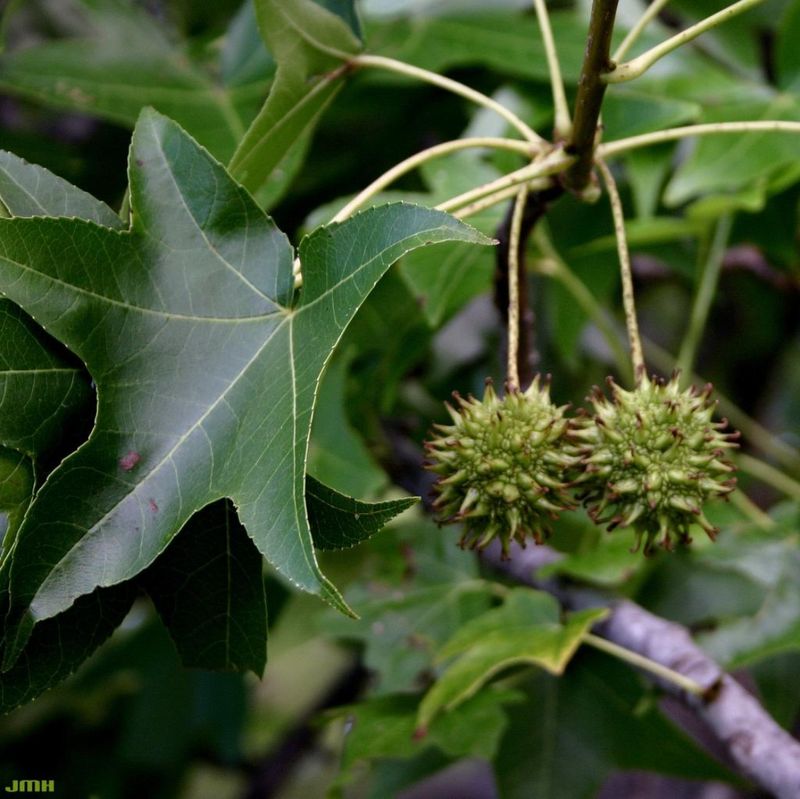
Sweetgum has a reputation for those prickly seed balls, but firefly larvae could not care less about your bare feet. What matters to them is the thick, organic blanket of leaves this fast grower drops every year.
That dense leaf litter is exactly the crumbly, moist material where young fireflies live and feed. Sweetgum also tolerates wet conditions many trees hate, so it fills the boggy back corners nicely.
Because it grows quickly, you do not have to wait a lifetime for real canopy and cover. Rake those spiky balls if you must, but leave the leaves right where they land.
5. River Oats (Chasmanthium latifolium)
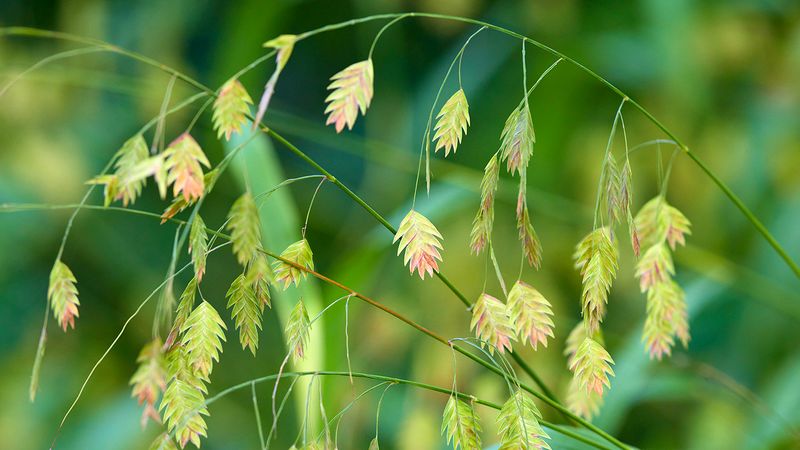
Ever seen a grass with flat, dangling seed heads that look like little green oats? River oats, also called inland sea oats, brings that graceful nodding texture to the shady, moist corners of a yard.
Its deep, spreading roots do quiet, important work by holding soil moisture in place. That damp ground shelters the subterranean larvae that later become glowing adults, and the arching stems give grown fireflies a place to rest and signal.
Unlike sun-loving prairie grasses, this one is happy in part shade under trees, which is where firefly habitat tends to live. It self-sows freely, so a small patch can fill in over a couple of seasons.
6. Switchgrass (Panicum virgatum)
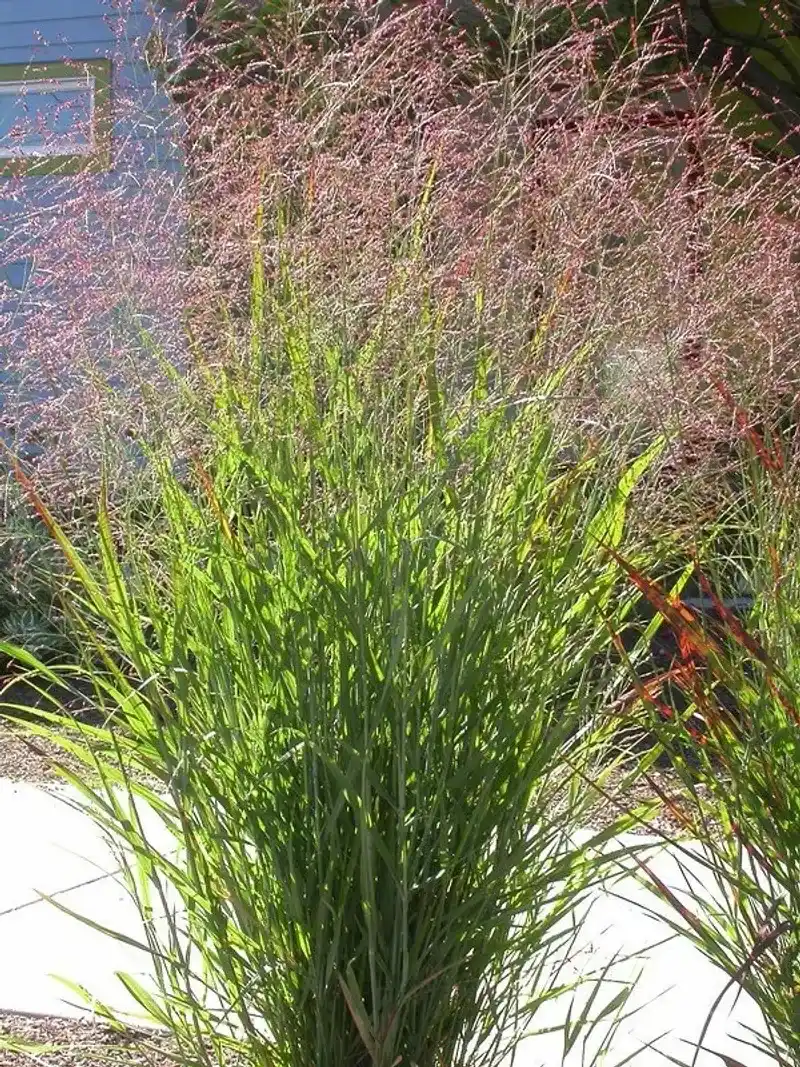
Tall, upright, and tough as nails, switchgrass gives fireflies the daytime hideout they need when the sun turns fierce. Adults tuck into those dense stems to escape heat before their evening performance.
Down below, switchgrass sends roots several feet deep, one of the reasons it holds moisture so well and keeps the soil from drying out. That underground dampness is a lifeline for developing larvae.
Let a border of it grow a little wild rather than trimming it flat. A relaxed, unmowed strip of switchgrass along a fence line reads like a five-star resort to a resting firefly.
7. Buttonbush (Cephalanthus occidentalis)
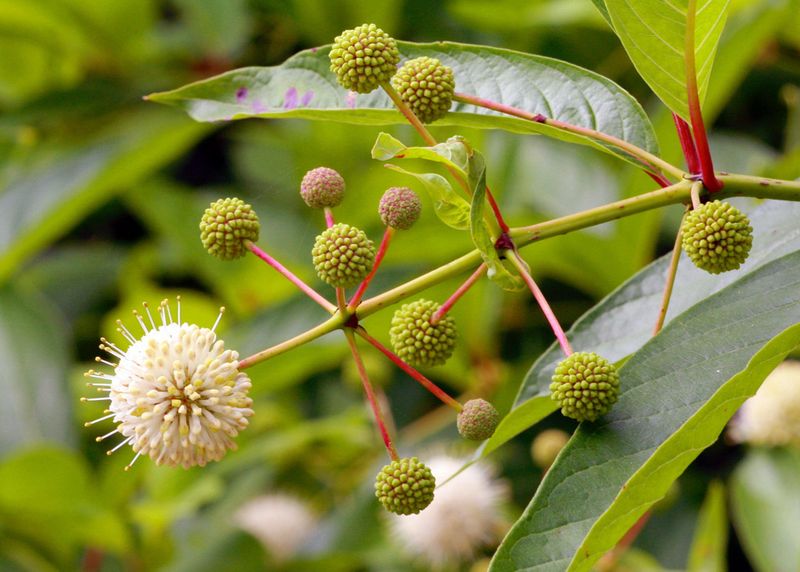
Round white flowers that look like tiny fireworks or pincushions give buttonbush its unmistakable charm. Pollinators mob these globe-shaped blooms all summer long.
For fireflies, its real gift is where it loves to live: right at the wet edge of ponds, ditches, and slow water. That constant moisture keeps the surrounding soil damp, exactly the condition larvae depend on.
Plant it around a small backyard water feature or a low spot that stays soggy, and you create a humid pocket of habitat. Skip the insecticides nearby and cut the outdoor lights at night, and buttonbush becomes the centerpiece of a yard fireflies can call home.