
If Peonies Won’t Thrive Where You Live, Here Are 15 Gorgeous Flowers That Flourish In Their Place
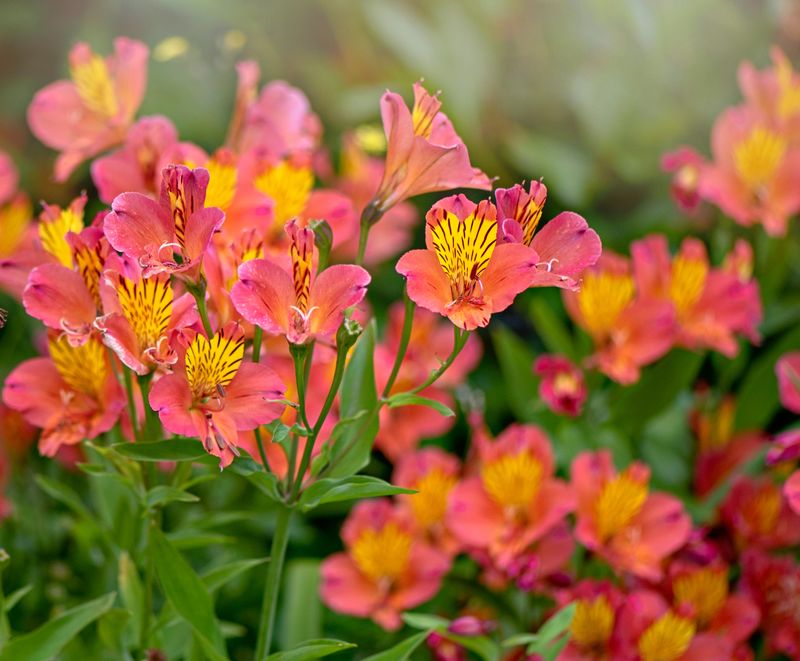
Peonies are stunning, but they can be picky, needing a cold winter nap to bloom well. If you garden somewhere warm, humid, or wet, your peony may sulk and never flower.
The good news is that plenty of showy, easygoing flowers will give you the same wow factor without the fuss. Here are 15 beautiful bloomers that thrive right where peonies give up.
1. Hardy Hibiscus (Rose Mallow)
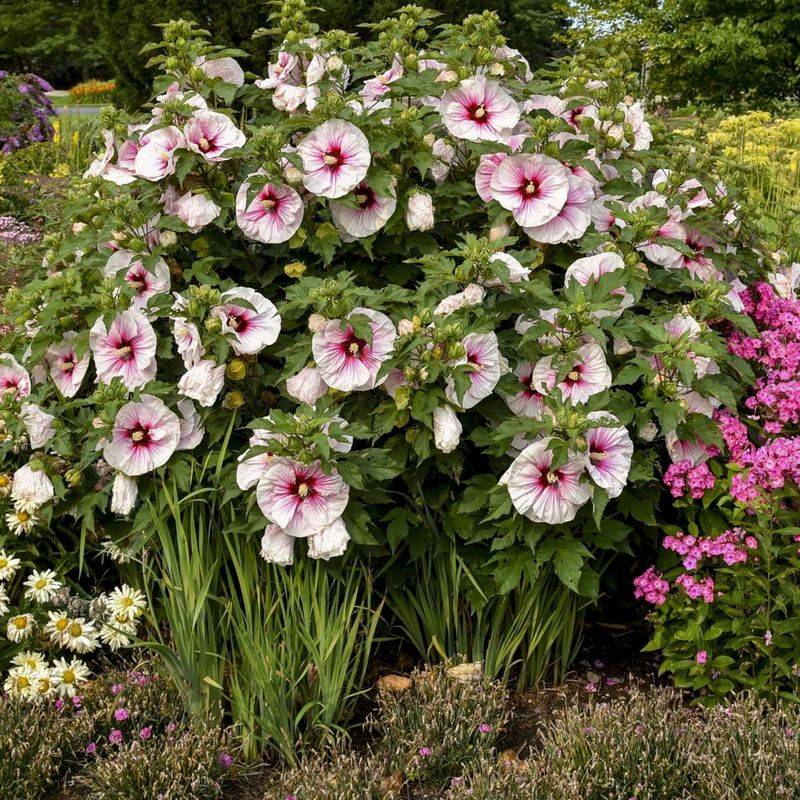
Picture flowers so big they look like they belong on a serving platter, and you have got the hardy hibiscus. From midsummer until frost, this showy perennial pumps out dinner-plate blooms that stop visitors in their tracks.
What makes it the perfect peony replacement is its love for exactly the conditions peonies hate. It shrugs off heat, humidity, and even a little salt, and it actually enjoys damp, consistently moist soil that would rot most plants.
Growing anywhere from 3 to 8 feet tall and wide, it fills space fast and works beautifully in that soggy corner of your yard where nothing else wants to live. Hardy in zones 4 through 9, it delivers drama with almost no drama on your end.
2. Panicle Hydrangea
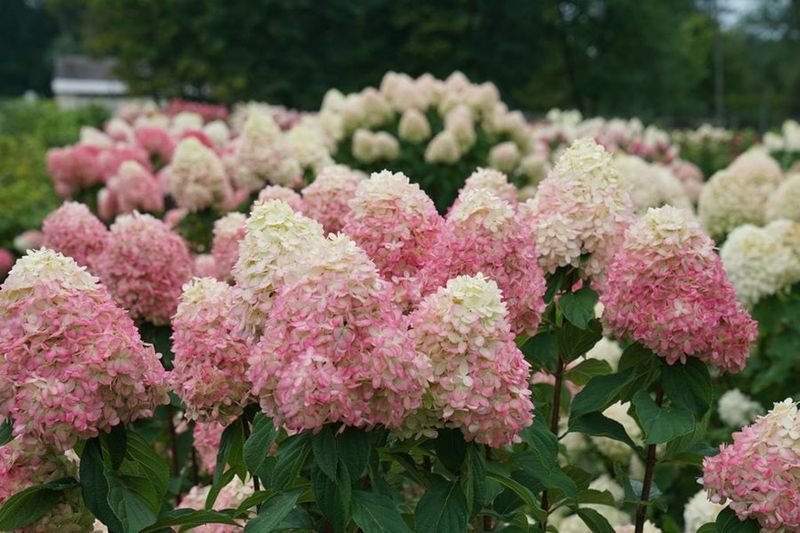
Among hydrangeas, the panicle type is the tough cousin that can actually take real sun. Its cone-shaped flower clusters start creamy white and often blush to pink or rose as the season rolls on, giving you a color show that changes over weeks.
Northern gardeners can plant it in full sun, while folks in hotter southern regions should offer a bit of afternoon shade to keep it happy. It likes moist, well-drained soil but forgives you once it settles in and dry spells arrive.
Here is a handy bonus for the pruning-shy: panicle hydrangeas bloom on new wood. That means you can trim them in late winter or early spring without accidentally cutting off this year’s flowers.
Hardy in zones 3 through 8, it is a dependable choice.
3. Daylily
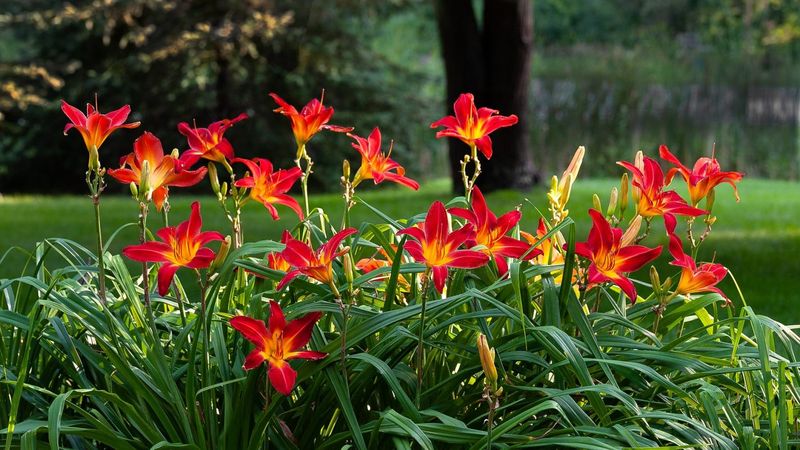
Few plants are as forgiving as the daylily, which practically dares you to kill it and cheerfully refuses. These reliable perennials throw out wave after wave of colorful trumpet blooms in full sun to light shade.
Each individual flower lasts just a single day, which sounds sad until you realize every stalk carries loads of buds. The result is a continuous parade of color that stretches across several weeks.
Adaptable to almost any soil, they prefer slightly acidic, moist, well-drained ground with some organic matter mixed in. Once established, they laugh off drought and heat, making them a fantastic set-it-and-forget-it flower for busy gardeners who still want a big payoff.
4. Echinacea (Coneflower)
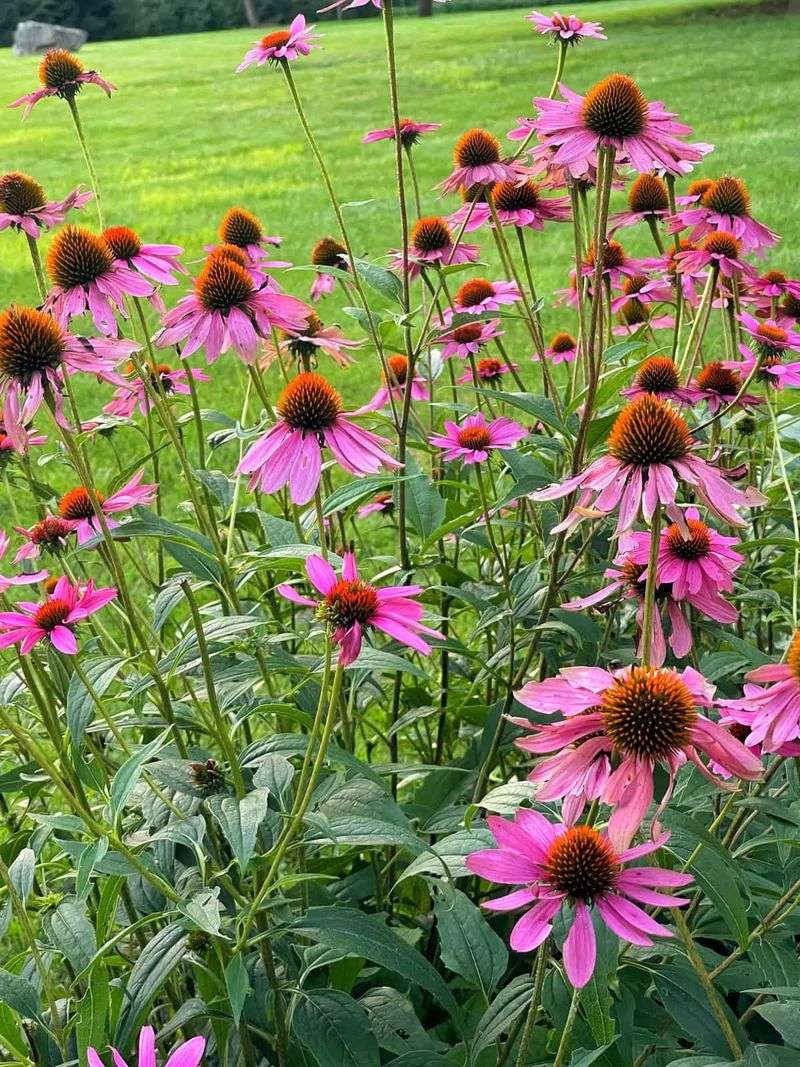
A true American original, the coneflower grew wild across the prairies long before it landed in our gardens. That rugged heritage shows in how easily it handles tough spots.
Give it full sun to part shade and it rewards you with bold, daisy-like blooms and raised orange centers from summer straight into fall. Once its roots take hold, drought and heat barely register.
It prefers evenly moist, well-drained soil but adapts to most soil types without complaint. As a bonus, butterflies and bees adore the flowers, deer tend to leave it alone, and the spent seed heads feed birds through winter.
It is beauty with a purpose.
5. Hollyhock
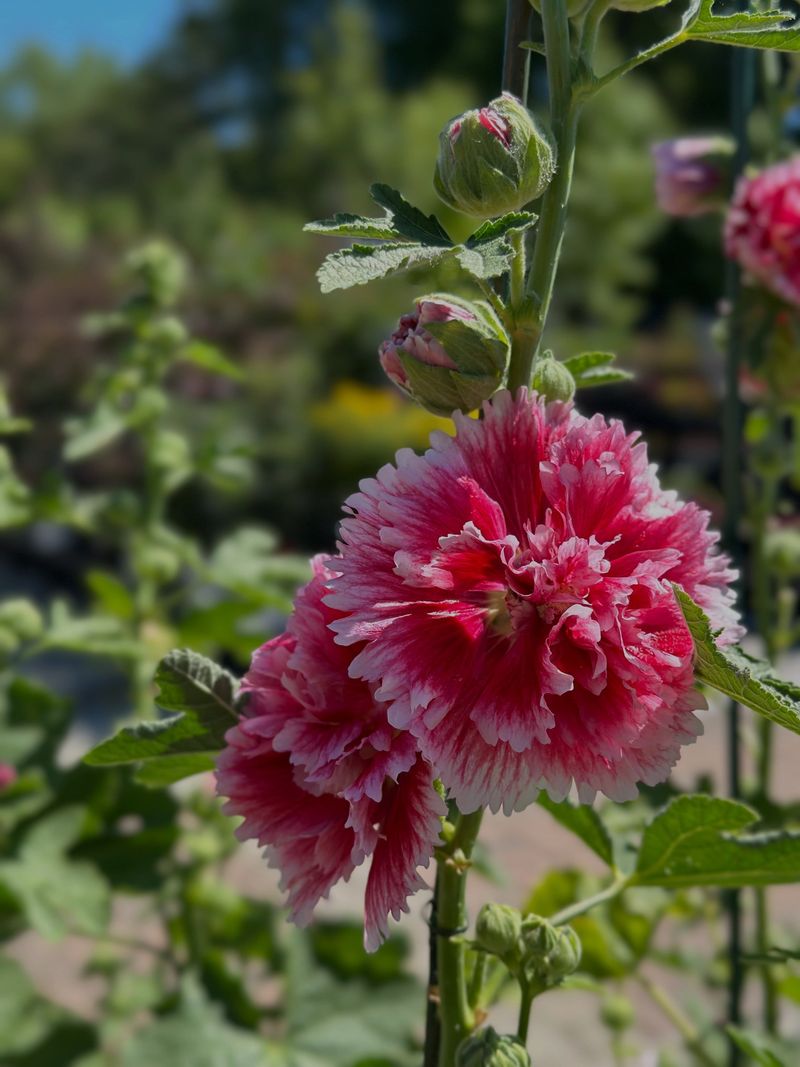
Nothing says old-fashioned charm quite like a row of hollyhocks leaning against a fence. These cottage garden classics send up towering spikes covered in big, saucer-shaped blooms from summer into autumn.
Plant them in full sun and fertile, well-drained soil, though they will tolerate a little shade if that is what you have. Hardy in zones 3 through 9, they even handle some drought once they are settled.
One tip worth remembering: the tallest varieties can catch the wind and topple, so a stake or a sheltered wall keeps them standing proud. If you want that vertical, nostalgic wow factor peonies can not give you, this is your flower.
6. Tall Garden Phlox
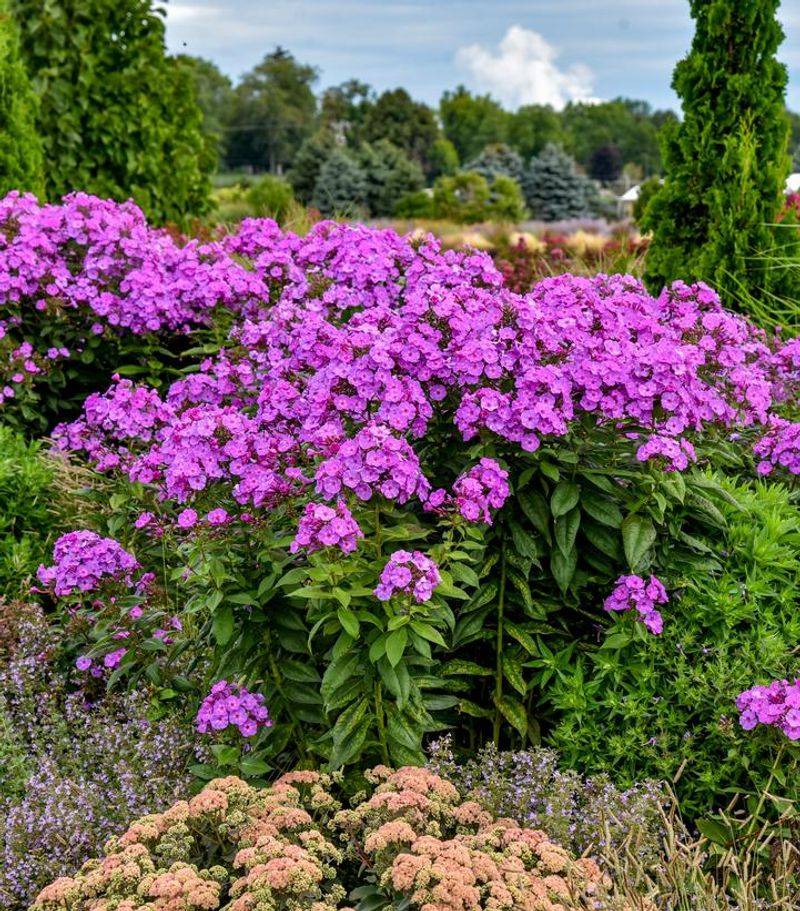
Walk past a patch of garden phlox on a warm evening and the sweet fragrance will pull you right in. From midsummer to early fall, it produces rounded clusters of blooms in a rainbow of colors.
It wants at least six hours of direct sun for the best flowering, plus well-drained, organic-rich soil kept consistently moist. Meet those needs and it becomes a hardworking backbone of the summer border.
The one thing to watch is powdery mildew, that dusty gray coating that can appear on crowded plants. Give it room to breathe with good air circulation and you will keep the leaves clean and the flowers coming.
7. Cosmos
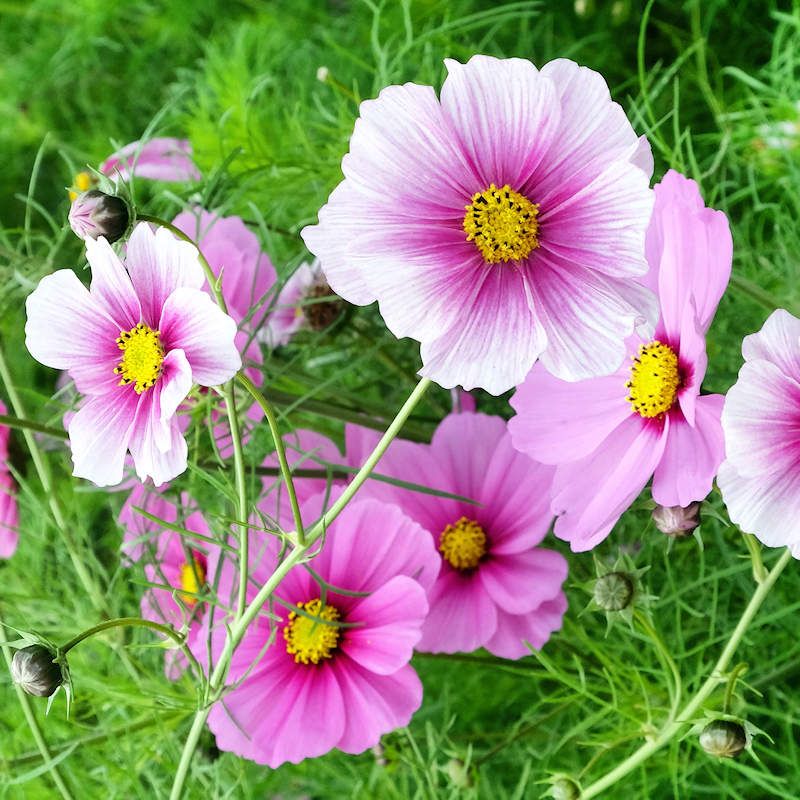
If you want maximum flowers for minimum effort, cosmos are almost cheating. These breezy annuals scatter dainty, daisy-like blooms on tall, feathery stems all season long.
They thrive in full sun and ordinary garden soil, and honestly they bloom better when you do not baby them with rich food or too much water. Lean, drier conditions actually suit them fine.
Pollinators flock to them, and they keep flowering right up until frost, making them a joyful, warm-weather stand-in for fussier plants. Toss a packet of seeds in a sunny spot and let them do their happy thing.
8. Celosia
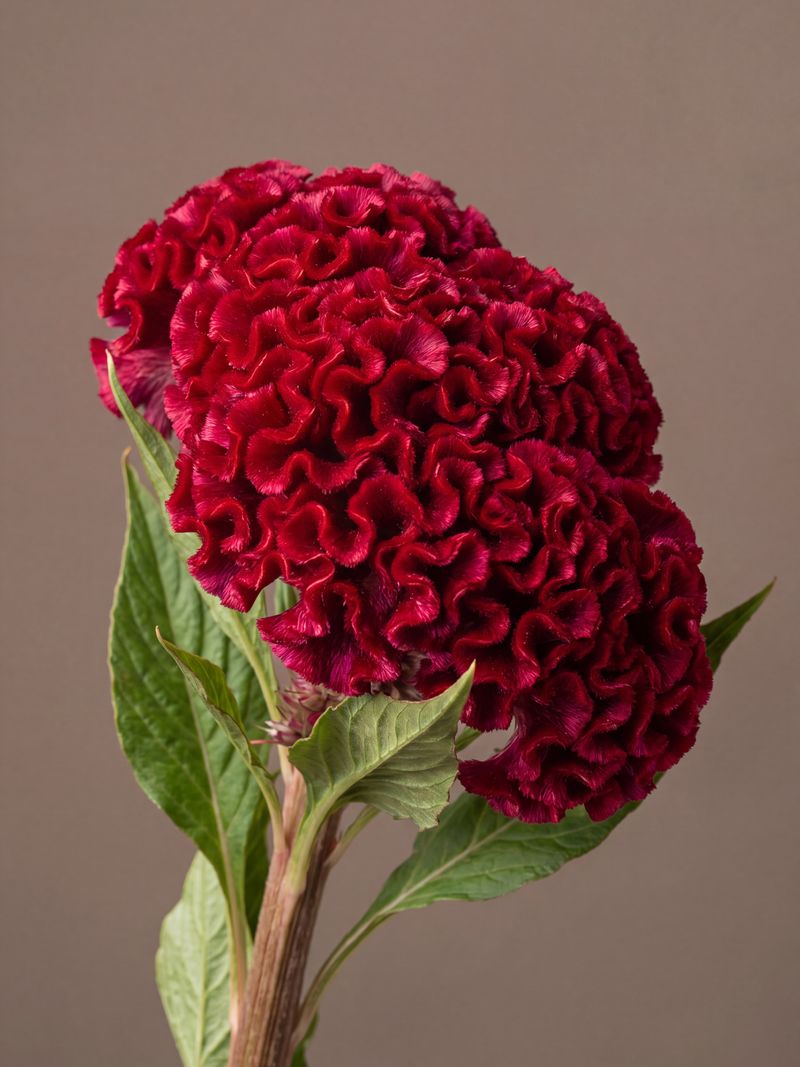
Some flowers look almost too strange to be real, and celosia is one of them. Its blooms come in fuzzy plumes, ruffled cockscombs, and swirly brain-like shapes, all in electric shades of red, orange, pink, and gold.
Heat is its happy place. While other plants wilt in a blazing summer, celosia soaks up the sun and keeps its velvety color coming with barely any care.
Plant it in full sun and well-drained, fertile soil, and it will hand you nonstop blooms right through the first frost. For gardeners battling relentless heat, this quirky annual is a colorful, unstoppable friend.
9. Foxglove
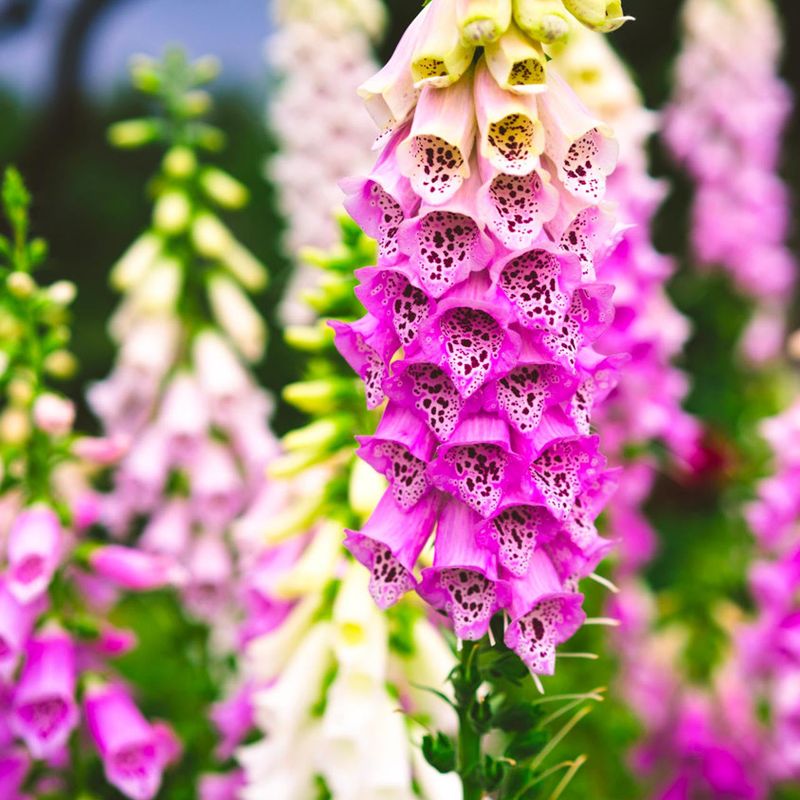
For the shady spots where peonies flop, foxglove steps in like an elegant surprise. Its tall spires of bell-shaped flowers, often freckled inside the throat, add height and cottage-garden romance from late spring into midsummer.
Unlike many bloomers on this list, it prefers dappled or light shade and free-draining soil enriched with organic matter. Some perennial types will even take sunnier spots if the soil stays moist.
Hardy in zones 4 through 9, it draws bees deep into those speckled bells. A quick heads-up for households with kids and pets: every part of the plant is toxic if eaten, so admire this beauty with your eyes, not your mouth.
10. Clematis
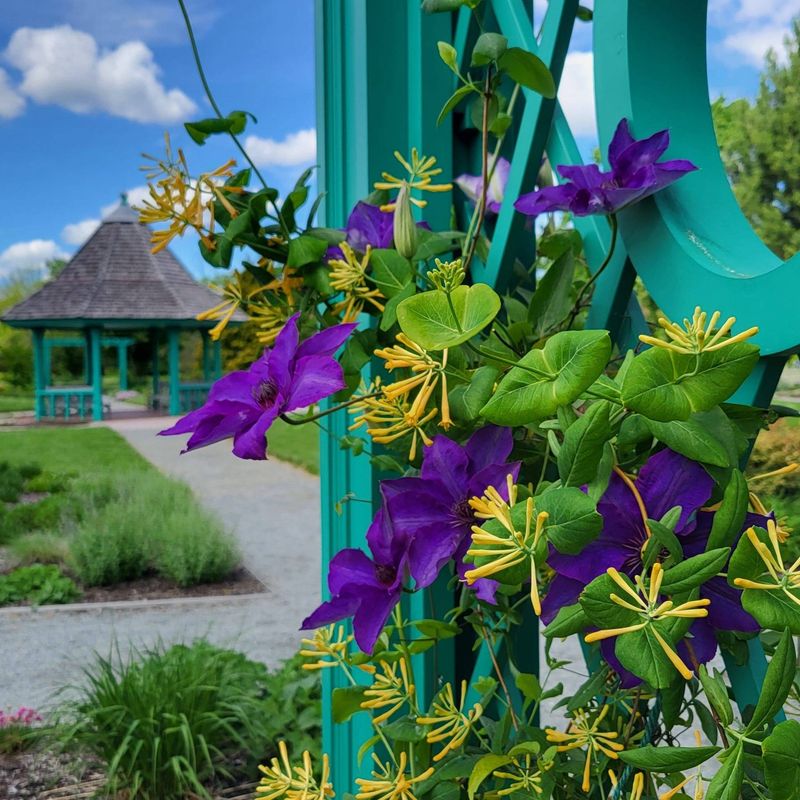
Climbing walls and trellises with star-shaped blooms the size of your palm, clematis brings vertical drama that a peony simply can not match. Many varieties, especially the Group 3 types that bloom on new wood, tolerate heat well and do not demand a hard winter chill.
The old gardener’s rhyme sums up their needs perfectly: they want full sun on their faces and cool roots. In practice, that means letting the vine climb into the light while shading or mulching the base to keep it cool.
Give them well-drained, fertile soil and steady moisture, and they will reward you with spectacular flowers year after year. Train one up a fence and watch a plain surface turn into a living painting.
11. False Indigo
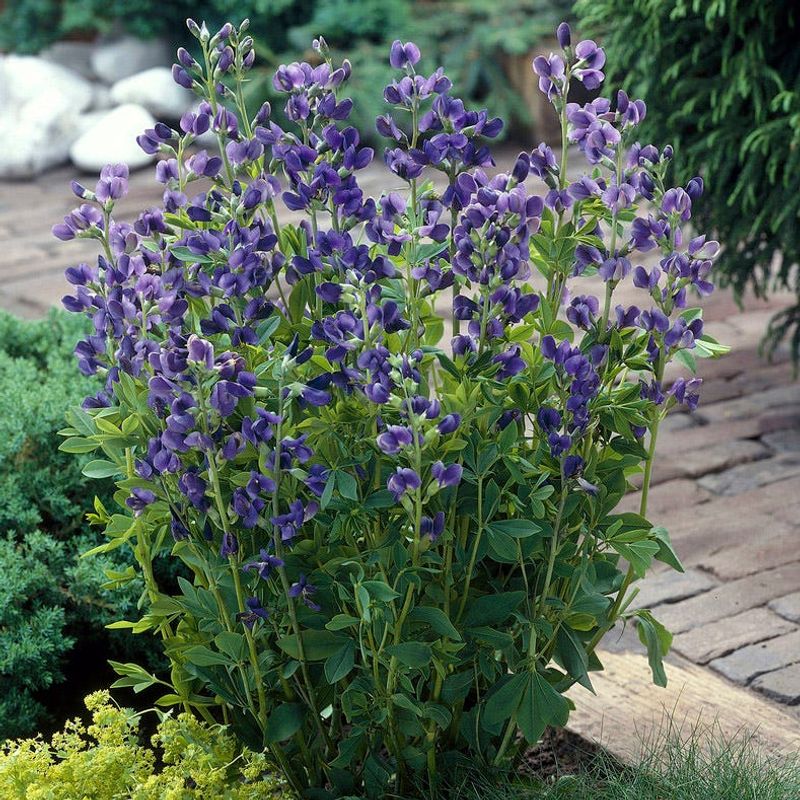
Tough as nails and long-lived, false indigo is the plant you set and basically forget for decades. In late spring to early summer, it lifts spikes of rich indigo-blue, pea-shaped flowers above blue-green foliage.
Drought barely fazes it once the roots dig in, and it thrives in full sun to partial shade across a wide range of well-drained soils, including poor, rocky ground.
Over time it grows into a rounded, shrub-like mound that holds its shape and looks tidy even after the flowers fade. If you crave that blue-purple, peony-season color without the maintenance, this native perennial delivers with almost zero effort.
12. Zinnia
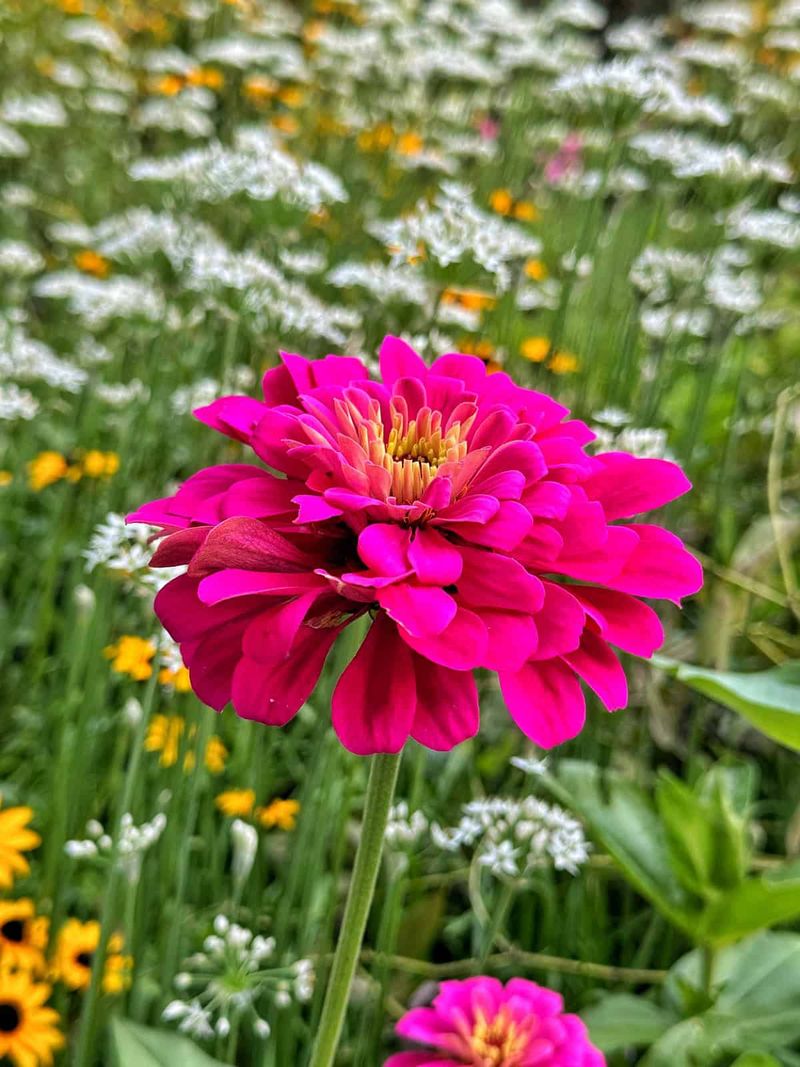
Bold, bright, and impossible to discourage, zinnias are the workhorses of the summer garden. Their long-lasting blooms come in nearly every color of the crayon box and just keep coming.
Heat and drought are no problem here. Plant them in full sun and well-drained soil, snip off spent flowers, and they will bloom their hearts out from summer until frost.
They also happen to make wonderful cut flowers, so you can fill vases indoors while butterflies mob the plants outside. Easy from seed and endlessly cheerful, zinnias give you armfuls of color for the price of a seed packet.
13. Lantana
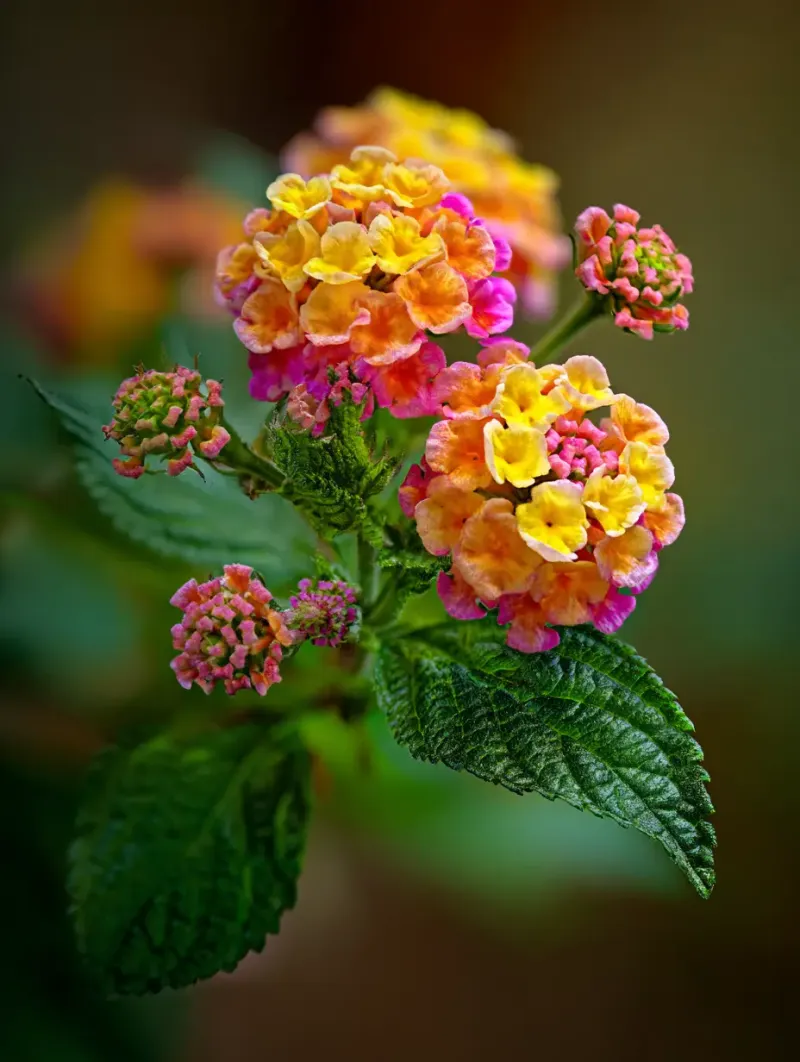
When summer turns brutal and other flowers throw in the towel, lantana just gets going. Its little clusters of tiny blooms often mix two or three colors in a single head, glowing in the harshest heat.
Grown as an annual in cooler areas and a perennial in warm zones, it thrives in full sun and well-drained soil, even the poor kind. Drought hardly slows it down.
Butterflies and hummingbirds treat it like a favorite diner, stopping by all day long. From spring until frost, lantana keeps the party going in the sunniest, driest corners of your yard.
14. Salvia (Perennial Varieties)
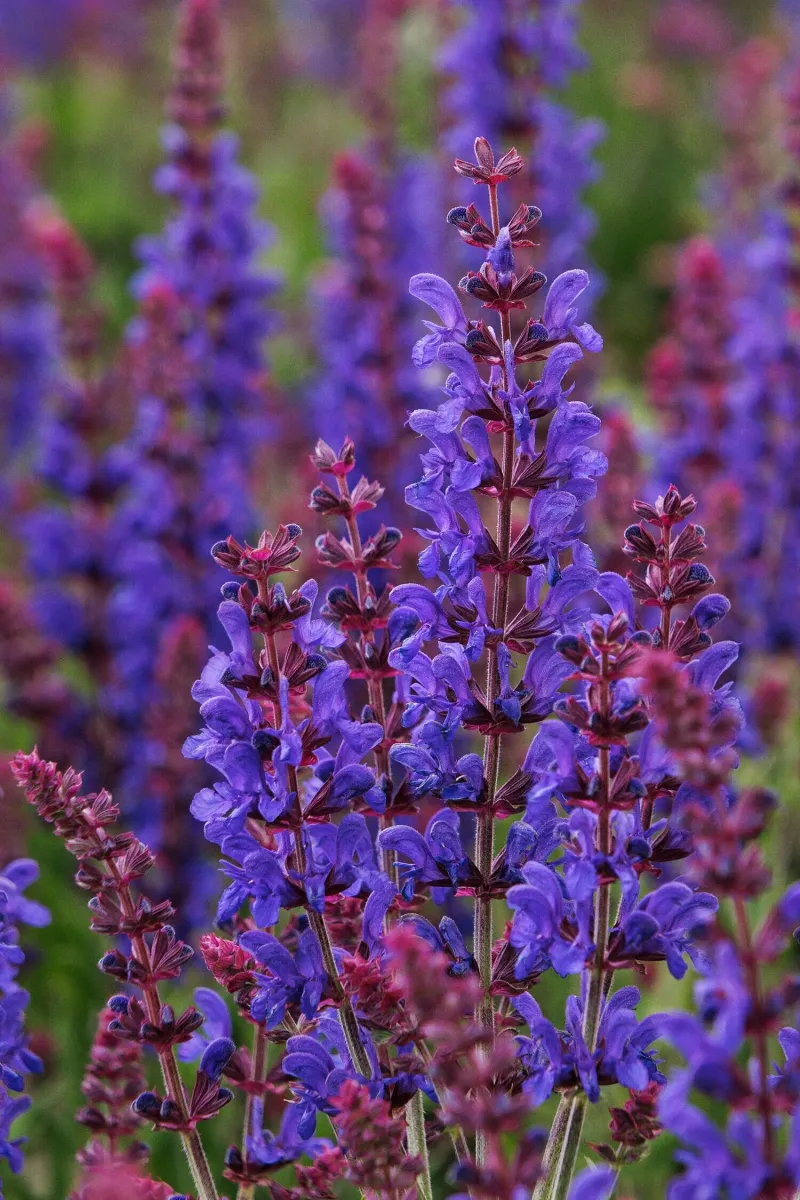
For a steady stream of cool blues and purples, perennial salvia is hard to beat. Its slender flower spikes rise in shades of blue, purple, pink, and white all through summer and into fall.
Heat and drought are minor inconveniences once it is established, and it asks only for full sun and well-drained soil. That easygoing toughness makes it a favorite for gardeners who want reliable color without babysitting.
Snip off the faded spikes and you will coax even more blooms out of it, keeping the show fresh for months. Bees and butterflies will thank you for planting it, buzzing happily from spike to spike.
15. Dahlia
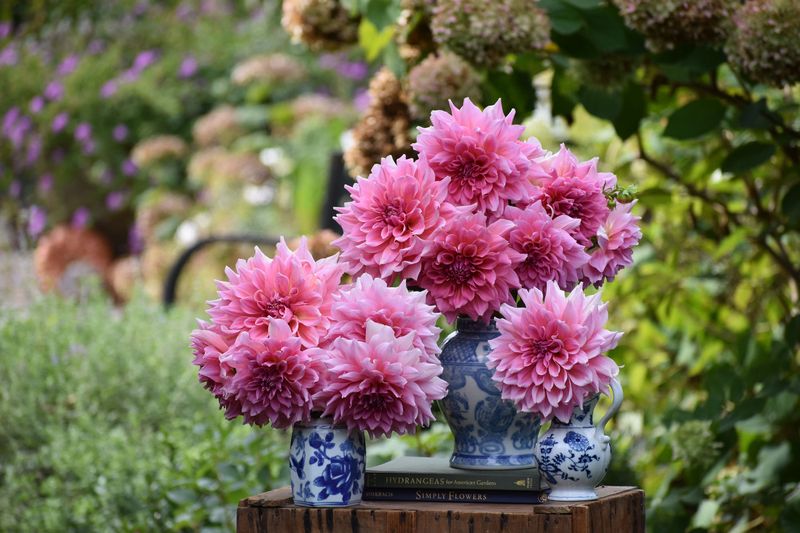
If it is the sheer glamour of a peony you will miss, meet the dahlia, the diva of the late-summer garden. Its blooms range from tidy little pompons to jaw-dropping dinner-plate giants, in a color range that borders on show-off.
In colder climates gardeners often grow them as annuals, lifting the tubers before winter to replant in spring. Wherever you grow them, they crave full sun, rich well-drained soil, and consistent moisture.
Best of all, dahlias actually revel in hot summer temperatures, blooming nonstop until the first frost calls it quits. For pure, dramatic, cut-and-come-again flower power, they are a peony’s most glamorous stand-in.