
If Your Snake Plant Stays Short And Sparse, Here Are 18 Care Habits That Grow It Taller And Fuller
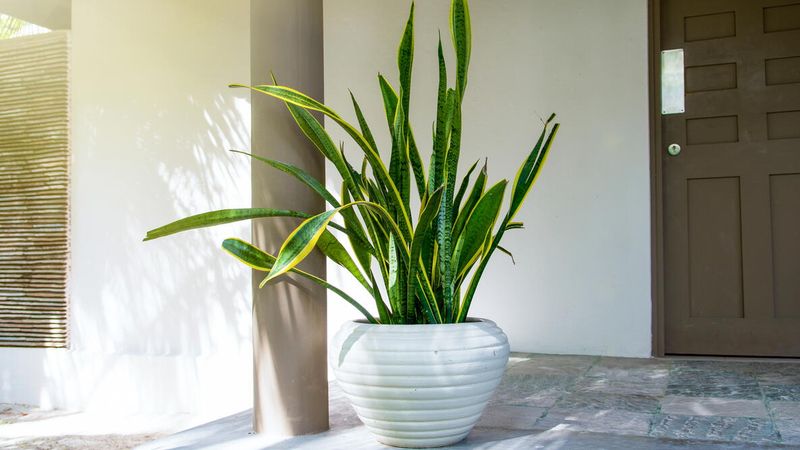
Your snake plant sitting short, thin, and stubborn can feel discouraging, especially when you know it should be shooting up tall and proud. The good news is that a sparse snake plant almost always points to a few simple habits that need fixing.
Get the light, water, soil, and feeding right, and this tough houseplant rewards you fast. Here are 18 care habits that turn a stunted snake plant into a full, upright showstopper.
1. Provide Bright, Indirect Light
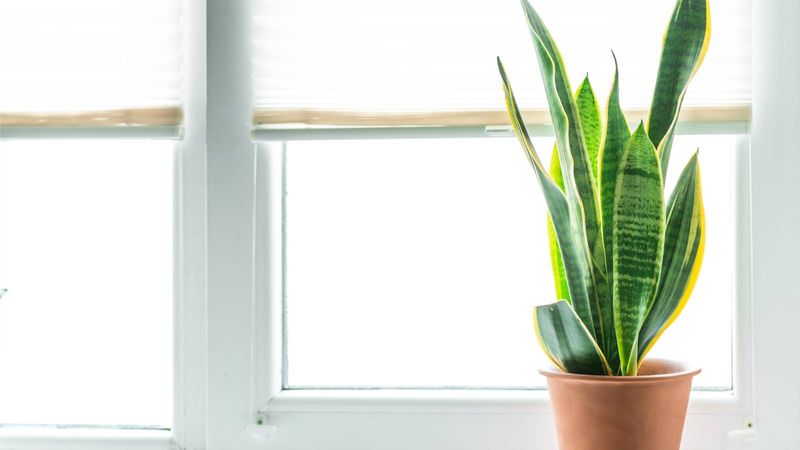
Light is the single biggest lever you can pull for a taller snake plant. When it soaks up plenty of bright, indirect sun, it builds sturdy stems, deep green color, and the energy it needs to push out new leaves.
A spot a few feet back from an east or south-facing window usually hits the sweet spot. You want brightness without the harsh beams landing straight on the foliage.
Give it consistent good light for a few weeks and you will often see fresh spikes emerging from the base, taller and firmer than the older growth.
2. Avoid Insufficient Light
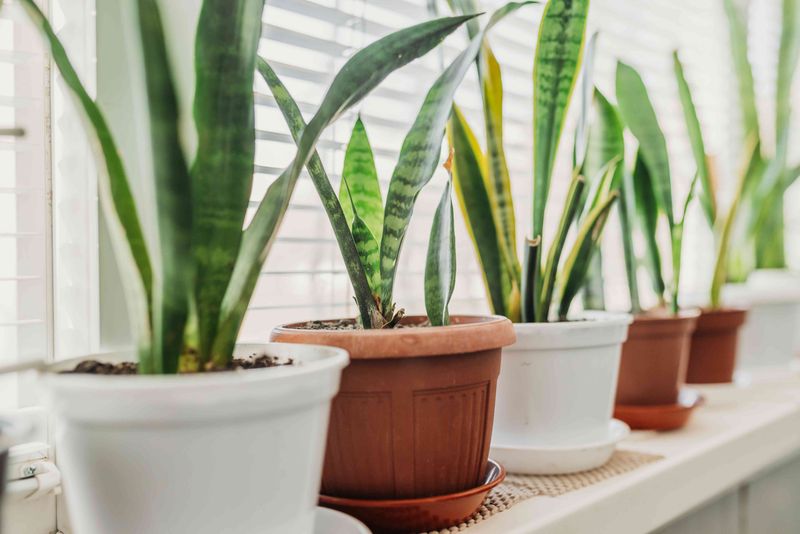
People love telling you snake plants survive in dark corners, and technically they do. Surviving and thriving, though, are two very different things.
In very low light, your plant slows to a crawl. New leaves come out stunted, weak, and leggy, and older ones often flop over or droop instead of standing tall.
If yours lives in a shadowy hallway or windowless bathroom, that dim spot is likely the whole reason it stays short and sparse. Move it somewhere brighter and watch the difference.
3. Protect from Direct Harsh Sun
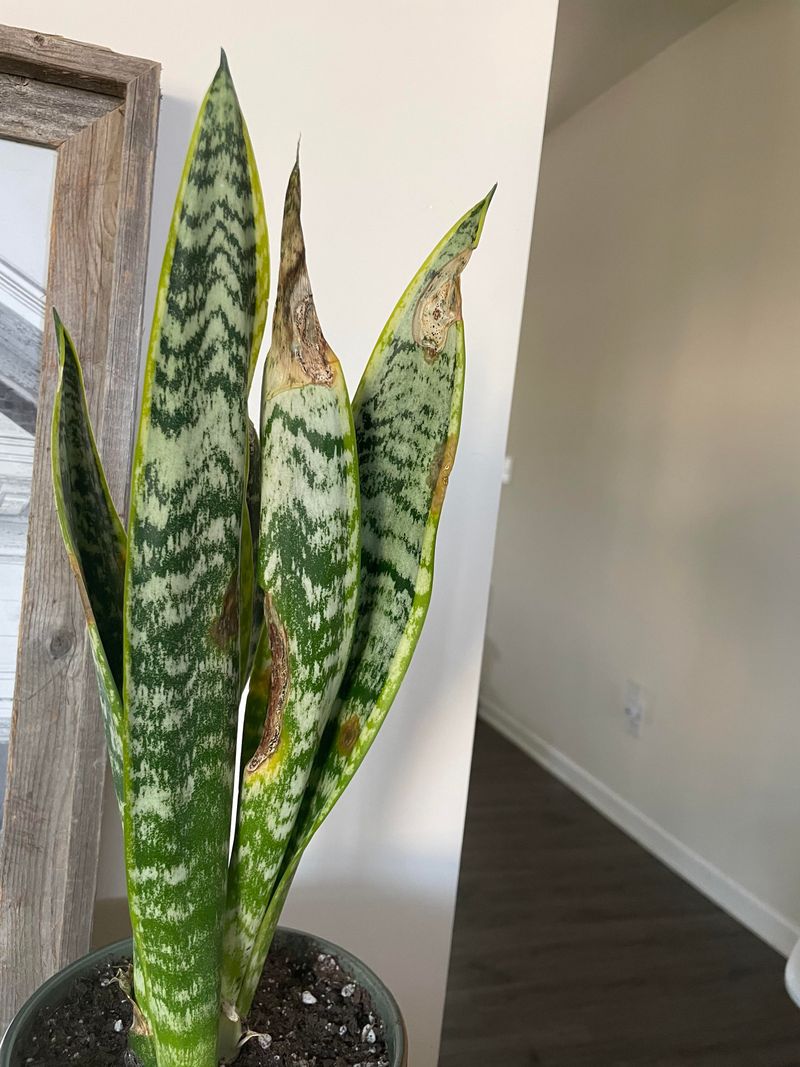
There is a tricky balance here, because more light helps until it suddenly hurts. Intense, direct afternoon sun can scorch snake plant leaves, leaving pale, bleached, or crispy brown patches.
Once a leaf burns, that damage does not heal. The plant then spends energy coping with the injury instead of growing taller.
If your window gets blazing midday rays, filter them with a sheer curtain or pull the pot back a little. Bright but gentle beats scorching every time.
4. Rotate the Pot Regularly
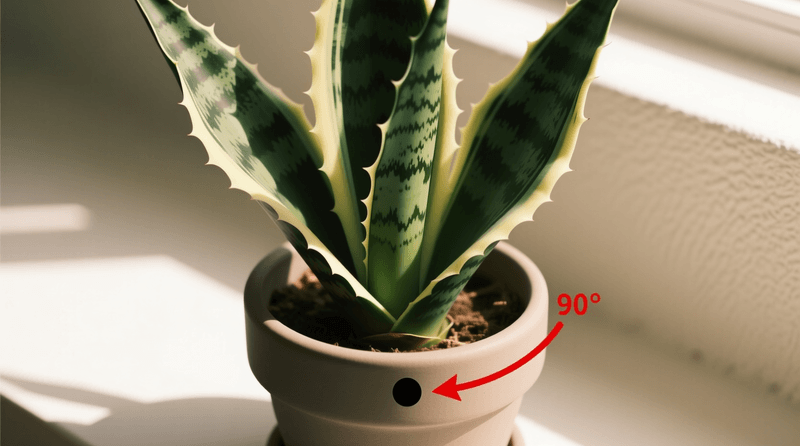
Ever notice your snake plant leaning like it is trying to escape toward the window? Plants naturally bend toward their light source, and one-sided lighting means one-sided, uneven growth.
Giving the pot a quarter turn every week or two fixes this simply. Each side gets a fair share of light, so the leaves grow upright and balanced instead of tilting.
A quick spin whenever you water is an easy way to remember. Over time you end up with a symmetrical, full plant that stands straight rather than sprawling to one side.
5. Water Only When Soil is Completely Dry
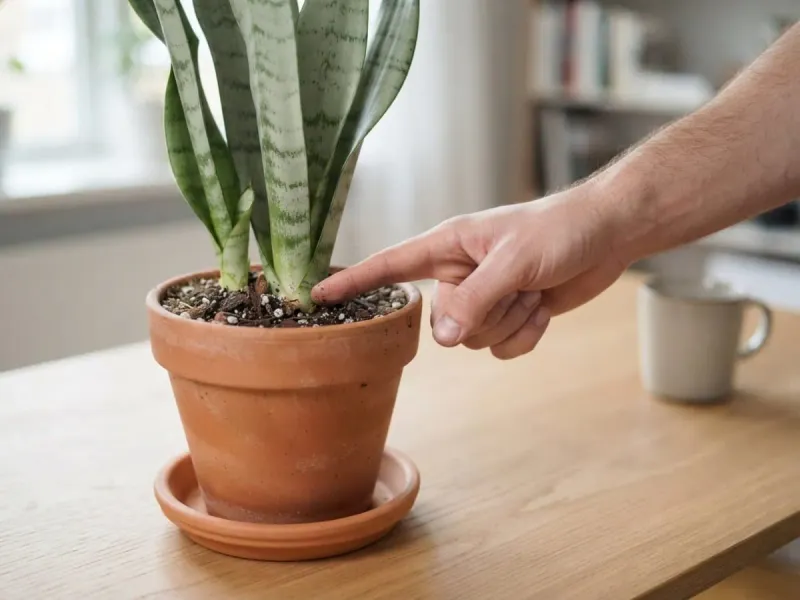
If there is one habit that quietly kills more snake plants than any other, it is overwatering. These plants store water in their thick leaves, so soggy soil drowns the roots fast.
Wait until the top 2 to 3 inches of the mix are completely dry before you water again. Poke a finger down or lift the pot to feel how light it has become.
Rotten roots cannot pull up nutrients, which means a plant that stays short no matter what else you do. Letting it dry out fully between drinks keeps the roots healthy and growth moving.
6. Ensure Proper Drainage
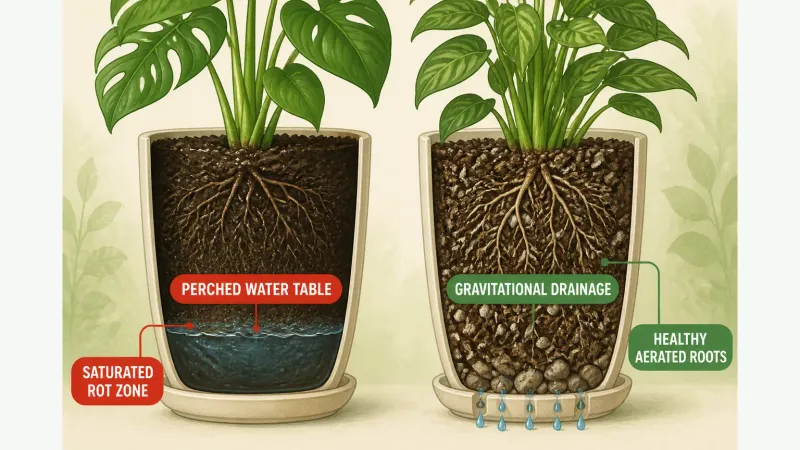
Drainage is the safety net that saves you from watering mistakes. A pot with holes and a chunky, well-draining mix lets extra water escape instead of pooling around the roots.
Reach for a cactus or succulent blend, or add perlite and coarse sand to regular potting soil to loosen it up. Standing water at the bottom is a fast track to root rot.
Skip the decorative pots with no holes unless you are using them as a cover over a proper nursery pot. Good drainage keeps roots breathing and feeding the plant so it can grow tall.
7. Choose a Slightly Snug Pot
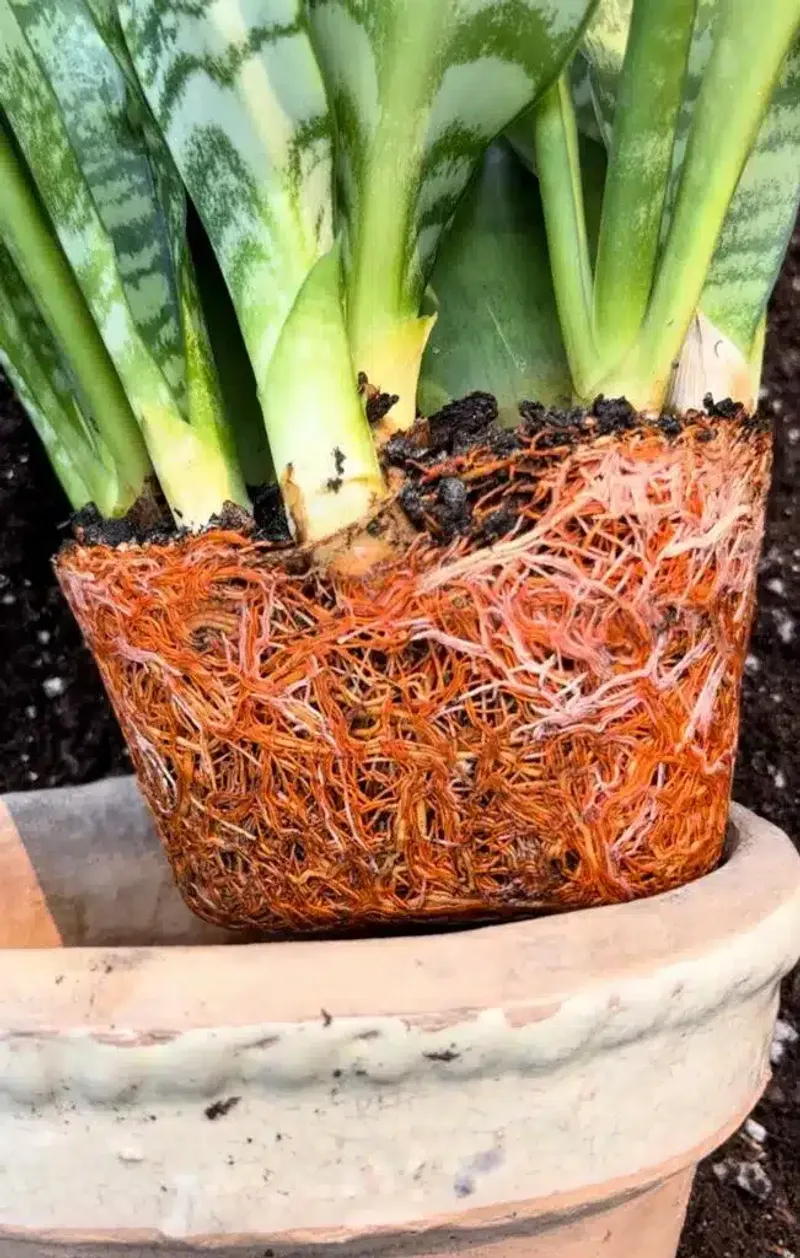
Bigger is not always better in the plant world. Snake plants actually prefer being a little cramped, and a snug pot can nudge them into denser, more vigorous growth.
Pick a container only about 1 to 2 inches wider than the current root ball. Too much empty soil holds excess water and encourages roots to spread instead of leaves to rise.
Being slightly root-bound signals the plant to fill out and even push up pups. That cozy fit works in your favor when you want fuller results.
8. Opt for Shallower Pots
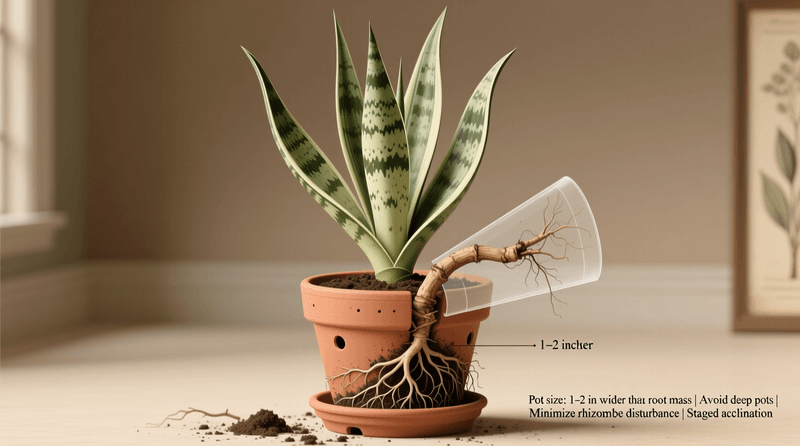
Snake plant roots grow from rhizomes that creep sideways rather than plunging deep. That means a tall, deep pot mostly gives you a big reservoir of wet soil the roots never reach.
A wider, shallower pot suits their natural spread much better. It also dries out more evenly, which lowers your risk of that dreaded soggy bottom and root rot.
Matching the pot shape to how the roots actually grow keeps moisture in check and roots happy. Happy roots feed taller, fuller top growth.
9. Repot When Necessary and Timely
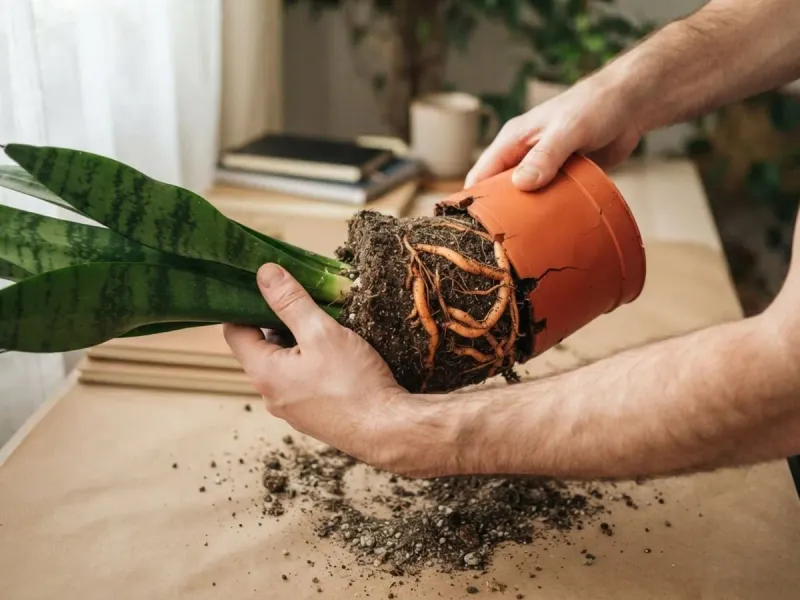
Timing matters as much as the act of repotting itself. Do it during the active growing season, roughly spring through early fall, when the plant can bounce back quickly.
Only move it up when it is clearly root-bound. Telltale signs include roots snaking out of drainage holes, a pot that bulges, or growth that has stalled for no other reason.
Repotting in dormant winter months just stresses the plant when it cannot recover well. Wait for the right window and it will settle in and reward you with new leaves.
10. Refresh Depleted Soil
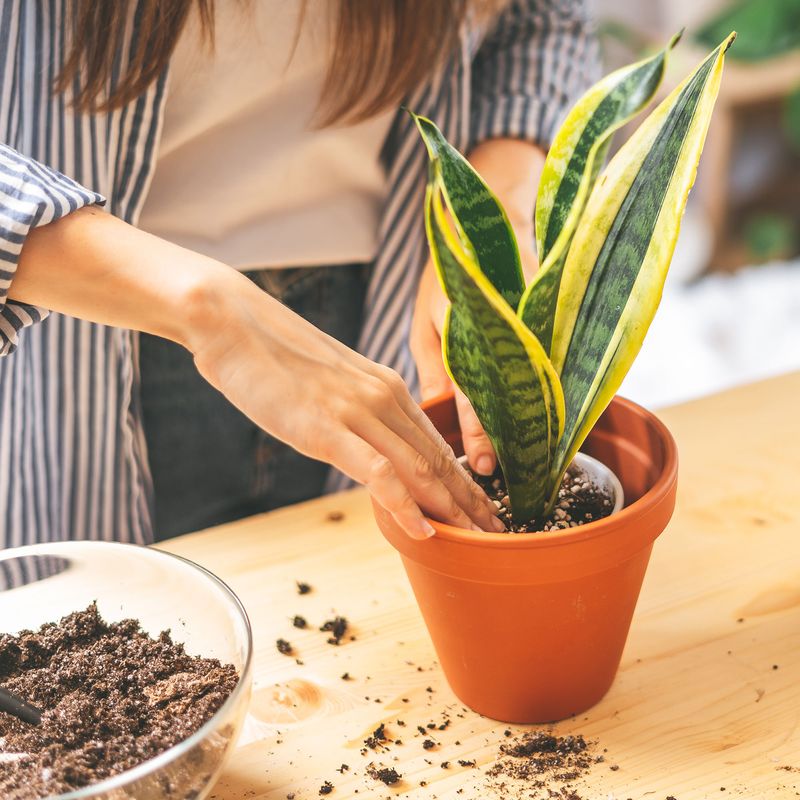
Even the toughest soil wears out over time. After a couple of years, potting mix gets compacted, drains poorly, and runs low on the nutrients your plant needs to grow.
Swapping in fresh mix every two years or so gives the roots room to breathe again. It also restores structure so water flows through instead of sitting.
You do not always need a bigger pot to do this, just cleaner, fuller soil. That refresh alone can wake up a plant that had quietly stopped growing.
11. Fertilize Moderately During Growth

A little food during the growing months can turn a lazy plant into a productive one. Snake plants are light feeders, so subtlety wins here.
Use a balanced liquid fertilizer like a 10-10-10, diluted to half strength, roughly once every 4 to 6 weeks in spring and summer. That gentle boost supports new leaf spikes without overwhelming the roots.
Piling on too much fertilizer can burn the roots and backfire badly. Moderate, steady feeding through the active season is the sweet spot for taller growth.
12. Withhold Winter Fertilization
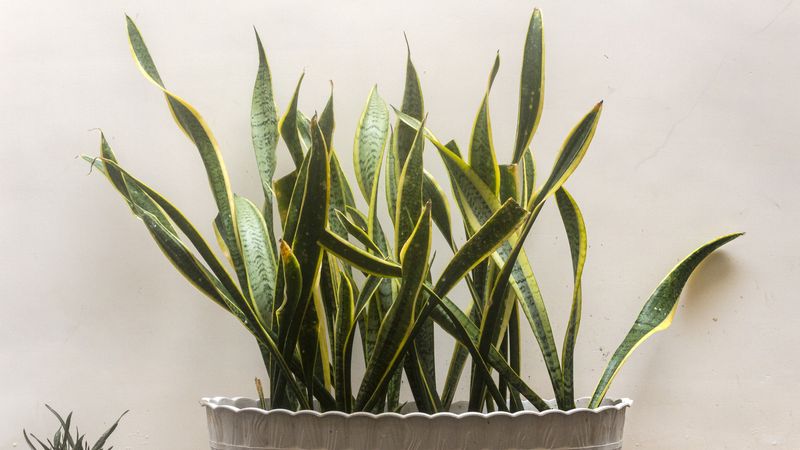
When the days shorten and growth slows, your snake plant slips into a rest period. Feeding it during this dormant stretch does more harm than good.
With no active growth to use them, extra nutrients just build up in the soil and can stress or even burn the roots. The plant is not asking for a meal right now.
Give it a break from fertilizer through fall and winter. Pick feeding back up in spring, and it will be ready to grow with real gusto.
13. Maintain Consistent Warm Temperatures
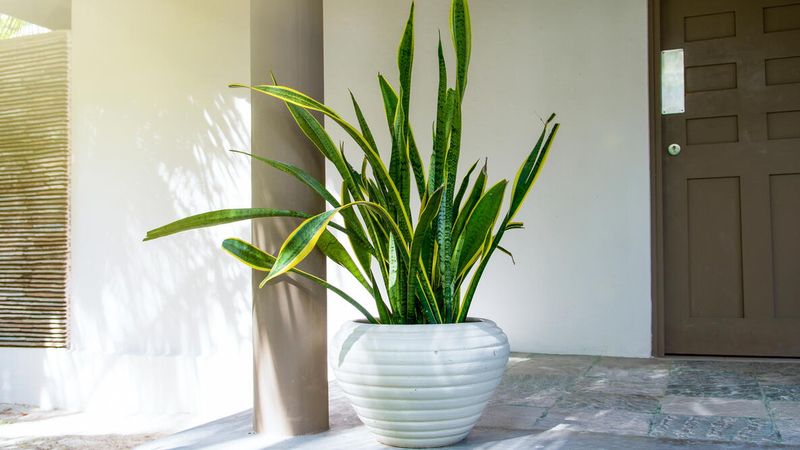
Warmth keeps a snake plant in growing mode. It does best in steady temperatures between 65 and 75 degrees Fahrenheit, which happens to match most cozy homes.
Cold is the enemy, though. Drafts from doors, drafty windows, or air below 50 degrees can shock the plant and stall or damage its growth.
Keep it away from chilly entryways and heating or cooling vents that blast it. A stable, warm spot lets it stay comfortable and focus its energy on getting taller.
14. Provide Adequate Humidity (If Dry)

Snake plants are pretty relaxed about humidity, but extremes can still trip them up. They are happiest in average household levels around 40 to 50 percent.
Trouble shows up when the air turns bone dry, often in winter when heaters run nonstop. Very dry air can leave leaf tips looking crispy and tired.
If your home gets parched, a small humidifier nearby helps keep the foliage in good shape. Healthy leaves photosynthesize better, which supports steady, fuller growth.
15. Prune Overly Tall or Sprawling Leaves
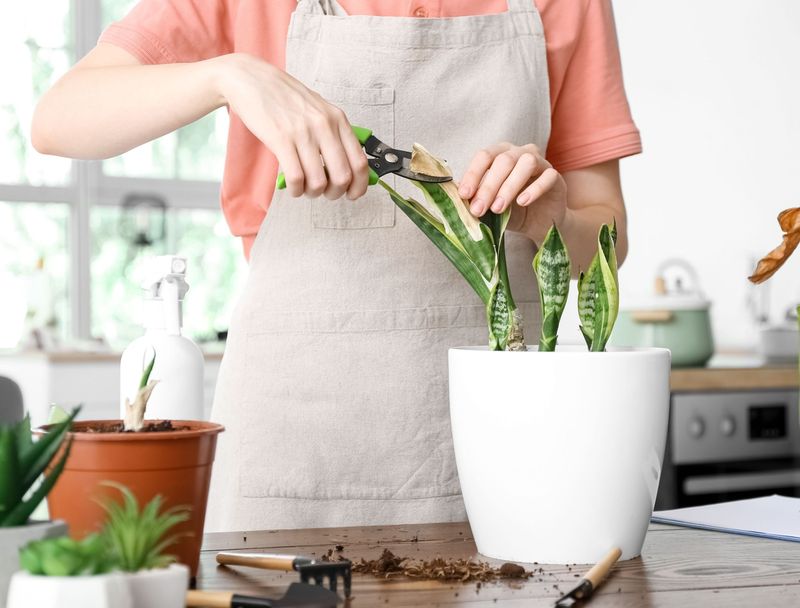
Pruning feels scary, but it is a secret weapon for a bushier plant. Cutting the tallest or most outward-leaning leaves right down at the soil line frees up energy.
Once those older leaves are gone, the plant redirects its efforts into fresh, upright shoots from the base. The result is a denser, tidier clump rather than a few sprawling blades.
Use clean, sharp scissors and remove leaves at the very bottom, not partway up, since cut tips do not regrow. Selective trimming shapes a fuller silhouette over time.
16. Remove Damaged or Unhealthy Foliage
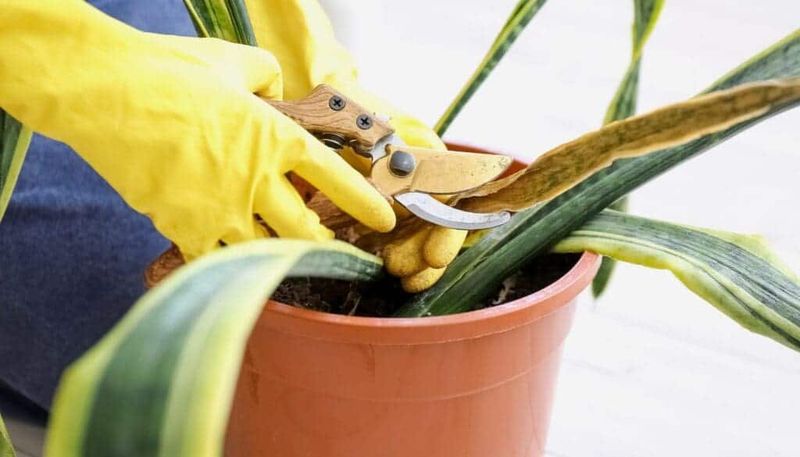
A struggling leaf is a drain on the whole plant. Yellowing, mushy, diseased, or broken foliage keeps pulling resources that could fuel new growth instead.
Check your plant every so often and snip off anything clearly past saving. Removing the dead weight lets the plant pour its energy into fresh, healthy leaves.
Clearing out damaged growth also improves airflow and cuts down on hiding spots for pests. A cleaner plant is a stronger, faster-growing one.
17. Clean Leaf Surfaces
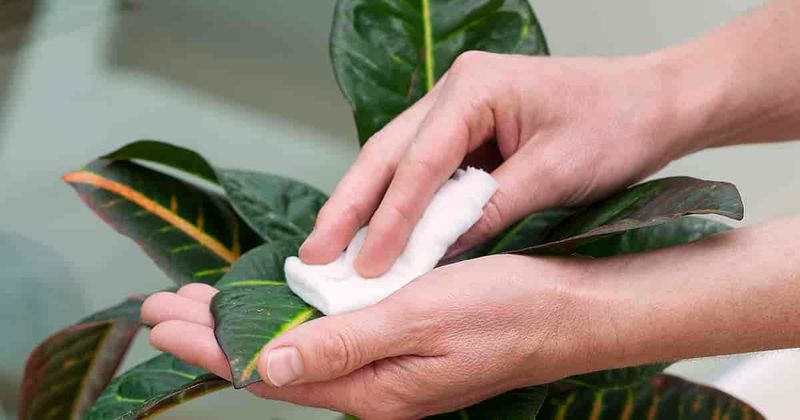
Dust is easy to overlook, yet it quietly blocks the light your plant works so hard to catch. A film of grime on those broad leaves means less energy for growth.
Wiping the leaves now and then with a soft, damp cloth clears the way for better light absorption. The foliage looks glossier and greener too, which is a nice bonus.
It only takes a couple of minutes, and it doubles as a chance to spot pests or problems early. Clean leaves simply work more efficiently.
18. Divide for Increased Density
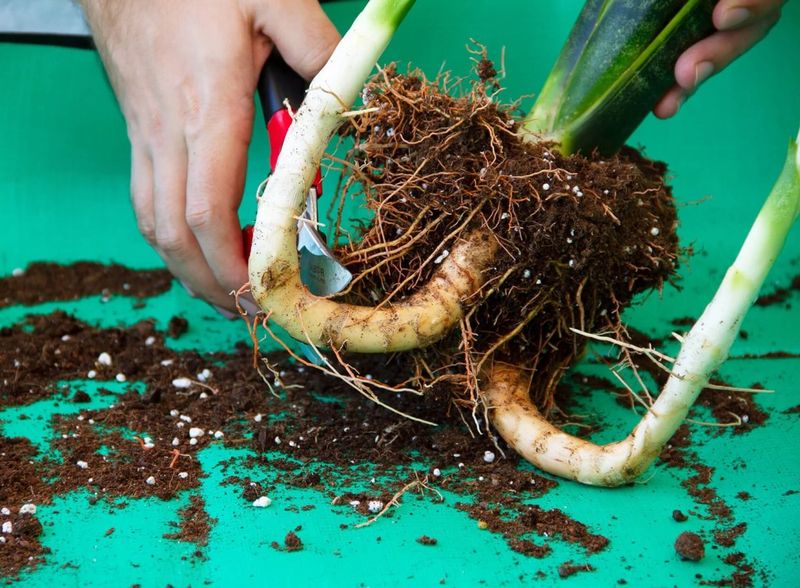
When a mature snake plant gets crowded and starts pushing out pups, you have a chance to multiply your success. Dividing the rhizomes lets you replant sections that fill in more thickly.
Gently tip the plant out, tease apart the rhizomes with a clean knife, and make sure each piece has roots and a few leaves. Pot the divisions in fresh, well-draining mix.
Grouping several divisions together, or replanting sturdy clumps, creates a denser, more lush display than one stretched-out plant. It is a rewarding way to end up with fuller pots and even a few to share.