
The North Carolina Native Ground Covers That Blanket Bare Soil Under Trees And Never Need Replacing
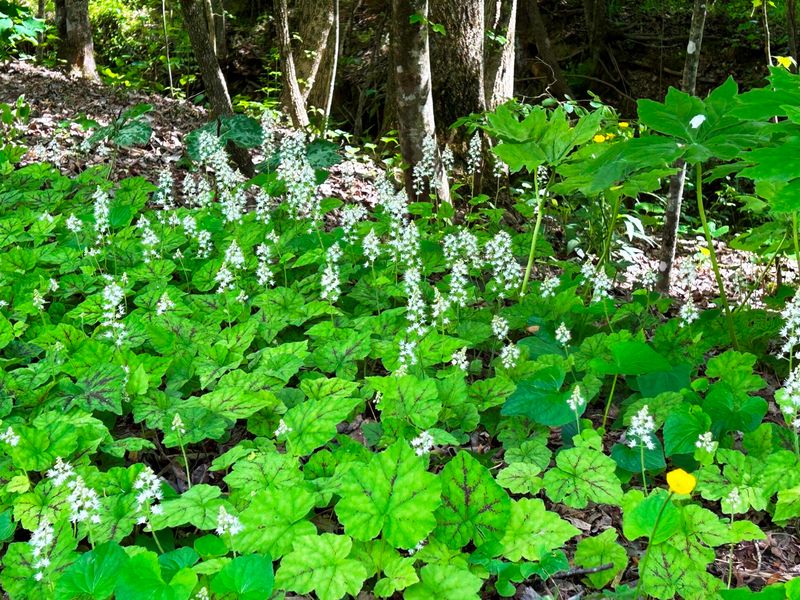
That bare patch of dirt under your big shade trees isn’t just an eyesore, it’s an open invitation for weeds, erosion, and invasive plants like English ivy to take over. The good news is that North Carolina has a whole lineup of tough native ground covers that thrive in exactly those dry, root-filled, shady spots where grass gives up.
Once these plants settle in, they blanket the soil for good, feed local wildlife, and never ask you to replant them. Here are eight NC natives that turn problem ground into a healthy, living carpet.
1. Allegheny Spurge (Pachysandra procumbens)
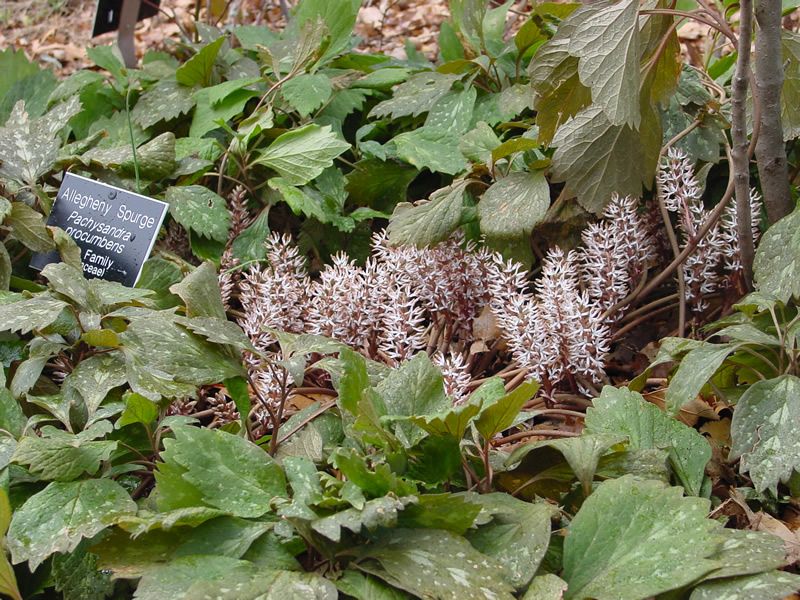
If you have ever been tempted to buy Japanese pachysandra at the garden center, meet its better-behaved cousin. Allegheny spurge is the NC native version, and unlike the invasive import, it grows slowly and stays put instead of swallowing your whole yard.
Found naturally in the mountains, this low, spreading perennial handles shade beautifully and even tolerates soils that aren’t strongly acidic. It surprises people with fragrant white flowers in late winter, right when nothing else is doing much.
The mottled evergreen leaves keep the ground covered year-round, which crowds out weeds without any effort from you. Plant it where you might have reached for English ivy, and you get the same tidy carpet while actually supporting your yard’s ecosystem.
2. Green-and-Gold (Chrysogonum virginianum)
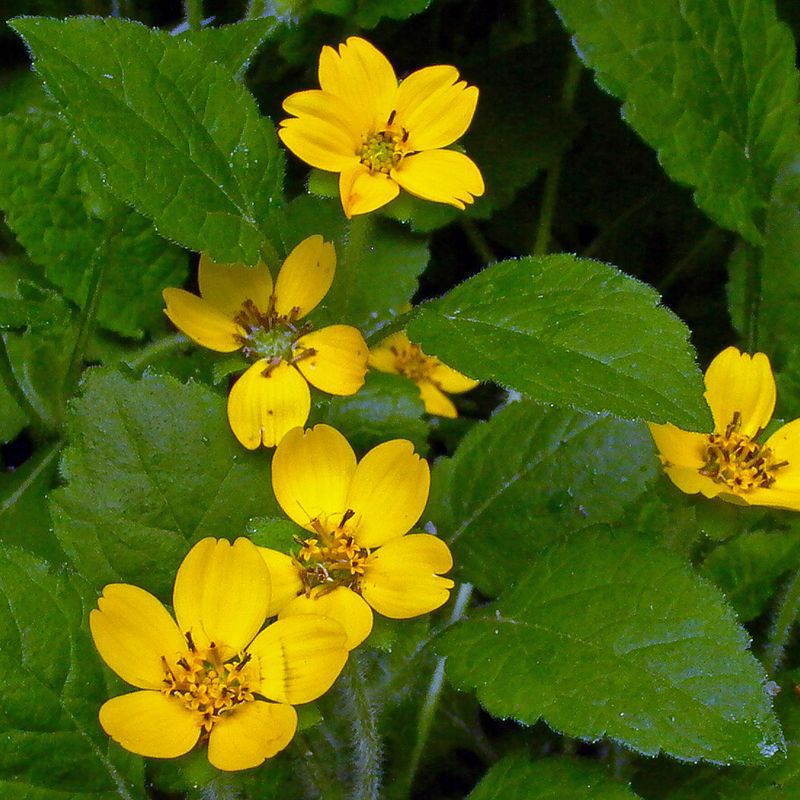
Cheerful is the word that comes to mind with green-and-gold. From spring straight into the warmer months, it throws up bright yellow, star-shaped blooms that light up the dim ground beneath your trees.
Gardeners in the Piedmont, Coastal Plain, and mountains all get to enjoy it, since it happily takes part sun to part shade and shrugs off average or dry soil. Deer tend to leave it alone too, which is a genuine relief if you share your neighborhood with a hungry herd.
Beyond the good looks, its blooms pull in native pollinators, so you are feeding the bees and butterflies while covering bare dirt. As an evergreen carpet, it keeps working through the seasons without needing a do-over.
3. Partridgeberry (Mitchella repens)
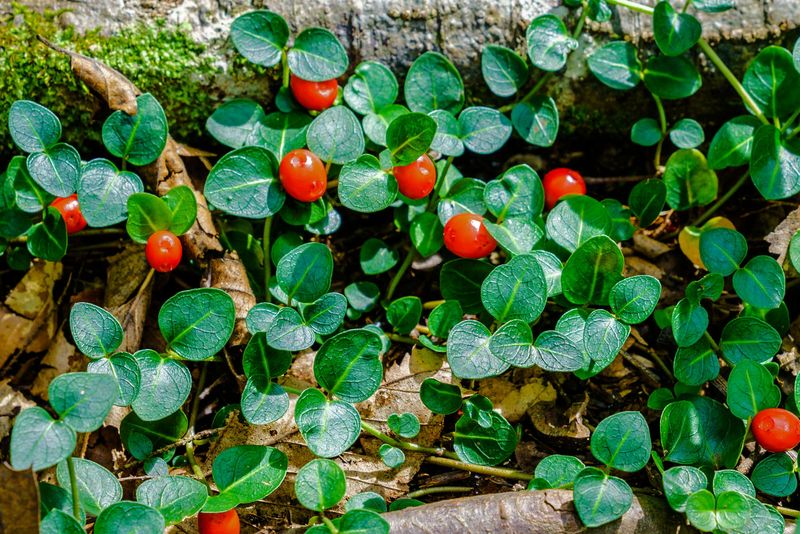
Look down at the forest floor on a Blue Ridge hike and you might spot partridgeberry threading through the moss. Standing less than an inch tall, this delicate creeper produces paired white flowers in spring and summer, followed by little red berries that can hang on for a full year.
It loves the acidic soil that so often sits under NC oaks and pines, and it works across the Piedmont, mountains, and Coastal Plain. Because it is so tiny, the one rule is to keep heavy leaf debris from smothering it.
Those bright berries do more than look festive. They offer a snack for ground-feeding birds and other small wildlife, making this quiet little mat a real contributor to a healthy yard.
4. Foamflower (Tiarella cordifolia)
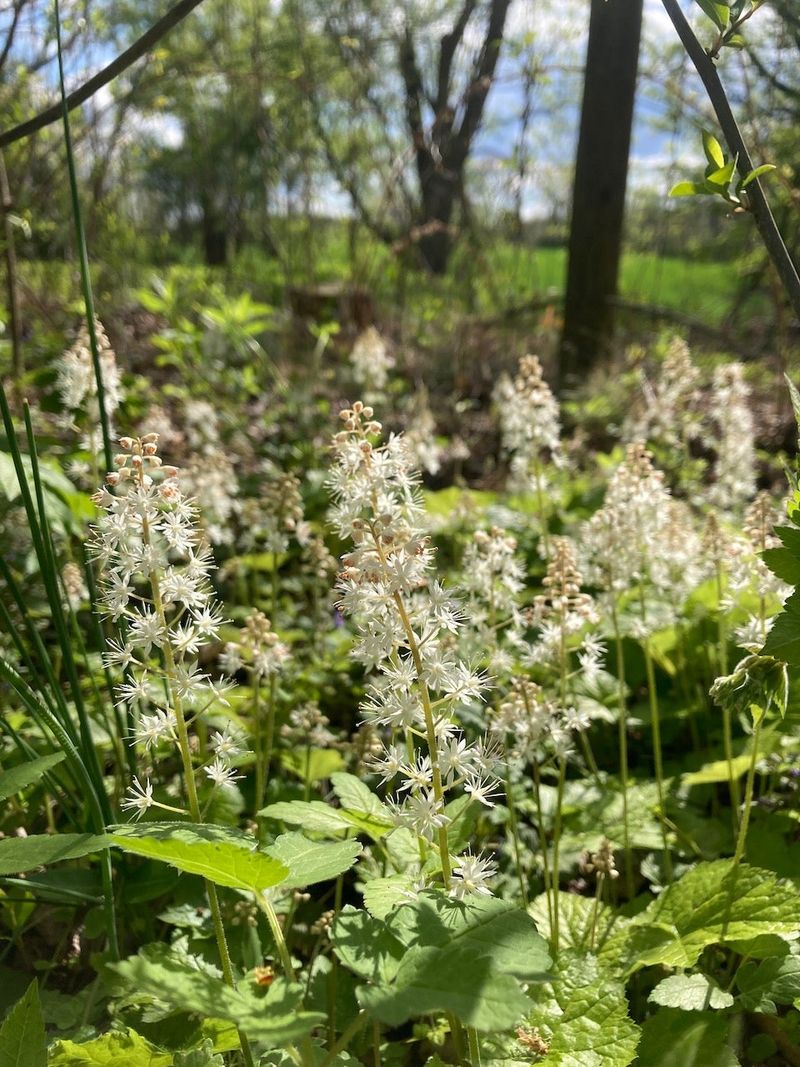
Come spring, foamflower sends up airy spikes of tiny white blossoms that look like little clouds of foam floating over the ground, which is exactly how it earned its name. The heart-shaped leaves fan out to carpet the woodland floor and stay attractive long after the flowers fade.
Part to full shade with medium moisture and moderately rich soil is its sweet spot, so it slots right into those cool, damp corners under mature trees. Deer usually pass it by, another point in its favor.
Here is the stewardship bonus: foamflower foliage provides overwintering shelter for native insects and small creatures. Leave it in place through the cold months and you are quietly hosting the very wildlife that keeps your yard humming.
5. Canadian Wild Ginger (Asarum canadense)
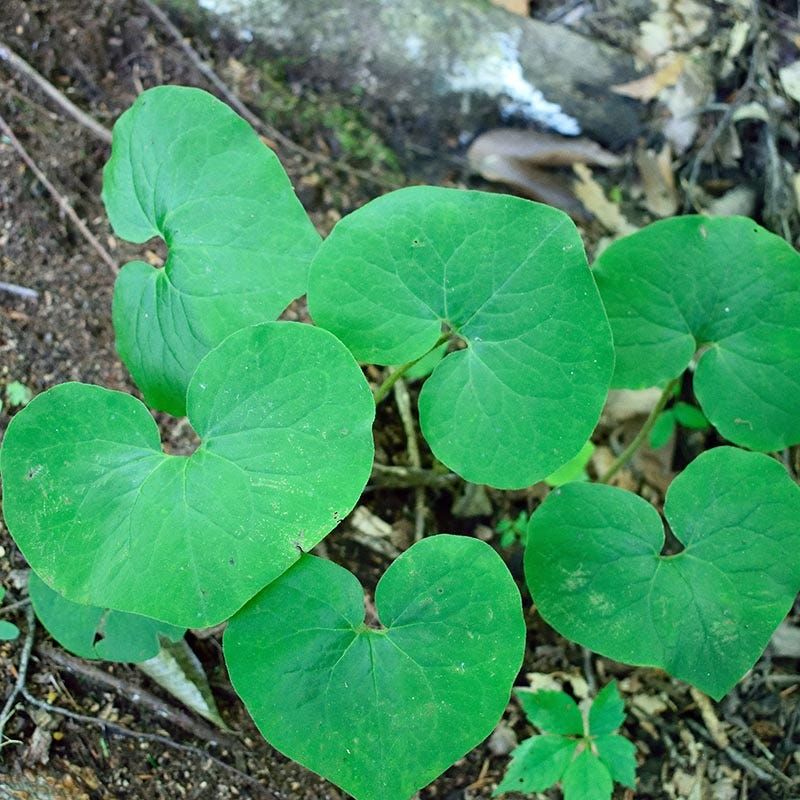
For the darkest, most stubborn shade where almost nothing wants to grow, Canadian wild ginger is a quiet hero. Its big, heart-shaped leaves overlap into a dense green mat that smothers weeds once it gets established.
The flowers are the plant’s little secret. Small maroon blooms hide right at soil level in early spring, pollinated by ground-crawling insects rather than showy visitors, so you have to crouch down to find them.
More common in the Piedmont and mountains than the Coastal Plain, it spreads slowly but dependably. Swap it in where English ivy or vinca has taken hold and you trade a smothering invasive for a native that actually belongs in NC woods.
6. Autumn Fern (Dryopteris erythrosora)
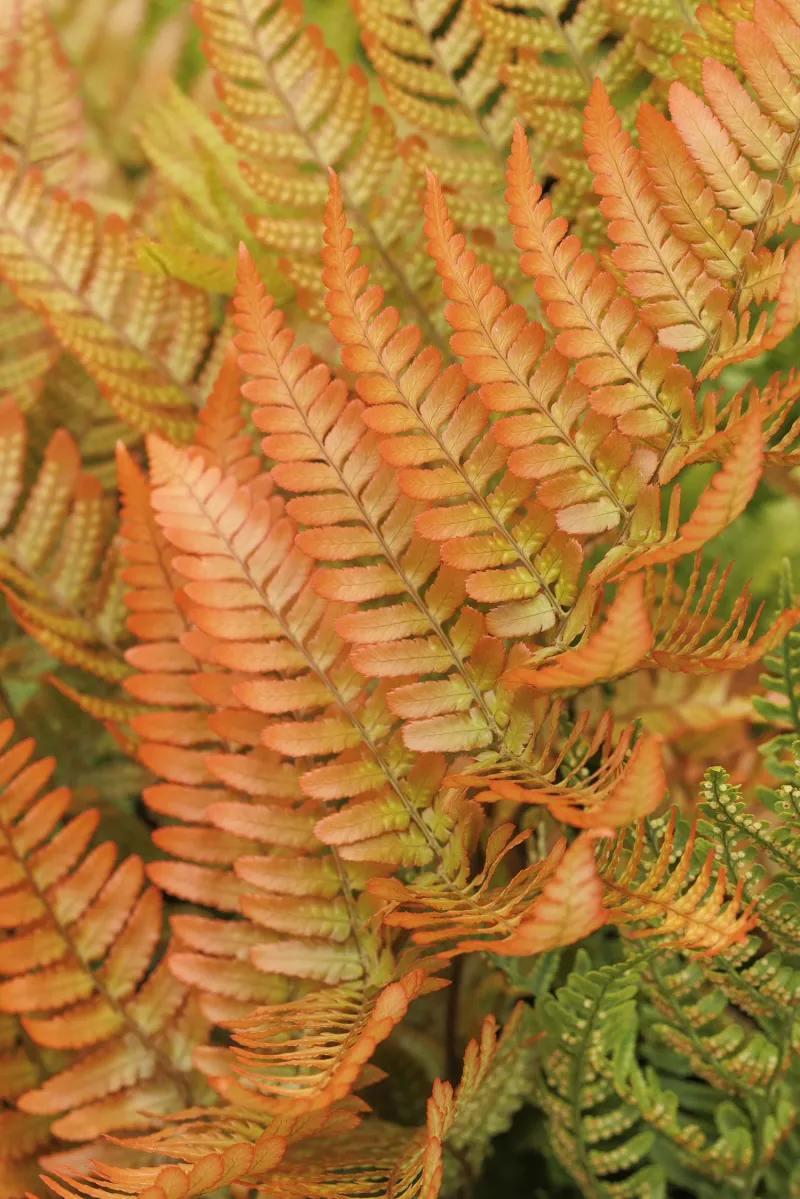
Some spots under old trees are just brutal: dry, dark, and packed with roots. Autumn fern was practically built for that misery, standing as one of the most shade- and drought-tolerant ferns you can plant in North Carolina.
New fronds unfurl with a coppery blush before settling into rich green, and the plant stays semi-evergreen right through winter. That means the ground never looks bare, even in the bleakest months.
Think of it as the reliable workhorse for those “nothing grows here” corners. Group a few together and they knit into a soft, textured cover that asks for almost nothing once its roots take hold.
7. Creeping Phlox (Phlox stolonifera)
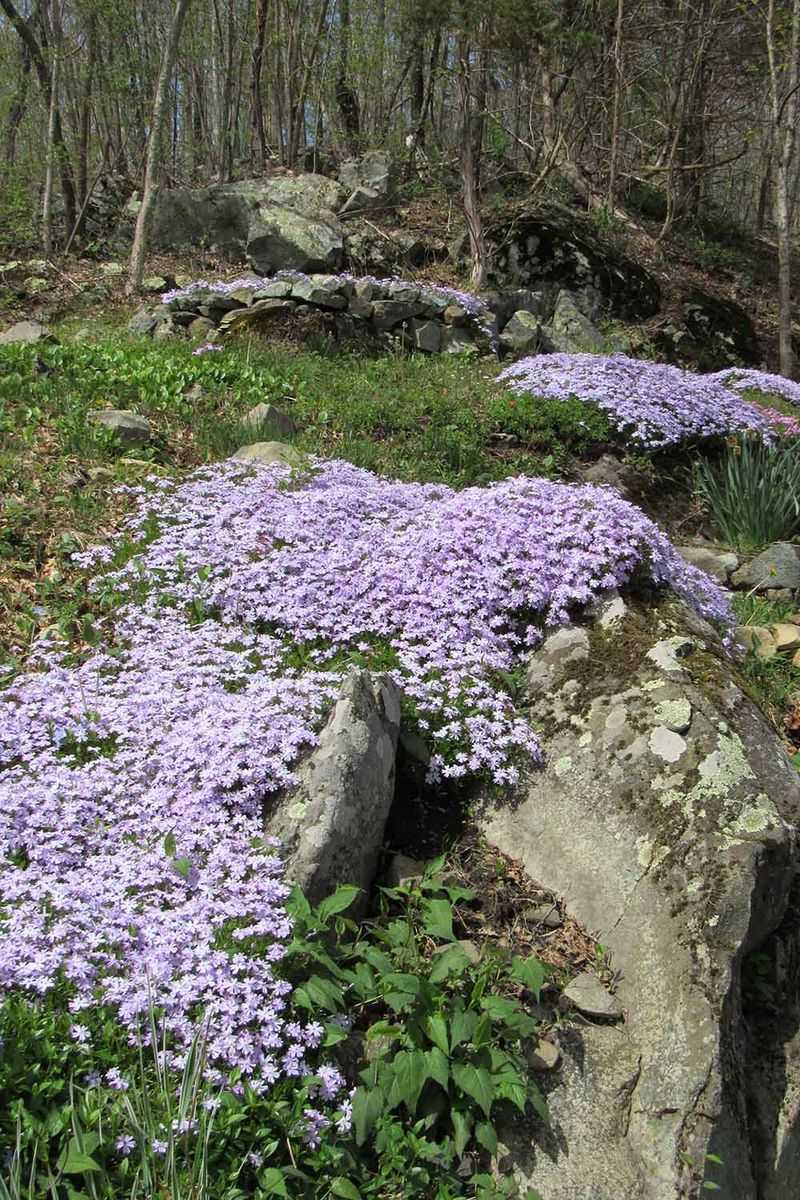
Not to be confused with the sun-loving rock phlox, this woodland creeper prefers to stay in the shade. Creeping phlox spreads into a soft, mat-forming carpet topped with clusters of gentle flowers that brighten the spring garden.
Partial to full shade with medium moisture and decent soil keeps it happy, and its semi-evergreen leaves hold the ground together through much of the year. If you want a cousin for variety, wild blue phlox (Phlox divaricata) thrives in the same shady conditions and adds a lovely blue haze.
Both make graceful replacements for invasive spreaders, giving you color and coverage while feeding early-season pollinators looking for a meal.
8. Christmas Fern (Polystichum acrostichoides)
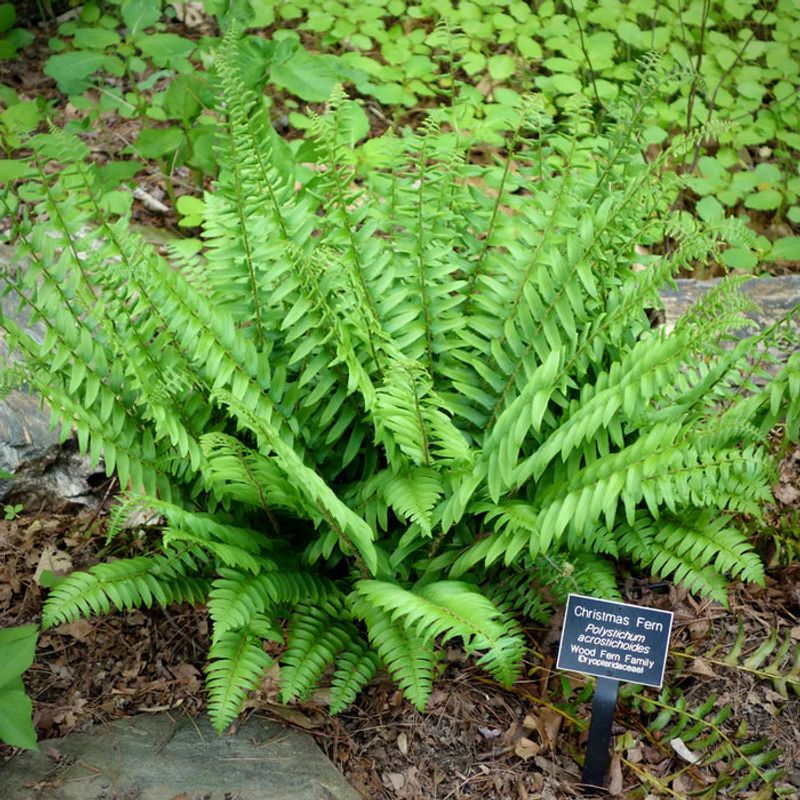
Named because its leathery fronds stay green right through the holidays, Christmas fern is the plant that keeps your shaded ground alive-looking when everything else has gone brown. Old-timers used to cut the fronds for winter decorations, which is where the cheerful name comes from.
It handles shade to part shade with ease and looks especially good on slopes, where its roots help lock down soil and fight erosion. Pair it with Southern lady fern (Athyrium asplenioides) and a few of the perennials above, and you build a layered, self-sustaining woodland floor.
Because it holds its green through winter, it also gives cover to overwintering critters when the yard has little else to offer. Plant it once and it settles in for the long haul, no replacing required.