
If Your Geraniums Bloom Weak And Faded By Midsummer, Here Are 15 Simple Habits That Keep The Color Coming All Season
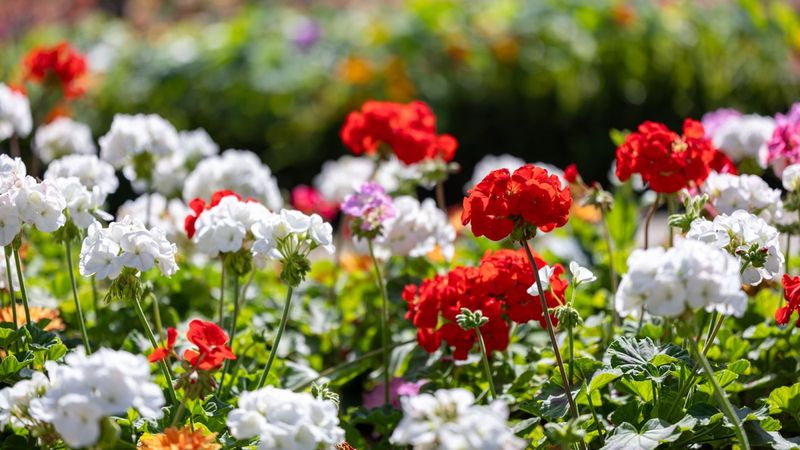
Geraniums are supposed to be the loud, cheerful stars of your summer pots and beds, but sometimes they hit a slump right when you want them at their best. If your plants look tired and washed out by July, you are not a bad gardener, they just need a few small tweaks.
The good news is that most fixes are quick, free, and easy to do this weekend. Here are 15 simple habits that keep your geraniums blooming strong from spring straight through fall.
1. Ensure Adequate Sunlight Exposure
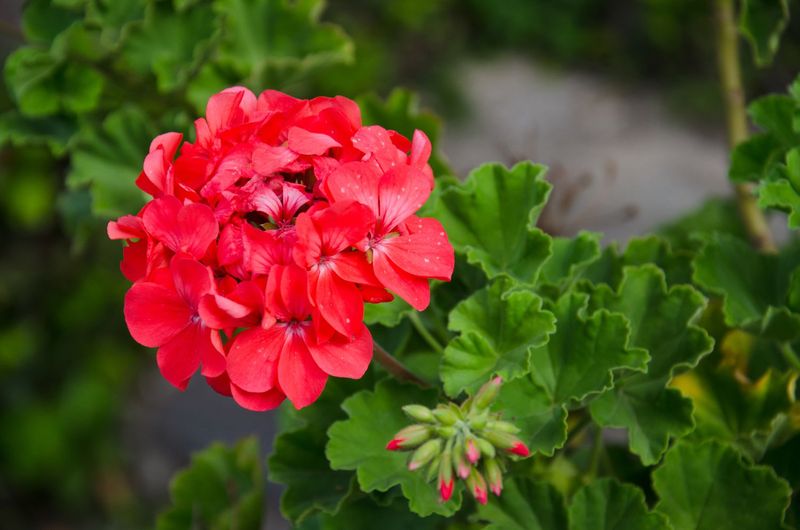
Sunshine is basically fuel for a blooming geranium. These plants want at least four to six hours of direct sun a day, and without it they stretch out, go leggy, and hand you far fewer flowers than they should.
If your geraniums live in a shady corner and keep disappointing you, try relocating containers to a sunnier spot for a week and watch what happens. Bud production usually picks up fast once the light does.
There is a catch, though. In the hottest parts of the country, blazing afternoon sun can actually scorch the plant and fade the color.
A little shade during the harshest part of the day keeps them from getting stressed while still giving them the light they crave.
2. Water Consistently and Deeply
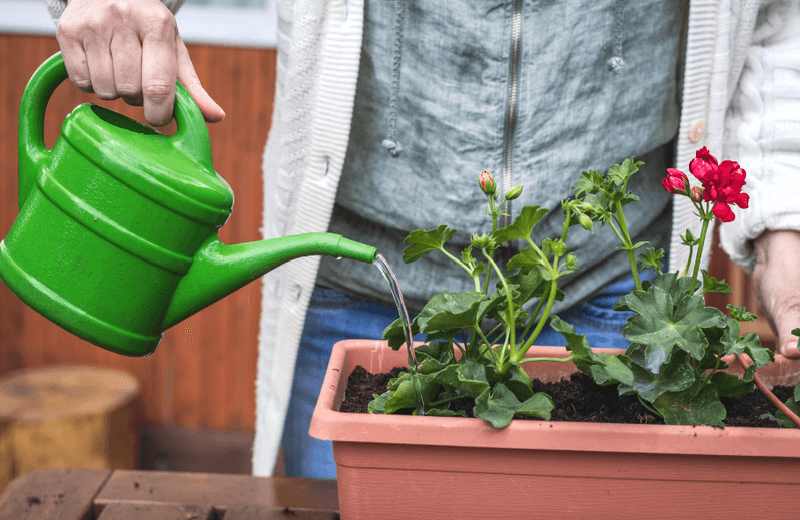
Geraniums are surprisingly picky about their drinks. They hate sitting in soggy soil, but they also sulk when they dry out completely, and both extremes show up as weak, sad blooms.
The trick is to let the top inch or two of soil dry out before you water again. Poke a finger in the pot to check instead of watering on autopilot.
When it is time, water deeply so the moisture reaches down and encourages strong, deep roots. Morning or late afternoon is the sweet spot, since watering then cuts down on evaporation and keeps leaves from staying damp overnight, which invites disease.
3. Prioritize Well-Draining Soil and Containers
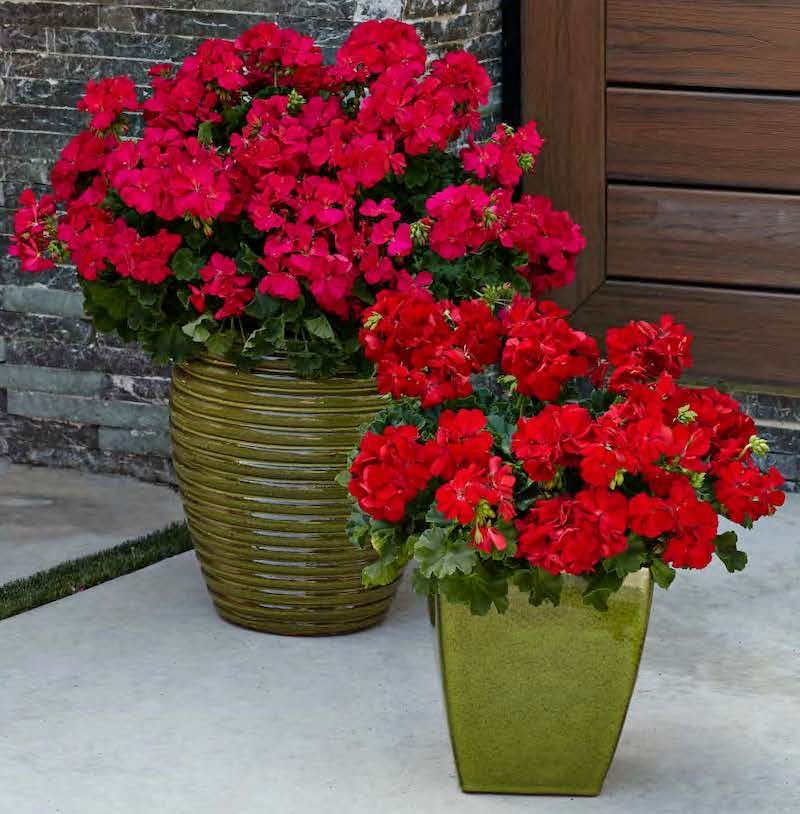
Ever noticed how geraniums seem to punish you for kindness when you keep the soil too wet? Their roots simply refuse to sit in water without rotting.
Every container you use needs drainage holes, no exceptions. If water cannot escape, it pools at the bottom and quietly kills the roots your blooms depend on.
For plants in the ground, heavy clay is the usual troublemaker. Work in some organic matter, perlite, or coarse sand to loosen things up and let air and water move freely through the soil.
Better drainage almost always means better flowers.
4. Fertilize Regularly with the Right Balance
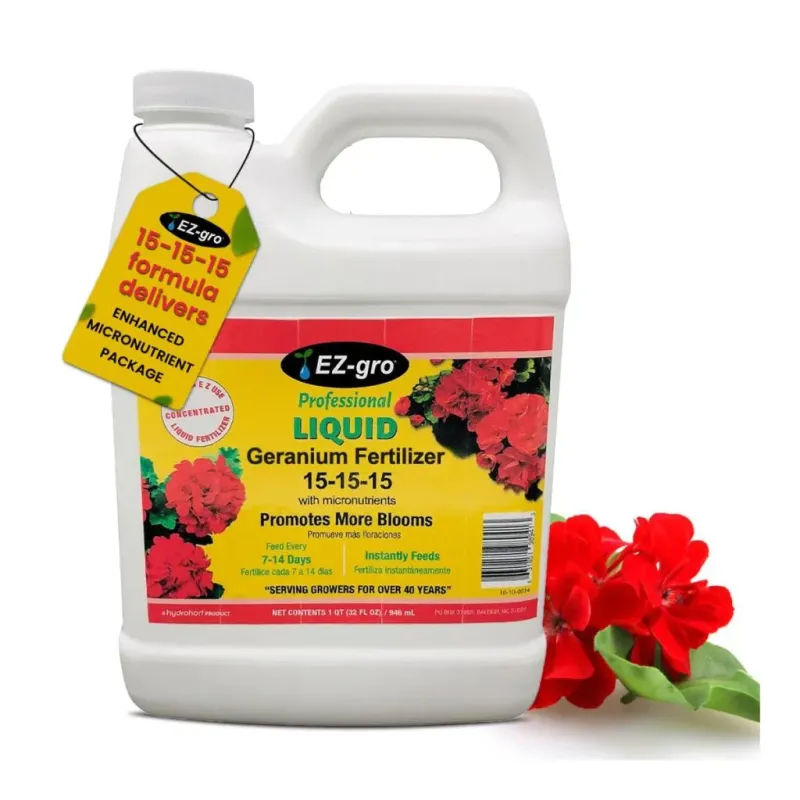
Think of geraniums as hungry plants, especially the ones stuck in pots where they cannot forage for nutrients on their own. Gardeners call them heavy feeders for a reason.
During the growing season, feed them every two to four weeks. A balanced water-soluble fertilizer like 10-10-10 or 20-20-20 works well for steady growth.
Once the flowers start showing up, switch to something higher in phosphorus and potassium, like a tomato feed or a 15-30-15 blend, to push more blooms. Skip the high-nitrogen stuff, because it grows lots of leaves and very few flowers, which is the opposite of what you want.
5. Deadhead Spent Blooms Diligently
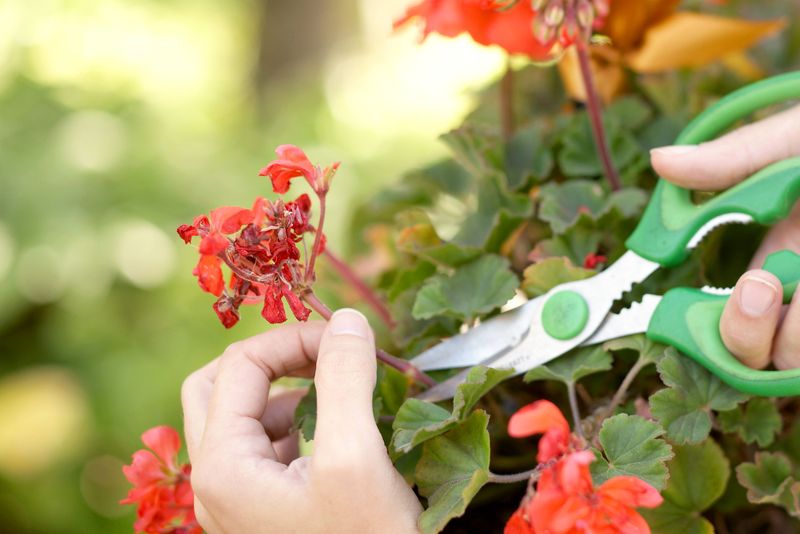
If there is one habit that gives you the biggest payoff for the least effort, deadheading is it. Removing faded flowers tells the plant to stop making seeds and start making new buds instead.
Pinch or snap off the whole flower stalk down at the node or joint where new growth begins, not just the tired petals. Leaving the stem behind looks messy and does not free up any energy.
Make it a weekly ritual, or jump in anytime blooms start browning and drooping. A quick pass every few days keeps the color rolling in nonstop.
6. Prune for Bushier, Fuller Plants
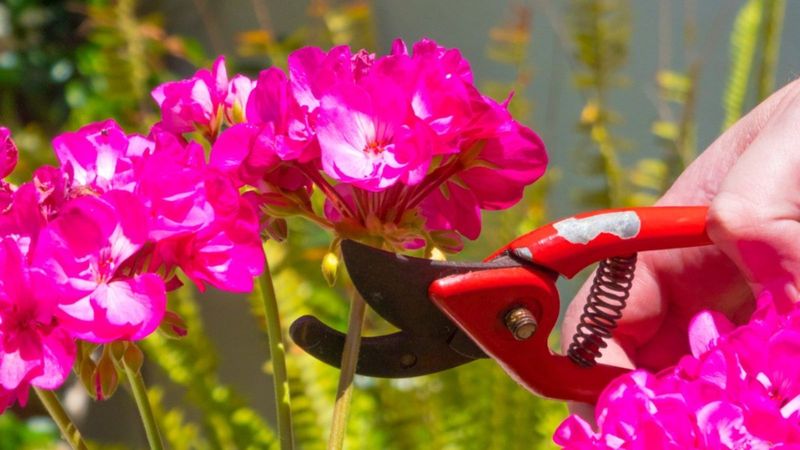
Leggy geraniums with long bare stems and just a few flowers on top are a common midsummer complaint. The fix is a little tough love with your fingertips.
Pinch back the tips of the stems to force the plant to branch out sideways instead of reaching for the sky. Each pinch triggers new side shoots, and side shoots mean more places for flowers to form.
For annual geraniums, trim them back by about a third in spring or anytime they start looking sparse and stretched. It feels drastic in the moment, but the fuller, flower-packed plant you get afterward makes it worth it.
7. Choose a High-Quality Potting Mix
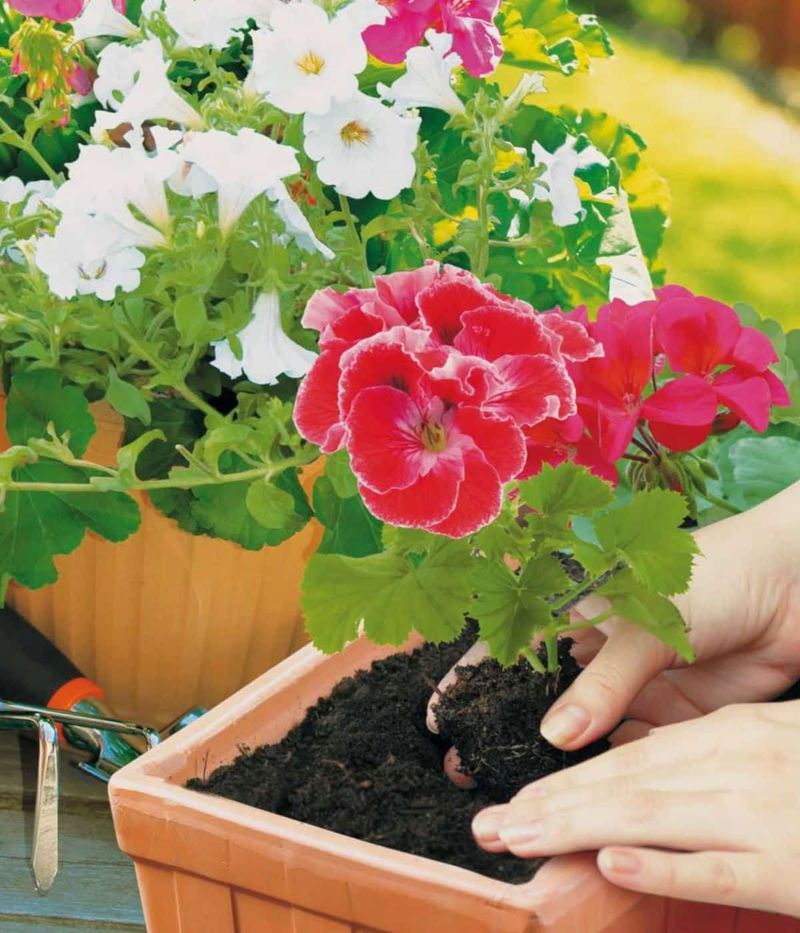
Not all bagged soil is created equal, and geraniums notice the difference. Cheap, heavy mixes compact over time and trap water around the roots.
Reach for a light, fluffy, well-draining potting mix instead. The airy texture gives roots room to breathe and keeps water moving through rather than pooling.
Skip the temptation to scoop up dense garden dirt for your containers. It packs down hard in a pot and sets the stage for root problems that eventually show up as pale, thinning blooms.
8. Prevent Overcrowding for Good Airflow
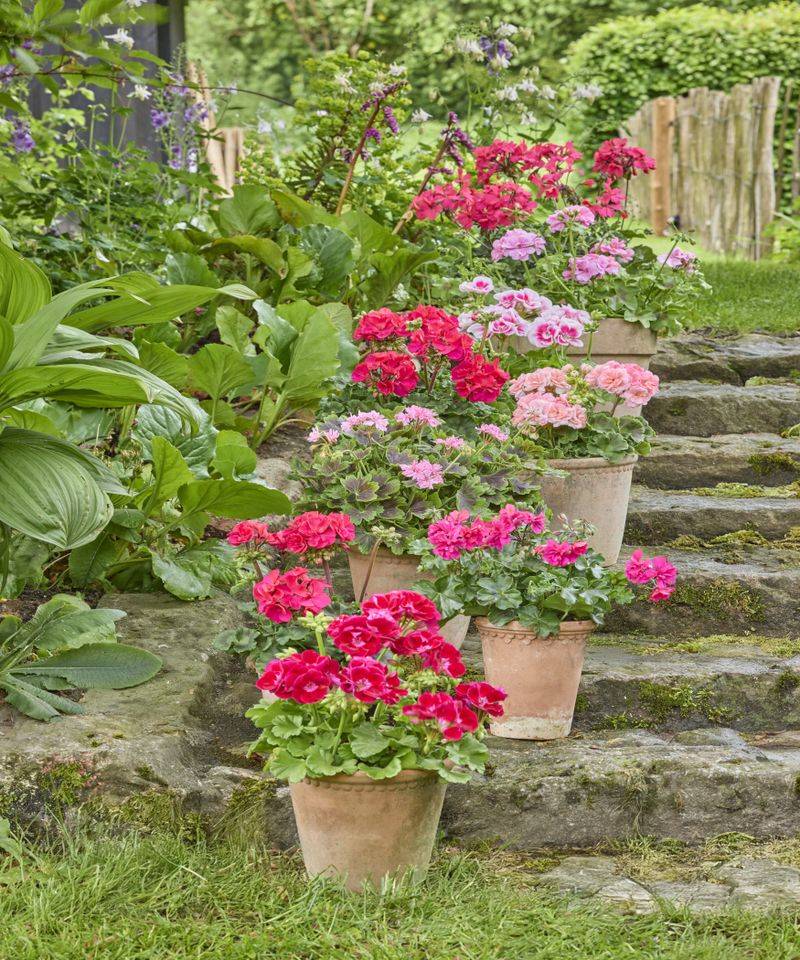
Packing geraniums shoulder to shoulder might look lush at first, but it backfires by midsummer. Crowded plants fight each other for light, water, and nutrients.
Give each one room to breathe by spacing them roughly 12 to 18 inches apart. That gap lets air flow freely between the plants.
Good airflow is your quiet defense against fungal diseases that love damp, stagnant conditions. Space them out and each plant gets enough resources to actually bloom the way it should.
9. Mulch Around Plants to Retain Moisture
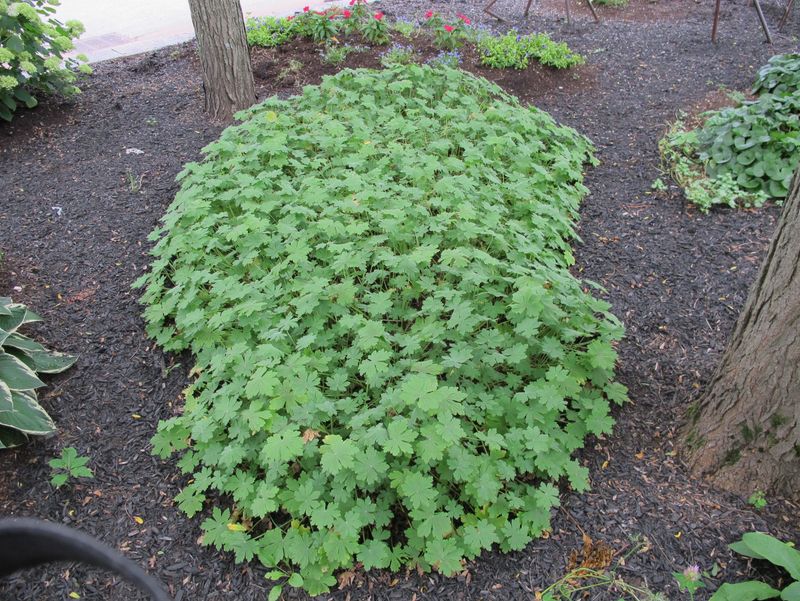
A layer of mulch acts like a cozy blanket for your geranium’s roots during a hot summer. It helps the soil hold onto moisture so you are not watering constantly.
Mulch also keeps the root zone cooler when temperatures spike, which reduces the stress that fades blooms. As it slowly breaks down, it even trickles a few nutrients back into the soil.
One important note: keep the mulch a couple inches away from the stems. Piling it right against the plant traps moisture where you do not want it and can invite rot.
10. Protect from Intense Midday Heat
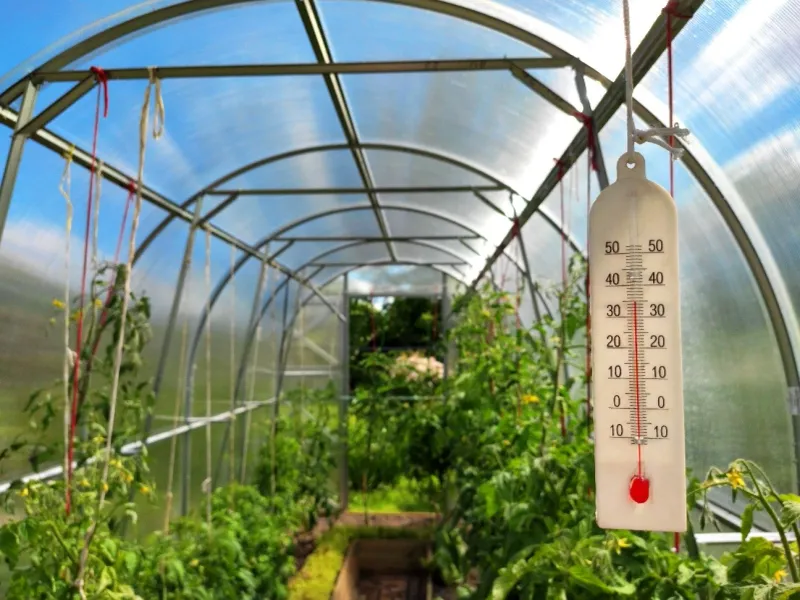
Yes, geraniums love the sun, but there is such a thing as too much of a good thing. In hot climates, harsh afternoon rays can leave plants stressed and their flowers faded.
During a heatwave, give garden geraniums some relief with afternoon shade, whether from a nearby taller plant, a shade cloth, or the shadow of a fence.
Containers make this even easier. Just slide them into a shadier spot when the temperatures climb, then move them back once the worst of the heat passes.
That small shuffle can save a whole flush of color.
11. Avoid Watering Foliage from Above
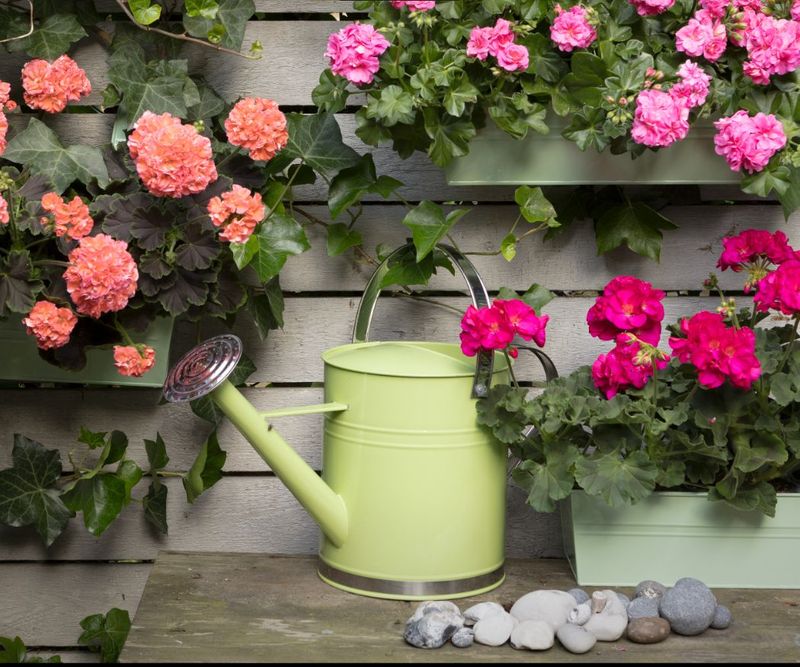
How you aim the watering can matters more than most people realize. Splashing water over the leaves and flowers might seem harmless, but it speeds up the aging of your blooms.
Wet foliage that lingers into the evening becomes a welcome mat for fungal diseases. The flowers themselves also tend to fade faster when they stay damp.
Point the spout at the base of the plant and let the roots do the drinking. Keeping the foliage dry is one of the simplest ways to keep blooms crisp and healthy longer.
12. Regularly Remove Damaged or Yellowing Leaves
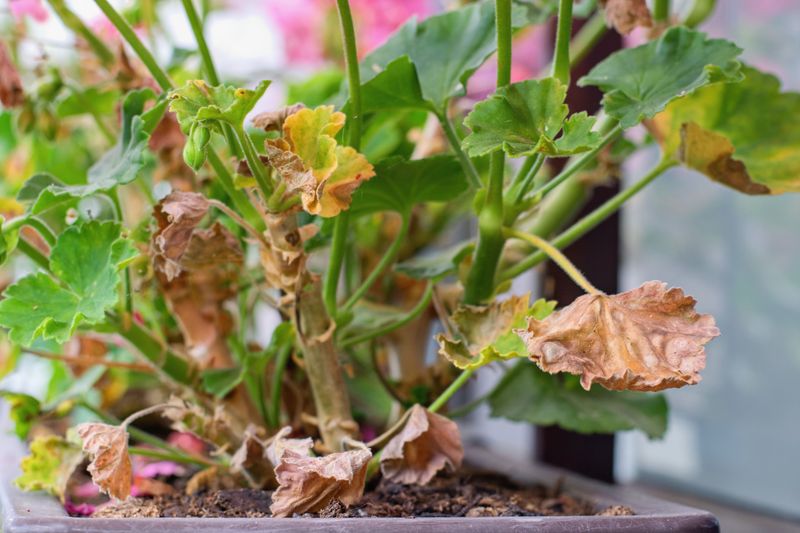
While you are already out there deadheading, take an extra minute to tidy up the leaves. Yellowing foliage, broken stems, and weak branches are all worth pulling off.
Clearing them out does more than neaten the plant’s appearance. It improves airflow and stops struggling parts from siphoning energy away from your blooms.
Removing sad-looking leaves also cuts down on the chance that disease takes hold and spreads. Think of it as routine housekeeping that keeps the whole plant healthier.
13. Maintain Slightly Acidic to Neutral Soil pH
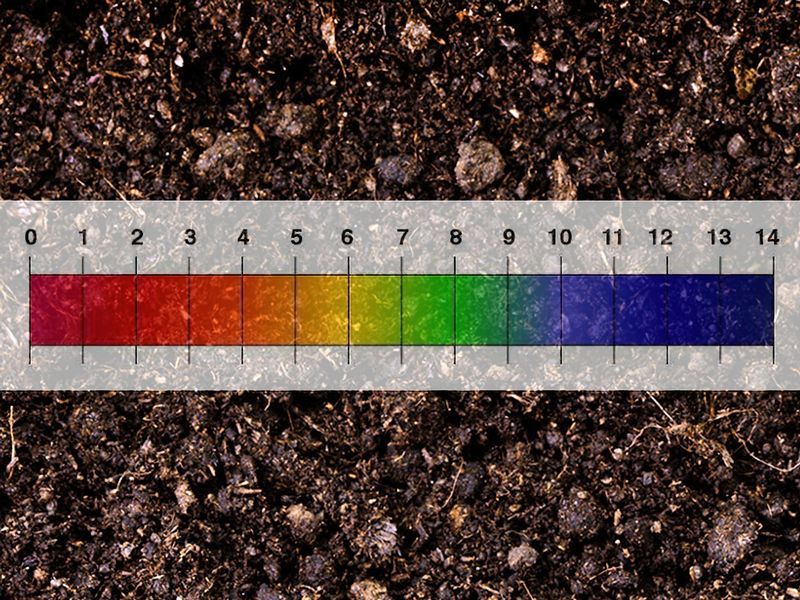
Soil chemistry sounds intimidating, but it quietly controls how well your geraniums can eat. These plants do best in soil that runs slightly acidic to neutral, roughly a pH of 6.0 to 6.5.
When the pH drifts too far off, the plant struggles to absorb nutrients even if you are fertilizing faithfully. That hidden roadblock can show up as lackluster blooms.
A simple soil test kit tells you where you stand and whether you need to make a small adjustment. It is an easy check that clears the way for better color.
14. Monitor and Manage Pests and Diseases
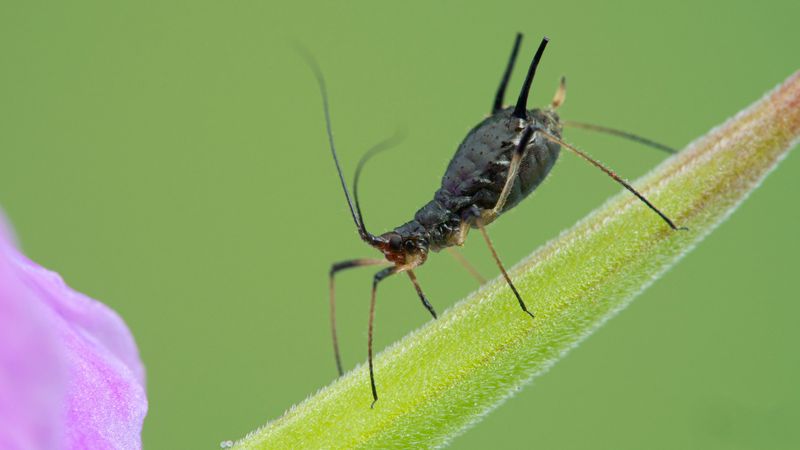
Geraniums are tough plants, but they are not bulletproof. Now and then aphids move in, or powdery mildew leaves its telltale dusty coating on the leaves.
Getting in the habit of a quick weekly inspection means you catch trouble while it is still small and easy to handle. Flip a few leaves over and look at the new growth where pests like to hide.
Early treatment can keep these problems from ever reaching your flowers. A pest-free, disease-free plant simply has more energy to spend on producing the bright blooms you planted it for.
15. Repot Root-Bound Container Geraniums
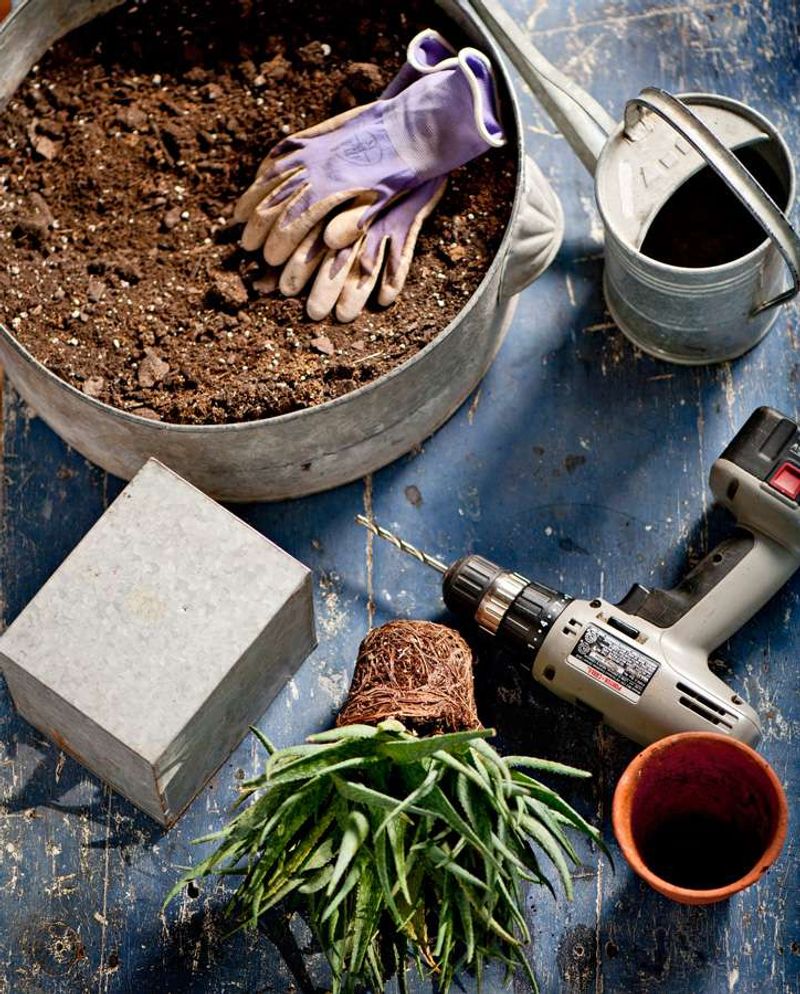
Sometimes a geranium that has quit blooming is simply out of room. When roots circle around and around inside the pot, the plant becomes root-bound and its flowering fades.
Tip the plant out and take a look. If you see a dense, tangled mass of roots or the potting mix looks tired and worn out, it is time for a change.
Move it into a slightly larger container with fresh potting mix, gently loosening those crowded roots as you go. The extra space and new nutrients often wake the plant right back up and bring a fresh round of color.
Give these fifteen habits a try, and by the time the rest of the neighborhood’s geraniums are fizzling out, yours will still be putting on a show.