
If Hummingbirds Have Stopped Visiting Your Feeder, Here Are 13 Mistakes Quietly Driving Them Away
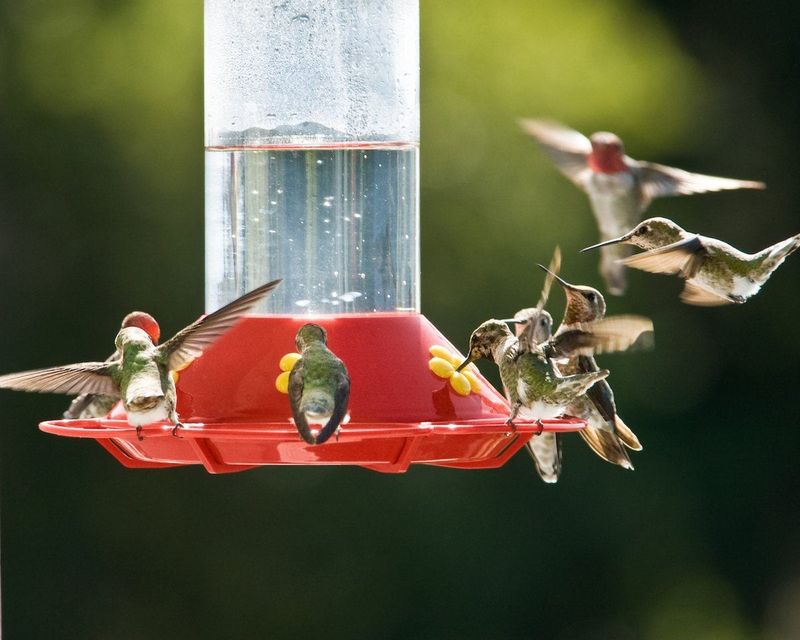
You hung the feeder, filled it with sweet nectar, and waited for those tiny flashes of color to show up. Then one day, they just stopped coming.
The good news is that hummingbirds rarely vanish for no reason, and most of the causes are small habits you can fix today. Here are 13 quiet mistakes that might be scaring them off, along with easy ways to win them back.
1. Dirty Feeders and Spoiled Nectar
A picky eater is exactly what a hummingbird becomes when the nectar goes bad. In warm weather, sugar water can ferment or grow mold in just a day or two, turning cloudy, developing black specks, or giving off a sour smell.
Those little signals tell a bird to stay far away, and spoiled nectar can actually make them sick. If you spot stringy strands or a milky color, dump it immediately.
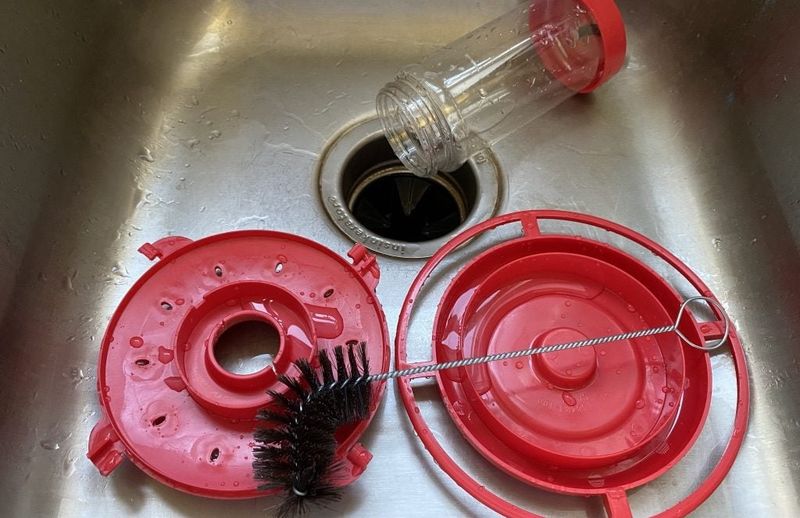
The fix is simple but takes a little discipline. Clean your feeder at least once a week, bump that up to two or three times weekly in hot or humid weather, and daily during heat waves.
Take the whole thing apart and scrub the bottle, base, ports, and cap. Hot water with a little mild soap works, or a weak vinegar solution, but rinse and dry everything so no residue lingers.
Many people just clean it every single time they refill.
2. An Incorrect Nectar Recipe or Harmful Additives
Getting the recipe wrong is one of the sneakiest ways to lose your visitors. Hummingbirds need a sugar-to-water ratio that copies real flower nectar, and anything fancier can actually hurt them.
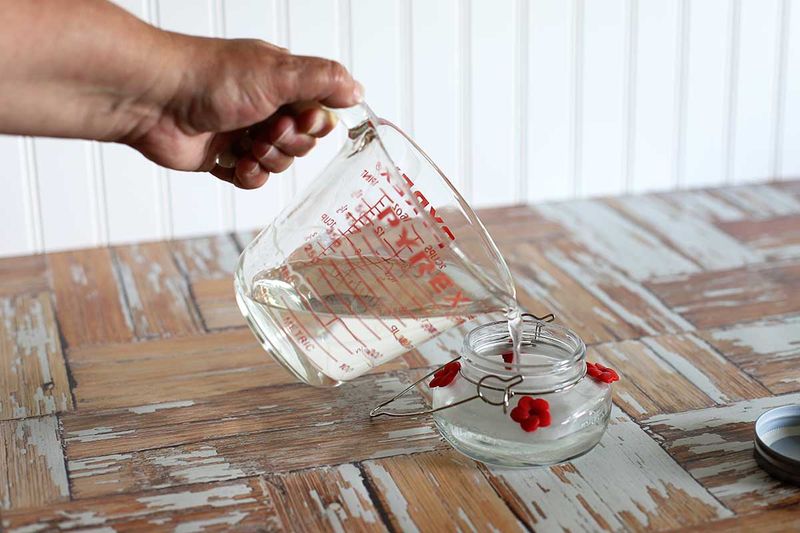
Stick with the gold standard: 1 part refined white cane sugar to 4 parts water. Stir until fully dissolved and let it cool to room temperature before filling.
Seasonal tweaks are fine. In chilly early spring you can offer 1 part sugar to 3 parts water for an energy boost, and in blazing heat a 1-to-5 mix helps with hydration.
Skip the red dye entirely, since the red on your feeder is plenty of attraction and the dye may do more harm than good. Never use honey, brown sugar, artificial sweeteners, or fruit juice, which can grow dangerous bacteria or simply offer nothing worth the trip.
3. Placing Feeders in Direct Sunlight
Baking in the full sun all day is rough on nectar. Constant heat speeds up fermentation and lets mold and bacteria bloom, so your fresh batch can spoil by lunchtime.
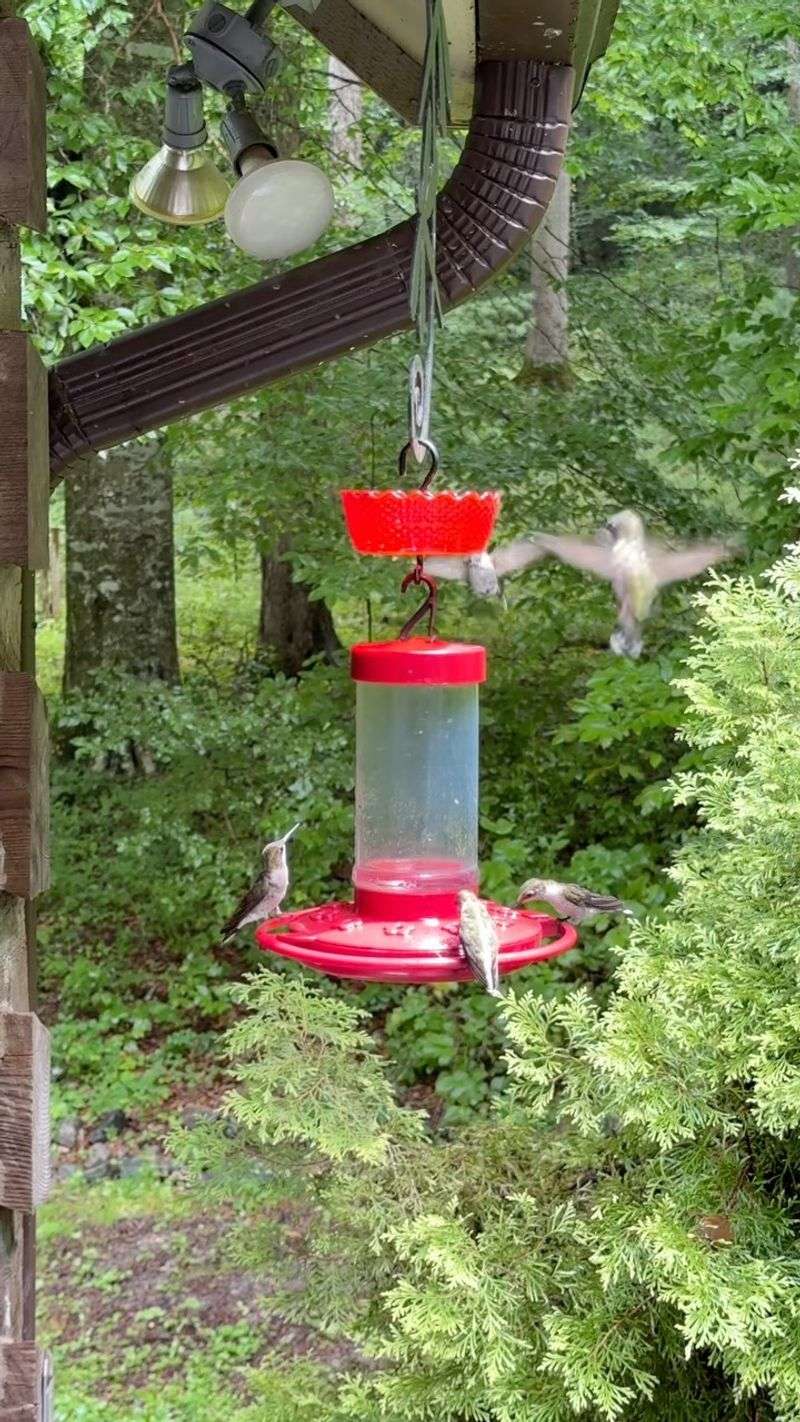
Tuck the feeder into partial shade instead. A spot that gets gentle morning sun and cooler afternoon shade is close to ideal.
Morning light helps hummingbirds warm up after a cold night, while the shade later on keeps their food fresh and drinkable much longer. Good hiding spots include under a tree canopy, along an east-facing wall, or beneath a porch overhang.
Even moving a feeder a few feet into shadier territory can stretch how long the nectar stays safe, which means fewer cleanings and more happy sippers.
4. An Unsafe Feeder Placement Near Predators, Windows, or Bad Heights
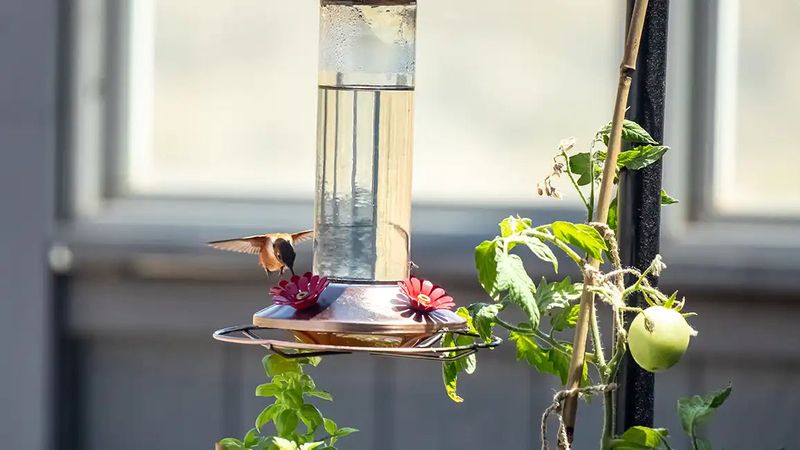
Safety shapes where a hummingbird feels comfortable feeding. If a spot feels risky, they simply won’t linger.
Cats top the danger list. Hang feeders four to five feet off the ground and away from fences so a stalking cat has nowhere to hide, and keeping pet cats indoors is the best protection of all.
Height matters beyond predators too. Four to six feet is the sweet spot, since too low invites ground hunters and too high makes cleaning a chore while letting the feeder sway wildly in the wind.
Windows deserve careful thought as well. Place feeders very close to the glass, within three feet, or far away at more than 30 feet, because birds can mistake reflections for open sky and crash into the pane.
5. Lacking Nearby Cover or Perches
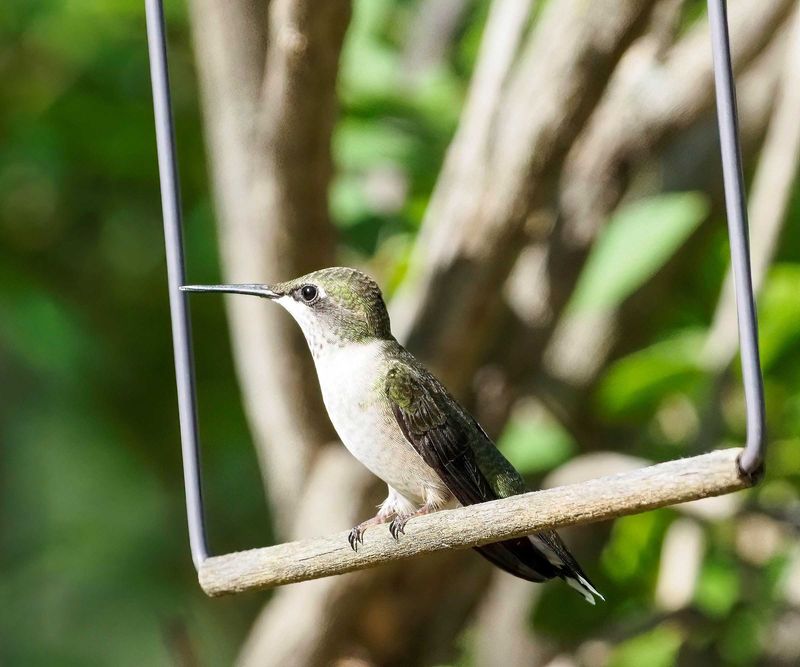
People forget that hummingbirds spend most of their day resting, not zooming around. All that hovering burns huge amounts of energy, so they need safe places to perch and catch their breath.
Set your feeder near shrubs or a small tree, roughly 10 to 15 feet away, giving birds a quick retreat when they want to rest or dodge trouble.
Avoid packing dense foliage right up against the feeder, though, because thick leaves give predators a place to hide. Aim for open, clear flight paths in and out.
A comfy perch close by often turns a quick sip into a longer, more frequent visit. Some feeders even come with tiny built-in perches, which many birds happily use between rounds.
6. Allowing Pest Infestations of Ants, Bees, and Wasps
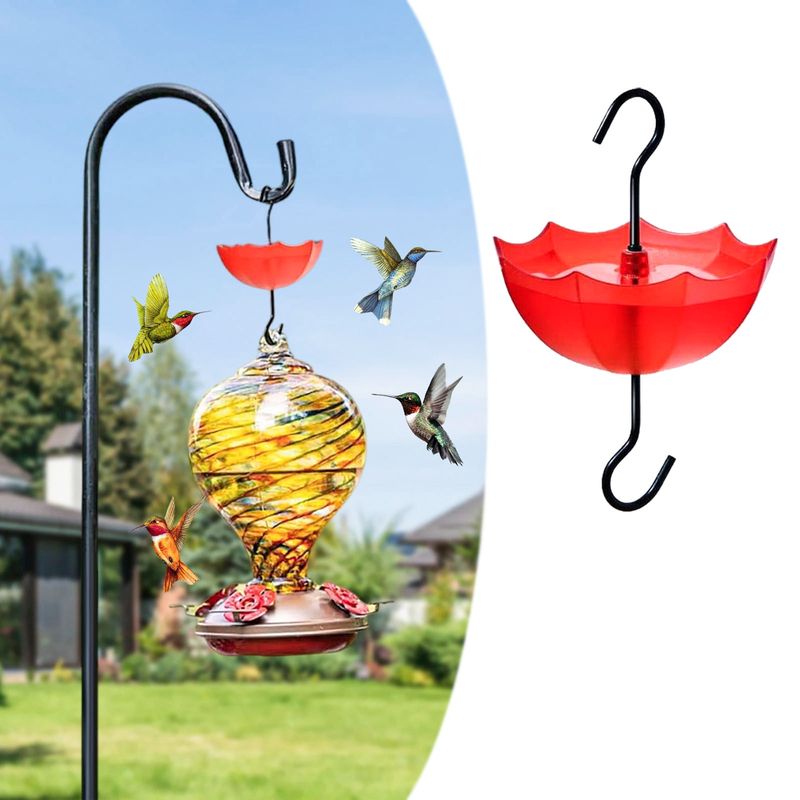
Sweet nectar is a magnet for more than just hummingbirds. Ants, bees, and wasps all crash the party, and their presence can drive shy hummingbirds off entirely.
For ants, try an ant moat, which is a little water-filled barrier above the feeder, or pick a saucer-style feeder that keeps nectar out of reach. Keeping the feeder clean and leak-free removes the sticky trail that draws them in.
For bees and wasps, use feeders with bee guards or long, flower-shaped ports they cannot squeeze into. Skip any feeder with yellow parts, since yellow calls insects in, and go all-red instead.
One important warning: never smear petroleum jelly, cooking oil, or insecticides on or near the feeder, because these can coat feathers and seriously harm the birds. A separate wasp trap with a stronger 1-to-1 sugar mix set far away can lure the pests elsewhere.
7. Having Too Few Feeders or Poor Spacing
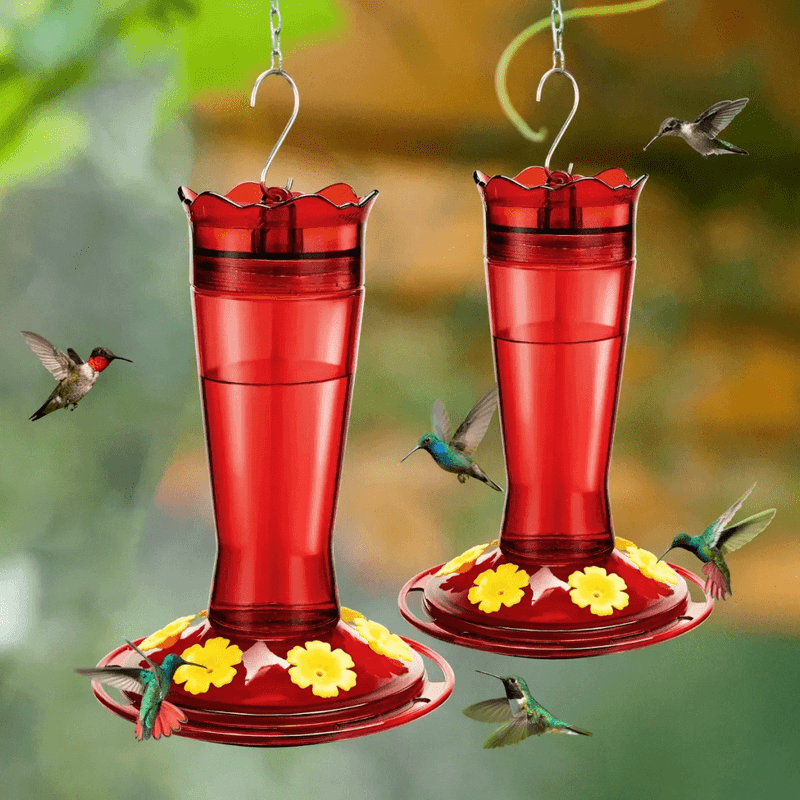
Here’s a surprise for many backyard hosts: one bully can guard your whole buffet. Male hummingbirds are famously territorial and will chase off every rival that dares approach a single feeder.
The trick is to offer more than one. Spread a few feeders around your yard, ideally on opposite sides where a guard bird cannot watch them all at once.
Keeping feeders at least 10 feet apart, or better yet out of sight from one another, spreads out the traffic. Suddenly the tough guy can’t defend everything, and shy birds finally get a turn.
More feeding stations often means more birds overall, which is exactly the busy, buzzing yard most people are hoping for.
8. Putting Feeders Out Too Late or Taking Them Down Too Early
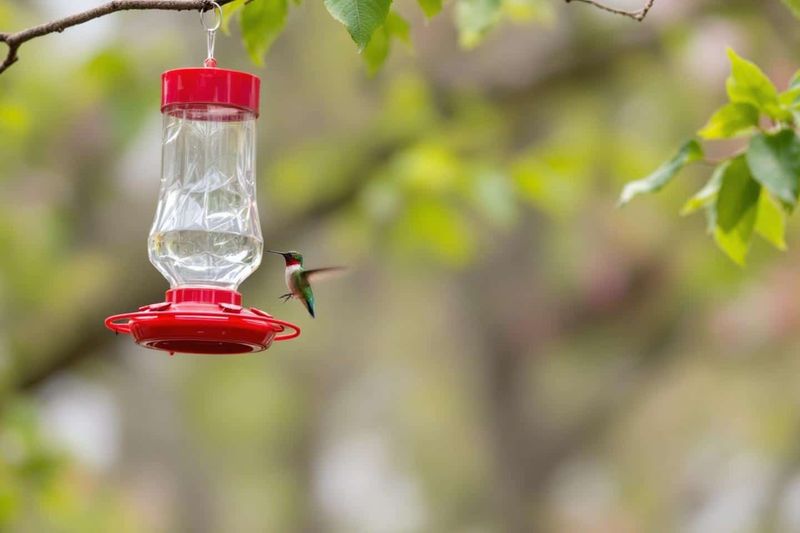
Timing can quietly cost you the whole season. Hummingbirds lean on feeders hardest during migration, when natural food is thin on the ground.
Hang your feeder about one to two weeks before the birds usually arrive in your area, earlier in the South and later up north. Early arrivals will remember the yard that fed them first.
Fall timing trips up a lot of folks who fear feeders keep birds from leaving. That’s a myth, because hummingbirds migrate based on shrinking daylight, not on whether food is around.
Leave your feeder up for roughly two weeks after your last sighting, or year-round if resident hummingbirds live nearby. Those late-season feeders give exhausted migrants the fuel they need for a long journey.
9. An Abundance of Natural Nectar Sources Nearby
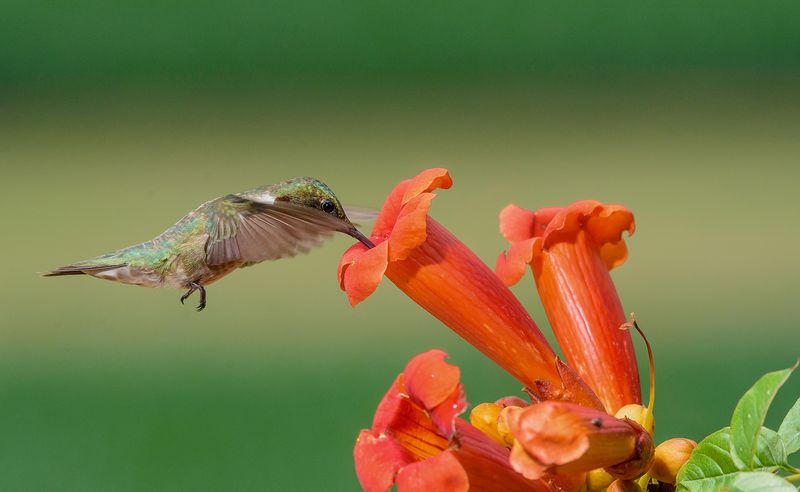
Sometimes an empty feeder is actually good news. When flowers are blooming everywhere, hummingbirds naturally choose fresh, living nectar over your bottle, and that means the neighborhood is healthy.
This overlooked reason catches many people off guard mid-summer, when gardens and wild areas explode with blossoms. Your feeder isn’t failing, it just has competition.
You can still tip the odds in your favor. Plant native, nectar-rich flowers, especially red or orange tubular kinds like cardinal flower, bee balm, trumpet vine, salvia, fuchsia, and petunias.
A yard full of their favorite blooms keeps birds hanging around, and once natural sources fade, they’ll happily return to the feeder they already know.
10. Nesting Season Keeping Them Busy
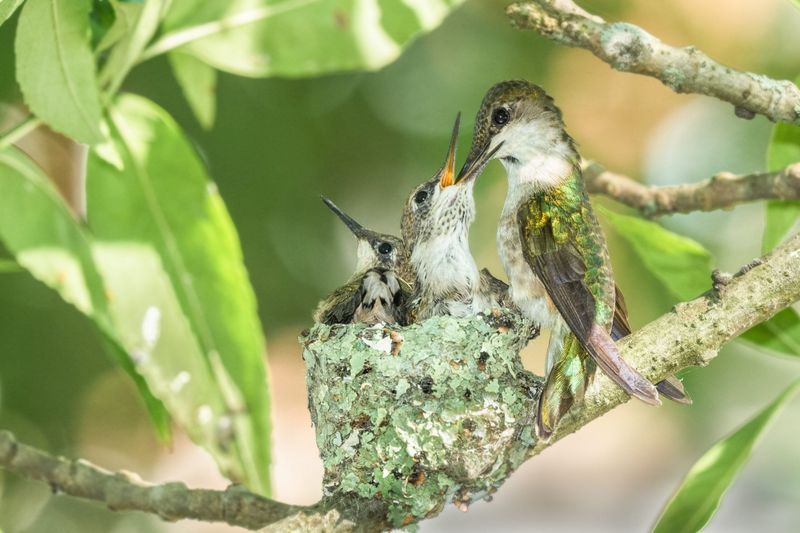
From mid-May through late July, the whole hummingbird world shifts gears. Female hummingbirds are deep into nesting, and their priorities change fast.
Instead of sugar, mama birds go hunting for insects and spiders, which give their growing chicks the protein they need. That means fewer feeder visits, even from birds who loved it a month ago.
Males can go quiet too, spending their time defending territory or chasing mates rather than showing off at the feeder. It can look like everyone left overnight.
Patience is really the only fix here. Keep the feeder clean and stocked with fresh nectar, and once the chicks fledge and start exploring, visits usually bounce right back, often with brand-new young faces.
11. Extreme Weather Changes
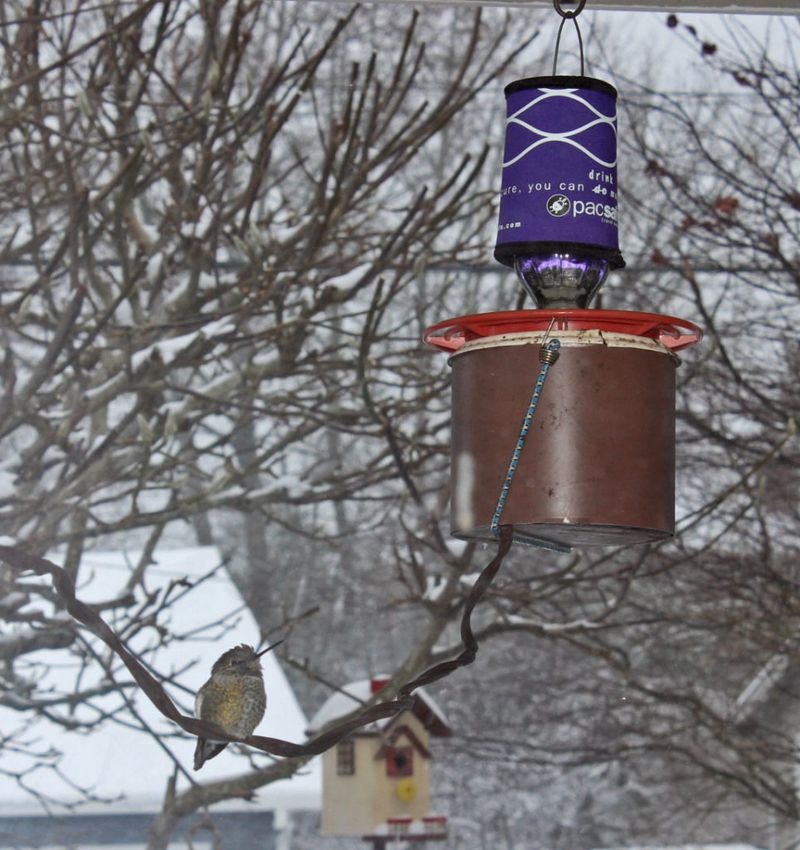
Weather quietly rewrites hummingbird behavior all season long. A stretch of blistering heat or a soaking storm can empty your feeder without any mistake on your part.
In extreme heat, nectar spoils fast and birds go quiet during the hottest hours, resting in the shade to avoid overheating. Changing the nectar daily during heat waves keeps it safe to drink.
Heavy rain brings its own trouble, sometimes diluting the nectar in open feeders until it’s watery and unappealing. Setting feeders out at first light and again in the cooler late afternoon can catch birds when they’re most active.
During cold snaps or long rainy spells, hummingbirds often hunker down in shelter, so a slow day may simply mean they’re waiting out the weather.
12. Using the Wrong Type of Feeder
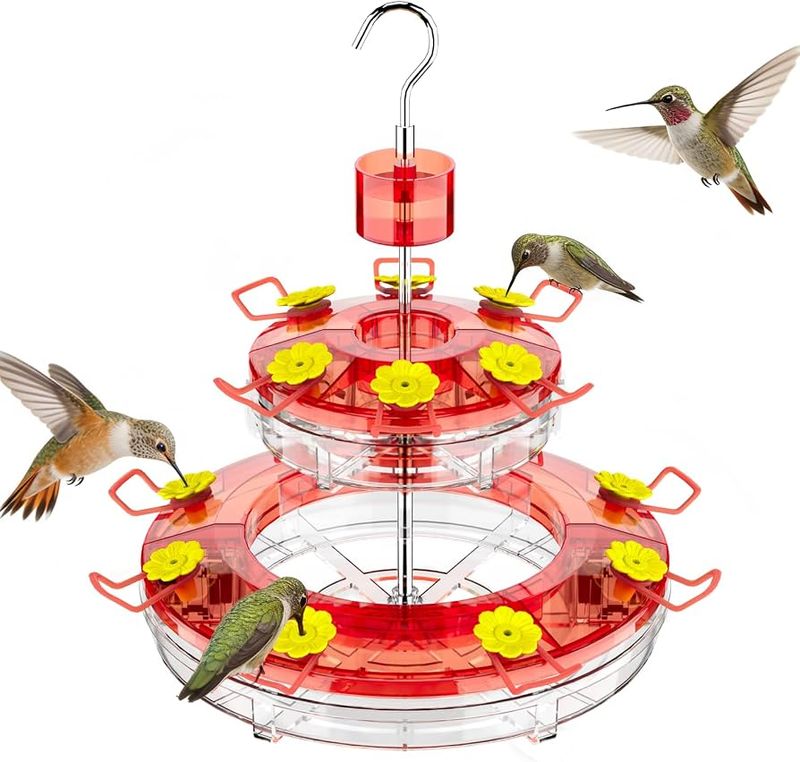
Not every feeder on the shelf is built with hummingbirds in mind. The wrong design can quietly work against you no matter how good your nectar is.
Look for feeders that come apart easily and scrub clean, because tiny openings and fussy parts trap mold and bacteria you can never fully reach. If you can’t clean it well, it isn’t worth using.
Color counts too. Avoid yellow parts that invite bees and wasps, and choose red feeders or ones with red ports that hummingbirds spot from a distance.
Saucer-style feeders are a smart pick for many yards, since they hold nectar below the ports where insects struggle to reach it. A little thought at purchase saves you endless headaches later.
13. Over-Relying on Feeders Without Natural Plants
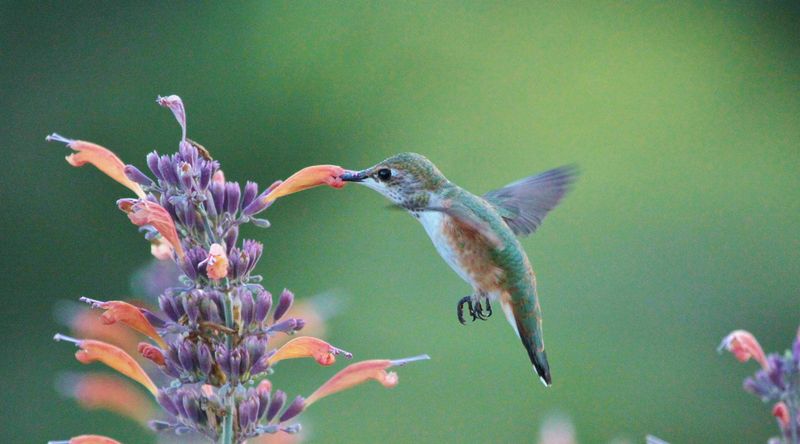
A feeder alone is a bit like a snack machine with no real meals. It helps, but it can’t offer everything a hummingbird needs to thrive.
Natural flowering plants give a richer, more complete menu, and just as importantly they draw in the small insects and spiders that provide crucial protein. Nesting females especially depend on that protein for their young.
Weave native, nectar-rich blooms into your garden alongside the feeder. Salvia, bee balm, cardinal flower, and fuchsia all pull double duty by feeding birds and hosting the bugs they hunt.
When you combine reliable feeders with a living, blooming habitat, your yard becomes a place hummingbirds return to again and again, season after season. That mix is the real secret to a busy backyard.