
If Your Tomatoes Turn Out Small And Bland, Here Are 13 Things To Drop In The Planting Hole For The Juiciest Harvest Yet
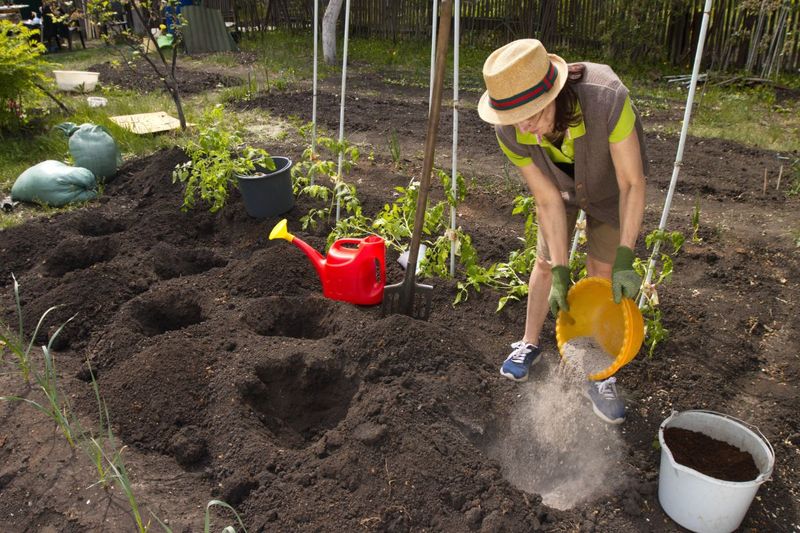
You babied your tomato plants all summer, and yet the fruit came out tiny and tasted like watery cardboard. The secret to big, sweet tomatoes often starts before the plant even goes in the ground, right in the bottom of the planting hole.
What you tuck down there feeds the roots exactly when they need it most. Here are 13 simple things you can drop in that hole to set your plants up for the juiciest harvest you have ever pulled off the vine.
1. Compost or Well-Rotted Manure
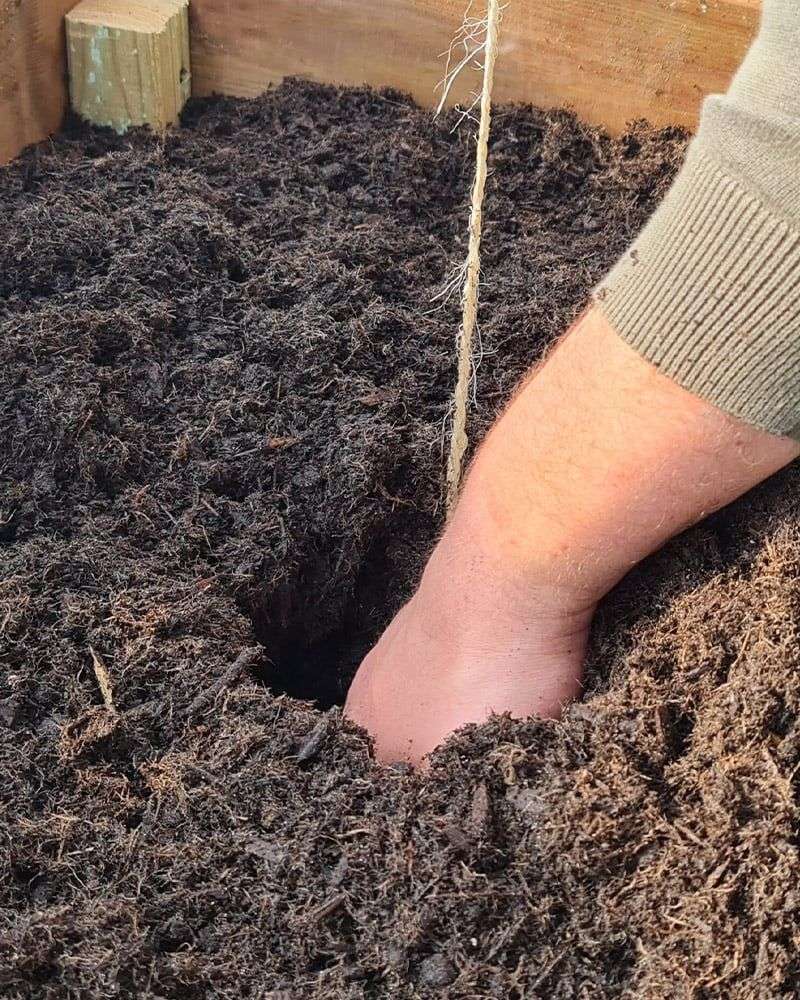
Think of a couple handfuls of compost as a welcome basket for your tomato roots. It slowly hands out nitrogen, phosphorus, and potassium over the whole season instead of dumping everything at once.
Well-rotted manure does the same job while loosening heavy soil so water and air move freely. Both are loaded with helpful microbes that feed your plant and quietly fight off soil-borne diseases.
Just make sure any manure is aged and crumbly, never fresh, since raw manure can burn tender young roots. A generous scoop at planting is one of the cheapest upgrades you can make.
2. Crushed or Powdered Eggshells
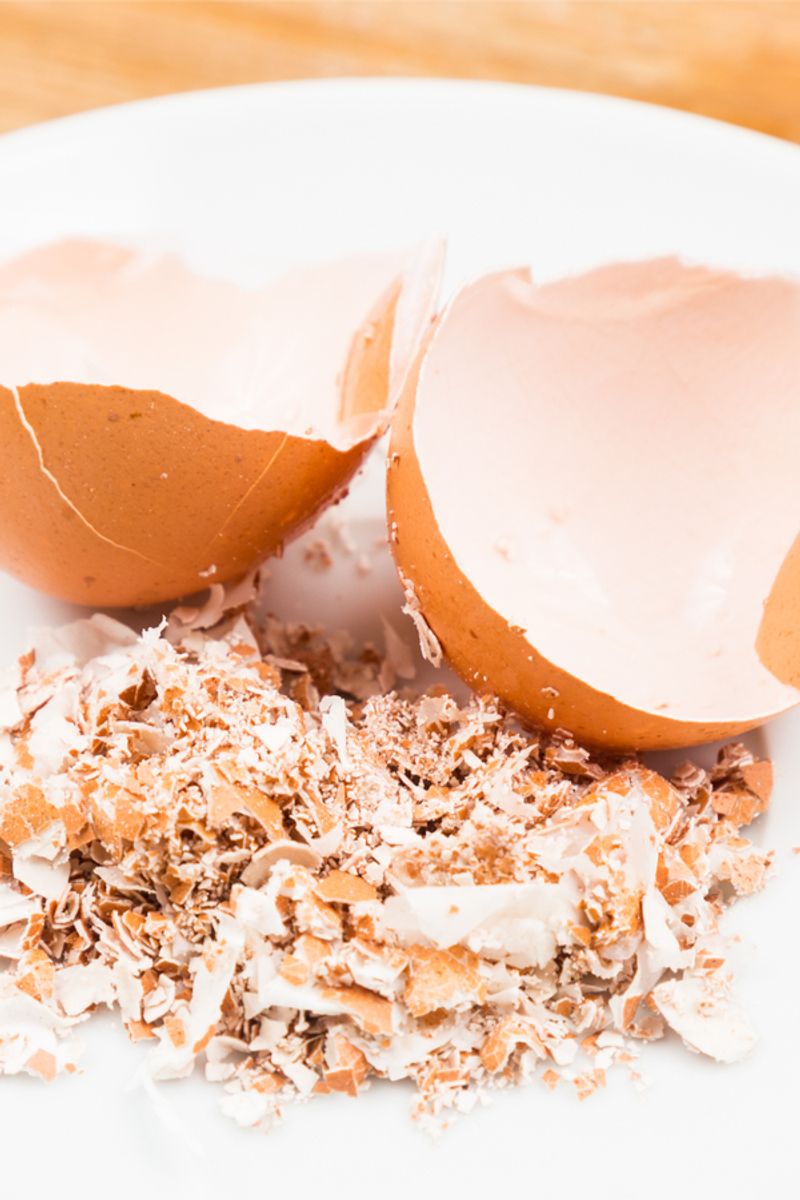
Do not toss those breakfast eggshells in the trash when your tomatoes could put them to work. Ground into a fine powder, they release calcium that helps stop blossom end rot, the frustrating dark sunken spot that ruins the bottom of a fruit.
The finer you grind them, the faster they break down and actually reach the roots. Whole halves look pretty but take ages to decompose.
A bonus is the trace minerals they carry along, like a little magnesium and phosphorus. Save a bowl of shells over the winter and you will have plenty by planting time.
3. Bone Meal
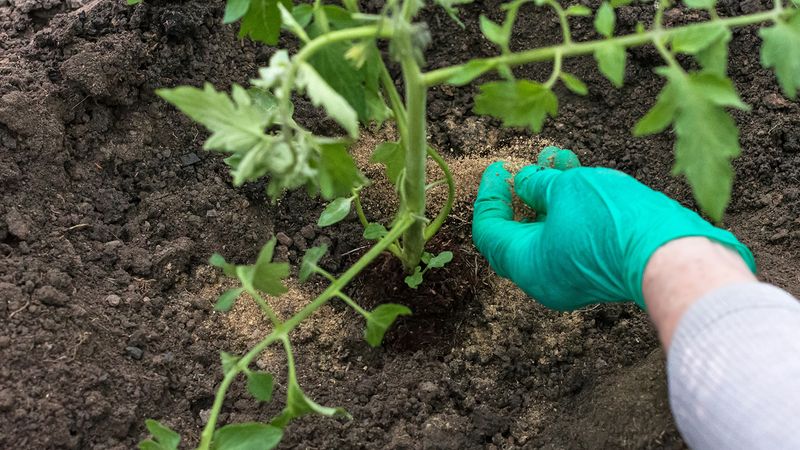
Strong roots and heavy fruit set both start with phosphorus, and bone meal is one of the best slow-release sources around. It feeds gradually, so your plant gets a steady supply as it builds its underground network.
Along with phosphorus, bone meal brings calcium to the party, which supports firm cell walls and helps ward off blossom end rot.
Sprinkle a tablespoon or two into the hole and mix it into the loose soil at the bottom. Because it works slowly, one application at planting carries your plant a long way.
4. Worm Castings
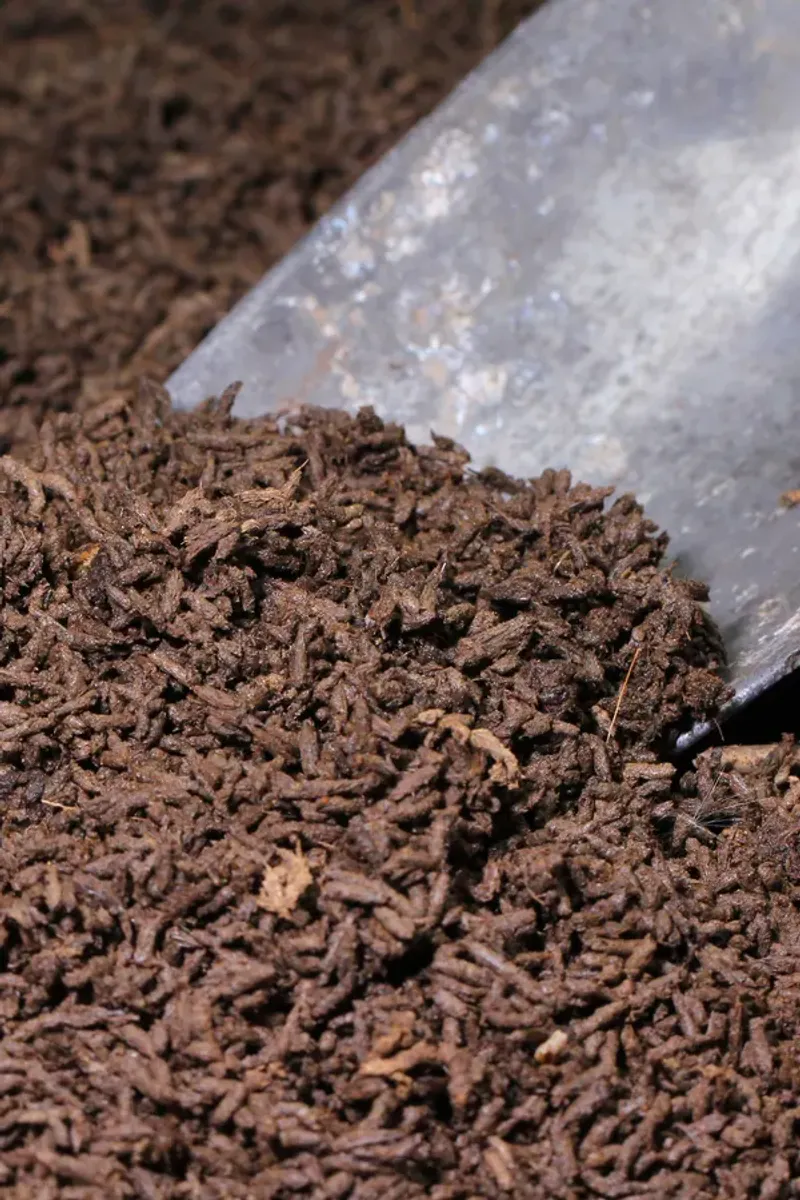
Gardeners sometimes call worm castings black gold, and once you see what they do for tomatoes you will understand why. These little pellets are packed with nutrients in a form roots can grab right away, so growth takes off fast.
Beyond feeding, castings improve the crumbly texture of your soil and help it hold onto moisture during dry stretches.
They also come loaded with beneficial microbes, and some gardeners swear the natural compounds in them help keep certain pests at bay. A handful in the hole goes a long way toward a lush, productive plant.
5. Mycorrhizal Fungi
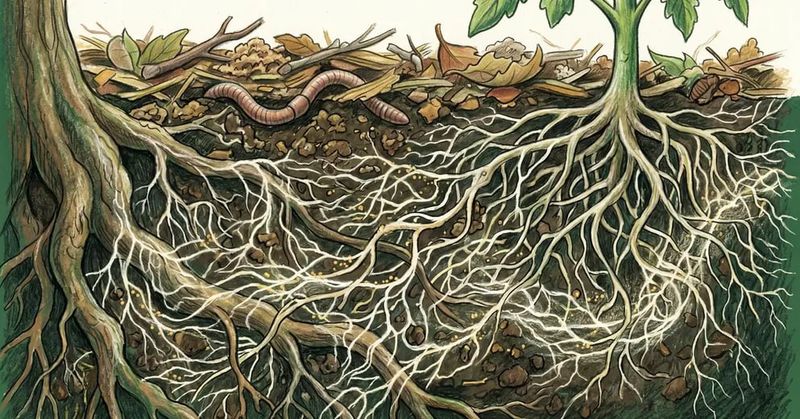
Here is a tiny partner that works underground where you cannot see it. Mycorrhizal fungi form a friendly bond with tomato roots, stretching out like an extra web of threads that pulls in water and nutrients, especially phosphorus, from far beyond the reach of the roots themselves.
The payoff is sturdier plants that handle drought better and often shrug off disease with more ease.
For it to work, the fungi need to actually touch the roots, so dust the powder right onto the root ball or into the hole where the roots will sit. It is a one-time step with season-long benefits.
6. Epsom Salt (Magnesium Sulfate)
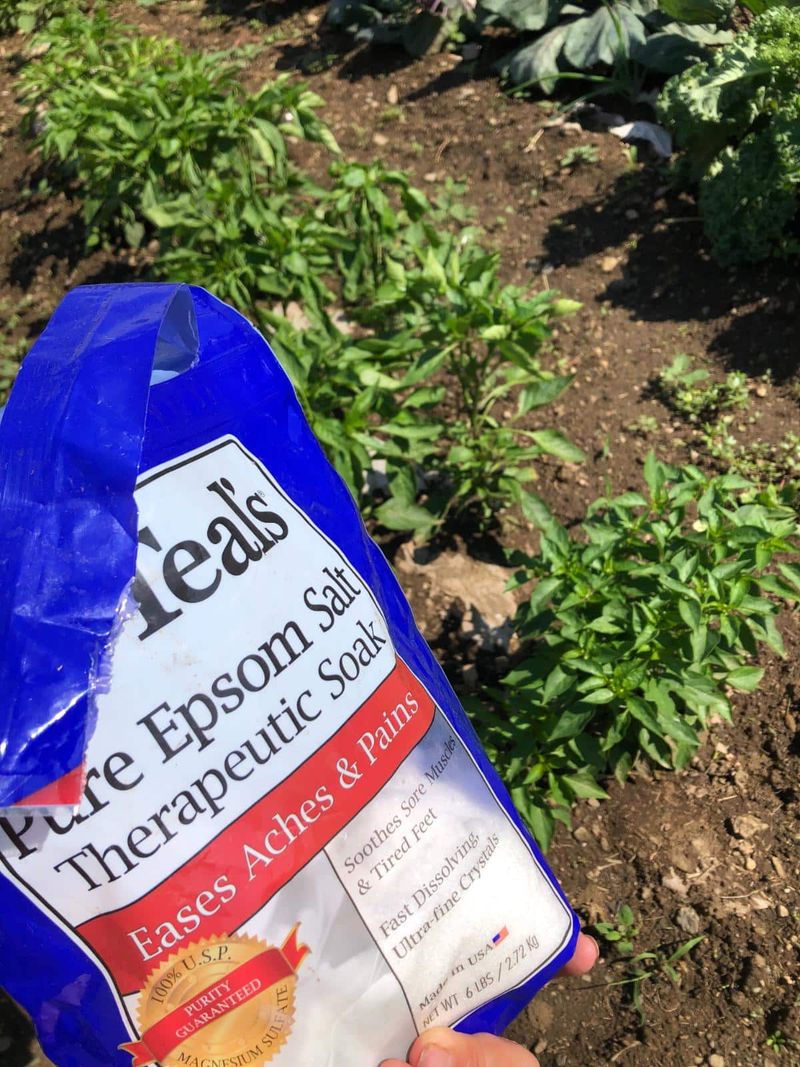
If your tomato leaves have turned yellow between the veins, a magnesium shortage might be the culprit, and Epsom salt is a quick fix. Magnesium is the heart of chlorophyll, the stuff that lets leaves turn sunlight into energy, and it also helps the plant soak up other nutrients.
The sulfur it carries pitches in on root growth too.
Go easy here, about one to two tablespoons per hole, and cover it with a thin layer of soil so it never touches the roots directly. It helps most when your soil is genuinely short on magnesium, so it is not a fix every garden needs.
7. Spent Coffee Grounds
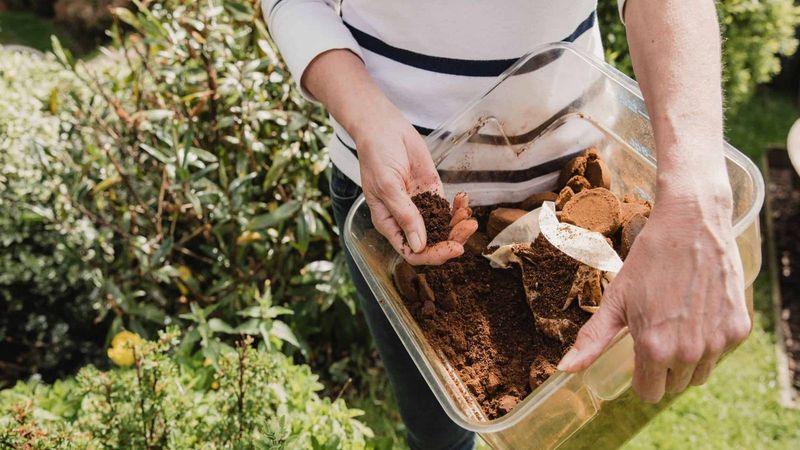
Your morning coffee habit can quietly help your tomatoes thrive. Spent grounds add a gentle dose of nitrogen, phosphorus, and potassium while building up the humus that gives soil a nice crumbly feel.
They also help the ground hold moisture, which young transplants really appreciate as they settle in.
Use grounds that are already brewed or composted rather than fresh ones, since fresh grounds can be acidic enough to slow a plant down. Mix a small amount into the soil so they do not clump into a soggy mat.
8. Wood Ash
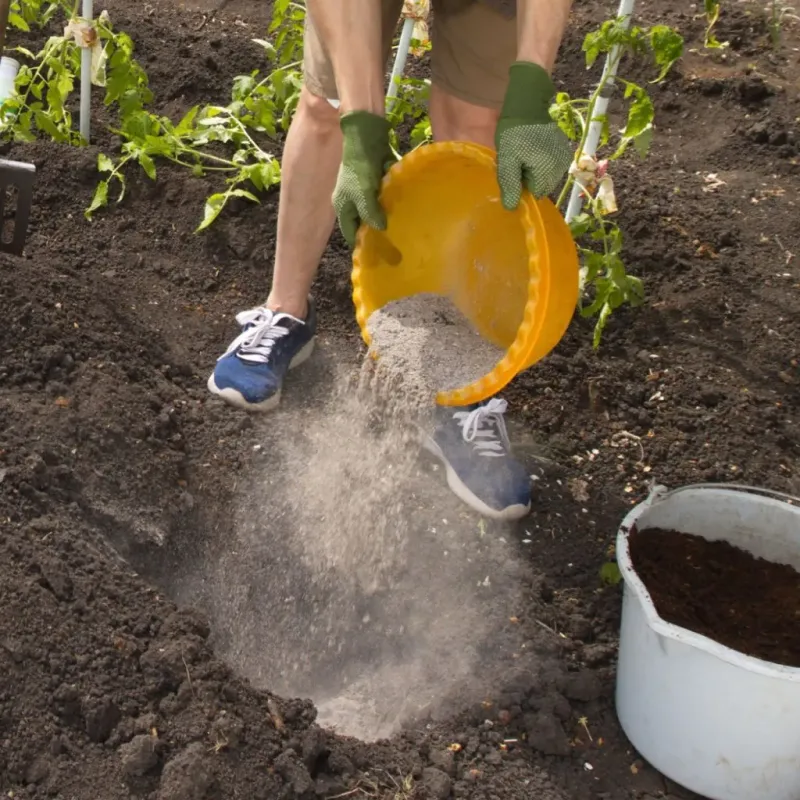
Leftover ash from your fireplace or fire pit can do double duty in the garden. Untreated wood ash delivers calcium for firm fruit and strong cell walls, plus a healthy shot of potassium that fuels flowering and fruit development.
The calcium also helps guard against blossom end rot, so those bottoms stay smooth and clean.
One thing to watch is that ash nudges soil pH upward, which is welcome in acidic soil but can be too much in already alkaline ground. Use just a sprinkle, and skip it entirely if your soil already tests on the high side.
9. Fish Heads or Fish Emulsion
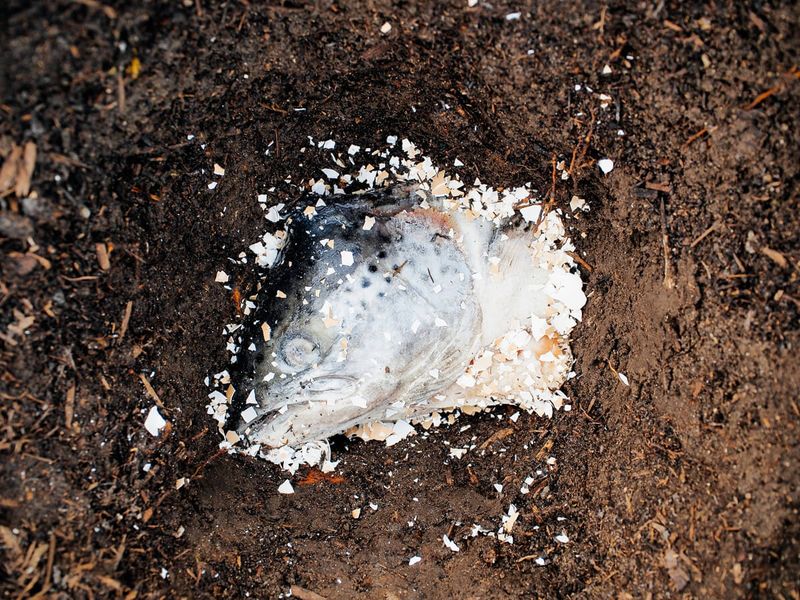
It sounds like an old fisherman’s tale, but burying a fish head under your tomato is a trick that really works. As it breaks down, it releases a slow feast of nitrogen, potassium, calcium, phosphorus, and trace elements right where the roots can find them.
That steady nutrient trickle supports both leafy growth and plump fruit.
Bury it deep, at least a foot down, or you will have raccoons and cats digging up your bed by morning. If the whole fish head idea feels like too much, fish emulsion or fish meal offers the same nutrients with a lot less drama.
10. Blood Meal
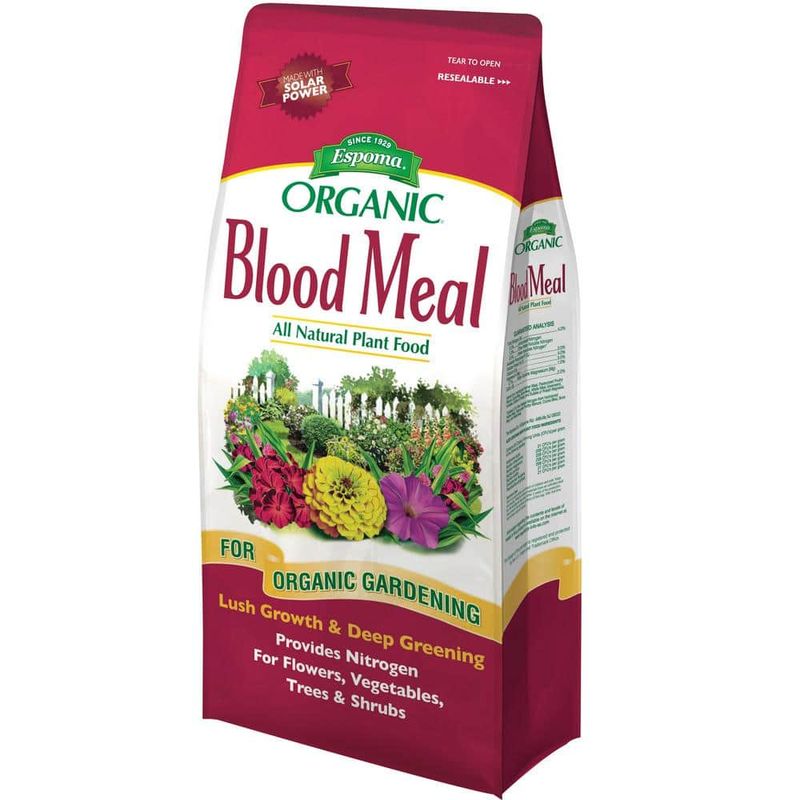
When young tomato plants need a fast green-up, blood meal is the jolt of nitrogen that gets them going. It fuels that early burst of leafy growth so the plant builds a strong frame to hang fruit on later.
Timing matters, though. Too much nitrogen later in the summer pushes the plant to make leaves instead of tomatoes, which is exactly the opposite of what you want.
That is why blood meal shines as a planting-day boost and not a mid-season snack. A light sprinkle in the hole is plenty to launch the season.
11. Chopped Banana Peels
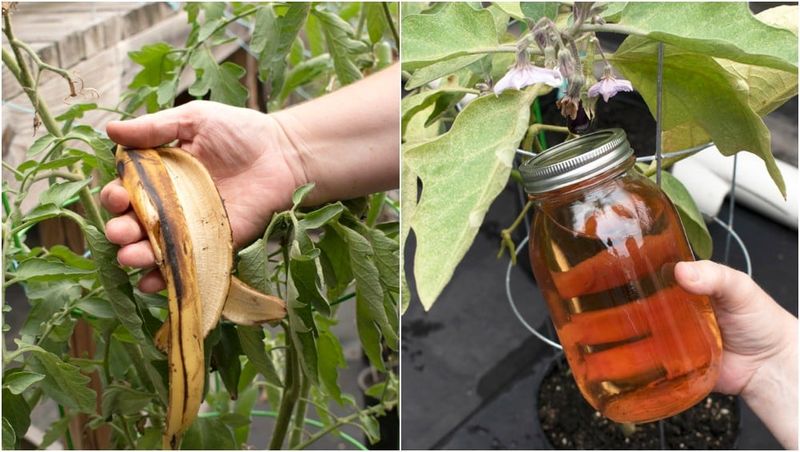
Before you toss that banana peel, remember your tomatoes love potassium and peels are full of it. Potassium is the nutrient behind strong flowering and the plump, well-formed fruit you are hoping for.
Chop the peels into small pieces first so they break down quickly instead of lingering half-rotted in the soil.
Tuck them into the bottom of the hole and cover with soil. It is a zero-cost way to recycle kitchen scraps straight into a sweeter harvest.
12. Aspirin
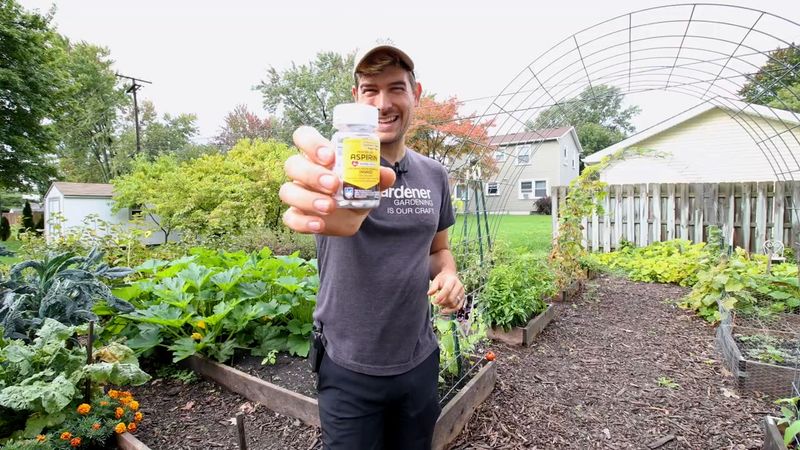
An unexpected item from your medicine cabinet might give tomatoes a helping hand. Aspirin contains salicylic acid, a compound plants naturally make to switch on their own defenses, so dropping a couple tablets in the hole may help boost the plant’s immunity.
Gardeners who try it report it can help fend off troubles like blight and even nudge yields a bit higher.
Use two or three tablets, whole or crushed, and think of it as a gentle assist rather than a guaranteed cure. It is a low-cost experiment that plenty of growers keep coming back to.
13. Gypsum
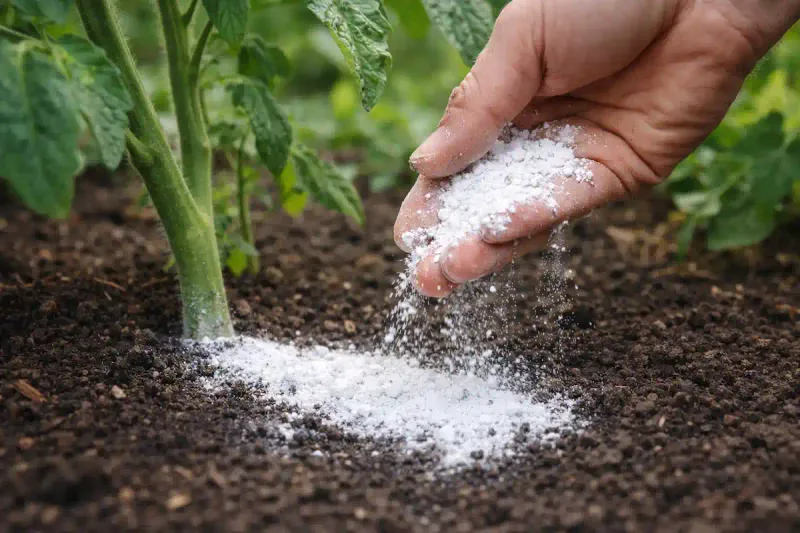
Sometimes your soil is short on calcium but the pH is already right where tomatoes like it, and that is exactly where gypsum earns its keep. It delivers calcium to the plant without shifting the pH the way lime would.
That calcium supports steady fruit development and helps keep blossom end rot from creeping in.
Reach for gypsum after a soil test points to a calcium gap rather than guessing. Used with a little know-how, it fills the exact hole in your soil’s diet without throwing anything else off balance.