
The Native North Carolina Shrubs That Screen Your Yard For Good Where Leyland Cypress Falls Apart
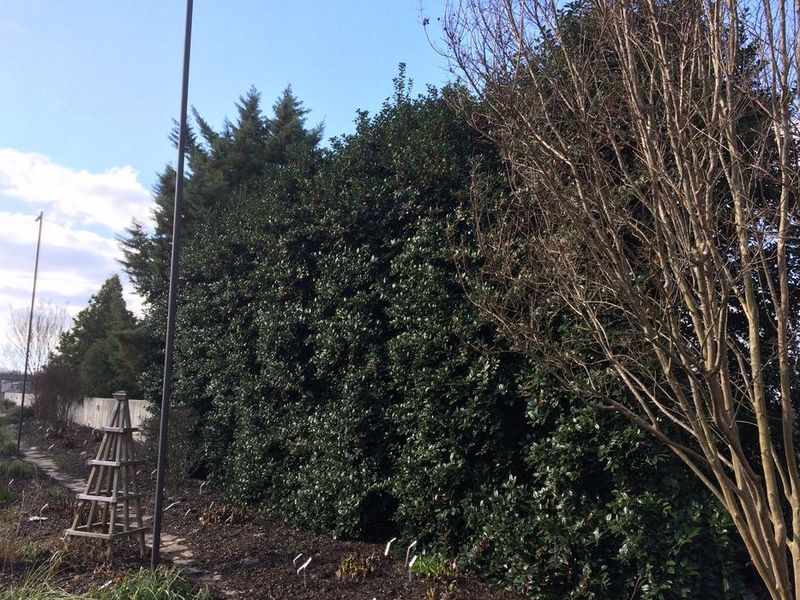
Leyland Cypress once seemed like the fast answer to nosy neighbors, but across North Carolina these trees keep browning out, splitting, and dying in gappy rows after just 15 or 20 years. Our clay soils, muggy summers, and a lineup of fungal diseases simply wear them down.
The good news is that native shrubs can do the same privacy job while feeding birds, sheltering box turtles, and keeping fireflies glowing in your yard. Here are seven tough natives that hold the line for good.
1. Inkberry (Ilex glabra)
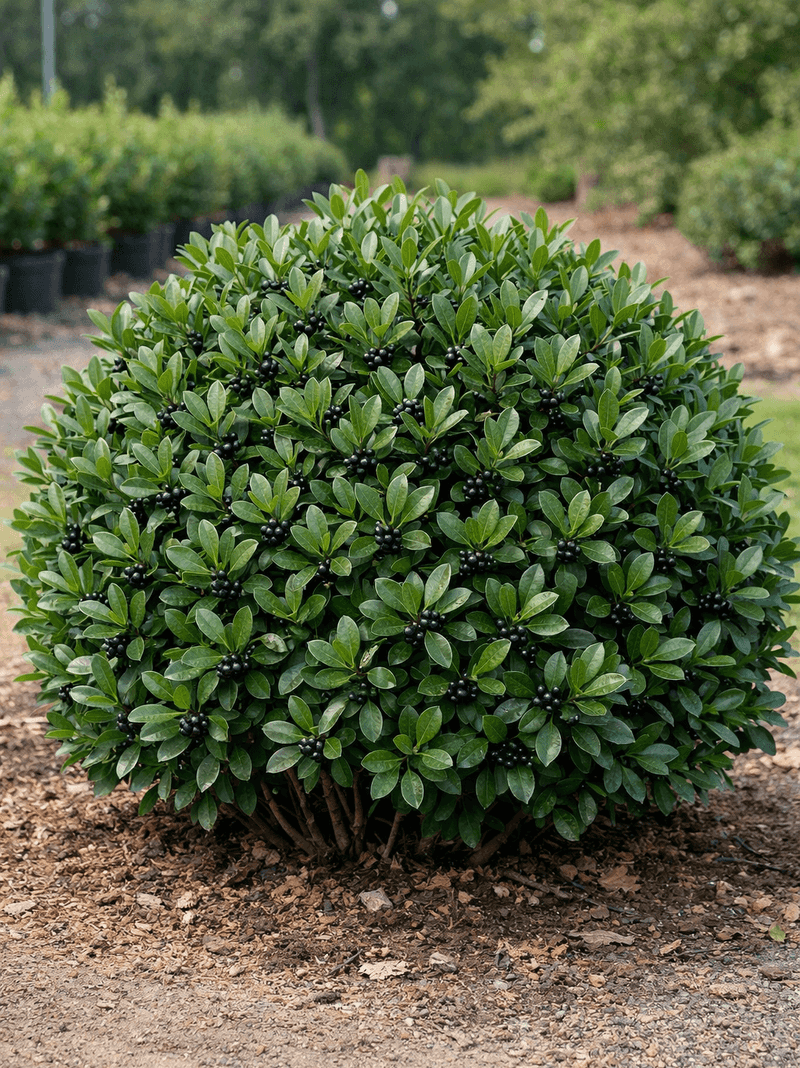
Picture a soft, rounded evergreen that never turns brown on you in July. Inkberry holly hails from North Carolina’s wet pine flatwoods and pocosins, so it shrugs off the poorly drained clay spots that rot out a Leyland Cypress.
Growing 6 to 8 feet tall, it spreads into dense colonies that make a naturally full screen without constant shearing. It handles part shade too, which is handy along a fence line that only gets morning sun.
The cool, moist thickets it forms are quiet gold for firefly larvae, giving them shelter and a hunting ground full of snails and slugs. Female plants set small black berries that feed songbirds straight through winter.
If you want a low-fuss evergreen wall that pulls double duty for wildlife, this is where I would start.
2. Southern Wax Myrtle (Morella cerifera)

If you are impatient for privacy, wax myrtle is your friend. It rockets up 2 to 3 feet a year and can top out at 15 to 25 feet, so a bare fence becomes a green wall in a hurry.
Crush a leaf and you get a spicy, resinous scent that gives away its old nickname of bayberry. Better still, it laughs at drought, salt spray, pests, and disease, which is exactly the resilience Leyland Cypress lacks in our climate.
The thick foliage gives fireflies a place to rest by day, and female plants hang onto pale blue winter berries that birds pick clean. Fun bit of history: colonists once boiled those waxy berries to make fragrant candles.
For coastal and Piedmont yards alike, it makes an informal, fast, forgiving hedge.
3. Yaupon Holly (Ilex vomitoria)

Few natives take a pruning shear as gracefully as yaupon holly. Want a crisp formal hedge?
Shape it. Want a loose small tree?
Let it go. It bends to whatever look your yard needs.
Native across the southeastern Atlantic coast, it tolerates clay, drought, and the occasional soggy stretch after a storm, so it fits both urban lots and low-maintenance yards. That flexibility is a big reason it outlasts fussier screening plants.
Come spring, its fragrant white flowers draw butterflies and pollinators, and the leaves feed butterfly larvae. Plant a female near a male and you will get bright red berries that birds and small mammals devour all winter.
Here is the odd trivia: yaupon is the only native North American plant that naturally contains caffeine, and Indigenous peoples brewed its leaves into a ceremonial tea.
4. Spicebush (Lindera benzoin)
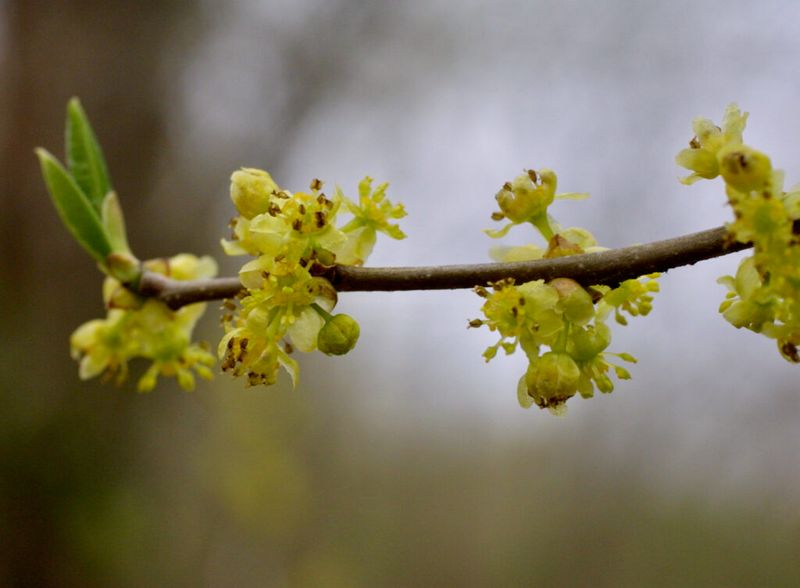
Snap a twig and your nose fills with a warm, lemony spice. Spicebush is the aromatic native that grows happily in all three North Carolina regions, from the mountains to the coast.
Reaching 8 to 15 feet tall and wide, it forms a leafy summer screen and glows with tiny yellow flowers in very early spring, back when almost nothing else is blooming. Those early blossoms are a lifeline for hungry pollinators waking up cold and hungry.
It is also a host plant for the spicebush swallowtail, whose caterpillars fold themselves into the leaves like little green surprises. By late summer, glossy red fruits appear on female plants and vanish fast into the bellies of migrating birds.
Give it partial shade and moist soil, and it will settle right in along a woodland border.
5. Summersweet (Clethra alnifolia)
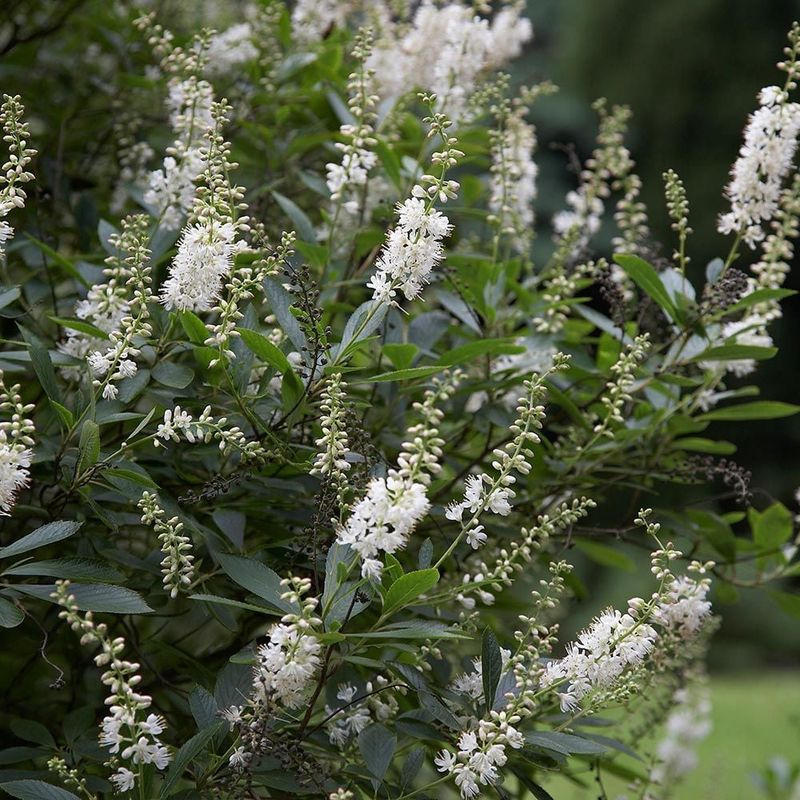
On a still July evening, summersweet perfumes the whole backyard. The bottlebrush spikes of white or pink flowers pump out one of the sweetest scents in the native plant world.
Topping out around 4 to 8 feet, it stays on the shorter side, making it perfect for screening a patio corner or softening a low fence rather than blocking a two-story view. It naturally grows in swamps and damp woodland edges across the Coastal Plain and eastern Piedmont, so those wet spots that drown other shrubs are its comfort zone.
The mid-summer bloom lines up perfectly with firefly season and pulls in native bees, bumblebees, sweat bees, butterflies, and even hummingbird moths at dusk. If you love a garden that hums with life on a warm night, this one earns its keep.
6. Buttonbush (Cephalanthus occidentalis)
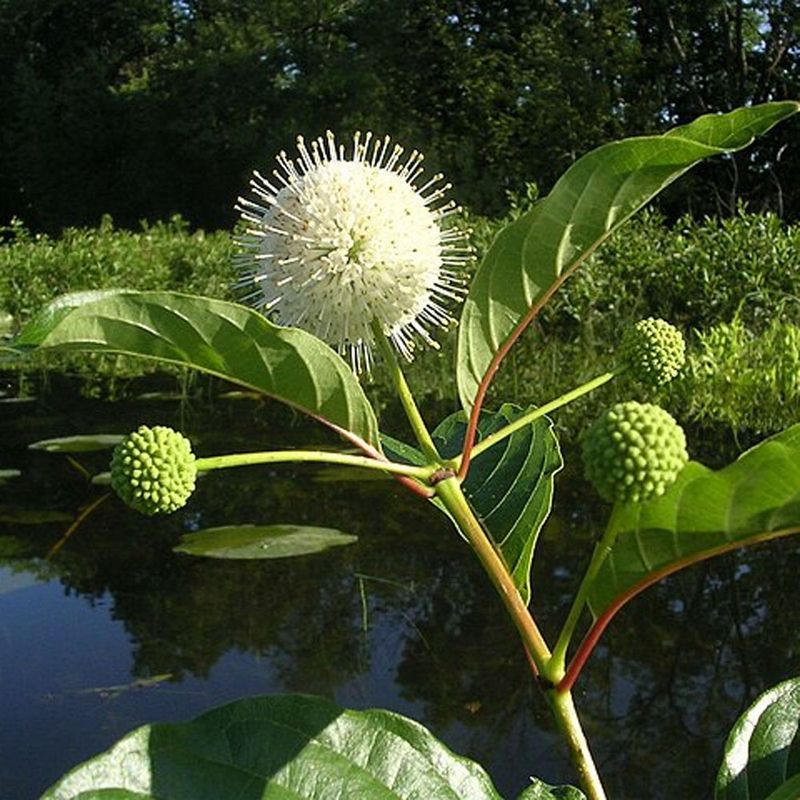
Those creamy, pincushion flowers look like something from a sci-fi film, perfect little globes bristling with tiny blooms from June through August. Buttonbush is the showstopper of the wet-tolerant natives.
Growing 5 to 8 feet tall with a multi-stemmed, thicket-forming habit, it thrives in soggy ground where Leyland Cypress roots would simply suffocate and rot. It grows in all three regions of the state and takes full sun to part shade.
Pollinators swarm those spherical blooms, and the dense structure gives fireflies both cover and breeding space. Best of all for many readers, buttonbush is a genuine box turtle habitat plant, offering the damp, sheltered ground these gentle reptiles love.
Plant it in that low, boggy corner you always struggled to fill, and watch it become the busiest spot in your yard.
7. American Beautyberry (Callicarpa americana)
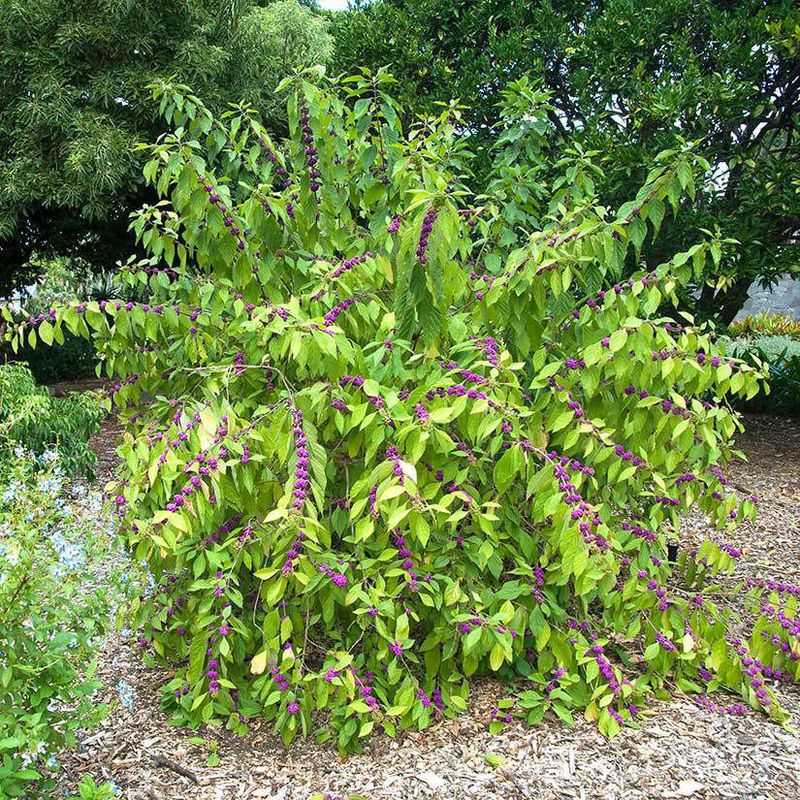
Come autumn, beautyberry practically glows. Clusters of electric purple berries wrap tightly around every arching stem, a color so bright it stops visitors mid-conversation.
Standing 3 to 8 feet tall, it works as a looser, informal screen and grows natively in every region of North Carolina. It prefers moist, well-draining soil but tolerates drought better than you would expect once it settles in.
Those famous berries hang on from fall into winter and feed a parade of songbirds, including Eastern Towhees, American Robins, and Purple Finches, plus foxes, squirrels, raccoons, and opossums. Here is a handy tidbit: crushed beautyberry leaves have long been used as a folk mosquito repellent, and researchers have since confirmed the compound really does deter biting insects.
Screening, wildlife food, and a natural bug-off leaf all in one shrub.