
Plantain-Leaved Pussytoes: A Low Silver-Gray North Carolina Native for Sunny, Well-Drained Borders Where Lamb’s Ear Struggles
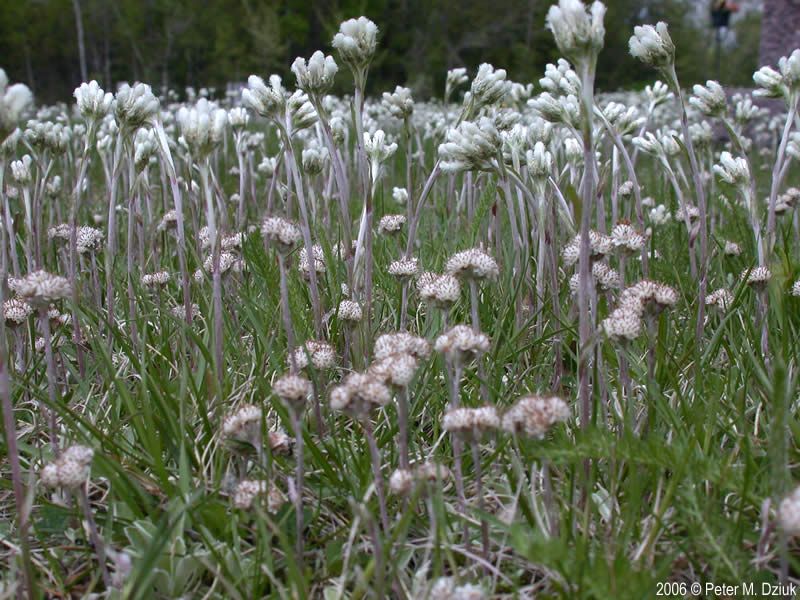
Lamb’s ear has a loyal following in garden borders, but North Carolina’s humid summers and heavy rain events can leave it looking ragged, spotted, or worse. A lesser-known native groundcover called plantain-leaved pussytoes offers a different kind of silver-gray texture for sunny spots with lean, well-drained soil.
It will not replace lamb’s ear in every garden, but for the right site, it brings native roots, a low spreading form, and a tolerance for dry conditions that the popular import simply cannot match. Getting the site right is the whole game with this plant.
Plantain-Leaved Pussytoes Fits the Silver-Native Clue
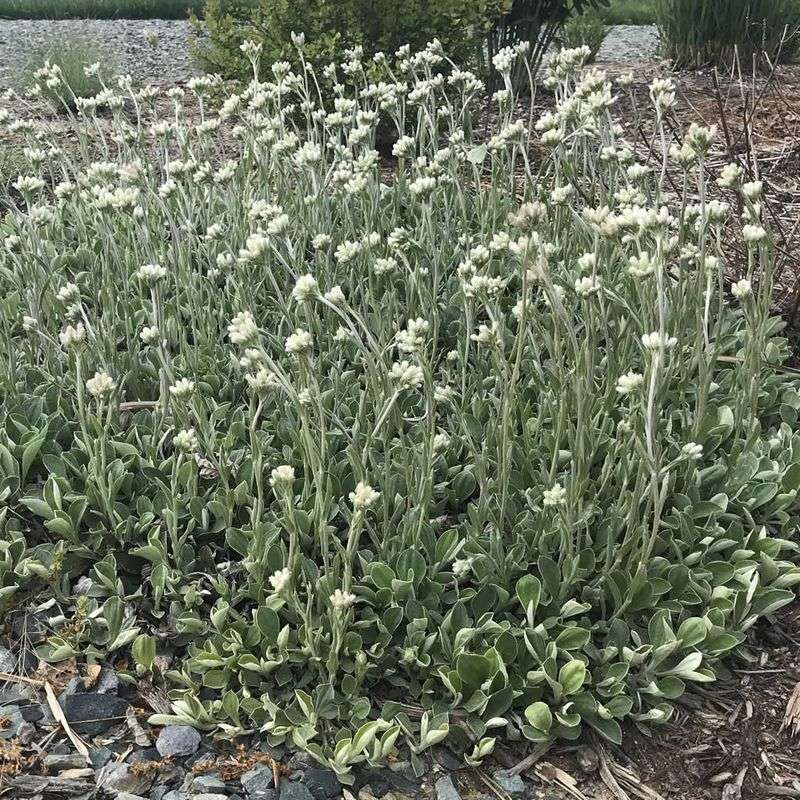
Plantain-leaved pussytoes (Antennaria plantaginifolia) is the strongest evidence-based match for a silver-foliaged North Carolina native suited to dry, sunny borders. NC State Extension’s plant profile describes it as a low spreader reaching roughly 6 inches tall and 1 to 2 feet wide, native to eastern North America including North Carolina, and appropriate for border fronts, rock gardens, and dry-site groundcovers.
Its woolly gray-green to silver basal foliage gives it the textural quality that puts it in the same visual conversation as lamb’s ear.
The plant spreads by stolons that root a short distance from the mother plant, building a modest mat over time rather than surging outward aggressively. Spring flowers arrive on upright stems, typically in April through May in North Carolina, with small white to pinkish clusters that give the plant its common name.
Outside of that bloom window, the foliage does the main work.
A correction to the original headline is worth stating plainly: no authoritative source confirms that pussytoes holds bright silver color unchanged through August, or that it performs equally well in every humid North Carolina garden. Its documented strength is tolerance of dry, lean, well-drained soil, which can sidestep the moisture-related problems that trouble lamb’s ear on poorly drained sites.
That is a real and useful advantage, but it is a site-specific one, not a blanket promise about summer color or humidity immunity.
For readers in the Piedmont, mountains, or parts of the Coastal Plain with sandy, fast-draining soil, this native deserves a serious look as a low silver-gray edging option. The rest of the article spells out exactly what site conditions make that look work.
Lamb’s Ear Struggles When Moisture Lingers
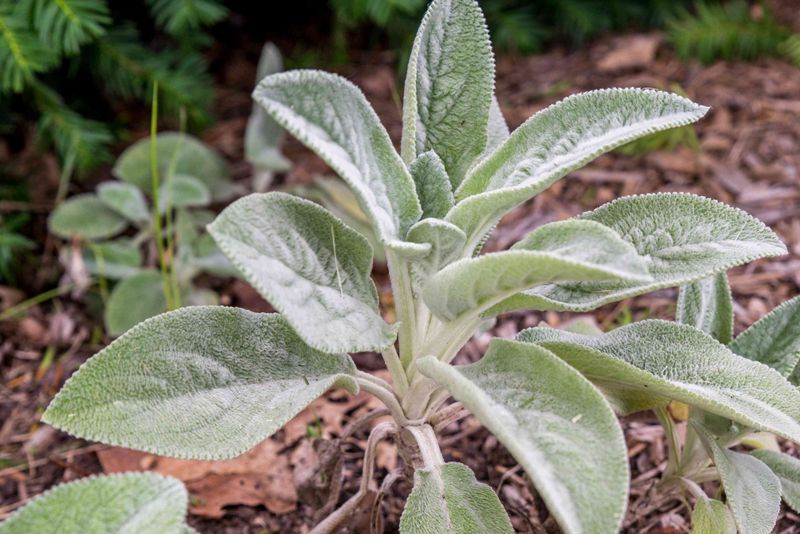
Lamb’s ear earned its place in American gardens through soft silver foliage and an easygoing reputation, but that reputation has limits in North Carolina. NC State’s lamb’s ear profile recommends very well-drained conditions and flags that wet leaves and humid summers create conditions favorable to disease.
The result can be spotted, mushy, or collapsed foliage that makes the border look worse than bare ground.
The failure mode is not a fixed August deadline. Lamb’s ear can struggle in June during a wet stretch, hold on fine through a dry August, and then collapse again in September if rain returns and air circulation is poor.
The real culprit is a combination of factors: stagnant air, prolonged leaf wetness from rain or overhead irrigation, damp soil that stays wet between events, and warm temperatures that accelerate fungal and bacterial activity.
Practical steps can reduce but not eliminate the risk. Extension guidance on lamb’s ear problems points to avoiding overhead watering, letting the soil dry several inches down before irrigating again, improving air circulation around plants, and promptly removing brown or diseased leaves rather than composting them.
Fungicides are not a reliable cure once rot is established; they work preventively, not as a rescue treatment for plants already collapsing at the crown.
Lamb’s ear is nonnative and moisture-sensitive, but calling it invasive in North Carolina overstates the case. It can spread by rooting stems under favorable conditions, and the defensible criticism centers on its disease susceptibility and non-native status rather than any documented invasive threat.
Gardeners who love the look but fight rot every summer are the audience most likely to benefit from a native alternative with different site preferences.
Pussytoes Handles Dry Soil, Not Humidity by Itself
Understanding why pussytoes holds up where lamb’s ear sometimes fails requires looking at where pussytoes actually grows in the wild. The Vascular Plants of North Carolina database places it in dry to xeric or mesic pine-hardwood sites, open ridges, rock outcrops, fields, roadsides, and cemeteries.
That habitat list describes places with sharp drainage, low organic matter, and soil that dries out quickly after rain, not places shielded from atmospheric humidity.
The practical meaning of that habitat profile is specific. Pussytoes evolved in lean, fast-draining ground where roots are rarely sitting in moisture.
Plant it in those same conditions in a garden border and it tends to perform reliably. Keeping its roots dry between rain events removes one of the main triggers for fungal and crown problems that affect lamb’s ear on wetter sites.
What that does not mean is that pussytoes has been tested and proven immune to North Carolina’s atmospheric humidity. No published source makes that claim.
High summer humidity combined with poor air circulation and wet foliage can create problems for many plants, and the available evidence does not establish that pussytoes is categorically exempt. Its advantage is a drainage and soil-texture match that reduces moisture stress at the root zone, not a special resistance to the air itself.
NC State Extension lists pussytoes as resistant to drought, dry soil, poor soil, insect pests, and disease, which is a genuine set of tolerances for a lean, dry border. Those tolerances break down quickly in overly rich or poorly drained soil.
Site the plant correctly and its documented strengths apply; ignore the drainage requirement and the disease-resistance label means very little.
Expect Silver-Gray Groundcover, Not a Lamb’s-Ear Replica
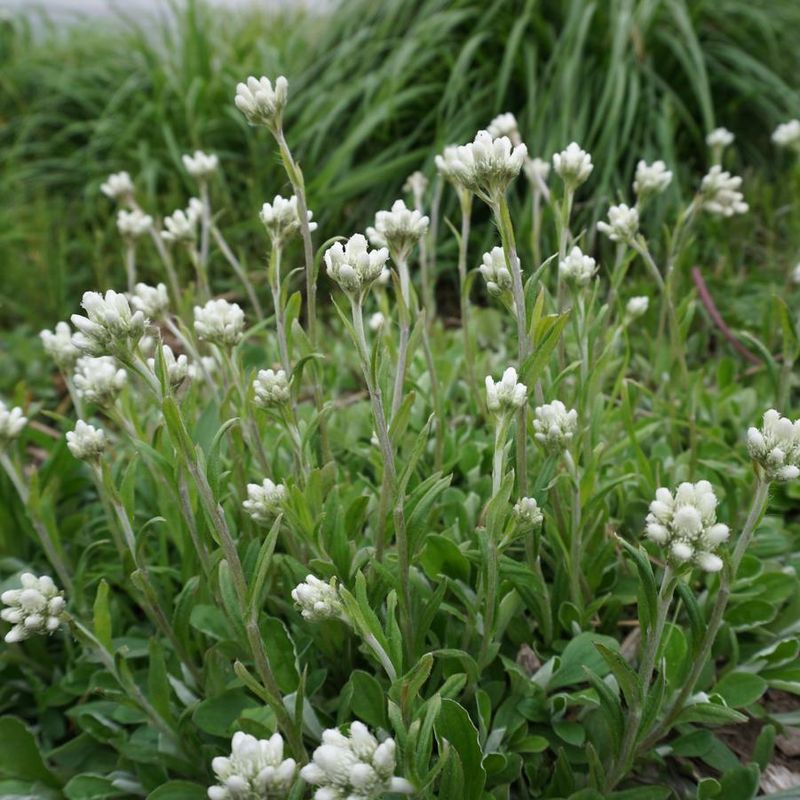
Anyone expecting to swap lamb’s ear for pussytoes and get the same visual effect will be surprised. NC State’s pussytoes profile puts the plant at roughly 6 inches tall and 1 to 2 feet wide, with foliage arranged in a basal rosette of plantain-shaped leaves.
Lamb’s ear leaves are noticeably thicker, wider, more densely felted, and arranged in taller, more upright clumps. Pussytoes reads as a low, quiet silver-gray mat rather than a bold silver statement.
The leaf shape is the clearest visual difference. Pussytoes leaves are oval to elliptic, similar in outline to a plantain weed, with a woolly coating that gives them their gray-green to silver color.
Lamb’s ear leaves are elongated, thick, and covered in dense white wool that catches light and creates a pronounced silver effect even from a distance. Pussytoes offers texture and a cooler color tone at the front of a border, but it does not replicate that plush, high-contrast look.
The plant is semi-evergreen, which means it can hold foliage through mild North Carolina winters while older basal leaves may discolor or wither as the season progresses. That natural aging process means the silver-gray appearance shifts across the year.
Expecting a uniform bright-silver carpet from spring through August is not a realistic target; the foliage will look its best in spring around flowering time and may show some browning or fading at the margins of older leaves by midsummer.
Spring flowers arrive in April through May on upright stems and are modest but charming. After flowering, the stems die back and the basal mat continues through the season.
For gardeners who want a low, spreading, native silver-gray texture at a border edge or along a dry path, pussytoes delivers that job well on the right site.
Test the Site Before You Buy the Plant
Pussytoes is not equally at home across every North Carolina landscape. The North Carolina plant occurrence data shows it is common in the mountains and Piedmont, less common through much of the Coastal Plain, and very rare in some eastern counties.
Gardeners in the outer Coastal Plain should check whether the plant is even well-matched to their region before investing in it, since it thins out considerably as soils become heavier or wetter moving toward the coast.
Regional presence aside, the site itself matters more than any general endorsement. A well-drained sandy Coastal Plain lot may suit pussytoes better than a poorly drained Piedmont clay bed, even though pussytoes is technically more common in the Piedmont.
Walk the planting area after a significant rain and check whether water stands for more than a few hours. If it does, that site is a poor match regardless of region or plant label.
Sun exposure is the next filter. Full sun to part shade is the documented range, with full sun preferred on lean sites.
A border that gets fewer than four hours of direct sun daily, or that is shaded by a fence or building for most of the afternoon, will not give pussytoes the light it needs to maintain its compact habit and best foliage color. Shaded conditions also slow drying after rain, which compounds any drainage issue.
Soil texture and compaction round out the checklist. NC State Extension’s native plants guidance notes that residential soils are often compacted or altered from their natural state, and that native status does not make a plant maintenance-free or automatically suited to those altered conditions.
Heavy clay that was graded and compacted during construction is not the same as a naturally lean Piedmont woodland edge. If the soil stays sticky and slow to drain, address that before planting rather than hoping a native label will compensate.
Prepare and Establish a Dry Border
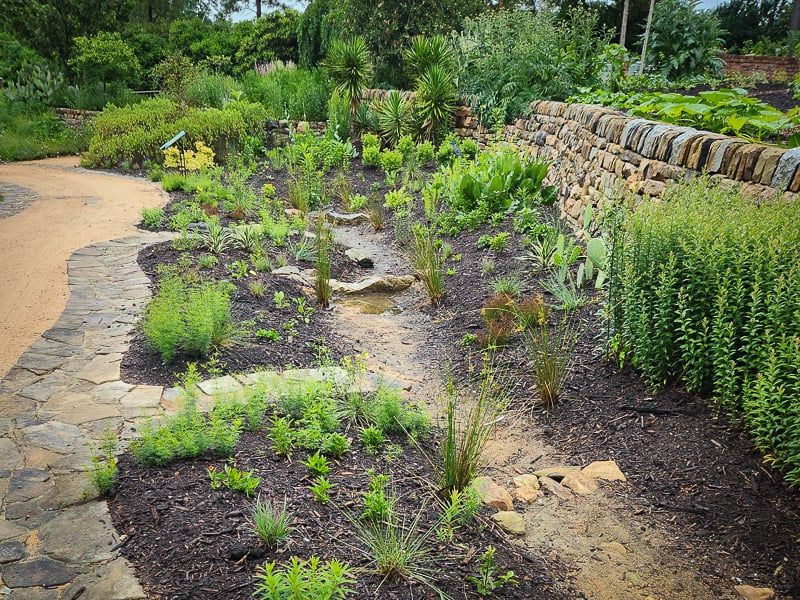
Good site preparation does more for pussytoes than any amount of fertilizer or supplemental care later on. Start by addressing compaction: break up the top 8 to 10 inches of soil if it is dense, and if the bed drains slowly, consider raising it slightly or mixing in coarse sand or fine gravel to open the soil structure.
The goal is soil that sheds excess moisture within a few hours of a rain event, not soil that stays damp for a day or two.
NC State’s pussytoes profile specifically calls for lean, dry, rocky or sandy soil with little organic matter. Adding a thick layer of compost or rich topsoil before planting works against that prescription.
If the existing soil is heavy clay, a modest amount of coarse material worked in can help, but building a raised edge with lean fill is often a more reliable solution than trying to amend clay deeply enough to change its drainage character.
At planting, water new plants thoroughly to settle the roots, then back off. Pussytoes needs supplemental water during establishment and through hot, dry stretches, but the goal is to water deeply and infrequently rather than keeping the surface constantly moist.
Extension guidance on native plant establishment notes that even drought-tolerant natives need support during their first season while roots are getting established, so do not assume zero irrigation is appropriate right away.
As the plant establishes, its stolons will root a short distance from the mother plant and gradually fill the space. Avoid heavy mulch layers directly over the mat, which can trap moisture and work against the lean-soil preference.
A thin layer of fine gravel or no mulch at all often suits pussytoes better than the thick bark mulch used for moisture-loving perennials.
Choose Another Silver Plant When the Form or Site Demands It
Pussytoes is not the only native option with silver or silver-gray foliage, and for some sites or design goals, the alternatives deserve consideration. Eastern silvery aster (Symphyotrichum concolor) is a legitimate North Carolina native found statewide, with silvery-hairy foliage and a height of roughly 1.5 to 3 feet.
That height puts it firmly in the middle of a mixed border rather than at its edge. It is not a compact groundcover, and taller plants around it may need to provide support if the stems lean.
For a gardener who wants a silver-toned native with late-season bloom in a mixed planting rather than a low edging mat, silvery aster is worth considering on its own terms.
Western mugwort or white sage (Artemisia ludoviciana) has striking silver foliage that photographs beautifully, but NC State calls it very rare in North Carolina and reports root rot in moist soils, summer foliage decline, and a tendency to flop. That profile makes it a poor fit for a humid, wet, or poorly drained border.
Its problems in moist soil are distinct from any claim about atmospheric humidity alone; the documented issue is persistently wet root conditions, not simply warm, damp air. Gardeners drawn to its silver color should match it to a sharply drained, sunny spot and accept that it may still decline in a wet summer.
Parlin’s pussytoes (Antennaria parlinii) is another possible identification in nursery or botanical-garden settings. Juniper Level Botanic Garden reports that its foliage emerges silver and ages toward glaucous green as the season progresses.
That color shift further undercuts any promise of fixed silver color through summer. Treat it as a related pussytoes species rather than a named cultivar or horticultural selection unless specific evidence establishes otherwise.
Make the Swap for the Right Reason
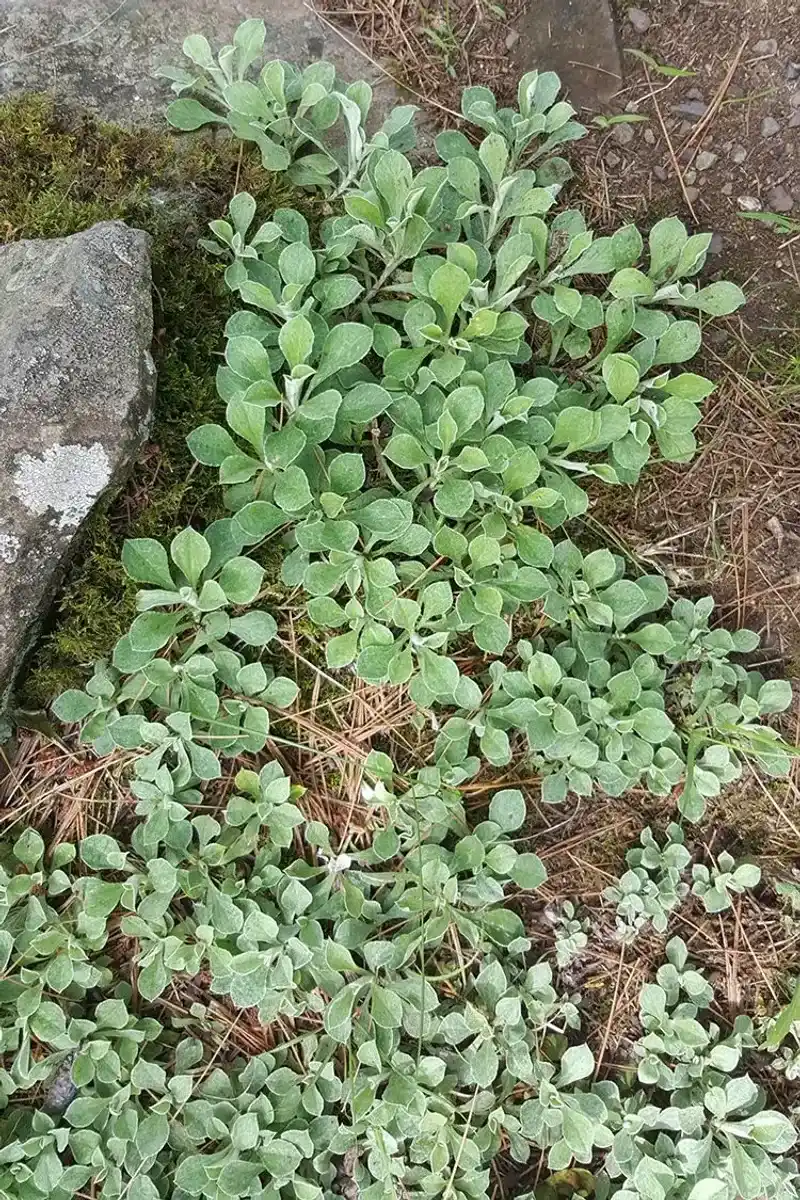
The clearest reason to choose plantain-leaved pussytoes over lamb’s ear is site fit, not a promise of all-summer silver color or guaranteed rot resistance. NC State’s profile confirms that pussytoes thrives in lean, dry, well-drained soil in full sun to part shade, which describes the exact conditions where lamb’s ear is most likely to struggle with moisture-related disease.
On those sites, pussytoes brings native roots, a low spreading form, and documented tolerance of dry and poor soil without the nonnative status and disease susceptibility that follow lamb’s ear into wet summers.
Wildlife value adds a secondary reason. University of Maryland Extension identifies plantain-leaved pussytoes as a host plant for the American Lady butterfly, and the plant supports native pollinators during its spring bloom period.
Those are real and documented benefits, not a broad promise about every pollinator or wildlife species in the yard.
If a bed holds standing water after rain, neither plant belongs there. NC State Extension is direct on this point: plants requiring well-drained conditions can die quickly in wet areas, and native status does not override a poor site match.
Correct the drainage first, then choose the plant. Pussytoes rewards a gardener who reads the site honestly and plants accordingly.
Its silver-gray mat at a border edge, supporting an American Lady in May, is a payoff earned by matching the right plant to the right place rather than by hoping any plant will outlast a problem the soil has not solved.