
These North Carolina Natives Keep Blooming Through Late Summer Heat When Everything Else Fades
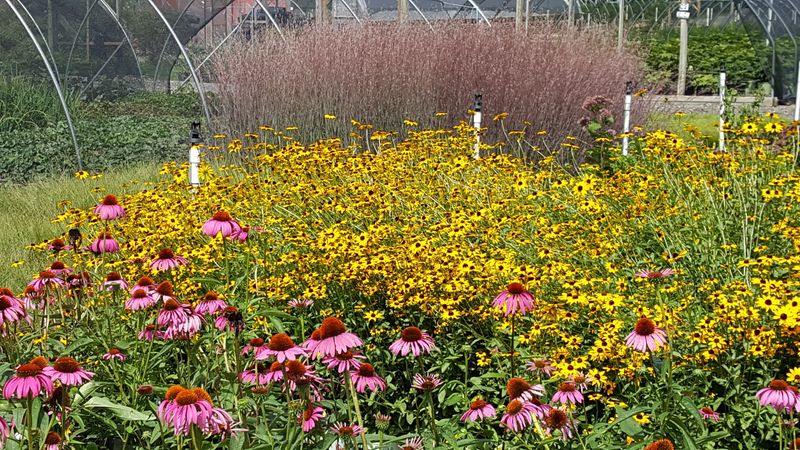
By August in North Carolina, a lot of yards look tired and crispy from the heat. But some of our toughest native plants are just hitting their stride, throwing out flowers and berries when everything around them gives up.
These plants also feed the bees, butterflies, and birds you love watching from your porch. Here are nine NC natives that keep the color going when the weather turns brutal.
1. Buttonbush (Cephalanthus occidentalis)
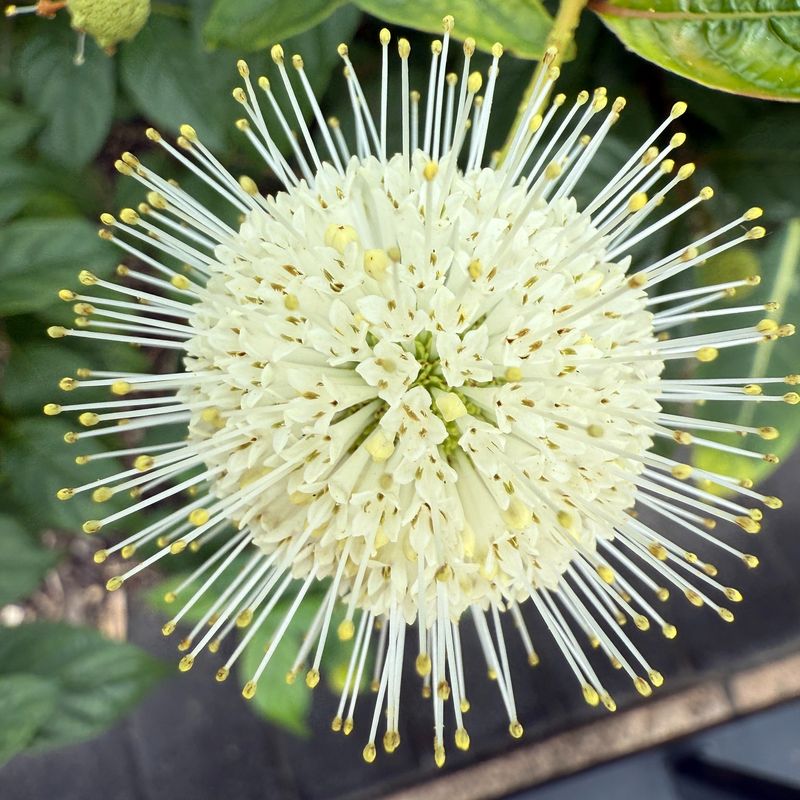
Picture little white pincushions dangling from a shrub, buzzing with bees from June clear into September. That is buttonbush, and it laughs at the late summer heat that flattens fussier plants.
Butterflies and native bees swarm those fragrant, ball-shaped blooms, and waterfowl later feed on the seeds. It loves the damp low spots in your yard where water tends to pool, though it holds up fine once its roots settle in.
Here is a swap worth making. If you have been eyeing a butterfly bush, which is invasive in NC and spreads where it is not wanted, plant buttonbush instead.
It gives pollinators the same nectar buffet plus a safe place to raise their young, without escaping into wild areas.
2. Summersweet (Clethra alnifolia)
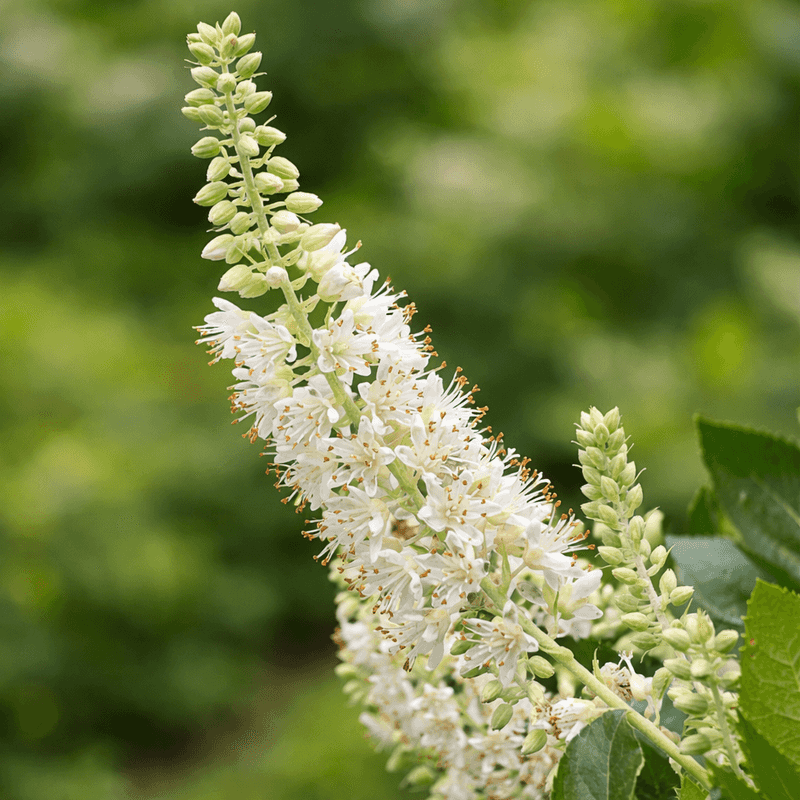
Walk past summersweet on a July evening and the smell stops you cold, sweet and spicy like nothing else in the yard. Those white or pink flower spikes pump out top-shelf nectar for hummingbirds, butterflies, and bees when the heat has shut down most other shrubs.
What sets it apart is where it will bloom. Got a shady corner where nothing flowers?
Summersweet flowers happily in the shade, filling a gap most plants leave empty.
Come fall and winter, its seeds keep the birds fed. Like buttonbush, it makes a fantastic native replacement for invasive butterfly bush, giving your pollinators food and shelter without the ecological baggage.
3. Blazing Star (Liatris spp.)
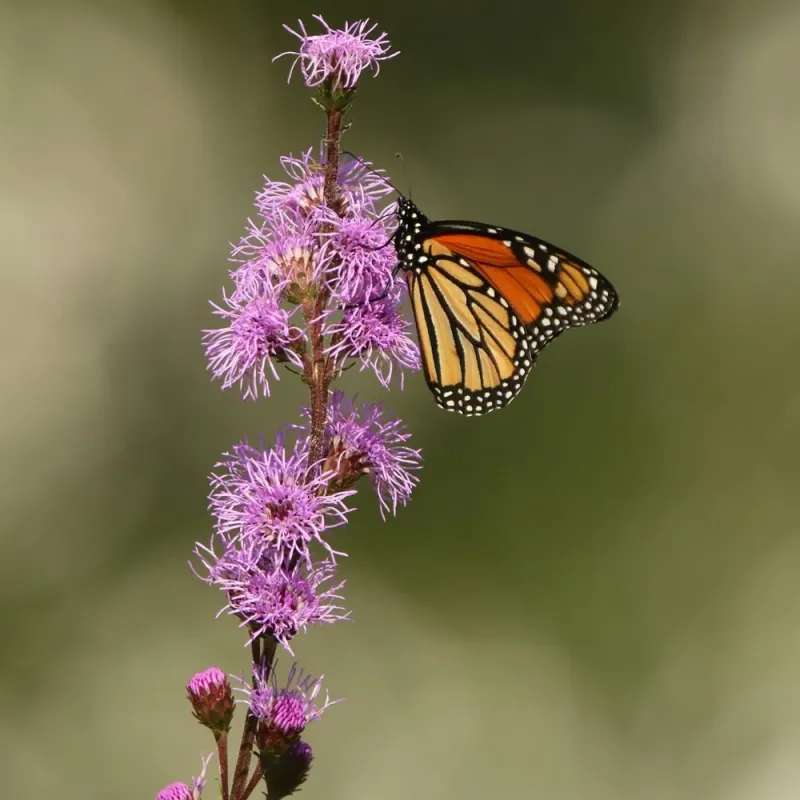
Tall purple spikes that bloom from the top down, blazing star looks like a firework frozen mid-burst. Monarchs and swallowtails go absolutely nuts for it, making it one of the best butterfly magnets you can plant.
Its real superpower is toughness. NC summer humidity and blistering sun barely faze it, and it keeps performing when pampered garden flowers wilt.
Tuck a few clumps into a sunny perennial border and they will stand up straight and proud through the worst of August. A little dappled shade works too, but full sun brings out the strongest blooms and the most pollinator traffic.
4. Ironweed (Vernonia spp.)
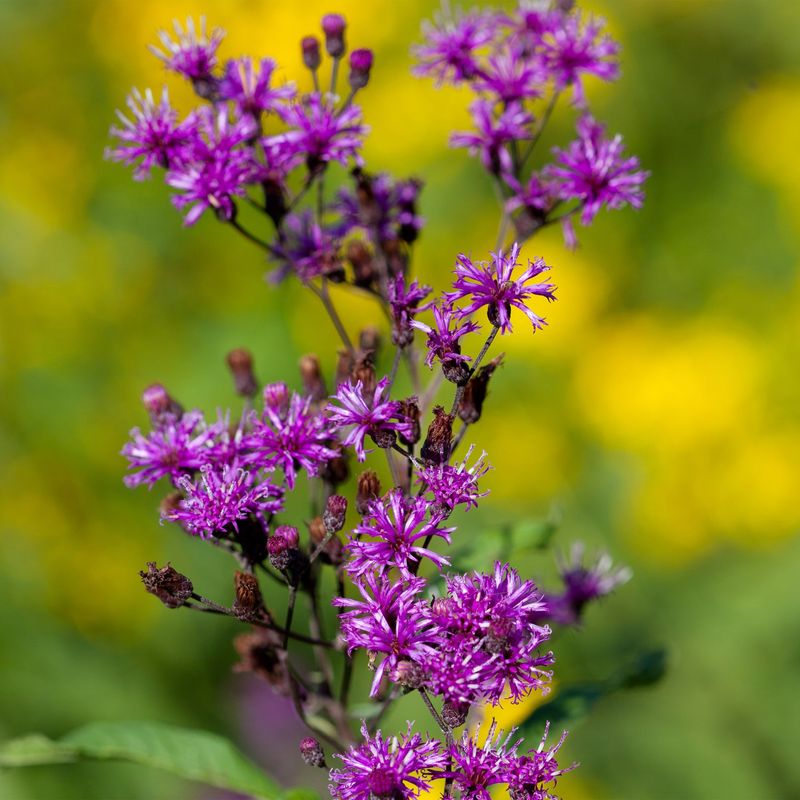
Few flowers pack a purple as deep and electric as ironweed in late summer. It shows up along roadsides and floodplains across the state, then explodes into color right when the season feels its most exhausted.
Heavy clay soil that frustrates other plants? Ironweed shrugs it off, and it prefers ground that stays a touch moist rather than bone dry.
Deer tend to leave it alone, which is a rare gift in most NC yards.
Bees, butterflies, and other pollinators pile onto those flat-topped clusters. Plant it in a spot that catches summer rain and you will have a reliable splash of purple year after year.
5. Goldenrod (Solidago spp.)
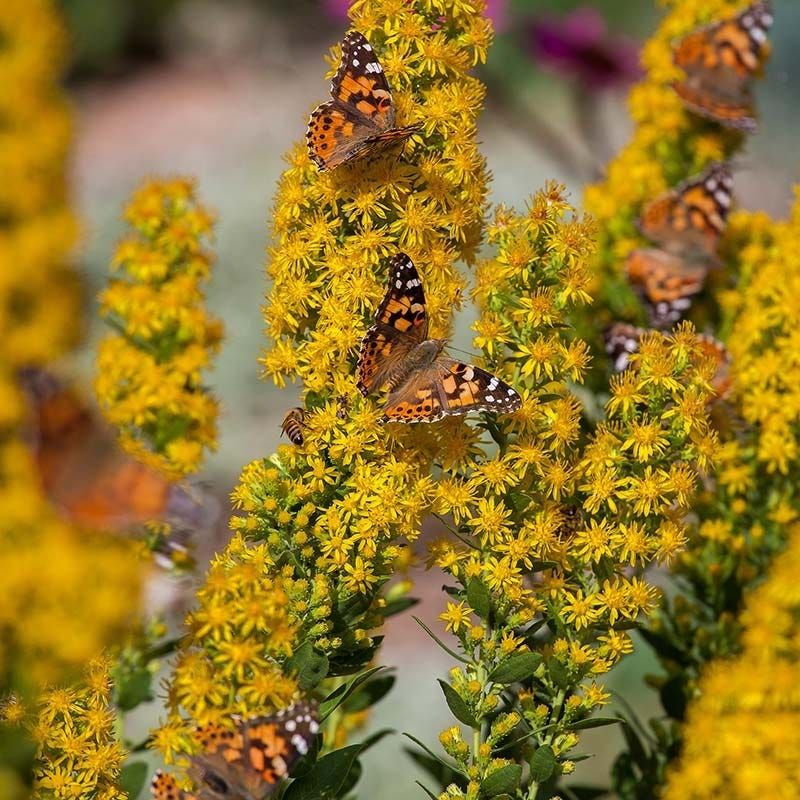
Goldenrod gets blamed for hay fever it never caused, and that is a shame because it is a wildlife powerhouse. Its bright yellow plumes support more than 100 species of butterfly and moth caterpillars, the very insects that feed baby birds.
North Carolina has plenty of native goldenrods to fit any spot. Zigzag goldenrod handles shady, wooded corners and tolerates drought, while showy goldenrod craves the sun.
Fun fact for your next porch conversation: ragweed, not goldenrod, is the real allergy culprit. Goldenrod pollen is too heavy and sticky to blow around, so plant it guilt-free and watch the pollinators arrive.
6. Rudbeckia (Rudbeckia spp.)
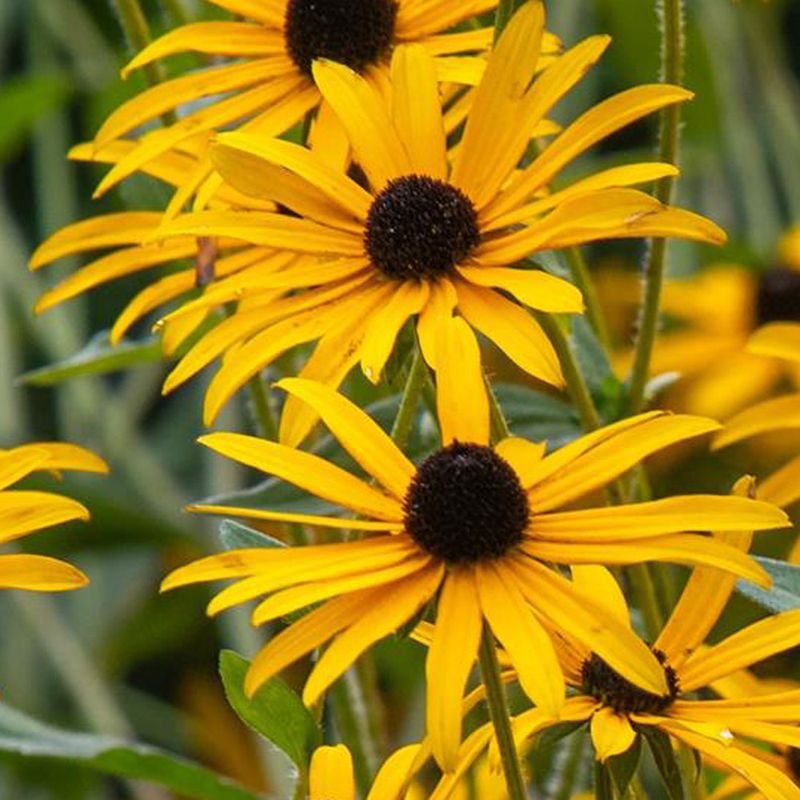
Cheerful golden petals wrapped around a dark chocolate button, rudbeckias are the friendly face of the late summer garden. Most folks know them as black-eyed Susans, and native butterflies and bees adore them.
These sunflower cousins are practically indestructible. They keep cranking out blooms through heat, drought, and neglect, giving your yard a burst of sunshine when the grass has gone brown.
Let a few go to seed at the end of the season and goldfinches will show up to feast on the seed heads. Few native plants give you this much color, wildlife value, and easy care all rolled into one.
7. American Beautyberry (Callicarpa americana)
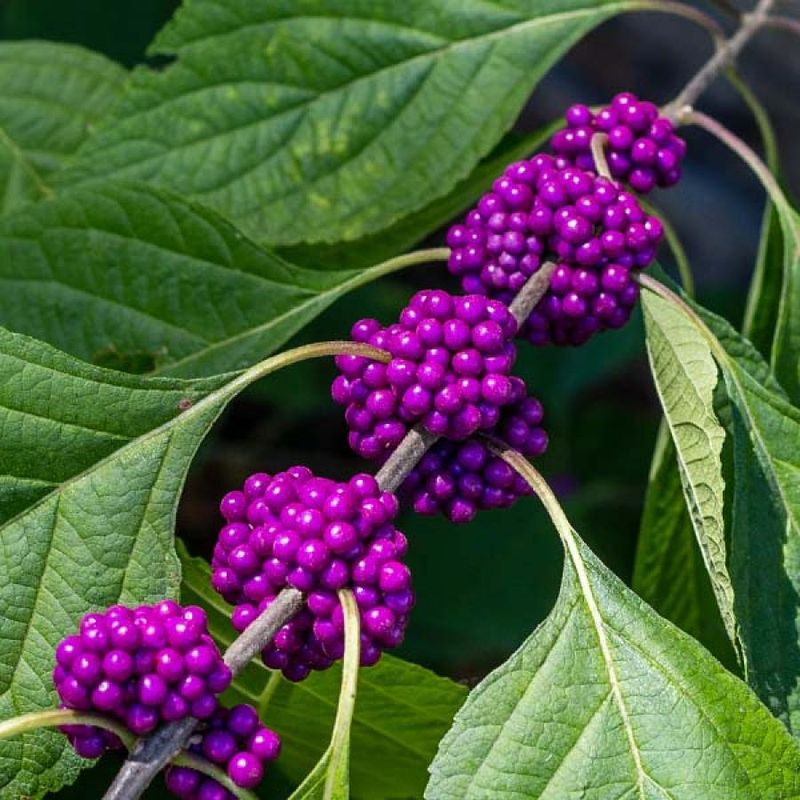
Nothing else in the yard glows quite like beautyberry when its stems load up with clusters of neon purple fruit. Those berries feed a huge cast of critters, from songbirds and game birds to raccoons, opossums, deer, and foxes.
The small pink summer flowers are easy to miss, but they set the stage for that jaw-dropping fall color. It grows in all three regions of the state and powers through dry spells like a champ.
Here is the kicker: the leaves contain natural compounds that may help keep mosquitoes at bay. Crush a few in your hand on a buggy evening and you have got a native shrub that pulls double duty for beauty and comfort.
8. Swamp Azalea (Rhododendron viscosum)
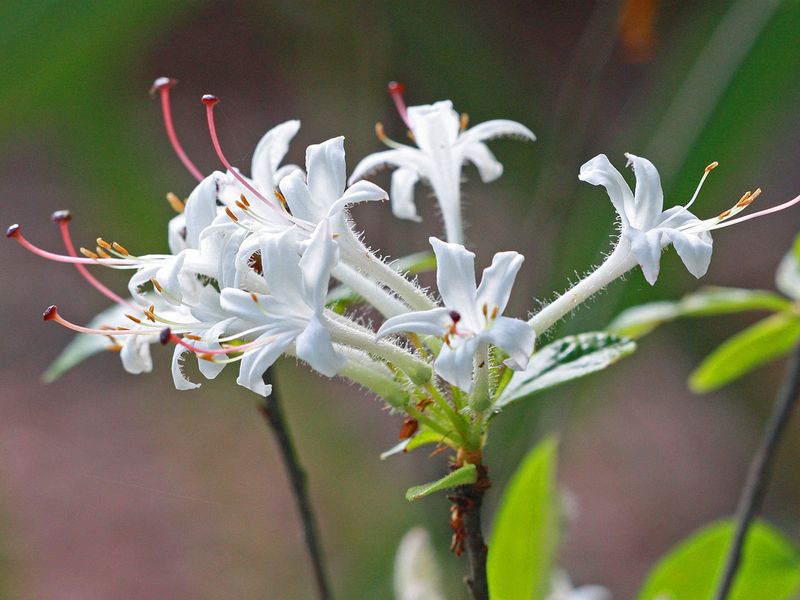
Most azaleas finished their show back in spring, but swamp azalea saves its perfume for the dog days of summer. It is one of the very last native azaleas to bloom, opening fragrant, sticky white flowers when you least expect a fresh burst.
The scent alone earns it a spot near a path or patio where you will brush past it often. Pollinators seek it out precisely because so little else is flowering in the shade at that point.
Give it the moist, woodsy soil it loves and it becomes a quiet star of the late season. For a native shrub that surprises visitors with summer blooms, this one is hard to beat.
9. Spicebush (Lindera benzoin)
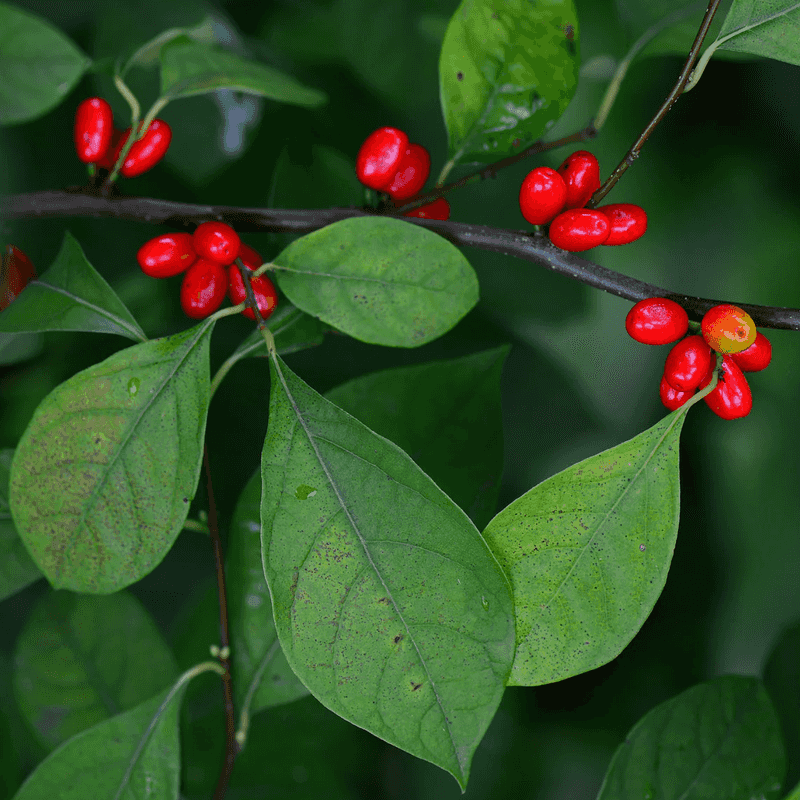
Snap a spicebush twig and you get a spicy, citrusy scent that gives this native its name. While its tiny yellow flowers open in early spring, the payoff comes in late summer when glossy red berries ripen for the birds.
Butterfly lovers should take notice. Spicebush is the host plant for the spicebush swallowtail, whose caterpillars fold themselves into its leaves, so planting it means you are literally raising butterflies.
One heads-up: you need both male and female plants nearby for those red berries to form. Set a few in a partly shaded, woodsy spot and you will feed pollinators in spring, caterpillars in summer, and birds as the season winds down.