
10 North Carolina Native Wildflowers You Can Scatter Right On The Soil This Fall
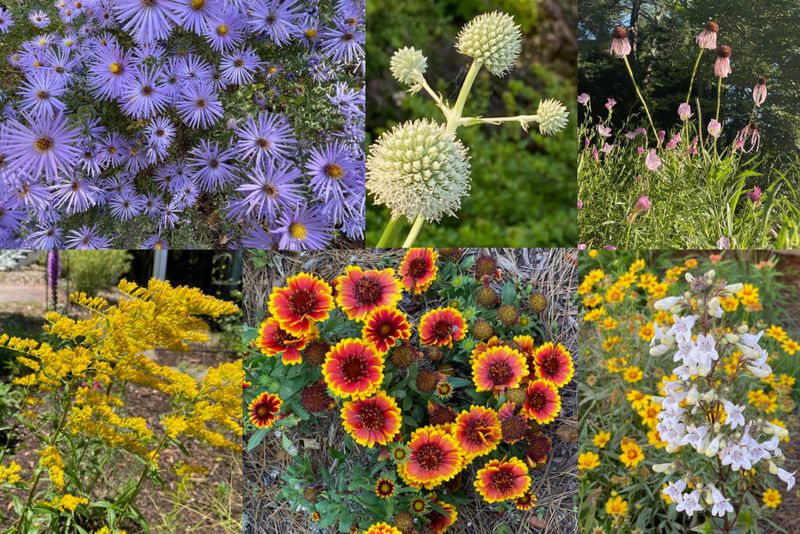
Fall is the secret window for getting native wildflowers started in your North Carolina yard, and the best part is you barely have to do any work. Most of these seeds actually need the cold winter to wake up and sprout, so scattering them on bare soil now does the job that fussy spring planting cannot.
Along the way you will be feeding goldfinches, giving monarchs a place to lay eggs, and swapping out space that invasives would love to grab. Here are ten NC natives you can toss right onto the ground before the first hard frost.
1. Purple Coneflower (Echinacea purpurea)
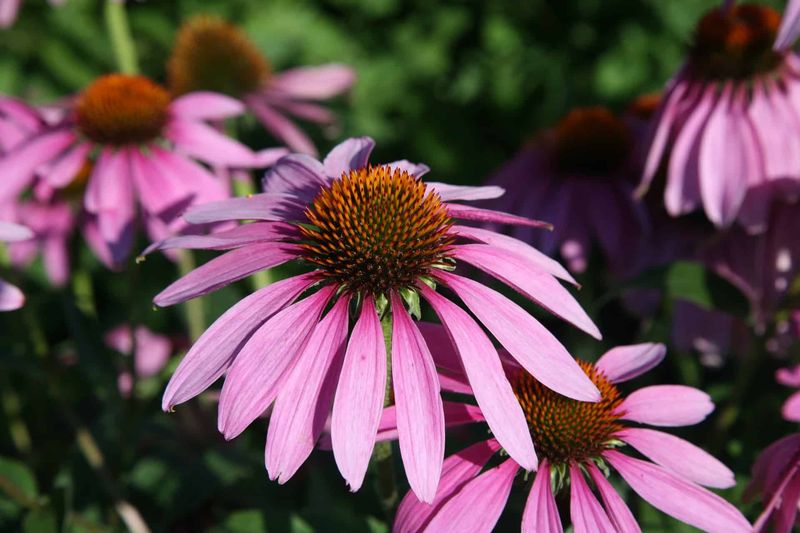
Few flowers earn their keep in a NC yard the way purple coneflower does. Butterflies crowd the blooms all summer, and once the petals fade, the spiky seed heads become a diner for goldfinches through fall and winter.
Scatter the seeds now and let the Piedmont cold do the stratifying for you. By spring, they will have gotten the chilly signal they need to germinate without you lifting a finger.
Leave the dried seed heads standing instead of tidying them away. Those crunchy cones are exactly what your winter songbirds are hunting for, and they add a nice sculptural look to a dormant garden.
2. Black-eyed Susan (Rudbeckia hirta)
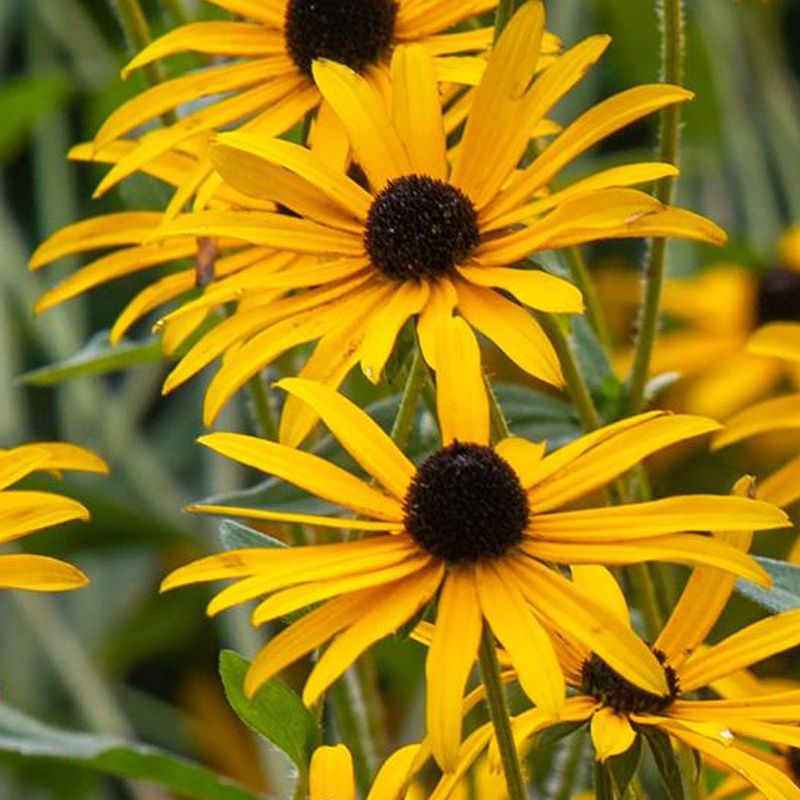
Sunny and cheerful, black-eyed Susan is the flower that makes people slow down and smile. Its golden petals and dark button centers pump out nectar for bees and butterflies from midsummer well into fall.
Sow the seeds right on top of the soil before your first frost and press them down lightly so they make good contact. They germinate readily the following spring and often bloom that same year, which makes them a great confidence-builder for new seed scatterers.
Here is a fun bit of trivia: this plant was one of the first American wildflowers to travel to Europe, where gardeners fell hard for its no-fuss charm. In your NC yard, it fills bare patches fast, crowding out weeds that would otherwise move in.
3. Bee Balm (Monarda fistulosa / didyma)
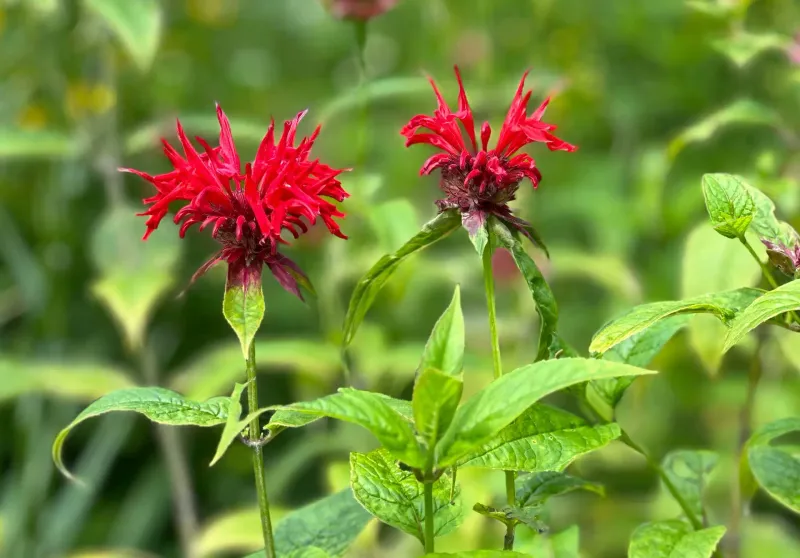
If you want to hear a hummingbird zip past your ear on a summer morning, bee balm is your invitation. Its shaggy red and lavender blooms act like a landing pad for hummingbirds, native bees, and butterflies alike.
Also called wild bergamot, this member of the mint family smells wonderful when you brush against it. Scatter the seeds in fall and they will settle in over winter, sprouting once the ground warms.
Give it a spot with decent air flow, since bee balm can pout with powdery mildew when it is crowded. Space out where you sprinkle the seeds and your mountain or Piedmont patch will reward you with years of pollinator traffic.
4. Aromatic Aster (Symphyotrichum oblongifolium)
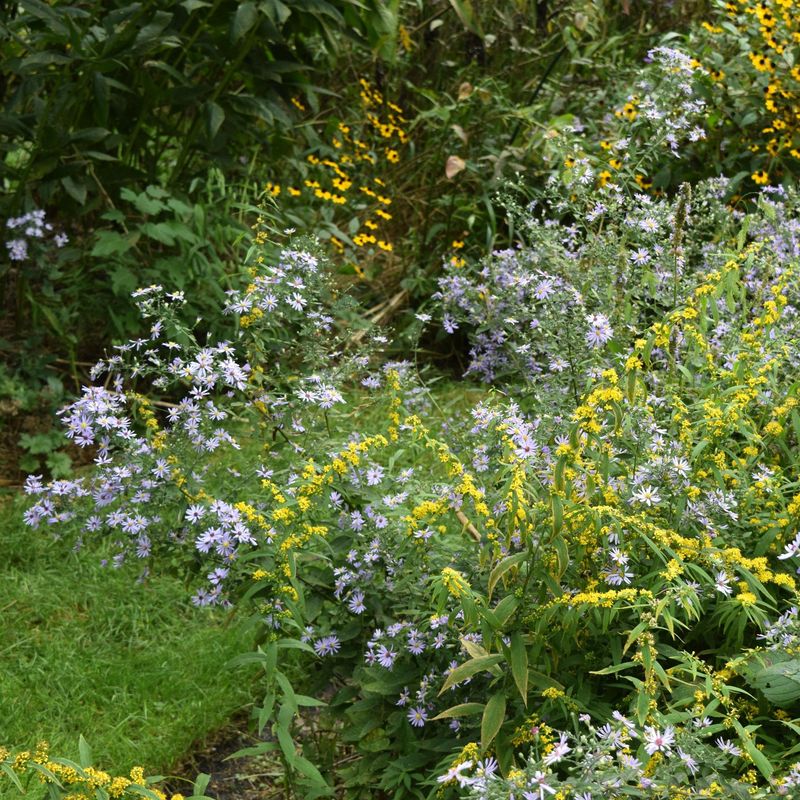
When almost everything else has called it quits for the season, aromatic aster is just getting warmed up. Its clouds of pale purple, daisy-like flowers open in fall, offering a last-call nectar bar for late-flying bees and butterflies stocking up before winter.
That late timing is exactly why it belongs on this list. Migrating monarchs and struggling native bees lean hard on these blooms when the pantry is otherwise empty.
Broadcast the seeds now so the winter chill can break their dormancy naturally. Come next autumn, you will have a low mound of blooms that hums with activity right when your neighbors’ gardens have gone quiet.
5. Blazing Star (Liatris spicata)
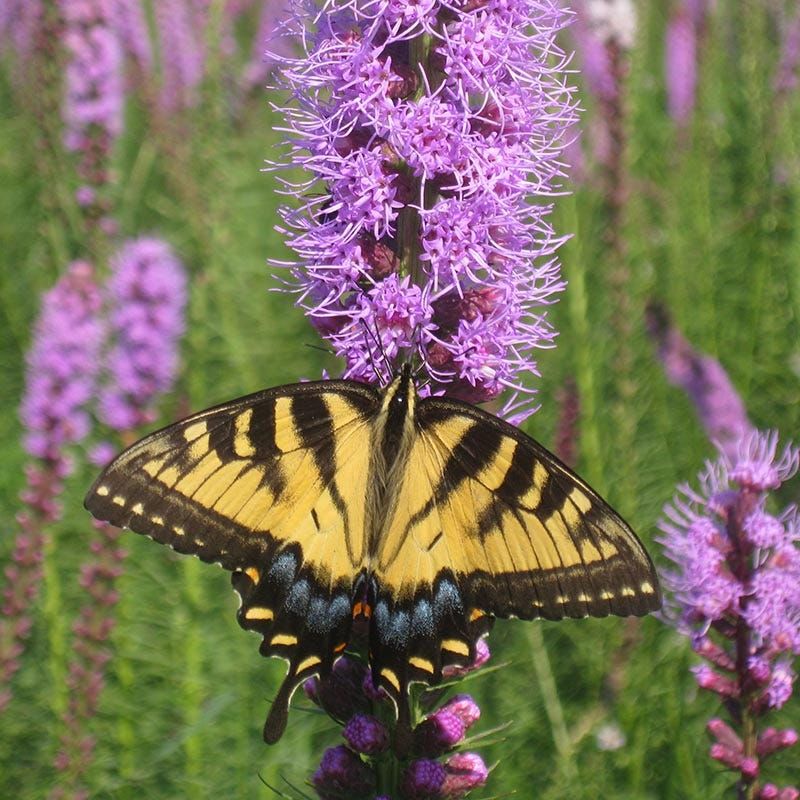
Picture fuzzy purple wands standing tall above a sunny border, each one crawling with butterflies. That is blazing star, and it blooms from the top down, which is a quirk that always catches first-time growers off guard.
Pollinators adore it, and it makes a striking vertical accent among all the rounded daisy shapes on this list. It loves full sun and tolerates the lean, sandy soils common across parts of the Coastal Plain.
Scatter the seeds this fall in an open, sunny spot and keep the area free of aggressive weeds while they establish. The winter cold does the germination prep, and the payoff is a pollinator magnet that also works beautifully in a cut-flower vase.
6. Partridge Pea (Chamaecrista fasciculata)
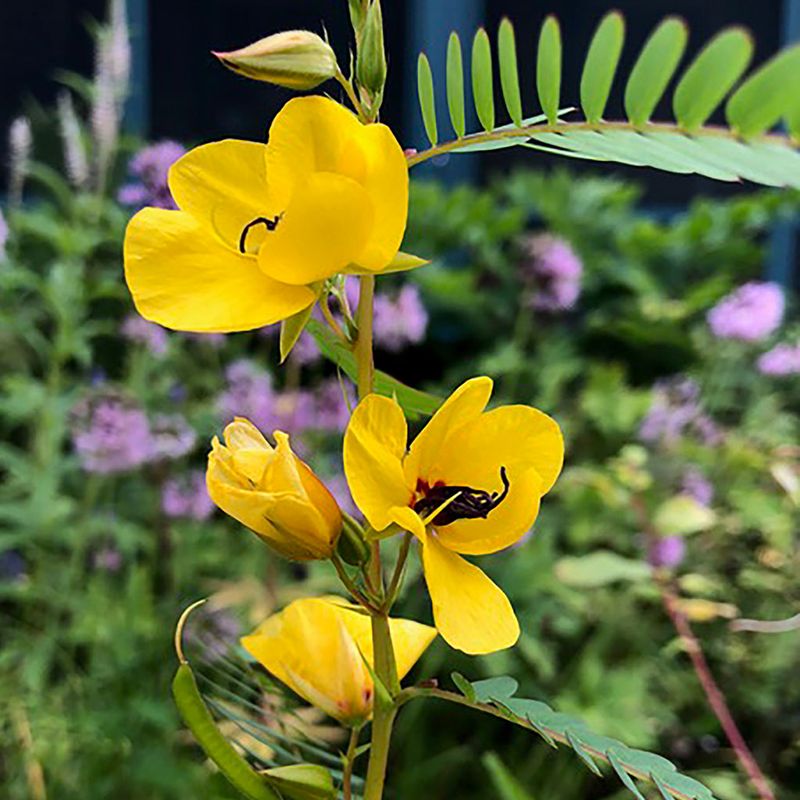
Bright yellow blooms and feathery, fern-like leaves give partridge pea a delicate look that hides how tough it really is. An annual that reseeds itself, it is a staple in NC Butterfly Highway seed mixes built specifically for fall scattering.
Native bees work the flowers, while tiny nectar glands along the stems attract ants and other beneficial insects. As a legume, it also pulls nitrogen into the soil, quietly improving the ground for whatever grows nearby.
Toss the seeds onto disturbed or bare soil this fall and let them settle in. They pop up readily the next season and often return year after year on their own, filling gaps that invasive weeds would happily claim.
7. Butterfly Weed (Asclepias tuberosa)
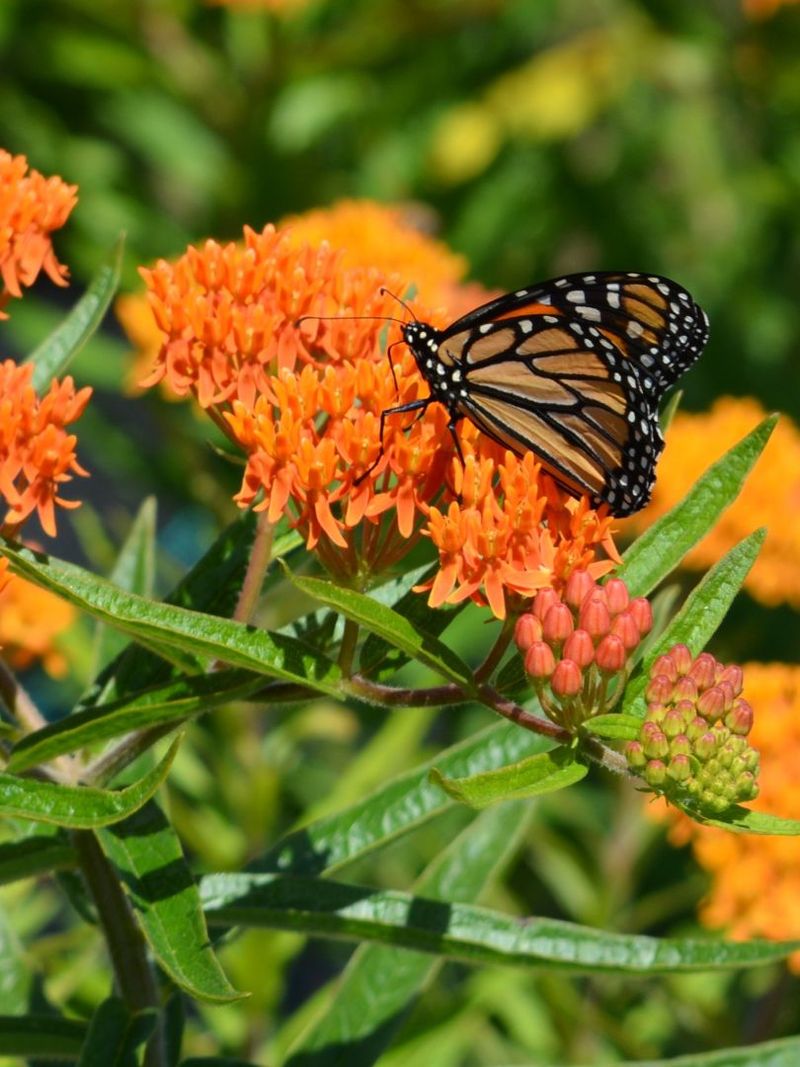
Monarchs literally cannot survive without milkweed, and butterfly weed is one of the showiest ways to give them a home. Its blazing orange flower clusters serve as both a nectar stop and a host plant where monarchs lay their eggs.
The seeds need a good cold spell to sprout, so fall scattering is honestly the easiest route to success. Winter handles the chilling, and you skip the fiddly refrigerator-stratification tricks that spring planters wrestle with.
Patience is the price of admission here. Butterfly weed can take a couple of years to bloom from seed because it is busy building a deep taproot, but once settled it becomes a long-lived fixture that anchors your yard’s monarch habitat.
8. Lanceleaf Coreopsis (Coreopsis lanceolata)
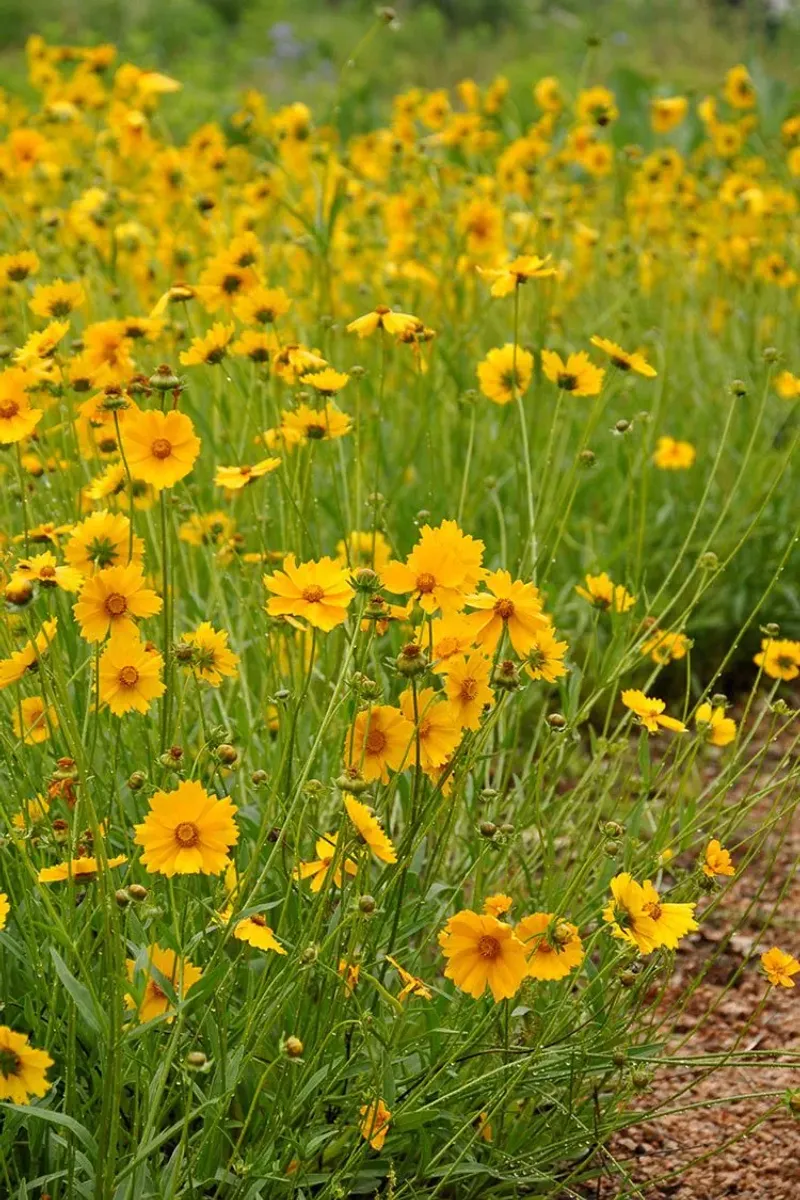
Golden and endlessly cheerful, lanceleaf coreopsis is the wildflower for anyone who thinks they cannot grow anything. It shrugs off poor soil, heat, and drought, then rewards you with a long parade of yellow daisy blooms that pollinators can not resist.
Because it turns up in so many North Carolina wildflower seed mixes, you have probably admired it along a highway without knowing its name. It self-sows generously, so a small fall scatter can carpet a bank over a few seasons.
Spread the seeds on bare ground now and barely cover them, since they like a little light to germinate. By early summer you will have a low-maintenance splash of gold that keeps bees busy and asks almost nothing in return.
9. Culver’s Root (Veronicastrum virginicum)
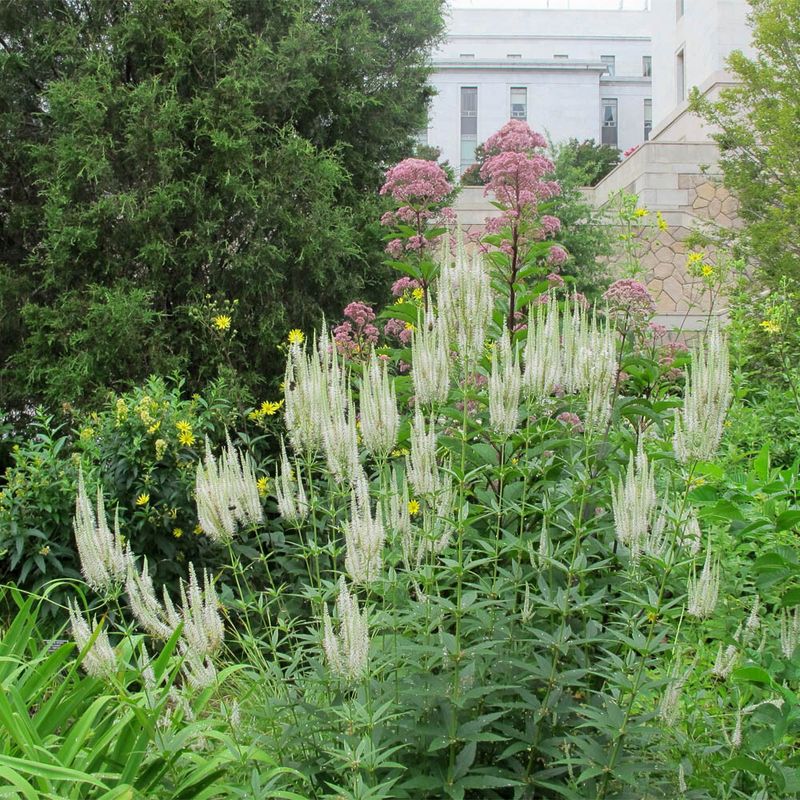
Standing five feet or taller with elegant white flower spikes that branch like a candelabra, Culver’s root brings real architecture to a native planting. Bees swarm the tapered blooms in late summer, and the vertical form gives a wildflower patch some welcome height.
It leans toward moister soils and can handle part shade, which makes it a smart pick for that damp corner where sun-lovers sulk. Fall is the ideal time to sow its tiny seeds, letting the winter cold ready them for spring.
Scatter lightly on top of the soil, since these seeds are small and want light to sprout. Give it a season or two and you will have a dignified backdrop that rounds out the shorter daisies and asters nicely.
10. Goldenrod (Solidago spp.)
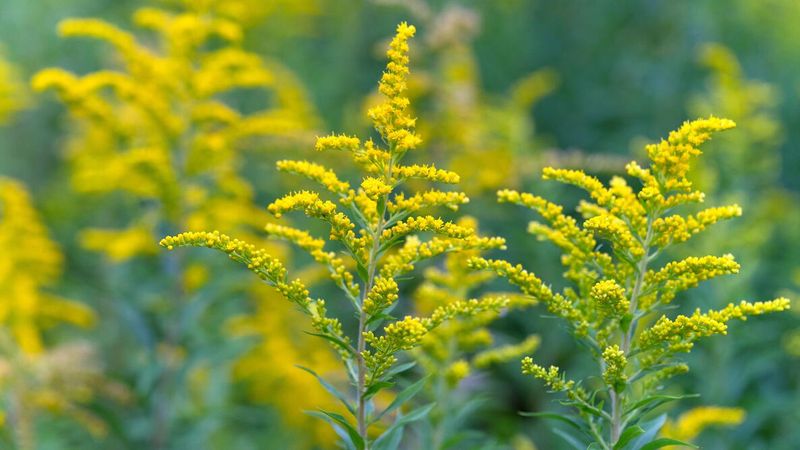
Poor goldenrod gets blamed for hay fever every single fall, and it is completely innocent. The real culprit is ragweed blooming at the same time, while goldenrod’s heavy, sticky pollen never floats into your nose.
What it actually does is feed a stunning number of pollinators when the season is winding down.
Those golden plumes are one of the most important late nectar sources in North Carolina, drawing bees, butterflies, and beneficial insects prepping for winter. Native goldenrods are tough, adaptable, and happy in sun across the Piedmont and beyond.
Sow the seeds this fall so the plants can sink strong roots before the following year’s growth. If you want to keep it in bounds, choose a clumping species and give it a defined spot, and you will have a reliable finale to your yard’s blooming year.