
The One Thing North Carolina Blueberry Bushes Need Right After The Last Harvest Or Next Summer’s Crop Thins Out
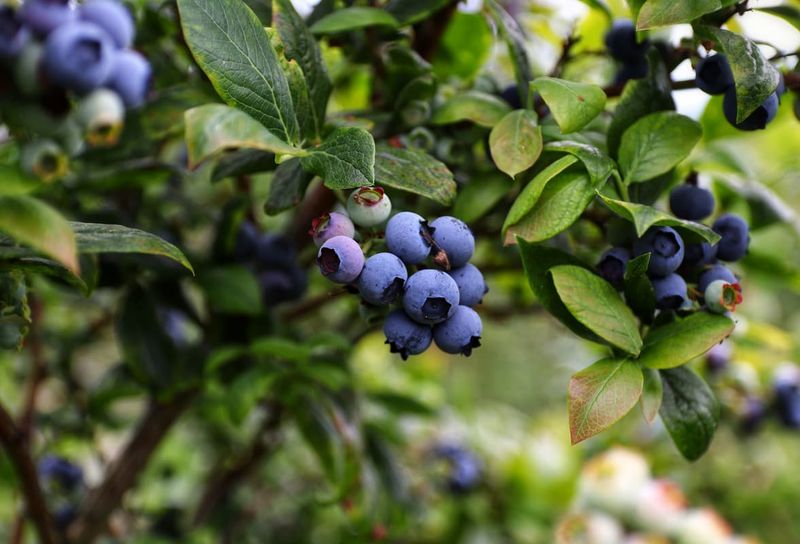
Many North Carolina gardeners finish picking blueberries and immediately wonder if they need to grab their pruning shears to protect next year’s crop. The answer is more nuanced than a single dramatic cut, and acting too quickly or too aggressively can actually work against you.
Next year’s flower buds are already forming on your bush during late summer and early fall, which means the weeks right after harvest are about protecting what the plant is quietly doing, not disrupting it.
Protect the bud-forming season, not a supposed one-day deadline
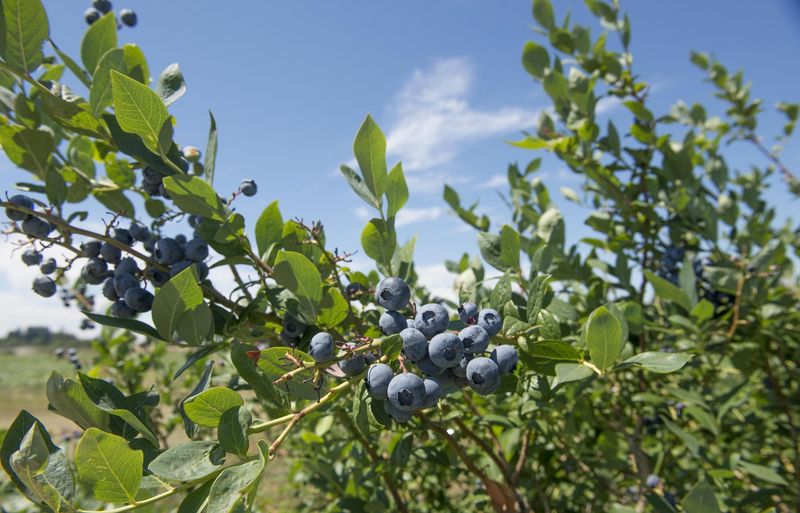
Blueberries do not wait until after the final harvest to start working on next year’s crop. University of Georgia Extension guidance on blueberry phenology explains that flower buds form during the current growing season, primarily in late summer through early fall, and this process may already be underway while you are still picking the last fruit.
The timing shifts depending on cultivar, weather patterns, and how the plant has been managed throughout the season.
Flower buds are generally larger and rounder than vegetative buds, and they tend to appear toward the tips of one-year-old shoots. Vegetative buds are smaller and more pointed.
Knowing this helps you recognize what the plant is building and why protecting those developing shoots matters so much in the weeks after harvest.
Healthy leaves are central to this process. Foliage supports photosynthesis and directly influences how many flower buds the plant can initiate.
Removing leaves prematurely, whether through aggressive pruning, stripping, or drought-induced early drop, can reduce the number of buds the plant sets for the following year.
That is why the most dependable postharvest priority is not a pruning cut. Keeping the canopy intact, maintaining consistent soil moisture, and avoiding stress during this bud-formation window give the plant the best conditions to build a strong floral set.
Drought stress during late summer can coincide with exactly the period when buds are differentiating, making water management especially consequential.
Reframing the task this way changes what you do the week after picking ends. Instead of reaching for shears, you are checking soil moisture, looking over the canopy for signs of stress, and making sure the mulch layer is doing its job.
Those steps are less dramatic than a hard cut, but they are more reliably helpful for most backyard bushes across North Carolina’s varied regions.
Use a simple postharvest care checklist
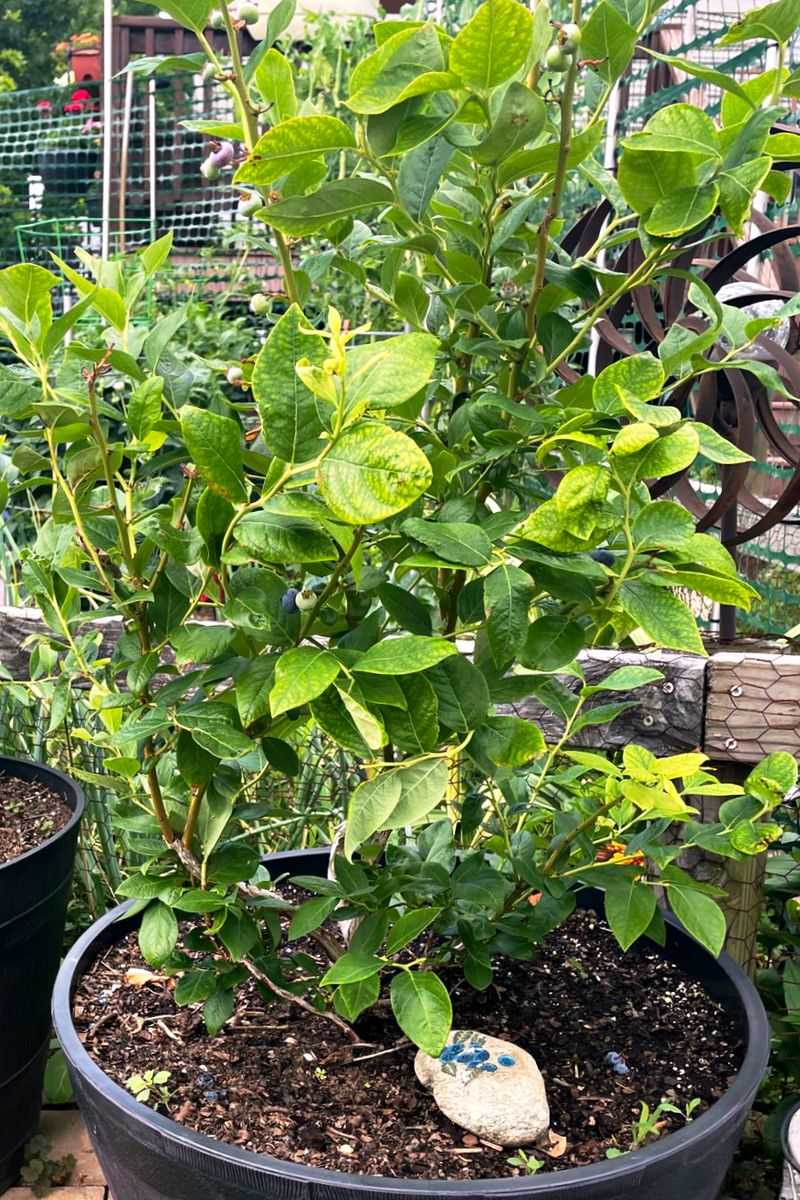
Right after the last berries come off the bush, a short walk-around inspection covers most of what the plant actually needs. Start at the canopy and work down.
Look for canes that are clearly dead or broken, check for any signs of insect damage on the stems, and note whether the leaves look healthy and green or show unusual spotting, wilting, or browning at the edges.
From there, move to the soil. Blueberries are shallow-rooted and dry out faster than many homeowners expect, especially during North Carolina’s late-summer heat.
NC State Extension guidance on growing blueberries gives a general home-garden target of 1 to 2 inches of water per week from rain or irrigation. Actual needs vary with soil type, weather, and plant size, so use that range as a starting point rather than a fixed rule.
A simple finger test or a soil moisture meter tells you more than the calendar does.
Mulch is the third checkpoint. Organic mulch, including pine bark, pine straw, sawdust, or wood chips, moderates soil temperature, holds moisture, and suppresses weeds through the dry weeks ahead.
NC State’s home-garden blueberry publication recommends a substantial mulch layer, ranging from about 2 inches for routine annual maintenance to 3 to 4 inches in more detailed guidance. Spread mulch out to the drip line but keep it pulled back from the crown so the base of the plant stays dry and air can circulate.
These three steps, inspection, watering, and mulch management, support the plant without pushing it into excessive late-season vegetative growth. That balance matters because the goal during this period is to keep the bush stable and photosynthetically active while flower-bud formation continues, not to force a flush of new shoots that may not have time to mature before fall temperatures arrive.
Keep healthy leaves and investigate symptoms before cutting
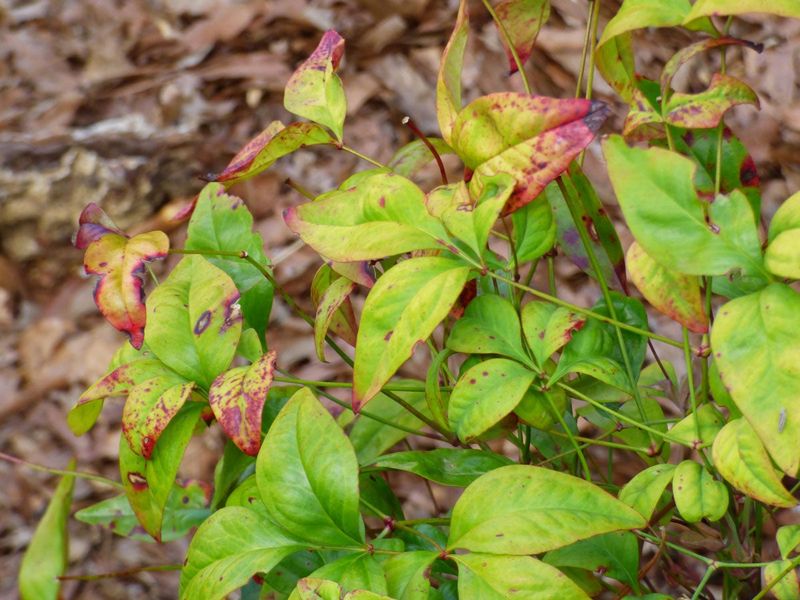
Reaching for pruning shears the moment a leaf looks off is one of the more common and preventable mistakes in postharvest blueberry care. Healthy foliage should stay on the plant.
Research on blueberry phenology shows that premature defoliation during the bud-formation period can reduce the number of flower buds the plant sets, which translates directly into fewer berries the following summer.
Before removing any foliage, take time to figure out what you are actually looking at. Drought stress, fertilizer burn, and nutrient deficiencies can all produce symptoms that resemble fungal leaf diseases, including spotting, marginal browning, and early yellowing.
Pulling off leaves without a clear diagnosis may strip healthy or salvageable foliage that the plant still needs for photosynthesis.
NC State Extension’s guide to blueberry leaf diseases notes that most home gardeners will not need fungicides to manage common leaf problems, and specifically does not recommend oil-based or neem sprays for leafspot management. Any pesticide use must be tied to an accurate diagnosis, a specific product labeled for that pest and crop, and careful label compliance.
Routine spraying as a precaution is not recommended practice for backyard plants.
When removal is genuinely warranted, limit it to material with a clear problem: canes or branches that are dead, physically damaged, visibly diseased with a confirmed diagnosis, or showing active insect infestation. Sanitation, removing and disposing of fallen leaves and infected material from around the base of the plant, is a practical step that does not put healthy foliage at risk.
The guiding principle here is simple. Diagnose before you cut, and when in doubt, leave the leaf.
The plant is doing work with every green surface it has, and that work supports next year’s harvest more reliably than a tidy-looking canopy does.
Decide whether the bush actually needs a summer cut
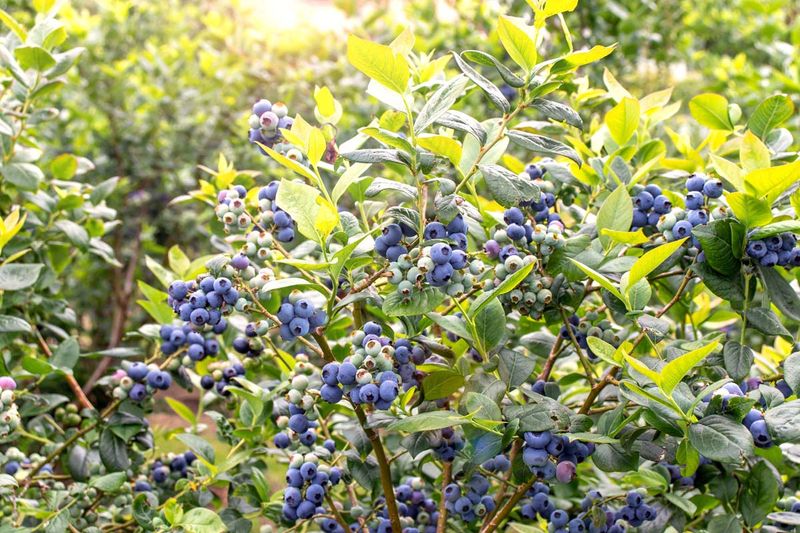
Postharvest topping is a real practice, but it is not a universal requirement. Whether it makes sense for your bush depends on several factors working together: the cultivar, where you are in North Carolina, when the plant finished fruiting, how vigorously it grows, and how much regrowth time remains before cold weather arrives.
The situation where summer topping is most likely to help is a mature, vigorous, overgrown bush, particularly an early-fruiting rabbiteye in the Piedmont or Coastal Plain, that has grown too tall to manage comfortably and finished harvest early enough to allow regrowth. NC State Extension describes postharvest summer topping as a practice common in southeastern North Carolina for maintaining plant height and reducing the amount of structural work needed during winter pruning.
The key qualifier is that it suits early-fruiting cultivars; later-ripening varieties may not regrow and form new buds before cold temperatures arrive.
A normally sized backyard bush that is not overcrowded, not excessively tall, and not causing access problems generally does not need a postharvest cut. That plant can wait for dormant-season pruning, when the structure is easier to read and the risk of disrupting bud formation has passed.
The NC State Extension Gardener Handbook section on small fruits notes that rabbiteye blueberries are generally well suited to the Piedmont and Coastal Plain, while highbush types are preferred at higher mountain elevations where winter cold can damage rabbiteyes. Mountain highbush plants often warrant greater caution around summer pruning because the regrowth window before cold weather is shorter.
That said, region and plant type alone do not make the decision. Cultivar, harvest date, plant vigor, and the specific weather pattern of the current season all factor in.
Treat any summer cut as a considered choice rather than a default action. If the bush is not clearly overgrown, not an early-fruiting type, and not located where summer topping is an established local practice, the dormant season is the safer time to do the main structural work.
If topping fits, leave enough time for new wood to mature
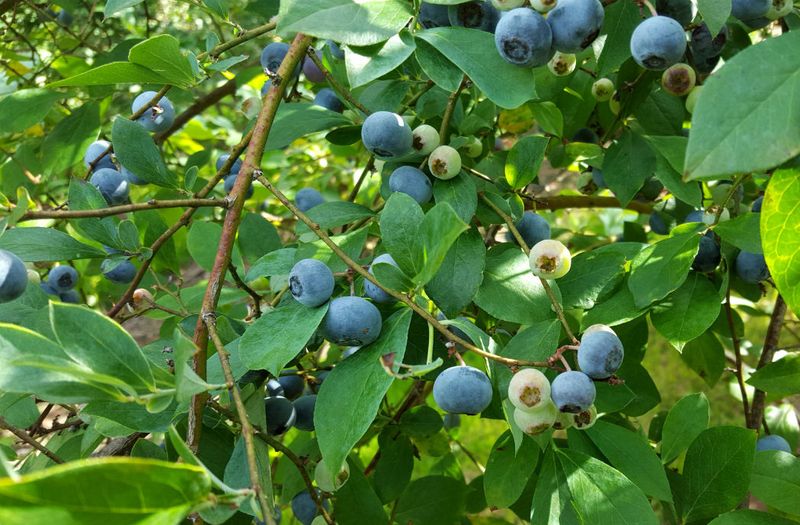
Timing a summer cut correctly is as important as deciding to make one at all. Any topping that qualifies under the conditions described in the previous section needs to happen early enough for the new shoots to grow out, harden off, and form flower buds before cold weather shuts the process down.
A cut made too late leaves the plant with soft, immature regrowth that may not differentiate buds at all before temperatures drop.
Mississippi State University Extension guidance recommends completing postharvest pruning by approximately August 1 so new wood has adequate time to mature and develop flower buds. That date functions as a useful conservative reference, not a guaranteed statewide rule for every cultivar and location.
An early-fruiting rabbiteye in coastal North Carolina that finishes harvest in June has more runway than a mid-season variety that wraps up in late July.
NC State Extension warns that later-ripening cultivars may not have enough time to regrow and form new buds before cold weather, which is why the cultivar and harvest date matter so much when evaluating whether a summer cut is appropriate at all.
Research published in the Journal of the American Society for Horticultural Science on pruning timing and berry yield found that summer pruning effects vary by cultivar and timing, with different southern highbush cultivars responding differently to the same cuts. That variability reinforces why a one-size approach does not work across North Carolina’s diverse planting situations.
When topping is appropriate, keep it proportionate. The goal is height control and stimulation of replacement growth, not a severe reduction that removes the entire fruiting framework.
Cutting back to a reasonable working height, rather than shearing the plant indiscriminately, preserves enough structure for the bush to recover and produce. Severe or indiscriminate heading cuts made at the wrong time can remove more fruiting potential than they create.
Save most structural pruning for dormancy
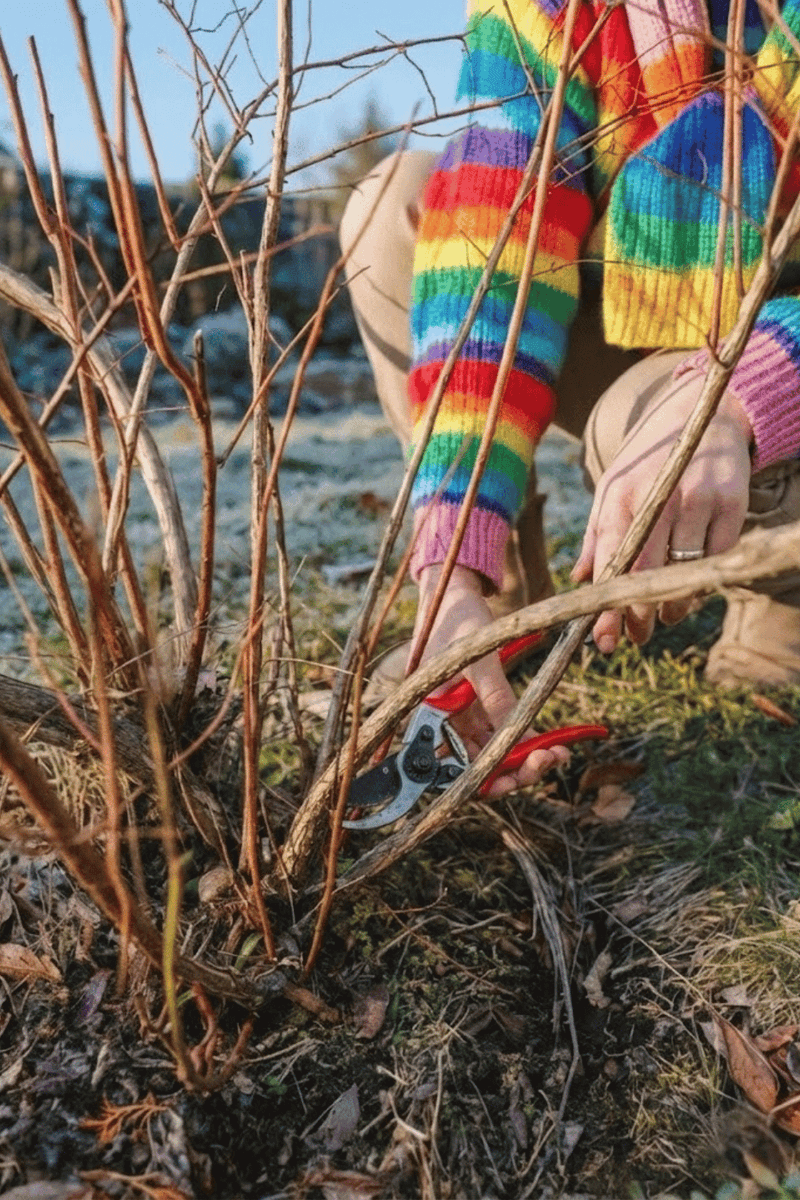
Most of the structural work a blueberry bush needs belongs in the dormant season, not the weeks right after harvest. Waiting until the plant drops its leaves and enters dormancy, generally between December and March in North Carolina, gives you a clear view of the framework you are working with.
Old canes, crossing branches, weak interior growth, and low-angled stems that drag toward the ground are all much easier to identify and remove when foliage is no longer in the way.
NC State’s home-garden blueberry guidance favors dormant pruning, after leaf fall and before flower buds open, as the general approach for mature plants. In the mountains, late winter is often especially suitable because it reduces the risk of stimulating growth that cold snaps could damage.
The dormant window also makes it easier to assess flower-bud load and adjust it before bloom, which can improve berry size and reduce the strain of overcropping.
During this dormant pass, target specific categories of wood. Remove dead, diseased, or insect-infested canes entirely.
Cut out weak, spindly growth that is unlikely to carry a productive crop. Eliminate branches that cross and rub against each other, low-angled stems that angle sharply toward the ground, and interior growth that is excessively twiggy and cluttered.
NC State Extension’s Stokes County blueberry pruning guidance also recommends progressively renewing older gray or lichen-covered canes rather than letting the bush become crowded with unproductive old wood.
Cane renewal works gradually. One North Carolina recommendation is to remove about one-third of the oldest canes at ground level each year; another suggests taking out three or four of the largest, oldest canes once the bush is mature.
Plant size and current vigor should guide the number, not a fixed formula. University of Florida IFAS’s blueberry gardener’s guide reinforces that summer topping and winter structural pruning serve different purposes, and that conflating them leads to poorly timed cuts that may reduce rather than improve production.
Separating these two types of work keeps each one focused. Summer topping, where it applies, addresses height and vigor.
Dormant pruning addresses the plant’s long-term structure, fruiting-wood renewal, and balance between vegetative and reproductive growth.
Check the growing conditions before blaming pruning
A thin blueberry crop rarely has a single cause, and pruning is often not the main one. Before adjusting any pruning schedule, check the foundational growing conditions that determine whether the plant can produce at all.
Several common problems can reduce yield significantly while looking, on the surface, like a pruning or timing issue.
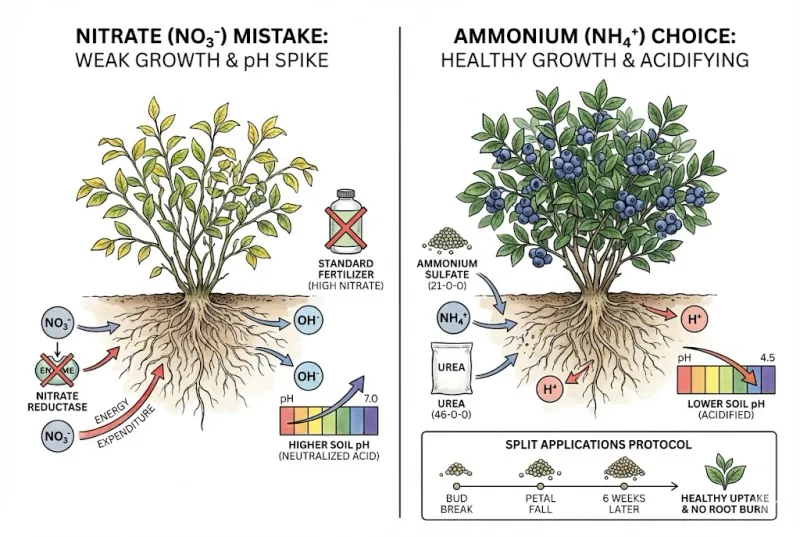
Soil acidity is one of the most common limiting factors for North Carolina homeowners. Blueberries require acidic soil, generally around pH 4.5 to 5.0 depending on the type and the specific recommendation source.
NC State Extension’s guidance on soil acidity and liming explains how pH affects nutrient availability and plant health. A bush growing in soil that is too alkaline may struggle to take up nutrients even when fertilizer is present, leading to weak growth and poor fruit set that has nothing to do with when or whether you pruned.
Poor drainage, drought during bud formation or bloom, cultivar mismatch for the region, and winter or spring freeze damage can all thin a crop. The NC State Extension Gardener Handbook also notes that most North Carolina blueberry cultivars, especially rabbiteyes, need cross-pollination support from more than one compatible variety.
A planting with only one cultivar, or varieties that do not overlap well in bloom time, may produce poorly regardless of how well the rest of the care routine is managed.
Fertilizer deserves its own caution. Do not apply fertilizer automatically after harvest.
NC State’s home-garden blueberry publication recommends using soil-test results and plant growth to guide feeding decisions. Blueberry roots are easily damaged by excess fertilizer, and a flush of late-season vegetative growth driven by poorly timed feeding may interfere with the plant’s transition toward flower-bud formation rather than support it.
The practical decision rule, once all of this is taken together, is straightforward. Preserve the leaves, supply consistent moisture, keep the mulch in good shape, and reserve pruning for situations where the plant, the cultivar, the timing, and the region all point toward it.
A healthy, well-watered bush growing in properly acidic soil with a compatible pollinator nearby has most of what it needs to set a good crop next summer, with or without a dramatic cut.