
September Is Usually the Outdoor Deadline, Not a Universal Indoor-Start Month for North Carolina Fall Crops
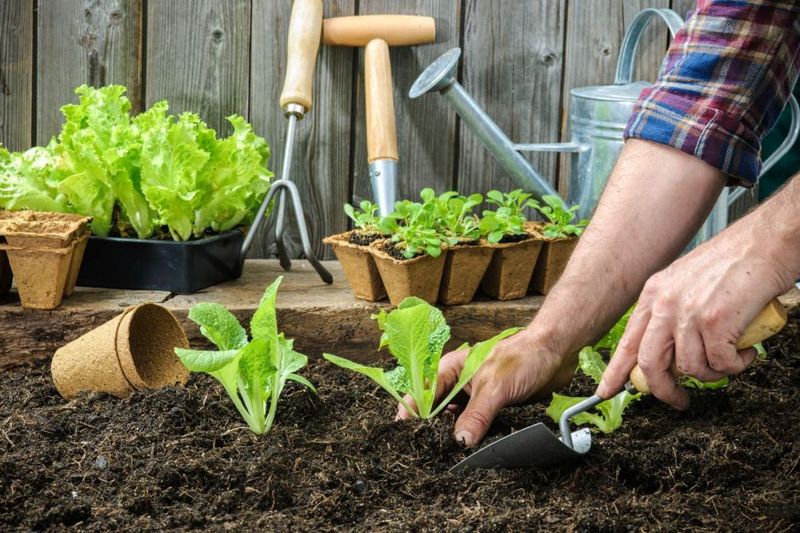
Fall gardening in North Carolina runs on a tighter clock than most people expect, and getting the timing wrong often means pulling up plants that never had a real chance. A headline circulating in gardening circles suggests one crop must be started indoors in September or the harvest will never fill out, but that framing skips over some important regional and crop-specific details.
The truth is more useful: September is usually the month to get established transplants into the ground, not the month to crack open a seed packet for most long-season crops. Understanding that difference, and knowing which faster crops still have time, puts you in a much stronger position heading into fall.
September is usually the outdoor deadline, not a universal indoor-start month
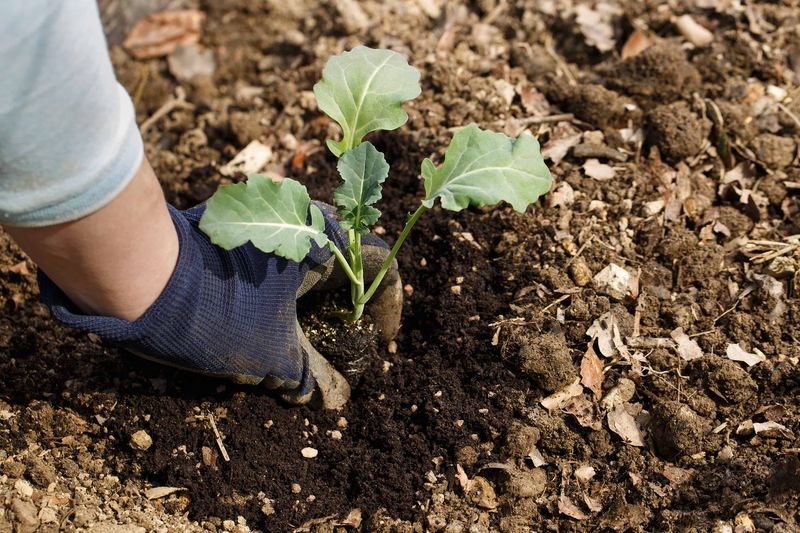
The headline that launched this article makes a bold promise: start one specific crop indoors in September or the harvest fails. That framing deserves a correction before anything else.
No single North Carolina fall crop universally requires an indoor September sowing, and for most long-season vegetables, September is already too late to begin seeds indoors if the goal is a full, mature crop before cold weather arrives.
The confusion often comes from mixing up two separate steps. Starting seeds indoors and moving established transplants outdoors in September are not the same action.
For broccoli, cabbage, cauliflower, and kale, the indoor-start dates fall weeks earlier, often in July or early August. By September, those crops should already be transplant-ready seedlings heading into the garden, not seeds going into trays.
Lettuce is the crop that fits closest to the premise, and it is worth examining as a possible interpretation of the original claim. NC State Extension’s lettuce production guidance lists lettuce as well-suited to fall production in appropriate North Carolina locations, and the crop does benefit from an indoor head start in some situations.
But even there, the math points to July or August as the better indoor-start window, not September.
The Eastern North Carolina Vegetable Planting Guide from NC State places the fall lettuce outdoor planting window between August 25 and September 25. If transplants need five to six weeks of indoor growth before going outside, the seeds should have gone into trays around mid-July to mid-August.
A September seed start puts that transplant date somewhere in October or later, which is a gamble in most of the state.
The NC State Extension Gardener Handbook on vegetable gardening frames the broader principle clearly: count backward from your intended outdoor planting date, not forward from a calendar month someone else chose. September matters as a deadline for getting plants into the ground, not as a universal starting gun for seeds.
Lettuce fits part of the premise, but it does not require indoor starting
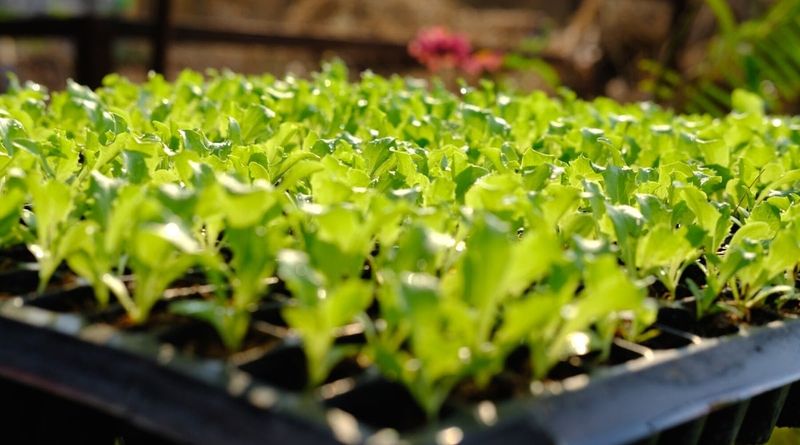
Lettuce earns its place as the most plausible crop behind the original headline, but that identification is an inference, not something any source confirms. The reasoning is straightforward: lettuce thrives in cool weather, suits fall production in much of North Carolina, and genuinely benefits from a transplant head start in some situations.
Those characteristics align with the spirit of the claim even if the absolute framing does not hold up.
As a cool-season crop, lettuce prefers air temperatures between roughly 45 and 75 degrees Fahrenheit. Heat and warm nights push it toward bolting, which turns leaves bitter and stops head development.
That sensitivity is exactly why timing matters so much in fall: the window between summer heat and hard freezes can be narrow, especially in the Piedmont and mountain regions.
NC State’s lettuce production resource notes that transplants generally reach suitable planting size about four to six weeks after seeding under protected conditions. That timeline supports starting indoors in July or August for a September outdoor planting, not starting in September and expecting transplant-ready plants before October ends.
Critically, lettuce does not require indoor starting. NC State’s cool-season vegetable production guidance describes both direct seeding and transplanting as valid approaches, and direct seeding from mid-August through late September works in suitable locations.
Indoor starting helps when soil temperatures are still high enough to inhibit germination or when the gardener wants to gain a few weeks, but it is an option rather than a requirement.
A September indoor start for lettuce is not pointless, but expectations should match the situation. In favorable eastern and some central North Carolina locations, seeds started indoors in early September may produce harvestable leaves by late fall.
Expecting large, firm heads in most of the state from a September seed start is a different matter, and that outcome is far less reliable. Longer-season crops like broccoli, discussed in NC State’s broccoli production guidance, need even earlier starts and cannot realistically be seeded in September for a substantial fall harvest.
Your region determines how much fall time remains
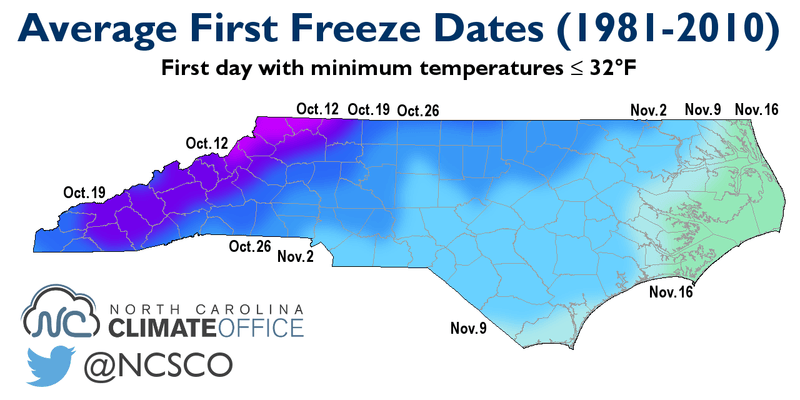
North Carolina stretches across three distinct growing regions, and treating the whole state as one gardening zone produces bad timing decisions. A schedule that works comfortably in Wilmington can leave a Boone gardener scrambling after an early freeze, while a mountain-adjusted timeline may leave eastern growers pulling plants too soon.
The mountain and western counties generally see their first fall frosts earlier and more reliably than the rest of the state. NC State’s lettuce production resource specifically notes that fall lettuce production is generally not recommended in much of western North Carolina because frost risk shortens the window too much for a dependable crop.
That does not mean mountain gardeners cannot grow lettuce in fall, but it does mean the margin for error is thin and a September seed start indoors may not leave enough growing time before a hard freeze arrives.
Eastern North Carolina, by contrast, has a longer and more forgiving fall window. The Coastal Plain often sees frost arrive 10 to 20 days later than the Piedmont, and some years the mild fall extends leaf lettuce and greens production well into November or December.
That extra time is what makes a September outdoor planting of transplants or even a September direct-seeding of fast crops more realistic in the east than elsewhere.
The NC State Extension Gardener Handbook recommends using local frost dates and counting backward from the intended outdoor planting date to set the indoor-start calendar. The NC State Climate Office Freeze Date Explorer provides location-specific freeze probability data, which is more precise than a regional average.
A freeze is defined as 32 degrees Fahrenheit or colder at standard measurement height, and plant-level frost can occur even when official air temperatures read a degree or two above that threshold.
The practical takeaway is to look up your local average first-fall-freeze date, subtract the crop’s days-to-maturity, then subtract the transplant period if you are starting indoors. That calculation, not a universal September rule, tells you whether you still have time and which crops are realistic for your specific location.
Count backward and raise sturdy transplants
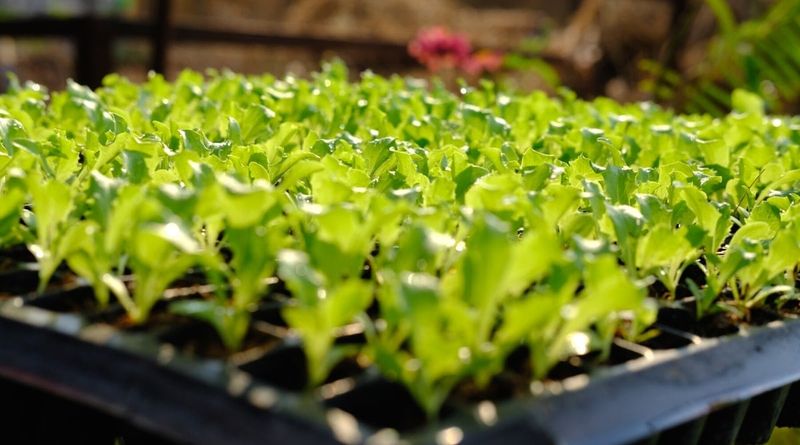
Getting a lettuce transplant right starts well before the seedling ever touches garden soil. The process works backward from the date you plan to plant outside, not forward from the day you feel like starting seeds.
For most of North Carolina’s fall lettuce window, that means seeds going into trays roughly five to six weeks before the intended outdoor planting date.
Container choice and growing medium matter from the first day. Clean containers with drainage holes and a soilless seed-starting mix give seedlings the moisture retention and air circulation they need without the disease pressure that garden soil can carry.
NC State’s propagation guidance recommends soilless mixes specifically because they reduce damping-off and other early seedling diseases that can wipe out a tray before the plants reach transplant size.
Lettuce seedlings grow relatively quickly, but they can still become weak or root-bound if left in small containers too long. Keep them in a bright location, maintain even moisture without waterlogging the mix, and thin to one strong seedling per cell if multiple seeds germinate.
Tall, spindly growth usually signals insufficient light rather than a nutrient problem at this stage.
NC State’s lettuce production resource recommends hardening transplants for five to seven days before moving them to the garden. Hardening means gradually increasing their exposure to outdoor temperatures, wind, and direct sun, starting with an hour or two outside in a sheltered spot and working up to a full day over about a week.
Skipping this step leaves seedlings vulnerable to wilting and transplant shock even when conditions look mild.
Transplanting on a cloudy day or in the early evening reduces the heat stress on roots that have just been disturbed. Water immediately after planting to settle soil around the roots and eliminate air pockets.
The NC State vegetable gardening handbook emphasizes maintaining steady moisture during the establishment period, because water stress in the first week after transplanting can set back growth more than almost any other factor. Mulching lightly around the base of each plant helps hold soil moisture and moderate temperature swings during the transition.
Indoor starting helps with timing but cannot fill a head by itself
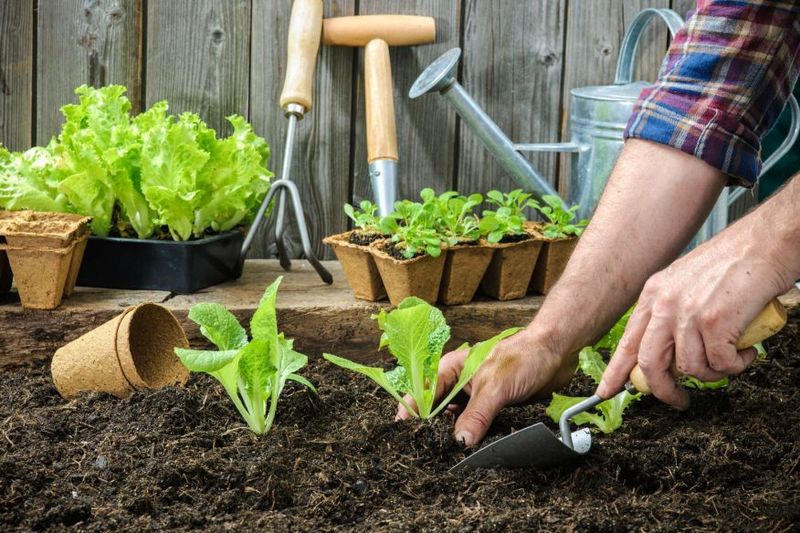
A transplant gives lettuce a head start, not a guarantee. Moving a six-week-old seedling into the garden instead of direct-seeding saves time, but the weeks that follow determine whether the plant actually develops into something worth harvesting.
Growing conditions from transplant day onward carry at least as much weight as the indoor start itself.
Lettuce needs cool air to form tight, quality heads. Warm nights, which remain common through early September across much of North Carolina, can trigger bolting even in young transplants.
Once a plant shifts energy toward flowering, leaf texture turns coarse and bitter, and head formation stops. No amount of careful indoor seed starting reverses that response once warm temperatures set it in motion.
Steady moisture is another factor that indoor starting cannot substitute for. NC State’s lettuce production guidance connects moisture stress directly to reduced head development and quality.
Lettuce roots are relatively shallow, which means they dry out faster than deeper-rooted crops and need more frequent attention during dry spells, which are common in North Carolina’s late summer and early fall.
Fertility, cultivar choice, and spacing also shape the final harvest. Leaf and butterhead types generally perform better and mature faster than large crisphead varieties in fall conditions.
Crowded plants compete for light and air circulation, which slows development and raises disease pressure. The NC State Extension vegetable handbook addresses spacing and fertility as essential components of a productive fall garden, not afterthoughts.
Indoor starting does offer one practical advantage beyond timing: it lets seeds germinate in a controlled environment when outdoor soil temperatures are still too warm for reliable lettuce germination. NC State’s broccoli production guidance makes a parallel point about brassicas, noting that soil conditions, moisture, and fertility together determine yield, not any single step in the production process.
The same logic applies to lettuce. A well-timed transplant placed into poor conditions will underperform a direct-seeded plant that gets consistent water, cool nights, and adequate nutrients.
Choose faster crops when the transplant window has passed
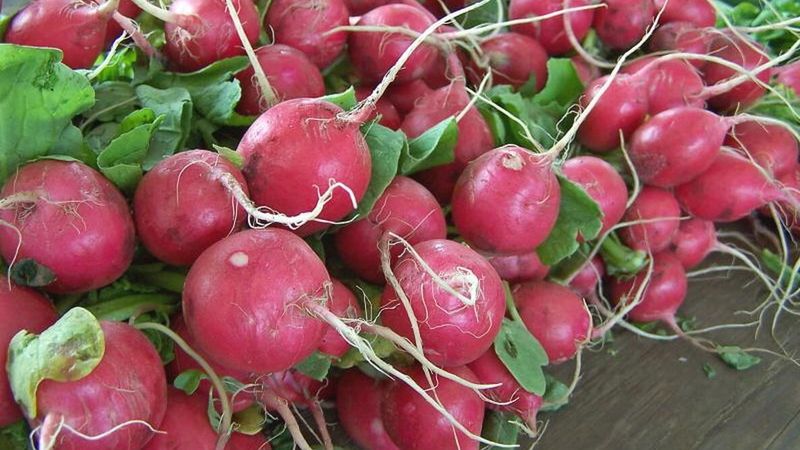
Missing the transplant window for long-season crops is not the end of fall gardening. Several vegetables can still be direct-seeded in September and produce a useful harvest before hard freezes arrive, as long as expectations match the crop’s actual maturity timeline.
Turnips, radishes, mustard, spinach, and some lettuce varieties are the most realistic September direct-seeding choices across much of North Carolina. Radishes can mature in as few as 25 to 30 days, making them one of the fastest options available.
Turnips, grown for both greens and roots, typically mature in 35 to 60 days depending on the variety. Spinach and mustard greens are similarly quick and cold-tolerant, which gives them a reasonable chance of producing before temperatures drop below their growth thresholds.
The NC State Extension vegetable handbook identifies these short-season crops as appropriate for late-season direct seeding when the window for longer-maturity crops has closed. The Eastern NC Vegetable Planting Guide confirms that mustard, spinach, turnips, and radishes can be direct-seeded during their listed fall windows rather than started indoors, which simplifies the process considerably.
Broccoli, cabbage, cauliflower, and kale belong in a different category. These crops need either established transplants already in hand or seeds started weeks earlier than September to produce a substantial fall harvest.
Starting broccoli from seed in September and expecting a full head before frost is not a realistic plan for most of the state. If you missed the indoor-start window for these crops, purchasing transplants from a local nursery is the more dependable path.
Onions deserve a separate mention because they are sometimes discussed in the context of fall planting but follow a completely different schedule. NC State’s bulb onion guidance explains that fall-seeded onions are grown for a spring or early-summer bulb harvest, not a fall harvest.
Bulb formation depends heavily on cultivar daylength response, so onions started in fall are not a fall crop in the way that lettuce or turnips are.
Protect young fall crops from drought, heat, and pests
Young fall transplants and freshly seeded rows face three overlapping threats in September: lingering heat, dry soil, and insect pressure that peaked over summer and has not yet faded. Addressing all three from the start gives crops a much better chance of reaching harvest size.
Consistent moisture is the most critical factor during establishment. NC State’s vegetable gardening handbook notes that direct-seeded brassicas and other fall crops depend on adequate moisture to germinate and establish, and where irrigation is not available, purchasing established transplants is the safer choice.
A layer of straw or shredded leaf mulch around transplants slows soil moisture loss and buffers temperature swings during the transition from summer to fall conditions.
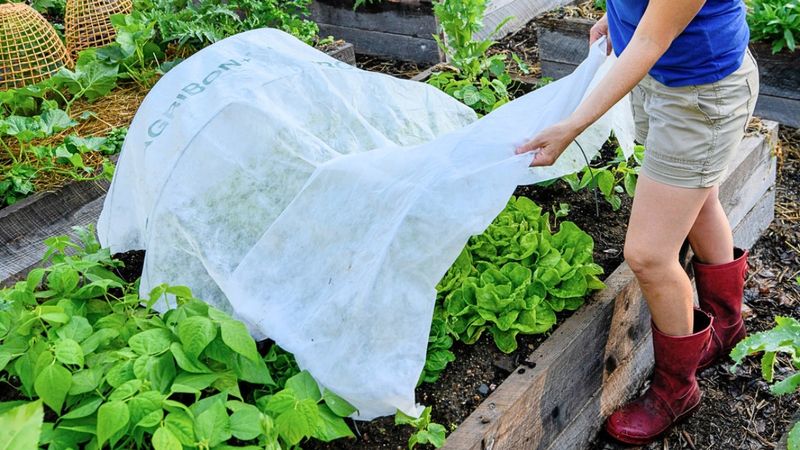
Row covers serve double duty in fall gardens. Applied directly over young plants or hooped above them, lightweight floating row covers can exclude insect pests while also buffering against light frost later in the season.
NC State’s insect pest resource for vegetables identifies row covers as a mechanical pest-management tool appropriate for brassicas and other fall crops. They need to be secured at the edges so wind does not damage plants, and gardeners should check regularly for heat buildup on warm days, since trapped heat under a cover can stress plants as much as pest feeding.
Caterpillar pests are the main insect concern for fall brassicas and leafy greens. Imported cabbageworm, cabbage looper, and diamondback moth larvae can defoliate young plants quickly.
Hand-picking egg masses and caterpillars, removing plant debris that harbors pupae, and using row covers from the day of transplanting are the first lines of defense. NC State’s insect awareness resource reinforces the value of physical controls and monitoring before reaching for any spray.
When physical controls are not enough, biological options such as Bacillus thuringiensis may be appropriate for caterpillar pests. Any product, including biological ones, must be used strictly according to its current label, including the listed crops, application rates, preharvest intervals, protective equipment requirements, and environmental restrictions, as outlined in the 2026 NC Agricultural Chemicals Manual.
Biological does not mean automatically safe for pollinators, wildlife, or people.
Use the September decision rule for your garden
Where you stand in September determines which path makes the most sense for your fall garden. The decision is not complicated, but it does require matching your current situation to what the remaining season can actually deliver.
If you already have established lettuce transplants that are five to six weeks old and hardened off, check your local outdoor planting window and get them into the ground. NC State’s lettuce guidance and the Eastern NC Vegetable Planting Guide place the fall outdoor lettuce window between late August and late September for much of the state, so established transplants going in now have a reasonable chance of producing before cold weather ends the season.
Starting lettuce from seed indoors in September is still worth doing in favorable eastern and central locations, but expect a later and less certain result rather than full, mature heads on a reliable schedule. The NC State vegetable handbook is clear that counting backward from your local outdoor planting date, not following a universal September indoor-start rule, produces the most dependable timing.
Gardeners who missed the window for long-season crops have two good options: buy transplants from a local nursery if they are still available, or direct-seed fast crops like radishes, turnips, spinach, and mustard, which can still produce before the first hard freeze in most parts of the state. The real lesson September teaches is that timing is local, crops behave differently, and the gardener who knows their frost date and counts backward will almost always outperform the one following a one-size-fits-all rule.