
The North Carolina Native Shrubs That Shrug Off Full Sun And Look Better Every Year You Leave Them Alone
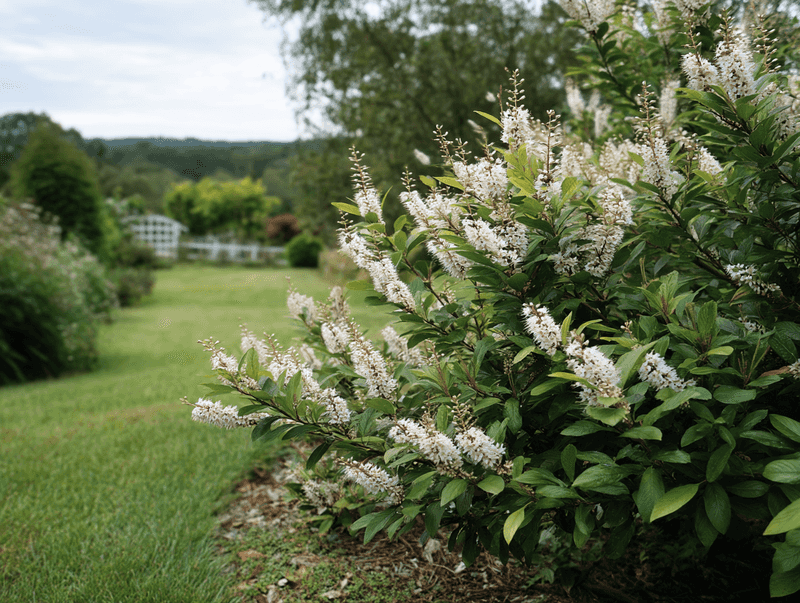
Some shrubs beg for constant fussing, and some just quietly get better while you sit on the porch. The plants on this list are North Carolina natives that soak up full sun, laugh off summer drought, and feed the box turtles, goldfinches, and butterflies that make your yard feel alive.
Best of all, they reward you for leaving them alone instead of hovering with pruners and hoses. If you want a low-work border that protects your yard’s ecosystem, these are the natives to plant this season.
1. American Beautyberry (Callicarpa americana)
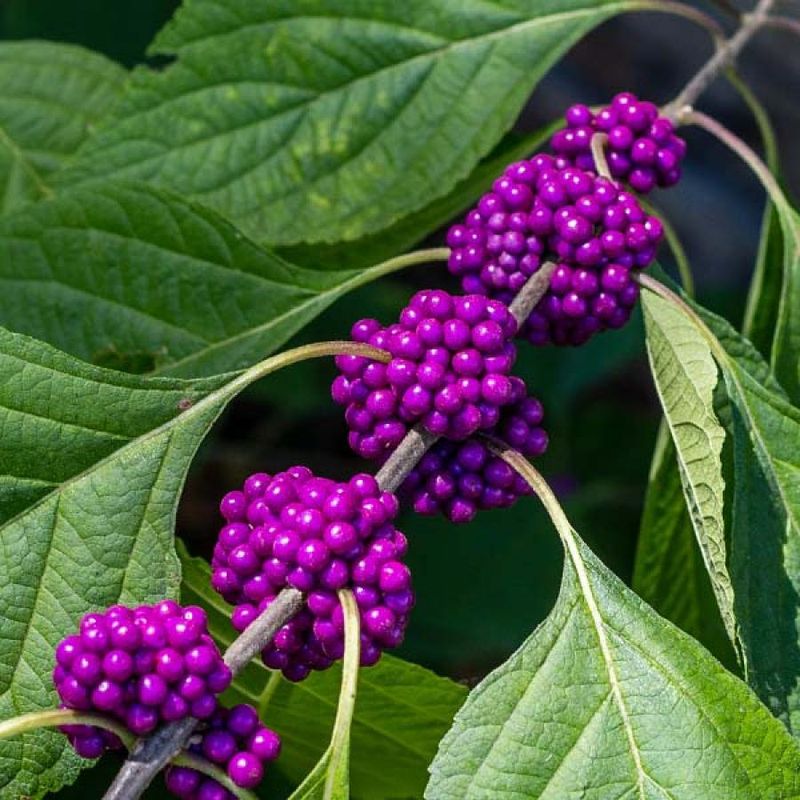
Nothing quite prepares a first-time gardener for the moment American Beautyberry lights up in fall. Those clusters of electric purple berries wrap around the stems like beads on a bracelet, and songbirds notice long before you do.
Eastern Towhees, American Robins, and Purple Finches all raid the fruit from fall into winter, and foxes, squirrels, and raccoons clean up whatever drops. Feeding that many creatures from one forgiving shrub is a bargain for any Piedmont, Coastal Plain, or mountain yard.
Give it full sun to part shade and a season to settle in, and it turns drought-tolerant on you. It asks for almost nothing after that.
Skip the pruning, skip the pampering, and it simply grows fuller and berrier each year. Fun bit worth knowing: crushed beautyberry leaves have a long folk reputation as a bug repellent, which fits its easygoing, do-it-all personality.
2. Red and Black Chokeberry (Aronia arbutifolia, Aronia melanocarpa)
If you have ever killed a shrub through sheer good intentions, chokeberry is your redemption plant. It ranks among the easiest natives a beginner can grow, and it shrugs off neglect like a champ.
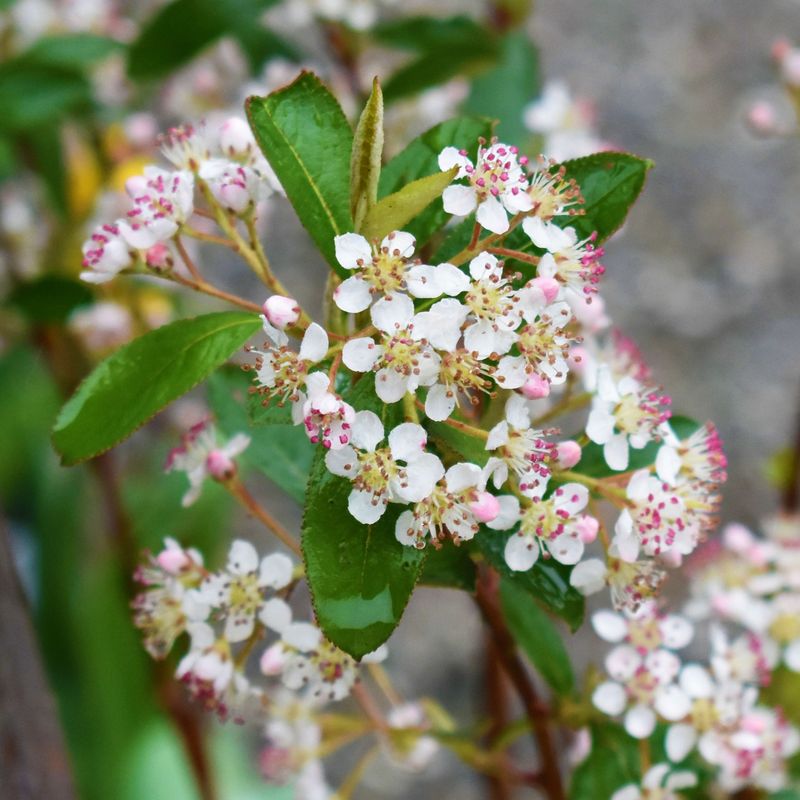
Spring brings clouds of white flowers, then dark berries follow that songbirds and small mammals treat as premium fuel. Red Chokeberry glows crimson in fall, while Black Chokeberry hands you deep purple foliage and inky fruit.
Both thrive in full sun across the Piedmont and settle in without complaint. The name scares people off, but the berries are only mouth-puckering raw, which is exactly why the birds get to enjoy the whole harvest.
Plant it, water it that first year, then let it do its quiet, reliable thing.
3. New Jersey Tea (Ceanothus americanus)
Small yard? Dry, stubborn corner where nothing seems happy?
New Jersey Tea was practically built for that spot.
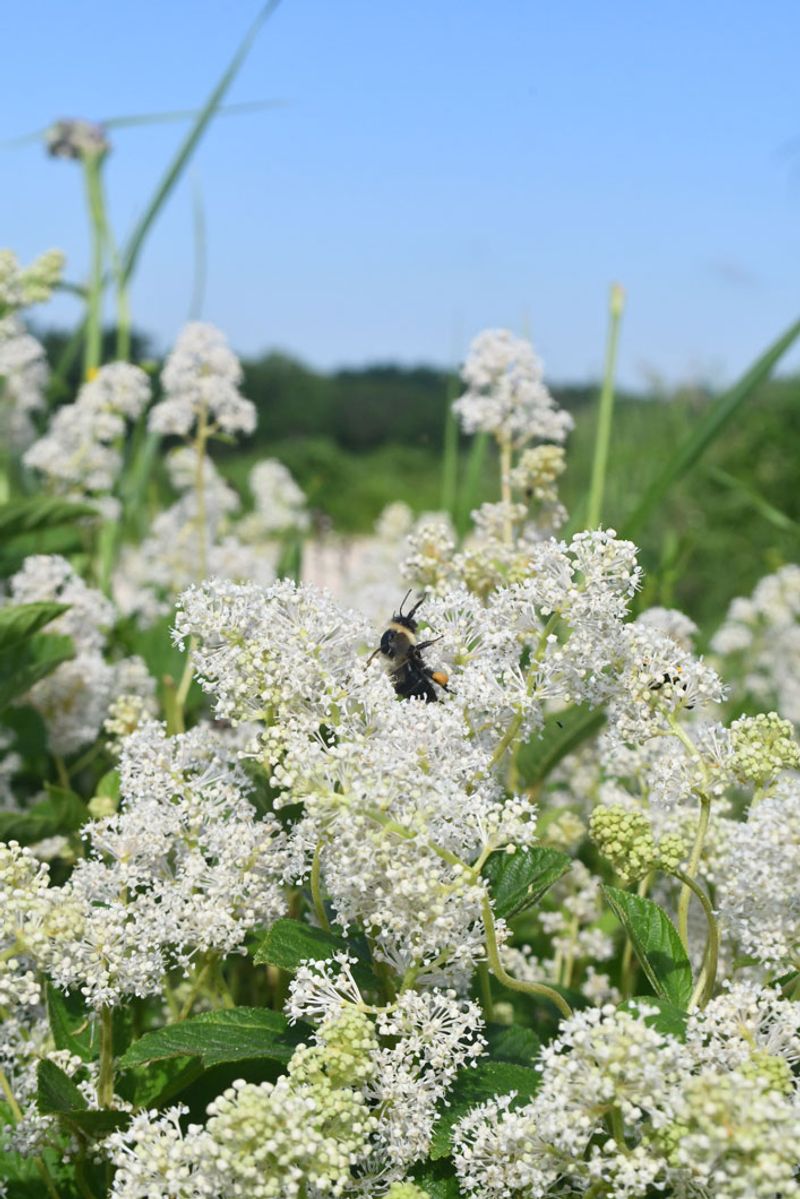
Compact and tidy, it stays polite in size while throwing out frothy white flower clusters that pollinators absolutely swarm. Butterflies drift in for the nectar, and the show happens right when summer beds start looking tired.
Its deep roots make it a drought-tolerant workhorse that actually prefers the dry sites other plants sulk in. History buffs, take note: colonists really did brew the dried leaves as a tea substitute during the Revolutionary War, which is how it earned that memorable name.
Forgiving for newcomers and effortlessly self-reliant, it rewards you for keeping the hose in the shed.
4. Fragrant Sumac (Rhus aromatica)
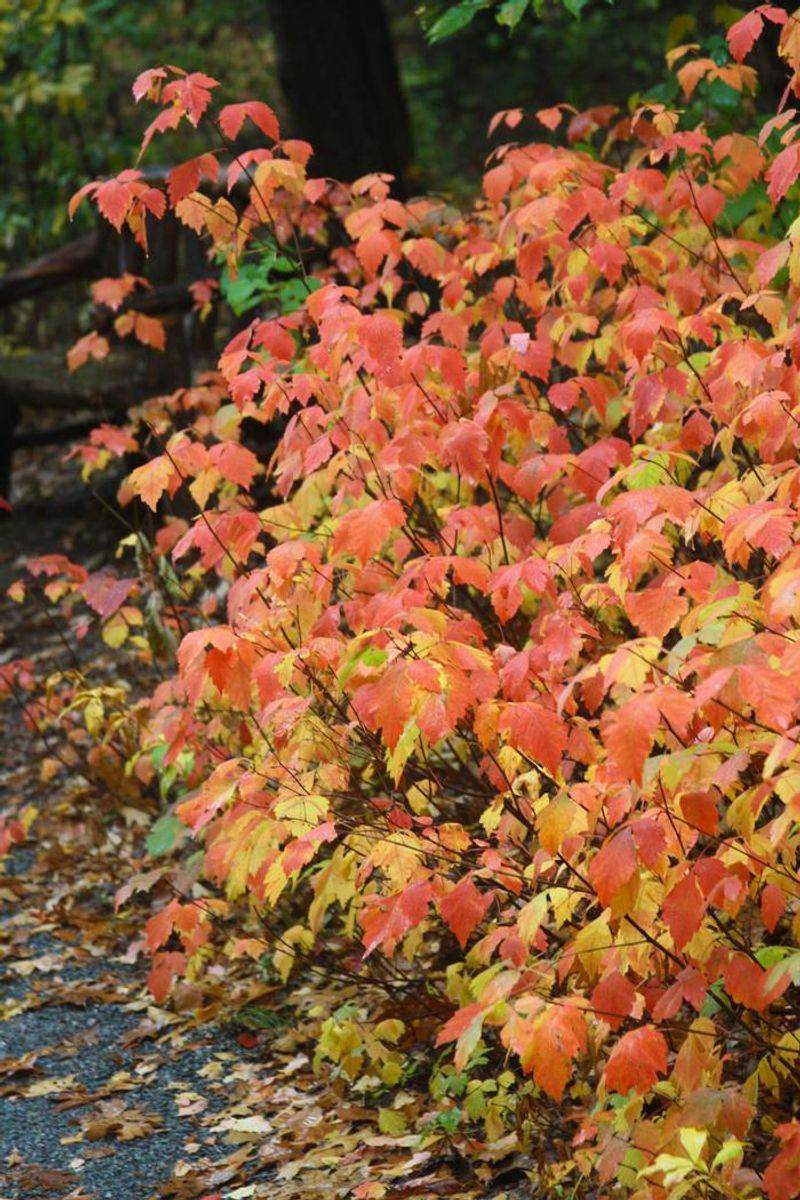
Got a slope that sheds soil and defeats every plant you throw at it? Fragrant Sumac holds ground where lesser shrubs slide away.
This low, spreading sumac is one of the most drought-hardy natives you can plant, and its leaves release a pleasant scent when brushed. Come autumn it erupts in orange and red that stops traffic, while fuzzy red fruit hangs on to feed birds.
Unlike most plants on this list, it actually welcomes a little winter cleanup. Because it blooms on new summer growth, a dormant-season trim keeps its shape and reins in wandering suckers without hurting the flowers.
Leave it alone the rest of the year and it thickens into a handsome, erosion-fighting carpet that only looks better with age.
5. Yaupon Holly (Ilex vomitoria)
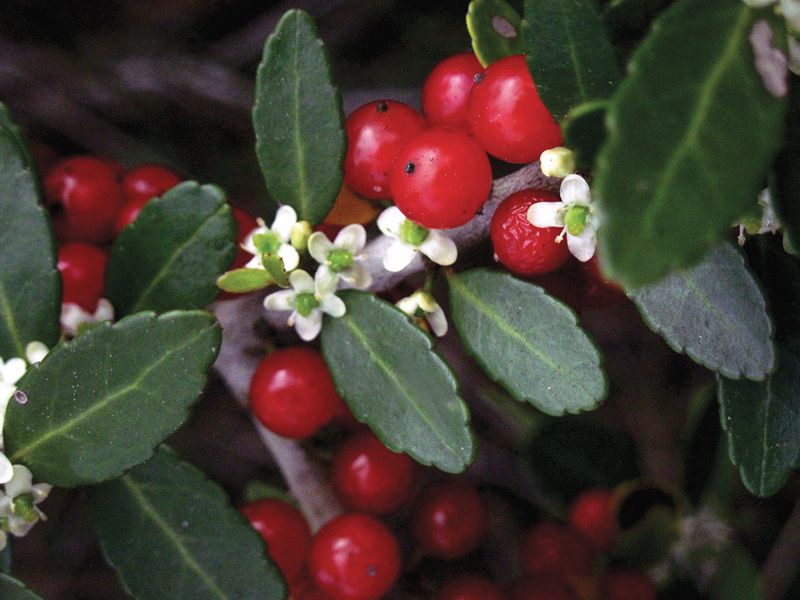
Eastern North Carolina gardeners fighting sandy soil and salty air, this evergreen is your friend. Yaupon Holly grows fast and tolerates just about any dirt you plant it in, plus drought and even the occasional soggy flood.
Female plants set glossy red berries that carry birds and small mammals through winter, and the leathery leaves feed butterfly larvae. Fragrant white spring flowers pull in adult butterflies and other pollinators, so it earns its keep in every season.
Here is a genuine claim to fame: Yaupon is the only plant native to North America that produces caffeine, and Indigenous peoples brewed it for centuries. Dwarf cultivars keep things compact for smaller sunny spots, and once established the whole clan practically raises itself.
6. Wax Myrtle (Morella cerifera)
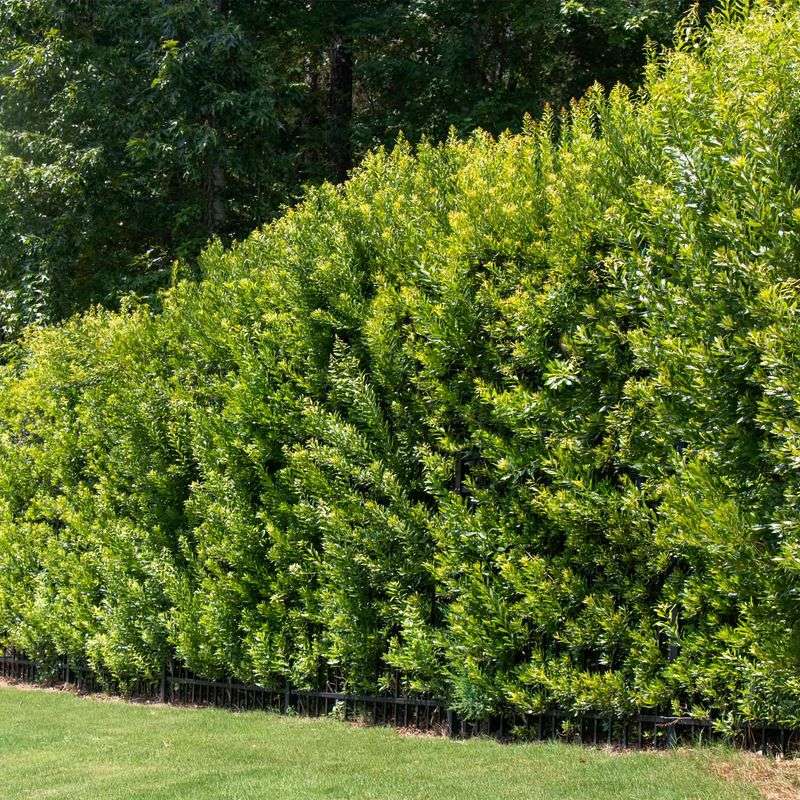
Want a living privacy wall that doubles as a bird sanctuary? Wax Myrtle answers on both counts.
Its dense, twiggy growth makes it a favorite for screening out neighbors and road noise, and that same tangle gives birds safe nesting and shelter. Brush a leaf and you get a spicy, resinous fragrance that lingers on your fingers.
Among sun-loving natives, it stands out as one of the most beginner-proof choices around. It handles poor soil, tolerates drought, and asks for zero babysitting once rooted.
Colonists once boiled the waxy berries to make bayberry candles, a fitting backstory for a shrub that keeps giving long after you plant it.
7. Possumhaw (Ilex decidua)
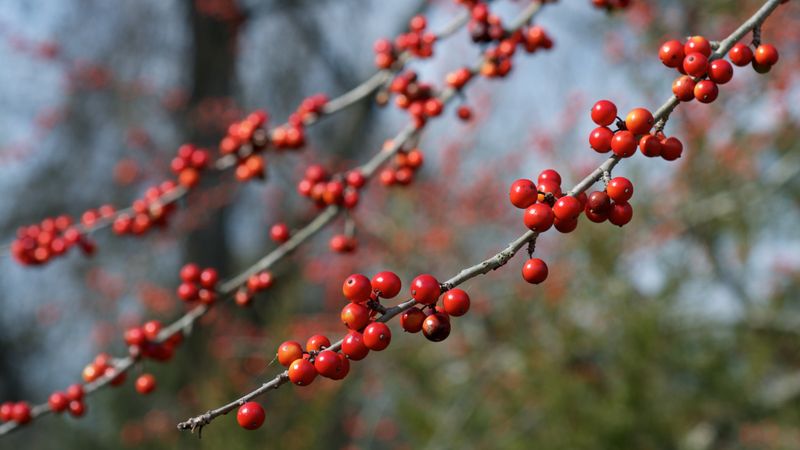
Winter tends to flatten most gardens into brown and gray, but Possumhaw saves its best trick for exactly then. After its leaves drop, the bare branches stay studded with fiery red berries that glow against a dull January sky.
Songbirds and small mammals count on that fruit during the leanest months, when other food has long vanished. A deciduous holly might sound like a contradiction, yet dropping its leaves is precisely what turns those berries into the whole show.
It settles happily into dry sites and asks for little beyond a sunny spot. Plant it where you can see it from a window, then enjoy watching cardinals and cedar waxwings turn up for the buffet all winter long.
8. Virginia Sweetspire (Itea virginica)
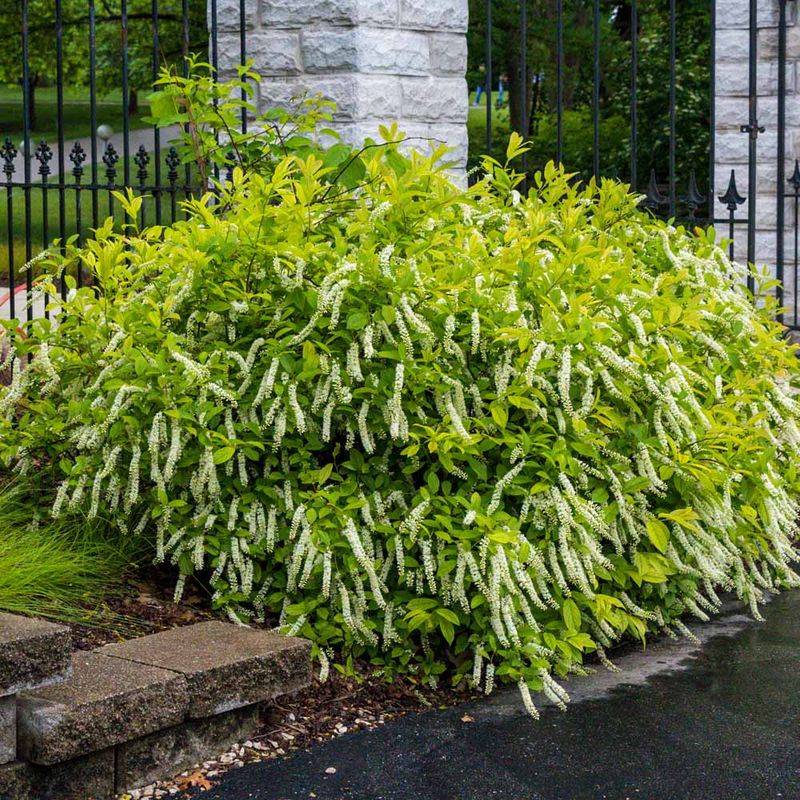
For gardeners who want drama across three seasons, Virginia Sweetspire delivers without ever demanding a thing. Its arching limbs droop with fragrant white flower spikes in early summer that hummingbirds and insects flock toward.
Then fall arrives and the leaves catch fire in red, orange, and purple that hang on stubbornly deep into winter. Woody seeds feed birds and small mammals, so the wildlife value keeps rolling after the color fades.
It bridges full sun and partial shade with equal grace, making it flexible for tricky spots. Versatile, showy, and hands-off, it is the kind of shrub that quietly earns compliments from anyone walking past your yard.