
The Most Underrated North Carolina Native Perennial That Quietly Keeps Ticks Off Your Border While Feeding Pollinators All Season
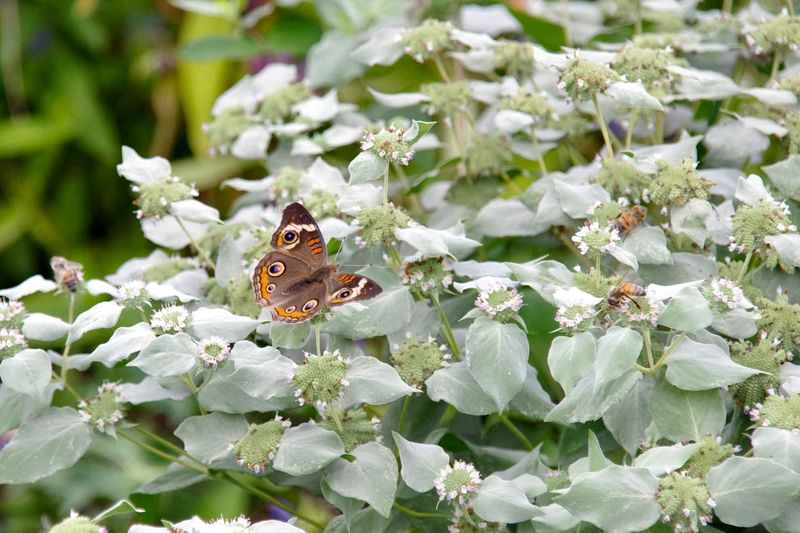
Plenty of North Carolina homeowners are looking for a native plant that pulls double duty: one that looks good in the yard and helps with the very real worry of ticks. Mountain mint, especially the native genus Pycnanthemum, is a genuinely high-value perennial for pollinators during summer and early fall, and it deserves far more attention than it gets.
But before you plant a row of it hoping to create a tick-free border, there are some important things to know about what the research actually says, and what it does not.
Mountain Mint Deserves the Pollinator Spotlight—Not a Tick-Barrier Promise
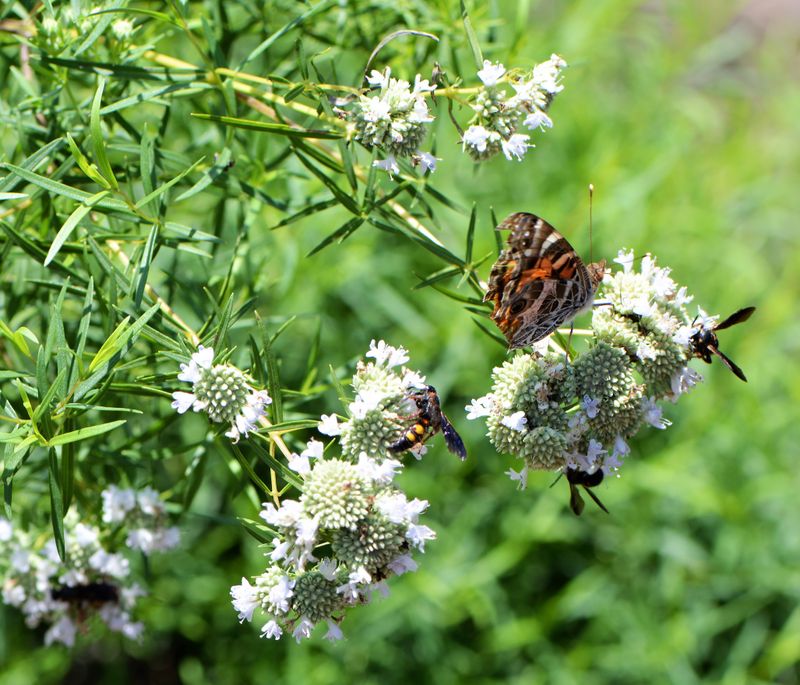
Mountain mint earns its reputation as a high-value North Carolina native perennial, but that reputation rests entirely on its documented pollinator value, not on any proven ability to create a tick-free border around your yard. NC State Extension’s plant profile for Pycnanthemum describes the genus as a group of herbaceous perennials native to North America and all regions of North Carolina, with flowers generally appearing from July through September and a strong track record of attracting a wide variety of pollinators.
That summer-to-early-fall flowering window is the documented reality, and it is genuinely impressive on its own terms.
The tick-barrier idea is a separate matter entirely. University Extension guidance is direct on this point: laboratory research finding that a plant contains a repellent compound is not the same thing as evidence that planting the living plant outdoors will reduce tick populations or keep ticks away from a border.
Extension guidance on plants and tick repellency explains that effective concentrations typically require extraction and formulation, and that the gap between a lab result and a landscape effect is significant. Planting mountain mint because it smells minty or because you have heard it deters ticks is not supported by the available evidence.
Treating pollinator support and tick-risk reduction as two separate questions is the most honest and practical way to approach your border. Mountain mint can be a genuinely excellent addition to a North Carolina yard, described accurately as a high-value native perennial for pollinators during its documented flowering season.
Tick protection requires a different, layered set of actions that will be covered later in this article. Keeping these two goals distinct will help you make better decisions for both your garden and your family’s safety.
Why Mountain Mint Attracts a Diverse Pollinator Community
Few native perennials match mountain mint when it comes to attracting a genuinely diverse mix of pollinators during the summer months. The genus Pycnanthemum is native across North America and throughout all regions of North Carolina, growing as an herbaceous perennial that dies back in winter and returns reliably each spring.
Its typical bloom period runs from July through September, which fills a critical mid-to-late-summer window when many other flowering plants have already finished or not yet started.
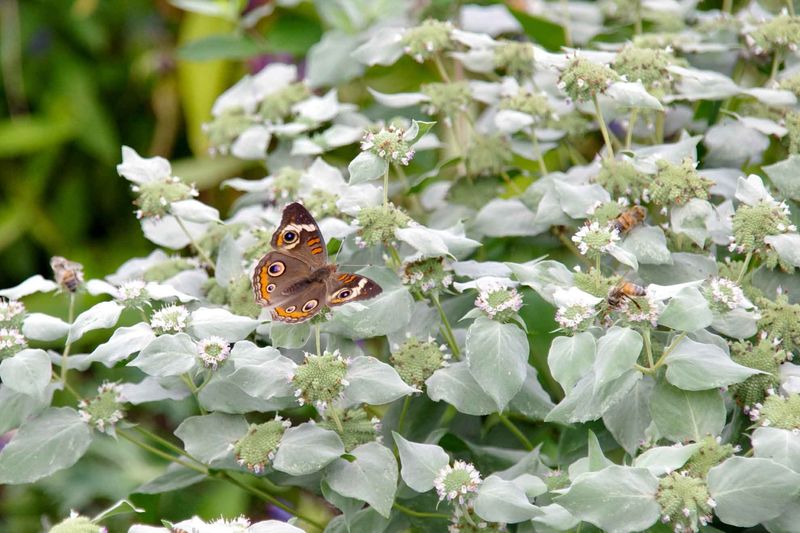
The strongest research support for mountain mint’s pollinator value comes from a multi-year Penn State trial comparing 86 native plants side by side. Penn State Extension’s summary of the mountain mint findings reports that Pycnanthemum muticum received the highest total pollinator visitation of any plant in the trial, drawing bees, butterflies, wasps, syrphid flies, and tachinid flies in numbers that clearly separated it from the competition.
The Bees, Bugs, and Blooms trial data reflect years of systematic observation, not a single-season snapshot, which gives the results more weight than a casual garden comparison would carry.
Geography matters here, though. The trial took place in Pennsylvania, and while North Carolina shares many of the same native bee and butterfly species, local conditions, surrounding habitat, and the mix of plants already present in your yard will all influence actual visitation.
The Pennsylvania data make a strong case that mountain mint is an excellent pollinator plant, but they do not guarantee identical results in every corner of the Piedmont, Coastal Plain, or mountains. What they do support is giving mountain mint a serious look when you are planning a summer-flowering native border, especially if supporting native bees and beneficial insects is one of your goals.
Choose a Mountain Mint for Your North Carolina Growing Conditions
Mountain mint is not a single uniform plant. The genus Pycnanthemum includes several species, and picking the right one for your specific site will make a real difference in how well it performs and how manageable it stays over time.
Two species stand out for North Carolina residential gardens, and they suit somewhat different conditions.
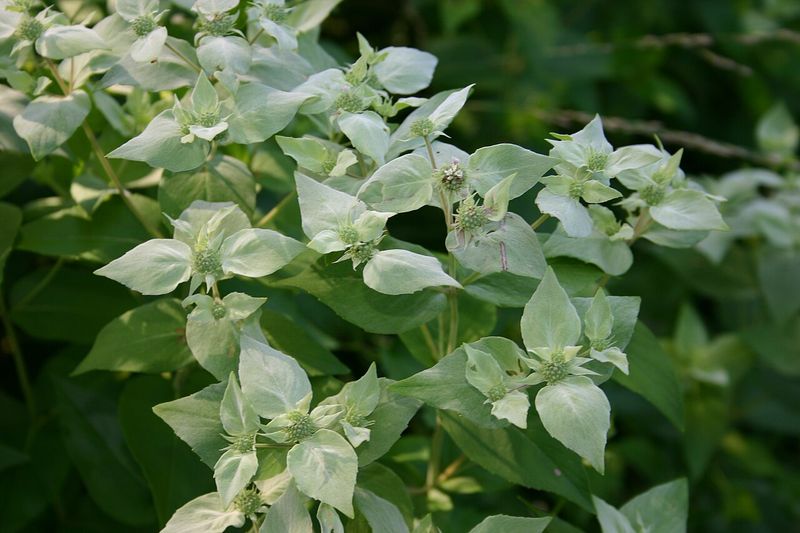
Blunt or short-toothed mountain mint, Pycnanthemum muticum as described by NC State Extension, is the larger of the two options covered here. It typically reaches 3 to 4 feet tall and 2 to 3 feet wide at maturity, with a flowering period running from June through August.
Its silvery-white bracts surrounding the small flower clusters give it a showy, almost frosted appearance that makes it easy to spot in a mixed border. This species suits gardeners who have a bit more room and want a bold presence during the first half of the summer pollinator season.
Appalachian mountain mint, Pycnanthemum flexuosum per NC State Extension, is particularly well suited to the Coastal Plain and Piedmont. It prefers full sun to partial shade and moist, well-drained soil, and it blooms in late summer for roughly two months, extending pollinator activity into early fall.
Both species share the genus-wide preference for full sun to partial shade and well-drained soil, though moisture tolerance can vary by species, so checking the specific profile for your chosen plant before you buy is worth the extra five minutes. Match the species to your available space, sun exposure, and moisture conditions rather than defaulting to whichever one is most available at the nursery.
Manage Mountain Mint’s Spread in a Residential Border
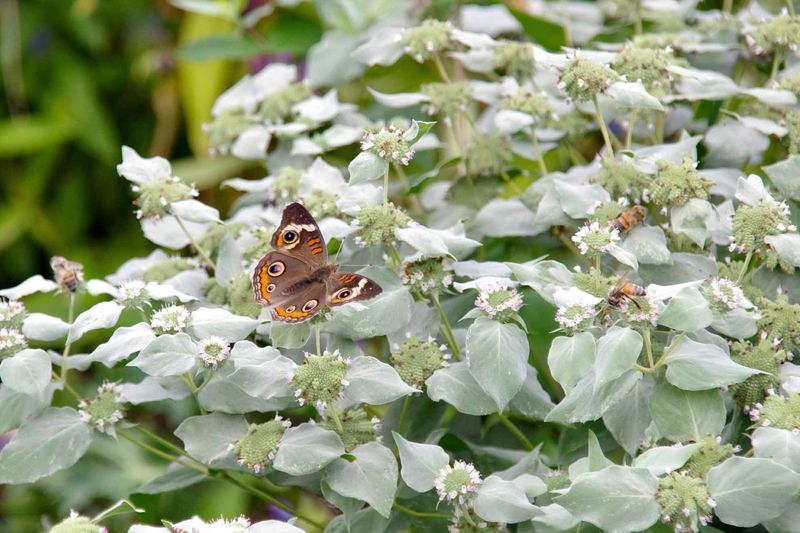
Mountain mint rewards patient gardeners, but it does ask for a little management in return. The genus spreads by underground rhizomes, and NC State Extension’s Pycnanthemum genus profile notes that some species can be vigorous or potentially weedy if left unchecked in a confined border.
That is not a reason to avoid it, but it is a reason to think about placement before you plant.
The most practical approach is to site mountain mint where some gradual spread is welcome, such as a naturalized area along a property edge, a rain garden, or a wide pollinator bed where neighboring plants can hold their own. NC State’s profile for Pycnanthemum muticum supports managing spread through root pruning or division when the clump outgrows its space.
A sharp spade run around the perimeter of the clump each spring takes only a few minutes and keeps the plant from crowding out its neighbors. Division every two to three years also refreshes the plant’s vigor and gives you extra starts to fill gaps elsewhere in the border.
Appalachian mountain mint is described as deer- and rabbit-resistant, which is a useful quality in many North Carolina yards where browsing pressure can be significant. That resistance means less browse damage and a more reliable summer display, but the term has nothing to do with tick repellency.
Browsing resistance and tick deterrence are entirely different properties, and conflating them would give readers a false sense of protection. Grow mountain mint for its pollinator value and its resilience against deer; manage tick exposure through the separate, proven methods covered in the next sections.
Beautyberry Offers Laboratory Evidence, Not a Living Tick Shield
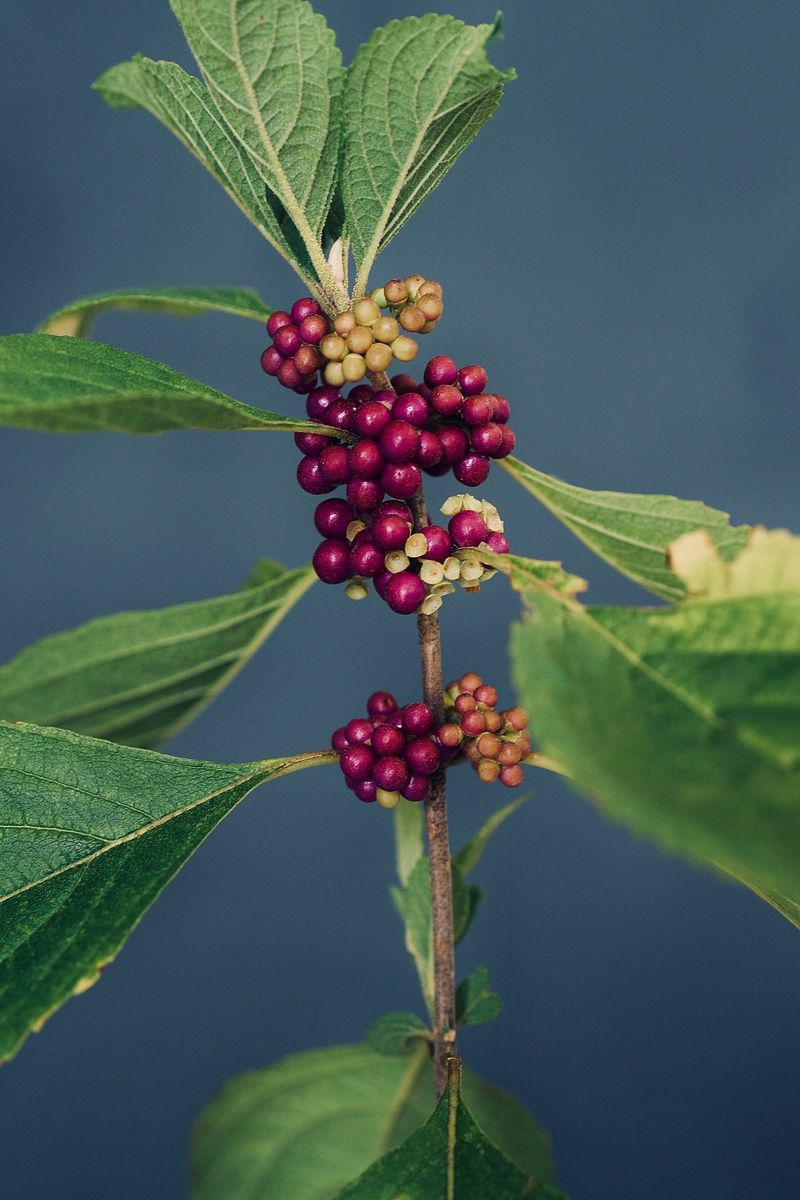
American beautyberry, Callicarpa americana, is a native deciduous shrub found across much of North Carolina, and it is worth knowing about as a separate plant from mountain mint. NC State Extension’s beautyberry profile describes it as a woody deciduous shrub, not an herbaceous perennial, so the two plants belong in different categories and serve different roles in the landscape.
Beautyberry’s clusters of vivid purple berries in fall are a genuine wildlife asset, providing food for birds and other wildlife, but its tick-related reputation deserves a careful look.
A USDA study extracted two compounds from beautyberry, callicarpenal and intermedeol, and tested them against tick nymphs in controlled laboratory bioassays. The USDA tick-repellency study found that both compounds repelled blacklegged tick nymphs at high rates under test conditions, with callicarpenal and intermedeol achieving approximately 98% and 96% repellency, respectively, at one tested dosage.
Those numbers sound impressive, but the fine print matters considerably: the researchers applied extracted and purified compounds to treated cloth in a controlled bioassay. They did not test live beautyberry shrubs, residential borders, yard-wide tick populations, people, or pets.
The results against lone star ticks tell a different story. At the same dosage, repellency against lone star ticks dropped to roughly 20% and 40%, depending on the compound.
That distinction matters for North Carolina gardeners because North Carolina tick surveillance data identify lone star ticks as a major vector of ehrlichiosis in the state, making them a genuine concern across much of the Piedmont and Coastal Plain. Beautyberry’s laboratory chemistry is a legitimate research lead, not a household repellent, and planting a shrub in your yard is not the same as applying a tested compound to your clothing or skin.
Use Layered Tick Prevention Around the Garden
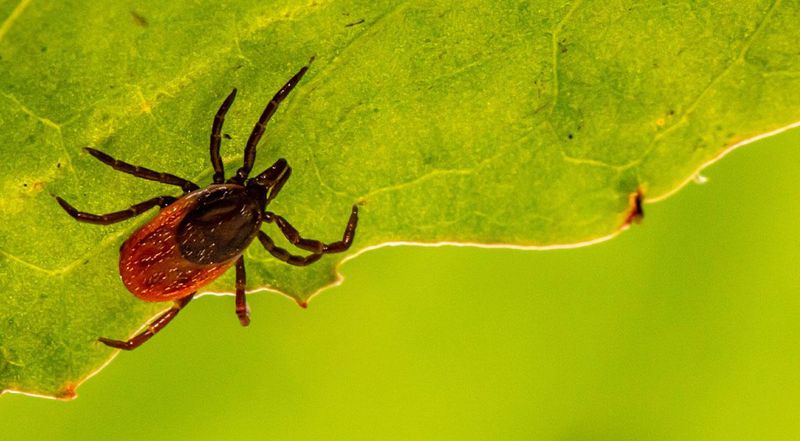
Ticks are a genuine health concern across North Carolina, with the state reporting cases of ehrlichiosis, Lyme disease, Rocky Mountain spotted fever, and other tick-borne illnesses. North Carolina’s tick-borne illness surveillance confirms that ticks are active throughout the state, in the mountains, Piedmont, and Coastal Plain alike, and that many people encounter them in their own yards.
That reality calls for practical, layered prevention rather than any single solution.
Habitat management is the foundation. CDC tick-prevention guidance recommends removing leaf litter regularly, mowing the lawn on schedule, clearing tall grass and brush near the house and along play areas, keeping woodpiles dry and stacked neatly, and removing trash that could shelter rodents, which are key tick hosts.
A three-foot strip of gravel or wood chips between your lawn and any wooded or brushy edge creates a contact barrier that ticks are less likely to cross. That strip reduces the chance of ticks migrating from wooded habitat into your maintained yard, but it is a risk-reduction measure, not an absolute wall.
A 2019 residential-yard tick-management study found only partial support for common landscaping recommendations and did not detect statistically clear effects from several individual measures, partly because of limited statistical power. That finding reinforces the layered approach: no single landscape action eliminates tick risk on its own.
Personal protection matters just as much as yard work. EPA-registered repellent options include products containing DEET, picaridin, IR3535, oil of lemon eucalyptus or PMD, and 2-undecanone.
Clothing and gear can be pre-treated with 0.5% permethrin for additional protection. After any time outdoors, check clothing, gear, pets, and all skin surfaces carefully, shower within two hours if possible, and dry clothes on high heat for ten minutes.
These steps, combined with consistent yard maintenance, offer the most reliable protection available for North Carolina homeowners.
Plant Mountain Mint for Its Proven Garden Benefits
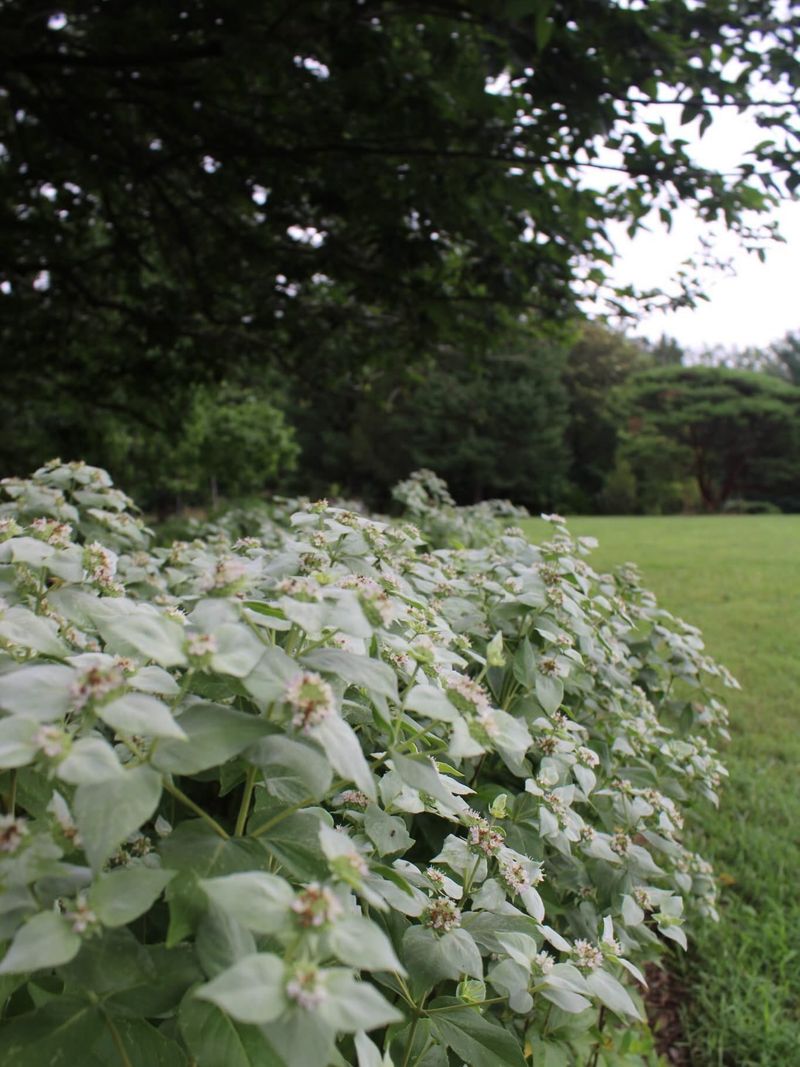
Mountain mint earns its place in a North Carolina residential border on straightforward, documented grounds. NC State Extension’s Pycnanthemum profile confirms its native status across the state, its herbaceous perennial growth form, and its strong summer-to-early-fall pollinator value.
Those qualities alone make it worth growing, without any need to oversell it as a tick deterrent or claim it blooms continuously from spring through fall.
Beautyberry’s extracted compounds remain a research lead, not a proven household repellent. Extension guidance on plant-based tick claims is clear that laboratory compound results should not be translated into planting recommendations for yard-wide tick control.
Both plants can be genuinely good additions to a North Carolina yard for their documented ecological benefits, but neither one replaces habitat management, registered personal protection, pet prevention, or regular tick checks.
Pair your mountain mint border with consistent mowing, leaf-litter removal, EPA-registered repellents, and CDC-recommended post-exposure tick checks for yourself, your family, and your pets. A thoughtfully planted native border and a practical tick-prevention routine work best together – one feeds the pollinators you want, and the other protects the people and animals you care about most.