
7 North Carolina Native Shrubs You Plant This Fall That Root Deeper And Look Better By Spring
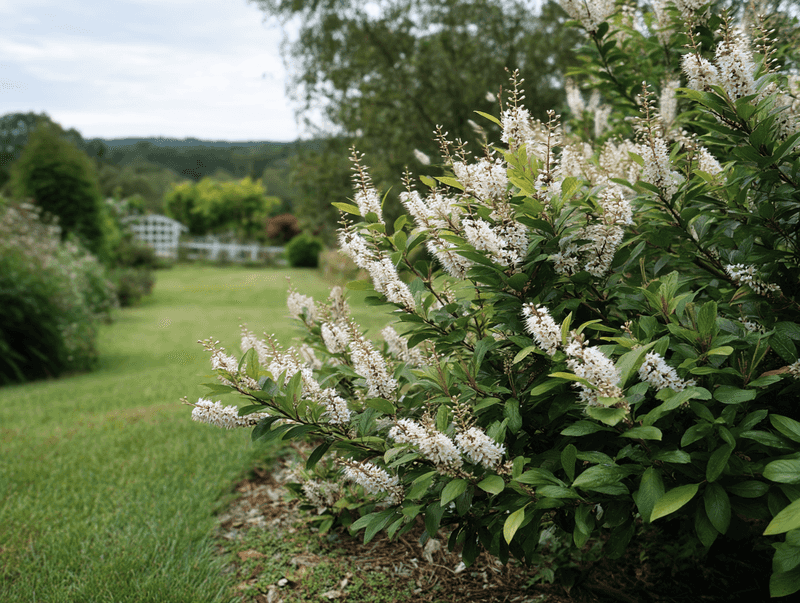
Fall is a quiet secret weapon for anyone who wants a healthier North Carolina yard. When you tuck native shrubs into cool, still-warm soil now, their roots grow deep all winter long, so they burst out stronger and greener by spring.
These seven natives also feed songbirds, shelter box turtles, and give ticks and invasive plants less room to take over. Grab your shovel, and let’s set your yard up to thrive.
1. American Beautyberry (Callicarpa americana)
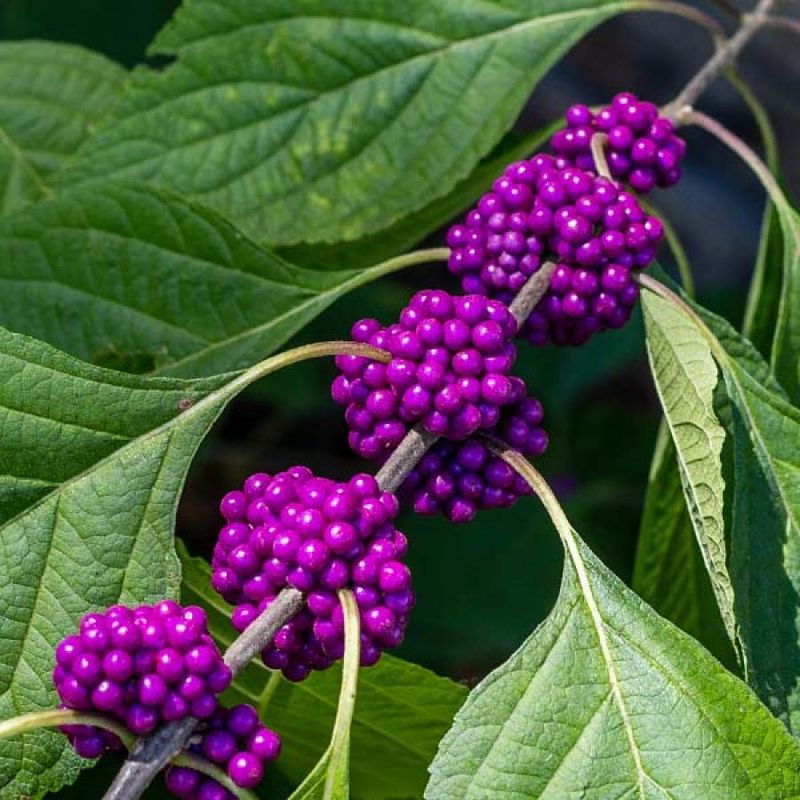
Few shrubs stop visitors in their tracks quite like beautyberry when its branches load up with glowing purple berries in fall. Those berries hang on into winter, turning a plain corner of your yard into a jewel box.
Birds love them as much as you will. Eastern Towhees, American Robins, and Purple Finches feast on the fruit, and foxes, squirrels, and opossums drop by too.
Here is the bonus for tick-worried gardeners: the crushed leaves contain compounds that may help deter mosquitoes and ticks. Planting a row along the edge of your lawn can give you a more tick-safe border where kids and pets play.
Beautyberry handles full sun to partial shade and grows happily across the Piedmont, Coastal Plain, and mountains. Set it in the ground this fall, and its roots will dig in over winter, rewarding you with a fuller, berry-heavy display by the following autumn.
2. Virginia Sweetspire (Itea virginica)
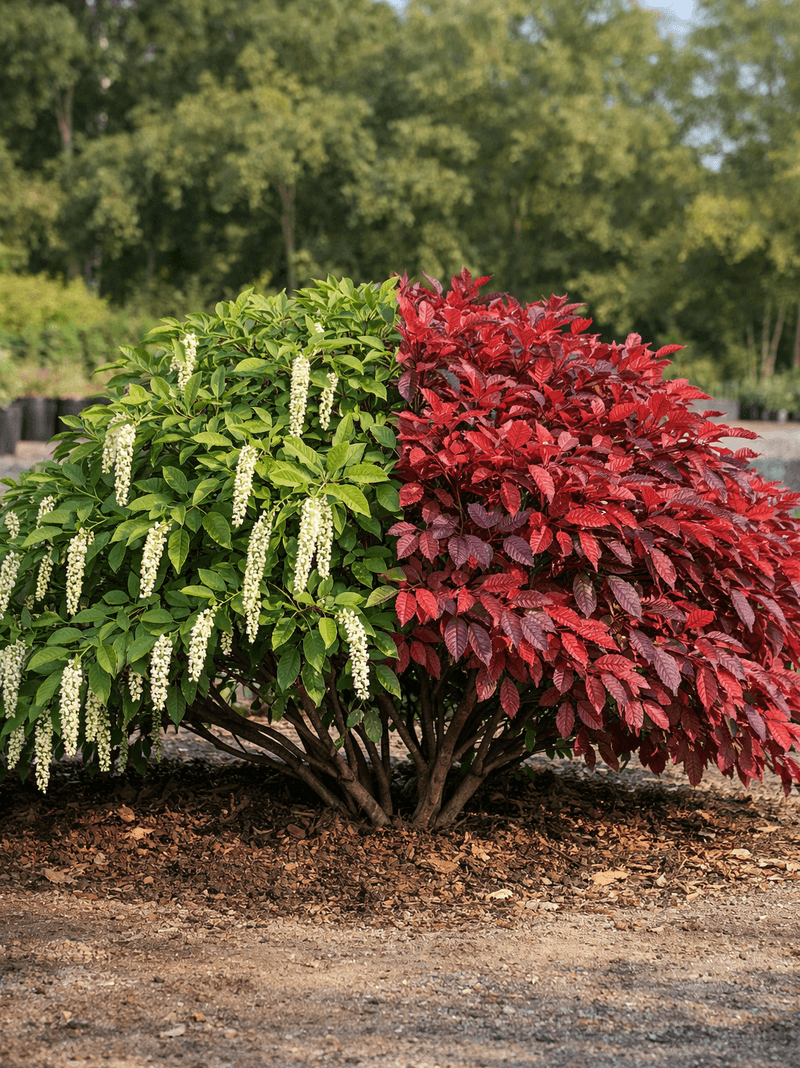
If you have ever admired the fiery red foliage of invasive Nandina and felt a twinge of guilt, Virginia Sweetspire is your guilt-free swap. It delivers that same jaw-dropping fall color in deep reds and purples, minus the harm to your local ecosystem.
Come late spring, cascading white flower spikes perfume the air and pull in bees and butterflies. The foliage often clings on well into winter, keeping color in the yard when everything else has gone brown.
Wet spots that stump other plants? Sweetspire shrugs them off.
It tolerates soggy soil, sun, or shade, and settles in nicely in all three NC regions.
Tuck it in this fall so roots can spread in warm soil and gentle rain. By spring you get a tougher plant primed for a full flush of blooms, and a native standing in for one of the invasives crowding out our woodlands.
3. Inkberry (Ilex glabra)
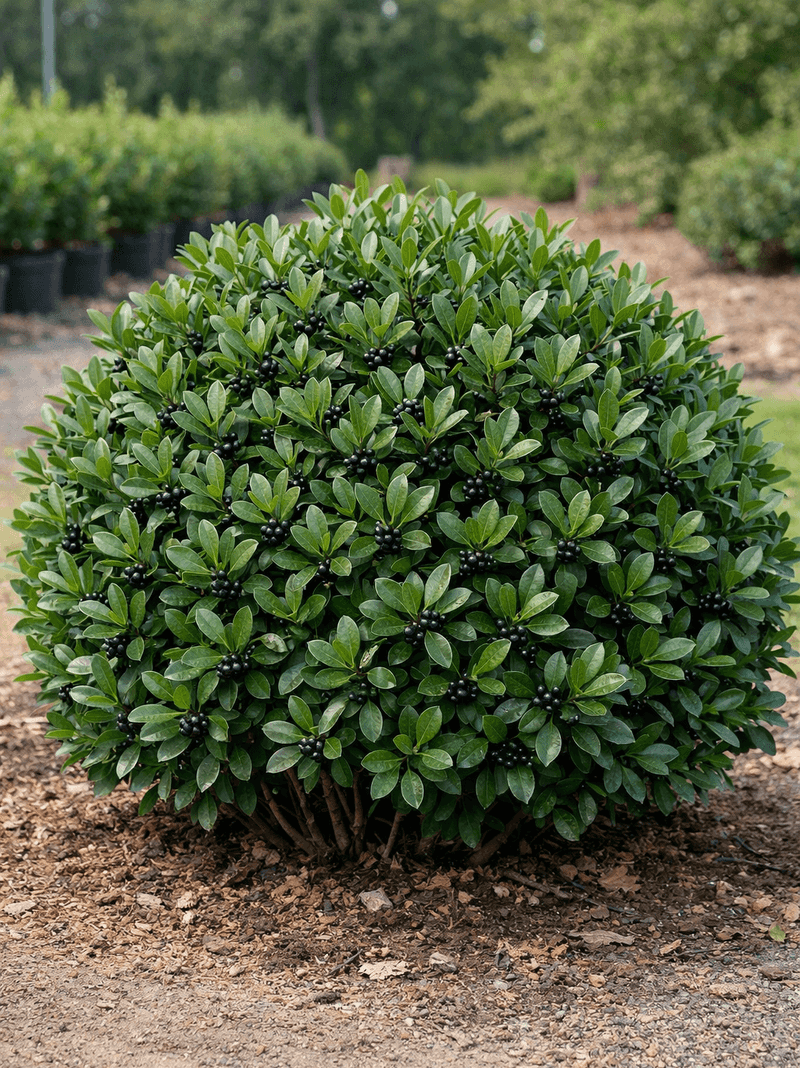
Meet the holly that won’t jab you when you weed around it. Inkberry trades the sharp spines of traditional hollies for soft, dark green leaves, making it an easygoing choice for busy backyards.
As an evergreen, it holds its structure through the coldest months, offering winter cover for birds and small mammals when they need it most. Female plants also produce small black berries that feed birds in late winter, filling a hungry gap in the season.
Coastal Plain gardeners, take note: inkberry is a wonderful and underused stand-in for invasive Nandina. It grows into low colonies that form a natural, wildlife-friendly hedge without spreading where it shouldn’t.
Give it full sun to partial shade and it handles clay, sand, and occasionally wet soil. Plant now, let those roots establish through winter, and you will have a lush, robust evergreen anchoring your yard by spring.
4. Sweetshrub / Carolina Allspice (Calycanthus floridus)
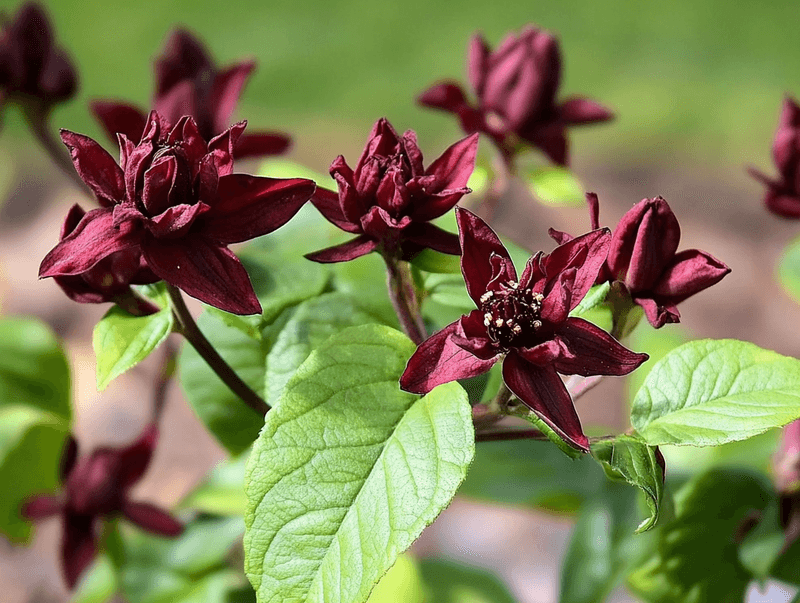
Close your eyes near a blooming sweetshrub and you might catch notes of strawberry, banana, and pineapple all at once. Its curious maroon-red flowers look like nothing else in the garden, and that sweet, fruity fragrance is the whole reason old-timers planted it by porches and paths.
The blooms open in spring and keep popping up here and there through summer, drawing in pollinators along the way. Its dense, leafy growth doubles as quiet shelter for the small critters passing through.
Adaptable to many soil types and moisture levels, sweetshrub grows well from the mountains to the coast and does its best work in partial shade.
Plant it this fall and the roots settle in before summer’s heat arrives. That head start means the shrub can shrug off drought and reward you with more of those fragrant, one-of-a-kind flowers in the seasons ahead.
5. Oakleaf Hydrangea (Hydrangea quercifolia)
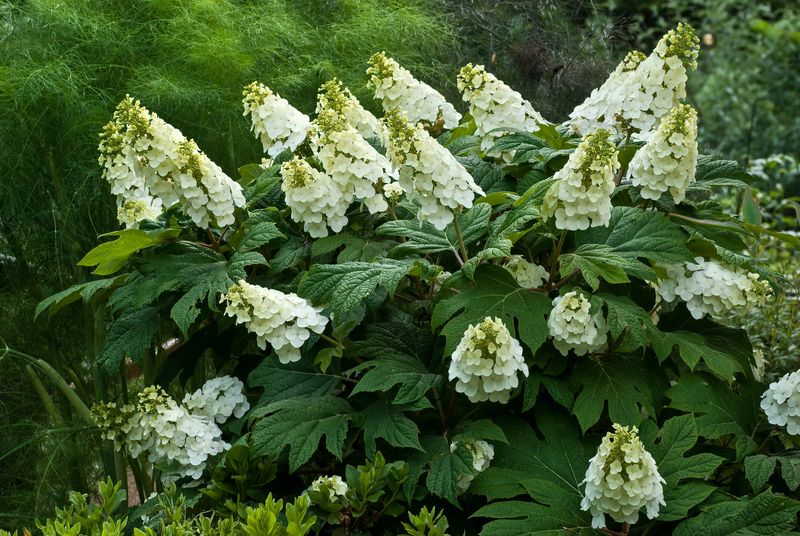
Talk about a shrub that never takes a season off. Oakleaf hydrangea greets late spring with towering white flower cones that fade to soft pink and tan, then hands you burgundy fall leaves shaped like giant oak leaves, and finally shows off peeling, cinnamon-colored bark all winter.
Those big blooms are a magnet for bees and butterflies, while the thick foliage gives birds a leafy place to hide and nest. It is the kind of plant that earns its spot four times over.
It settles in happily from the Blue Ridge to the Coastal Plain, preferring partial shade and moist, well-drained soil.
Plant in fall and the shrub pours its energy into roots instead of leaves, coming back tougher and more resilient. By spring it is ready to power those show-stopping summer flowers and set the stage for its autumn color.
6. Summersweet / Sweet Pepperbush (Clethra alnifolia)
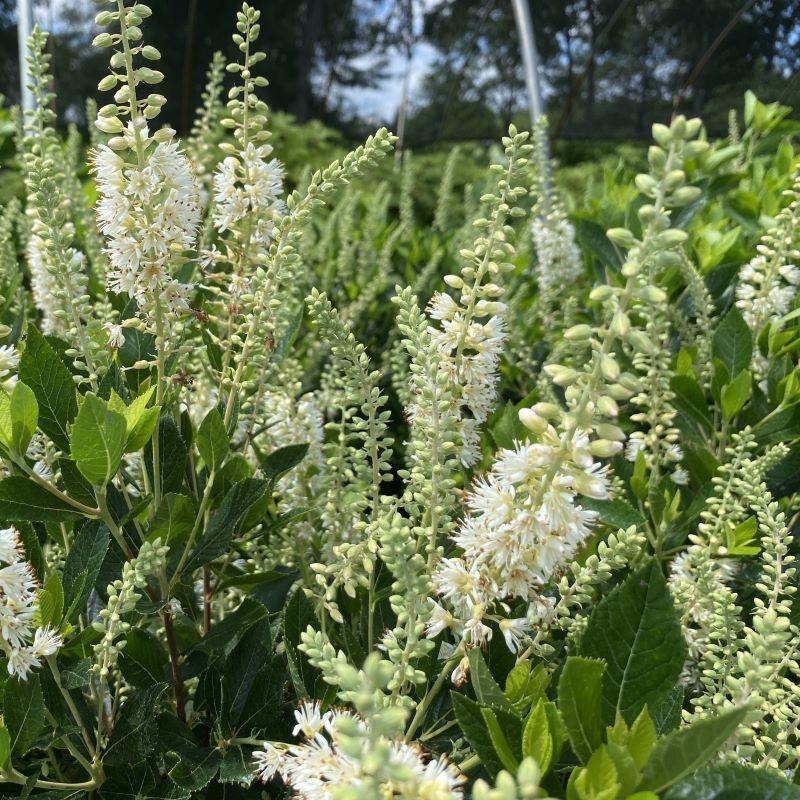
When most shrubs have finished blooming for the year, summersweet is just getting started. Its fragrant white or pink flower spikes open in the sticky heat of July and August, filling the yard with sweet perfume when little else is in flower.
Pollinators throw a party over it. The high-quality nectar and pollen feed hummingbirds, butterflies, bees, and more, making it a powerhouse for a wildlife-friendly yard.
Best of all, it is a fantastic native alternative to the invasive Butterfly Bush. You get all the pollinator traffic without releasing a plant that escapes into NC’s natural areas.
Growing four to eight feet tall, summersweet tolerates wet soil and part shade, and it thrives in every corner of the state. Plant it this fall, when cool air and steady rain help it root without heat stress, and you will be rewarded with a fragrant, buzzing show next summer.
7. Spicebush (Lindera benzoin)
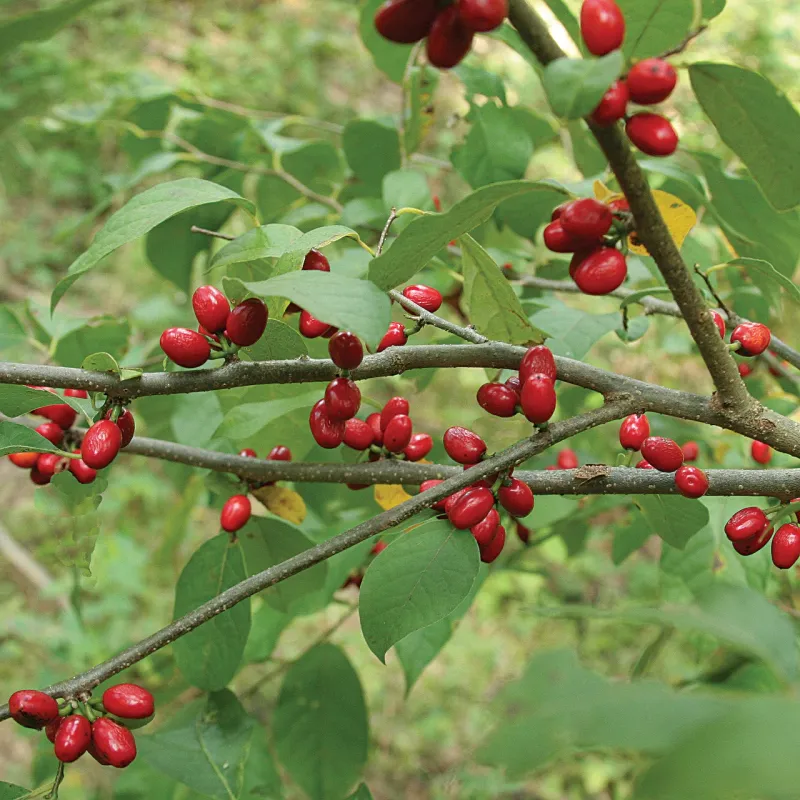
Spicebush is the shrub that swallowtail butterflies simply cannot live without. It serves as a larval host plant for both the Spicebush and Palamedes swallowtails, meaning you are not just feeding butterflies, you are helping raise the next generation right in your own yard.
Its tiny greenish-yellow flowers appear as early as March, offering some of the very first nectar and pollen for pollinators waking up hungry. Later, female plants set bright red drupes that songbirds gobble up in late summer and fall.
Growing eight to fifteen feet tall with a dense habit, it also gives wildlife dependable cover. Crush a leaf and you will understand the name, with its warm, spicy scent.
Spicebush prefers partial shade but handles both occasional flooding and drought, and it grows in all three NC regions. Get it planted this fall so its roots reach deep, setting up a drought-tough shrub that reliably flowers and fruits year after year.