
If Your Rosemary, Lavender, And Thyme Struggle Apart, Here’s Why They Thrive Planted Together
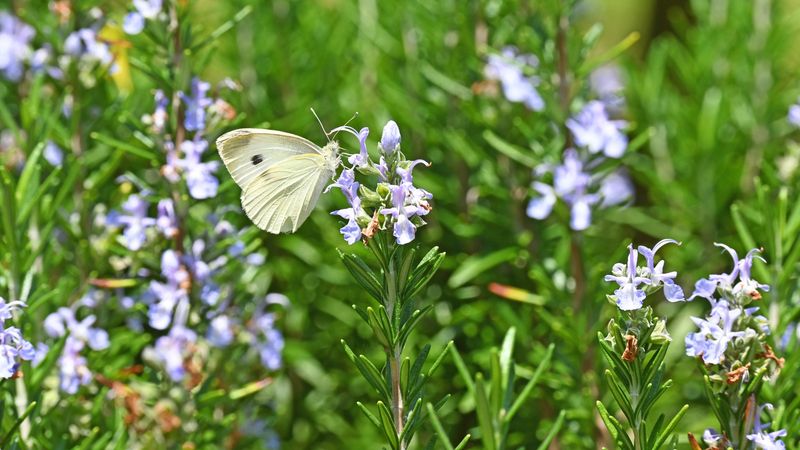
Rosemary, lavender, and thyme show up together in gardens across the country, and for good reason – they all love sun, hate wet feet, and ask for surprisingly little fuss. A popular idea floating around gardening circles says these three form a kind of protective herb fortress, shielding each other from pests and thriving through some special bond.
That story is more appealing than accurate, but the practical truth is just as useful: when you give all three the right site conditions, they can absolutely share the same bed or pot without competing or crowding each other out. Understanding what actually makes them compatible puts you in control of the outcome.
Shared growing conditions make the pairing practical
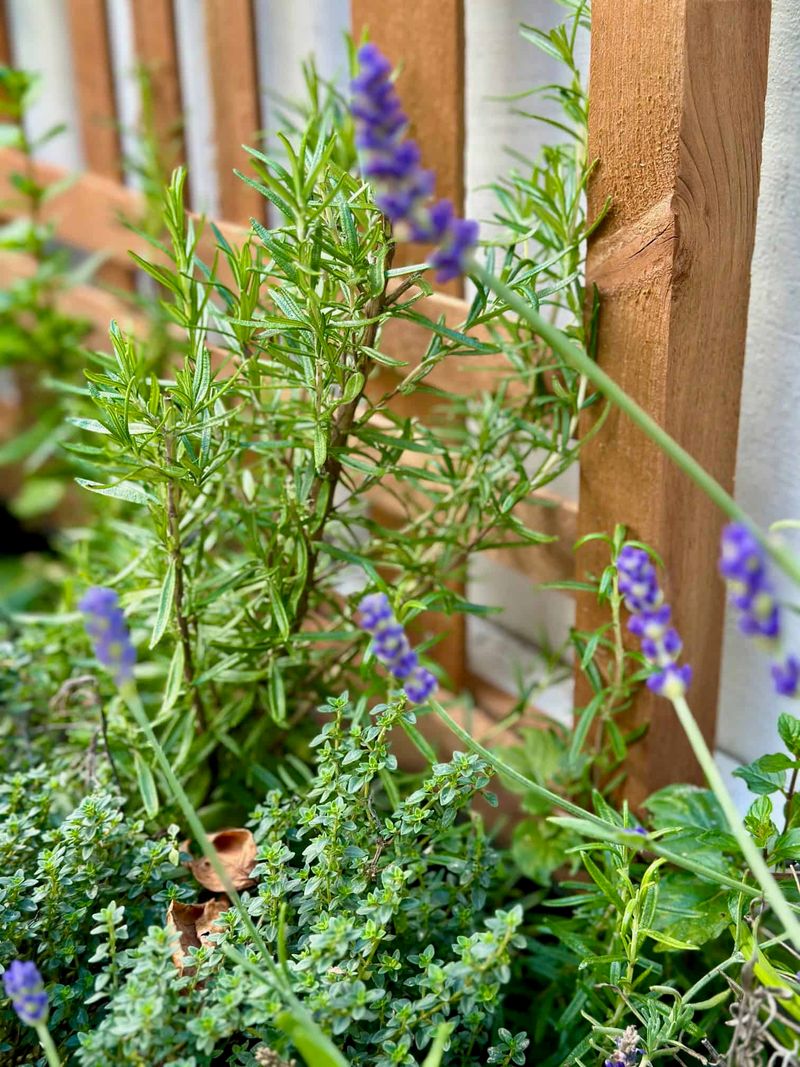
Rosemary, lavender, and thyme belong to a group of woody herbs that originated around the Mediterranean basin, and that shared heritage shows up in their growing preferences. All three generally perform best with at least six hours of direct sun each day, soil that drains quickly, and relatively lean fertility.
Penn State Extension guidance specifically groups Mediterranean herbs like these as plants suited to full sun and dry, gravelly, or well-drained soil.
That overlap in preferences is the real reason the three can share a planting site without one sabotaging the others. The plants are not forming a mutual support network or trading nutrients underground.
They simply tolerate the same conditions, which means a site set up to suit one of them tends to suit all three.
Common failures with these herbs trace back to the same handful of problems: too much shade, soggy soil, or soil that has been heavily amended with compost or fertilizer to the point of being overly rich. A rosemary or lavender that sits in poorly draining clay after a rainy week is not struggling because it misses its companions.
It is struggling because the site does not match its needs.
Thyme faces the same risks. A spot that stays shaded for most of the day will produce thin, stretched growth regardless of what grows nearby.
Excessive soil moisture around the crown invites rot. Overly fertile ground encourages lush, soft stems that are more vulnerable to disease and cold.
The takeaway is straightforward: fix the site first, and the plants will cooperate naturally. Proximity to one another does not compensate for shade, drainage problems, or heavy soil.
Getting those fundamentals right is what makes the grouping work.
The herb-fortress theory goes beyond the evidence
The idea that rosemary, lavender, and thyme form a protective fortress – shielding each other from insects and strengthening one another through proximity – is a satisfying story. Gardeners want to believe their plants are working as a team.
The problem is that the research does not back up that specific claim for this exact trio.
Penn State Extension’s companion planting guidance explains that companion planting effects are combination-specific. Some herbs have shown measurable influence on particular pests when paired with certain vegetables, but those findings apply to specific plant-and-pest pairings, not to a general rule that aromatic herbs repel insects wherever they grow.
Aromatic foliage is frequently cited as the mechanism behind pest protection. The thinking goes that strong scents confuse or drive away harmful insects.
In practice, effects vary considerably depending on the pest species, the concentration of aromatic compounds, and local conditions. Claiming that the scent of this trio reliably repels insects is an overstatement that the available evidence does not support.
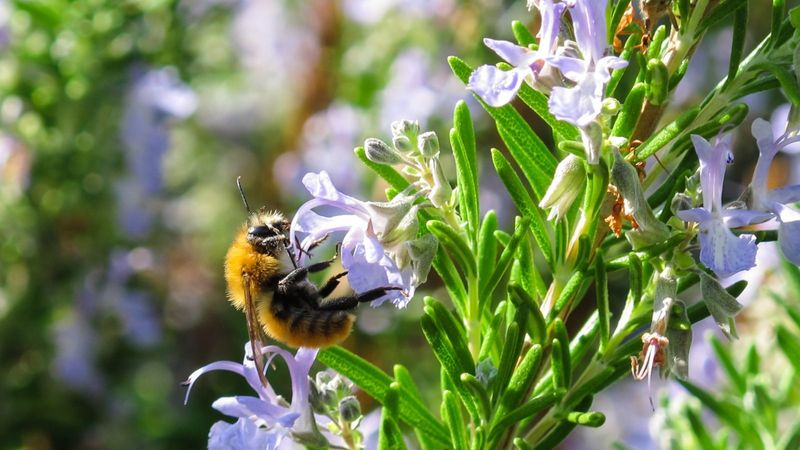
Where the three herbs do offer a genuine, documented benefit is in attracting pollinators. When rosemary and thyme are allowed to flower, they draw bees and other beneficial insects.
Lavender is well known for its appeal to bees. That kind of biodiversity support is real and worth encouraging, but it is a different thing from dependable pest control.
Thinking of these herbs as companions in the sense of shared site requirements is accurate and useful. Thinking of them as biological bodyguards for one another sets up expectations that the plants cannot reliably meet.
Healthy growth comes from good drainage, adequate sun, and appropriate watering, not from the proximity of one fragrant herb to another.
Test drainage before you plant
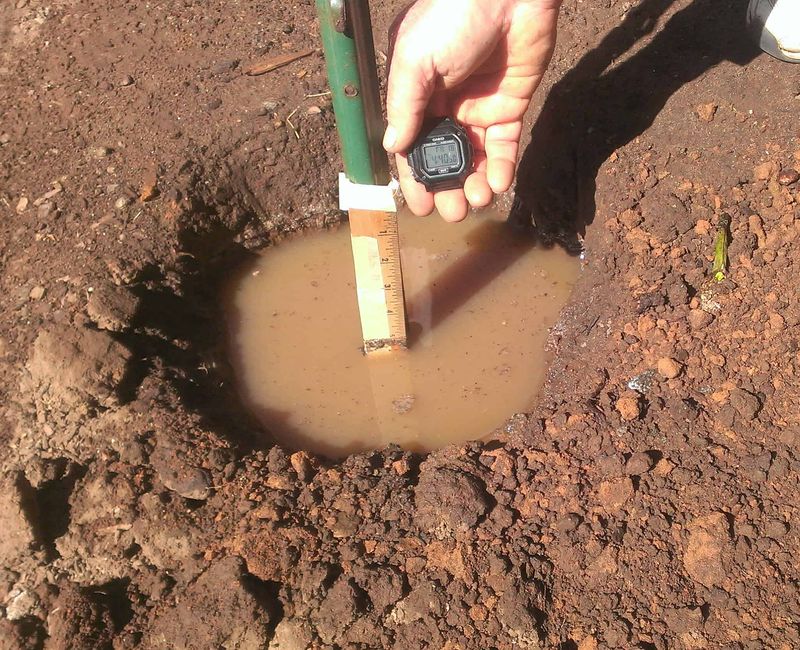
Before you put a single plant in the ground, check how your soil handles water. Dig a hole about 12 inches deep and fill it with water.
If the water is still sitting there 24 hours later, that site has a drainage problem that will stress or kill Mediterranean herbs regardless of how much sun they receive.
Standing water around roots reduces the oxygen supply that roots need to function. Over time, waterlogged soil creates conditions where root damage and disease can take hold.
Utah State University Extension’s drainage guidance identifies poor drainage as a serious soil problem that requires a deliberate fix, not just a wait-and-see approach.
If your test hole drains slowly, you have several practical options. A raised bed filled with a loose, fast-draining mix is one of the most reliable solutions for gardeners dealing with clay-heavy or compacted soil.
A low berm or mounded planting area can also improve drainage by keeping crowns elevated above any zone where water collects after rain.
Incorporating coarse sand or fine gravel into existing soil can help in some cases, but this works best when done thoroughly rather than just in the planting hole. Penn State Extension notes that drainage is one of the most important factors in herb gardening, and that getting it right from the start saves a lot of frustration later.
One clarification worth making: well-drained soil does not mean bone-dry soil at all times. Newly planted herbs still need regular water to establish their root systems.
Fast drainage means excess water moves through quickly rather than pooling, not that the soil stays parched. Keeping that distinction in mind will help you avoid both overwatering and underwatering as your plants settle in.
Arrange each plant by its mature habit
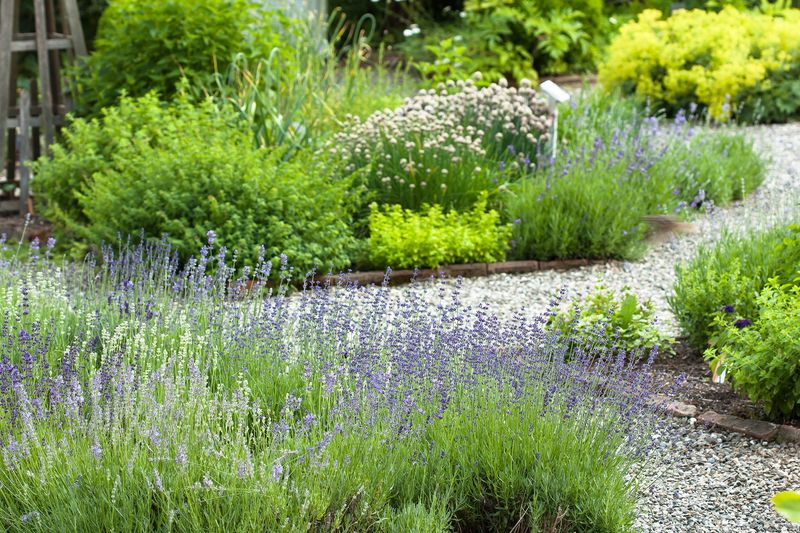
Layout decisions work best when they follow the actual mature dimensions of the cultivars you are planting, rather than a one-size-fits-all ranking of which herb dominates. Rosemary, for example, can range from compact mounding forms to upright plants that reach four feet or more depending on the cultivar.
If your rosemary will grow tall and broad, placing it toward the back of the bed or along an edge keeps it from casting shade on shorter neighbors. That is a design choice based on that plant’s mature form, not a universal rule about rosemary always being the most competitive herb.
Utah State University Extension’s lavender guidance recommends spacing English lavender approximately 18 to 24 inches apart to allow for air circulation and mature spread. That spacing applies specifically to English lavender (Lavandula angustifolia) and cultivars in that group.
Lavandin hybrids, French lavender, and Spanish lavender types can grow considerably larger or behave differently, so check the tag or catalog description for your specific plant before deciding how far apart to set them.
Thyme is naturally lower-growing than rosemary or lavender, which makes certain cultivars well suited to the front of a bed or to filling gaps along a path. Creeping thyme (Thymus serpyllum) and other low-spreading selections can function as a living groundcover.
However, not all thyme stays flat. Some culinary thyme cultivars grow into small upright mounds.
Check the mature height and spread of your particular thyme before treating it as a groundcover.
Penn State Extension emphasizes that proper spacing supports airflow around foliage, which helps keep crowns dry and reduces the risk of fungal problems. Crowding plants together, even compatible ones, can trap humidity and create conditions that undermine the very traits that make these herbs so resilient.
Water by establishment stage and soil moisture
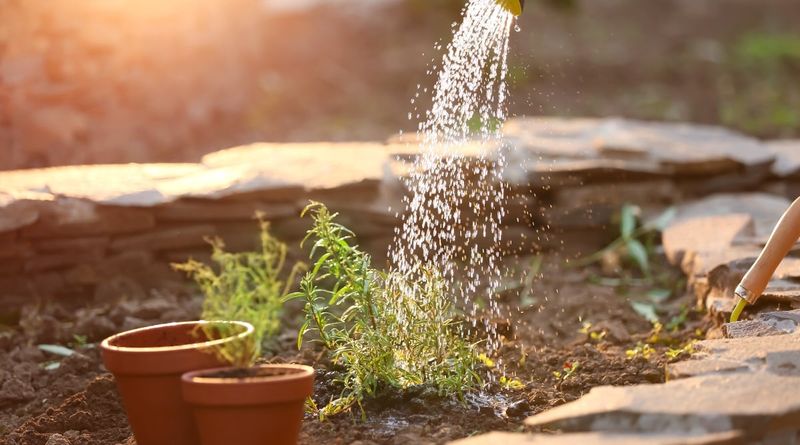
A fixed once-a-week watering schedule sounds reassuring, but it does not account for the variables that actually determine whether your plants are getting enough water. Soil type, air temperature, rainfall, plant maturity, and whether your lavender is actively flowering all affect how quickly the root zone dries out.
Using the calendar as your only guide can lead to underwatering during a heat wave or overwatering during a cool, wet stretch.
The most reliable method is to check the soil directly. Push a finger about two inches into the ground near the root zone.
If the soil feels dry at that depth, water thoroughly. If it still feels moist, wait and check again in a day or two.
Oregon State University Extension’s watering guidance recommends this kind of soil-moisture check as a practical alternative to a rigid schedule.
Newly planted transplants need more frequent attention than established plants, full stop. A mature rosemary with an extensive root system can tolerate relatively dry conditions between waterings.
A transplant set in the ground two weeks ago has not yet developed that network. Utah State University Extension recommends approximately one gallon of water per lavender plant per week after transplanting until the plant is established, and more frequent watering during flowering.
When you do water, water slowly and deeply rather than sprinkling lightly across the surface. Slow, deep watering encourages roots to grow downward, which makes plants more resilient during dry spells.
Aim the water near the soil surface around the root zone rather than overhead, and water in the morning when possible so foliage dries quickly. Routinely wetting leaves and crowns can encourage fungal problems, especially in humid conditions.
Heat waves, sandy soil, and drought all call for more frequent checks. A lavender plant coming into full bloom may need water more often than the same plant did a month earlier.
Stay responsive to conditions rather than locked into a fixed interval.
Adapt the plan for containers and winter
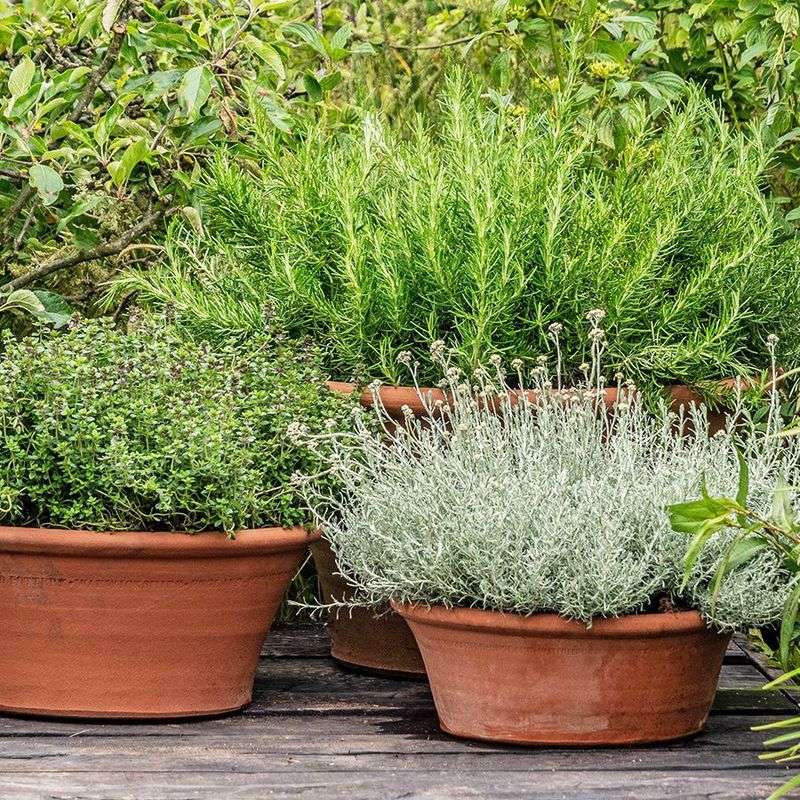
Growing these herbs in containers introduces a different set of challenges that in-ground care routines do not automatically address. Pots hold a limited volume of soil, which means they dry out much faster than a garden bed, particularly during hot weather.
A container that feels adequately moist in the morning can be bone dry by afternoon on a 90-degree day.
University of Illinois Extension’s container herb guidance recommends that pots have drainage holes and that water be applied until it runs freely from those holes, confirming that the entire root zone has been reached. During peak summer heat, container plants may need daily checks, and some may need water twice a day.
This is a significant departure from the once-a-week rhythm that some gardeners associate with drought-tolerant herbs.
Pot size matters too. Rosemary, lavender, and thyme can share a sufficiently large container, but crowding three plants into a small pot limits root space, speeds up drying, and restricts airflow around the crowns.
A larger pot with fast-draining potting mix gives each plant room to develop and reduces the risk of moisture stress or crown rot.
Winter survival is another area where container and in-ground plants diverge sharply. Illinois Extension’s hardy herb guidance notes that rosemary is generally winter-hardy only around Zone 7, with some cultivars tolerating Zone 6 under favorable conditions.
Gardeners in colder regions often need to bring rosemary indoors before hard freezes.
English lavender (Lavandula angustifolia) tends to handle colder winters better than many rosemary plants, though hardiness still varies by cultivar. Utah State University Extension notes that pot-grown lavender faces greater temperature swings than in-ground plants because the roots are exposed to cold on all sides.
Matching your plant selection to your local hardiness zone, and understanding how container exposure changes winter risk, is more useful than any single blanket rule about cold tolerance.
Keep fertility modest and maintenance restrained
Rich soil and heavy feeding feel like acts of generosity toward plants, but rosemary, lavender, and thyme respond poorly to that kind of attention. Excessive fertility pushes these herbs toward lush, soft, leafy growth at the expense of the qualities that make them useful and resilient.
Utah State University Extension notes that lavender has low nutritional needs, and that overfertilizing can produce more foliage while reducing flower production and increasing susceptibility to disease and cold injury. Penn State Extension similarly observes that overly fertile soil can push herbs toward excessive foliage with weaker flavor concentration.
For culinary herbs especially, lean soil tends to produce more aromatic, flavorful growth.
Pruning and sanitation follow the same principle of restraint. Remove dead or diseased foliage when you spot it, since decaying plant material can harbor pests and create humid microclimates that encourage mold.
After winter, cut away frost-damaged or dead growth to encourage fresh stems from healthy wood.
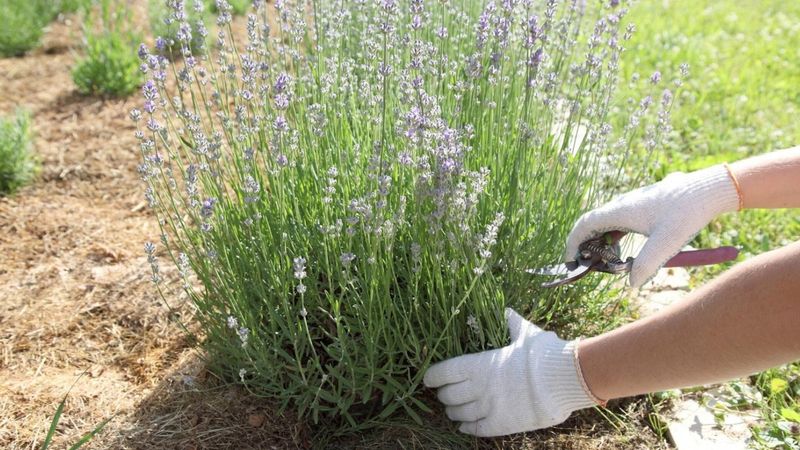
One caution worth taking seriously: avoid cutting deeply into old, leafless woody stems unless you know your specific cultivar tolerates hard pruning. Lavender in particular can fail to regenerate from severely cut-back old wood.
Light, regular shaping after flowering tends to keep plants compact and productive far longer than infrequent heavy cuts.
Good airflow through and around the plants supports the same goals as modest fertility. Open, well-ventilated growth dries faster after rain, which reduces crown rot risk and keeps foliage healthier through humid stretches.
Restrained care, applied consistently, is what keeps these herbs looking and tasting their best season after season.
Build a compatible site instead of chasing a magic combination
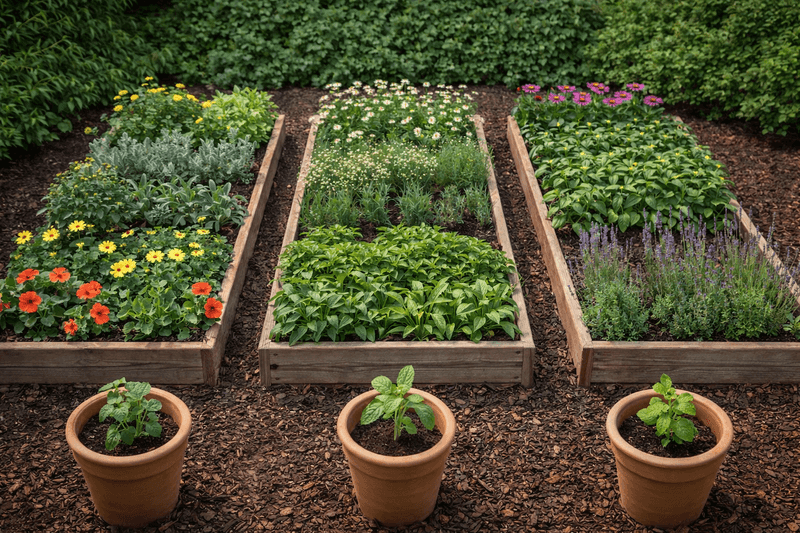
The most reliable path to success with rosemary, lavender, and thyme starts with the site, not with the combination. Choose a spot that receives at least six hours of direct sun.
Confirm that water drains away within 24 hours of a soaking rain, or build a raised bed that guarantees fast drainage. Use a lean, loose growing mix rather than heavily amended soil, and resist the urge to fertilize heavily.
Space plants according to the mature dimensions of your specific cultivars. Penn State Extension consistently points to proper spacing and drainage as the foundations of healthy herb gardening.
Keep crowns elevated above any low spots where water collects, and leave enough room between plants for air to move freely through the foliage.
Water deeply when the root zone is dry rather than on a fixed calendar. Oregon State University Extension recommends checking soil moisture at about two inches deep as the trigger for watering, rather than counting days.
New transplants, container plants, plants in flowering, and plants facing heat or drought all need more frequent attention than established in-ground herbs during mild weather.
Adjust your approach for winter based on your hardiness zone, your specific cultivars, and whether your plants grow in the ground or in pots. Rosemary in particular may need container growing or indoor protection in colder regions, while English lavender cultivars often handle cold better.
Rosemary, lavender, and thyme share compatible care requirements, and a site that meets those requirements gives all three a real chance to thrive. What they do not need is a mythologized partnership – just good soil, good drainage, and a gardener paying attention to what the plants actually show them.