
If Your Perennials Look Ragged Right Now, Here Are 11 You Should Cut Back In September For A Bigger Spring Show
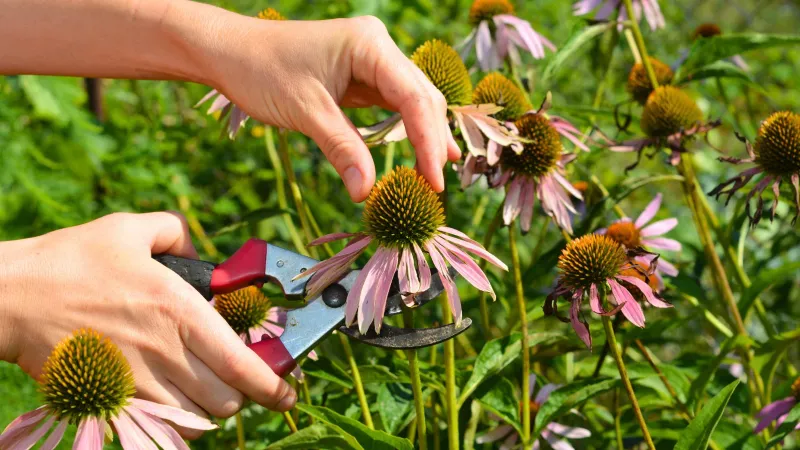
When your garden starts looking tired and floppy at summer’s end, it can feel like something has gone wrong. The good news is that a lot of perennials actually want a haircut right about now.
Cutting the right plants back in September helps stop diseases, keeps pests from moving in for winter, and sets you up for a fuller, healthier show next spring. Here are 11 perennials worth grabbing your pruners for before fall settles in.
1. Salvia (Perennial Varieties)
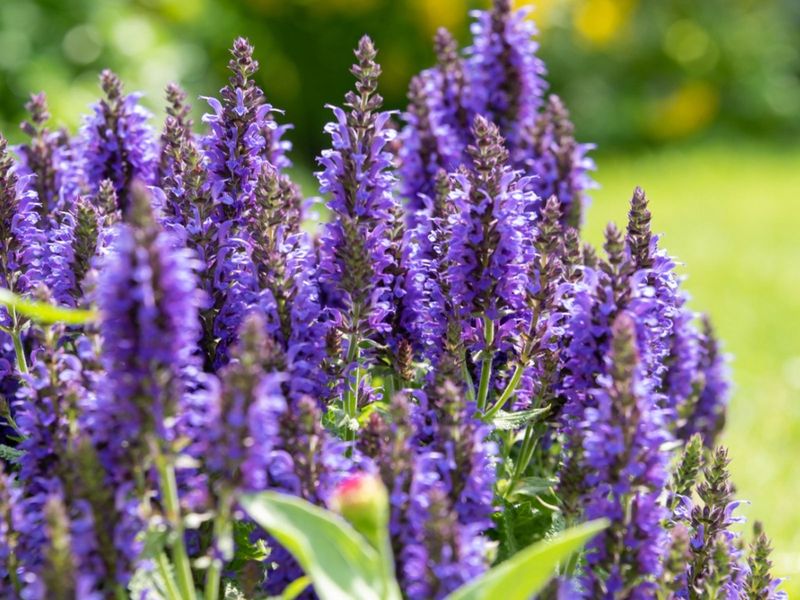
If your salvia has stopped putting on a show and looks more like a tangle of tired stems, a good September trim is exactly what it needs. Cutting it back after that first big flush often coaxes out a second round of blooms before the season winds down.
A harder prune in late August through September also protects the crown of the plant during the cold months. That protected crown is where next year’s growth begins, so you are really investing in spring.
Snip away the spent flower spikes and any dense, crossing growth. Your salvia will thank you with a tidier shape now and a stronger burst of color once the weather warms again.
2. Hardy Geraniums
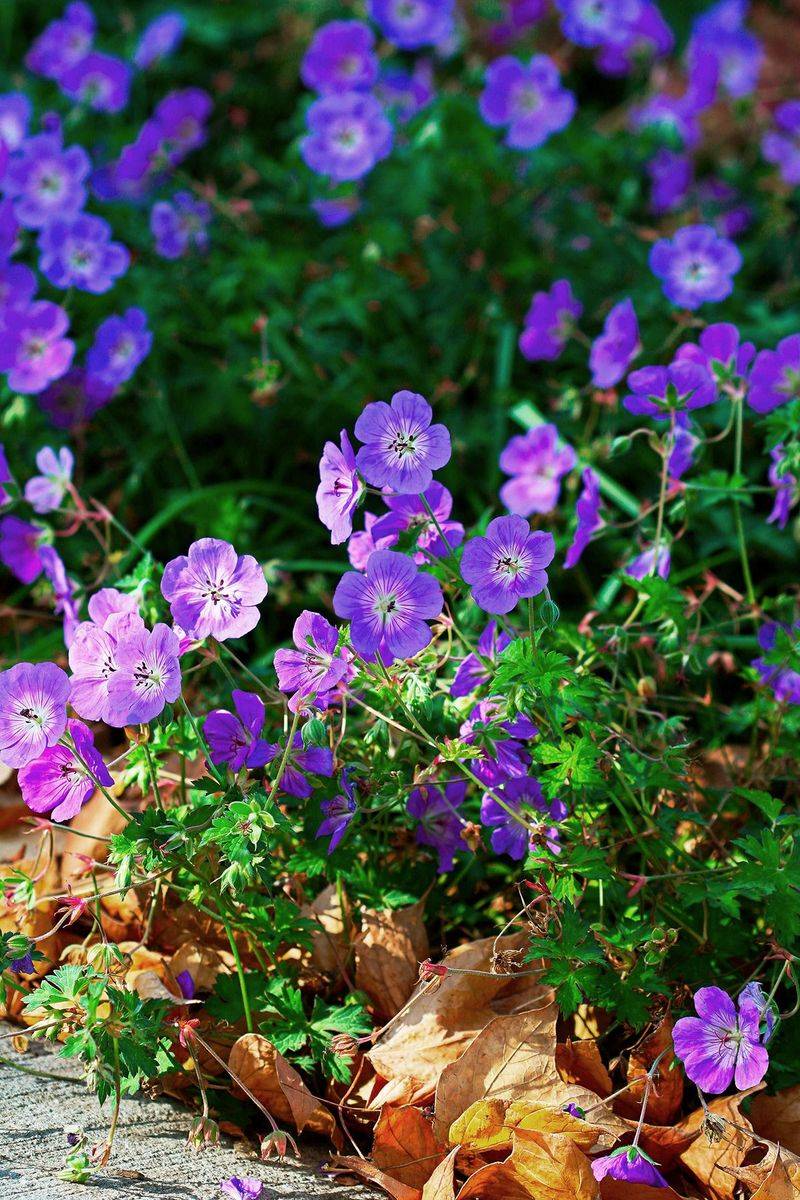
Your hardy geraniums have probably sprawled into a floppy mess by now, and that is completely normal. A cutback after their main flowering period wakes them up, often pushing out fresh new foliage and sometimes even a few surprise blooms before frost.
Trimming them by around September first also helps the plant redirect its energy into the roots instead of fading leaves. That stored energy is what fuels a stronger, bushier plant next spring.
As a bonus, clearing out the old growth removes the damp, crowded spots where pests and diseases love to hide. Give them a clean shear near the base and let them rest up for the season ahead.
3. Hollyhocks
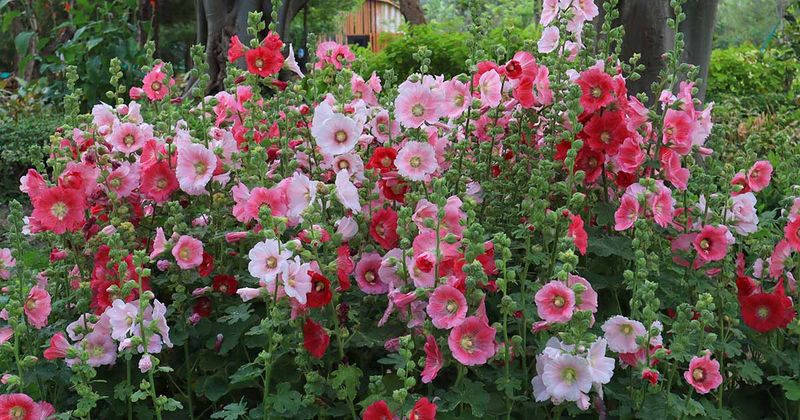
By early September, those towering hollyhocks that looked so grand in midsummer usually turn crispy and brown. Left alone, they scatter seeds everywhere and can turn one graceful stand into a crowded thicket next year.
Cutting them down to about an inch off the ground keeps the self-seeding under control and neatens up the whole bed. It also removes the tired foliage that can carry rust, a fungal trouble hollyhocks are famous for.
Did you know hollyhocks have been charming cottage gardens for centuries? Give yours a fall haircut and you set the stage for those cheerful, sky-high blooms to return with even more vigor.
4. Coreopsis (Tickseed)
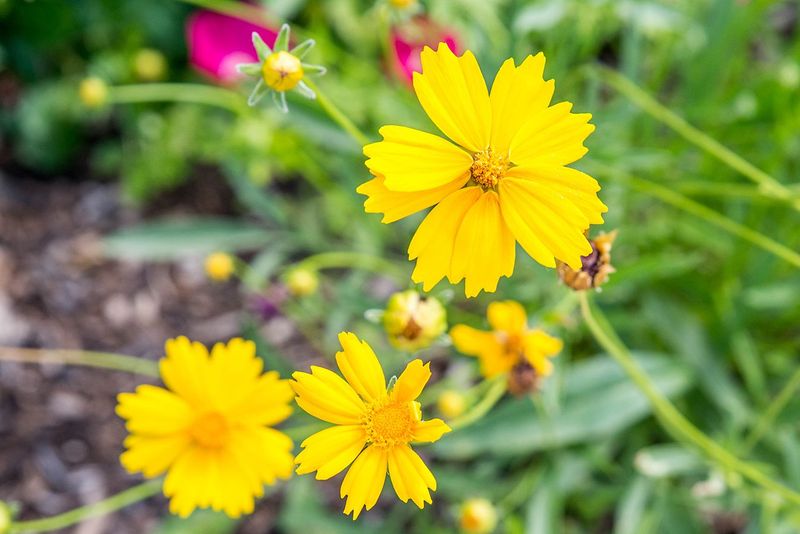
Coreopsis is a champ at blooming all summer, but by September it often looks worn out and shaggy from all that effort. When that happens, a solid cutback perks it right up.
Trim the whole plant down to around three or four inches above the soil. Doing this stops it from pouring its remaining energy into making seeds and sends that fuel down to the roots instead.
Regular deadheading throughout the season keeps the flowers coming, but a fall trim is the real reset button. Your tickseed will spend the winter building a stronger foundation for an even sunnier display next year.
5. Rudbeckia (Black-Eyed Susan)
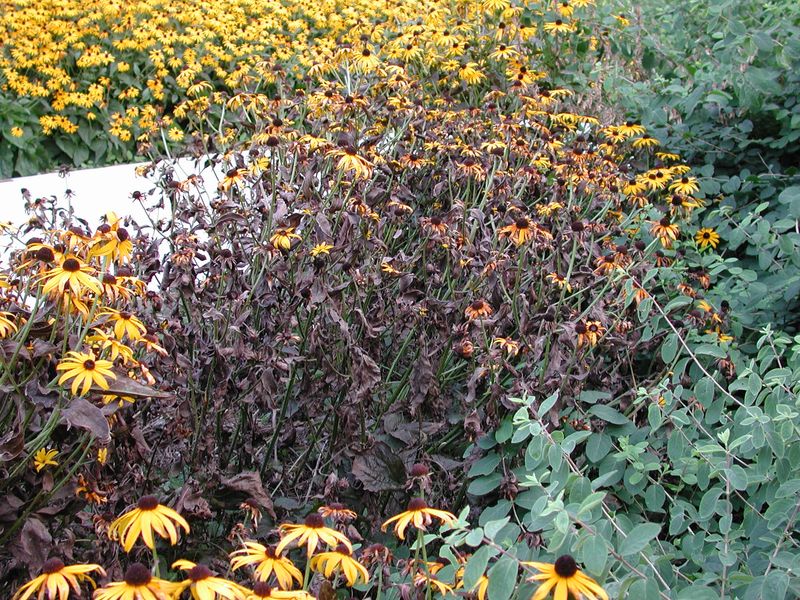
Black-eyed Susans light up the late summer garden, but they can be a little too generous when it comes to spreading. Cutting them back in late summer or fall keeps all those seeds from popping up in places you never planted them.
There is a health reason too. Rudbeckia foliage is prone to Septoria leaf spot, and that fungus loves to overwinter on old leaves left standing.
Clearing away the spent stems removes its hiding place and lowers the odds of trouble returning. Snip them down if they look ragged and enjoy a cleaner, healthier patch come spring.
6. Catmint (Nepeta)
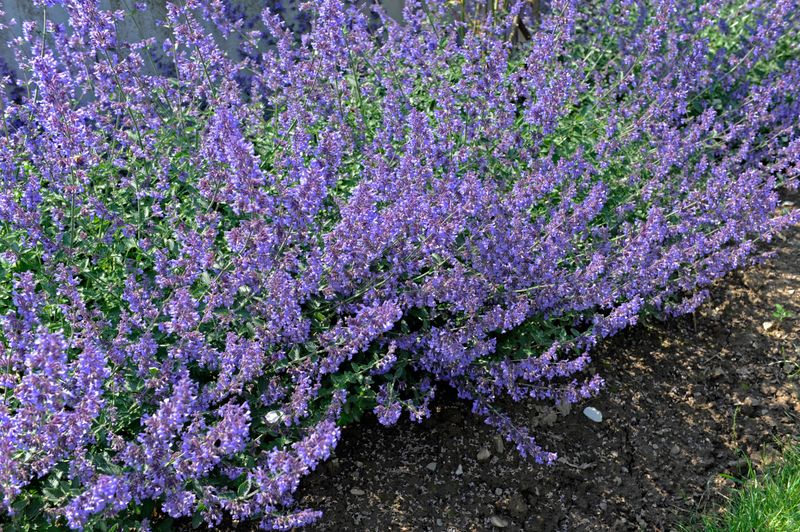
Catmint has a way of flopping open in the middle by the time September rolls around, leaving a bare, messy center. A light tidy-up now keeps it looking neat without going overboard.
Unlike some plants that get a hard chop, catmint usually saves its major pruning for late fall or early spring. For now, just remove the spent flowers and any floppy or damaged stems.
That gentle grooming keeps the plant compact and prepares it to bounce back with lush, fragrant growth next season. Think of it as a quick trim rather than a full makeover.
7. Coneflowers (Echinacea)
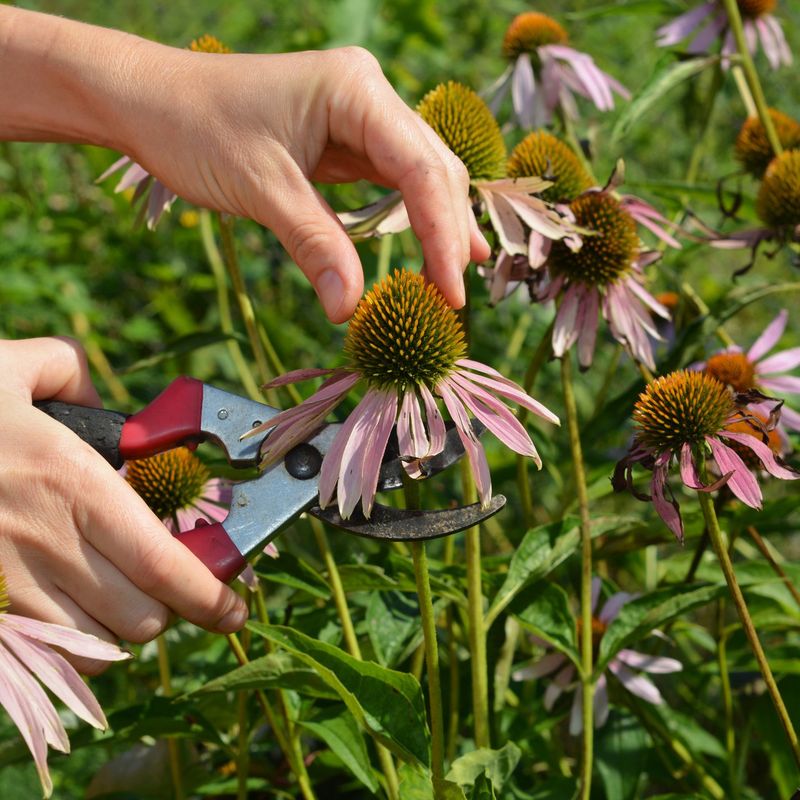
Coneflowers are tough, cheerful bloomers, but they can seed themselves into every corner of the bed if you let them. Pruning them in the fall, after the flowers fade and the plant goes dormant, keeps that spreading in check.
Many gardeners like to wait until after the first hard frost, partly because the seed heads feed hungry birds through winter. That said, if the foliage looks diseased or just plain unsightly in September, an earlier cutback is the smarter move.
Removing damaged leaves stops problems from lingering into next year. Whether you trim now or a bit later, a clean start means a bolder patch of echinacea next summer.
8. Garden Phlox
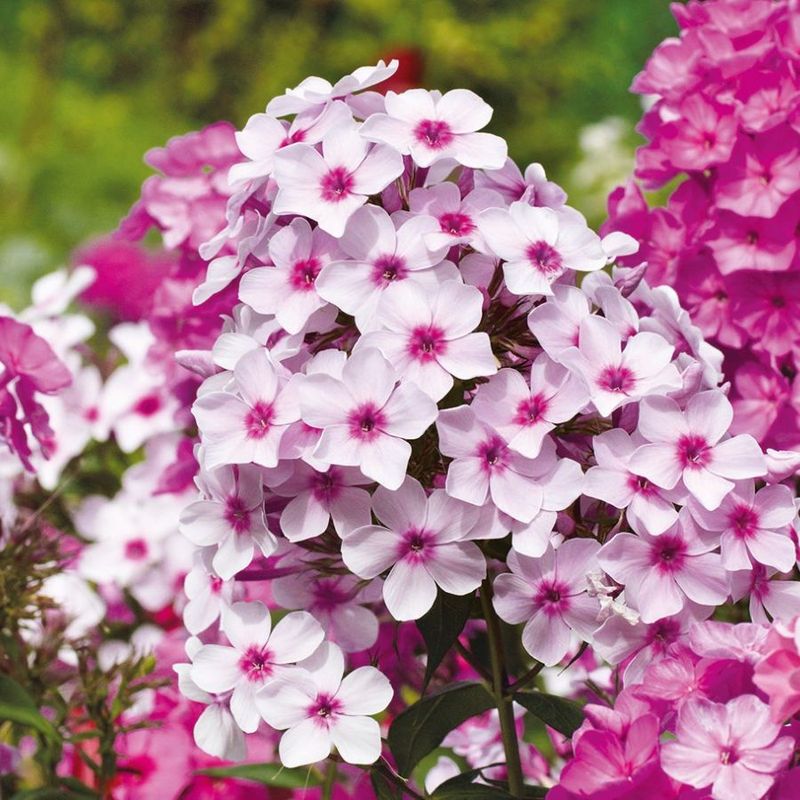
Powdery mildew is the bane of garden phlox, coating those tall stems in a dusty white film by late summer. September is the perfect window to fight back with your pruners.
Cutting off the top third of the tallest stems opens up air circulation right where the plant needs it. Better airflow makes it much harder for fungal spores to settle in and overwinter.
The payoff shows up next year in the form of healthier leaves and more of those big, fragrant flower clusters. A little trimming now spares you a mildew battle later.
9. Bee Balm (Monarda)
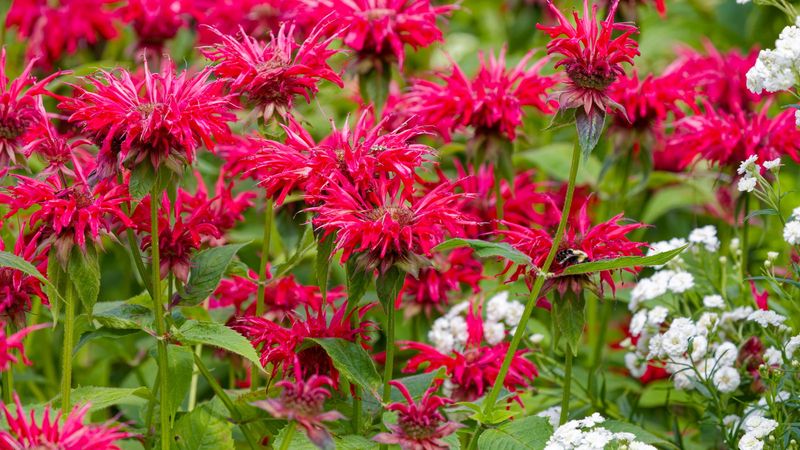
Bee balm draws in the pollinators like a magnet, but it also has a habit of getting leggy and catching powdery mildew as summer fades. Cutting it back in the fall, ideally before September first, is a real game changer for this plant.
Trimming away the diseased and browning stems clears the crowded growth where fungus thrives. That improved air circulation is one of the best defenses against mildew coming back.
A good fall cleanup leaves you with a stronger, healthier clump ready to explode with color next season. Don’t be shy about removing anything that looks spotted or tired.
10. Bearded Iris
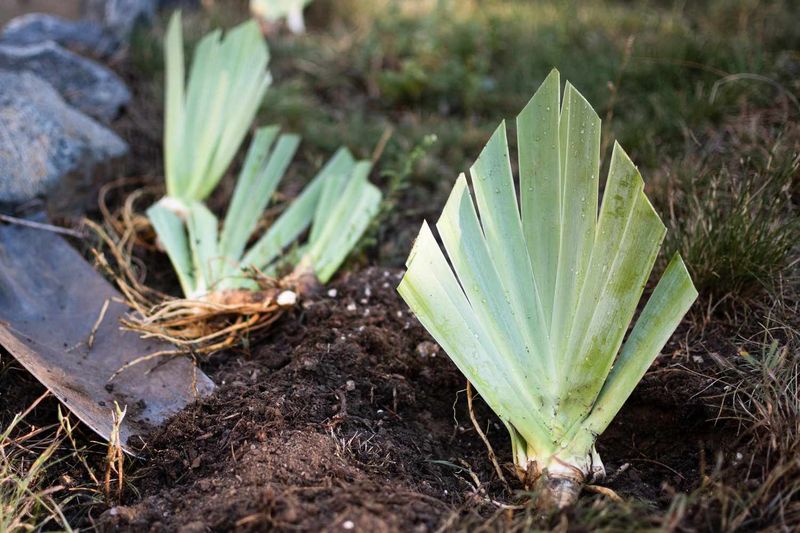
Bearded iris earns its spot on this list for one big reason: the dreaded iris borer. That sneaky pest overwinters in old foliage, then tunnels into the rhizomes and causes serious damage.
Removing the leaves in fall wipes out its cozy winter shelter before it can settle in. This one step is genuinely essential if you want to protect those fleshy rhizomes.
Trim the fans back and clear away any debris around the base of the plant. A little effort now keeps your iris healthy and blooming beautifully when spring arrives.
11. Hostas
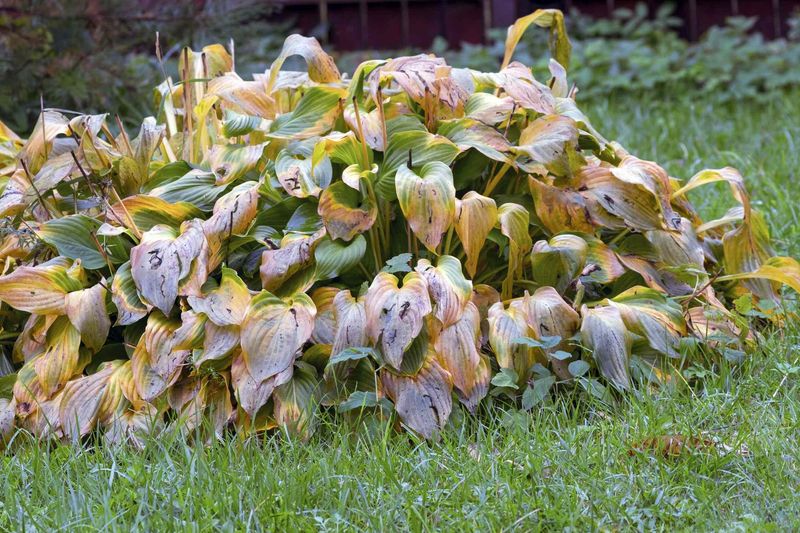
Hostas are the workhorses of the shade garden, but once frost nips them, their lush leaves collapse into a soggy, yellow heap. When they start looking ragged in fall, cutting them right down to the ground is the way to go.
Clearing that decaying foliage prevents fungal diseases from taking hold over winter. It also removes the damp hiding spots where slugs and other pests love to shelter.
A clean, empty spot where the hostas were means fewer problems and a fresher bed come spring. Your hostas will push up their tidy new shoots without any leftover mess in the way.
Give the whole area a quick sweep for fallen leaves while you are at it, and you will start the new season with a real head start.