
If You Only Ever Cook With Sage, Here’s The Sacred Reputation It Carried Across Every Ancient Civilization
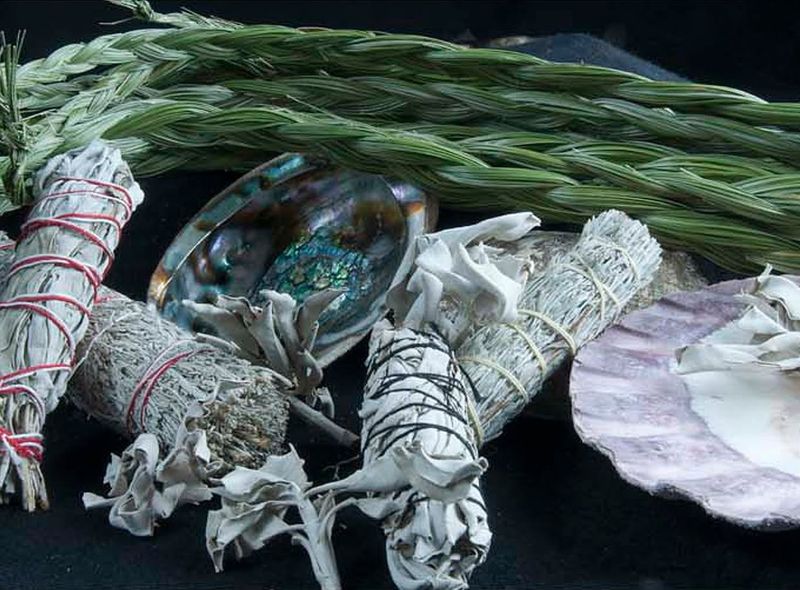
The sage sitting on your windowsill or tucked into a holiday stuffing recipe has a history far older and stranger than most cooks realize. Ancient Greek physicians listed it among their most trusted medicines, Roman writers linked it to the king of the gods, and reports from early Egyptian medical texts suggest it was valued long before the Roman Empire existed.
The full story is more complicated than the popular version, and sorting out what the evidence actually says makes the herb even more interesting than the legends do.
The Sage in Your Kitchen Has a Specific Identity
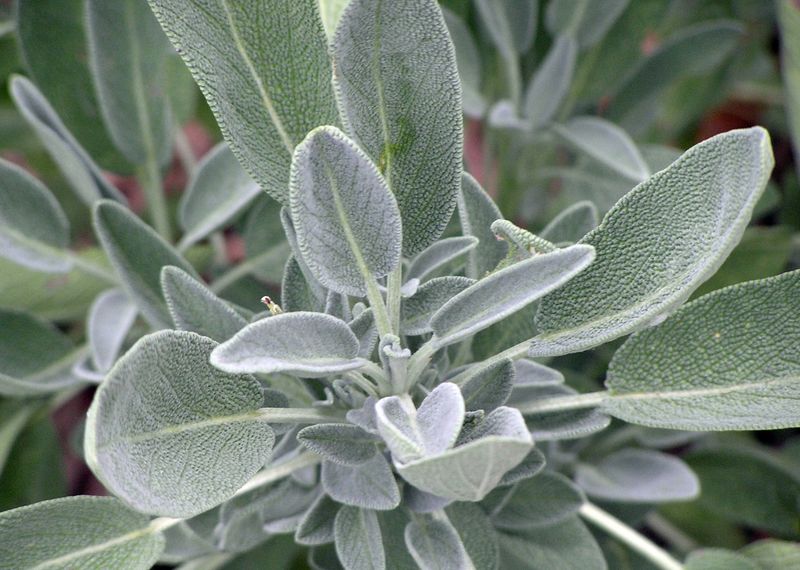
Pull a leaf from a common kitchen sage plant and rub it between your fingers. That sharp, almost resinous smell comes from a species called Salvia officinalis, a native of the Mediterranean region that has been cultivated for cooking and medicine for thousands of years.
Kew Gardens notes that the genus name Salviasalvare comes from the Latin word , meaning “to save” – a name that hints at just how seriously ancient people took this plant’s healing potential.
Before exploring what ancient civilizations believed about sage, it helps to understand one complication: “sage” is a common name that covers many plants in the SalviaS. officinalis genus. Common culinary sage is , but ancient writers who mentioned sage-like plants may have been describing several closely related species rather than the single plant now sold in grocery stores.
The National Center for Complementary and Integrative Health specifically distinguishes common sage from Spanish sage and other salvias, each with its own chemical profile and history.
Classical authors appear to have worked with at least three overlapping species: S. officinalis, S. pomifera, and what was sometimes called S. triloba – now generally grouped as S. fruticosa or related taxa. When an ancient writer praised the virtues of sage, readers today cannot always be certain which plant sat on the physician’s table.
That uncertainty does not erase the history. Salvia officinalis is genuinely a Mediterranean species with a long, documented relationship with human cultivation.
It grew wild across the hillsides of Greece, Italy, and the Balkans, which is exactly why so many ancient cultures encountered it. Starting with that botanical baseline makes every later cultural claim easier to evaluate clearly.
Greek Sources Connected Sage With Medicine and the Gods
Ancient Greek physicians were not casual about which plants they trusted. Hippocrates, whose writings shaped Western medicine for centuries, included sages in his working pharmacopeia.
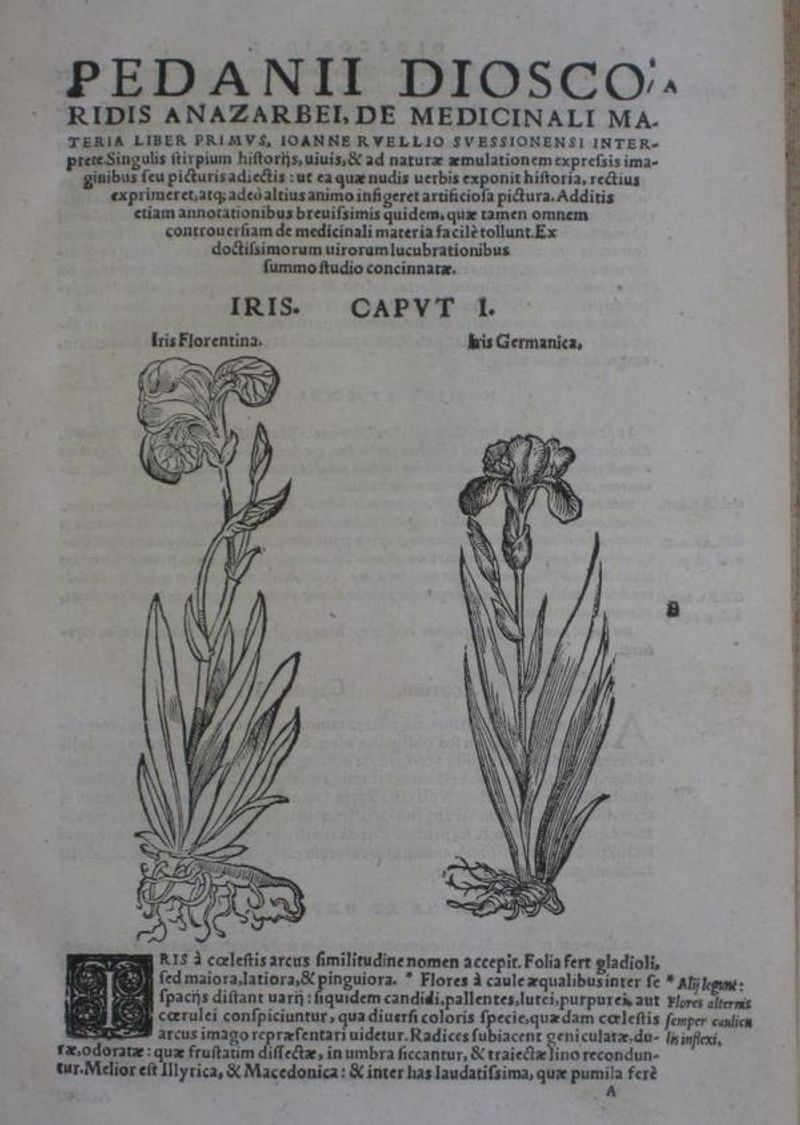
Dioscorides, whose first-century herbal De Materia Medica became the standard reference for physicians across the Mediterranean world, described sages in careful detail, noting their uses for wounds, coughs, and a range of internal complaints. The Getty’s reference on ancient herbs confirms that sages were included in the materia medica of Hippocrates, Dioscorides, and Galen – three of antiquity’s most authoritative medical voices.
Beyond the medical literature, Greek tradition also connected sage with myth. The Getty source reports that sages were associated with Cadmus, the legendary founder of Thebes, and with Zeus himself, the king of the Greek pantheon.
Exactly what that association looked like in practice – whether it meant ritual use, sacred planting near temples, or something more symbolic – is not spelled out in the sources available here. What the evidence does show is that a plant tied both to the supreme deity and to the most respected physicians of the ancient world occupied an unusual cultural position.
It is worth being precise about what “deity association” means in this context. A plant could be connected to a god through mythology, through use in religious ceremonies, through being gathered under specific ritual conditions, or simply because ancient writers praised its power in language that echoed religious devotion.
Those are meaningfully different claims. The Greek evidence shows that sages carried real medical authority and mythological resonance, but it does not prove a standardized religious designation or confirm that sage smoke rose regularly from Greek temple altars.
What emerges from the Greek record is a plant that sat at the intersection of practical medicine and cultural prestige – respected by healers and woven into stories about gods. For a kitchen herb, that is a remarkable starting point.
Roman Sources Linked Sage With Jupiter and Medical Practice
Roman writers picked up where Greek physicians left off, and they did so with characteristic thoroughness. Pliny the Elder devoted considerable attention to sage in his encyclopedic Natural History, listing uses that ranged from treating snake bites to aiding memory.
Galen, who served as physician to the Roman emperor Marcus Aurelius and whose work drew heavily on earlier Greek sources, also included sages in his treatments. The Getty reference confirms that Roman sources connected sages with Jupiter, the king of the Roman gods, and with active medicinal practice.
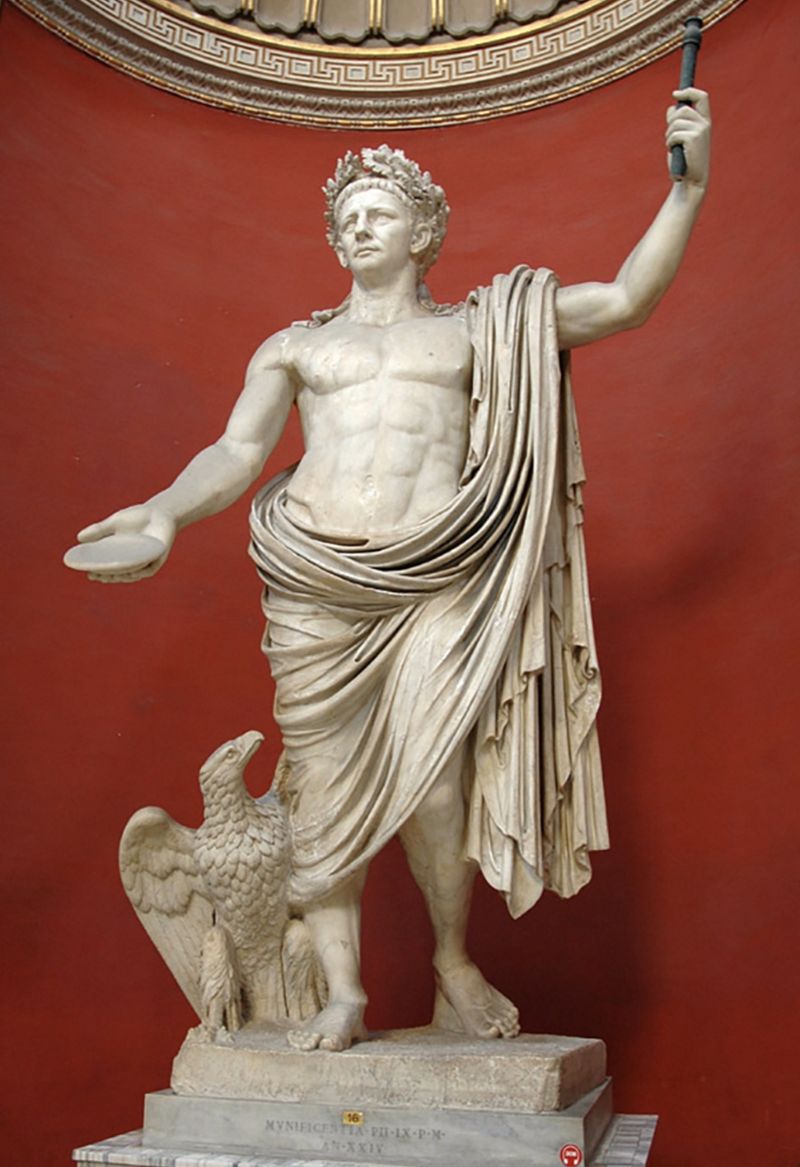
The Jupiter connection is worth examining carefully. Jupiter occupied roughly the same position in Roman religious life that Zeus held in Greek tradition.
Linking sage to Jupiter placed it in the company of the most powerful divine authority the Roman world recognized. Whether that association translated into formal temple use, ritual harvesting, or simply poetic reverence is not clearly established by the sources reviewed here.
Roman authors were often enthusiastic in their praise of effective medicines, and language that sounds religious to modern ears may have been closer to hyperbole about therapeutic power.
One important qualification shapes how to read the Roman evidence. Roman medical and botanical knowledge was not developed in isolation.
Roman writers were deeply familiar with Greek scholarship, and many Roman texts on herbs and medicine transmitted or adapted earlier Greek material. That means the Greek and Roman records, while both valuable, are not two independent witnesses arriving at the same conclusion from different directions.
They represent a connected Mediterranean tradition, not two separate civilizations discovering the same truth independently.
That distinction matters when evaluating the popular claim that multiple ancient civilizations uniformly called sage sacred. Rome’s evidence confirms that sage carried serious cultural weight in the ancient world.
It also shows how Greek prestige traveled westward and became Roman prestige, reinforcing a shared Mediterranean reputation rather than creating a second, separate one.
What the Evidence Actually Says About Ancient Egypt

Egypt appears in many popular accounts of sage’s ancient history, and the evidence does point to medicinal use. A European Medicines Agency assessment of Salvia officinalis reports historical medicinal use of sage in ancient Egyptian, Greek, and Roman medicine – a meaningful acknowledgment that Egypt belongs in the historical conversation.
Some economic-botany research also links sage to the Ebers Papyrus, one of the oldest surviving medical documents from ancient Egypt, dating to roughly 1550 BCE.
That connection is genuinely interesting, but it comes with a significant caveat that is easy to overlook. Matching ancient plant names and descriptions to modern species is difficult work.
Ancient languages did not have the benefit of Linnaean taxonomy, and a plant name in an Egyptian medical text does not automatically refer to the exact species now labeled Salvia officinalis in a seed catalog. Economic botany research on ancient plant identification underscores how uncertain these translations can be, especially when the original text describes a plant by its effects rather than its appearance.
There is also a gap between reported medicinal use and documented sacred status. Using a plant as medicine, even in a culture where medicine and religion were closely intertwined, is not the same as worshiping that plant or formally designating it as sacred.
No reliable evidence reviewed here establishes that ancient Egyptians regarded sage with the kind of religious veneration that the word “sacred” typically implies.
The accurate version of the Egyptian story is this: ancient Egyptian medical practice appears to have included plants from the sage family, and that use is consistent with what Greek and Roman physicians later documented. Whether those Egyptian plants were precisely S. officinalis, and whether Egyptians held sage in religious esteem rather than simply medical regard, remains genuinely uncertain.
Reported use is real evidence – it just does not stretch as far as some popular accounts suggest.
Why the Three-Civilizations Story Goes Too Far
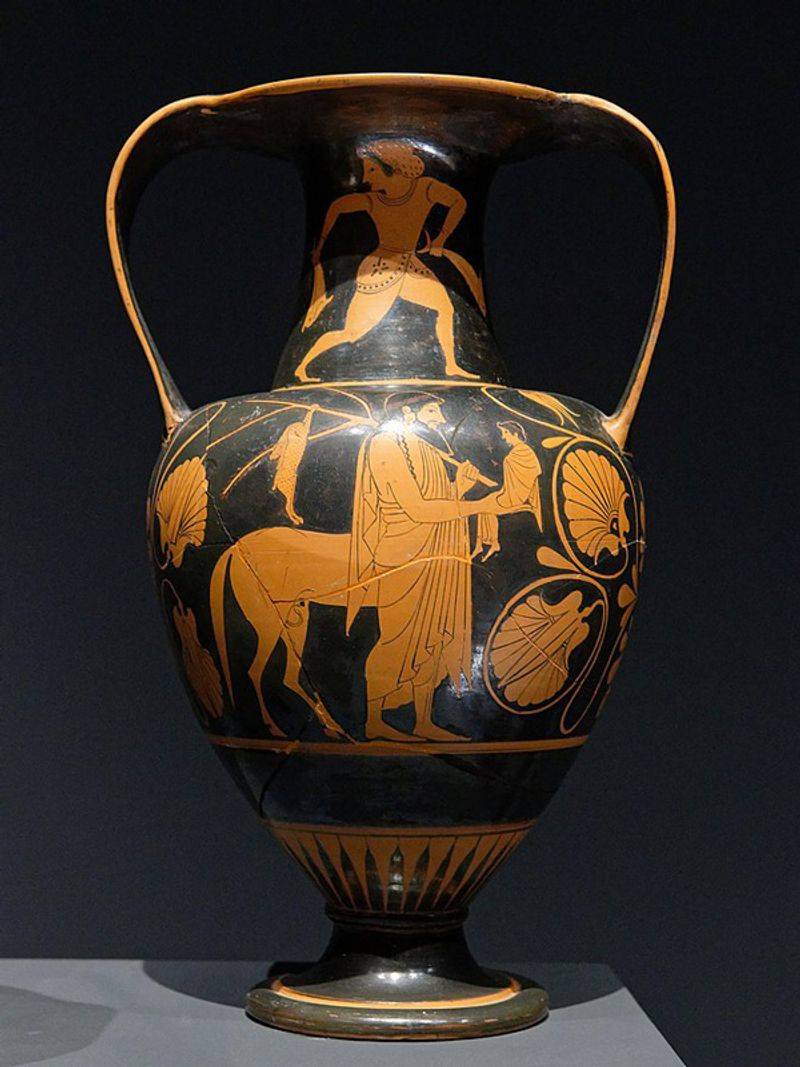
The idea that three separate ancient civilizations independently discovered sage’s sacred power and reached the same conclusion on their own is a compelling story. Ancient Mediterranean history, however, does not work quite that neatly.
The Getty’s ancient herbs reference makes clear that Greek and Roman botanical and medical knowledge formed a connected tradition, with Roman writers frequently transmitting, adapting, and building on earlier Greek material. Treating those two bodies of evidence as independent discoveries overstates what the record shows.
The word “sacred” creates its own complication. A plant could earn that label through any of several quite different pathways: association with a named deity, use in formal religious ceremonies, special rules about how and when it could be harvested, or simply a reputation for such powerful medicine that ancient writers described it in near-reverential terms.
Those are not interchangeable meanings. When a Roman author linked sage to Jupiter, that is deity association.
When Dioscorides listed it in his medical reference, that is medicinal authority. When a modern writer calls both of those things “sacred status,” the word has done a lot of quiet work without much justification.
For Egypt, the evidence is strongest as a record of medicinal use. The EMA assessment supports historical medicinal use across Egyptian, Greek, and Roman contexts, but it does not establish that Egyptians formally designated sage as a sacred plant or that Egyptian religious practice centered on it in any documented way.
None of this makes sage’s ancient reputation less impressive. A plant that appears in the materia medica of Hippocrates, Dioscorides, and Galen, earns connections to Zeus and Jupiter, and turns up in ancient Egyptian medical texts is genuinely extraordinary.
The defensible conclusion is that sage carried an unusually powerful ancient reputation for healing and ritual importance, concentrated especially in the Greek and Roman Mediterranean. That is a remarkable history – it just does not require inflating the evidence to make it worth telling.
Sage Is Not the Same as Every “Holy Herb” Story
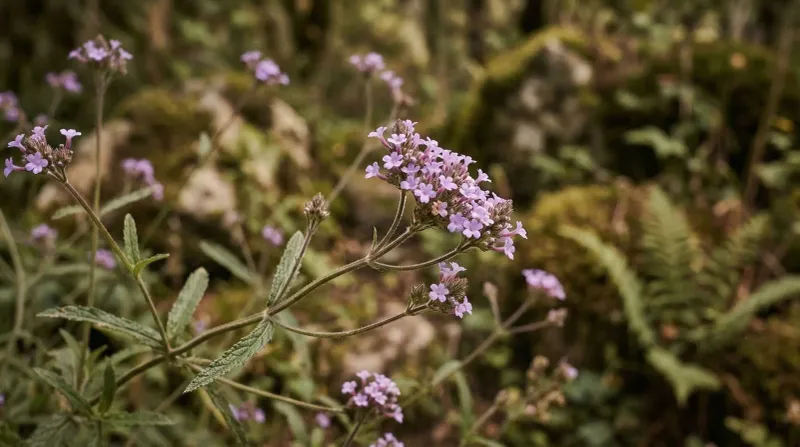
Sage sometimes gets credit for a title that actually belongs to a different plant entirely. In Greek and Roman traditions, the herb most explicitly called a sacred or holy herb was vervain – Verbena officinalisSalvia officinalis, not .
The Metropolitan Museum’s Cloisters garden blog notes that vervain held a specific designation as a sacred or holy plant in Greek and Roman traditions, used in religious ceremonies and diplomatic rituals. Sage had its own impressive reputation, but that particular title went to a different herb.
The mix-up matters because “sacred herb” is not a generic compliment that ancient writers handed out freely. When historians trace which plants carried formal religious designations in the classical world, vervain appears with a specificity that sage simply does not match in the sources reviewed here.
Conflating the two plants flattens a distinction that ancient people themselves appear to have maintained.
A related claim worth addressing directly involves Druids. Modern accounts sometimes describe ancient Druids burning or using sage for cleansing, protection, or creating sacred spaces.
Ancient sources do describe Druidic ritual practices, including the famous association with oak trees and mistletoe documented by Pliny. The Getty reference on ancient herbs covers classical Mediterranean plant traditions in detail, but does not establish culinary sage as a Druidic ritual plant.
The reliable evidence reviewed here does not support the claim that Druids used common sage for cleansing, protection, or sacred-space rituals.
Modern smudging practices, which often use white sage (Salvia apiana), a species native to the American Southwest, are a separate tradition with their own cultural context. Tracing those practices back to ancient Druids or classical Mediterranean religion requires a chain of evidence that the available historical record does not supply.
Sage’s actual documented history is rich enough that the borrowed mythology is unnecessary.
Your Windowsill Sage Still Reflects Its Mediterranean Origins
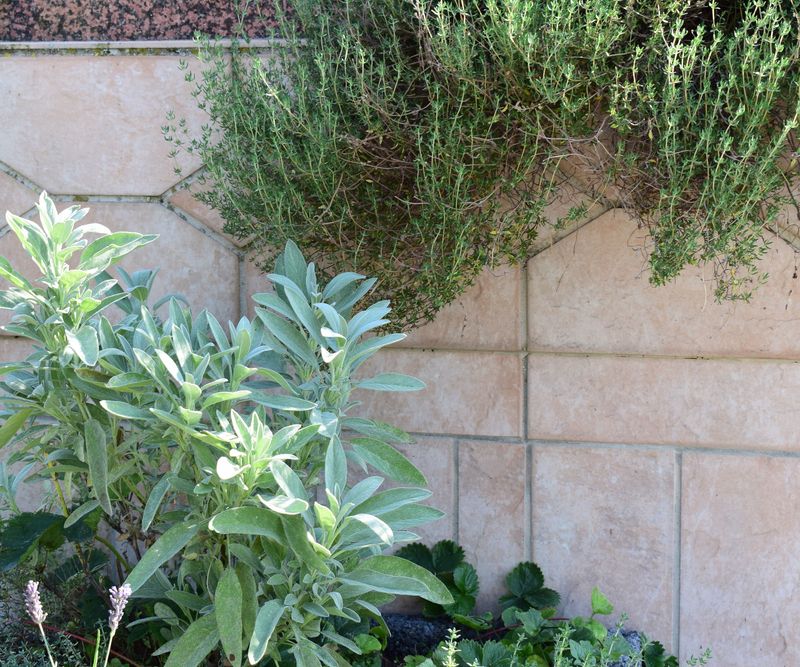
Growing common sage well comes down to understanding where it comes from. Kew confirms that Salvia officinalis is native to the Mediterranean region, where summers are warm and dry and soils drain quickly after rain.
Rocky hillsides, not river valleys. The plant evolved to handle heat and drought, which means the biggest mistake most US gardeners make is giving it too much water or planting it in soil that stays soggy.
Full sun is non-negotiable. University of Minnesota Extension guidance on salvias describes them as plants that perform best in full sun with drier soil conditions rather than persistently wet ground.
Their herb-growing guidance recommends at least six hours of direct sunlight daily and sharply drained soil for herbs like sage. A pot with drainage holes, or a raised bed with amended soil, often works better than heavy garden clay.
In most parts of the US, common sage is a perennial that will return year after year if it gets through winter without sitting in wet, frozen ground. In colder zones, a layer of mulch around the base after the first hard frost helps protect the roots.
In containers, bringing the pot into an unheated garage or sheltered porch through the coldest months extends the plant’s life considerably.
The culinary payoff for getting these basics right is real. Fresh sage leaves are more aromatic and flavorful than dried ones, and a healthy plant produces enough for cooking all season.
Ancient Mediterranean cooks and physicians worked with the same species, in conditions not far from what a well-positioned garden bed or sunny windowsill can provide. That continuity between a modern kitchen and a two-thousand-year-old tradition is one of the more quietly satisfying facts about growing this particular herb.
Ancient Medicine Does Not Make Modern Sage Medicine
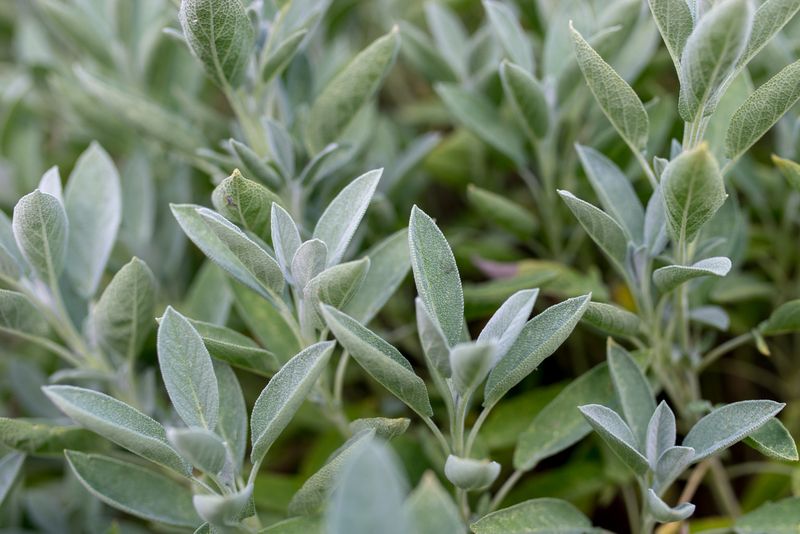
Ancient physicians trusted sage with serious conditions. Pliny recommended it for snakebite.
Dioscorides described it as useful for wounds and respiratory complaints. Medieval European herbalists extended those claims further, crediting sage with everything from improving memory to treating infertility.
The list of ancient and medieval therapeutic uses is long and genuinely impressive – and almost none of it has been confirmed by modern clinical research.
NCCIH states plainly that research on sage remains limited and that sage has not been clearly shown to help any particular health condition. Some preliminary studies have explored sage’s effect on memory and cognitive function, and others have looked at its antimicrobial properties in laboratory settings.
Those early results are interesting, but interesting early-stage research is a long way from a treatment recommendation. Ancient medical authority does not shorten that distance.
For most people cooking with sage, the safety picture is straightforward. A few leaves in a pasta sauce, a stuffing recipe, or a pan of roasted vegetables represents a culinary quantity that has been used safely for centuries.
Concentrated or prolonged use is a different situation. Some sages, including S. officinalis, contain thujone, a compound that can be toxic at high doses or with long-term exposure.
Drinking large quantities of strong sage tea daily over an extended period is not the same as seasoning a roast chicken.
Sage essential oil sits in a separate category entirely. NCCIH’s provider guidance reports that sage essential oil is high in thujone and that seizures associated with its consumption have been documented.
Essential oil is not a concentrated version of cooking with sage – it is a chemically distinct preparation that should not be ingested casually or used as a self-treatment for any health condition. The ancient reputation for powerful medicine is real history; treating it as a prescription is a mistake the ancient physicians themselves would likely have cautioned against.
The Accurate Version of Sage’s Sacred Reputation
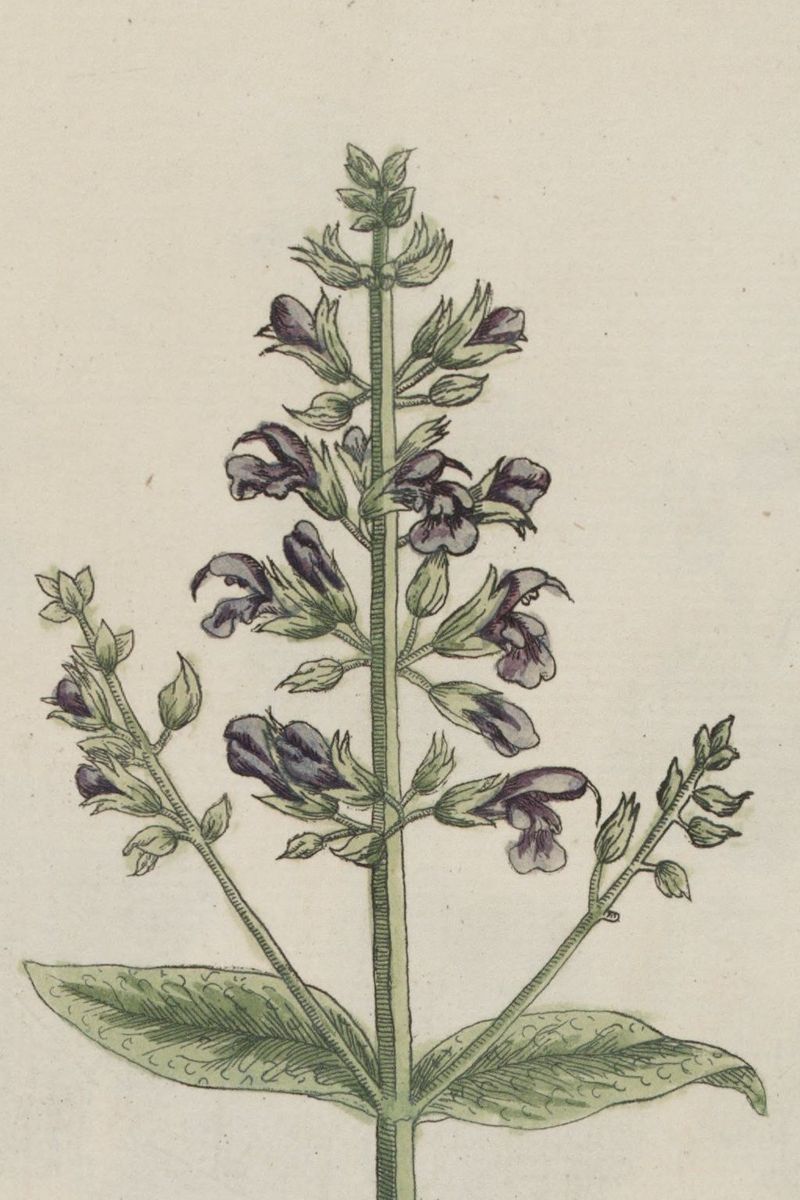
Common sage was more than a seasoning in the ancient Mediterranean world. Greek physicians placed it among their most trusted medicines.
Roman writers connected it to Jupiter and recorded its uses across generations. Reports from ancient Egyptian medical texts suggest it was valued there too, though identifying the exact species and its cultural role remains uncertain.
That collective record adds up to something genuinely unusual for a kitchen herb.
The qualification is worth stating plainly: the evidence supports a powerful ancient reputation, not a proven story that every ancient civilization – or three independent civilizations – uniformly called modern culinary sage sacred. The Getty’s ancient herbs reference and the EMA’s assessment of Salvia officinalis together support a history of medicinal authority, deity association, and symbolic importance – especially in the connected Greek and Roman Mediterranean.
That is a different claim from universal sacred status, and it is a more honest one.
The herb on your windowsill carries a history that does not need exaggeration to be worth knowing. A plant whose genus name means “to save,” whose leaves were prescribed by Hippocrates and praised by Pliny, and whose silver-green foliage still grows wild on the same Mediterranean hillsides where ancient physicians gathered it – that is already a remarkable thing to have in a kitchen garden.